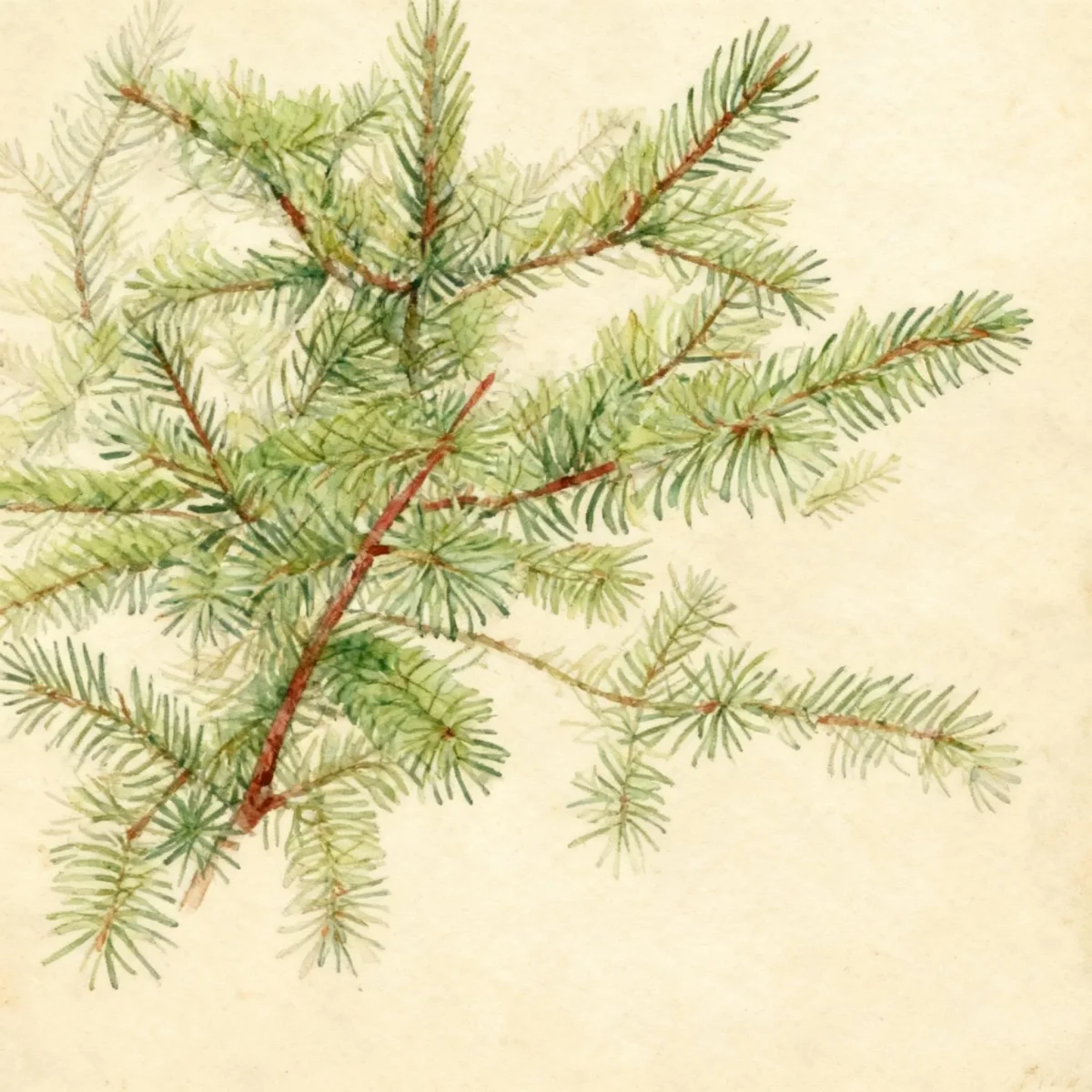
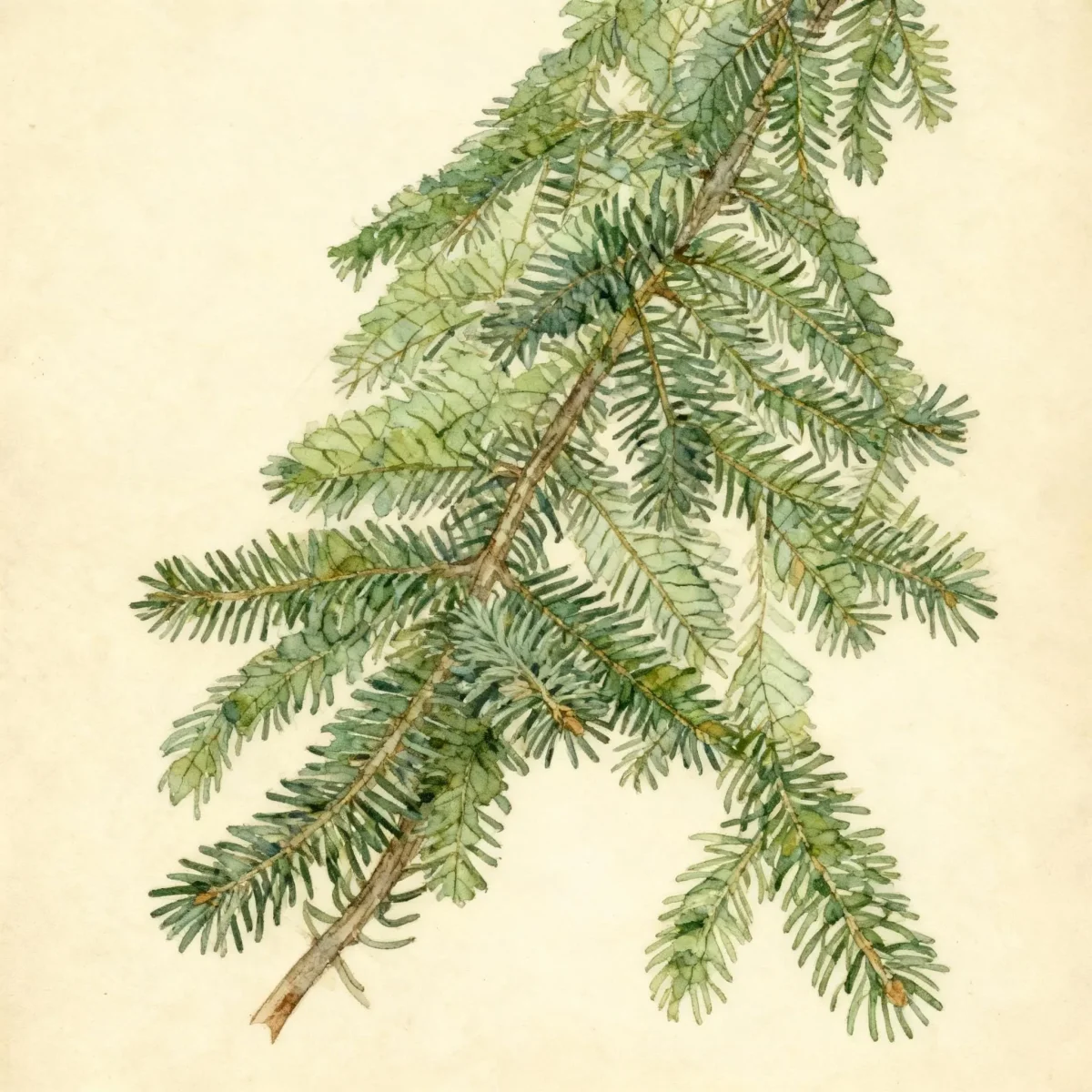
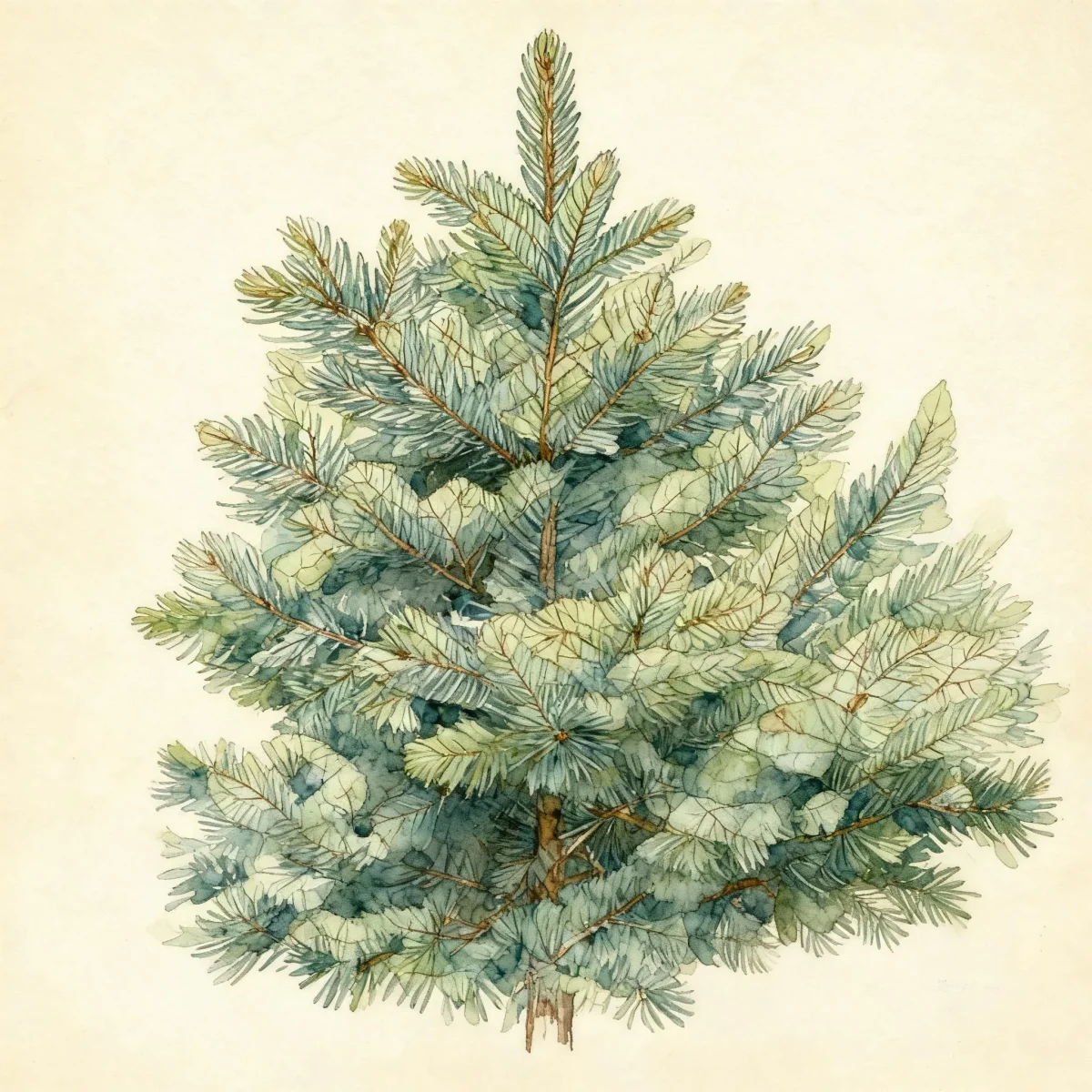
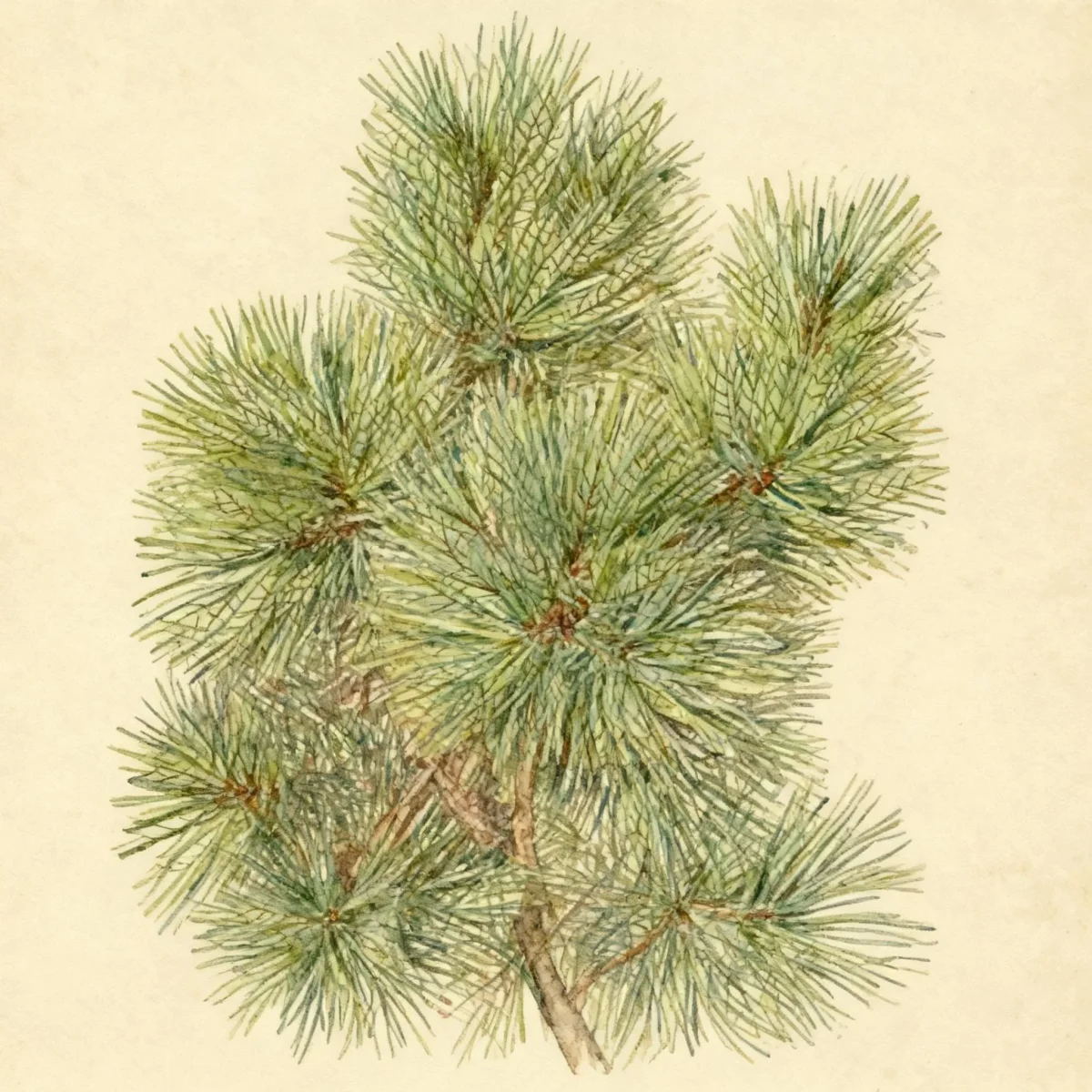
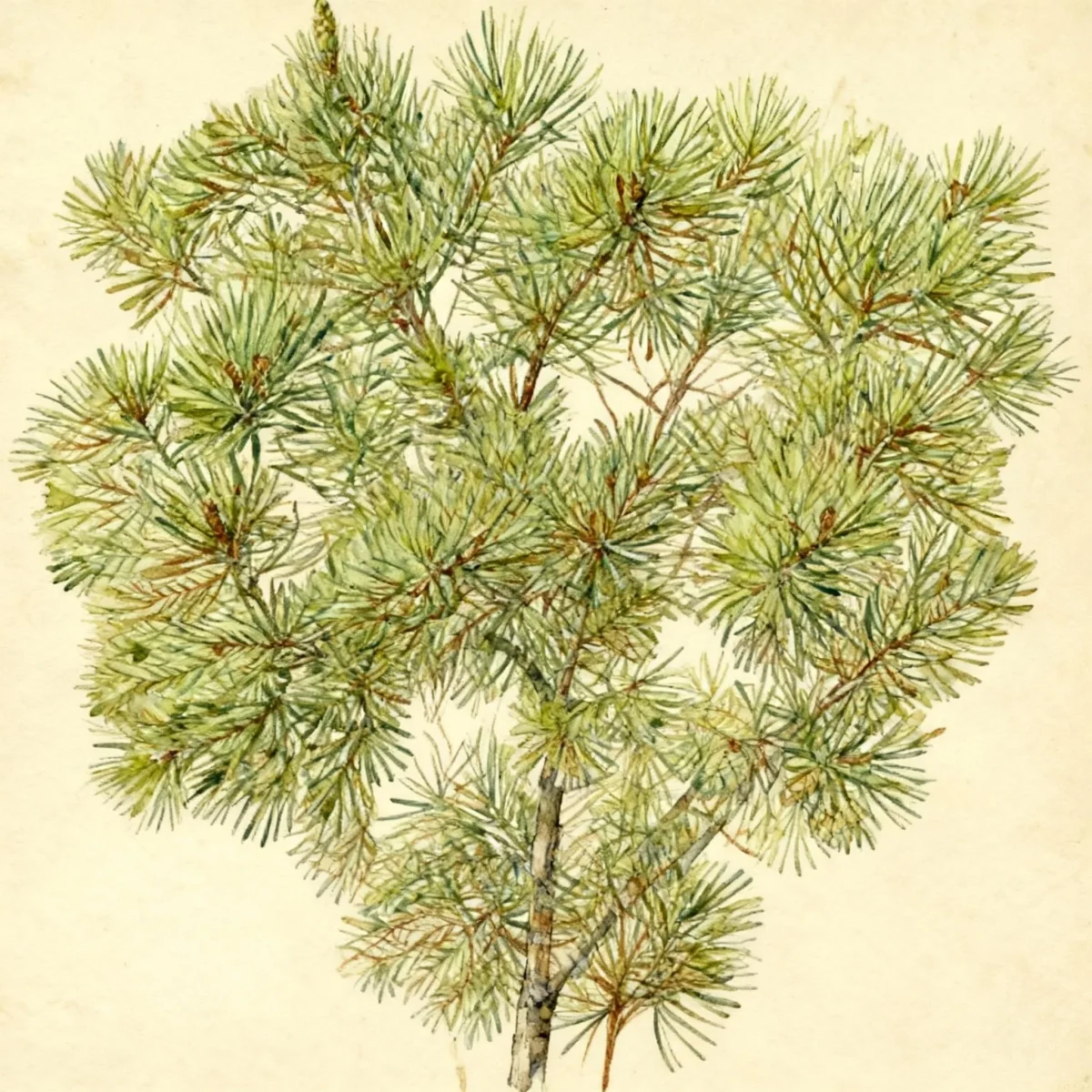
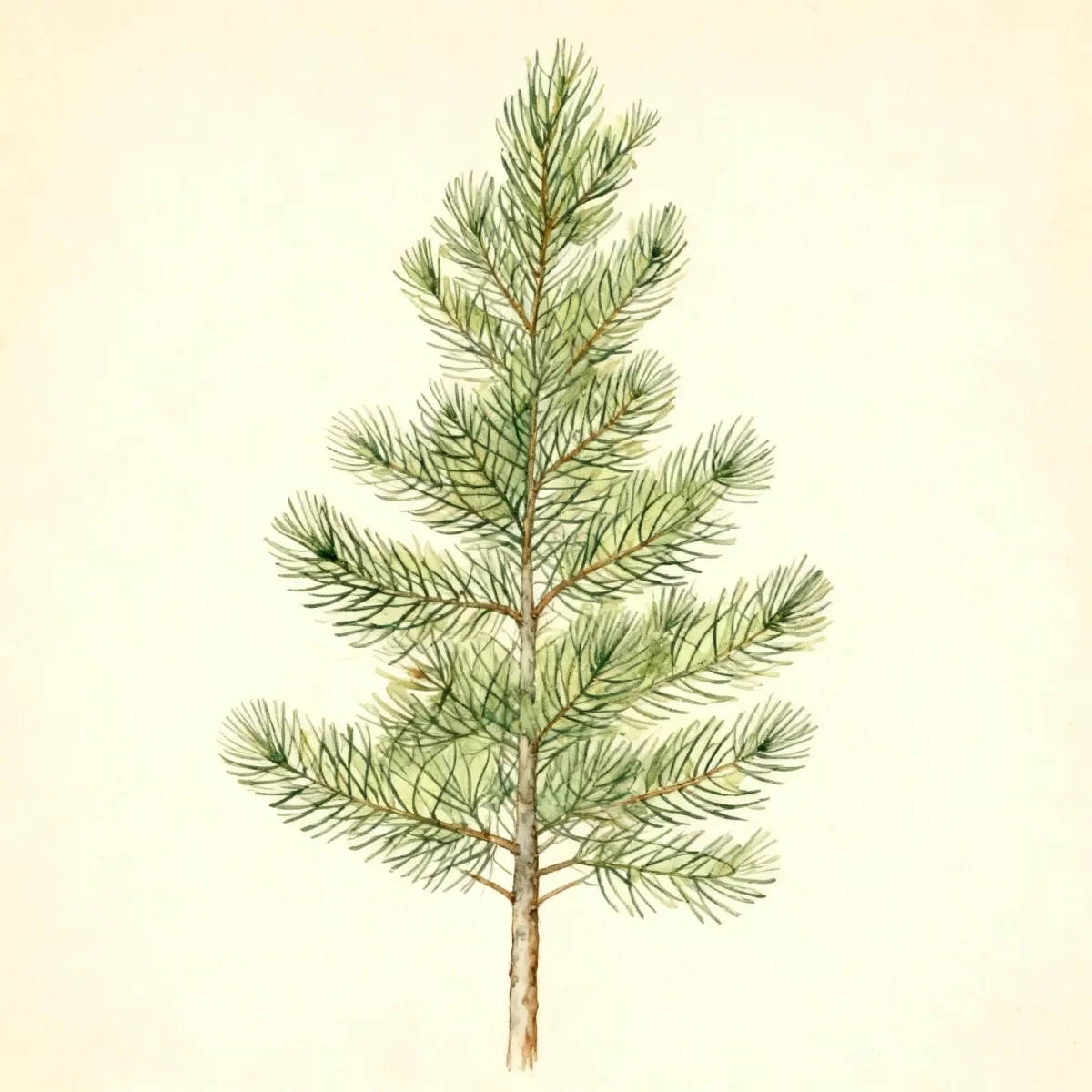
Sakhalin spruce (Picea glehnii 'Yatsubusa')
Picea glehnii 'Yatsubusa' is a slow-growing dwarf Sakhalin spruce, perfect for rock gardens needing a dense, low-maintenance evergreen accent.
Scroll down to discover growing tips, care requirements, companion plants, and more
Complete Plant Information
Overview
The Picea glehnii ‘Yatsubusa’ offers gardeners a unique, compact alternative to its towering relative, the Sakhalin spruce. This specific cultivar is highly valued for its deliberately slow growth rate, making it an excellent choice for small spaces where standard conifers would quickly overwhelm the area. It presents as a dense, upright, irregularly conical evergreen providing year-round texture.
This dwarf Sakhalin spruce cultivar typically expands slowly, reaching about 3 feet tall and wide over seven years. While the species form of Picea glehnii is known for its flaky chocolate brown bark and bright green needles, the specific charming characteristics of the ‘Yatsubusa’ form are highly sought after in specialized evergreen collections. Its low maintenance requirements further enhance its appeal for dedicated hobbyists and landscape designers alike.
Gardeners appreciate the bright green needles and tidy habit of Picea glehnii ‘Yatsubusa’, which fits seamlessly into rock gardens or foundation plantings. Its evergreen nature ensures winter interest, providing necessary structure and color when deciduous plants are dormant. Establishing this uncommon dwarf Sakhalin spruce correctly ensures decades of modest, reliable performance.
Fast Facts
- Plant Family: Pinaceae
- Plant Type: Needled evergreen
- Hardiness Zones: USDA Zones 4-7
- Size at Maturity:
- Height: 2-4 ft
- Spread: 2-4 ft
- Bloom Time: Non-flowering
- Bloom Description: Non-flowering
- Sun Exposure: Full sun to part shade
- Water Needs: Medium
- Maintenance Level: Low
How to Grow
The best time to establish your Picea glehnii ‘Yatsubusa’ is during the cooler, moist periods of early spring or fall. This allows the root system adequate time to settle before facing the stresses of summer heat or deep winter freezes. Proper planting is crucial for this slow-growing evergreen; amend the planting site to ensure the soil is average, offering medium moisture retention while remaining well-drained.
Once established, the Sakhalin spruce ‘Yatsubusa’ requires relatively little attention beyond consistent moisture management. Water thoroughly when the top few inches of soil feel dry, especially during extended dry spells, as medium water needs must be honored to prevent needle desiccation. Fertilization is rarely necessary; if growth is severely stunted, a balanced, slow-release fertilizer applied in early spring can provide a gentle boost.
Pruning should be minimal, focusing only on removing any damaged or dead branches to maintain the cultivar’s natural, irregular conical form. Avoid heavy shearing, which can disrupt the dense, short needles that define the character of this dwarf Picea glehnii ‘Yatsubusa’. In harsh winter zones (Zone 4), provide a deep watering before the ground freezes solid to help protect the evergreen foliage from winter burn.
Landscape Uses
The diminutive size of the Picea glehnii ‘Yatsubusa’ makes it ideal for highly controlled landscape designs where space is at a premium. It functions exceptionally well as a specimen planting in rock gardens, providing sharp, textural contrast against broad-leafed perennials or grey stone. Its slow growth means it can occupy a permanent spot without rapid expansion that would necessitate frequent replacement.
Consider using this dwarf Sakhalin spruce for subtle foundation plantings near entryways, where a permanent yet manageable splash of deep green is desired. Because it is highly tolerant of shade conditions (performing best in part shade), it can anchor small pockets beneath the high canopy of larger, existing trees. Pair it with low-growing groundcovers that share similar medium water needs for a cohesive, low-maintenance planting scheme.
Standout Features
Flower Qualities
- Insignificant
Noteworthy Characteristics
The species Picea glehnii, commonly called Sakhalin spruce, is a tall, evergreen conifer with a narrow, conical crown which will grow to 100’ over time, notable for its flaky, chocolate brown bark and reddish, pubescent young shoots. The ‘Yatsubusa’ cultivar differentiates itself by being a dwarf form, growing very slowly (approximately 3 inches per year) to achieve a dense, upright, irregularly conical shape reaching about 3 feet tall by 3 feet wide over seven years. This uncommon cultivar offers unique texture due to its bright green needles and tight habit.
Tolerances
- Deer
Potential Problems
The Picea glehnii ‘Yatsubusa’ generally exhibits few serious insect or disease issues, especially when sited correctly in well-drained soil. However, like other species of spruce, it remains susceptible to common pests such as spider mites, aphids, bagworms, and borers when stressed or overcrowded. Fungal diseases, particularly root rot or needle cast, are a greater risk in extremely humid climates or if soil drainage is poor. Regular scouting, especially checking developing spring growth for pests, is the best preventative measure. Ensuring good air circulation around the dense foliage of the Sakhalin spruce will significantly reduce the likelihood of fungal infections taking hold.
Frequently Asked Questions
What hardiness zones is Sakhalin spruce suitable for?
Picea glehnii ‘Yatsubusa’ is best suited for USDA Hardiness Zones 4 through 7.
How large does Picea glehnii ‘Yatsubusa’ grow?
This dwarf cultivar typically reaches a mature height and spread between 2 to 4 feet, growing slowly at about 3 inches per year.
What sun exposure does Picea glehnii ‘Yatsubusa’ need?
This evergreen performs well in locations receiving full sun to part shade.
When does Sakhalin spruce bloom?
This conifer is non-flowering.
Conclusion
The Picea glehnii ‘Yatsubusa’ provides exceptional architectural interest in a small package, distinguished by its slow growth and dense, bright green needles. This dwarf Sakhalin spruce is a reliable, low-maintenance choice perfect for rockeries or accent placements. Before planting, confirm your site falls within USDA Zones 4-7 and offers appropriate sun exposure for enduring beauty.
Companion Planting
When designing the garden area around your Picea glehnii ‘Yatsubusa’, select companions that complement its slow habits and specific light tolerance. Because this spruce appreciates medium moisture and well-drained soil, pairing it with low-growing hostas or various heucheras (coral bells) works wonderfully in partial shade locations. These companions offer contrasting leaf shapes and colors without competing aggressively for root space or moisture.
For sunnier rock garden settings, consider drought-tolerant, low-mounding alpines or low-growing Sedums once the spruce is established. These pairings emphasize the texture of the thick, dark green needles of the dwarf Sakhalin spruce. Avoid planting bog-loving species nearby, as overwatering to please a companion plant will rapidly compromise the drainage needs of Picea glehnii ‘Yatsubusa’.
Design Ideas for Dwarf Evergreens
Using Picea glehnii ‘Yatsubusa’ in landscape design centers on leveraging its texture and permanence. Its stiff, upright habit makes it an excellent “anchor” plant in mixed borders, providing necessary vertical punctuation even in miniature scale. In formal or Japanese-inspired gardens, the slow, compact form of this cultivar lends itself well to creating permanent focal points that require minimal shaping.
This dwarf spruce excels in contemporary container gardening. Plant it centrally in a medium to large pot and surround it with seasonal annuals that can be swapped out as temperatures change. This strategy allows you to enjoy the slow, steady presence of the Sakhalin spruce on patios or decks, keeping its root zone well-managed throughout the year, especially important for containerized evergreens in Zones 4 or 5.