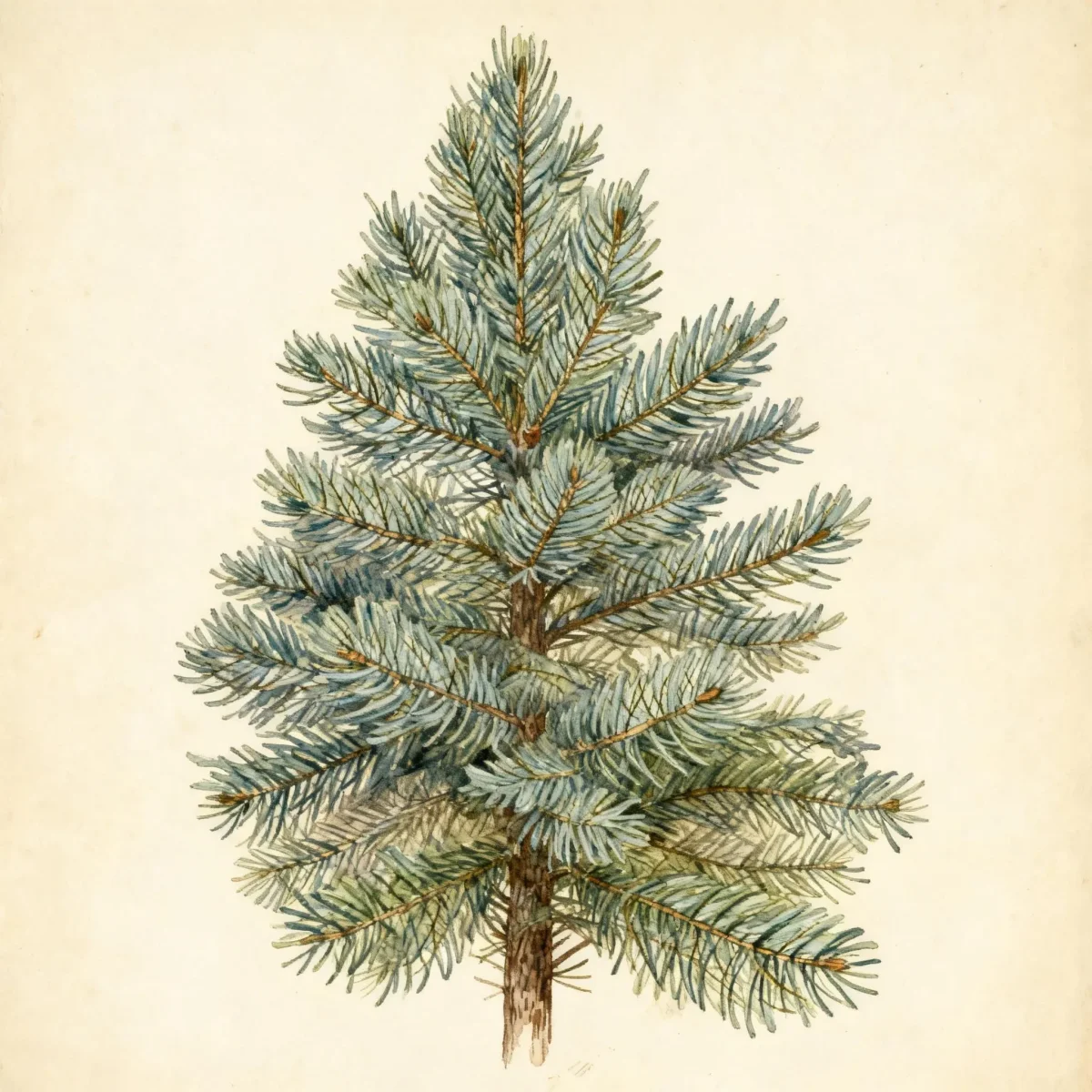
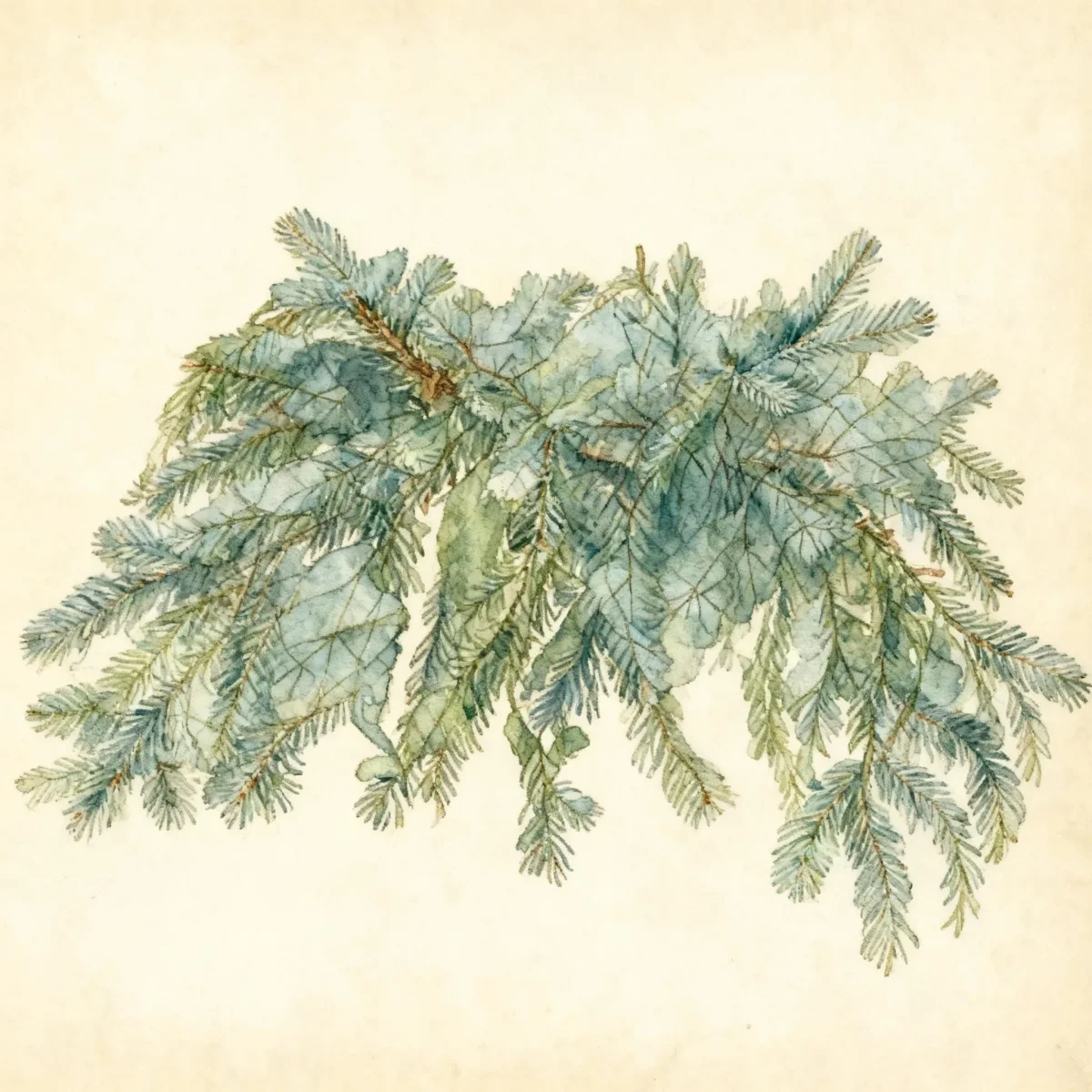
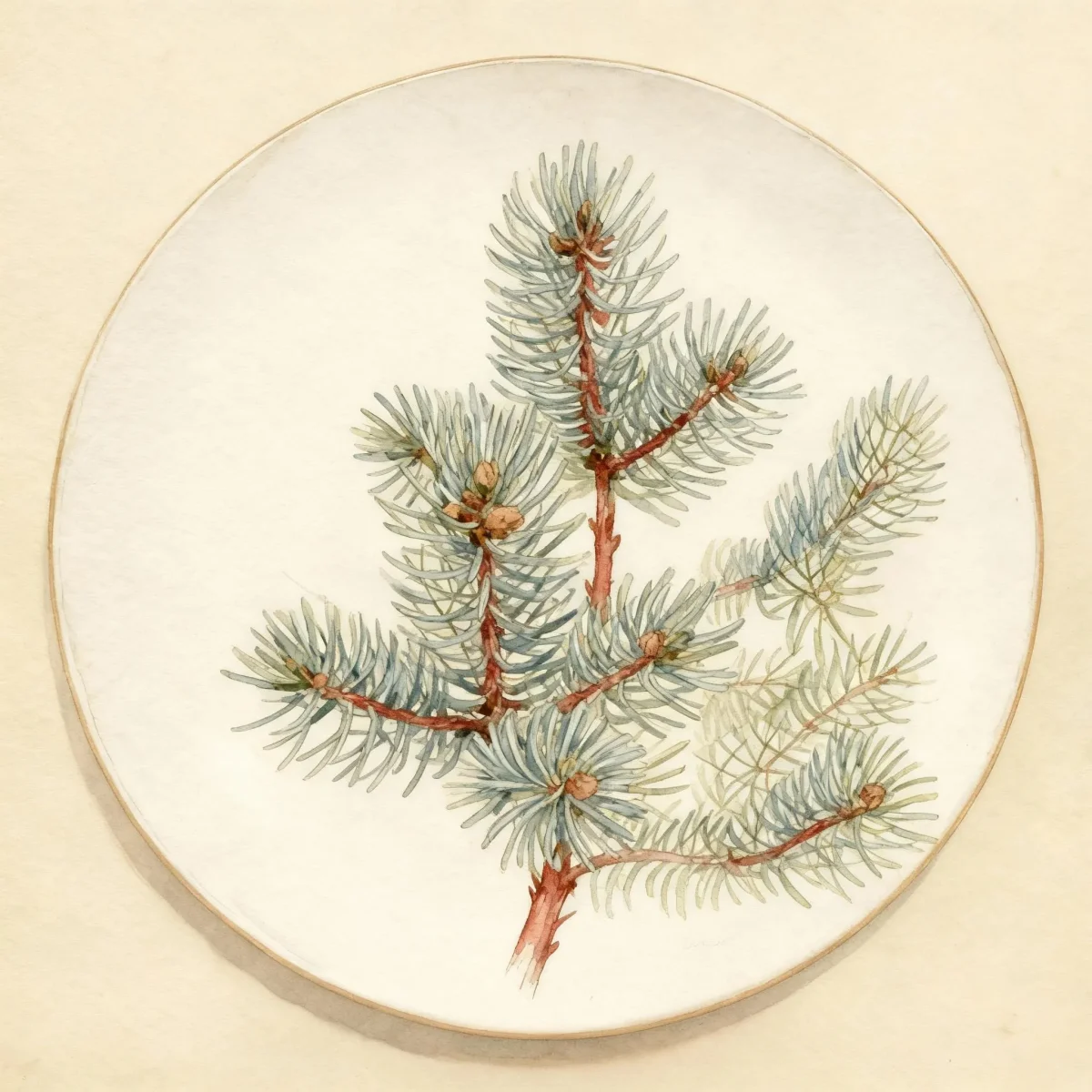
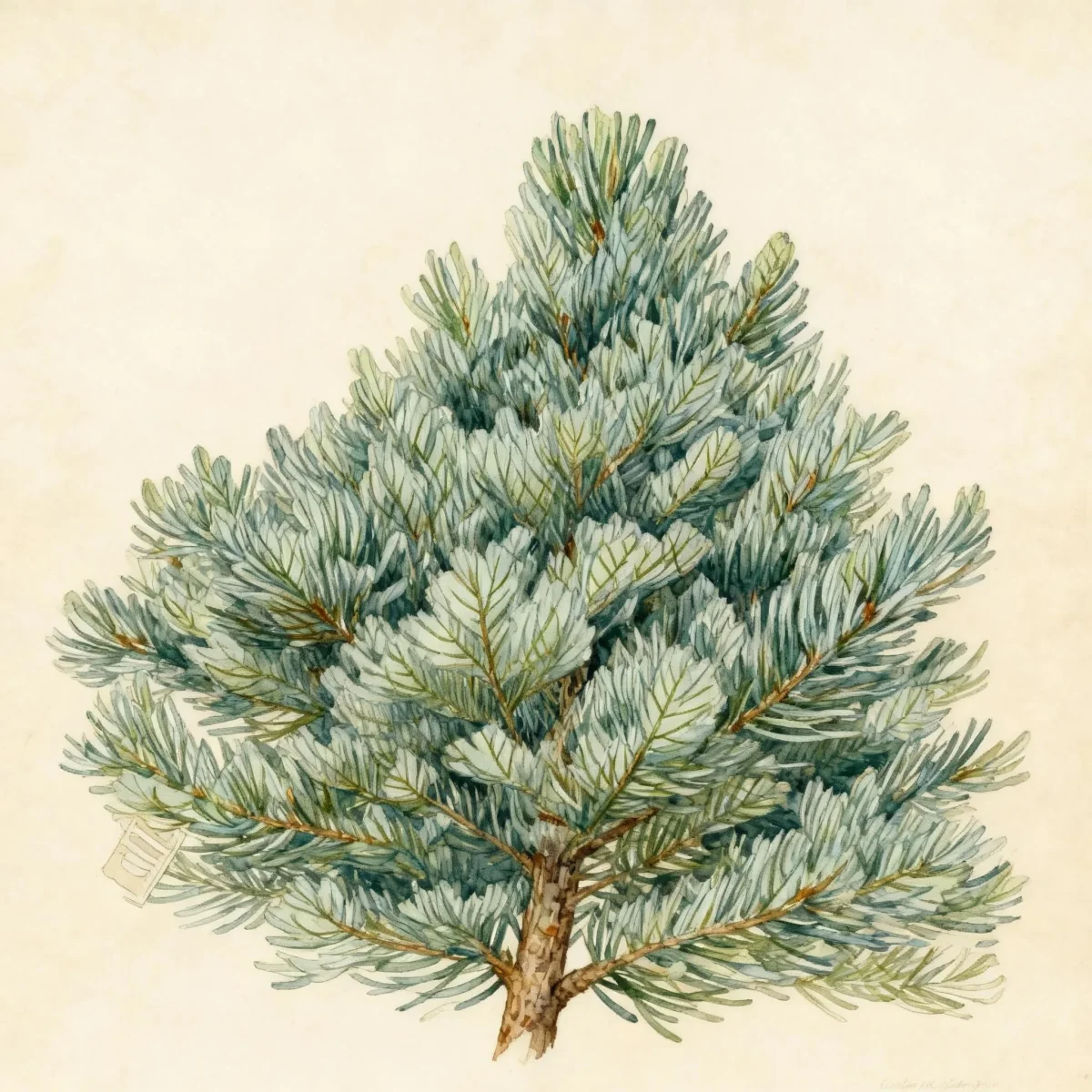
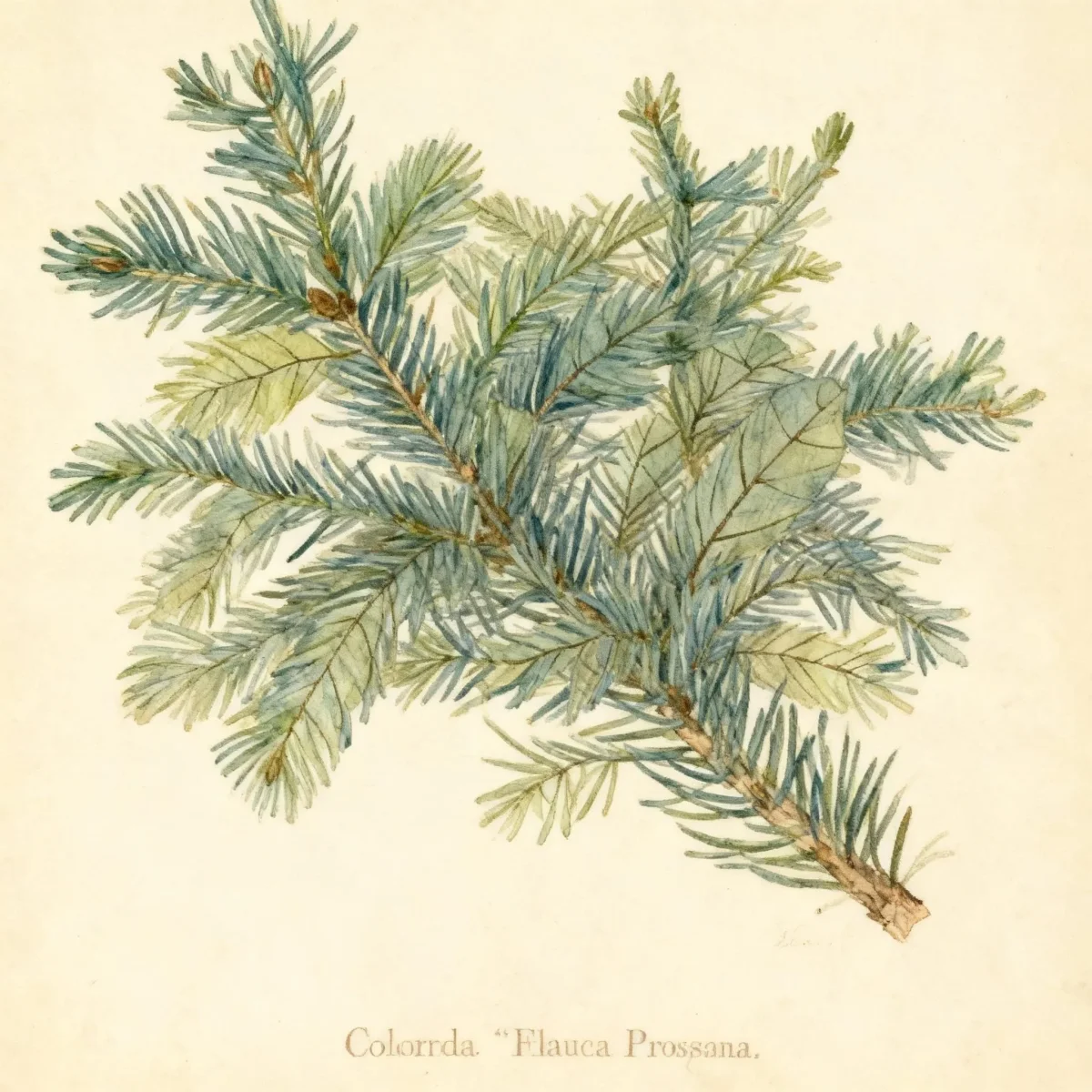
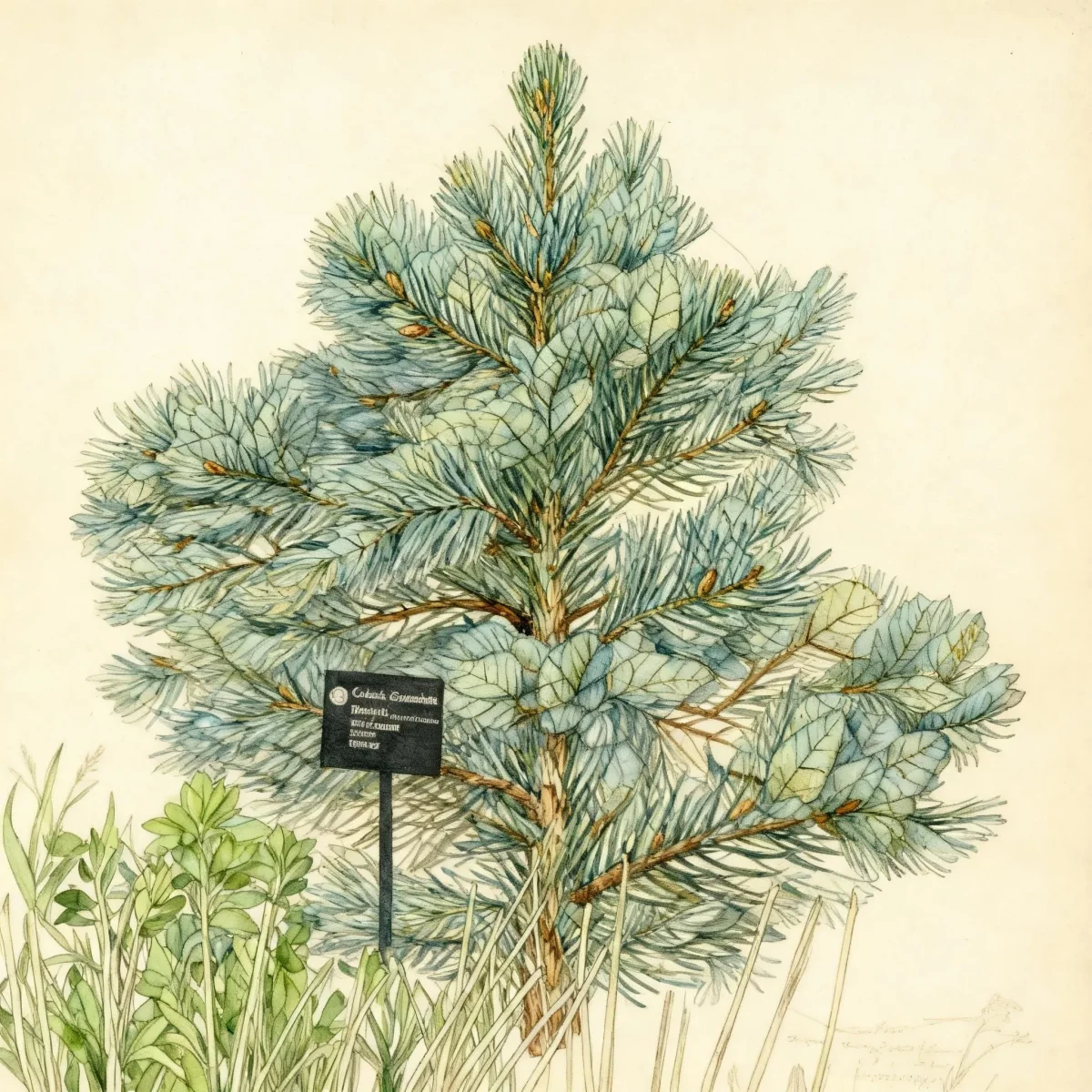
Colorado spruce (Picea pungens 'Bacheri')
Picea pungens 'Bacheri' is a semi-dwarf Colorado spruce offering striking silver-blue needles, ideal for small gardens.
Scroll down to discover growing tips, care requirements, companion plants, and more
Complete Plant Information
Overview
The Picea pungens ‘Bacheri’ cultivar provides the desirable coloration of the Colorado spruce in a much more manageable size for contemporary landscapes. This selection maintains the classic pyramidal form and stunning silver-blue needles characteristic of its larger relatives, making it a superb specimen plant. Gardeners value this semi-dwarf tree for its low maintenance requirements and year-round evergreen structure.
As a member of the Blue Spruce family, Picea pungens ‘Bacheri’ offers striking vertical interest and vibrant cool tones that contrast beautifully with broadleaf plants. It thrives best when situated where it receives ample sunlight, though some afternoon relief in intensely hot climates is beneficial for overall vigor. Establishing this tree correctly ensures that its low maintenance nature can be fully realized over time.
This specific cultivar matures to a compact 12 to 18 feet tall with a spread of 6 to 8 feet, fitting neatly into smaller residential settings where the full-sized Colorado spruce would overwhelm the space. Its visual impact, driven by its stiff, blue-tinted foliage, makes Picea pungens ‘Bacheri’ an excellent choice for accent planting or as a year-round screen.
Fast Facts
- Plant Family: Pinaceae
- Plant Type: Needled evergreen
- Hardiness Zones: USDA Zones 3-8
- Size at Maturity:
- Height: 12-18 ft
- Spread: 6-8 ft
- Bloom Time: Non-flowering
- Bloom Description: Non-flowering
- Sun Exposure: Full sun
- Water Needs: Medium
- Maintenance Level: Low
How to Grow
Planting this coniferous beauty should occur during cooler periods—either early spring or early fall—to minimize transplant shock. Picea pungens ‘Bacheri’ requires average, acidic, medium moisture, well-drained soils. Ensure the planting hole is wide enough to accommodate the root ball comfortably, allowing the root flare to remain slightly above grade. Full sun exposure is critical for maintaining the best silver-blue color in the needles, although these trees tolerate a bit of filtered light.
Watering is vital, especially during the establishment phase; soils must be kept consistently moist and must not be allowed to dry out in the initial years. While established plants develop some drought tolerance, providing medium water volumes regularly prevents stress. The Colorado spruce generally prefers cooler climates; gardeners in hot, humid summers should be especially diligent about consistent moisture management and consider afternoon shade if possible.
Maintenance for Picea pungens ‘Bacheri’ is generally low. Significant pruning is rarely necessary due to its naturally pleasing conical shape, though dead or damaged branches should be removed promptly. Avoid high-nitrogen fertilizers unless soil tests specifically indicate a need, as excessive feeding can sometimes promote tender growth susceptible to pest damage.
Ensure excellent drainage, as spruce species decline quickly in heavy, waterlogged conditions. While the mature tree handles seasonal dry spells better, do not subject young trees to prolonged drought stress, as this weakens the tree and invites potential disease.
Landscape Uses
The compact stature of the Picea pungens ‘Bacheri’ makes it a highly versatile evergreen conifer for residential landscapes. Its prominent silver-blue foliage ensures it functions excellently as a focal specimen or accent piece, drawing the eye to a specific area of the garden throughout the year. Given its moderate height and spread, it is especially useful for smaller gardens where space is limited, preventing the overbearing effect of larger specimens.
These evergreens perform admirably when used to create modest screens or year-round structural elements near patios or property lines. Plant them as primary anchors in mixed borders, juxtaposing their cool, stiff texture against the soft, deciduous plantings surrounding them. Picea pungens ‘Bacheri’ adds necessary winter interest, providing structure when other garden elements are dormant.
Consider companion planting with perennials and shrubs that thrive in similar sun and moisture conditions but offer contrasting color, such as dark green Ilex (holly) or chartreuse hostas placed strategically at the base (if their spacing needs are met). This tree is an enduring foundation piece due to its reliable color and manageable size.
Standout Features
Noteworthy Characteristics
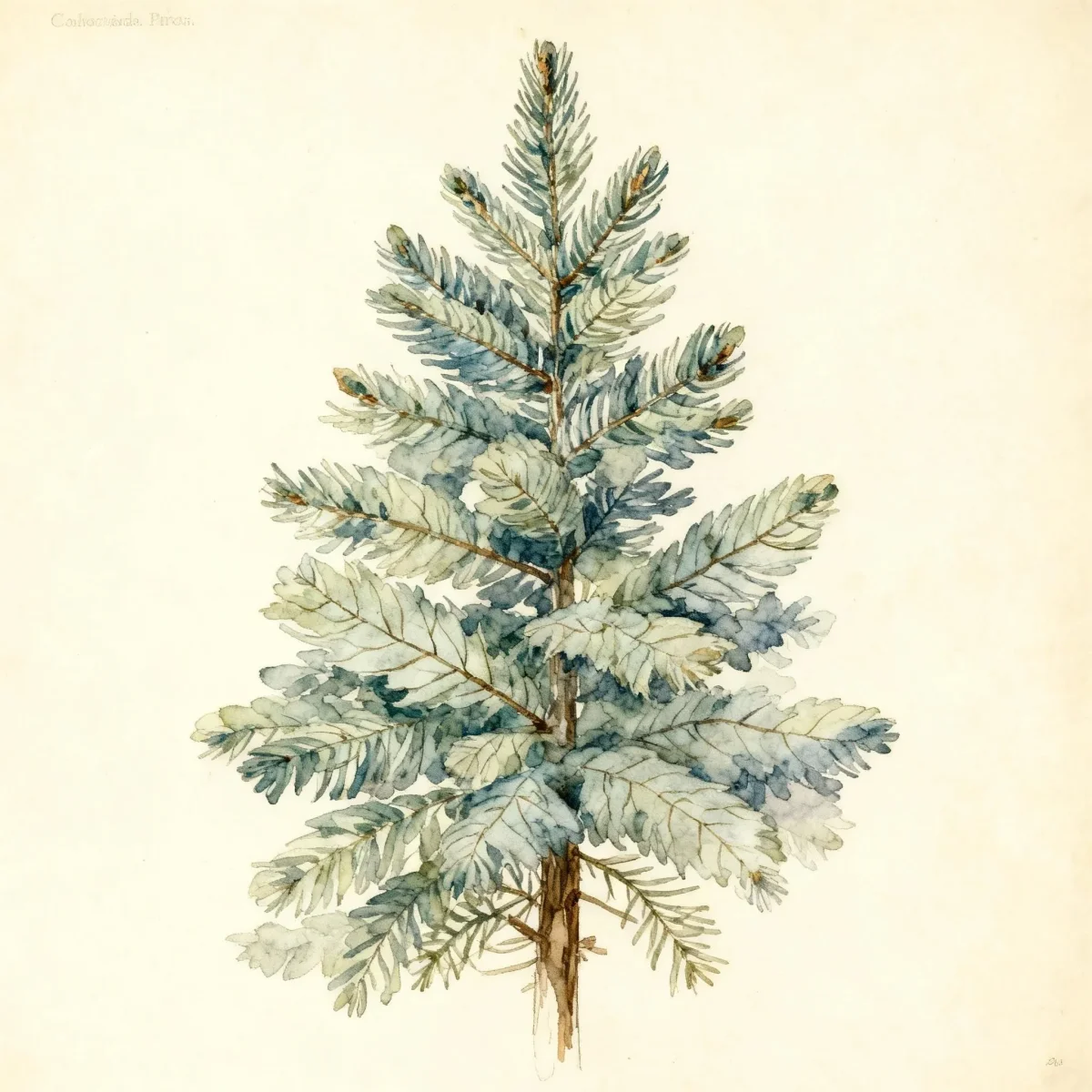
Picea pungens, commonly known as Colorado spruce or blue spruce, develops stiff, bristly, four-angled needles that radiate outwards, giving it a dense appearance. The specific cultivar ‘Bacheri’ is highly sought after as a semi-dwarf, broad-conical form that gracefully reaches 12 to 18 feet tall. Its defining feature is its beautiful silver-blue needle coloration, which distinguishes it horticulturally from standard green varieties of spruce.
Tolerances
- Rabbit
- Deer
- Drought
- Air Pollution
Potential Problems
Picea pungens ‘Bacheri’ can be susceptible to several common spruce ailments, demanding proactive monitoring, especially in humid environments. Needle cast diseases and cytospora canker are serious concerns that cause premature needle drop and branch dieback. Ensuring good air circulation through proper spacing is essential for disease prevention.
Insect pests commonly target spruce trees, requiring keen observation. Pay close attention for infestations of aphids, particularly spruce gall aphids which cause distorted new growth, as well as scale insects. Smaller pests like budworms and bagworms can defoliate new shoots, while spider mites can cause bronzing and stippling, particularly under hot, dry conditions when the tree is stressed. Swift identification and appropriate chemical or cultural control measures are crucial for managing outbreaks.
Frequently Asked Questions
What hardiness zones is Colorado spruce (Picea pungens ‘Bacheri’) suitable for?
The Picea pungens ‘Bacheri’ is highly adaptable across USDA Zones 3 through 8, offering cold tolerance in northern regions while surviving moderate conditions further south.
How large does Picea pungens ‘Bacheri’ grow?
This semi-dwarf cultivar typically achieves a mature height between 12 to 18 feet, with a predictable spread ranging from 6 to 8 feet wide.
What sun exposure does Colorado spruce need?
For optimal silver-blue coloration and robust health, the Picea pungens ‘Bacheri’ requires full sun exposure throughout the day.
When does Picea pungens ‘Bacheri’ bloom?
This plant is classified as non-flowering, meaning it does not produce notable flowers but rather develops cones instead.
Conclusion
The Picea pungens ‘Bacheri’ successfully bridges the gap between the grandeur of the classic Colorado spruce and the needs of the modern garden space, providing incredible year-round silver-blue texture. Its low maintenance needs and attractive semi-dwarf habit cement its status as a favorite evergreen. Before planting, confirm that your site offers full sun and acidic, well-drained soil to ensure your new specimen thrives.
Companion Planting
Selecting appropriate neighbors helps manage microclimate and enhances the visual harmony of your planting beds around the Picea pungens ‘Bacheri’. Avoid planting moisture-sensitive species too close, as the needs of the spruce—consistent medium moisture—can sometimes lead to overwatering for drier-loving companions. Consider low-growing groundcovers that prefer acidic conditions, such as creeping juniper cultivars, to cover the root zone without competing heavily for water in the topsoil.
For textural contrast, deciduous shrubs with bright burgundy or deep purple foliage provide an excellent backdrop to the stiff, cool silver-blue needles of the Colorado spruce. Plants like Japanese maples (Acer palmatum cultivars) or certain barberry varieties planted far enough away to allow for air circulation can look stunning when backlit by the afternoon sun hitting the spruce.
Seasonal Care Calendar
Spring is the ideal time for inspection; check the base of the tree for early signs of fungal activity like needle cast or cankers following winter dormancy. If fertilizer is deemed necessary based on soil testing, apply a slow-release formula early in the growing season before new growth fully emerges. Watering should remain consistent, particularly as summer heat approaches.
During the heat of summer, closely monitor for insect pests, especially spider mites, which thrive in hot, dry conditions. If you notice bronzing foliage, increase monitoring and ensure deep watering is provided during extended dry spells, aiming to keep the soil consistently moist but not saturated.
In autumn, focus on soil preparation for winter. Ensure the area around the base is mulched with organic material to help moderate soil temperatures and moisture levels heading into freezing weather. Avoid heavy fertilization late in the season, which can encourage tender growth that will not harden off before the first hard frost.