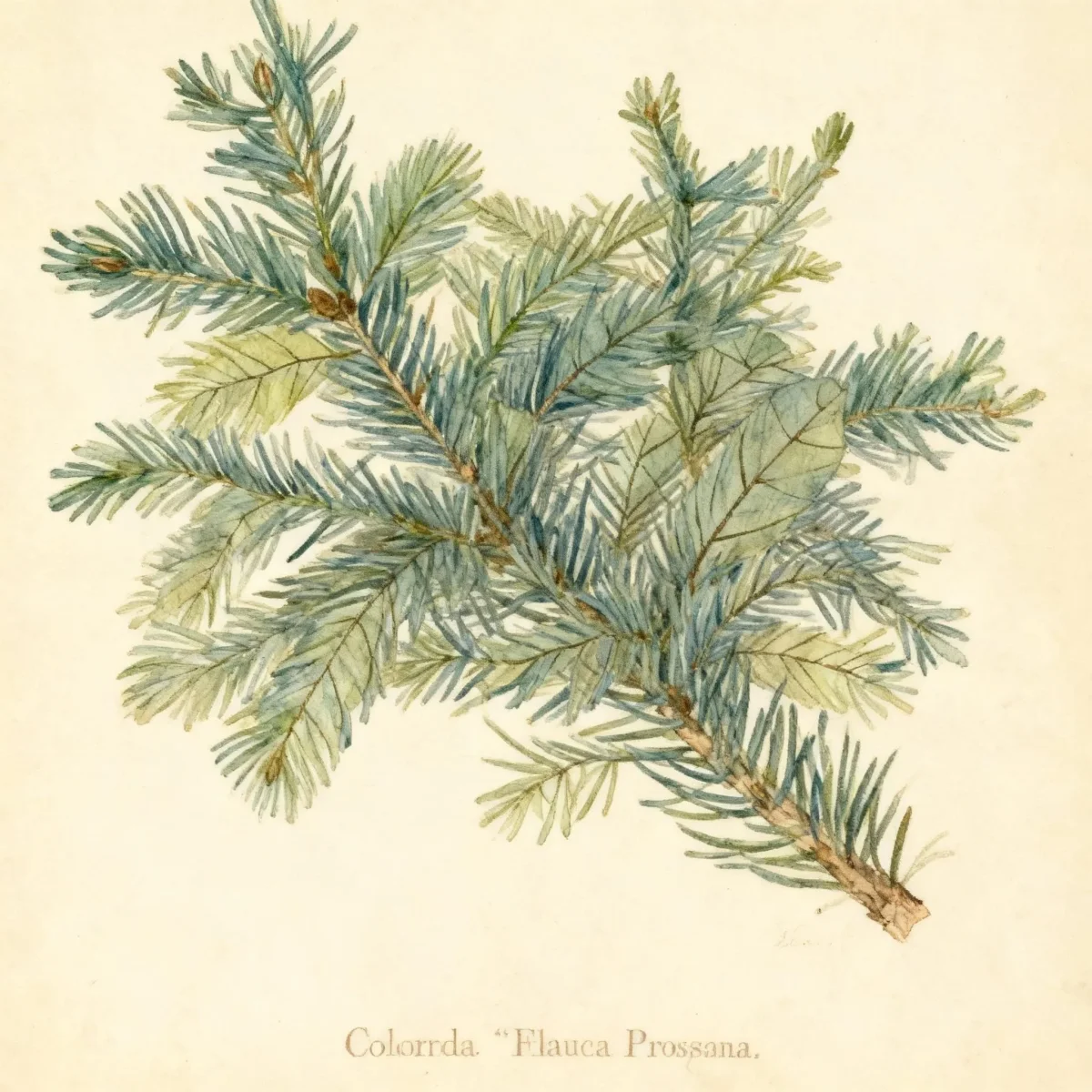
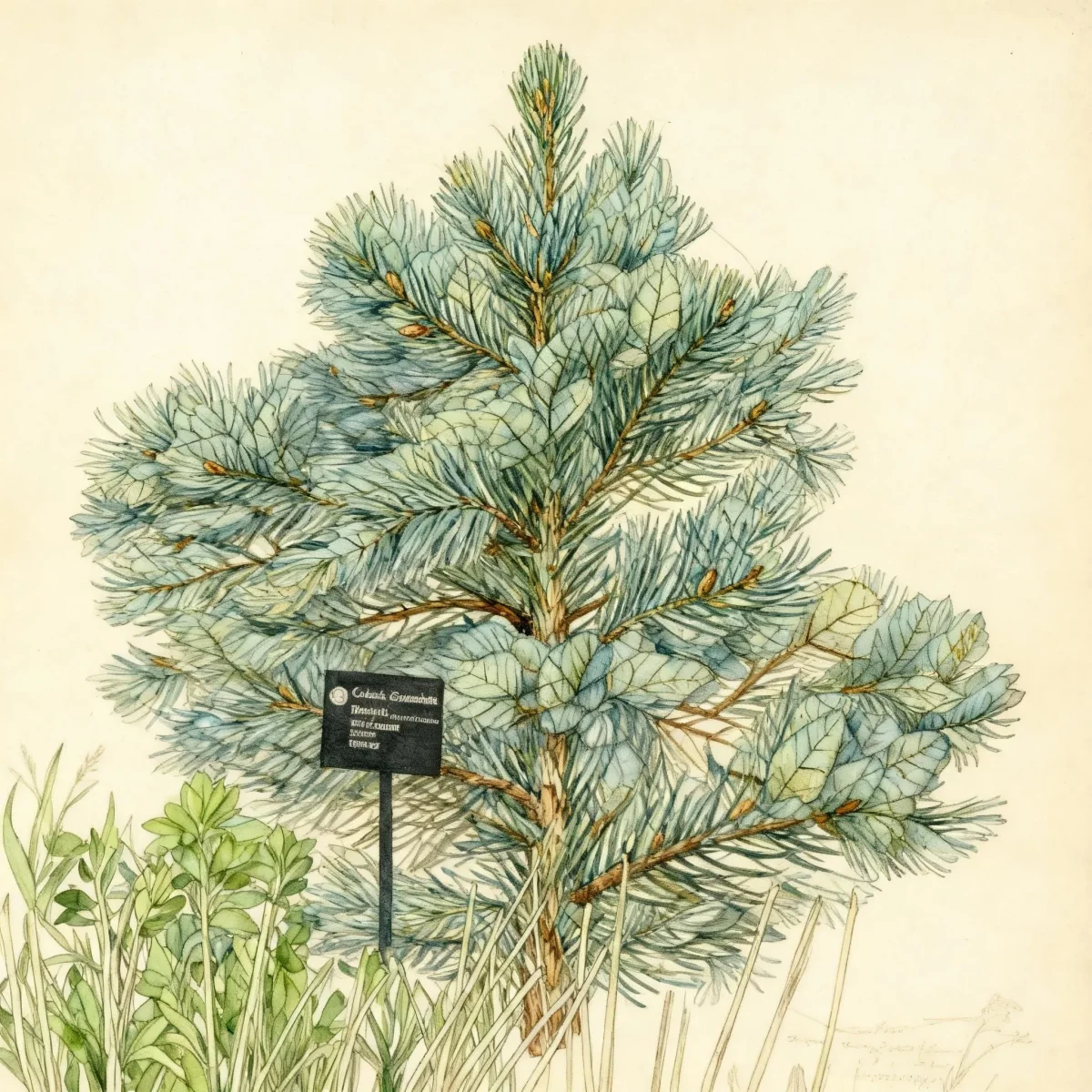
Colorado spruce (Picea pungens 'Fat Albert')
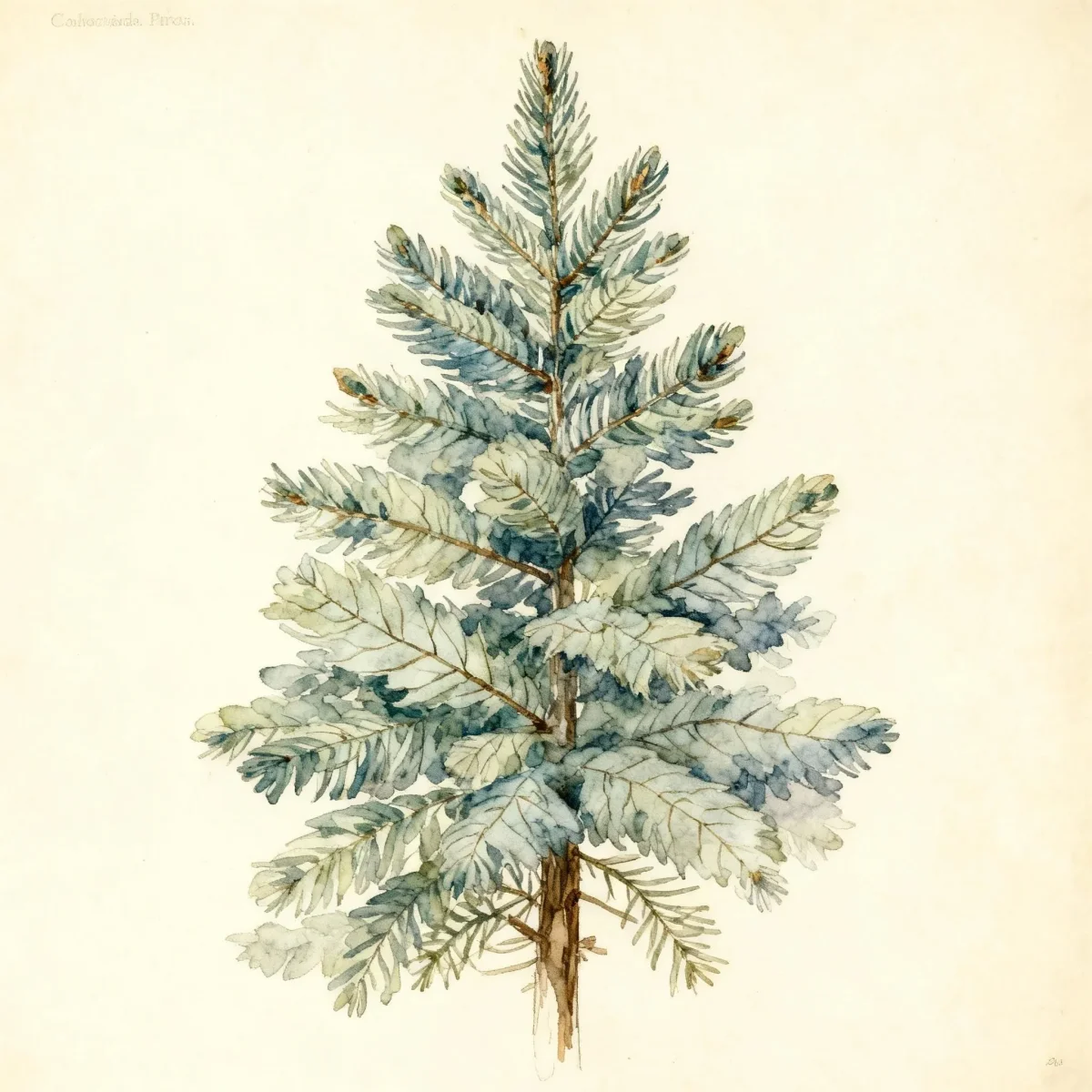
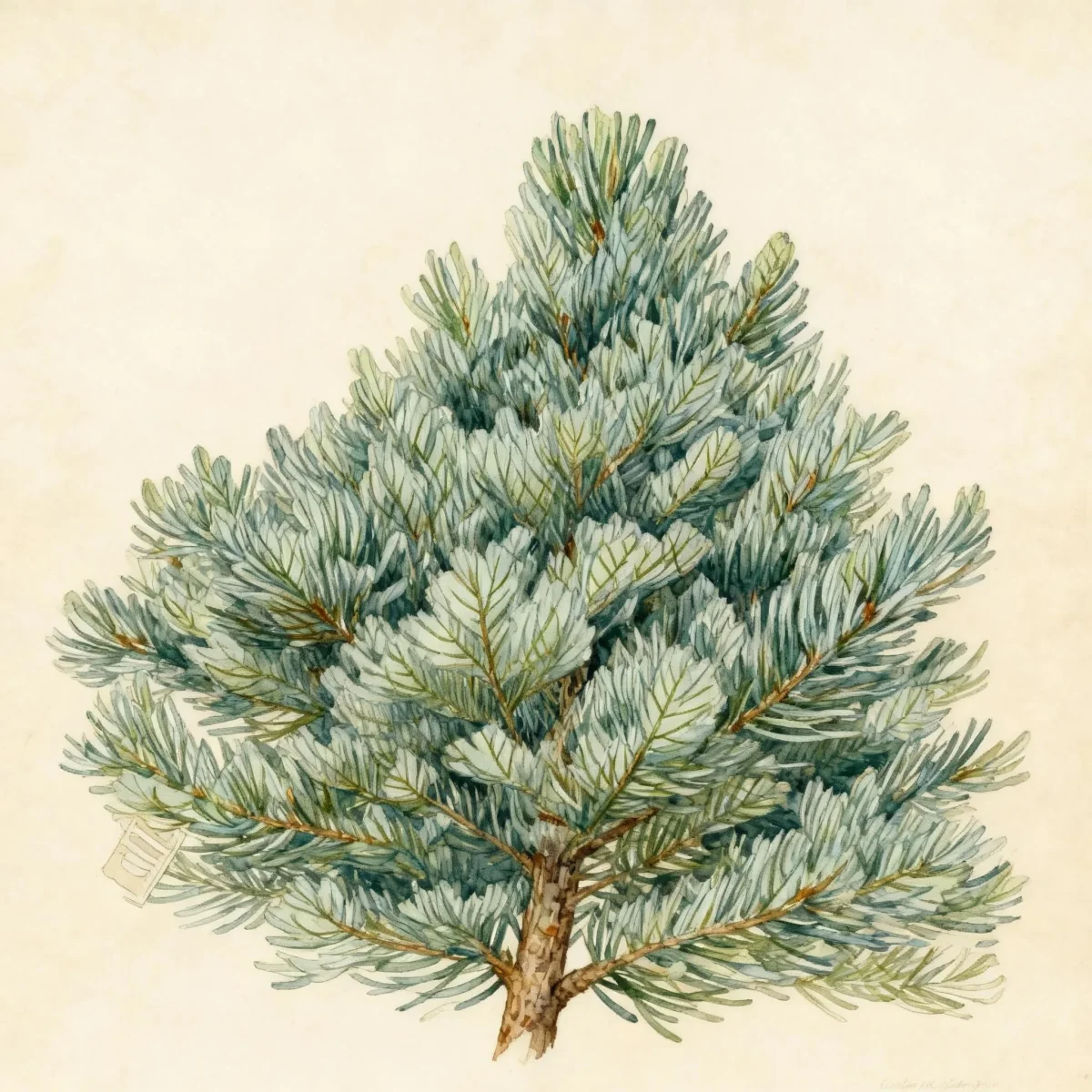
Picea pungens 'Fat Albert' is a dense, slow-growing Colorado spruce cultivar known for its stunning steel-blue needles and perfect conical shape.
Scroll down to discover growing tips, care requirements, companion plants, and more
Complete Plant Information
Overview
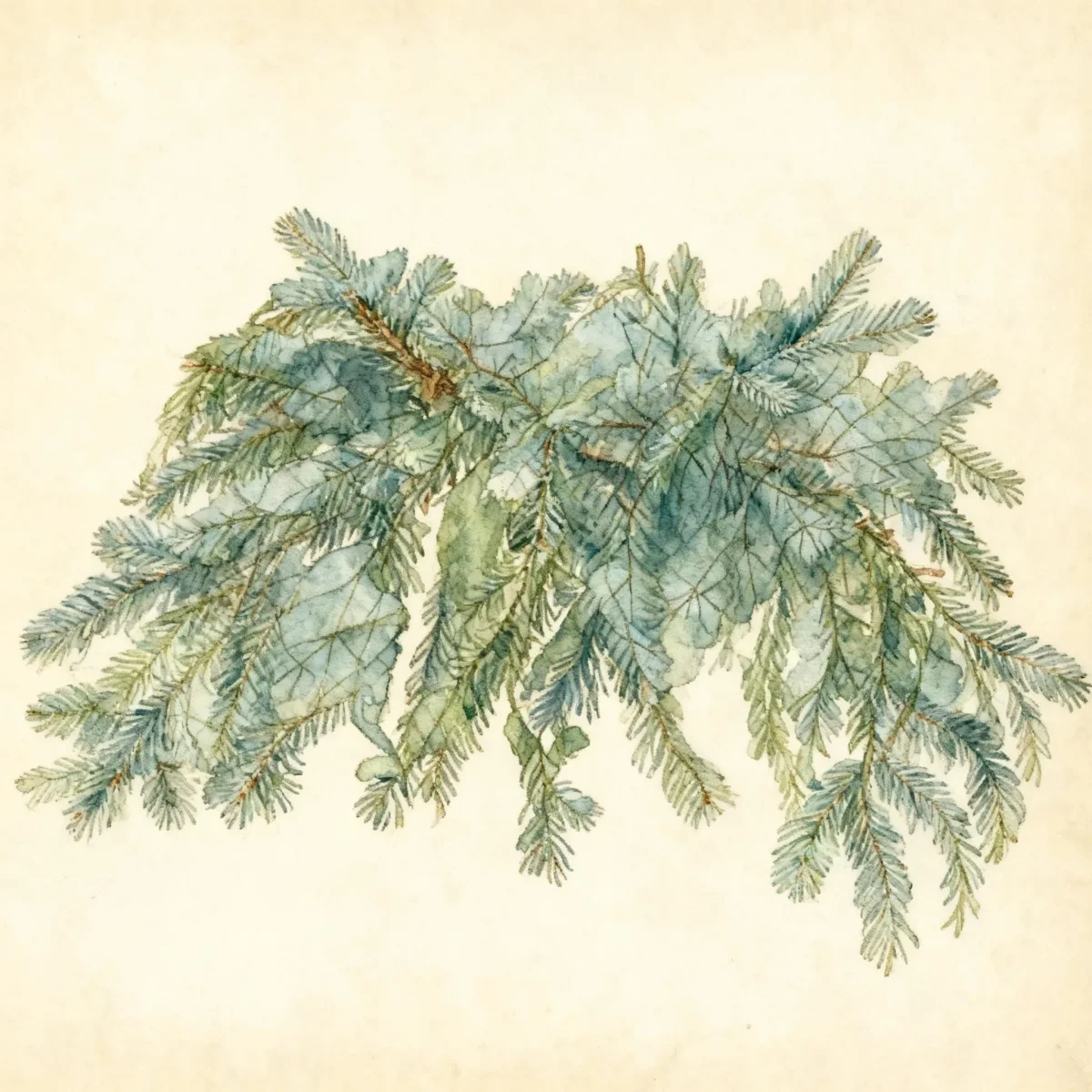
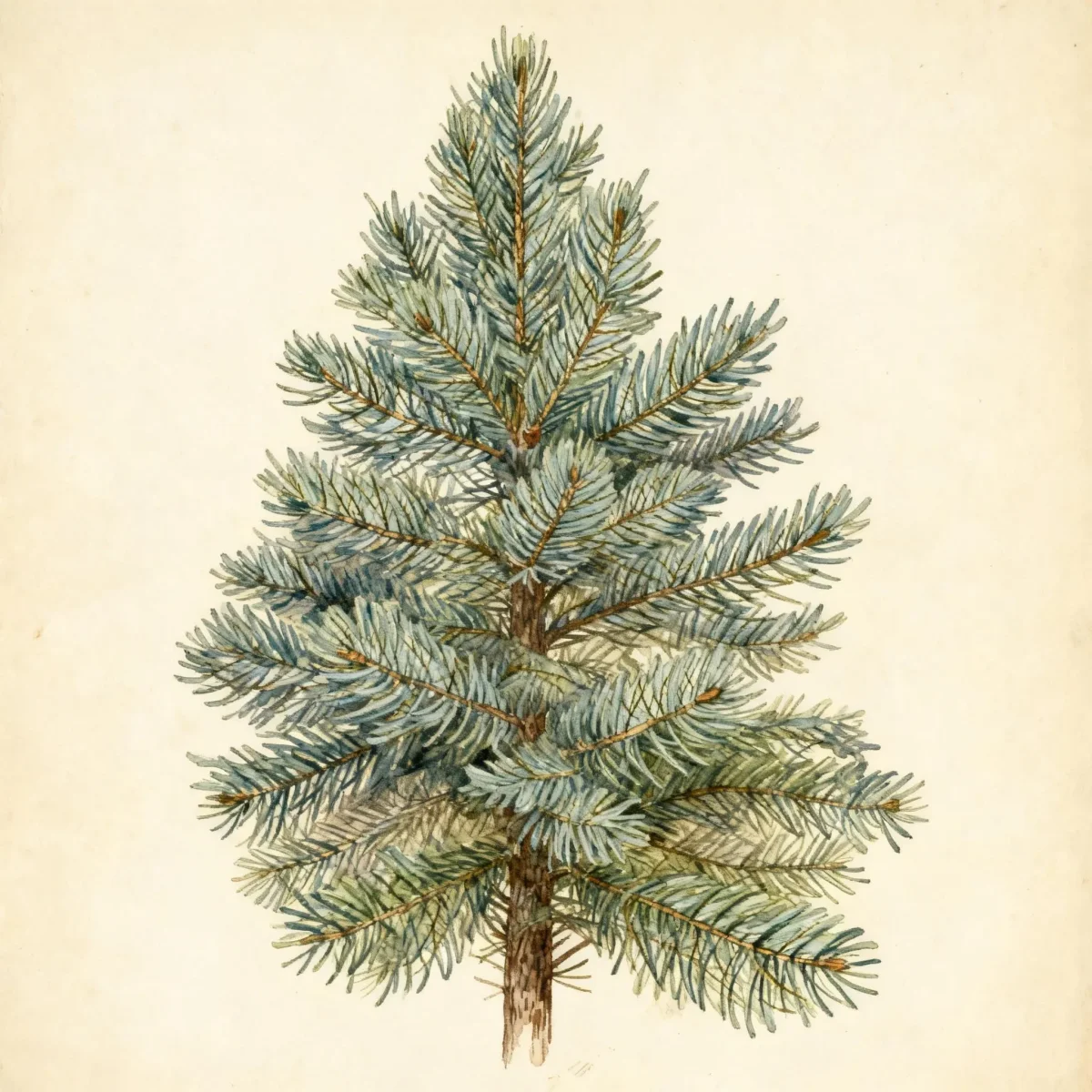
Picea pungens ‘Fat Albert’, a celebrated cultivar of the Colorado spruce, offers gardeners a compact, perfectly formed specimen tree. This selection is highly valued for its intensely steel-blue needle coloration, which provides striking year-round contrast in the landscape. Unlike its larger wild counterparts, this cultivar maintains a wonderfully dense, broad, upright pyramidal shape.
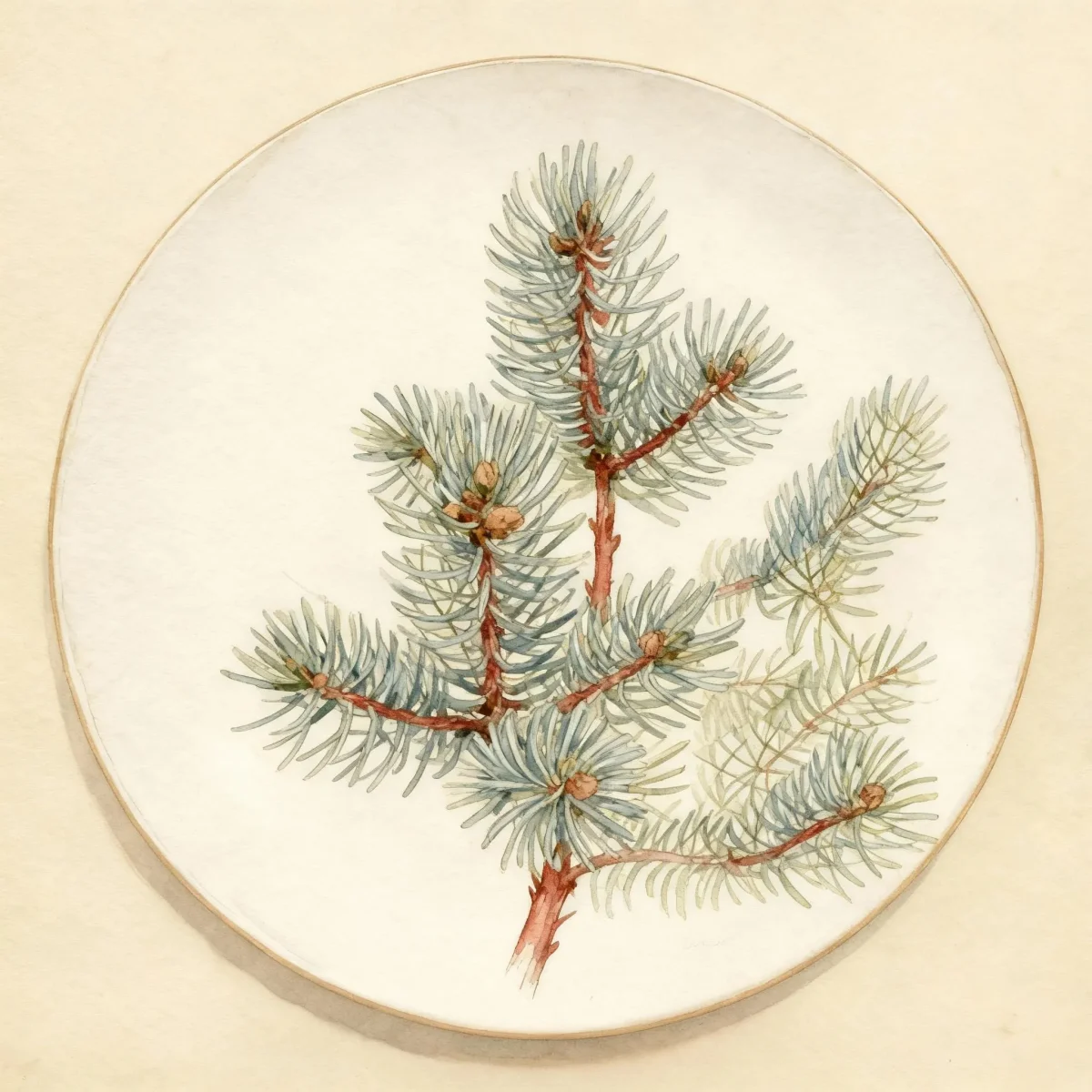
This slow-growing conifer is perfect for smaller landscapes, foundation plantings, or as a bold focal point where space is limited. Its stiff, four-angled needles are characteristic of the species, contributing significantly to its robust visual texture. Gardeners appreciate the low maintenance requirements of the Colorado spruce, provided its specific climatic needs are met.
A key benefit of choosing Picea pungens ‘Fat Albert’ is its ornamental value combined with excellent hardiness in cooler regions. It excels in settings where a defined, conical evergreen presence is desired throughout all four seasons. Ensure proper siting to maximize the vibrant color of this distinct cultivar.
Fast Facts
- Plant Family: Pinaceae
- Plant Type: Needled evergreen
- Hardiness Zones: USDA Zones 3-7
- Size at Maturity:
- Height: 10-15 ft
- Spread: 7-10 ft
- Bloom Time: Non-flowering
- Bloom Description: Non-flowering
- Sun Exposure: Full sun
- Water Needs: Medium
- Maintenance Level: Low
How to Grow
The ideal time to plant Picea pungens ‘Fat Albert’ is in the fall or early spring, allowing the root system time to establish before summer stress. This cultivar thrives in average, acidic, medium moisture, well-drained soils. For best results, site your tree where it receives full sun, though it can tolerate very light afternoon shade, especially in hotter regions.
Watering is critical during the establishment phase; soils should be kept consistently moist and should not be allowed to dry out in the early years. Established plants gain some drought tolerance, but consistent moisture supports optimal needle health. While easily grown, this tree generally prefers cooler climates and may struggle where summers are consistently hot and humid.
Maintenance for this slow-growing specimen is generally low. Avoid excessive fertilization, which can encourage weak, rapid growth that might diminish the dense form. Pruning is rarely necessary, as ‘Fat Albert’ naturally achieves its dense, perfect cone shape. Focus seasonal attention on monitoring for pests, especially during the growing season.
Landscape Uses
Picea pungens ‘Fat Albert’ serves exceptionally well as an excellent specimen plant, drawing the eye with its intense blue color, especially against green or variegated backgrounds. Its tight, conical habit makes it superb for formal borders or as a standalone feature in foundation plantings, providing structure where other plants might thin out in winter.
When utilizing this Colorado spruce, consider grouping two or three together for a substantial textural impact, or place a single specimen near a primary window view. Due to its moderate size and perfect form, it works well in smaller suburban yards where giant spruces would quickly overwhelm the space. It offers powerful vertical interest without the massive spread of standard forms.
Standout Features
Noteworthy Characteristics
Picea pungens, commonly called Colorado spruce, is native to the moist, high elevations of the central Rocky Mountains. The needles are stiff, bristly, and four-angled, ranging from green to silver-blue. Cultivar ‘Fat Albert’ is specifically recognized for its dense, broad, upright pyramidal shape, closely-spaced branches, and its standout steel blue needle color. This cultivar grows slowly, typically reaching 10-15 feet tall with a 7-10 foot spread over many years.
Tolerances
- Rabbit
- Deer
- Drought
- Air Pollution
Potential Problems
Colorado spruce varieties are susceptible to several common fungal issues that can impact appearance and vigor. Be vigilant for needle cast diseases, cytospora canker, and rust, which often target stressed or overly moist plants. Proper air circulation and avoiding overhead watering can help limit fungal spread.
Insect pressure requires regular monitoring, especially for aphids (like spruce gall aphids), scale insects, and boring pests such as budworms and bagworms. Spider mites can also become problematic, particularly when the tree is stressed by heat or drought, causing discoloration on new growth. Early detection and targeted treatments are essential for maintaining the health of your Picea pungens ‘Fat Albert’.
Frequently Asked Questions
What hardiness zones is Colorado spruce (Picea pungens ‘Fat Albert’) suitable for?
This evergreen is highly cold-hardy, thriving in USDA Zones 3 through 7.
How large does Picea pungens ‘Fat Albert’ grow?
This cultivar is typically a compact selection, reaching mature heights between 10 and 15 feet tall, and spreading 7 to 10 feet wide.
What sun exposure does Picea pungens ‘Fat Albert’ need?
The Colorado spruce requires full sun exposure to maintain its best color and dense habit.
When does Picea pungens ‘Fat Albert’ bloom?
This plant is classified as non-flowering, as are all spruces, meaning it does not produce showy blooms but rather cones.
Conclusion
The Picea pungens ‘Fat Albert’ remains a top recommendation for gardeners seeking a high-impact, low-maintenance blue evergreen. Its dense, perfectly conical structure and steel-blue foliage provide unparalleled visual interest year-round, making it an exceptional specimen tree. Before purchasing, confirm that your planting site falls within USDA Zones 3 to 7 and provides the necessary full sun exposure for optimal performance.
Companion Planting
When selecting companions for Picea pungens ‘Fat Albert’, focus on plants that either contrast its color or complement its stiff texture. Low-growing, mounding perennials with gold or chartreuse foliage—such as certain Sedums or creeping Spiraea—provide a beautiful warm contrast to the cool steel-blue needles. Avoid planting shallow-rooted deciduous trees too close, as they can compete heavily for the medium moisture levels required by the spruce.
Ground covers that prefer acidic soil and partial shade can be effective under the dripline, provided they do not smother the base of the tree where air circulation is vital. Consider using seasonal bulbs like Daffodils or species tulips around the base; their ephemeral spring color is a lovely contrast before the spruce fully dominates the landscape view.
Design Ideas
The reliability and formality of the Colorado spruce ‘Fat Albert’ lends itself well to structured designs. Use it as an anchor point in Asian-inspired or formal English garden settings where symmetry is important. Because it retains its needles year-round, it serves as an excellent “anchor” for winter interest in mixed perennial borders.
For a modern application, plant this compact conifer near structures clad in natural stone or dark wood siding to make the blue color truly pop. Its slow growth rate ensures it will not obscure architectural features quickly, making it an excellent choice for long-term foundation planting against single-story homes.