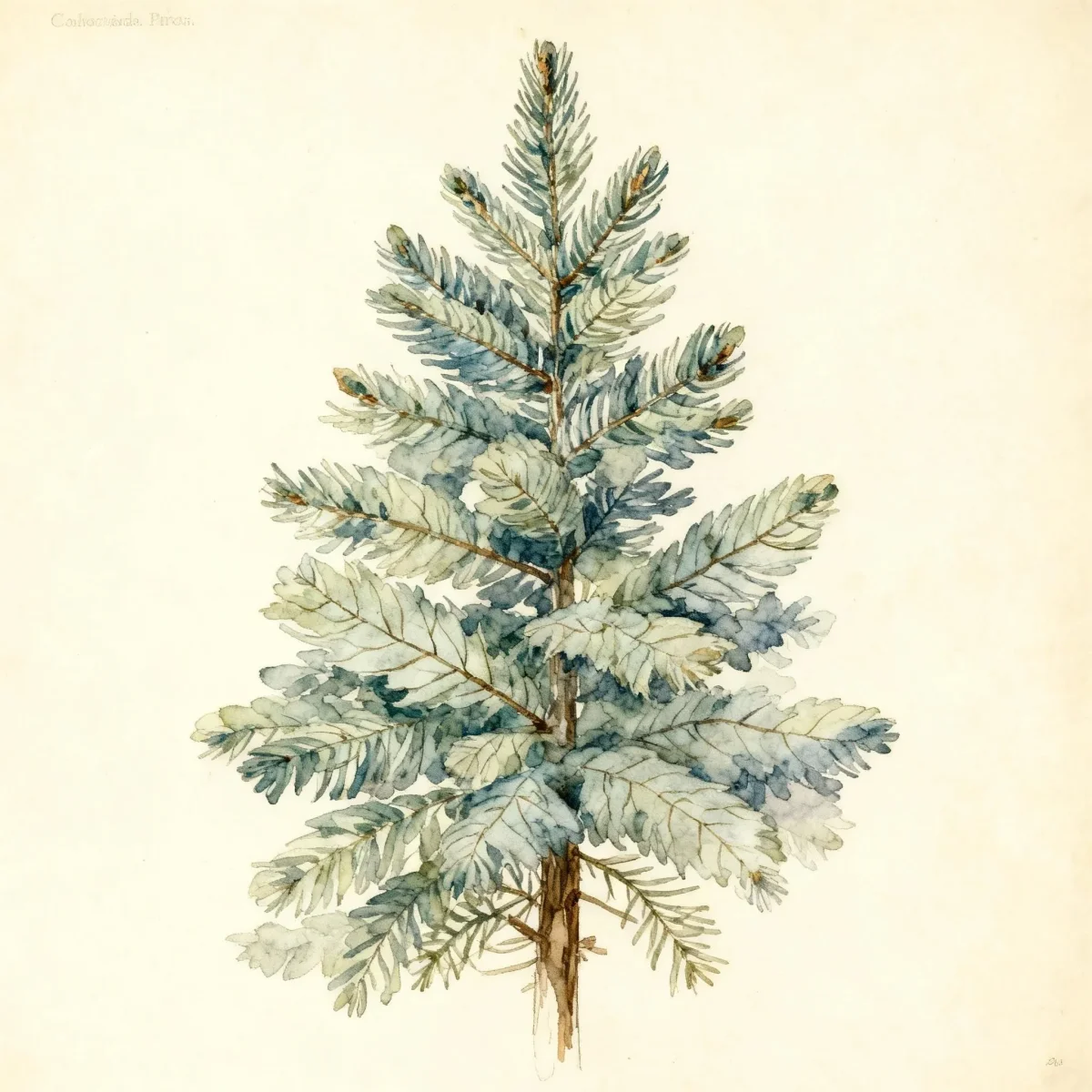
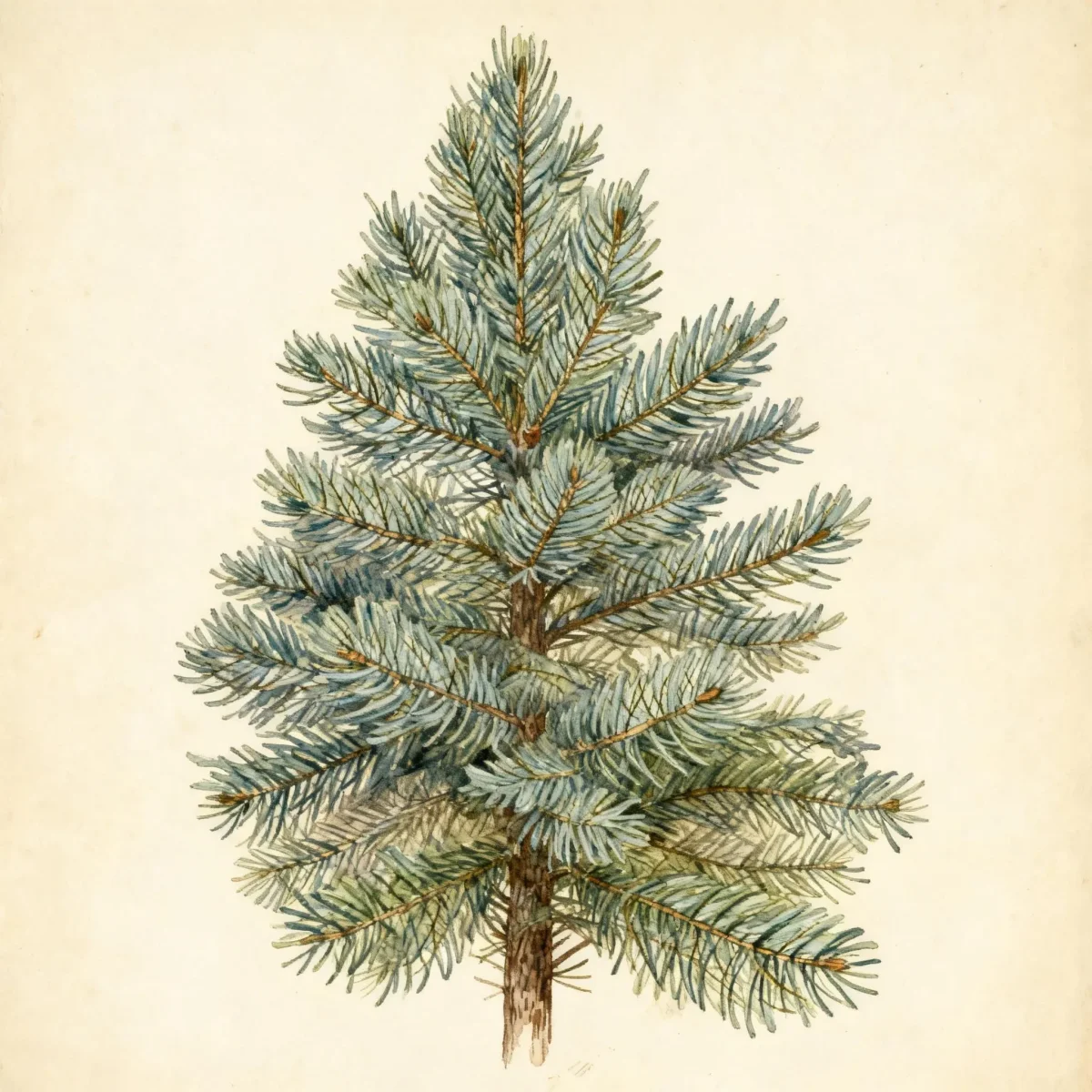
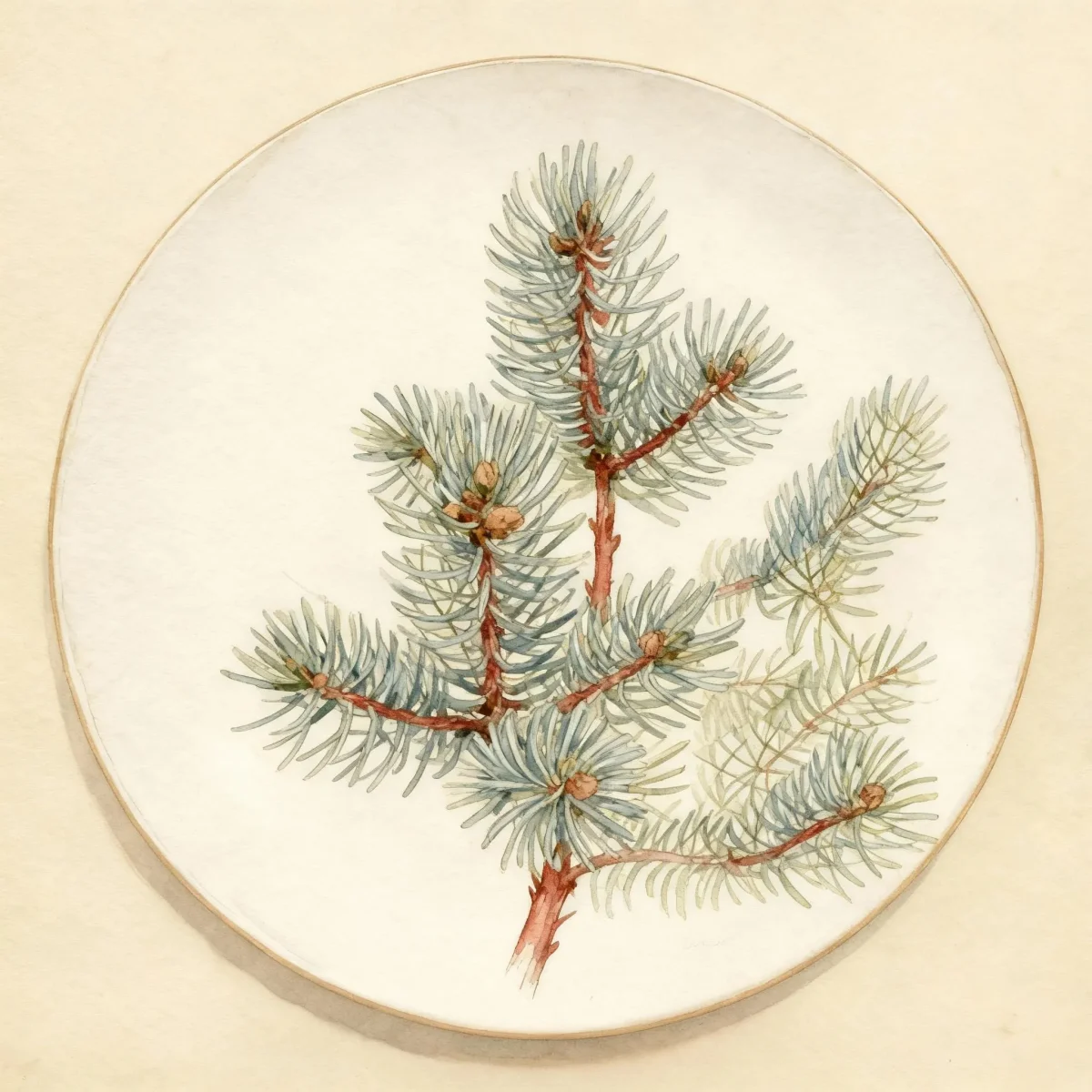
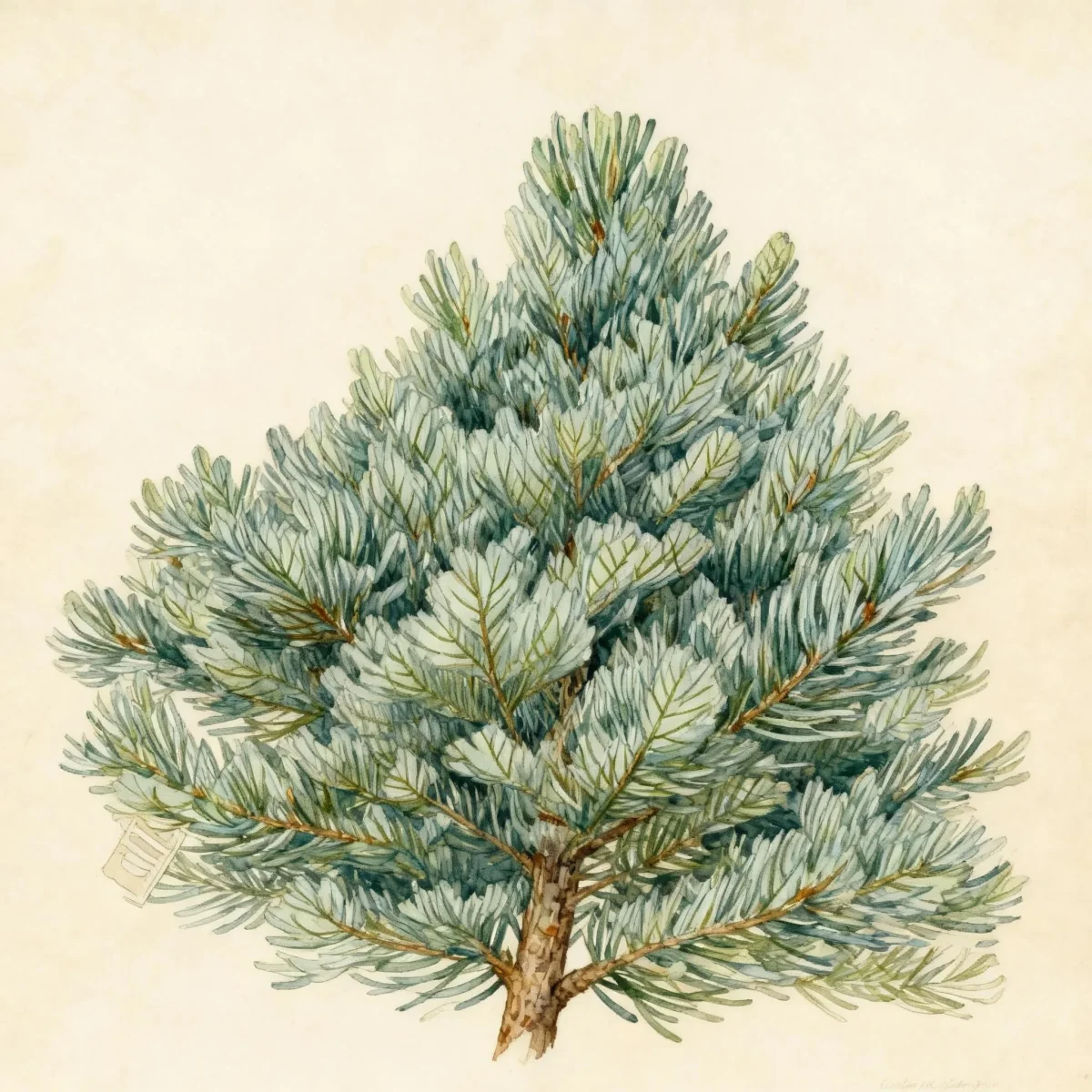
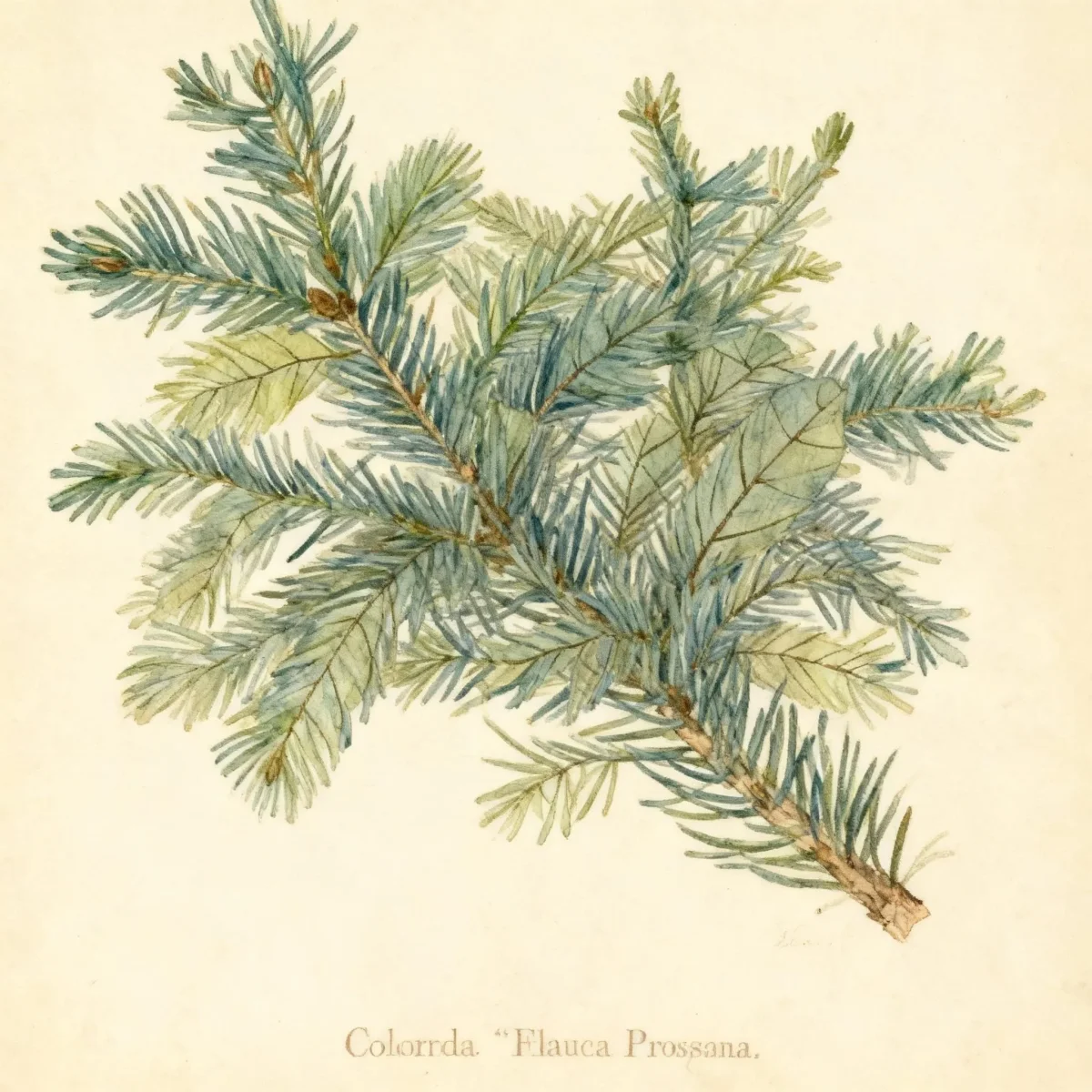
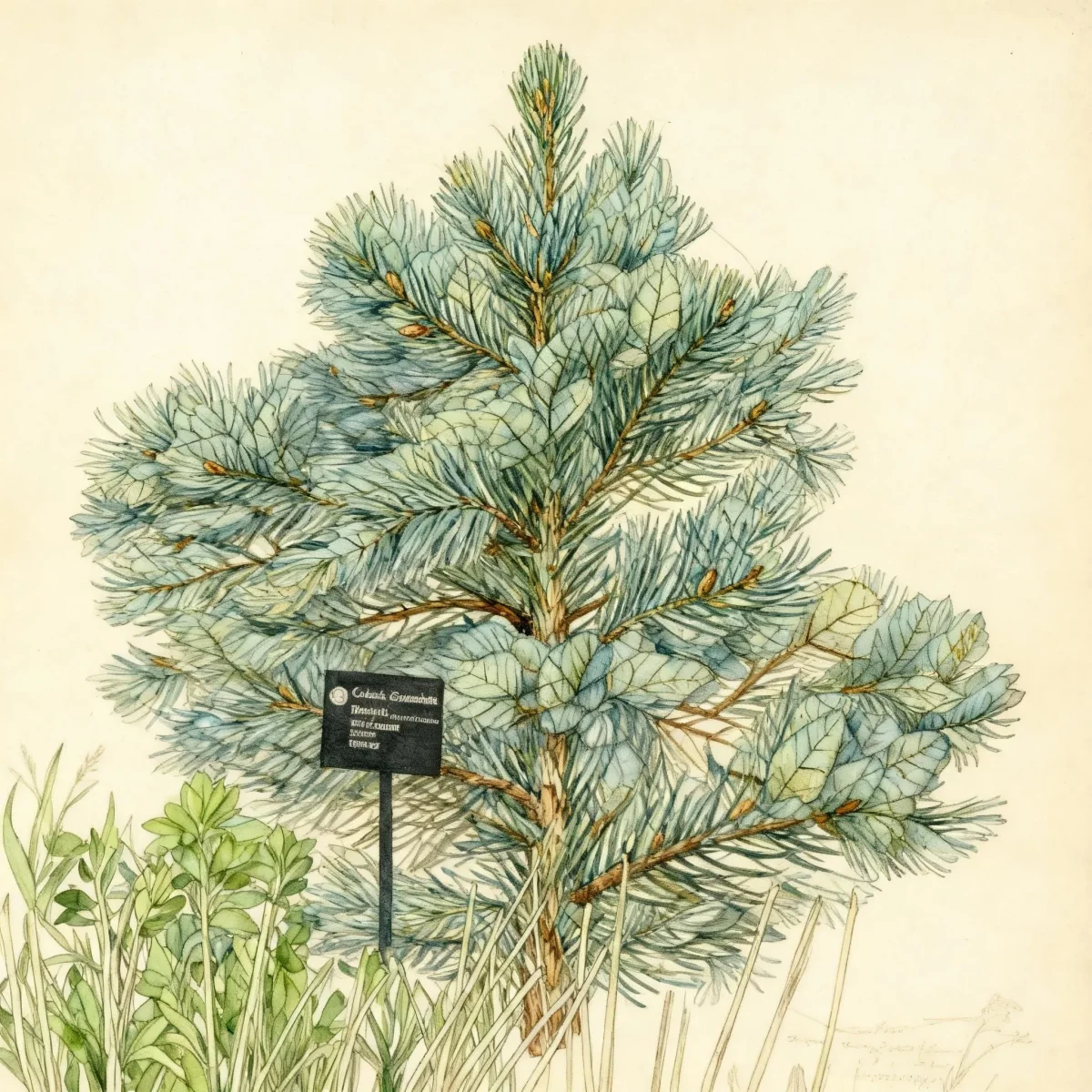
Colorado spruce (Picea pungens 'Pendula')
Discover the unique weeping habit of Picea pungens 'Pendula', a dwarf Colorado spruce perfect for specimen planting in sunny, cool climates.
Scroll down to discover growing tips, care requirements, companion plants, and more
Complete Plant Information
Overview
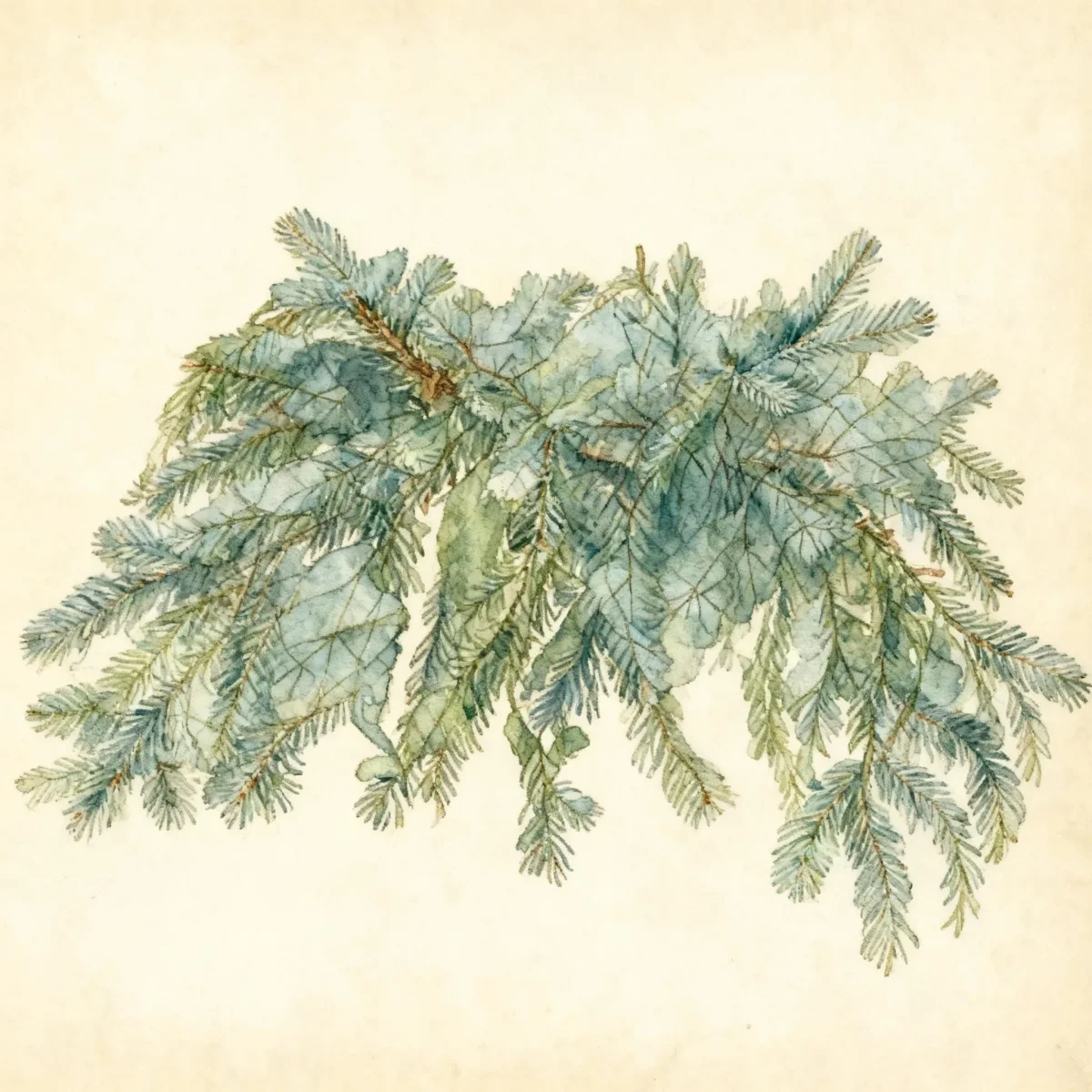
Picea pungens ‘Pendula’, frequently sought after as a weeping specimen, offers the striking silvery-blue needles characteristic of the Colorado spruce in a much more manageable size. This unique cultivar presents a dramatic, downward-sweeping habit, capable of acting as a focal point in any garden design. Its appeal lies in its structure, which contrasts sharply with the traditional pyramidal shapes of its relatives.
This needled evergreen is best suited for gardeners who can provide the full sun and consistently moist, well-drained soil it prefers. While established plants exhibit some drought tolerance, routine care is necessary to ensure the rich soil conditions that support optimal vibrancy and growth for this variety. Gardeners in extremely hot and humid summers should note the need for afternoon shade to prevent stress.
The versatility of Picea pungens ‘Pendula’ is another major draw; with staking, it can be trained to weep vertically, creating an architectural accent. Left unstaked, it forms a low, spreading mound or groundcover, perfect for softening hardscapes. Regardless of training method, this blue spruce cultivar provides year-round texture and color.
Fast Facts
- Plant Family: Pinaceae
- Plant Type: Needled evergreen
- Hardiness Zones: USDA Zones 3-7
- Size at Maturity:
- Height: 2-6 ft
- Spread: 4-10 ft
- Bloom Time: Non-flowering
- Bloom Description: Non-flowering
- Sun Exposure: Full sun
- Water Needs: Medium
- Maintenance Level: Low
How to Grow
Plant the Picea pungens ‘Pendula’ in the cool seasons, typically spring or fall, allowing it time to establish roots before summer heat or deep winter freezes. Locate your dwarf Colorado spruce in a spot receiving full sun, as light exposure directly correlates with the intensity of the desirable blue coloration in the needles. The soil must be well-drained, although it thrives in average, acidic conditions.
Watering is critical, especially during the initial establishment phase. Maintain consistently moist soil, avoiding periods where the root ball dries out completely, particularly in the first few years. While established plants handle moderate drought, enriching the soil and providing adequate moisture will yield the best results. Fertilization is seldom necessary if the base soil is appropriate.
Pruning for Picea pungens ‘Pendula’ is often about training rather than heavy reduction. If you desire height, use a stake to guide the main leader upward to the desired height, letting the side branches cascade naturally. Avoid unnecessary cuts into old wood, as this variety generally does not respond well to hard pruning.
This cultivar generally prefers cooler climates. Gardeners in regions experiencing harsh, hot, and humid summers may need to site this plant where it benefits from afternoon shade to reduce heat stress. This practice helps protect the foliage and ensures the longevity of this beautiful blue spruce form.
Landscape Uses
The weeping habit of the evergreen Picea pungens ‘Pendula’ makes it an invaluable landscape specimen, drawing immediate attention wherever placed. It excels as a singular accent plant, positioned strategically near entryways or at the end of a visual sight line where its unique silhouette can be appreciated. When staked, it provides strong vertical interest without the massive footprint of standard growing Colorado spruce trees.
Alternatively, allow the branches of the Picea pungens ‘Pendula’ to sprawl along a rock garden or cascading down a slope, effectively blending boundaries or softening retaining walls. Due to its relatively low maintenance and consistent color, it pairs beautifully with broadleaf evergreens or deciduous shrubs that offer seasonal contrast in texture or leaf color.
For gardeners looking to create low-profile focal points, this plant is ideal near patios or walkways, where its trailing nature defines the edge without obscuring views. Its tolerance for deer and rabbits also makes it a safe choice for properties experiencing minor wildlife pressure.
Standout Features
Noteworthy Characteristics
Picea pungens, commonly called Colorado spruce, is celebrated for its stiff, bristly, four-angled needles that range from green to striking silver-blue. The cultivar ‘Pendula’ transforms the species, presenting as a dwarf, weeping form where branches cascade downwards, offering dramatic textural contrast. If allowed to sprawl naturally, this blue spruce can cover an impressive ground area, but staking allows it to achieve managed height while retaining its signature weep.
Tolerances
- Rabbit
- Deer
- Drought
- Air Pollution
Potential Problems
The primary concerns for Picea pungens ‘Pendula’ often relate to fungal diseases, particularly needle cast and cytospora canker, which manifest as browning and shedding of older, inner needles. Good air circulation, achieved by providing adequate spacing and avoiding overhead watering, is key to prevention. Rust is another potential fungal issue to watch for seasonally.
Insect pests often target spruce trees, requiring vigilance. Watch closely for signs of aphid activity, especially spruce gall aphids, as well as scale, budworms, and bagworms. Spider mite infestations are also problematic, particularly during hot, dry spells, leading to stippling and poor growth on new needles. Prompt identification and treatment with appropriate horticultural oils or insecticides will manage outbreaks.
Frequently Asked Questions
What hardiness zones is Colorado spruce (Picea pungens ‘Pendula’) suitable for?
This weeping cultivar is generally hardy across USDA Zones 3 through 7.
How large does Picea pungens ‘Pendula’ grow?
When grown unstaked, it typically stays low, reaching 2-6 ft tall but spreading 4-10 ft wide. If staked, height can be managed based on the height of the support structure.
What sun exposure does Picea pungens ‘Pendula’ need?
This plant requires full sun to develop the best blue color and maintain dense foliage health.
When does Picea pungens ‘Pendula’ bloom?
As a coniferous evergreen, Picea pungens ‘Pendula’ is non-flowering.
Conclusion
The Picea pungens ‘Pendula’ provides exceptional year-round interest through its distinctive, architectural weeping form and the coveted blue-green needles associated with the Colorado spruce. Its low maintenance level and unique adaptability in training make it a versatile specimen for sophisticated garden design. Before planting, confirm that your site aligns with USDA Zones 3-7 and offers the requisite full sun for optimal performance of this weeping blue needled evergreen.
Companion Planting
Selecting appropriate companions ensures that Picea pungens ‘Pendula’ thrives without competition or stress. Because this spruce prefers cool, moist, acidic soils rooted in full sun, pair it with other acid-loving evergreens or perennials that share similar cultural needs. Consider low-growing Junipers, dwarf Rhododendrons, or Japanese Maples planted nearby for textural and seasonal color contrast, ensuring they do not overly shade the base of the spruce.
Avoid planting shallow-rooted, high-water-demand perennials directly adjacent to the base, as competition can stress the developing root system of the Picea pungens ‘Pendula’. Grouping it with other low-maintenance, sun-loving, drought-tolerant shrubs (once established) will simplify your overall landscape care schedule, allowing the weeping form to truly stand out as a specimen.
Design Ideas for Weeping Forms
The unusual weeping nature of this Colorado spruce variant opens up several creative design possibilities beyond the standard specimen planting. One highly effective approach is using it adjacent to water features or at the apex of sloped gardens, allowing the cascading branches to mimic the movement of falling water or gravity. This technique maximizes the plant’s unique drape.
For contemporary or minimalist gardens, training the Picea pungens ‘Pendula’ to a central stake creates a narrow, living sculpture that contrasts sharply with modern, angular architecture. Conversely, in cottage gardens, allowing it to spill naturally over low stone walls or borders softens the hard lines and introduces year-round structure amidst seasonal blooms.