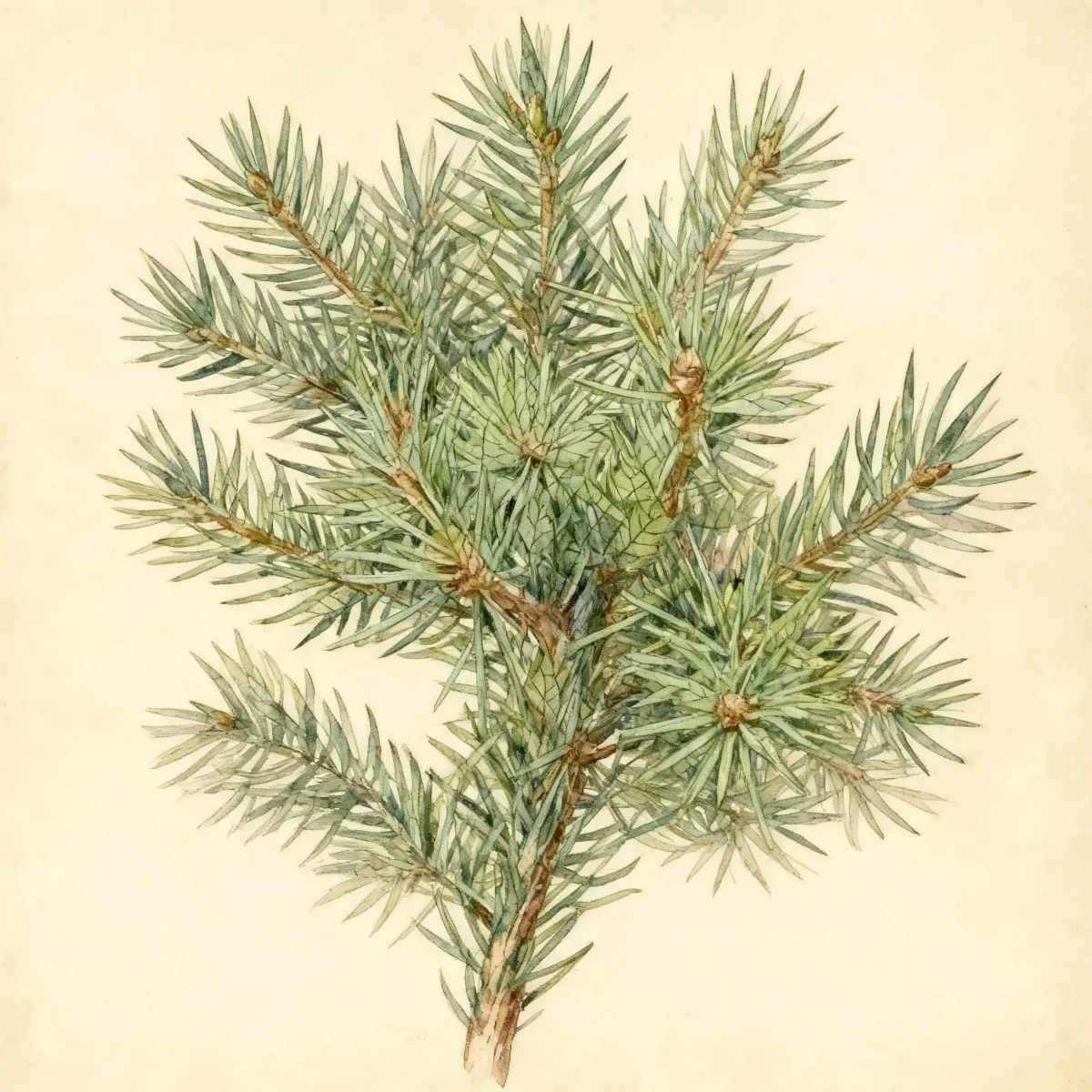
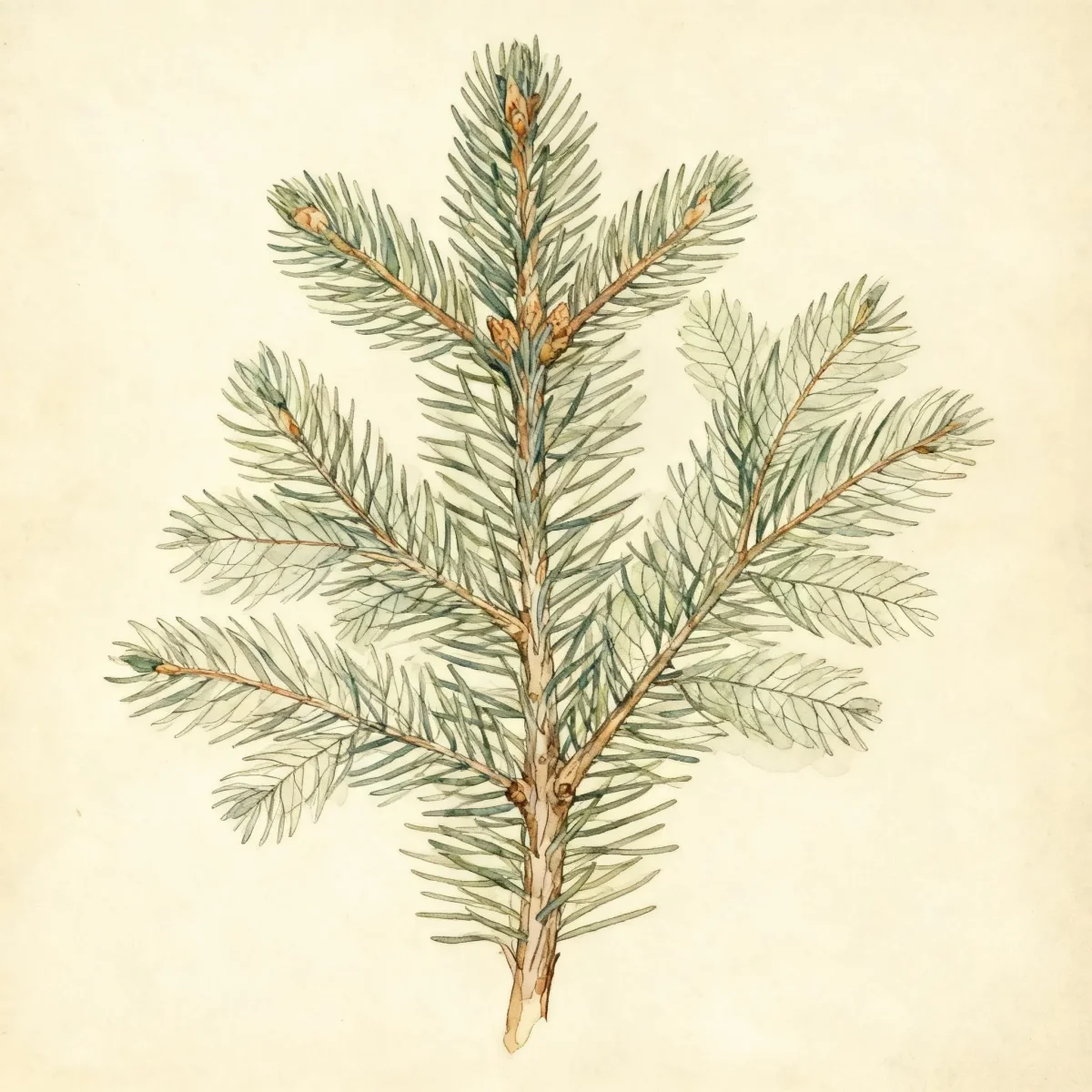
Jack pine (Pinus banksiana 'Uncle Fogy')
Pinus banksiana 'Uncle Fogy' is a low-maintenance, weeping Jack pine cultivar ideal for groundcover or small weeping tree forms.
Scroll down to discover growing tips, care requirements, companion plants, and more
Complete Plant Information
Overview
Pinus banksiana ‘Uncle Fogy’ offers unique texture and form derived from its parent, the rugged Jack pine. This weeping cultivar is prized by expert gardeners looking for a low-spreading evergreen groundcover or a top-grafted specimen that retains a distinct, airy quality. It thrives in cooler climates, mirroring the preferences of the native species.
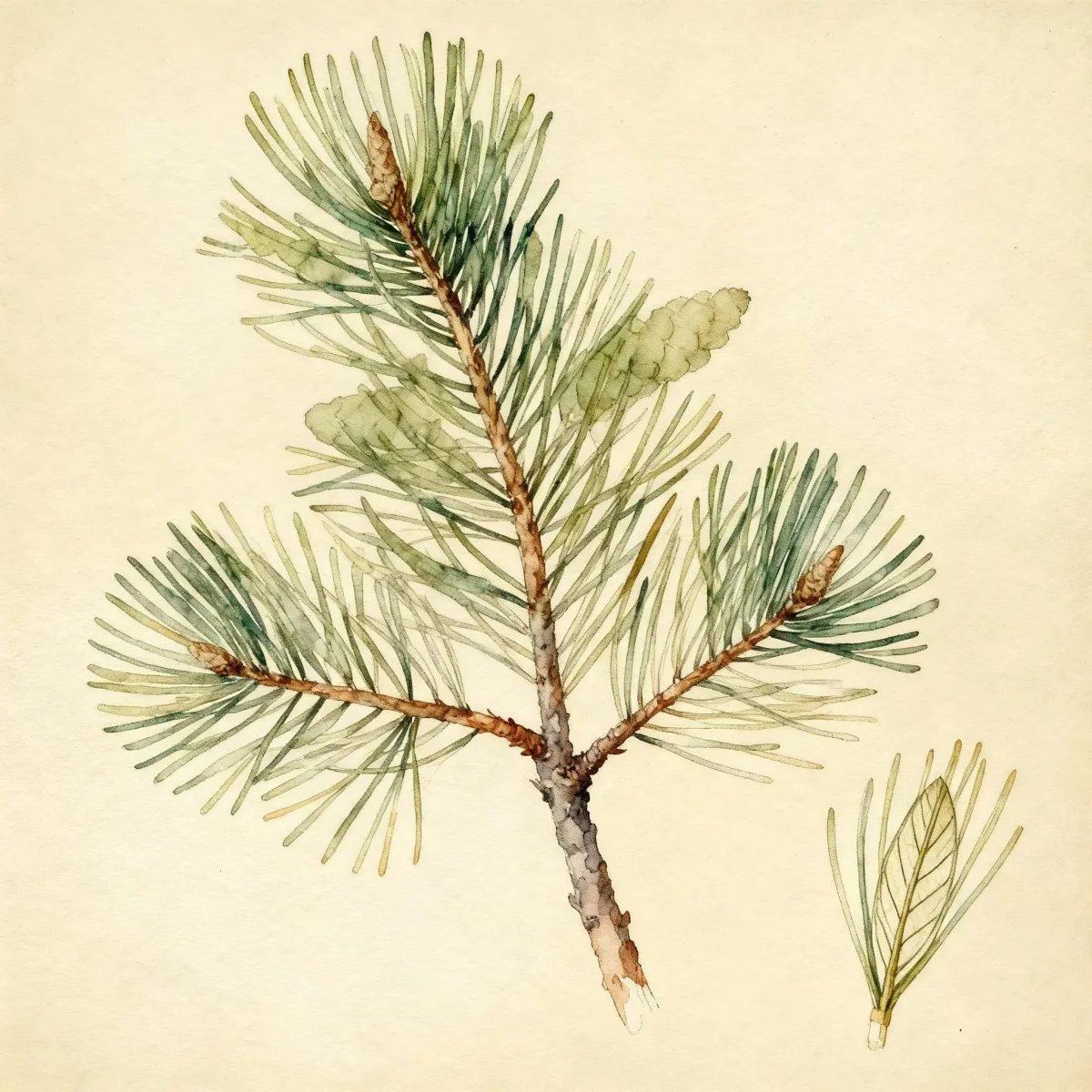
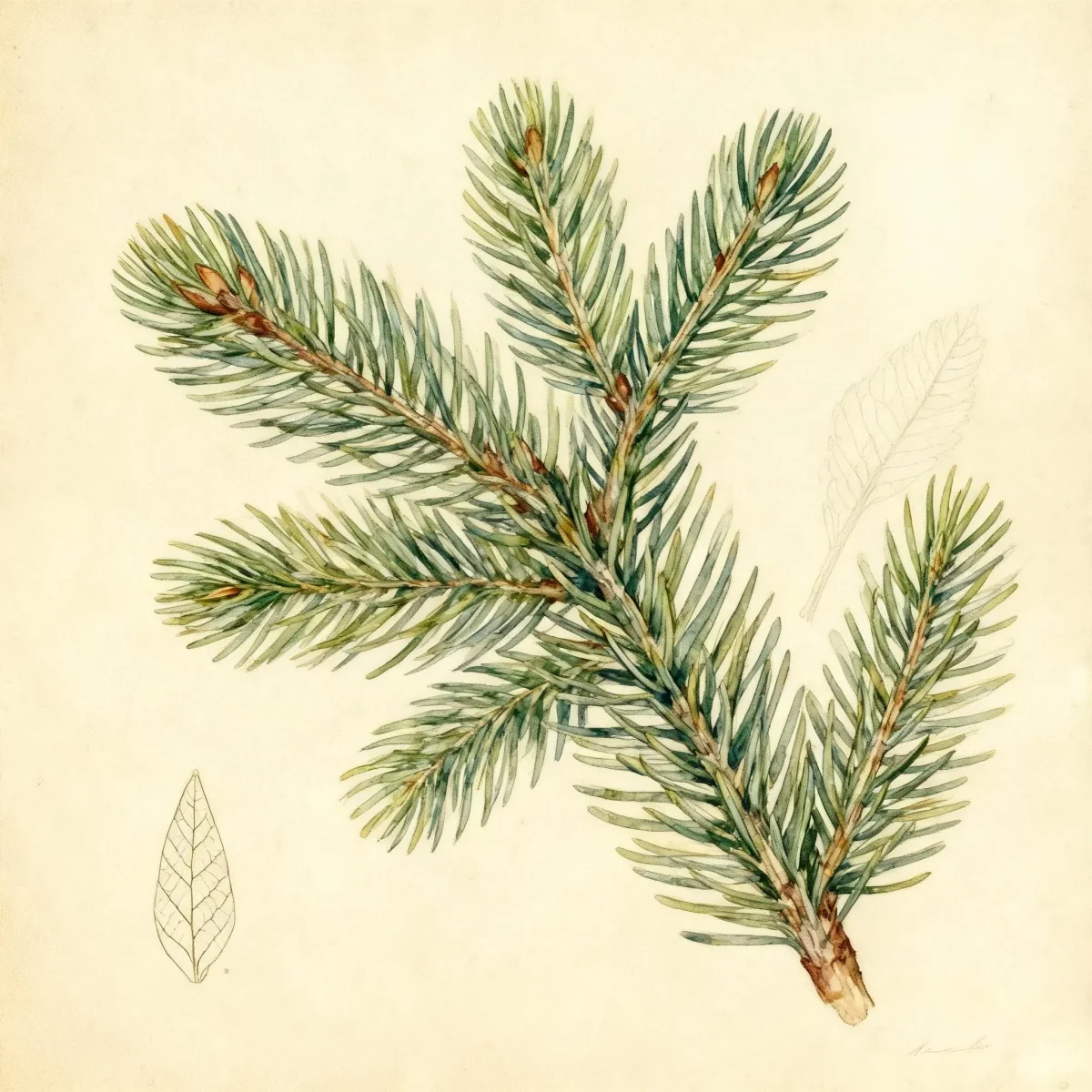
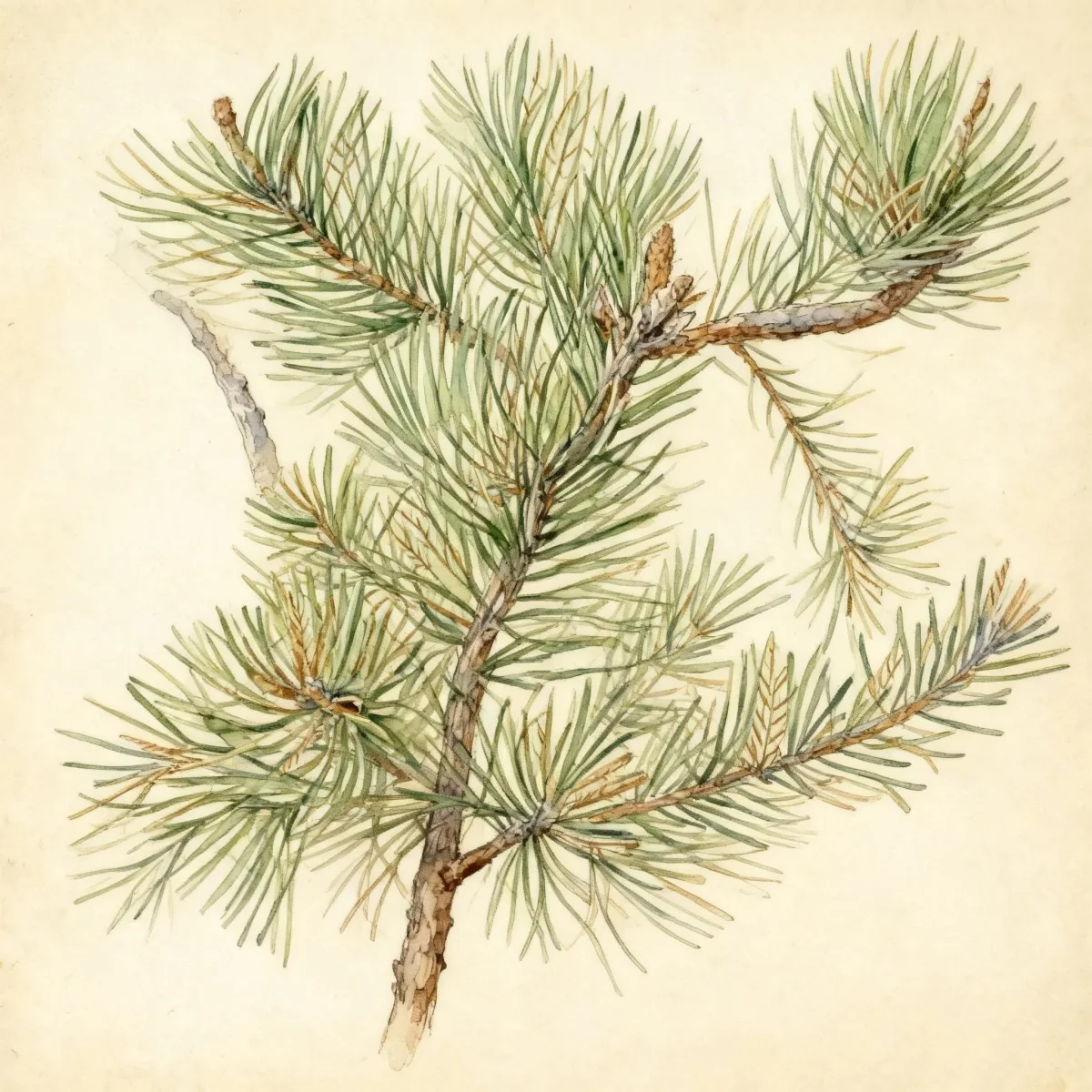
As a dwarf cultivar, Pinus banksiana ‘Uncle Fogy’ remains compact, reaching only about 1.5 to 2 feet tall, but spreading widely up to 15 feet. It features the signature short, stiff, olive-green needles characteristic of Jack pine, providing year-round visual interest without demanding constant attention. Its low maintenance profile makes it an excellent choice for challenging sites.
The genetic hardiness of this Jack pine variety allows it to succeed where many ornamental pines fail, provided it receives plenty of sunlight. Gardeners looking for resilient, slow-growing evergreens that provide excellent coverage will find Pinus banksiana ‘Uncle Fogy’ to be a highly valuable addition to their landscape palette.
Fast Facts
- Plant Family: Pinaceae
- Plant Type: Needled evergreen
- Hardiness Zones: USDA Zones 2-7
- Size at Maturity:
- Height: 1.5-2 ft
- Spread: 12-15 ft
- Bloom Time: Non-flowering
- Bloom Description: Non-flowering
- Sun Exposure: Full sun
- Water Needs: Medium
- Maintenance Level: Low
How to Grow
Planting Pinus banksiana ‘Uncle Fogy’ is best achieved in the spring or fall when temperatures are mild, allowing the roots to establish before summer heat or deep winter freezes. This conifer strictly requires full sun exposure, showing little tolerance for shade, which can lead to dieback. It performs best in well-drained, sandy loams, reflecting its native habitat on poor, barren plains.
Once established, this cultivar requires medium water, particularly during dry spells, but excellent drainage is non-negotiable. Avoid heavy, wet clay soils that impede water movement, as this increases the risk of root rot. Due to its low maintenance needs, heavy fertilization is rarely necessary; basic soil amendment during planting is usually sufficient.
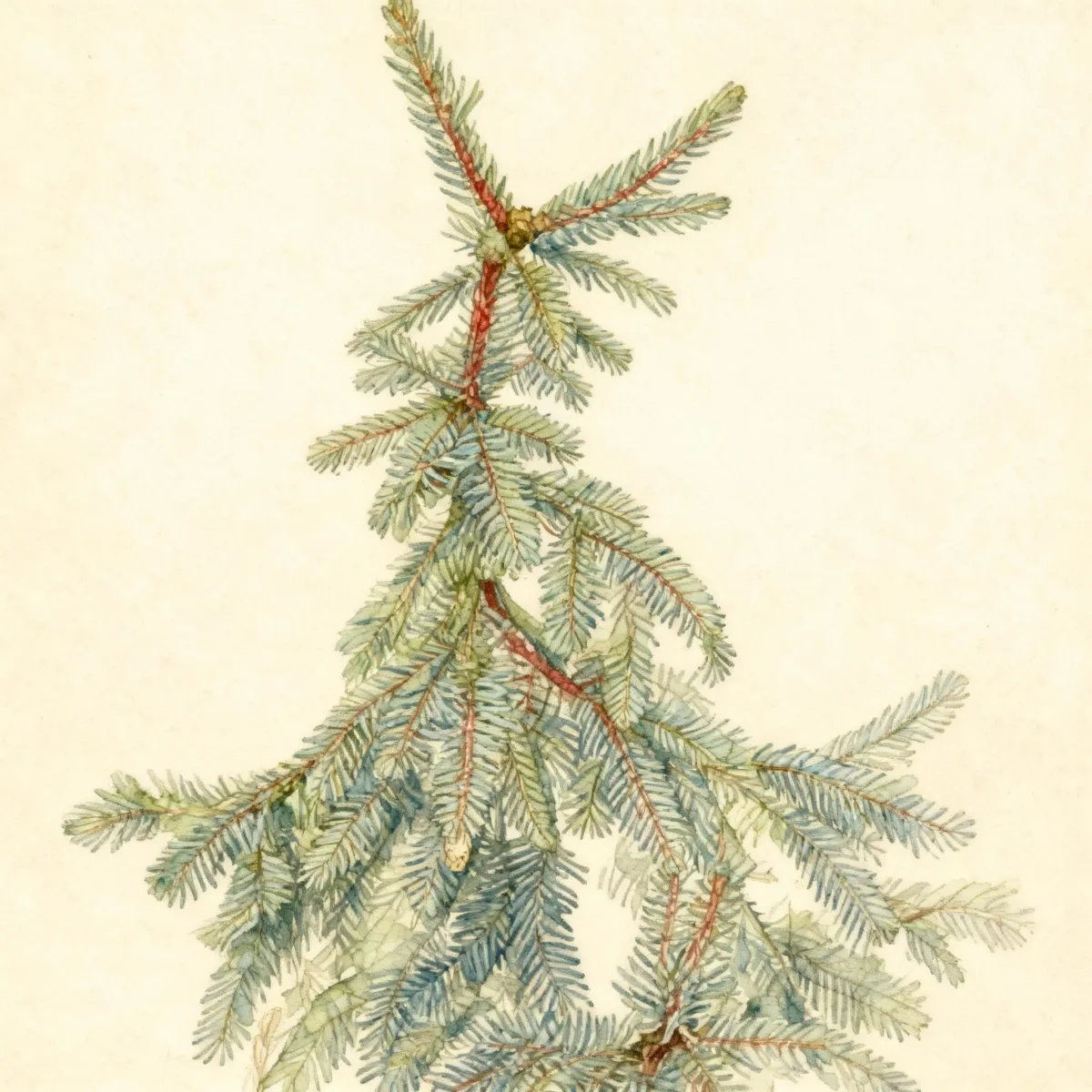
Pruning is minimal for the groundcover form, focusing mostly on removing any dead or diseased wood. If you have a top-grafted weeping tree form, focus pruning on maintaining the graft union height and shaping the canopy slightly if aggressive weeping is undesired. Ensure protection from harsh winter winds, especially in the northern reaches of its hardiness range.
Landscape Uses
The unique weeping habit and low, spreading profile of Pinus banksiana ‘Uncle Fogy’ make it highly adaptable in contemporary landscape designs. Use the prostrate form directly as a durable, year-round groundcover to replace vast expanses of lawn or to stabilize dry, sunny slopes where turf struggles.
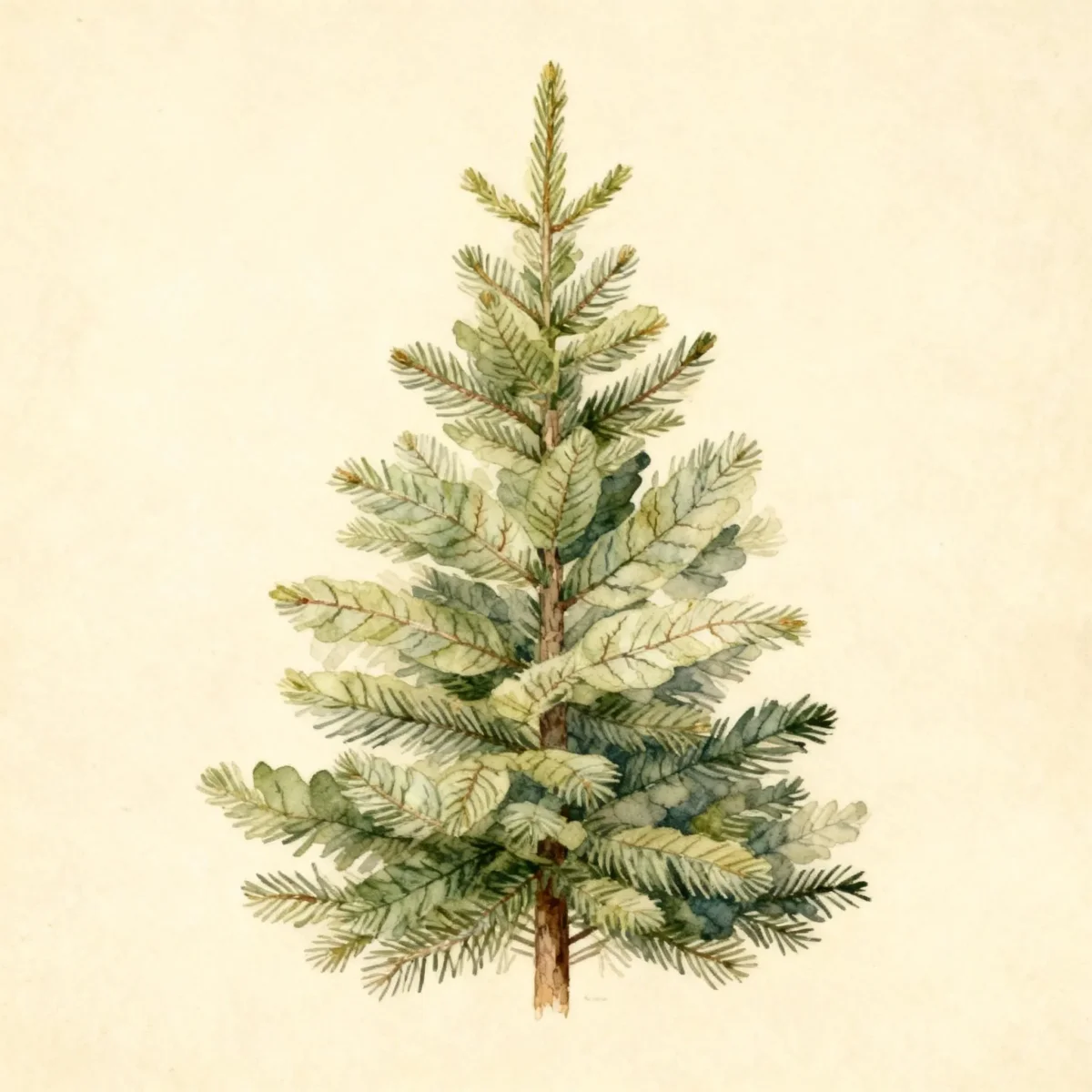
When top-grafted onto a standard, this cultivar functions beautifully as a specimen plant, acting as a small, weeping accent piece in rock gardens or near entryways. Its slow growth rate ensures it won’t overwhelm small garden spaces quickly. Pair it with contrasting textures, such as broadleaf low shrubs or perennials that tolerate lean soil conditions.
Consider using the weeping Jack pine cultivar as a textural counterpoint to upright evergreens or deciduous shrubs that provide seasonal color. Its fine texture and muted olive-green needles soften hardscape elements beautifully throughout the year.
Standout Features
Noteworthy Characteristics
The parent species, Jack pine (Pinus banksiana), is renowned as the pine that grows farthest north in Canada. This species is famous for its serotinous cones, which remain sealed by resin for years, opening only after the heat of a forest fire to ensure mass seed dispersal for regeneration. The ‘Uncle Fogy’ cultivar maintains the stiff, olive-green needles in pairs and exhibits a dense, weeping growth habit, reaching only 1.5–2 feet high while spreading broadly. Younger Pinus banksiana ‘Uncle Fogy’ specimens typically do not produce cones, maintaining a clean look.
Tolerances
- Deer
Potential Problems
In general, healthy trees growing in optimal conditions (full sun, cool summers, well-drained soil) experience few significant issues. However, Pinus banksiana ‘Uncle Fogy’ struggles in intensely hot, humid climates typical of the deep South. Root rots and needle casts are primary fungal concerns, usually exacerbated by poor drainage or excessive moisture.
Entomological pests to monitor include the jack pine budworm, which can cause significant defoliation if left untreated. Sawflies and the pine needle miner are other occasional invaders requiring early identification. A proactive, low-maintenance approach relies on ensuring perfect soil drainage and light exposure to maximize tree vigor.
Frequently Asked Questions
What hardiness zones is Jack pine (Pinus banksiana ‘Uncle Fogy’) suitable for?
Pinus banksiana ‘Uncle Fogy’ is adaptable to a wide range, thriving in USDA Zones 2 through 7.
How large does Pinus banksiana ‘Uncle Fogy’ grow?
This weeping cultivar typically reaches only 1.5 to 2 feet in height but spreads significantly, achieving a spread between 12 and 15 feet wide in maturity.
What sun exposure does Jack pine need?
This conifer requires full sun exposure to maintain its dense form and good color contrast.
When does Pinus banksiana ‘Uncle Fogy’ bloom?
This plant is a conifer and is classified as non-flowering; it produces cones instead of traditional flowers.
Conclusion
Pinus banksiana ‘Uncle Fogy’ provides exceptional textural contrast and low-height coverage, making it a resilient choice for modern, low-input landscapes. Its adaptation to poor soils and its weeping structure set it apart from standard upright pines. Before purchasing, confirm your site offers full sun and excellent soil drainage to ensure the long-term success of your Jack pine cultivar.
Companion Planting
Selecting the right companions for Pinus banksiana ‘Uncle Fogy’ requires focusing on plants that share its affinity for full sun and well-drained, leaner soils. Avoid moisture-loving species, as inconsistent soil wetness will stress this variety. Low-mounding deciduous shrubs with contrasting fine or broad foliage work well near the edges of its spread.
Consider low-growing sedums or creeping thyme for sunny, rocky areas where this Jack pine cultivar is used as a visual anchor. For vertical contrast, pair it with upright, narrow juniper varieties or dwarf globe arborvitae cultivars that also handle dry conditions well once established. This strategy emphasizes texture divergence while maintaining uniformity in cultural needs.
Wildlife Benefits
While Pinus banksiana ‘Uncle Fogy’ is an ornamental cultivar, its parent species supports diverse northern wildlife. The dense, low foliage structure of this weeping groundcover form provides excellent, low-level cover for ground-nesting birds and small mammals seeking shelter from predators.
Though the weeping young form rarely produces the serotinous cones, mature or grafted specimens may eventually offer cones that attract seed-eating birds during winter months. Its evergreen nature ensures crucial visual screening and shelter regardless of the season. Planting the genetically superior Pinus banksiana ‘Uncle Fogy’ supports local biodiversity through structural habitat provision.