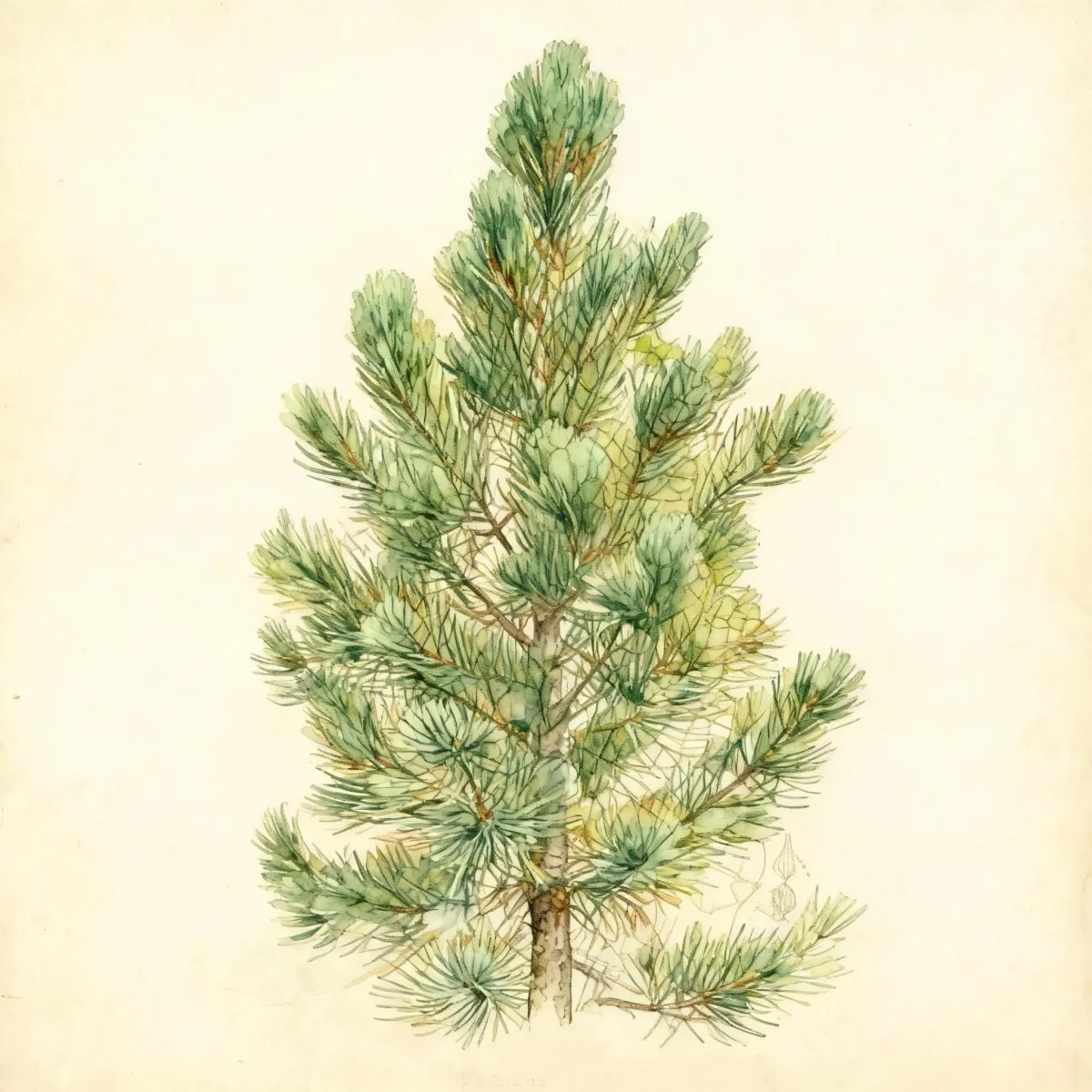
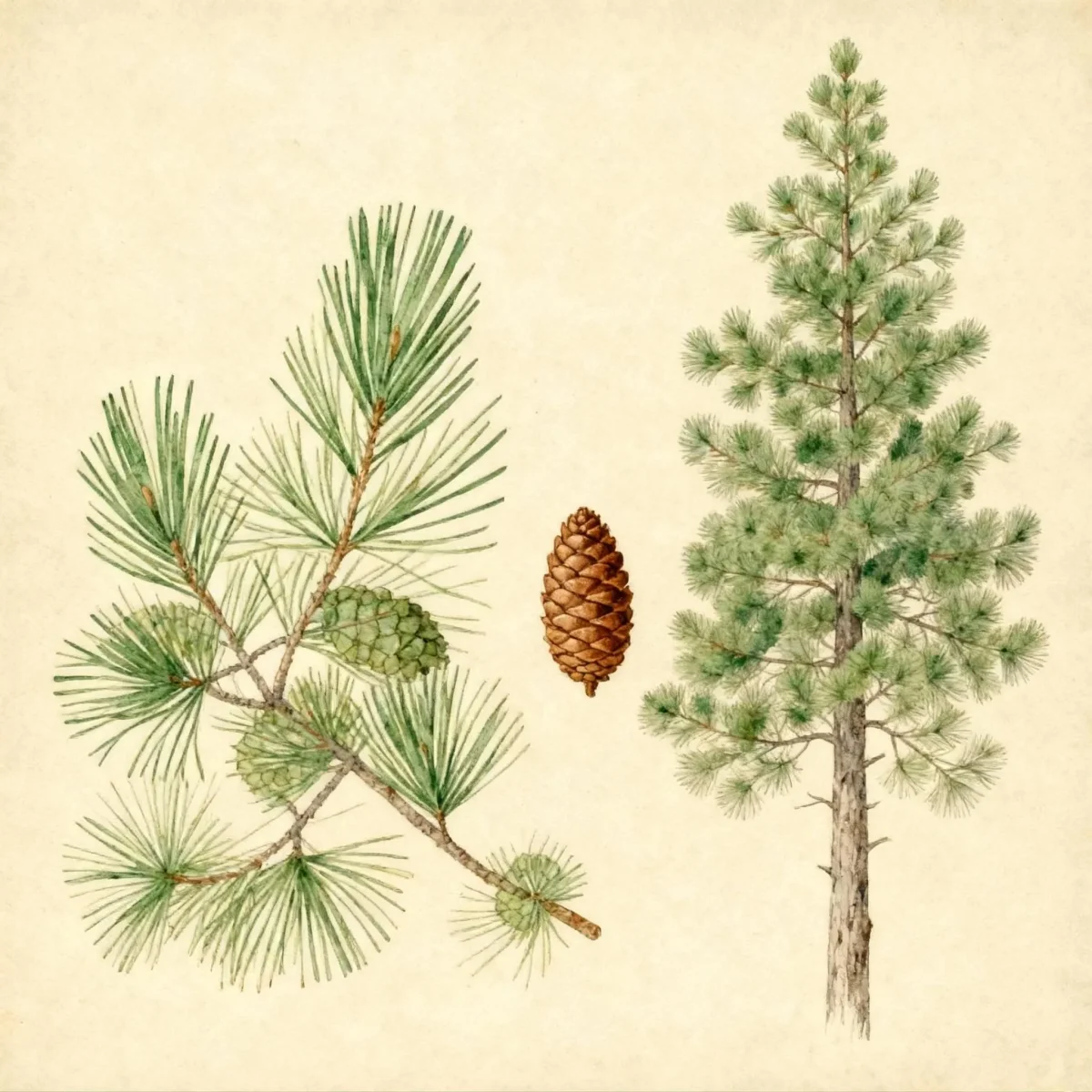
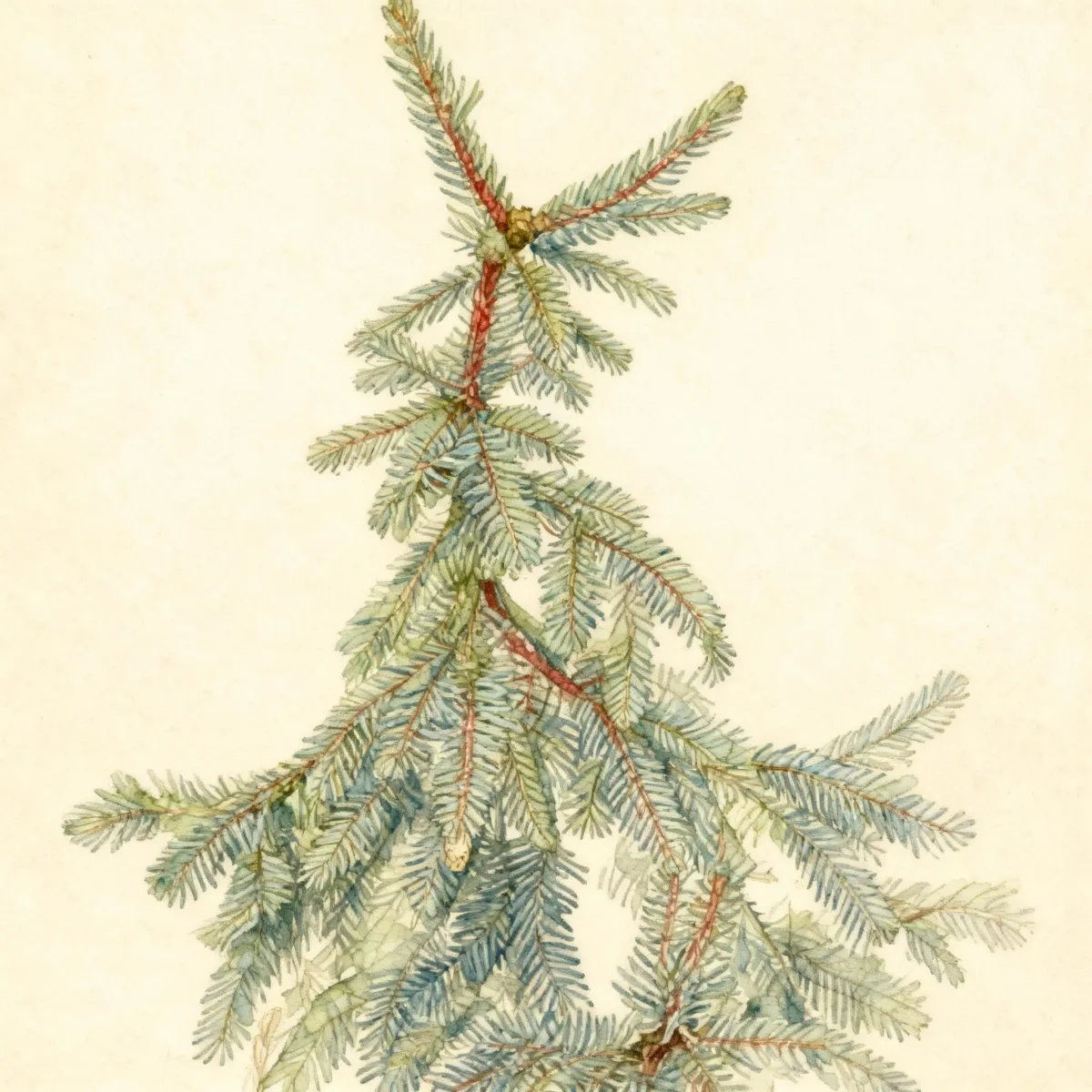
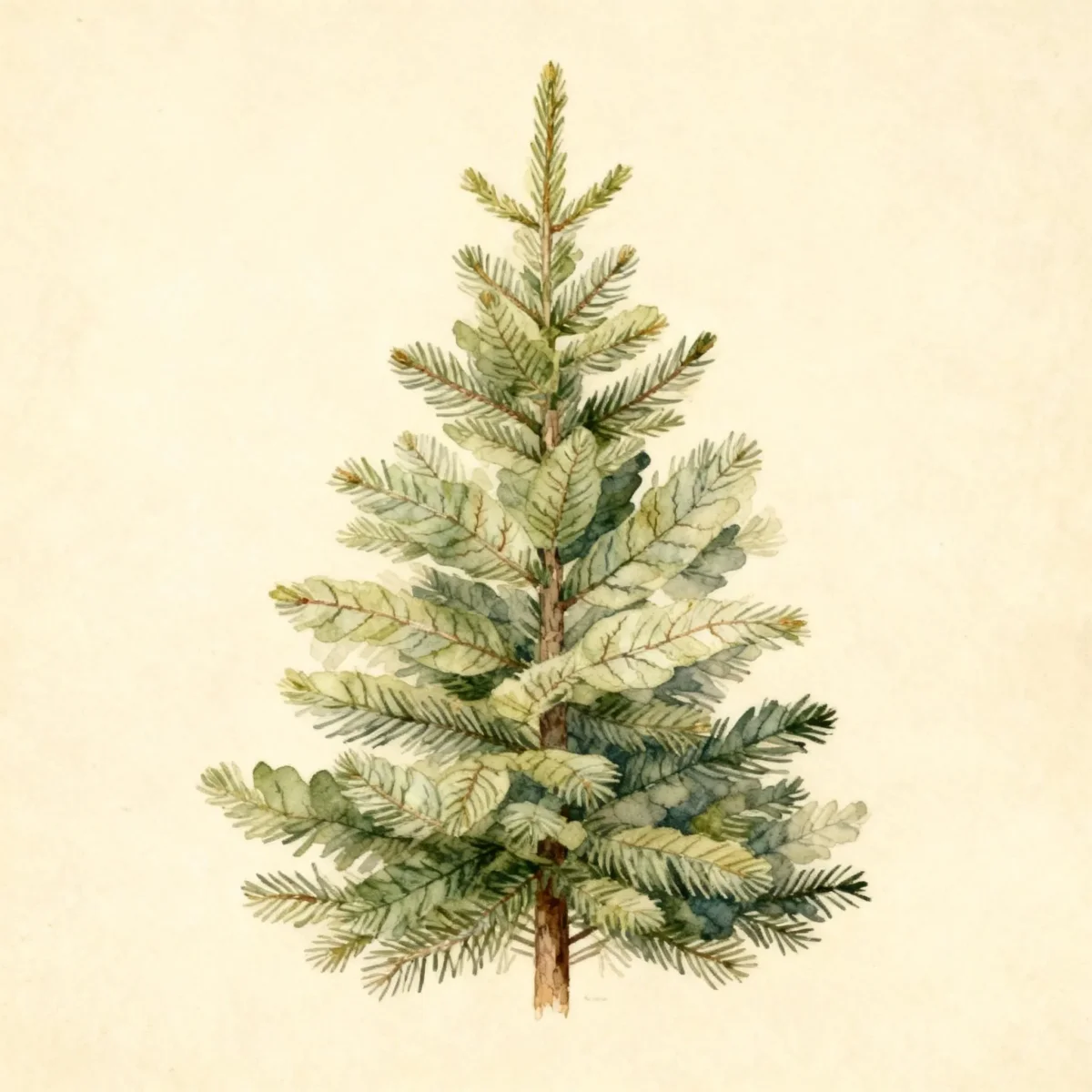
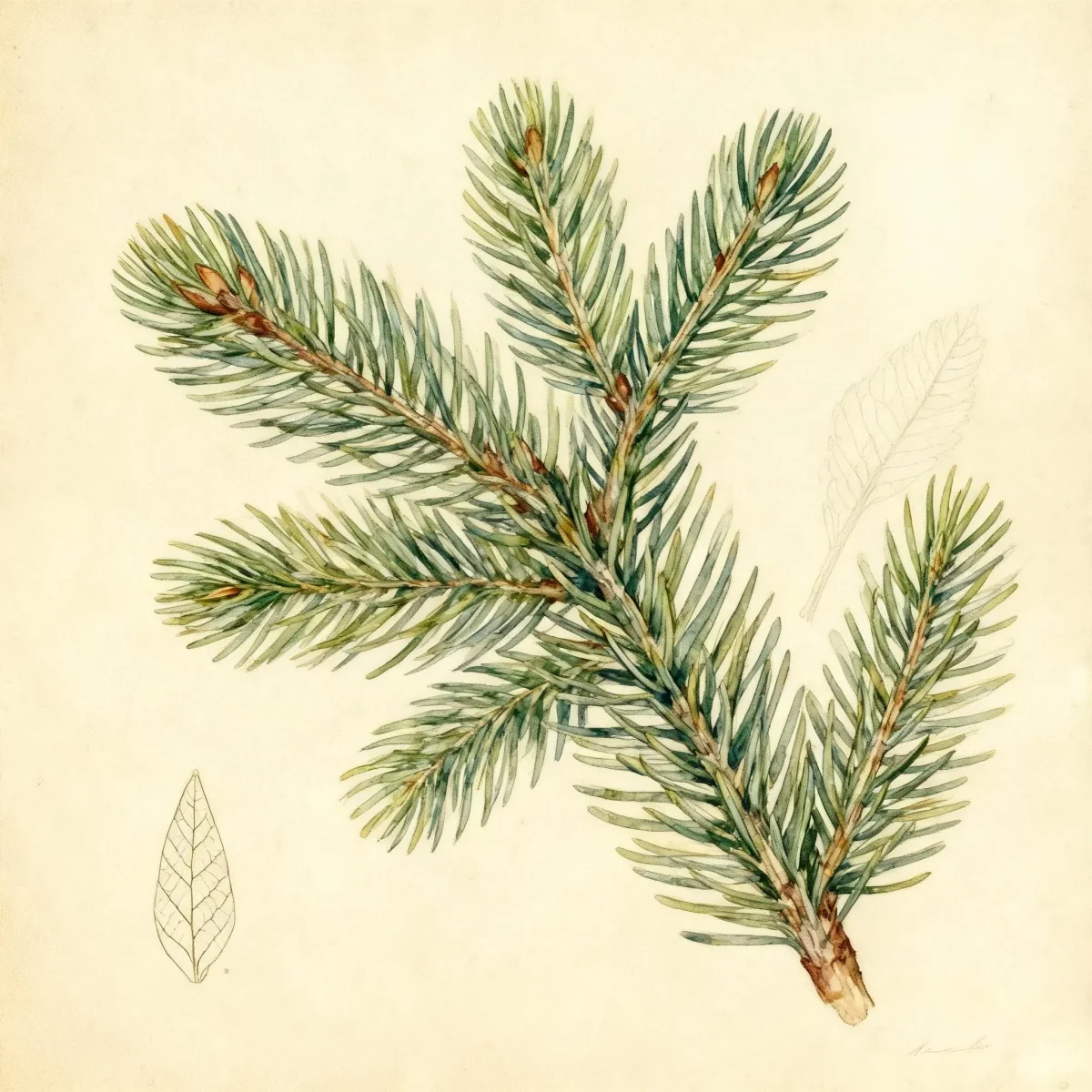
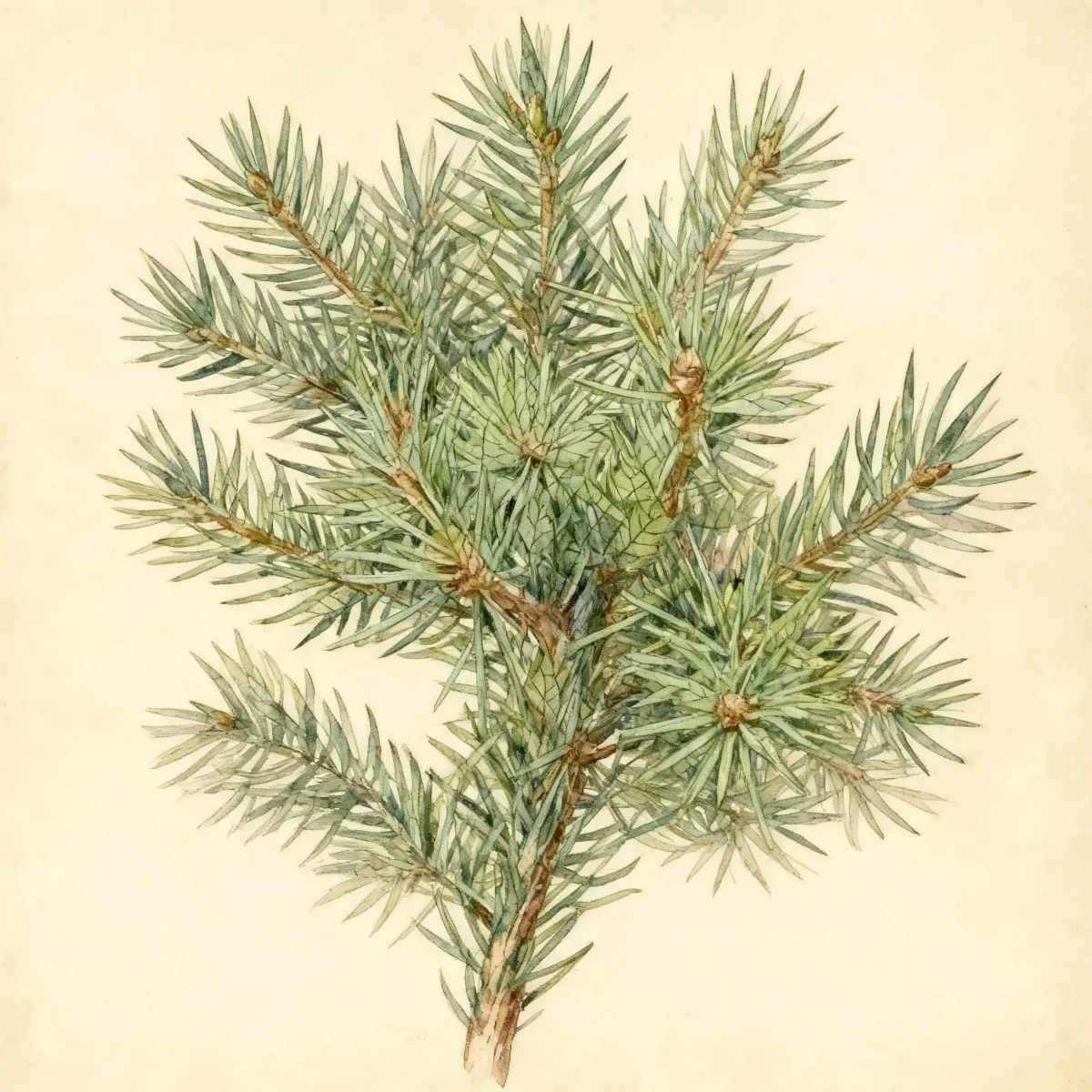
Swiss stone pine (Pinus cembra 'Chalet')
Pinus cembra 'Chalet' is a slow-growing, narrow Swiss stone pine ideal for small landscapes. Tolerates cool climates and low maintenance.
Scroll down to discover growing tips, care requirements, companion plants, and more
Complete Plant Information
Overview
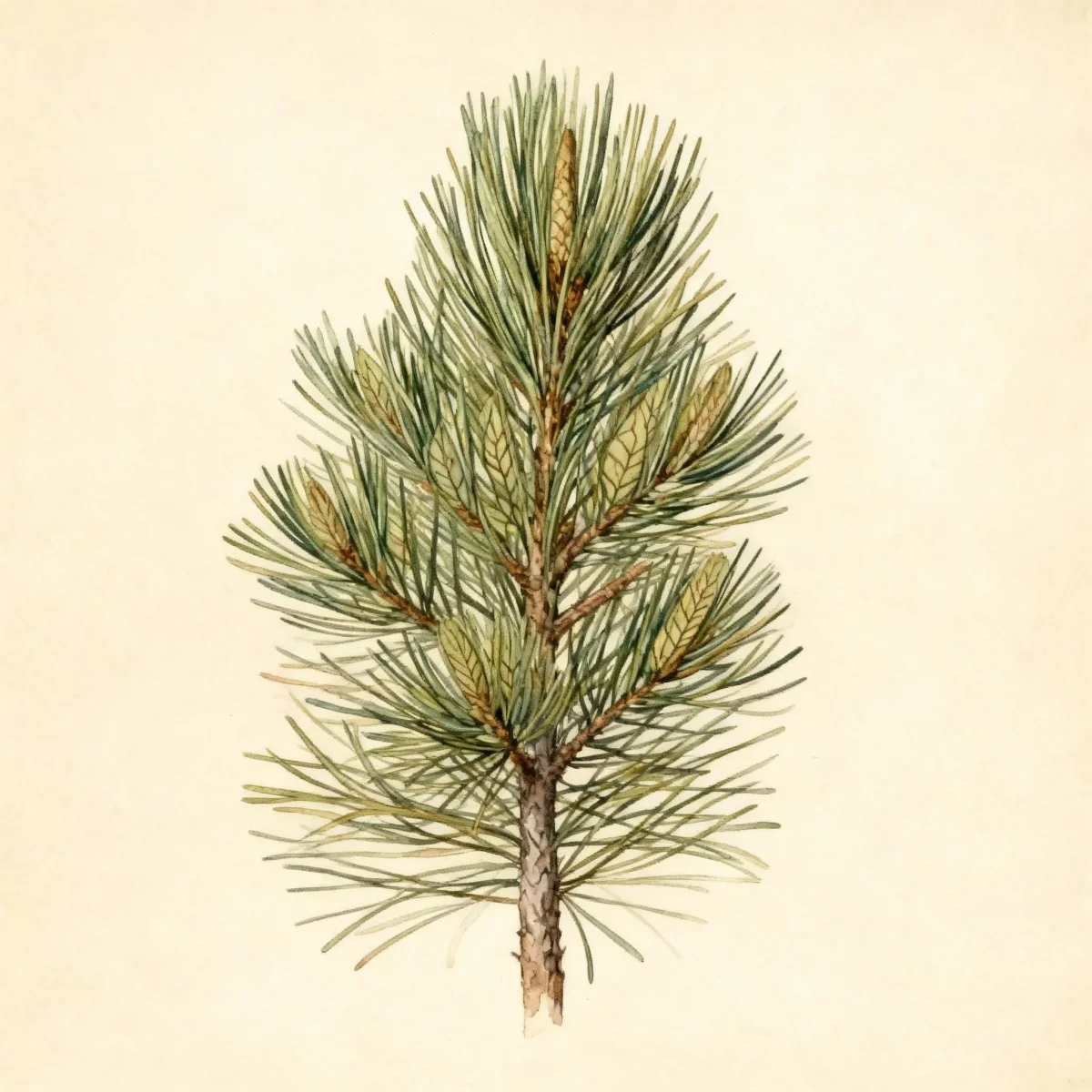
The Pinus cembra ‘Chalet’, commonly known as the Swiss stone pine, offers exceptional texture and year-round structure, making it prized by landscape architects. This cultivar is a slow-growing, narrow conical form valued for its dense habit, which remains compact even as it ages. Gardeners select this variety specifically for its ability to provide vertical interest without overwhelming small spaces.
Native to the cool mountain climates of Europe, the Swiss stone pine thrives where summers are mild. It features soft, blue-green needles that provide a refined texture contrast against bolder evergreens. Its manageable size profile compared to the wild species ensures tight landscape integration.
With wonderfully low maintenance needs, Pinus cembra ‘Chalet’ is an excellent choice for structured plantings or as a distinguished specimen. Its evergreen nature ensures visibility and form persist throughout the winter months, providing essential garden structure when deciduous plants are bare.
Fast Facts
- Plant Family: Pinaceae
- Plant Type: Needled evergreen
- Hardiness Zones: USDA Zones 3-7
- Size at Maturity:
- Height: 5-8 ft
- Spread: 2-4 ft
- Bloom Time: Non-flowering
- Bloom Description: Non-flowering
- Sun Exposure: Full sun
- Water Needs: Medium
- Maintenance Level: Low
How to Grow
Planting the Pinus cembra ‘Chalet’ is best achieved in the cooler parts of the growing season—spring or fall—to minimize transplant shock. Select a location that receives full sun for best density, though this specific pine tolerates some light shade. Crucially, it requires average, medium moisture soils that are well-drained. Sandy loams are preferred, and the plant appreciates sites with good air circulation.
Ongoing care for this Swiss stone pine is minimal, reflecting its low maintenance rating. Water moderately, ensuring the soil dries slightly between waterings, especially for new plantings. Once established, it handles average drought conditions better than consistently wet soil, which can lead to rot problems. Avoid excessive fertilization, as rich feeding can disrupt its slow, natural growth habit.
Pruning is generally unnecessary for Pinus cembra ‘Chalet’ due to its inherently narrow, conical form. If shaping is required, prune only to remove errant branches. Remember that this pine prefers cooler summer climates; gardeners planting south of USDA Zone 7 should be aware that persistent, hot, humid summers can stress the tree.
Landscape Uses
The dense, narrow conical habit of Pinus cembra ‘Chalet’ makes it a premier selection for contemporary and formal landscapes where space is at a premium. It functions perfectly as a vertical accent, drawing the eye upward near doorways or entryways. Its compact dimensions also make it suitable for foundation plantings, provided adequate air circulation is maintained.
Use this refined evergreen in small groups to create understated focal points or integrate it into mixed evergreen borders where its soft, blue-green foliage can offer contrast. Due to its preference for cool climates and its slow growth, it pairs well with slower-growing companion plants that share similar preferences for well-drained conditions, such as dwarf conifers or certain heathers.
This pine fulfills the need for a controlled, architectural element in the garden. It should not be pushed into areas receiving intense afternoon heat without adequate airflow, respecting its mountain heritage inherent in the Swiss stone pine species.
Standout Features
Noteworthy Characteristics
Pinus cembra, commonly called Swiss stone pine or arolla pine, is native to mountain areas in central Europe from the Alps to the Carpathians. It is a slow-growing, medium-sized pine with a narrow pyramidal shape in its youth, gradually becoming rounded and more open as it matures. The cultivar ‘Chalet’ is a dense, narrow conical form that typically grows to 5-8’ tall and to 2-4’ wide over the first 10 years, eventually maturing over time to 10-15’ tall. Soft, blue-green needles are attractive year around.
Tolerances
- Deer
Potential Problems
The Swiss stone pine is generally very hardy and exhibits good resistance to blister rust, a major concern for many Eastern North American pines. However, like all conifers, it remains susceptible to various fungal issues if cultural needs are ignored. Watch for blights, rots, canker, and rusts, which often thrive in stagnant, humid air or overly wet soil conditions.
Insect pest vigilance is also necessary. Potential insect threats include boring insects, bark beetles, caterpillars, miners, scale insects, mealybugs, and sawfly larvae. Proper site selection—ensuring full sun and good air circulation—is the best preventative measure against most pests and diseases affecting the Pinus cembra ‘Chalet’.
If you notice wilting or browning needles, check the soil moisture immediately, ensuring drainage is adequate. Promptly prune out any diseased or infested material to prevent spread within the canopy of your Pinus cembra ‘Chalet’.
Frequently Asked Questions
What hardiness zones is Swiss stone pine suitable for?
The Pinus cembra ‘Chalet’ is suitable for USDA Hardiness Zones 3 through 7.
How large does Pinus cembra ‘Chalet’ grow?
This cultivar typically reaches a height between 5 and 8 feet and a spread between 2 and 4 feet in maturity, though it may eventually reach slightly taller dimensions over many decades.
What sun exposure does Pinus cembra ‘Chalet’ need?
This Swiss stone pine requires full sun exposure for optimal growth and density, although it can tolerate some light shade.
When does Pinus cembra ‘Chalet’ bloom?
This species is non-flowering, as it is a conifer producing cones rather than traditional flowers.
Conclusion
The Pinus cembra ‘Chalet’ is an outstanding, refined evergreen choice for gardeners seeking low-maintenance structure in smaller or cooler-climate settings. Its narrow profile and attractive blue-green needles ensure year-round appeal for the formal or contemporary garden. Before planting, confirm your location falls within USDA Zones 3-7 and ensure the site offers the required excellent drainage and air movement to keep your Swiss stone pine thriving.
Companion Planting
When designing beds around the Pinus cembra ‘Chalet’, focus on companions that share its need for well-drained soil and appreciation for cooler conditions. Low-growing Junipers (especially dwarf, spreading varieties) or creeping Thymes can serve as excellent, drought-tolerant groundcovers cascading near the base, contrasting nicely with the pine’s upright habit.
Avoid planting moisture-loving perennials immediately adjacent to the base of the Swiss stone pine, as this can keep the root zone too damp, inviting potential rot issues. Plants like Sedums or certain low-growing ornamental grasses that tolerate partial shade and lean towards dry conditions are ideal partners for maximizing the long-term health of this slow-growing conifer.
Seasonal Care Calendar
For spring care, conduct a light inspection after snowmelt to check for winter damage or errant branches that should be pruned out while the plant is still somewhat dormant. Water deeply during the initial summer months if rainfall is scarce, remembering that hot, dry spells are especially stressful for this alpine species.
In autumn, focus on ensuring the plant enters winter well-hydrated, as evergreens continue to transpire moisture throughout the colder months. Mulch lightly around the base, avoiding piling material directly against the trunk flare, which aids in stabilizing root zone temperature and conserving moisture over winter.
Conclusion
The Pinus cembra ‘Chalet’ is an outstanding, refined evergreen choice for gardeners seeking low-maintenance structure in smaller or cooler-climate settings. Its narrow profile and attractive blue-green needles ensure year-round appeal for the formal or contemporary garden. Before planting, confirm your location falls within USDA Zones 3-7 and ensure the site offers the required excellent drainage and air movement to keep your Swiss stone pine thriving.