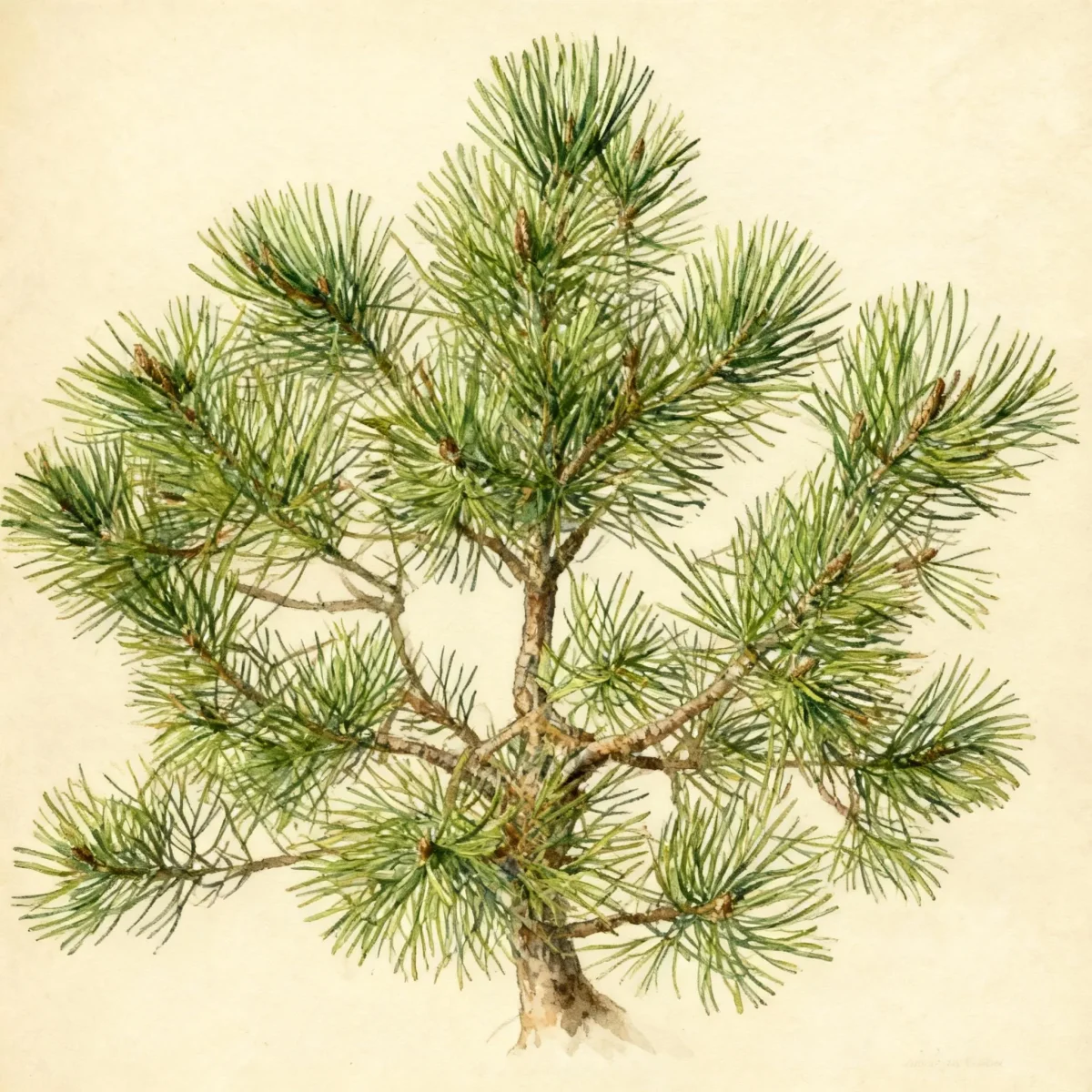
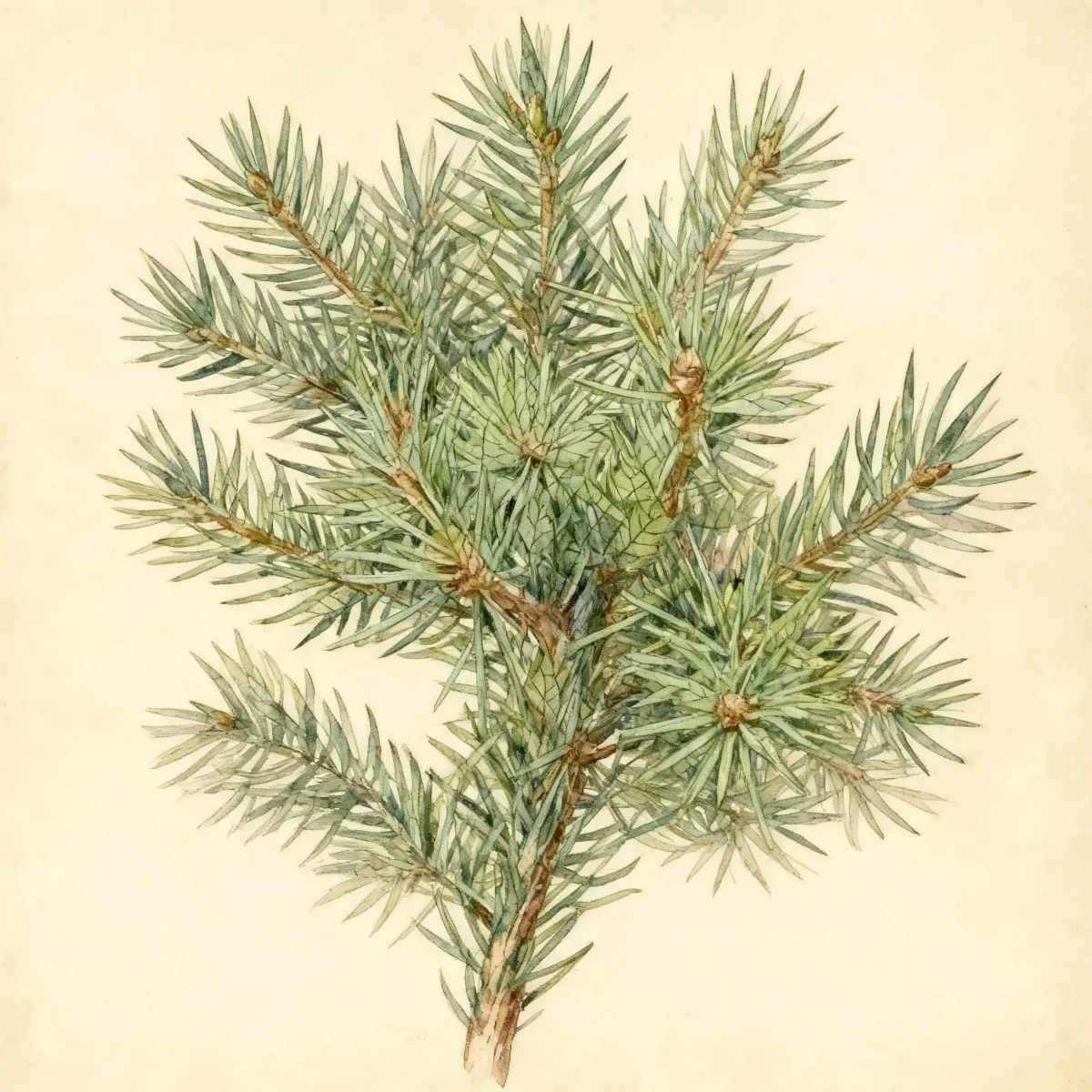
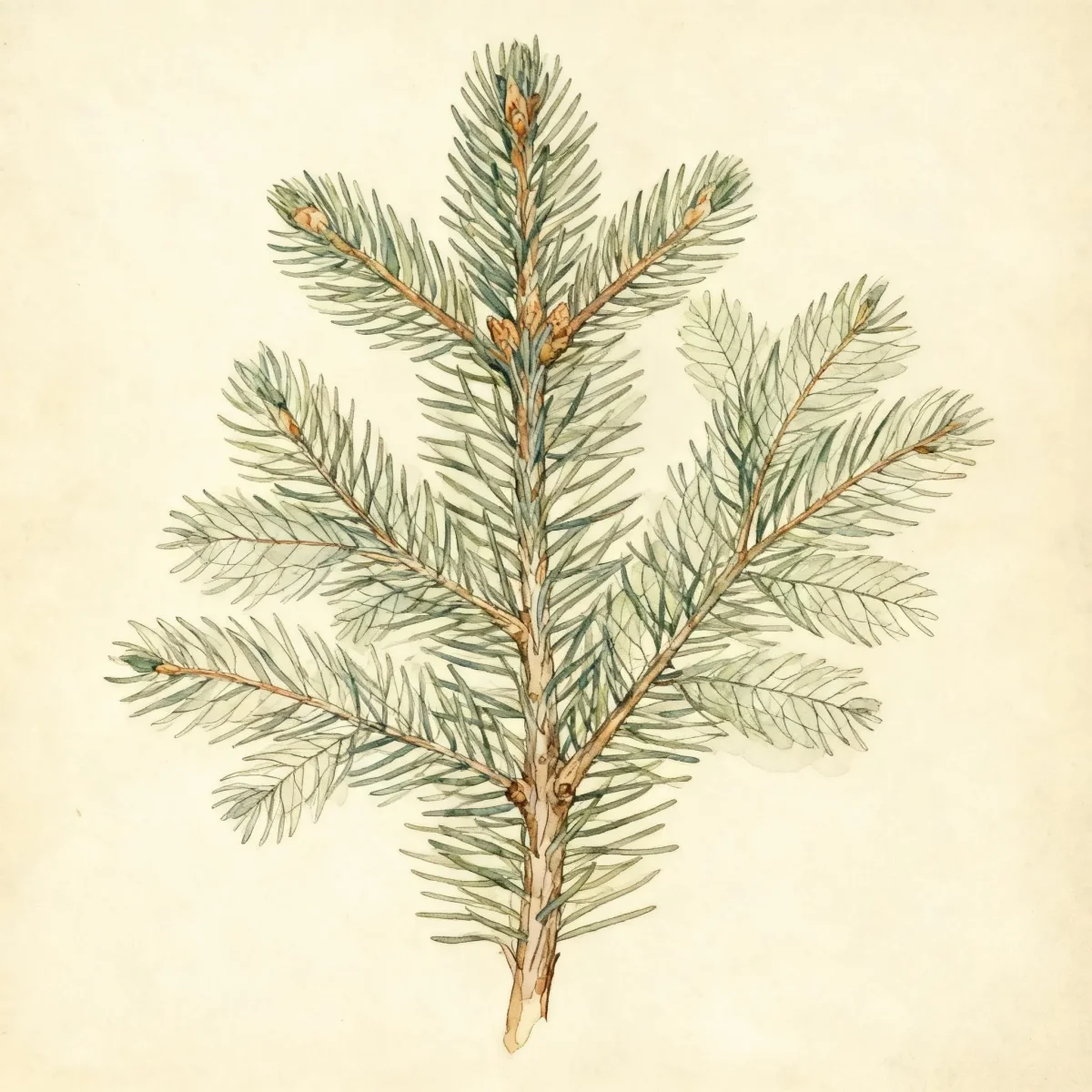
Dwarf mountain pine (Pinus mugo 'Paul's Dwarf')
Pinus mugo 'Paul's Dwarf' is a dense, slow-growing Dwarf mountain pine, perfect for rock gardens in USDA Zones 2-7.
Scroll down to discover growing tips, care requirements, companion plants, and more
Complete Plant Information
Overview
Pinus mugo ‘Paul’s Dwarf’ is a highly desirable, compact needled evergreen valued for maintaining a tight, dense, globose habit without extensive pruning. This slow-growing cultivar of the Dwarf mountain pine offers vibrant green texture, presenting an excellent solution for gardeners needing year-round structure in small spaces. Its slow growth rate ensures it reliably remains within bounds, making it a staple in meticulous landscape designs.
As a type of Mountain pine, the Pinus mugo ‘Paul’s Dwarf’ distinguishes itself from its larger relatives by remaining low and neat over time, typically reaching only 2 to 3 feet high and wide. It thrives in full sun, offering robust performance even when facing environmental challenges like air pollution. Gardeners appreciate this Dwarf mountain pine for its dependable evergreen color and minimal upkeep requirements.
This cultivar is native to the mountains of central and southern Europe and brings that sturdy, alpine character to any site. Its small needles and dense branching pattern make Pinus mugo ‘Paul’s Dwarf’ an outstanding specimen plant where miniature evergreen form is paramount.
Fast Facts
- Plant Family: Pinaceae
- Plant Type: Needled evergreen
- Hardiness Zones: USDA Zones 2-7
- Size at Maturity:
- Height: 2-3 ft
- Spread: 2-3 ft
- Bloom Time: Non-flowering
- Bloom Description: Non-flowering
- Sun Exposure: Full sun
- Water Needs: Medium
- Maintenance Level: Low
How to Grow
Plant the Dwarf mountain pine in early spring or fall, ensuring the location provides sharp drainage, which is crucial for long-term success. While it adapts well to sandy soils and exhibits some tolerance for clays, avoid any spots where water pools or remains soggy, especially during winter. The ideal environment features moist, well-drained loams under full sun exposure.
Water needs are considered medium; establish the planting with careful watering, and once established, it generally tolerates average rainfall. Fertilization is rarely necessary for Pinus mugo ‘Paul’s Dwarf’, especially if planted in decent soil. If shaping is desired to maintain its dense, globe-like habit, light pruning can be performed annually in the spring, though this cultivar is naturally compact and low-maintenance.
Plants prefer cooler summer conditions, although they are generally tolerant of urban environments, including some air pollution. Pay attention to pest potential, such as scale or sawflies, which can become issues in certain regions, necessitating early detection and chemical control if problems arise.
Landscape Uses
The compact nature of Pinus mugo ‘Paul’s Dwarf’ makes it exceptionally versatile in refined plantings. It is highly valued as an accent plant in rock gardens, where its dense structure contrasts beautifully with alpine flowering perennials. Furthermore, this Dwarf mountain pine serves perfectly as a low, formal foundation planting near entryways where mature height must remain restricted.
Due to its manageable size and slow growth, this cultivar is also favored by enthusiasts of the art of bonsai, offering excellent texture and form for miniature tree cultivation. Consider pairing it with broadleaf evergreens or deciduous shrubs that offer seasonal color contrast throughout the year, allowing the deep green needles of the Dwarf mountain pine to stand out.
Standout Features
Noteworthy Characteristics
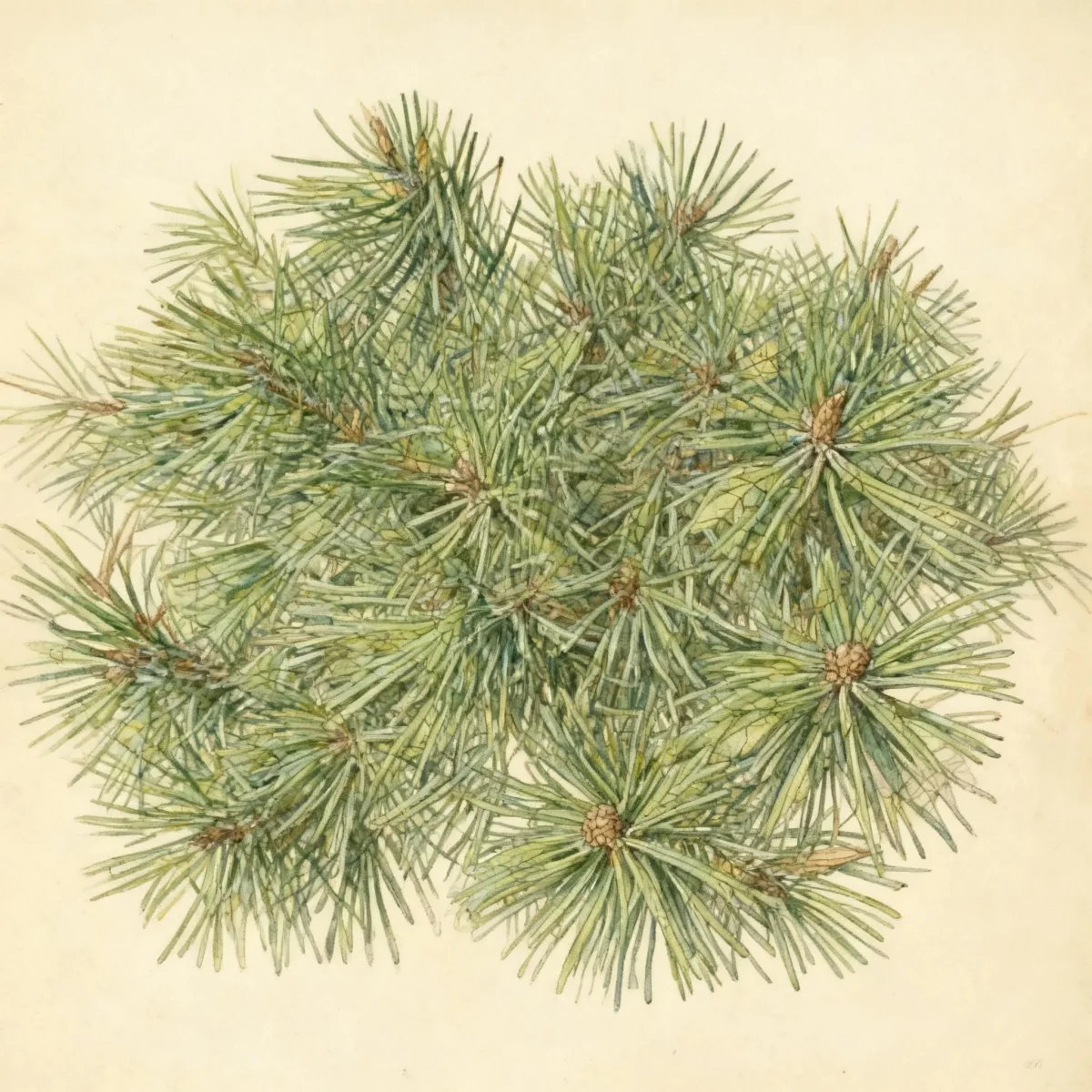
Pinus mugo, commonly called mugo pine or Swiss mountain pine, is a variable species that is most often seen as a bushy, multi-stemmed shrub or broad-rounded small tree to 15-20’ tall. Mature plants typically exhibit a dense habit, usually growing wider than tall. It is native to the mountains of central and southern Europe from Spain to the Balkans. ‘Paul’s Dwarf’ is a dwarf cultivar with a dense globose form that typically matures to 2-3’ tall with a similar spread, but is very slow-growing (2-3” per year) and is commonly seen as a 1-2’ tall plant, featuring unusually short, medium to dark green needles to 1” long.
Tolerances
- Deer
- Air Pollution
Potential Problems
Pines are generally difficult to grow well in the St. Louis area because of soil and climate factors, though the hardier Mugo pine often fares better than many southern pines. Mugo pine is susceptible to tip blight, various rusts, and rot diseases, often entry points beginning in wet conditions or poor air circulation. Pine needle scale and sawflies are noteworthy insect pests that can severely impact the health of the foliage, requiring vigilant inspection. Management involves ensuring excellent drainage, providing necessary airspace between plants, and treating active infestations promptly, sometimes with horticultural oils or appropriate systemic insecticides.
Frequently Asked Questions
What hardiness zones is Dwarf mountain pine suitable for?
Pinus mugo ‘Paul’s Dwarf’ is suitable for USDA Hardiness Zones 2 through 7, offering excellent cold tolerance.
How large does Pinus mugo ‘Paul’s Dwarf’ grow?
This slow-growing cultivar typically matures to a height and spread between 2 and 3 feet.
What sun exposure does Dwarf mountain pine need?
The Dwarf mountain pine absolutely requires full sun exposure to maintain its dense, healthy form.
When does Pinus mugo ‘Paul’s Dwarf’ bloom?
This plant is categorized as Non-flowering, as it is a conifer grown primarily for its evergreen foliage structure.
Conclusion
The Pinus mugo ‘Paul’s Dwarf’ is an invaluable, low-maintenance selection for adding foundational structure and year-round color to the garden, especially where space is limited. Its dense habit and noted tolerances make it a reliable performer, provided it receives full sun and adequate drainage. Check your local hardiness rating and plan to plant this excellent Dwarf mountain pine specimen during the cooler seasons for the best establishment results.
Companion Planting for Alpine Form
Selecting companions for Pinus mugo ‘Paul’s Dwarf’ should focus on plants that share its preference for well-drained, sometimes lean soils and full sunlight. Low-growing sedums, various creeping thymes, and low-mounding ornamental grasses pair beautifully beneath the evergreen canopy. These companions enhance the alpine or rock garden aesthetic for which the Dwarf mountain pine is celebrated. Avoid planting moisture-loving perennials too close, as their watering needs might compromise the pine’s need for dry feet.
Seasonal Care Calendar
Spring is the prime time for inspecting your Pinus mugo ‘Paul’s Dwarf’ for overwintering damage and applying any aesthetic touch-up pruning to enhance density. In summer, monitor for needle scale, as warm weather encourages insect development; consistent, deep watering during unseasonably dry spells is beneficial. Fall preparation involves ensuring good air circulation around the base of the plant before winter snows settle, minimizing the risk of basal rot diseases common to damp environments over the cold months.