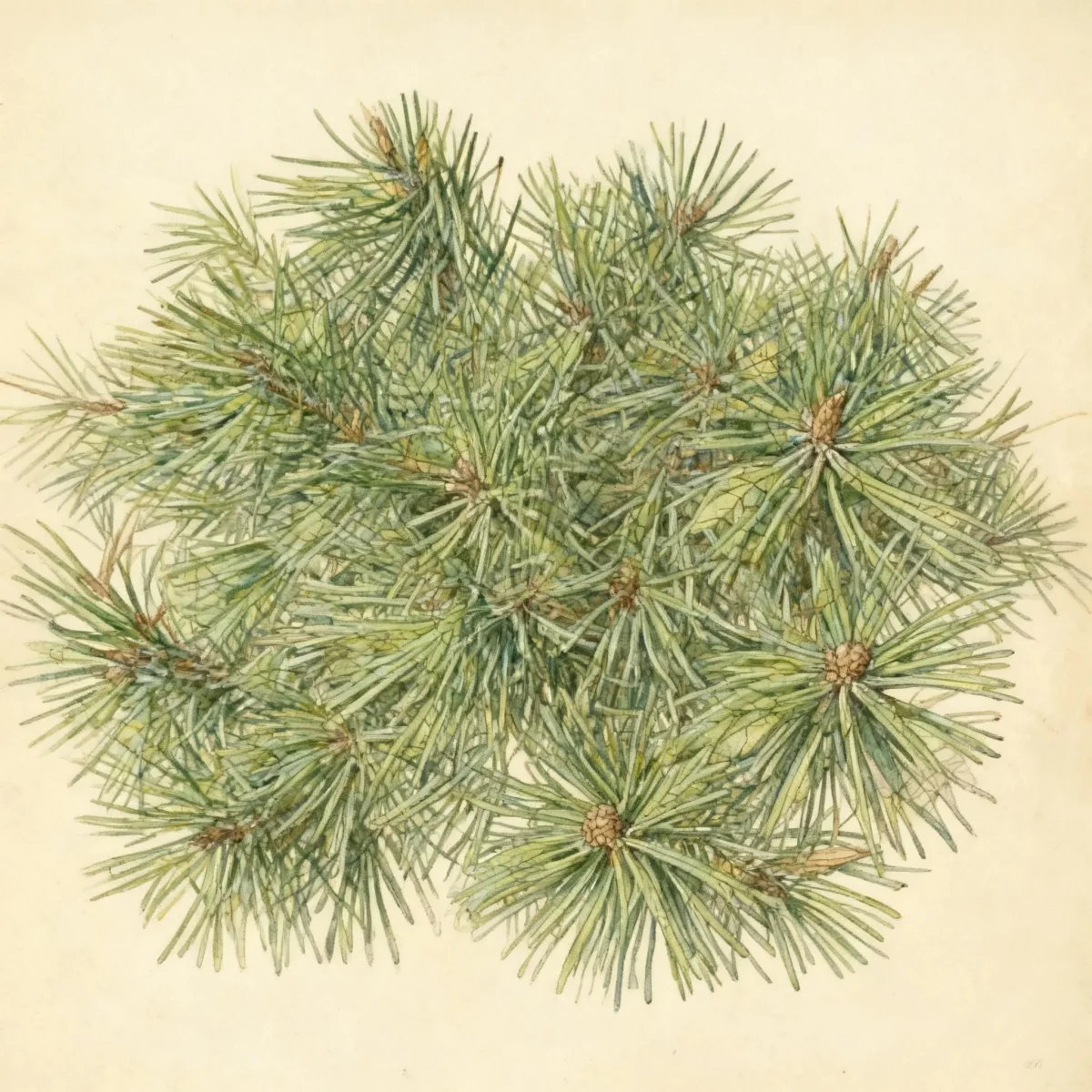
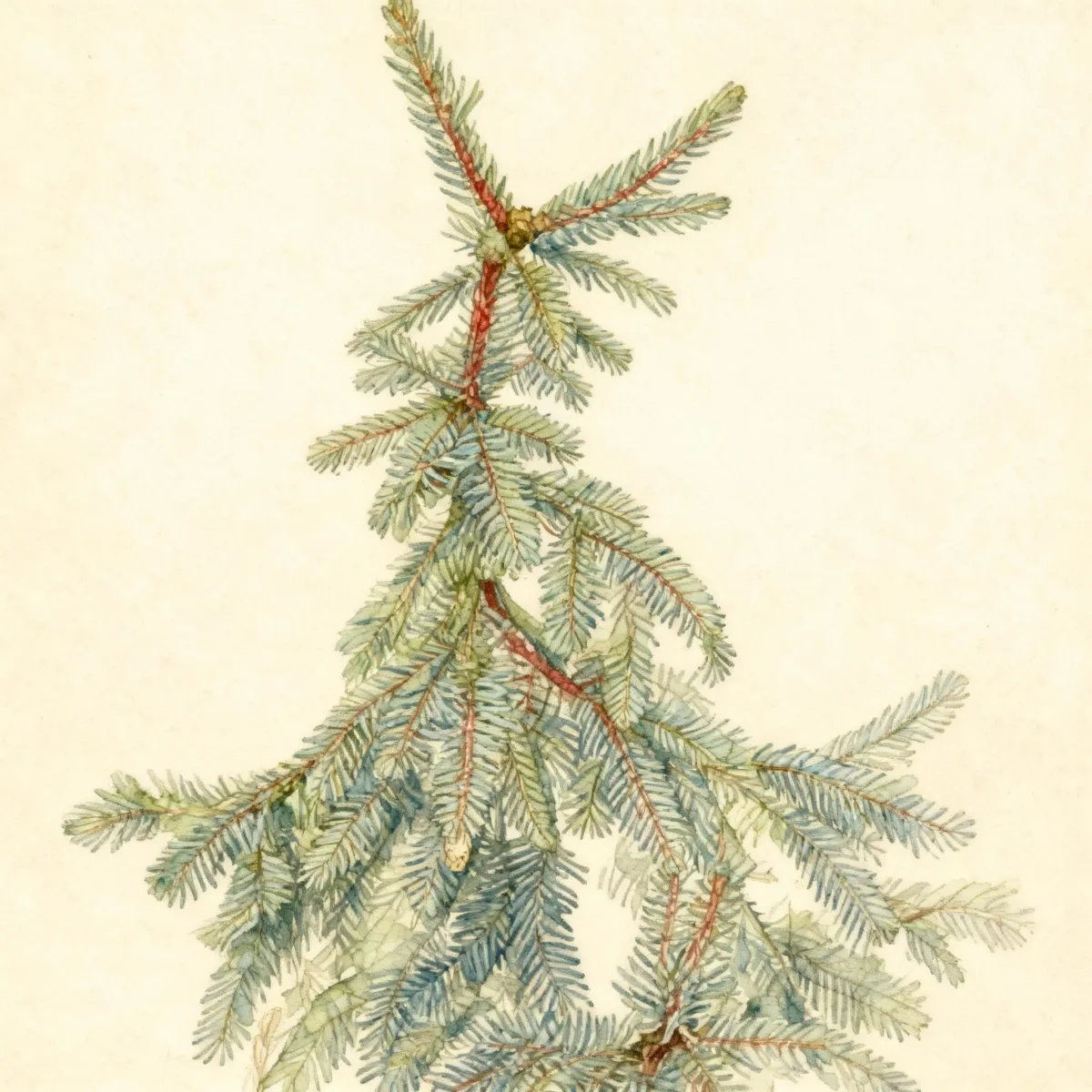
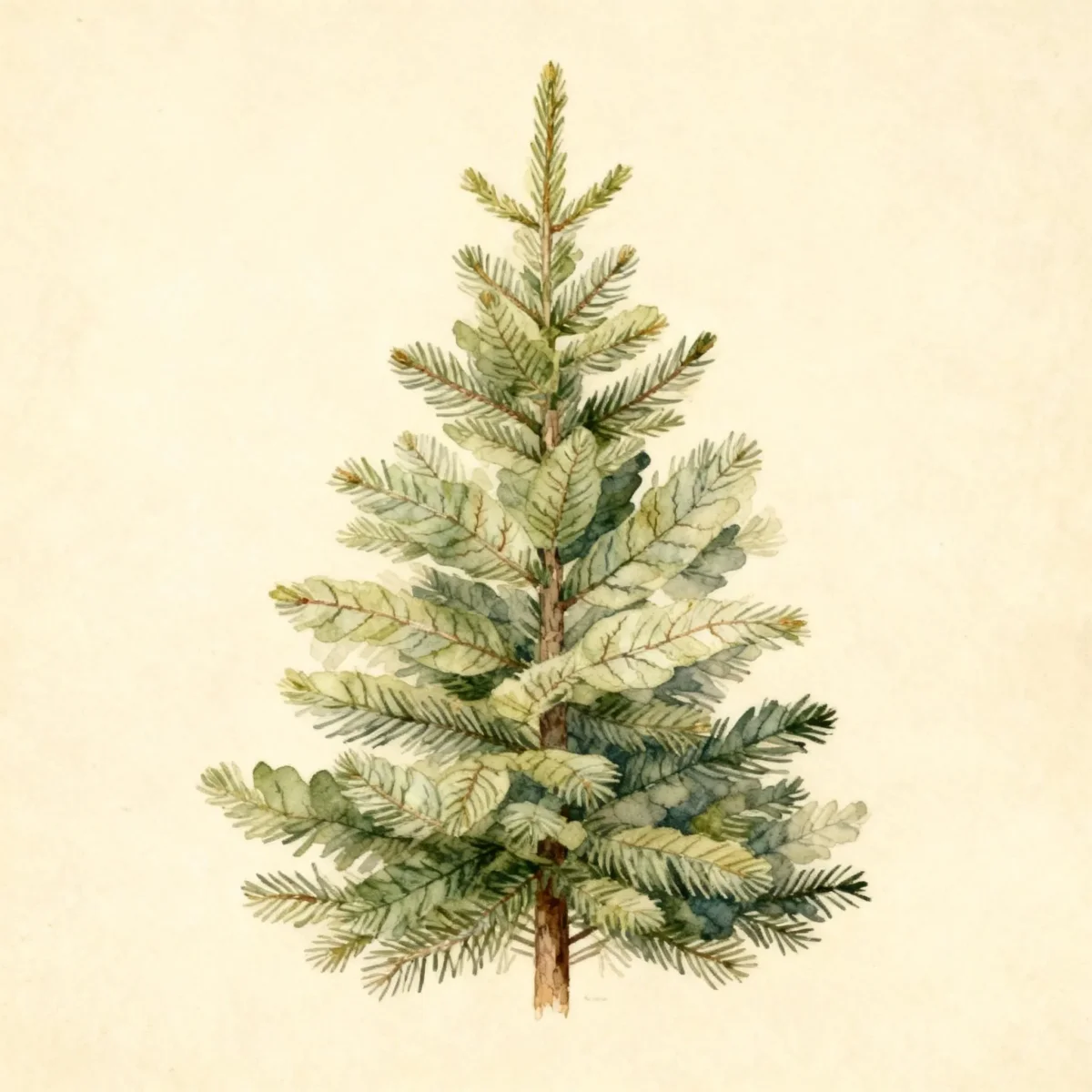
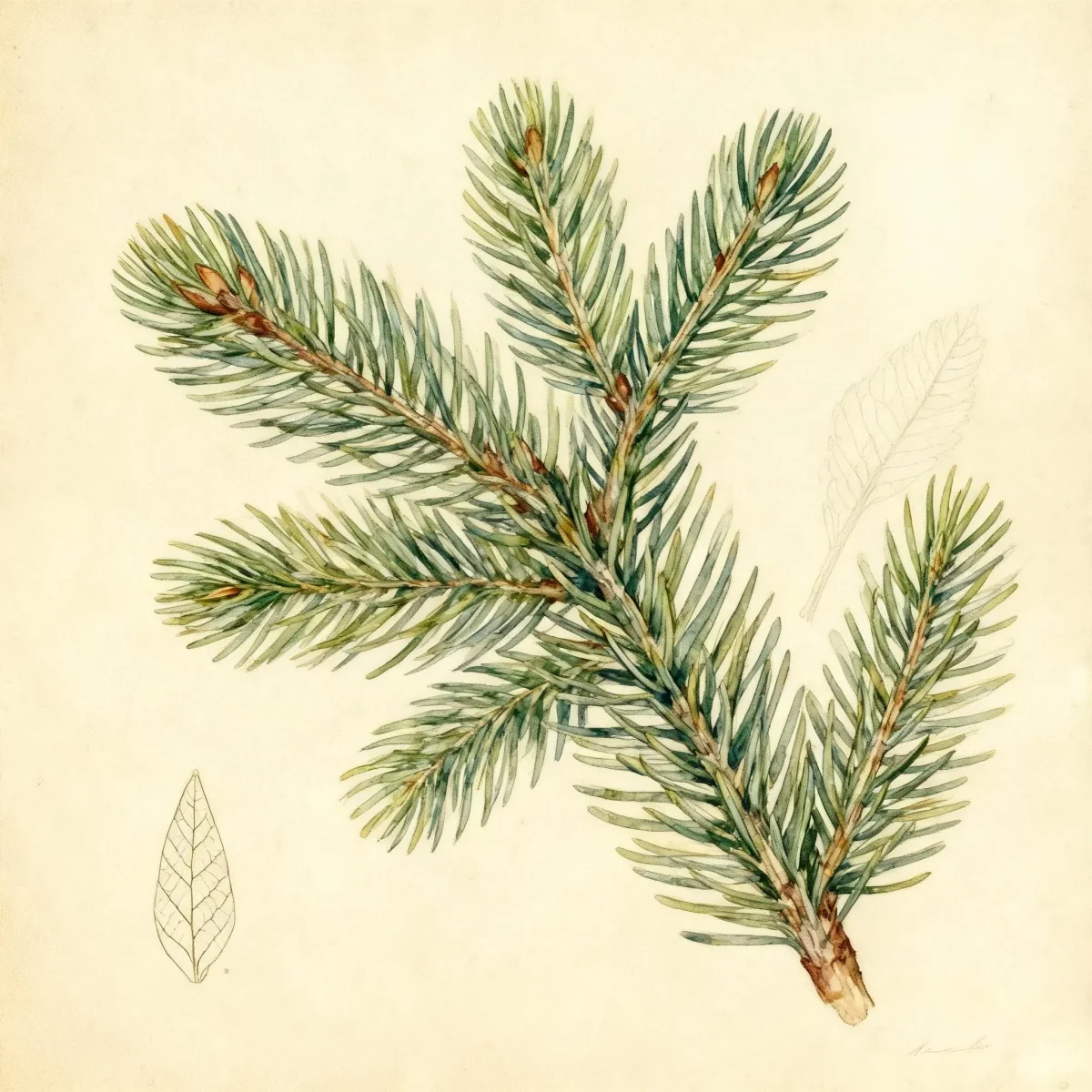
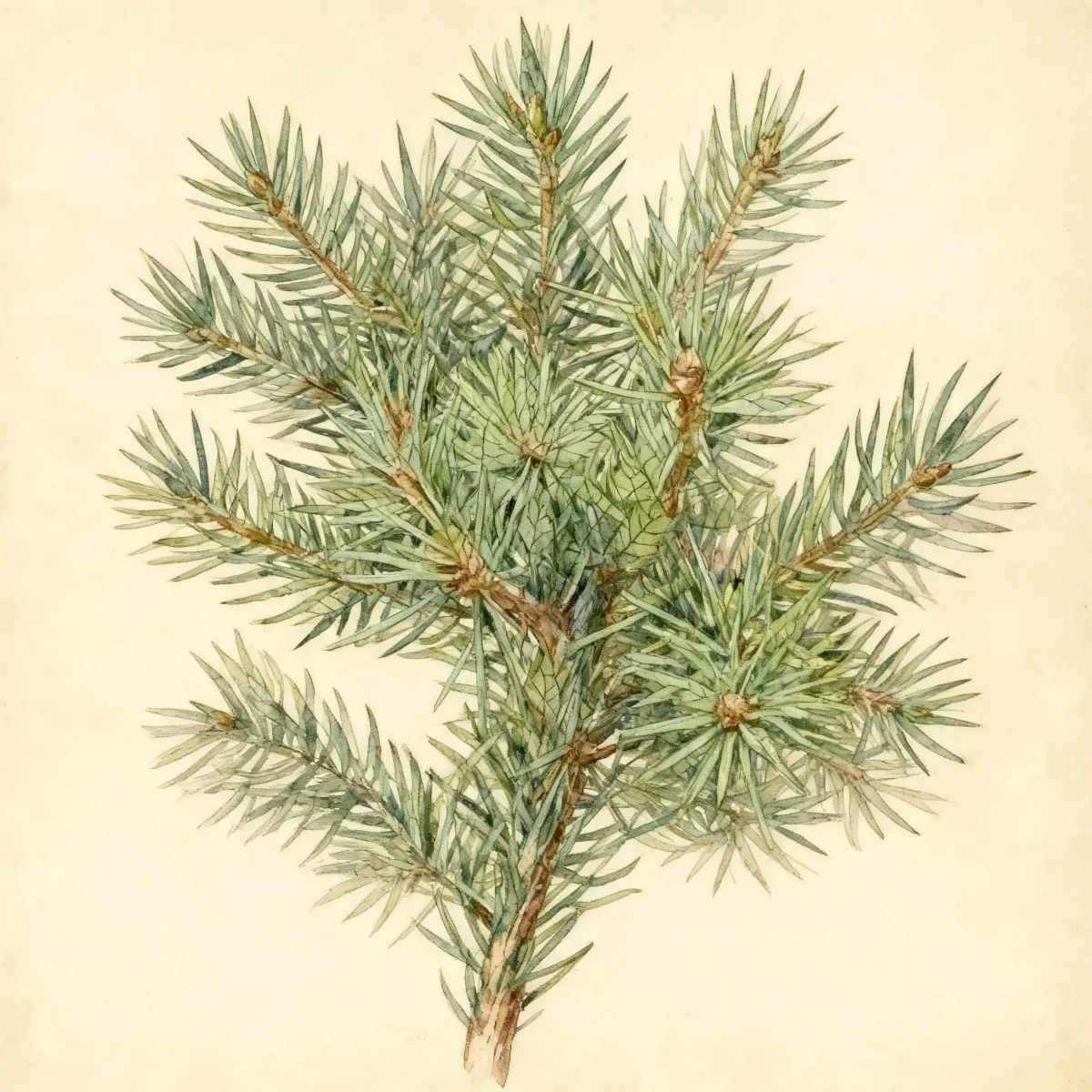
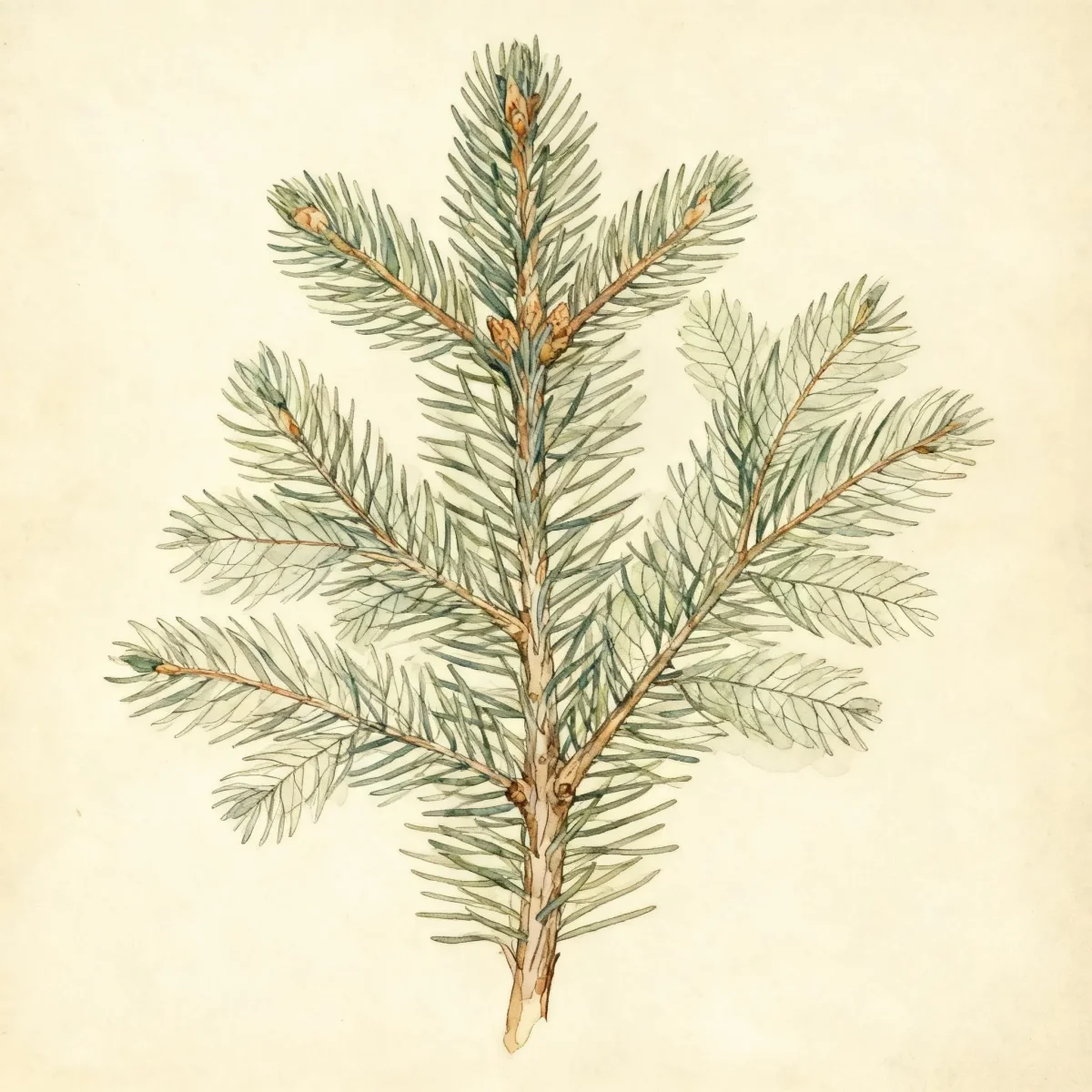
Dwarf mountain pine (Pinus mugo var. pumilio)
The Dwarf mountain pine, Pinus mugo var. pumilio, is a dense, spreading needled evergreen perfect for rock gardens and low-maintenance landscapes.
Scroll down to discover growing tips, care requirements, companion plants, and more
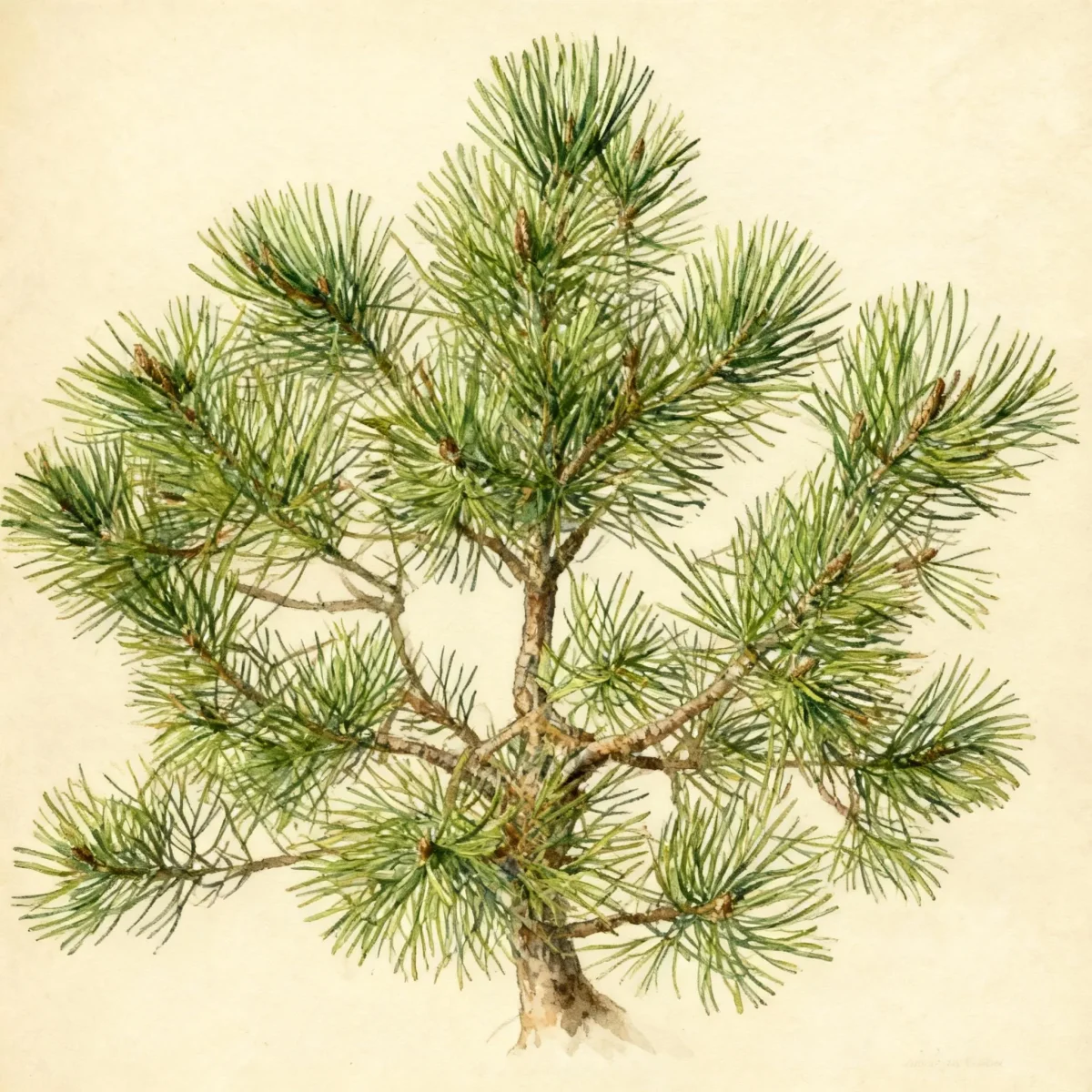
Complete Plant Information
Overview
The Dwarf mountain pine offers excellent texture and structure across three seasons, establishing itself as a low-maintenance cornerstone in many landscapes. This specific cultivar, Pinus mugo var. pumilio, is prized for its dense, spreading, often ground-hugging habit, making it less imposing than taller mugo pine forms. Adaptable to tougher sites, this needled evergreen thrives in full sun exposure.
As a Dwarf mountain pine, Pinus mugo var. Pumilio delivers reliable year-round color and form with minimal intervention required once established. It is incredibly useful for gardeners seeking evergreen interest at a manageable height and spread, contrasting well with deciduous shrubs. Its natural durability makes it a sound choice for challenging garden locations, provided drainage is adequate.
Fast Facts
- Plant Family: Pinaceae
- Plant Type: Needled evergreen
- Hardiness Zones: USDA Zones 3-7
- Size at Maturity:
- Height: 3-5 ft
- Spread: 6-10 ft
- Bloom Time: Non-flowering
- Bloom Description: Non-flowering
- Sun Exposure: Full sun
- Water Needs: Medium
- Maintenance Level: Low
How to Grow
The best time to plant the Dwarf mountain pine is during the cooler seasons—spring or fall—to minimize transplant shock. Ensure the planting site receives Full sun exposure, as insufficient light leads to sparse growth. This pine thrives in moist, well-drained loams, and happily takes to sandy soils, though it shows some tolerance for clays. Crucially, avoid locations where water pools, as poorly-drained wet soils are detrimental to its health.
Water requirements for Pinus mugo var. pumilio are classified as medium. Establish a consistent watering schedule during the first year, especially through dry spells. Once established, its drought tolerance comes into play, though regular moisture replenishment during extreme heat is beneficial. Fertilizing is generally unnecessary for mature plants in good soil.
If maintaining the compact form of the Dwarf mountain pine is essential for your design, prune annually in late winter. Focus on removing crowded interior branches or tipping new growth (candling) lightly. Be aware that unpruned plants may naturally spread wider and potentially outgrow the designated space over many years, reinforcing the need for thoughtful placement.
Landscape Uses
The dense, spreading nature of Pinus mugo var. pumilio makes it an outstanding choice for dwarf evergreen applications where wide coverage is desired. It excels as a specimen groundcover in rock gardens or along slopes where its low profile accentuates stone features. Furthermore, it serves excellently as foundation plantings where a full shrub height might overwhelm architecture, providing a permanent green backdrop.
Consider placing the Dwarf mountain pine alongside contrasting textures, such as deciduous grasses or broadleaf deciduous shrubs that offer bright fall color that complements its dark green needles. Because it handles dry soil and is deer resistant, it fits well into naturalized borders or Xeriscape plantings where water conservation is a priority. Ensure ample room for its characteristic 6 to 10-foot spread when planning your site layout.
Standout Features
Noteworthy Characteristics
Pinus mugo, commonly known as mugo pine or Swiss mountain pine, is a broad-spreading pine which is native to the mountains of central and southern Europe. Var. Pumilio is a dwarf form with a dense, spreading habit, often growing prostrate with upright branching. It typically matures over time to 3-5’ tall by 6-10’ wide, offering reliable structure.
Tolerances
- Deer
- Drought
- Dry Soil
Potential Problems
Pines, including the Dwarf mountain pine, can face challenges in environments vastly different from their native cool mountain climates; specifically, soils and high humidity can encourage issues. The most frequent concerns include tip blight, various rusts, and rot diseases, often stemming from poor air circulation or overly wet conditions. Control these by ensuring superior drainage and pruning for adequate interior airflow.
Insect pests require vigilance; pine needle scale and sawflies can cause noticeable needle loss if left unchecked. Severe infestations require targeted insecticide applications based on the pest life cycle, often during spring development stages. Moths and borers may also target stressed specimens, making overall plant health the key deterrent.
Frequently Asked Questions
What hardiness zones is Dwarf mountain pine suitable for?
The Dwarf mountain pine, Pinus mugo var. pumilio, is reliably hardy across USDA Zones 3 through 7.
How large does Pinus mugo var. Pumilio grow?
This dwarf variety typically reaches a mature height of 3 to 5 feet, but spreads significantly wider, often achieving a spread between 6 and 10 feet.
What sun exposure does Dwarf mountain pine need?
This pine variety requires Full sun exposure to maintain its dense, healthy structure and best color.
When does Pinus mugo var. Pumilio bloom?
This is a needled evergreen and is Non-flowering.
Conclusion
The Dwarf mountain pine (Pinus mugo var. pumilio) is an invaluable, low-maintenance addition to any landscape needing reliable, spreading evergreen structure. Its resilience against deer and drought, combined with its compact growth habit, makes the Dwarf mountain pine a landscape workhorse. Before planting, confirm your location falls within USDA Zones 3-7 and ensure the soil offers the required good drainage for long-term success.
Companion Planting
Choosing companions wisely enhances the visual appeal of the low-growing Pinus mugo var. pumilio. Since it demands full sun and dry to medium moisture, pair it with other sun-loving, drought-tolerant perennials or shrubs. Good matches include ornamental grasses that sway nicely against the dark green needles, such as Blue Fescue or certain Sedums which offer contrasting fine texture and color variation in the foreground.
Avoid placing the Dwarf mountain pine next to plants that require consistently moist or rich soils, as this will lead to cultural incompatibilities and stress the pine. In rock gardens, consider pairing it with low-growing Junipers or hardy Heaths that share similar low-maintenance cultural needs while providing visual variance in form and foliage color.
Design Ideas for Evergreen Structure
Utilizing the spreading habit of Pinus mugo var. Pumilio is ideal for softening the hard edges of retaining walls or large boulders in a rock garden setting. Because it spreads horizontally rather than vertically, it serves as an excellent transition plant between lawn areas and taller foundation plantings, creating a layered look without blocking views. Its dense growth also provides excellent year-round cover in wildlife areas.
Where space allows, planting several specimens of Dwarf mountain pine in an irregular grouping, rather than a straight line, promotes a more natural, undulating effect reminiscent of its mountainous native habitat. This mass planting strategy also allows the plants to eventually knit together, forming an effective, low-maintenance evergreen groundcover that smothers out competition from weeds.