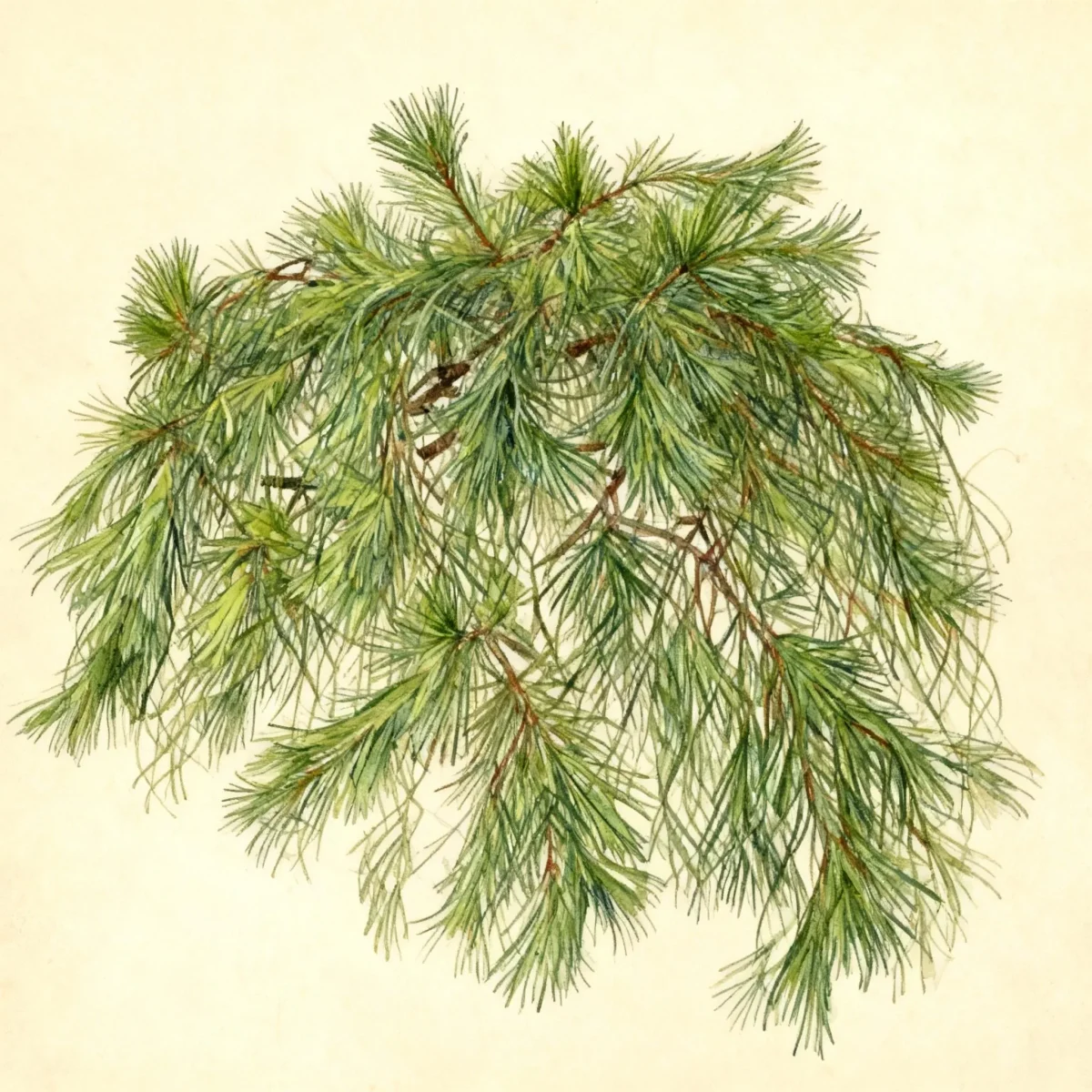
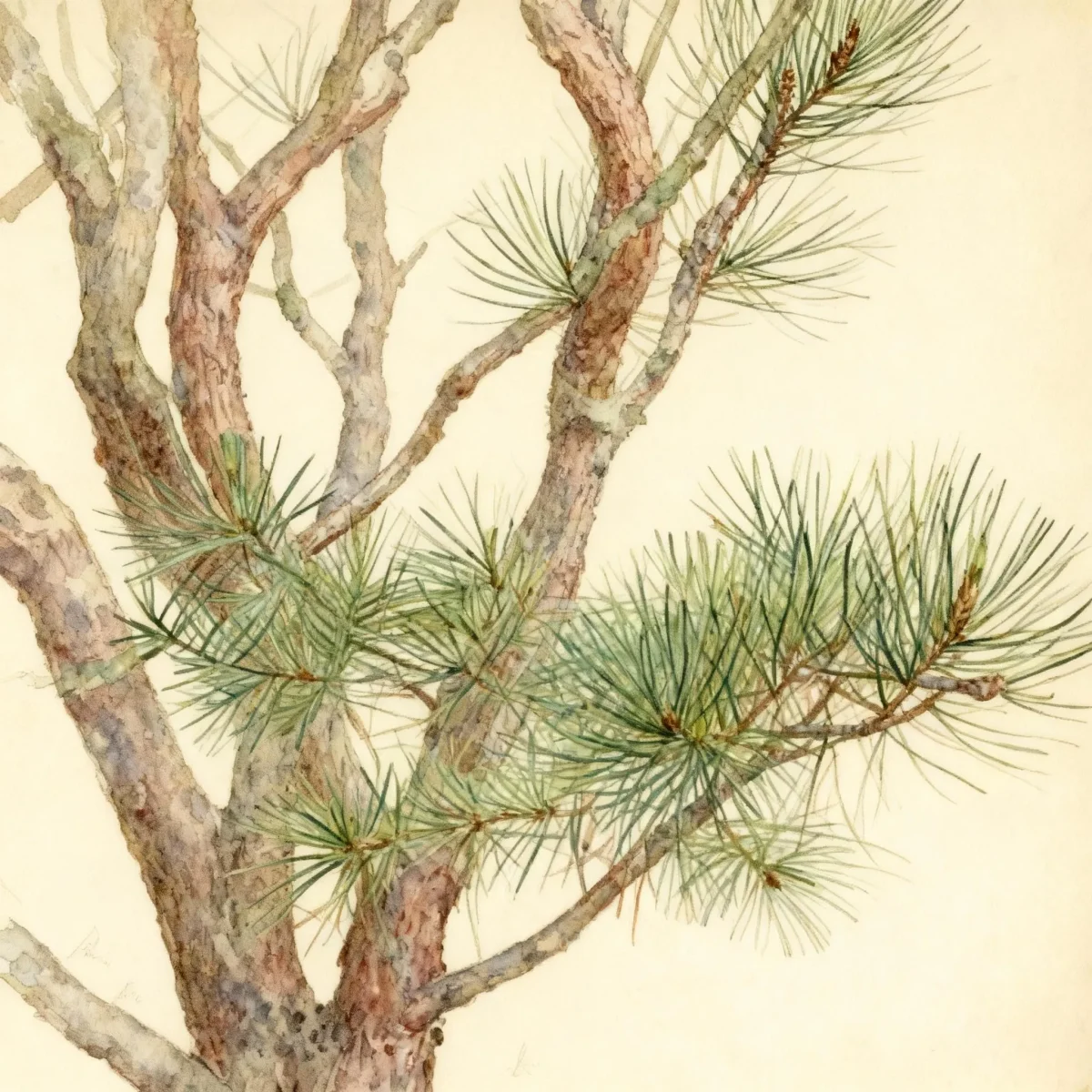
Austrian pine (Pinus nigra 'Hornibrookiana')
Pinus nigra 'Hornibrookiana' is a compact, dwarf evergreen, offering stiff dark green needles perfect for foundation planting.
Scroll down to discover growing tips, care requirements, companion plants, and more
Complete Plant Information
Overview
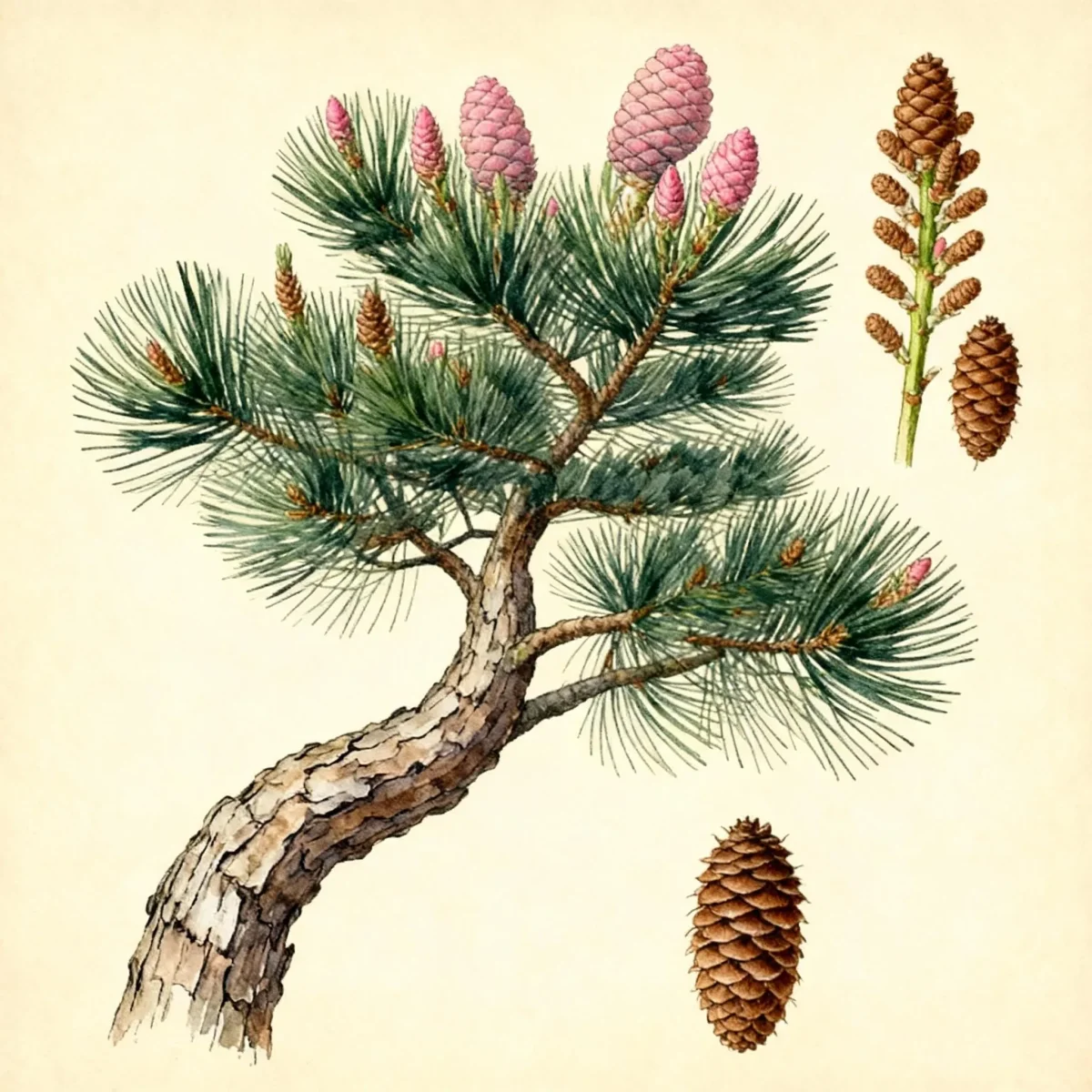
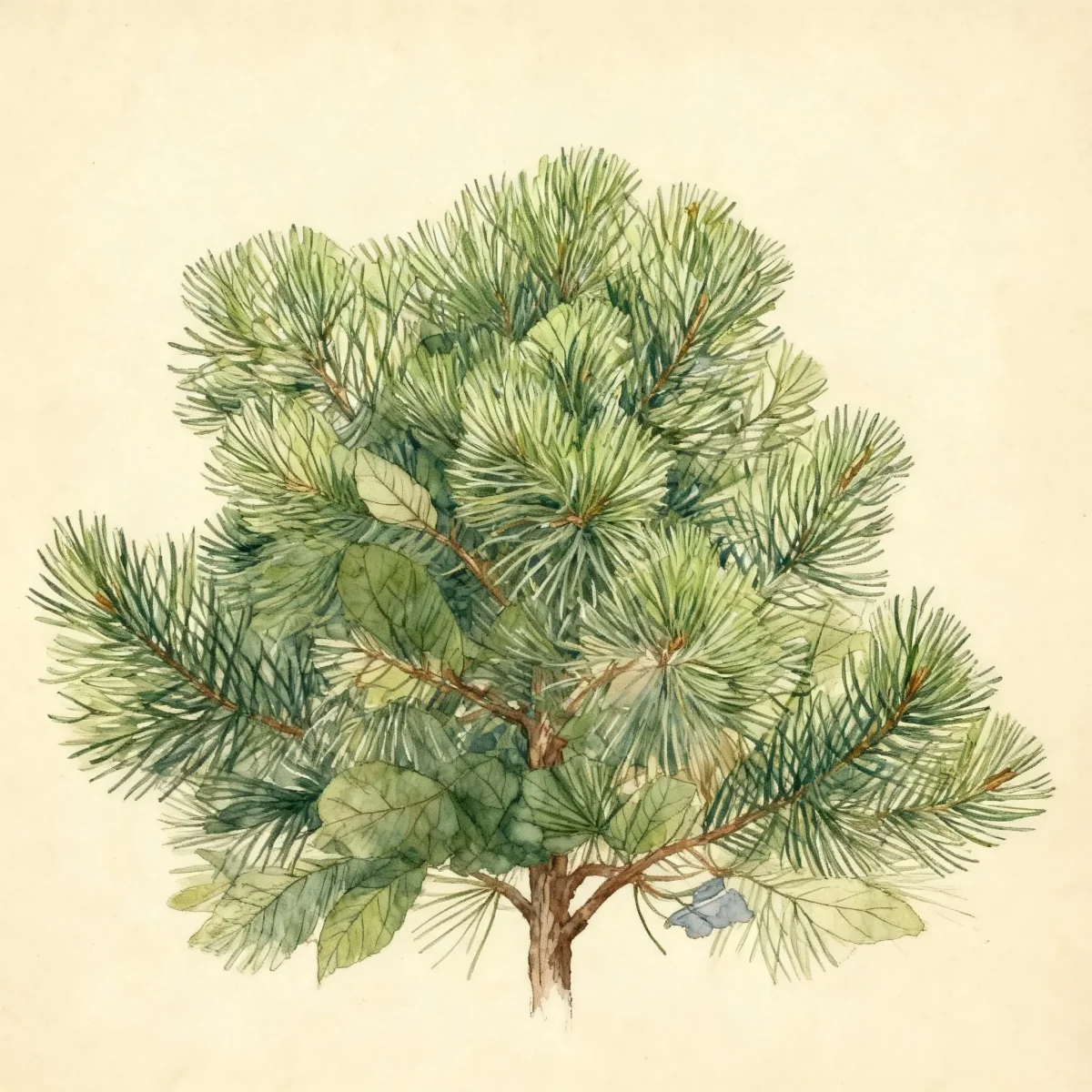
Pinus nigra ‘Hornibrookiana’, a dwarf cultivar of the well-known Austrian pine, offers a fantastic solution for gardeners needing evergreen texture in a compact space. Unlike its towering parent species, this selection forms a low, spreading mound, ideal for rock gardens or foreground planting where height is a limitation. Its stiff, dark green needles are held in bundles of two, providing year-round structure and visual interest.
This Austrian pine selection thrives with consistent care, preferring deep, moist, well-drained soil conditions. While it establishes well, ensure young plants receive adequate moisture, though established specimens show moderate drought tolerance. As a sturdy needled evergreen, Pinus nigra ‘Hornibrookiana’ brings essential winter form to the landscape design.
Gardeners appreciate the unique habit of growth exhibited by the Pinus nigra ‘Hornibrookiana’. Discovered originally as a witches’ broom mutation, its compact, spreading nature makes it a valuable architectural element. It marries the rugged look of older pines with a scale appropriate for smaller residential settings.
Fast Facts
- Plant Family: Pinaceae
- Plant Type: Needled evergreen
- Hardiness Zones: USDA Zones 4-7
- Size at Maturity:
- Height: 1-2 ft
- Spread: 4-6 ft
- Bloom Time: Non-flowering
- Bloom Description: Non-flowering
- Sun Exposure: Full sun
- Water Needs: Medium
- Maintenance Level: Medium
How to Grow
Planting Pinus nigra ‘Hornibrookiana’ is best accomplished in spring or early fall, allowing the roots time to establish before extreme temperatures hit. Select a location that receives full, unfiltered sunlight throughout the day; insufficient sun will lead to sparse growth and reduced vigor. While they prefer deep, moist, and well-drained soils, this cultivar is notably adaptable, handling clay substrates better than many other pines.
Watering should be consistent, especially during the first growing season after planting. Once established, this Austrian pine can tolerate periods of drought, though mimicking its medium water requirement during dry summer spells will yield the best results. Little formal pruning is usually necessary given its dwarf habit; focus efforts, if any, on maintaining its low mound shape by selectively removing errant or damaged branches.
This cultivar generally tolerates urban conditions well, making it resilient in challenging foundation plantings. It is also known to be tolerant of air pollution, which is a significant benefit when planting near roadways or developed areas. Avoid planting in areas with poor drainage, as soggy winter soil can rapidly lead to root issues.
Landscape Uses
The compact, wide-spreading habit of Pinus nigra ‘Hornibrookiana’ makes it significantly different from the standard, towering Austrian pine. This dwarf nature allows it to function beautifully as a specimen plant where height is restricted. It excels when used as a foreground accent in foundation plantings, softening the hard lines of structures without overgrowing windows or pathways.
Mass planting Pinus nigra ‘Hornibrookiana’ can create a low, textured evergreen border or groundcover effect in large, sunny beds. Its dense branching pattern provides excellent visual contrast against broadleaf shrubs or deciduous perennials. Consider pairing it with low-growing groundcovers like creeping thyme or ornamental grasses that share its sun requirements.
Due to its known susceptibility to certain diseases that affect larger Pinus nigra populations in specific regions, utilizing this cultivar as a specimen or in tightly controlled masses, rather than broad sweeps, is often recommended, especially where disease pressure is high.
Standout Features
Noteworthy Characteristics
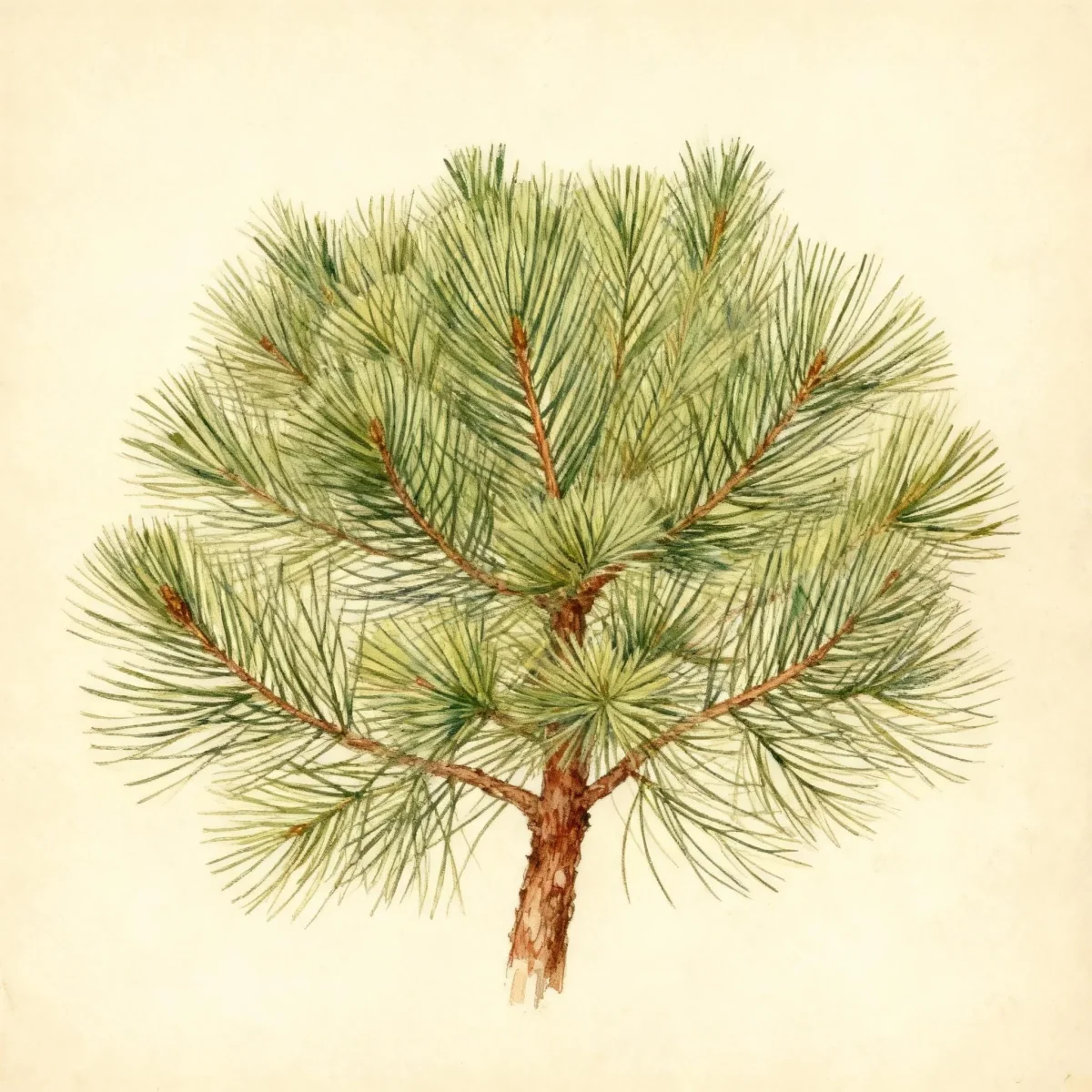
Pinus nigra, commonly called Austrian pine or European black pine, is related to this dwarf form whose specific epithet means black. ‘Hornibrookiana’ is a dwarf selection that grows in a compact spreading mound to 2’ tall and 4-6’ wide over the first 30 years. It features generally horizontal branching with upright branchlets and stiff dark green needles (to 2-3” long) in bundles of two. It was discovered in 1932 as a witches’ broom on an Austrian pine in Seneca Park in Rochester, New York.
Tolerances
- Deer
- Air Pollution
Potential Problems
Notwithstanding the attributes of Austrian pine, its susceptibility to Sphaeropsis (Diplodia) tip blight, particularly in the Midwest, is of such significance that planting it in the St. Louis area is not now recommended. Also susceptible to Dothistroma needle blight. Pine moth and pine wilt nematode may appear.
Gardeners should monitor new growth closely for signs of tip dieback, which can indicate fungal issues like Sphaeropsis blight. Ensure high air circulation around the plant to mitigate moisture buildup that favors fungal spread. If pests like pine moths are observed, address them with appropriate horticultural oils or targeted insecticides early in the season.
Frequently Asked Questions
What hardiness zones is Pinus nigra ‘Hornibrookiana’ suitable for?
The Austrian pine cultivar, Pinus nigra ‘Hornibrookiana’, is hardy and adaptable across USDA zones 4 through 7.
How large does Pinus nigra ‘Hornibrookiana’ grow?
This dwarf selection matures quite slowly and generally reaches only 1 to 2 feet in height, though it spreads to 4 to 6 feet wide.
What sun exposure does Austrian pine need?
This evergreen requires full sun exposure to maintain its compact form and dense foliage characteristics.
When does Pinus nigra ‘Hornibrookiana’ bloom?
Pinus nigra ‘Hornibrookiana’ is a conifer and is considered non-flowering in the traditional sense.
Conclusion
The Pinus nigra ‘Hornibrookiana’ offers outstanding year-round texture in a manageable, low-spreading footprint, making it an excellent choice for rockeries or as a unique foundation accent. While it shares the hardiness of the Austrian pine, remember its need for well-drained soil and full sun. Before installing, always confirm that your local USDA zone falls within the 4 to 7 range for guaranteed success.
Companion Planting
When siting Pinus nigra ‘Hornibrookiana’, focus on complementary textures and colors that thrive in full sun and require similar medium moisture levels. Deciduous shrubs with good winter structure, such as certain low-growing Witchhazel varieties (Hamamelis), can provide seasonal interest next to the constant green of the dwarf pine.
Consider pairing this evergreen with low-mounding sedums or creeping phloxes at its base to create layered interest without competing for root space. Since this cultivar has horizontal branching, contrasting vertical elements, like columnar junipers sparingly placed nearby, can enhance the overall landscape composition.
Design Ideas
For modern or minimalist landscapes, Pinus nigra ‘Hornibrookiana’ functions perfectly as a structured anchor piece. Because its mature spread is wider than it is tall, use it to visually widen shorter lines in the garden design, such as along the front edge of a mixed border or in the center of a circular planting bed.
In Japanese-inspired gardens, the slow-growing, sculptural nature of this dwarf pine is highly valued. Prune very lightly to encourage its characteristic mounding shape, ensuring it remains a low focal point that draws the eye across the ground plane. It pairs well with fine-textured groundcovers like moss or low-growing mondo grass, provided drainage remains excellent.