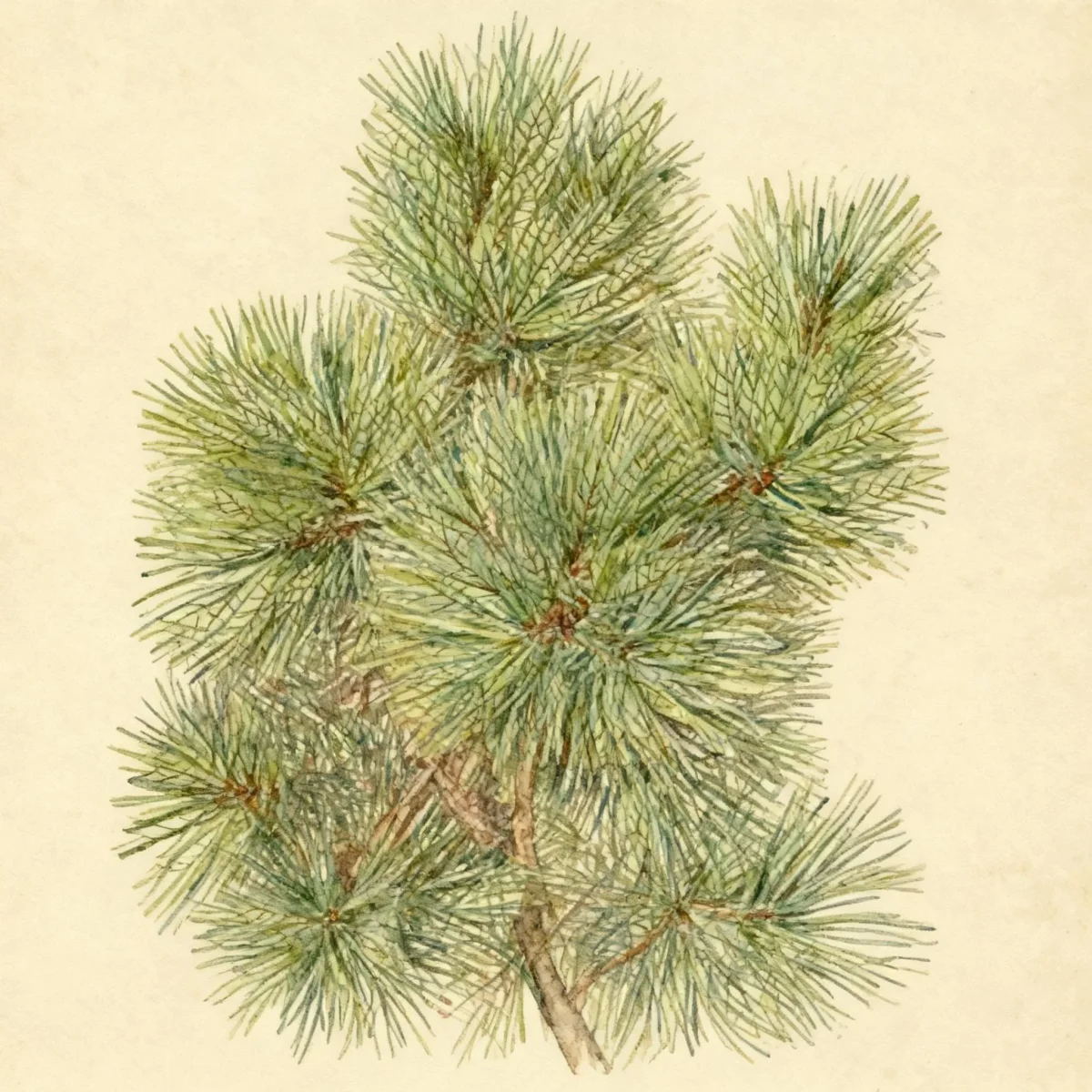
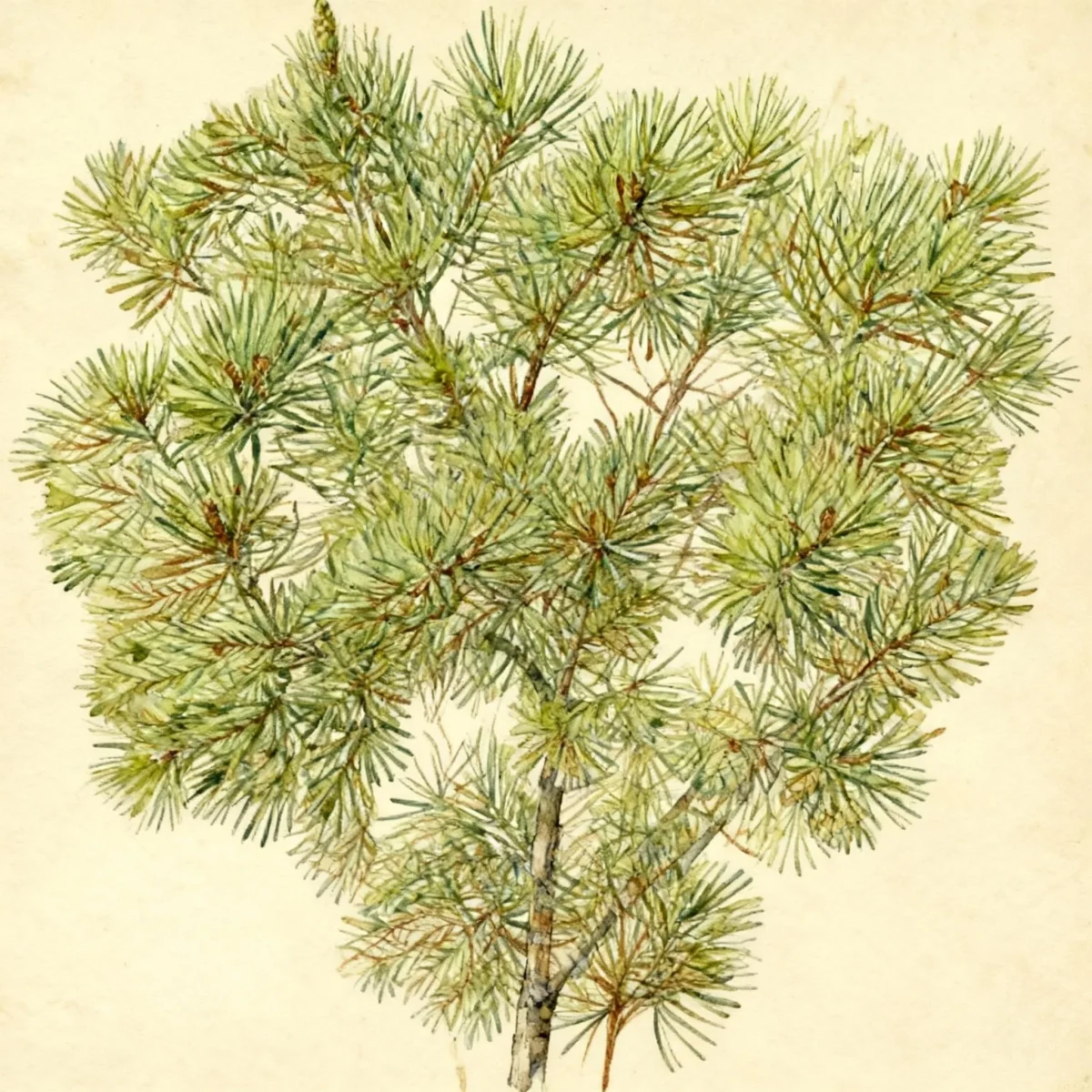
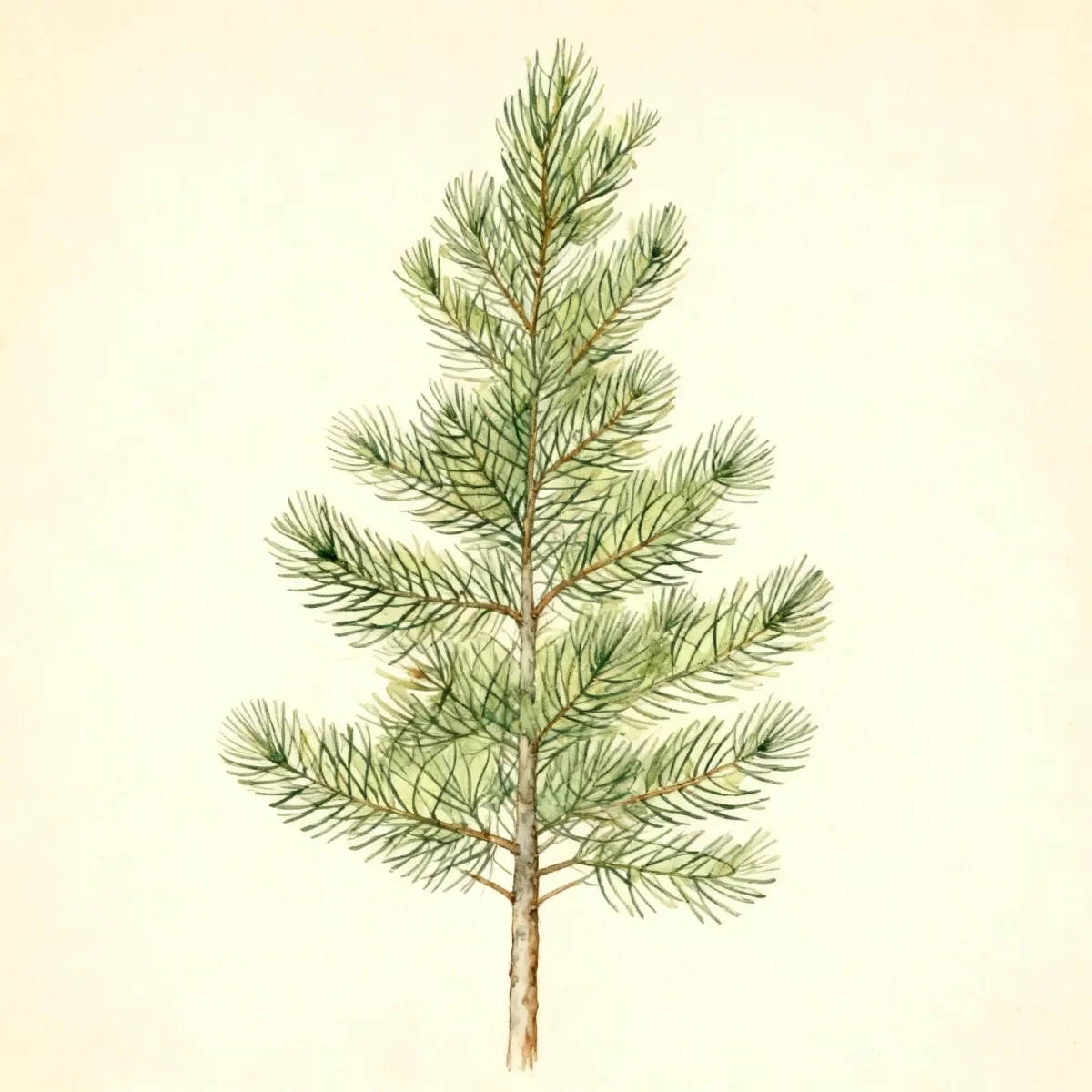
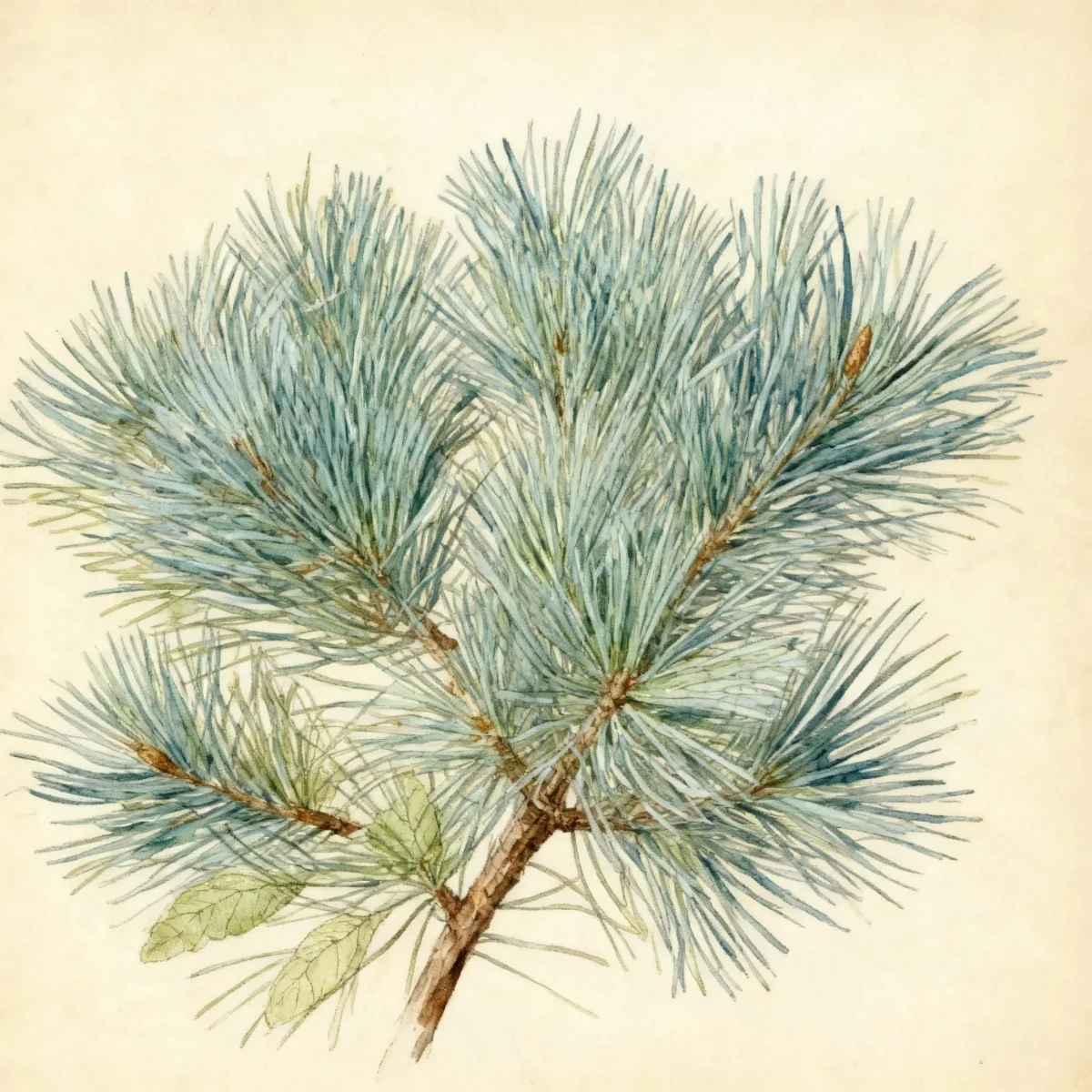
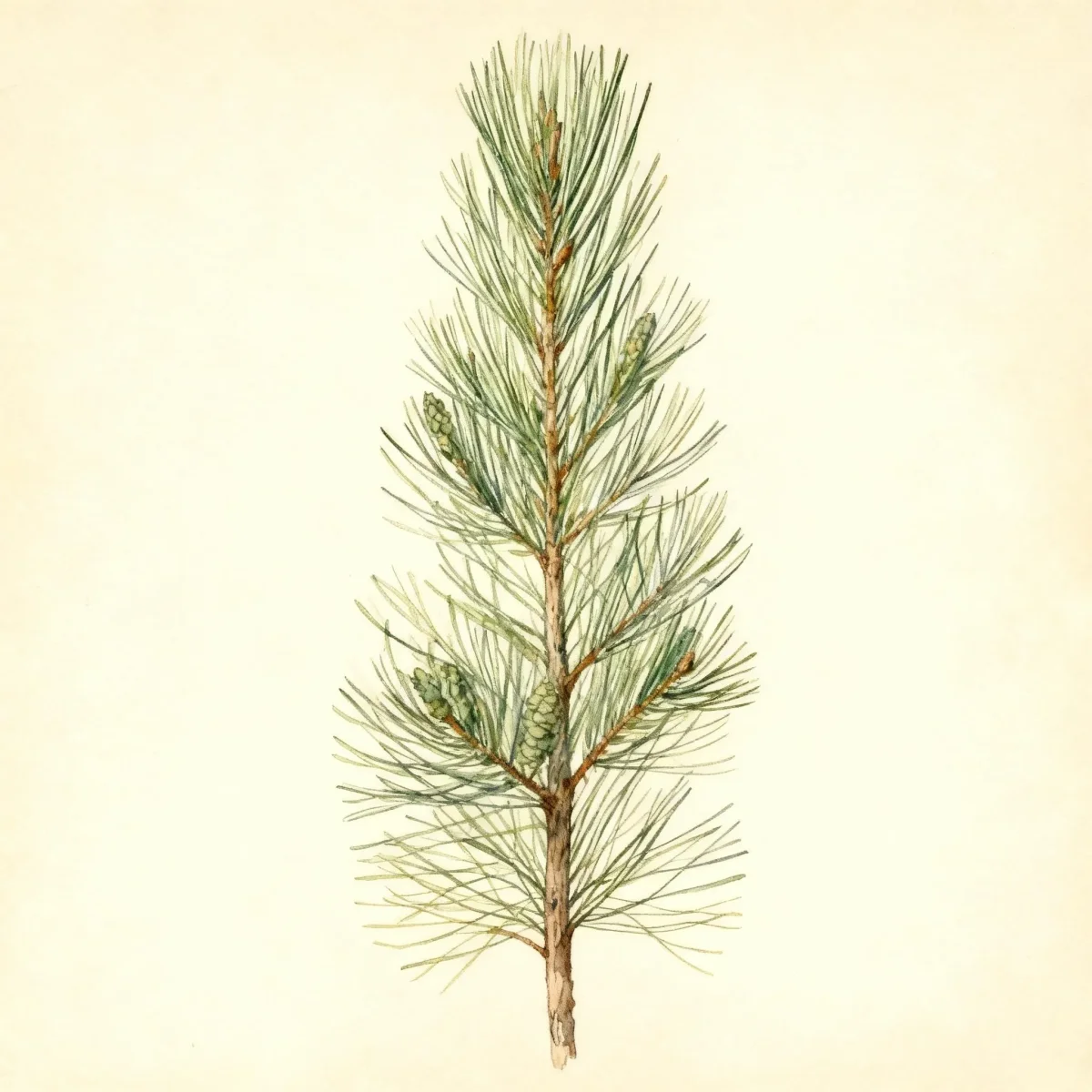
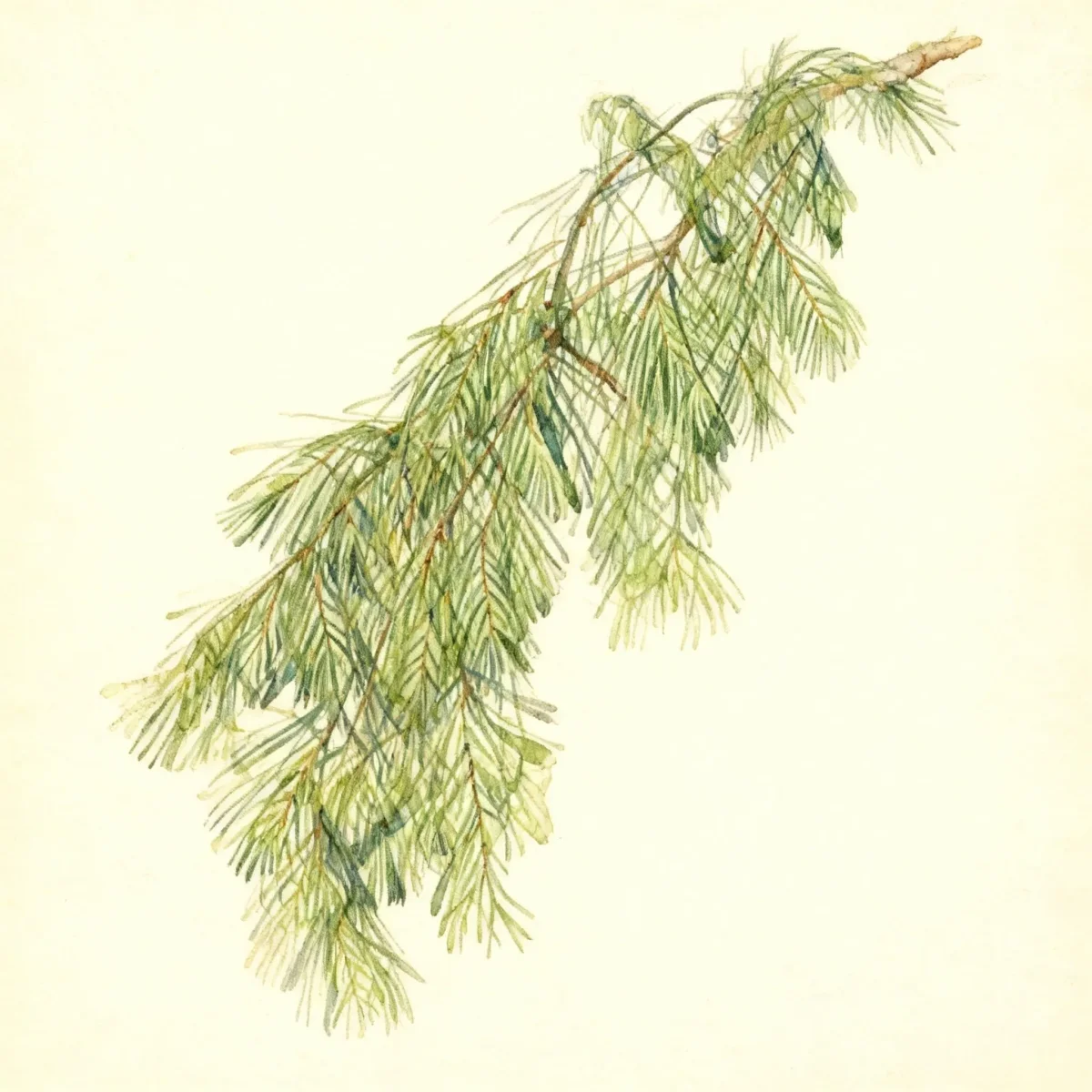
Eastern white pine (Pinus strobus 'Blue Shag')
Pinus strobus 'Blue Shag' is a dwarf, dense Eastern white pine perfect for rock gardens, offering soft blue-green needles and low maintenance.
Scroll down to discover growing tips, care requirements, companion plants, and more
Complete Plant Information
Overview
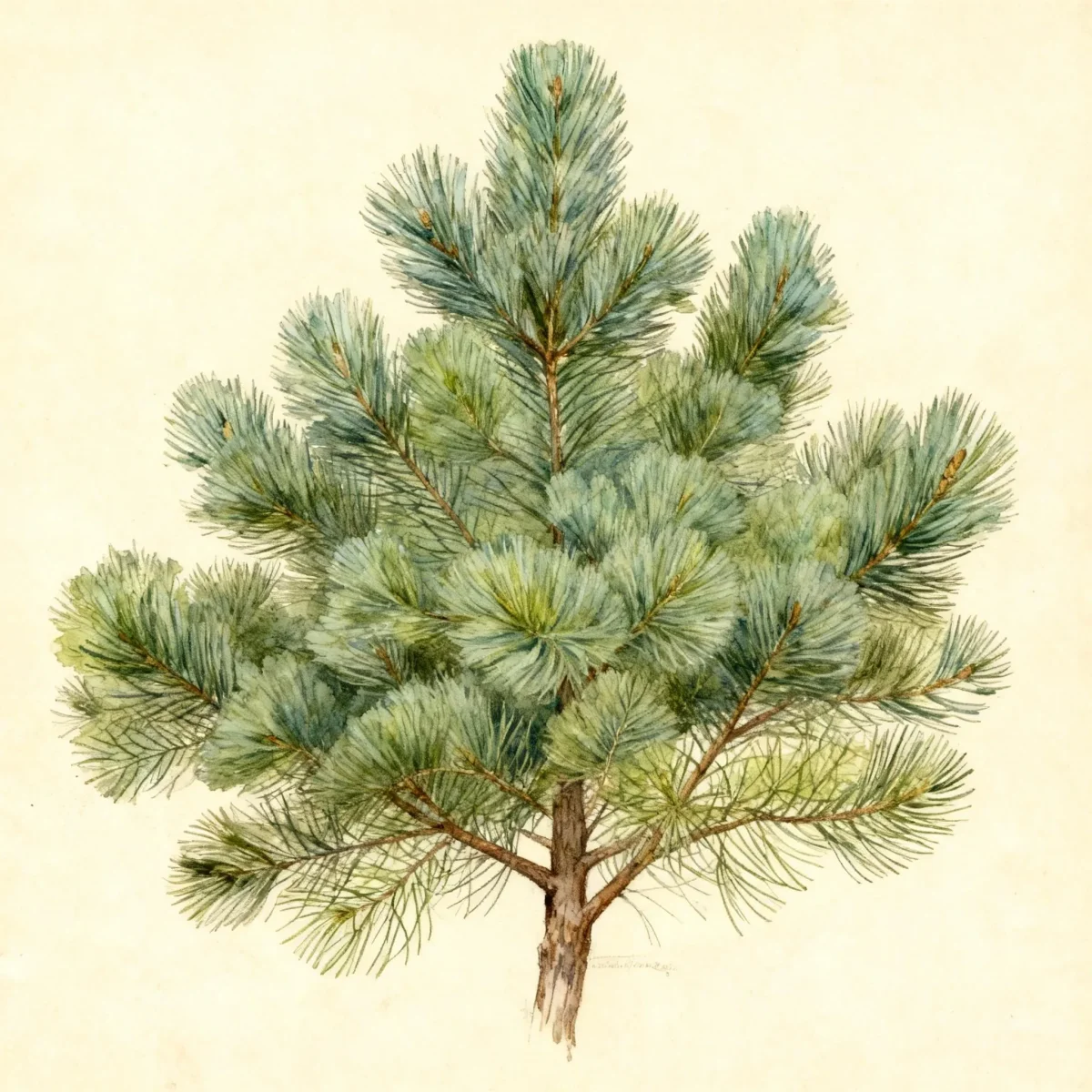
Pinus strobus ‘Blue Shag’ offers gardeners a unique opportunity to showcase the beloved texture of Eastern white pine in a compact form. This dwarf cultivar retains the signature soft, blue-green needles of its parent species but matures at a manageable height and spread, perfect for smaller landscapes or specimen planting. Though the full-sized Eastern white pine is known for its towering stature, the ‘Blue Shag’ variety remains dense and globose. Its low maintenance requirements and attractive year-round color make Pinus strobus ‘Blue Shag’ an outstanding choice for structure and texture in garden design.
Fast Facts
- Plant Family: Pinaceae
- Plant Type: Needled evergreen
- Hardiness Zones: USDA Zones 3-8
- Size at Maturity:
- Height: 2-4 ft
- Spread: 2-4 ft
- Bloom Time: Non-flowering
- Bloom Description: Non-flowering
- Sun Exposure: Full sun to part shade
- Water Needs: Medium
- Maintenance Level: Low
How to Grow
Planting should occur during the cooler seasons—spring or fall—to allow the root system time to establish before summer heat or winter freezes. Site Pinus strobus ‘Blue Shag’ where it receives full sun to light afternoon shade. This cultivar thrives best in fertile soils that are slightly acidic and possess excellent drainage, mirroring the preference of the larger Eastern white pine. Avoid heavy clay soils, as compaction stresses the roots, and steer clear of highly alkaline sites.
Watering should be consistent, maintaining medium moisture, especially during the first few growing seasons. Once established, this needled evergreen is relatively drought-tolerant but performs best with supplemental irrigation during prolonged dry spells. Fertilization is rarely necessary if the soil is fertile. Pruning is minimal; the goal is usually to maintain its naturally dense, globose shape, though selective removal of errant branches can refine the look if desired.
Be aware that while this dwarf form is generally robust, the Eastern white pine species group is susceptible to white pine blister rust. If this disease is prevalent in your area, ensure you do not plant susceptible Ribes species (currants and gooseberries) nearby, as they act as alternate hosts. Monitoring for pests like the white pine weevil during new growth stages is important for maintaining plant health.
Landscape Uses
Pinus strobus ‘Blue Shag’ excels where a strong focal point or textural contrast is needed. This dwarf Eastern white pine is incredibly effective when placed prominently in rock gardens, adding year-round evergreen interest amidst stone accents. Its compact size makes it ideal for foreground planting in foundation beds, where larger shrubs might overwhelm the architecture. Furthermore, it serves beautifully as a structural element within a mixed shrub border, providing a slow-growing, dense base layer.
Because of its striking blue-green coloration, consider pairing Pinus strobus ‘Blue Shag’ with plants that offer contrasting leaf textures or colors, such as fine-textured deciduous grasses or plants with bright gold or dark green foliage. It works well near entrances or along pathways where its unique silhouette can be appreciated up close. Its slow growth rate means it won’t quickly outgrow its allocated space.
Standout Features
Flower Qualities
Fruit Qualities
- Showy
Noteworthy Characteristics
Pinus strobus, commonly called Eastern white pine, is famous for its soft needles grouped in bundles of five, which are distinctly soft to the touch. The ‘Blue Shag’ cultivar is a dwarf, dense, globose form, typically topping out around 4 feet tall, making it wonderfully accommodating for smaller spaces. Its short, blue-green needles provide year-round color and excellent scale contrast in garden designs.
Tolerances
- Rabbit
- Deer
Potential Problems
While Pinus strobus ‘Blue Shag’ is often easier to manage due to its size, it shares susceptibility risks with the larger Eastern white pine. The primary concern is often fungal disease, particularly white pine blister rust, which can be fatal. To manage this risk, strictly avoid planting currants or gooseberries (Ribes species) anywhere near your pine. Inspect new spring growth for signs of insect boring, such as the white pine weevil, which attacks terminal buds. Good air circulation and proper site selection, avoiding compacted soil, are crucial first steps in preventative care.
Frequently Asked Questions
What hardiness zones is Eastern white pine (Pinus strobus ‘Blue Shag’) suitable for?
Pinus strobus ‘Blue Shag’ is suitable for gardeners in USDA Hardiness Zones 3 through 8.
How large does Pinus strobus ‘Blue Shag’ grow?
This dwarf cultivar generally reaches a height and spread between 2 and 4 feet at maturity.
What sun exposure does Eastern white pine need?
This plant performs best when situated in full sun, though it tolerates partial shade, especially in hotter climates.
When does Pinus strobus ‘Blue Shag’ bloom?
This plant is a conifer and is classified as non-flowering.
Conclusion
The Pinus strobus ‘Blue Shag’ is an invaluable asset for gardeners seeking year-round texture, a compact footprint, and low maintenance in their evergreen collection. This dwarf Eastern white pine brings renowned softness and blue coloration to confined spaces beautifully. Before planting, verify that your site offers acidic, well-drained conditions, and confirm your local hardiness zone falls between 3 and 8.
Companion Planting
Selecting appropriate companions enhances the visual appeal and health of your Pinus strobus ‘Blue Shag’. Look for plants that appreciate similar acidic soil conditions and medium moisture levels. Groundcovers that contrast in texture offer a lovely frame; fine, mounding sedums or creeping thyme work well against its dense, chunky needles.
For larger companions that thrive in partial shade, consider pairing the ‘Blue Shag’ with Japanese forest grass (Hakonechloa) or various low-growing rhododendrons or azaleas, provided the drainage remains impeccable. Avoid planting vigorous competitors too closely, as root competition can stress the slow-growing pine.
Design Ideas for Dwarf Conifers
Using dwarf conifers like Pinus strobus ‘Blue Shag’ allows for architectural definition in small garden spaces that larger trees would overwhelm. Place one strategically at the corner of a path; its dense form will remain attractive even under snow cover. Because it has no significant vertical presence, it serves as an excellent anchor in container arrangements for year-round patio interest.
In contemporary designs, repeat the globe shape in multiples, interspersed with clean, linear elements like smooth river stones or angular hardscaping features. The soft needles contrast sharply with sharp architectural lines, emphasizing the best qualities of this unique cultivar of Eastern white pine.