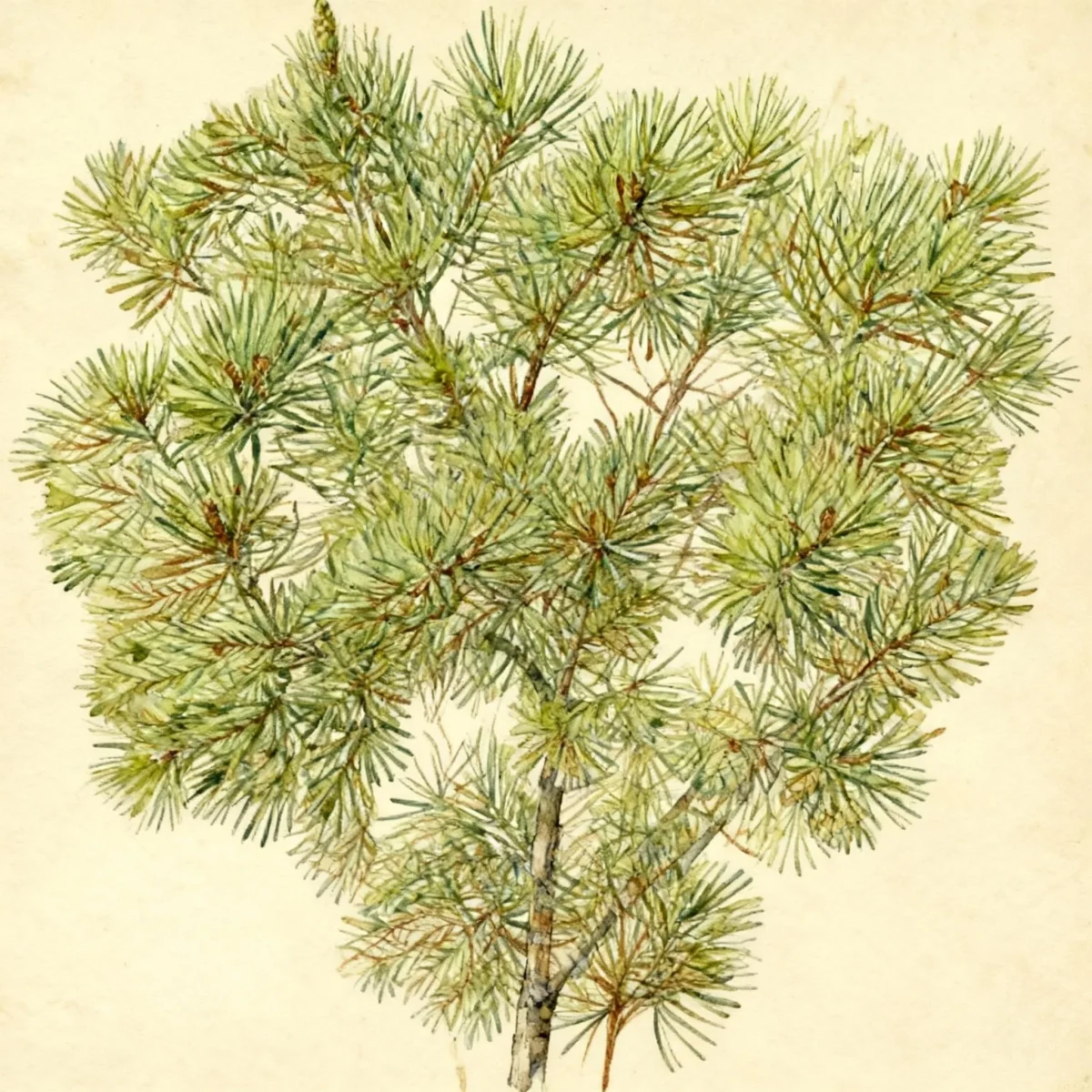
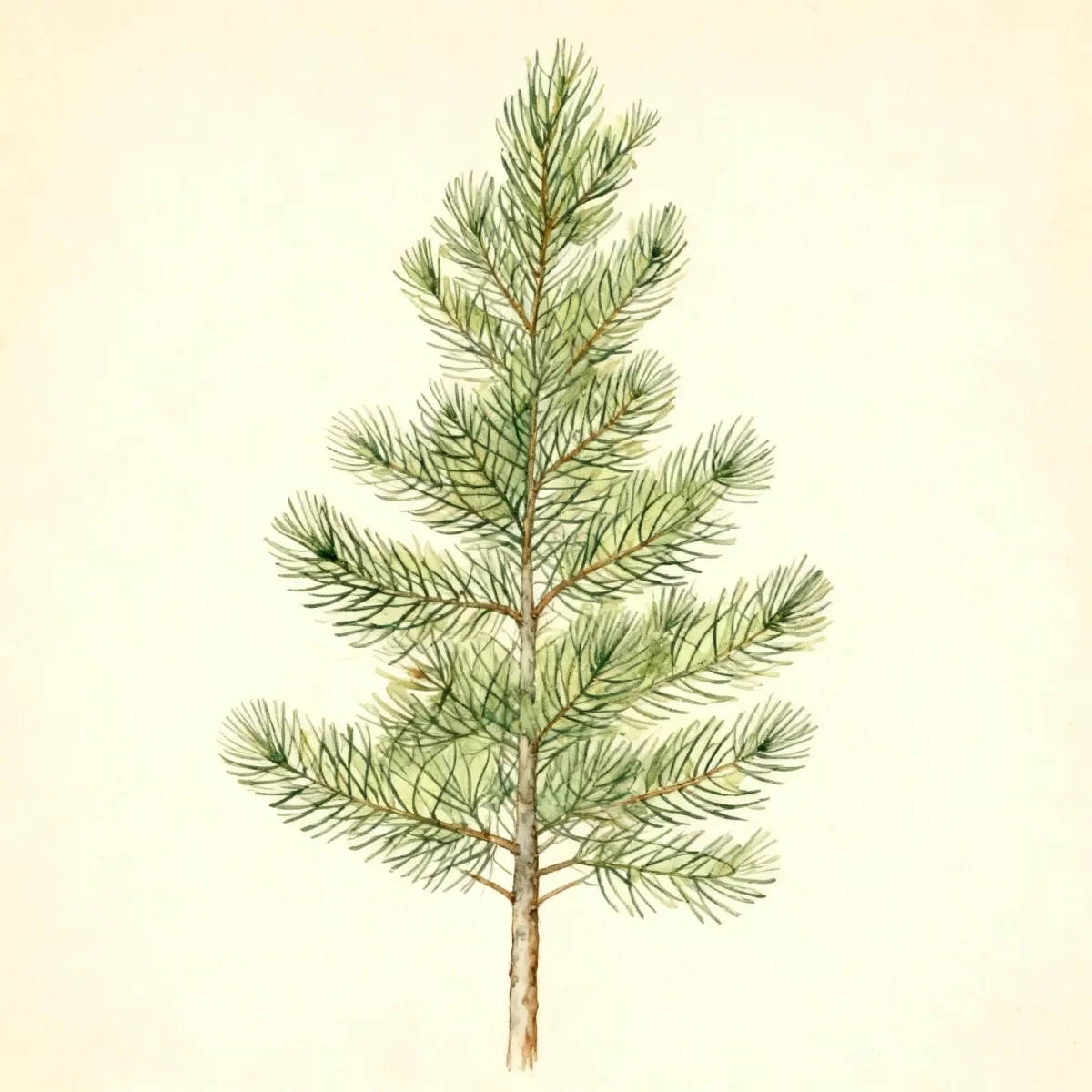
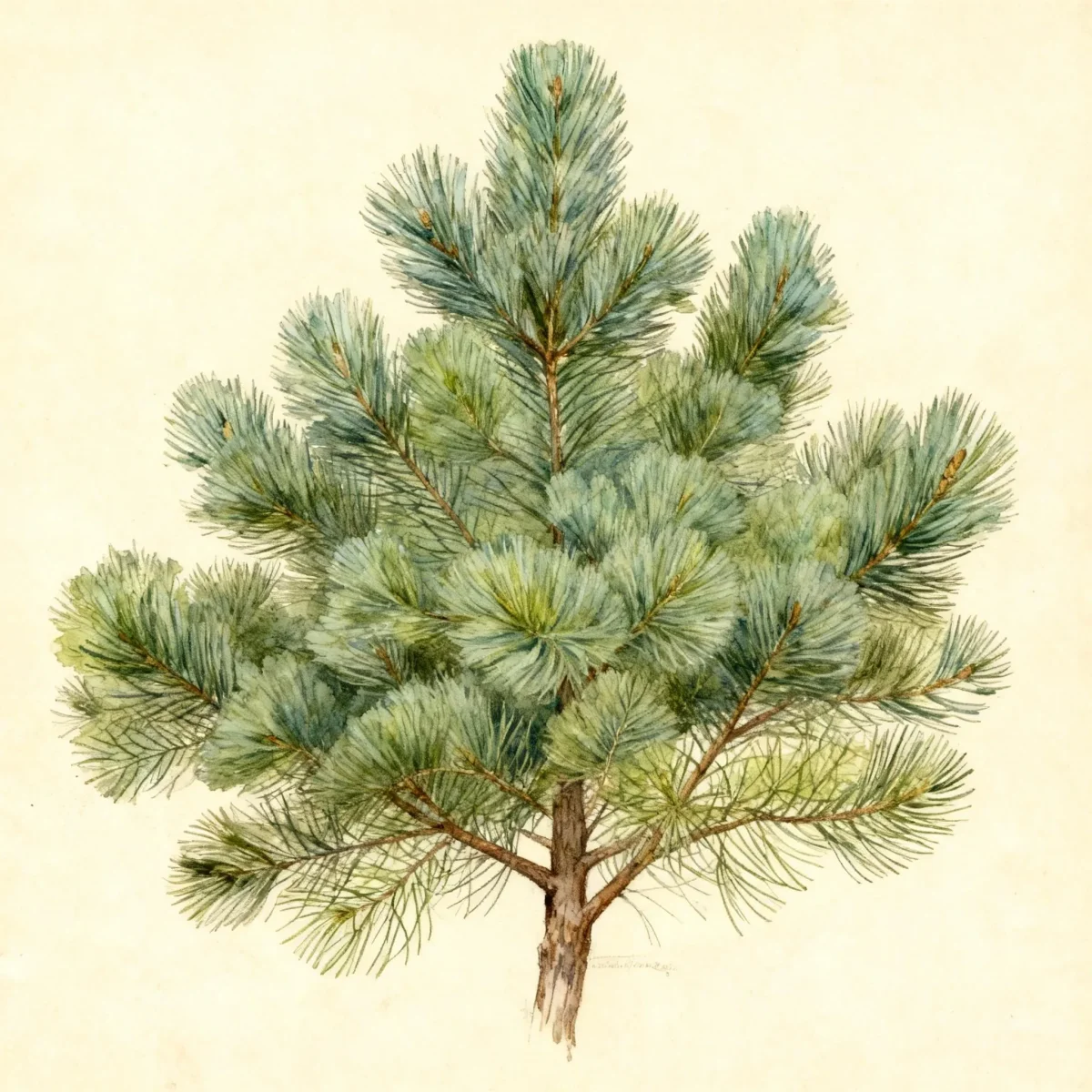
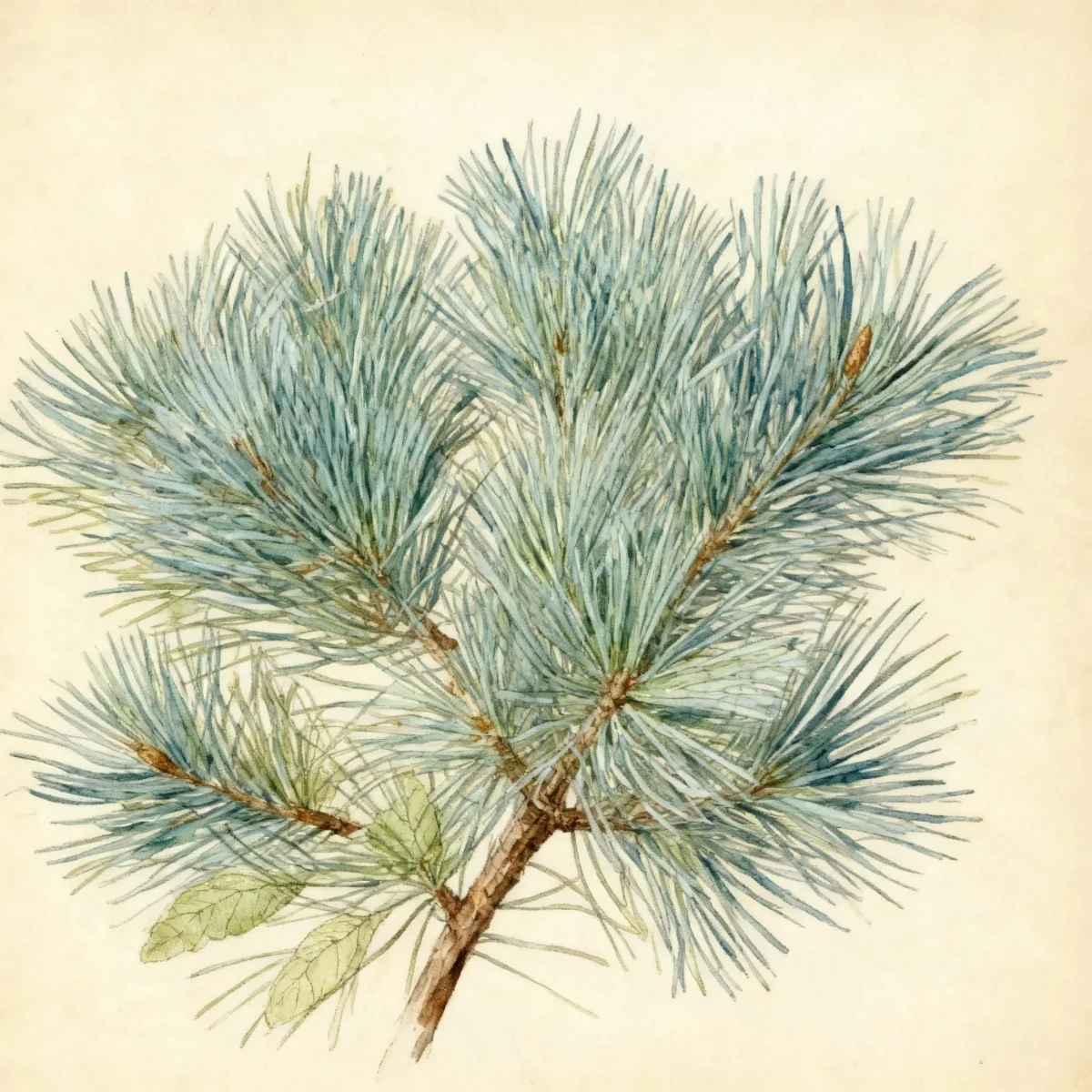
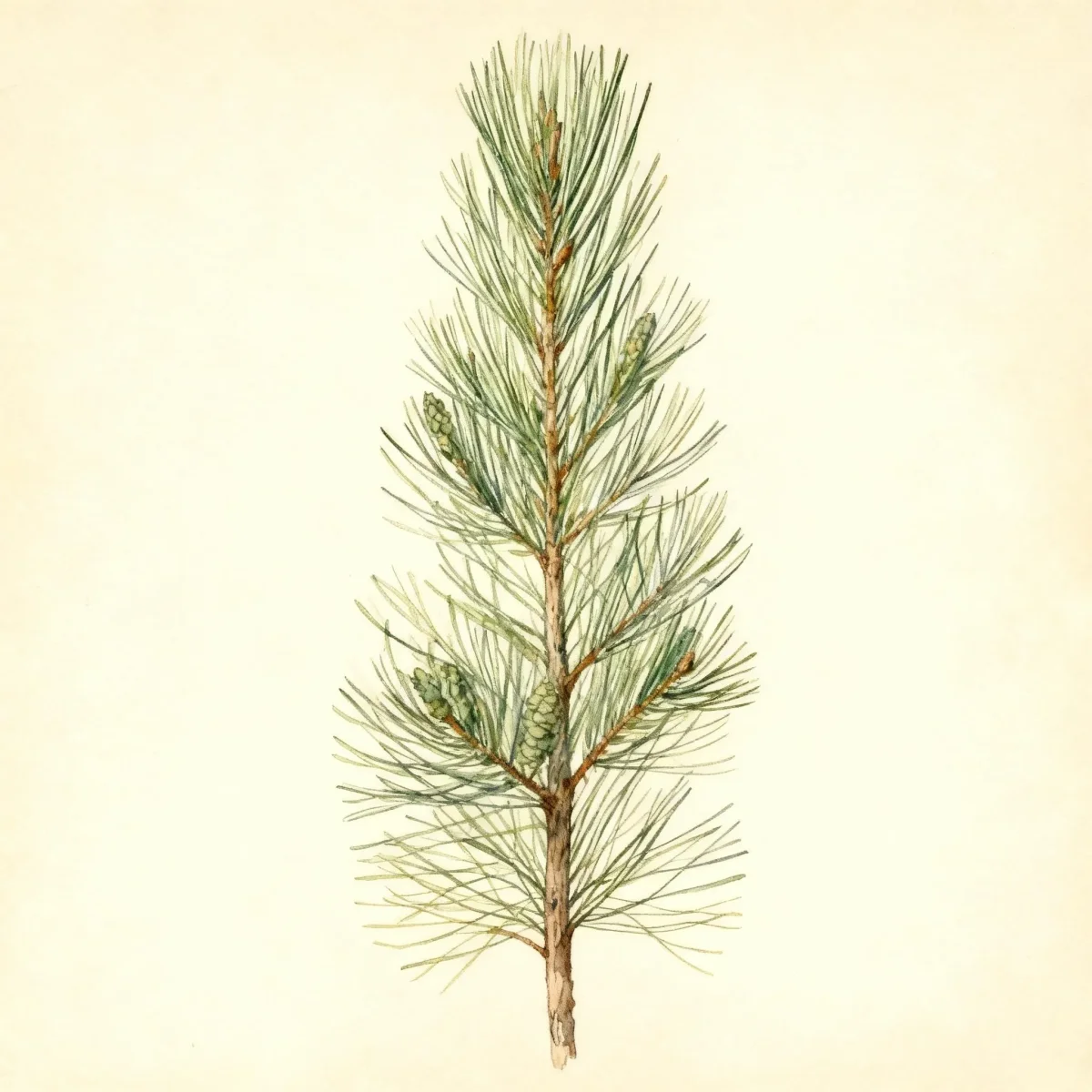
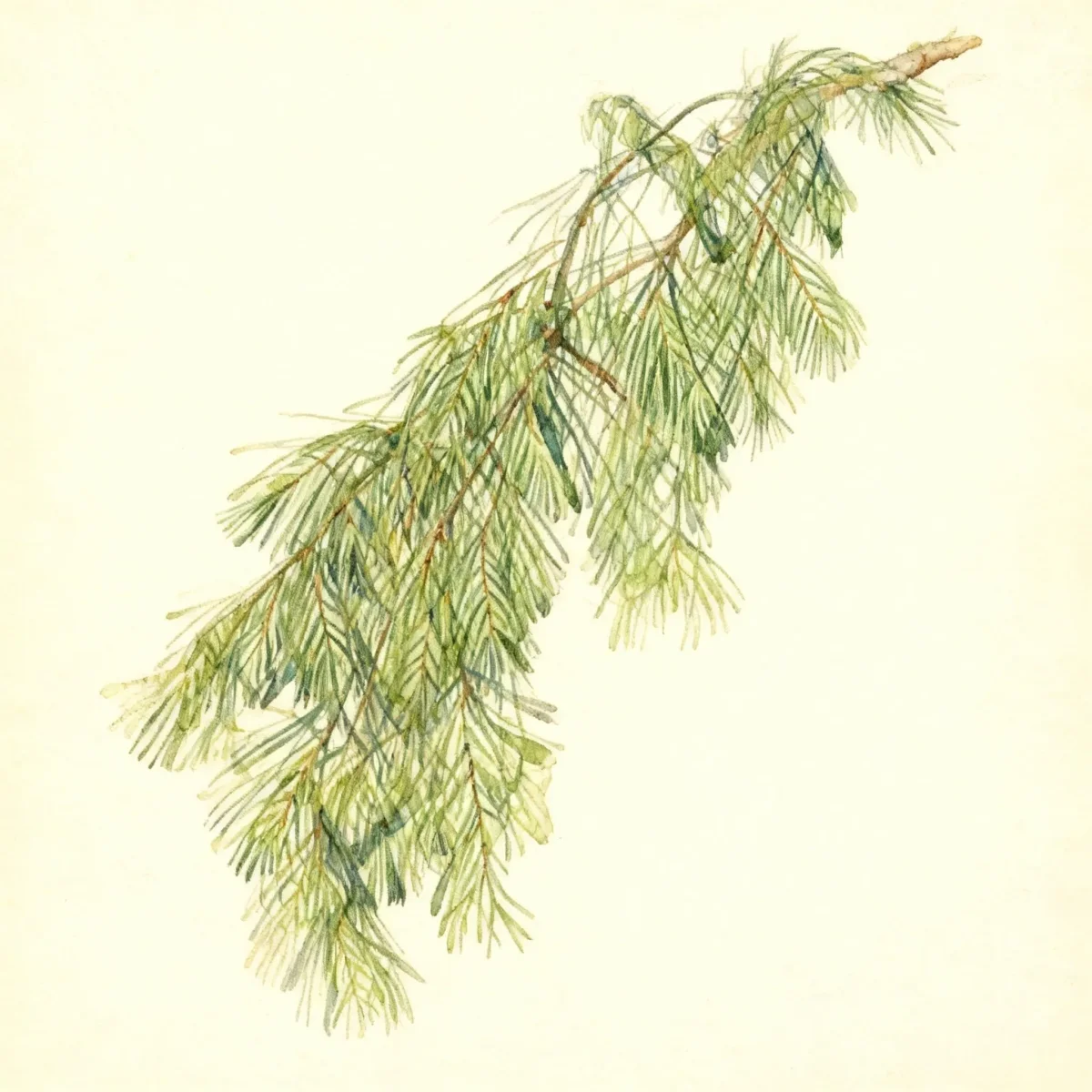
Eastern white pine (Pinus strobus 'Brevifolia Densa')
Pinus strobus 'Brevifolia Densa' is a dense, dwarf cultivar of Eastern white pine suitable for foundation plantings or hedges.
Scroll down to discover growing tips, care requirements, companion plants, and more
Complete Plant Information
Overview
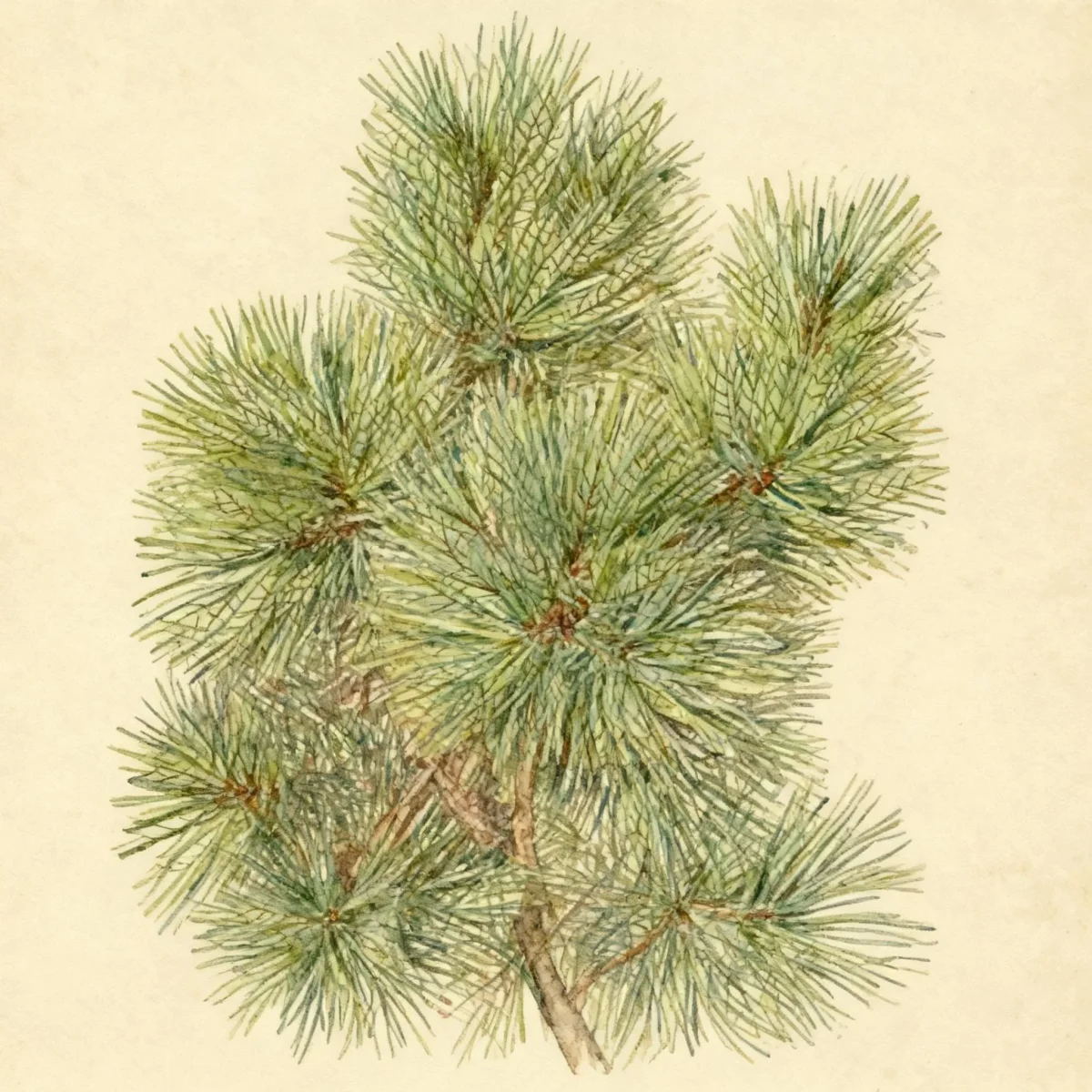
Pinus strobus ‘Brevifolia Densa’, a distinguished cultivar of the Eastern white pine, offers a compact alternative to its towering kin. This needled evergreen is valued in landscape design for its tight, dense habit and short, smoky-blue needles, making it an excellent choice for smaller spaces where the standard Pinus strobus would overwhelm. Despite its dwarf stature, it retains the soft texture characteristic of the species.
This slow-growing variety maintains an irregular yet manageable profile, suitable for gardeners seeking low-maintenance structure. It provides year-round visual interest with its deep green to blue-green foliage. The cultivar Pinus strobus ‘Brevifolia Densa’ is prized for providing evergreen texture without the aggressive growth rate of the native Eastern white pine.
As a low-maintenance selection, this conifer is highly functional. Its compact size makes it especially useful for foundation plantings or formal hedging where screening is desired without excessive height. Cultivating this dense form allows gardeners to enjoy the classic beauty of the Eastern white pine on a more human scale.
Fast Facts
- Plant Family: Pinaceae
- Plant Type: Needled evergreen
- Hardiness Zones: USDA Zones 3-8
- Size at Maturity:
- Height: 3-5 ft
- Spread: 3-4 ft
- Bloom Time: Non-flowering
- Bloom Description: Non-flowering
- Sun Exposure: Full sun to part shade
- Water Needs: Medium
- Maintenance Level: Low
How to Grow
For optimal establishment, plant Pinus strobus ‘Brevifolia Densa’ during the cooler seasons—early spring or fall—to minimize transplant shock. Ensure the planting site offers full sun to light afternoon shade, as insufficient light can lead to sparser growth. This dwarf cultivar demands easily grown conditions, thriving primarily in acidic soil with medium, consistent moisture and excellent drainage.
This Eastern white pine cultivar prefers fertile soils and dislikes harsh conditions. Avoid planting in highly compacted clay soils or areas where the soil pH leans alkaline. It is also intolerant of widespread air pollutants like ozone and sulfur dioxide, preferring the cooler, more humid climates where the original species naturally thrives.
Watering should be consistent, especially during the initial establishment period, maintaining medium moisture levels without letting the roots become waterlogged. Fertilizing is rarely necessary if the soil is reasonably fertile. Maintenance is inherently low, fitting its classification, though gentle pruning can be used early on to refine its irregular natural shape if a more formal look is desired for your hedge structure.
Landscape Uses
The Pinus strobus ‘Brevifolia Densa’ excels in applications demanding controlled evergreen presence. Its small stature (3-5 ft tall) makes it an effective foundation planting, softening the harsh lines where a building meets the ground. It also functions admirably as a low specimen plant, drawing attention without becoming overgrown.
One of the most practical uses for this cultivar is as a tight, formal hedge. Because of its dense habit, it provides year-round screening or boundary marking in smaller properties or formal gardens. Consider placing it at the periphery of perennial borders to provide a solid, dark green backdrop that allows brighter blooms to pop forward.
When selecting companions, focus on plants that share the preference for acidic, well-drained soil. Low-growing acid lovers such as heathers, dwarf rhododendrons, or groundcover junipers make excellent neighbors for this Eastern white pine.
Standout Features
Flower Qualities
- Insignificant
Noteworthy Characteristics
Pinus strobus, commonly called Eastern white pine, is a rapid-growing, long-lived, needled evergreen tree that is native to the northeastern United States and Canada (State tree of Maine and Michigan). Although pyramidal in its early years, it matures to a broad oval habit with an irregular crown. Landscape size and shape can be controlled through pruning, however, to the extent that white pine may be sheared and grown as a hedge. ‘Brevifolia Densa’ is a slow growing (3-6” per year), dwarf, upright, dense, evergreen white pine cultivar has an irregular growth pattern when young and features short smoky-blue needles.
Tolerances
- Rabbit
- Deer
Potential Problems
While the Pinus strobus ‘Brevifolia Densa’ is robust in suitable cool summer locations, it remains susceptible to considerable insect and disease pressures common to the species. The most critical threat is white pine blister rust, a destructive bark disease that is often fatal. To minimize this risk, gardeners must rigorously avoid planting any species of Ribes (currants and gooseberries) nearby, as these serve as the alternate host for the rust pathogen.
Beyond blister rust, be vigilant for other diseases such as canker. Insect pests frequently target Eastern white pine varieties, including the white pine weevil, bark beetles, white pine shoot borer, and Zimmerman moth larvae. Aphids and scale are also occasional visitors, as are spider mites in drier conditions.
Management relies on cultural health and vigilance. Ensuring the plant remains in its preferred cool, humid, and well-drained acidic environment helps build natural resistance. Regular scouting for early signs of infestation or disease allows for timely intervention, focusing on pruning out infected branches or using targeted horticultural oils.
Frequently Asked Questions
What hardiness zones is Eastern white pine (Pinus strobus ‘Brevifolia Densa’) suitable for?
This dwarf cultivar is hardy across USDA Zones 3 through 8, offering broad adaptability for gardeners throughout much of the temperate US.
How large does Pinus strobus ‘Brevifolia Densa’ grow?
At maturity, Pinus strobus ‘Brevifolia Densa’ typically reaches a modest height between 3 and 5 feet, with a spread of 3 to 4 feet, making it significantly smaller than its standard counterpart.
What sun exposure does Eastern white pine need?
This needled evergreen performs best when situated where it receives full sun, though it can tolerate part shade conditions, particularly in hot summer climates.
When does Eastern white pine bloom?
Pinus strobus ‘Brevifolia Densa’ is categorized as non-flowering, meaning it does not produce noticeable blooms, but it does develop attractive light brown cones later in life.
Conclusion
The Pinus strobus ‘Brevifolia Densa’ stands out as an indispensable dwarf conifer, offering the classic texture and year-round appeal of the Eastern white pine in a manageable size perfect for modern landscapes. Its low maintenance and tolerance for deer and rabbits make it a gardener-friendly choice for structure. Before planting, confirm that your site offers the acidic, well-drained soil required for this beautiful cultivar to thrive.
Companion Planting
Selecting appropriate neighbors is key to maintaining the health of Pinus strobus ‘Brevifolia Densa’. Since this Eastern white pine prefers acidic soil (pH often below 6.0), pair it with other acid-loving foundation plants. Consider low-growing Azaleas or Rhododendrons, provided they are sited where they receive adequate sun exposure without stressing the pine.
Groundcovers that tolerate the shade cast by the spreading needles are also excellent companions. Creeping Phlox or certain varieties of Sedum can help shade the shallow root system, keeping the soil cool, which this species appreciates. Avoid alkaline-loving plants near your Pinus strobus ‘Brevifolia Densa’ to prevent nutrient absorption issues.
Design Ideas for Dwarf Conifers
Dwarf conifers like this cultivar provide essential year-round structure in garden design, mitigating the bareness of winter. For a structured, formal look, plant groupings of Pinus strobus ‘Brevifolia Densa’ in a row to create a short, dense screen or an elegant, low border. Their blue-tinged needles contrast beautifully against deep green or variegated foliage plants.
In contemporary or Zen-inspired gardens, a single specimen can serve as a focal point due to its pleasingly irregular, yet dense, habit. Its relatively slow growth rate means major reshaping is infrequent, requiring perhaps only light shearing as it matures outside of strictly formal hedge requirements. Utilizing this small Eastern white pine near walkways allows closer appreciation of its short needle texture.