Eastern white pine (Pinus strobus 'Contorta')
Pinus strobus 'Contorta' is a unique needled evergreen, an Eastern white pine cultivar with contorted branches for accent interest.
Scroll down to discover growing tips, care requirements, companion plants, and more
Complete Plant Information
Overview
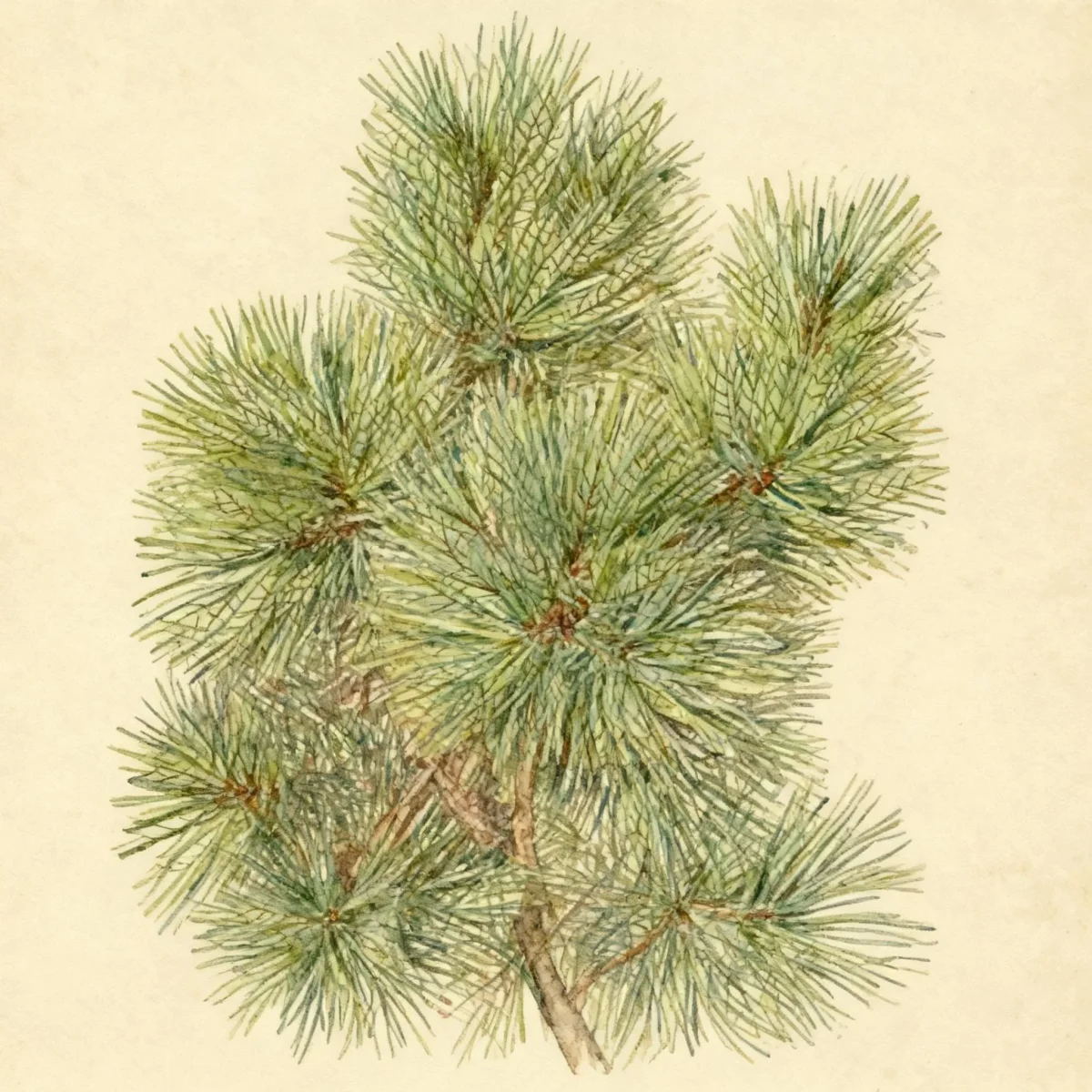
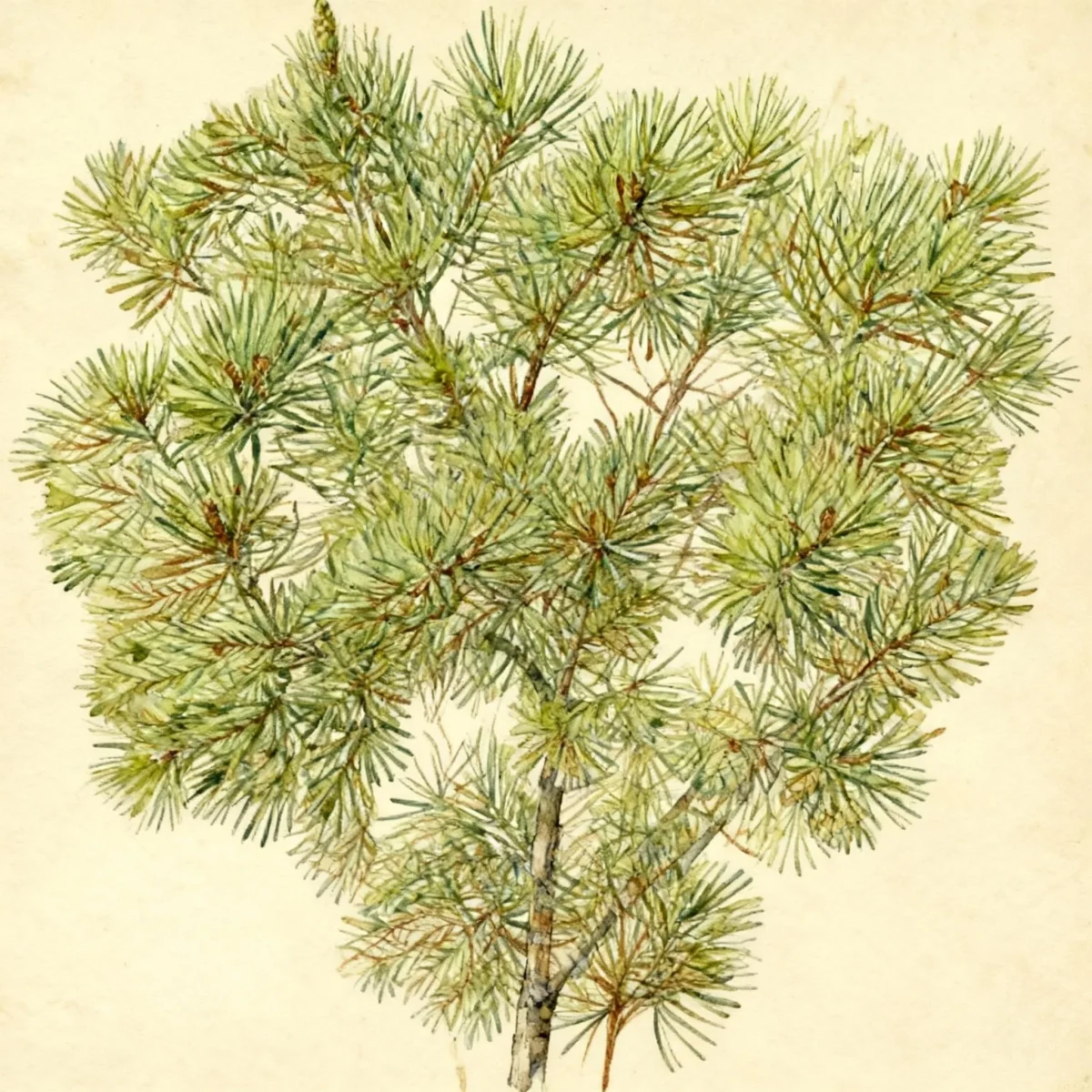
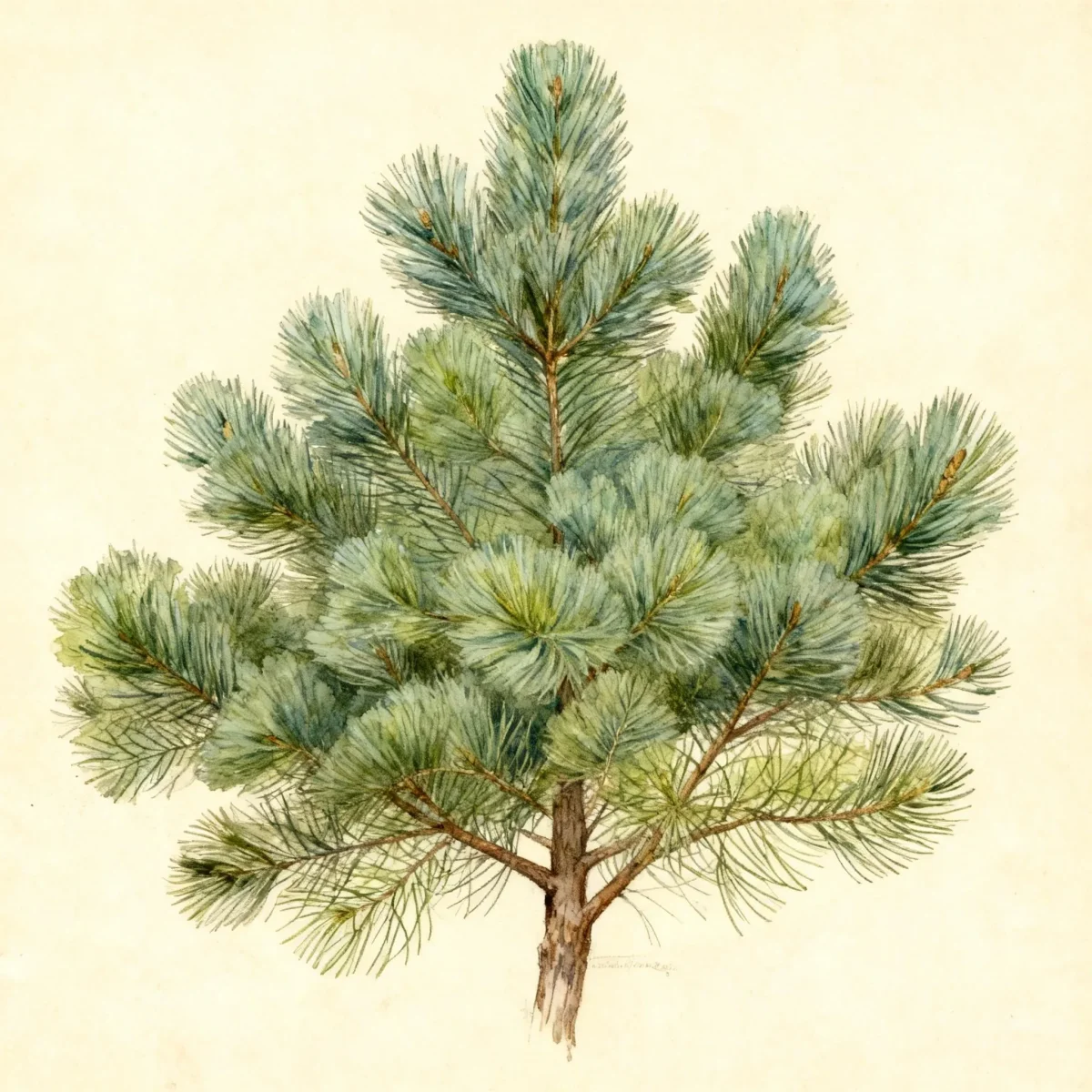
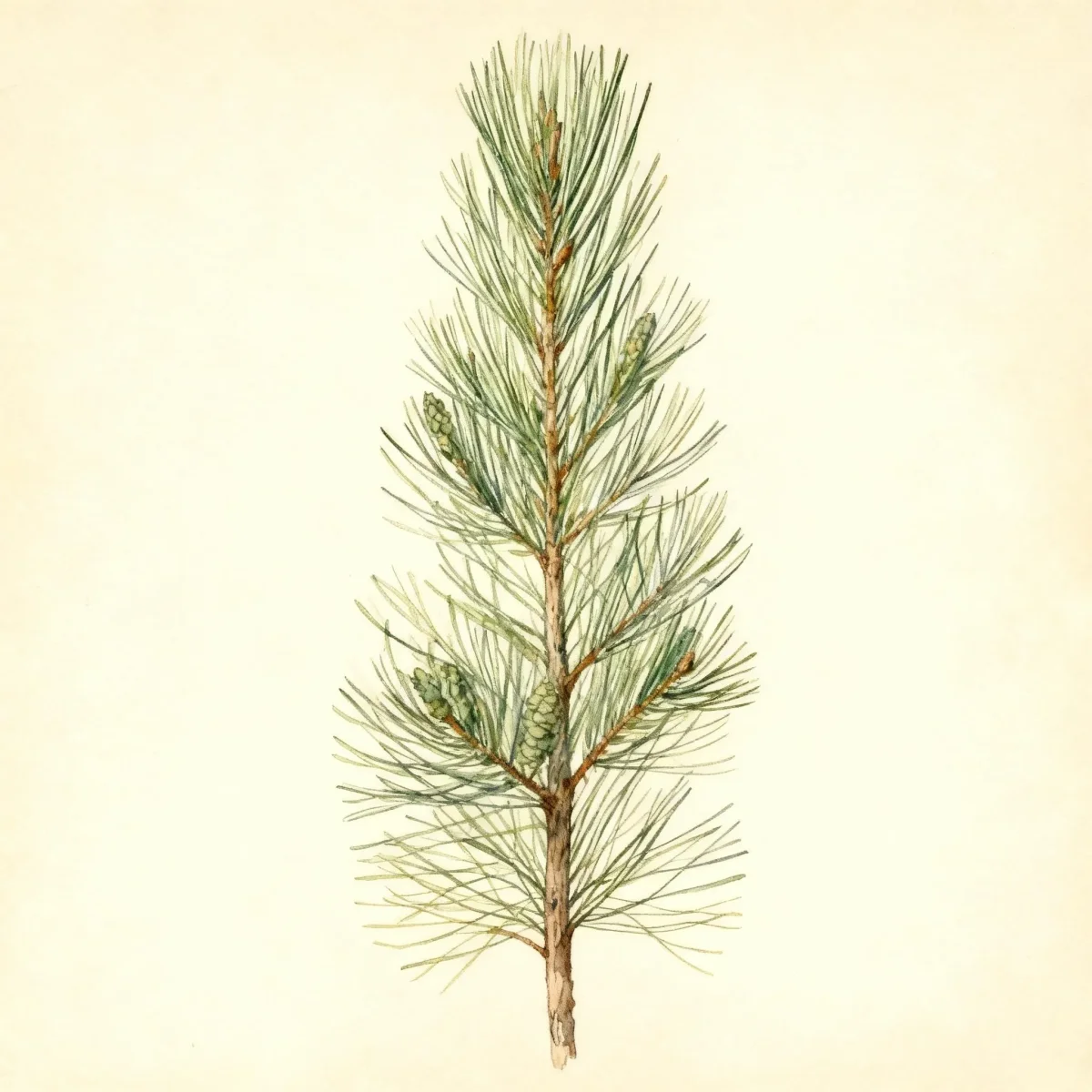
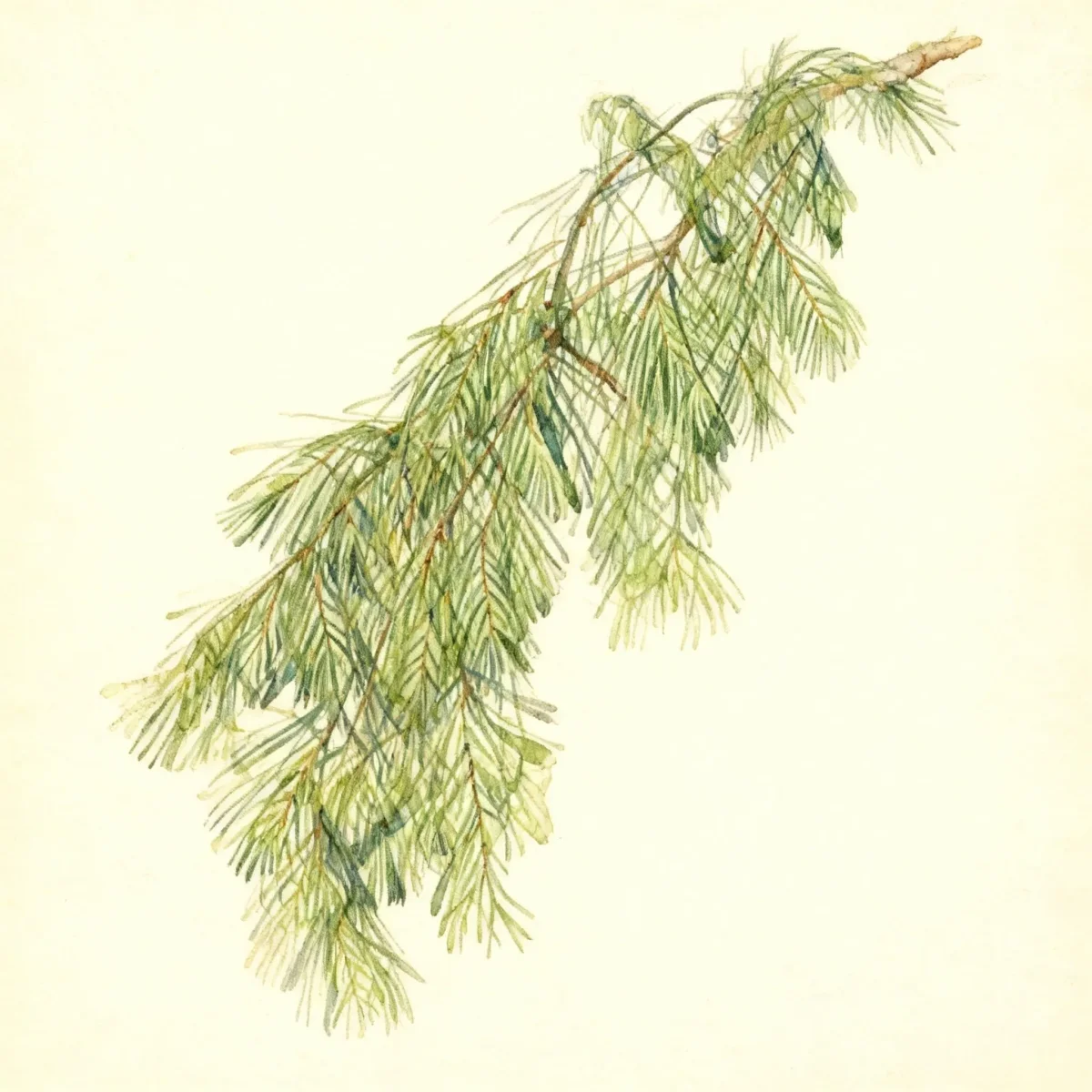
Pinus strobus ‘Contorta’ is a fascinating cultivar of the Eastern white pine, prized by collectors and landscape designers for its distinctly twisted branches, branchlets, and needles, setting it apart from the straight growth of straight-species Pinus strobus. This needled evergreen maintains the soft texture of its parent species while offering dynamic visual interest year-round. While the standard Eastern white pine is a massive forest tree, the ‘Contorta’ cultivar is much more manageable in residential settings, typically reaching a controlled size.
As a slow-to-moderate grower, the Eastern white pine cultivar develops a loose, upright-pyramidal silhouette. It thrives under conditions that mimic its native cool, humid climate while demanding minimal long-term care once established. Its appeal lies in its unique form, making the Pinus strobus ‘Contorta’ an excellent focal point where texture and winter structure are desired.
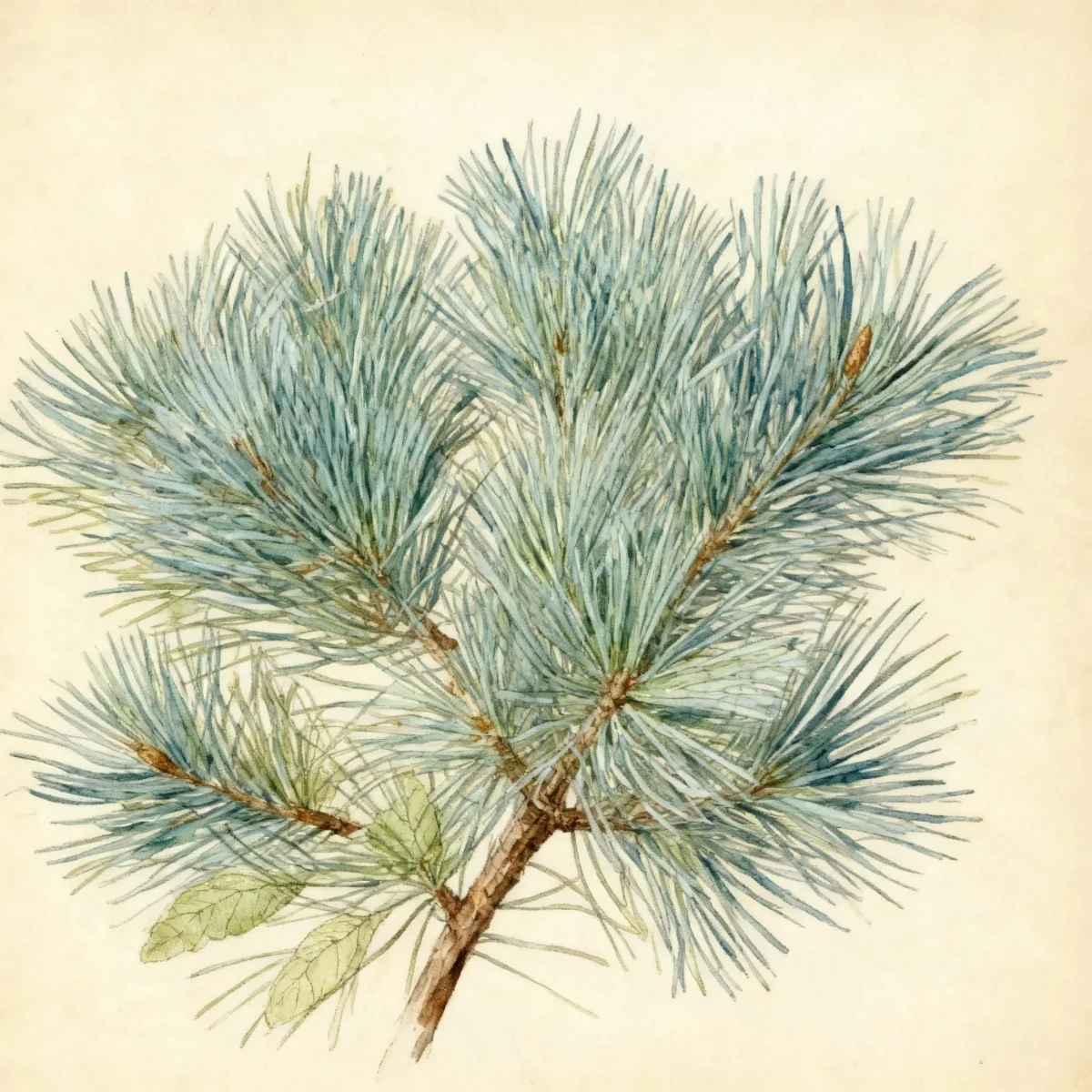
Gardeners looking for high visual impact with low input will appreciate this selection. It provides essential year-round structure, soft bluish-green foliage displayed in bundles of five, and its distinctive natural contortion ensures it never appears plain. Ensure appropriate siting to allow this sculptural tree to establish beautifully.
Fast Facts
- Plant Family: Pinaceae
- Plant Type: Needled evergreen
- Hardiness Zones: USDA Zones 3-8
- Size at Maturity:
- Height: 15-40 ft
- Spread: 10-30 ft
- Bloom Time: Non-flowering
- Bloom Description: Non-flowering
- Sun Exposure: Full sun to part shade
- Water Needs: Medium
- Maintenance Level: Low
How to Grow
Planting Pinus strobus ‘Contorta’ is best done during the fall or early spring when temperatures are mild, allowing the roots to establish before summer heat or deep winter freezes. Select a location ensuring full sun to light afternoon shade, as too much shade will result in sparse foliage. Successful culture hinges on providing well-drained soil that is reliably moist, though never waterlogged, and distinctly acidic.
Care requirements are generally low once established. Water medium amounts consistently during the first two growing seasons to encourage deep root development. This Eastern white pine variety prefers fertile soil and dislikes compaction, so avoid planting in heavily trafficked areas.
Crucially, this cultivar is intolerant of alkaline conditions and heavy, clay-laden soils. It also struggles with significant air pollutants like sulfur dioxide and ozone, favoring cleaner, open environments. Routine pruning is usually unnecessary for Pinus strobus ‘Contorta’ unless specific shaping is desired; its natural, loose-pyramidal form is its main feature.
Landscape Uses
The unique structure of Pinus strobus ‘Contorta’ makes it highly desirable as a landscape specimen or striking accent piece. Plant it in a prominent location where its twisted branches can be appreciated throughout the winter months, especially against lighter backgrounds like snow or pale masonry. Unlike many large pines, this cultivar remains suitably sized for medium-to-large suburban yards.
Consider using Pinus strobus ‘Contorta’ near viewing areas or entryways to highlight its texture. When pairing it with companions, select groundcovers or understory shrubs that also tolerate acidic soil and appreciate partial shade, such as rhododendrons or azaleas, ensuring they don’t compete heavily for surface moisture. Its slow to moderate growth rate means it integrates well into established landscapes without quickly overwhelming nearby plantings.
Standout Features
Noteworthy Characteristics
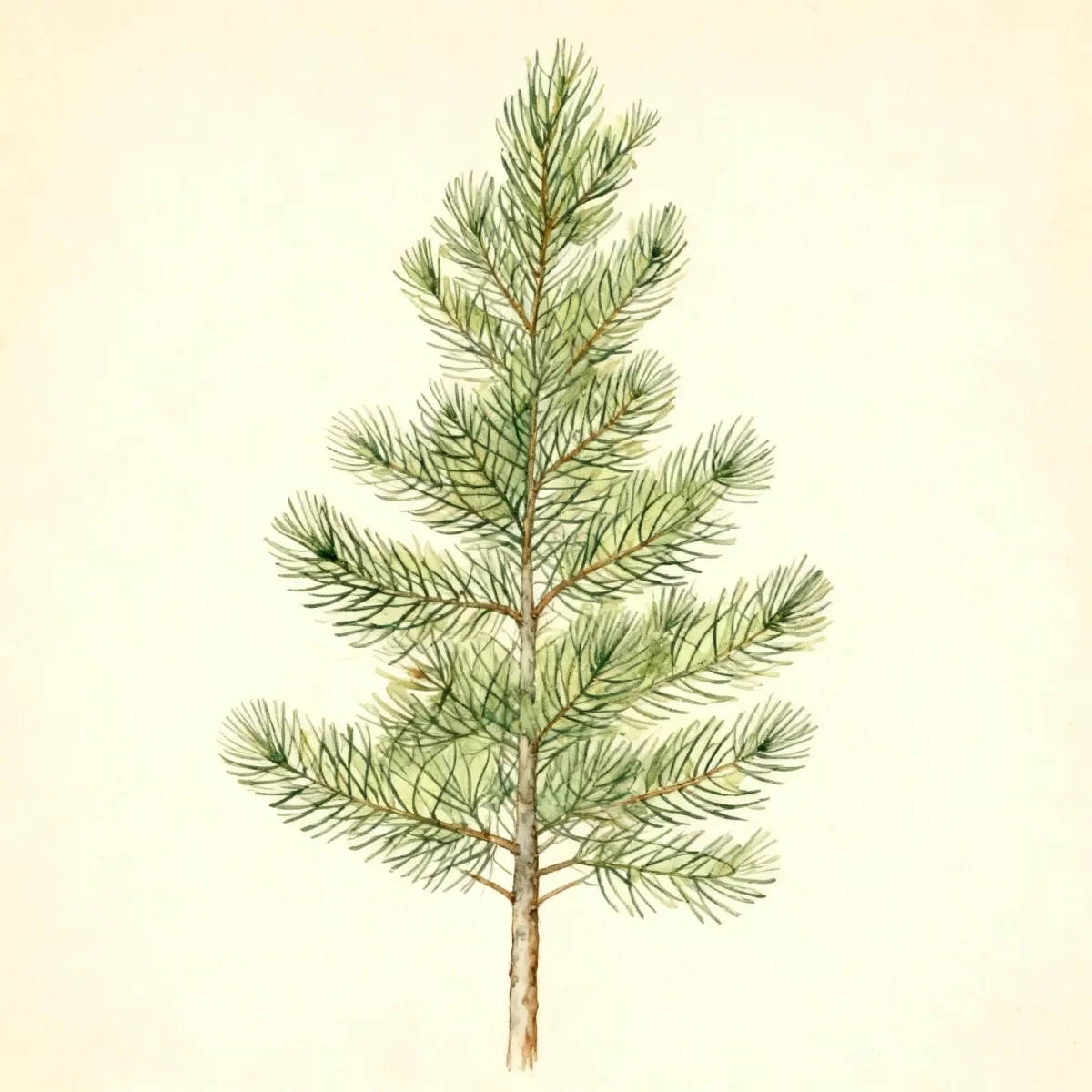
Pinus strobus, commonly called Eastern white pine, is a rapid-growing, long-lived, needled evergreen tree that is native to the northeastern United States and Canada (State tree of Maine and Michigan). Although pyramidal in its early years, it matures to a broad oval habit with an irregular crown. Typically grows 50-80’ in cultivation, but will grow to 100’ tall in the wild, with records existing to over 200’. Landscape size and shape can be controlled through pruning, however, to the extent that white pine may be sheared and grown as a hedge. Bluish green needles (to 5” long) are soft to the touch and appear in bundles of five. Cylindrical, brown cones ( 4-8” long) are usually not produced until 5-10 years. An important timber tree (perhaps more so in the 18th and 19th centuries than now) which was and is valued for its lightweight, straight-grained wood (orange heartwood and white sapwood).Genus name comes from the Latin name for pines.Specific epithet in Greek means cone but here it may refer to an incense-bearing or gum-yielding tree.‘Contorta’ is an upright, loose-pyramidal cultivar that is noted for having twisted (contorted) branches, branchlets and needles. It was discovered in 1932 growing at Seneca Park, Rochester, New York. It typically grows to 12’ tall over the first 10 years, eventually maturing over time to 40’ tall
Tolerances
- Deer
Potential Problems
In general, Pinus strobus ‘Contorta’ benefits from its low maintenance requirements, but several factors can compromise its health. The primary issue stems from cultural intolerance; planting in alkaline or poorly draining clay soils is a fast track to stress and decline. Ensure excellent drainage is present before planting.
Pest-wise, while Eastren white pines can suffer from white pine weevil, this cultivar’s slower growth and smaller ultimate stature might make it slightly less susceptible than wild types, though monitoring is always advised. Fungal diseases like blister rust pose a major threat; if this disease is active in your region, avoid planting near alternate hosts such as currant or gooseberry shrubs.
Frequently Asked Questions
What hardiness zones is Eastern white pine suitable for?
Pinus strobus ‘Contorta’ is reliably hardy in USDA Zones 3 through 8.
How large does Pinus strobus ‘Contorta’ grow?
This cultivar typically reaches a mature height between 15 and 40 feet, with a spread ranging from 10 to 30 feet wide.
What sun exposure does Eastern white pine need?
It performs best when sited in locations receiving full sun, though it can tolerate receiving partial shade.
When does Eastern white pine bloom?
This species is non-flowering, producing cones instead of ornamental flowers.
Conclusion
The unique appeal of the Pinus strobus ‘Contorta’ lies in its ornamental texture provided by the tight, contorted needles and branches, offering a dynamic sculpted form within your landscape. This Eastern white pine cultivar provides excellent evergreen structure while remaining manageable in size. Before planting, confirm that your soil is acidic and well-drained to ensure this sculptural gem establishes successfully for years of enjoyment.
Design Ideas
The twisted habit distinguishes Pinus strobus ‘Contorta’ perfectly for use in Japanese-inspired or contemporary garden designs where form and texture take precedence over mass color. Because it offers structure even in skeletal winter landscapes, it serves as an excellent specimen placed near monochromatic plantings, such as stands of golden bamboo or drifts of dark green boxwood, allowing its unique shape to stand out dramatically.
In areas with heavy winter snows, the structural integrity of this pine variety is a significant asset. Its somewhat open canopy allows snow to pass through slightly better than dense globe shapes, reducing the risk of breakage from heavy accumulation. Despite its interest, remember its need for space—give it ample room to fully express its mature spread without shadowing smaller, sun-loving companion plants.
Seasonal Care Calendar
For spring success with your Pinus strobus ‘Contorta’, look for early signs of pests like the white pine weevil, targeting new, soft terminal growth for preventative treatment if control is necessary in your area. Summer care focuses primarily on maintenance watering, especially if rainfall is scarce, ensuring the soil remains consistently medium in moisture level without becoming saturated.
As autumn arrives, avoid applying high-nitrogen fertilizers, as this encourages soft growth susceptible to winter damage. Instead, focus on mulching richly around the root zone with organic material like pine needles or wood chips to moderate soil temperatures entering winter. Protection from drying winter winds is crucial for evergreens; if planted in an exposed site, consider applying an anti-desiccant spray just before the ground freezes solid.