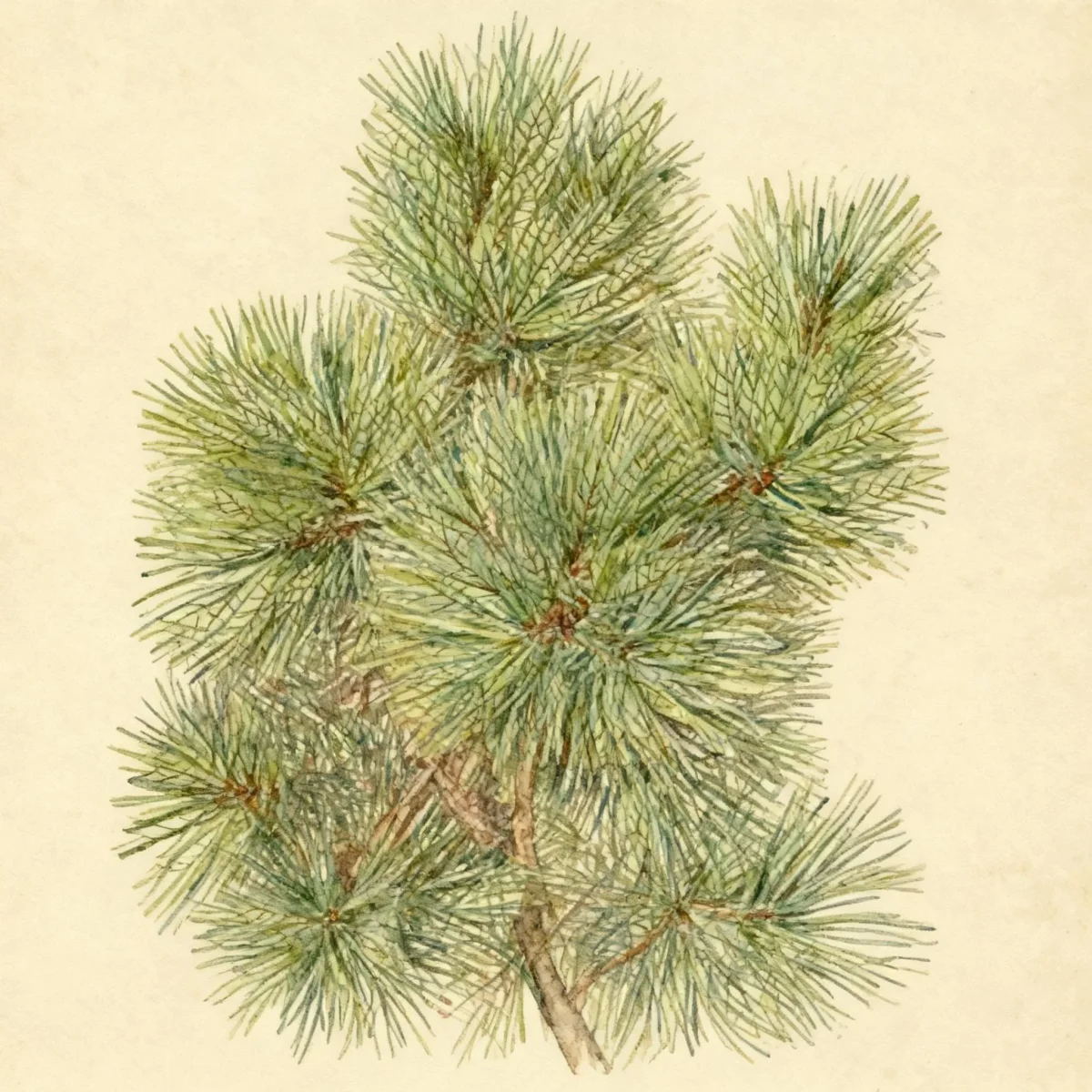
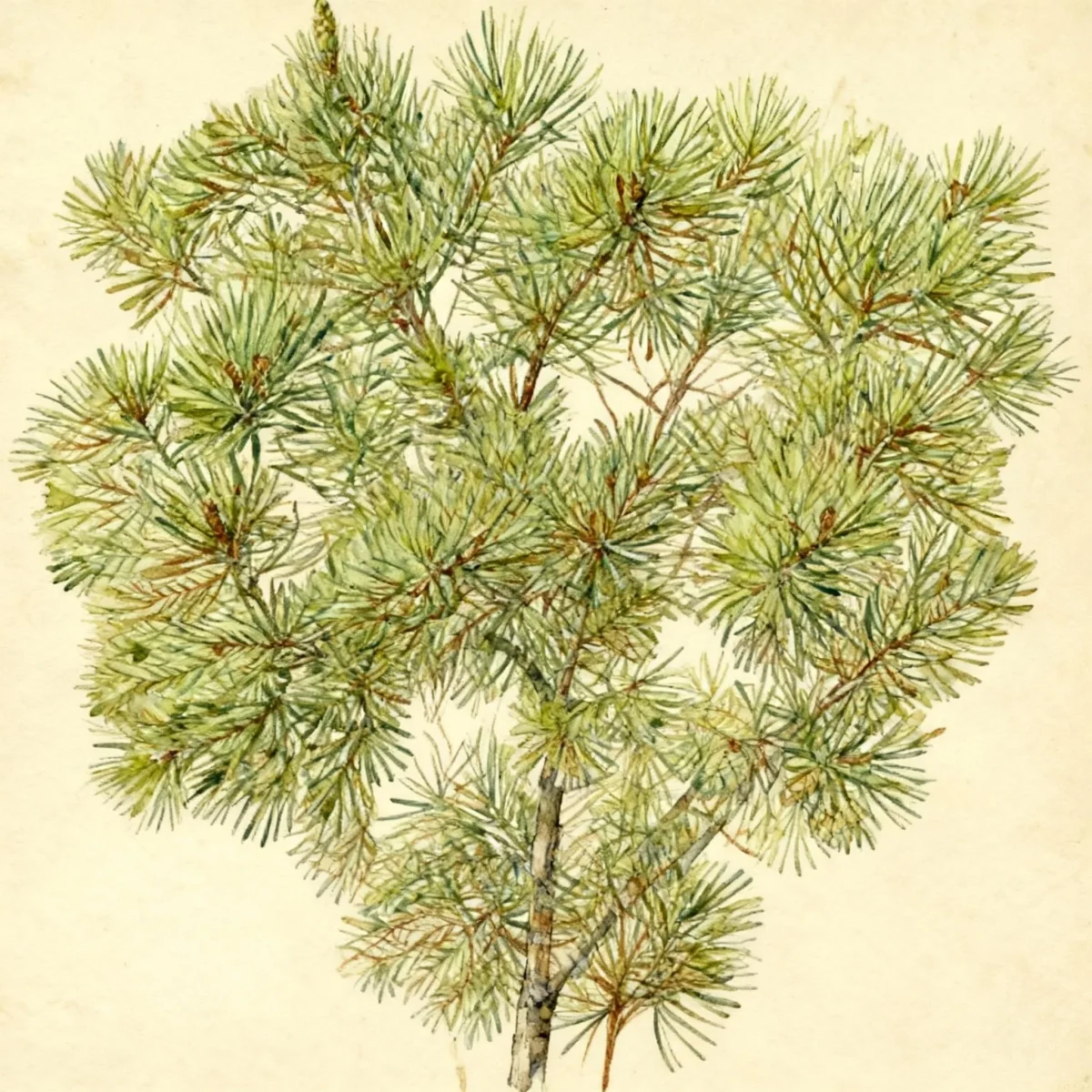
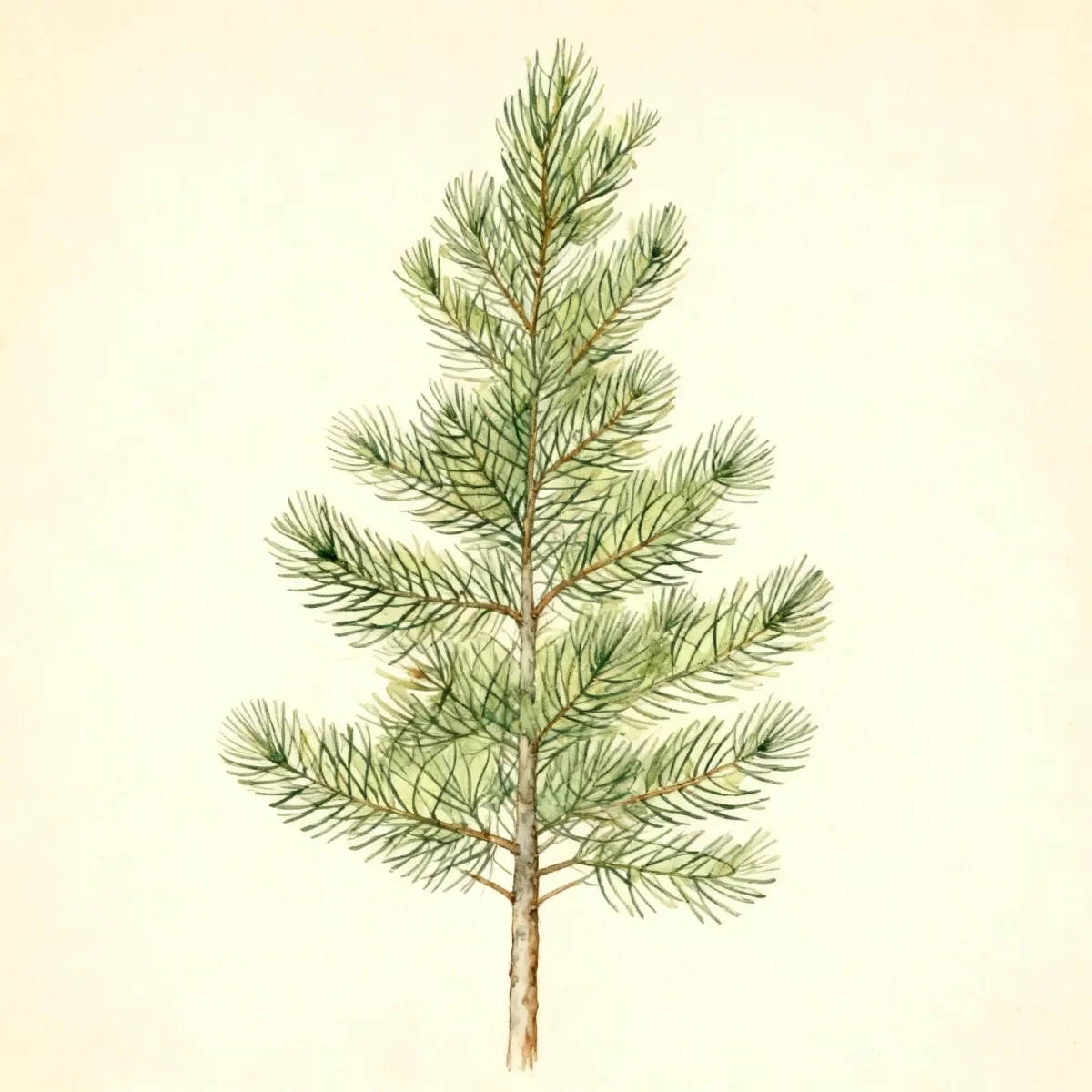
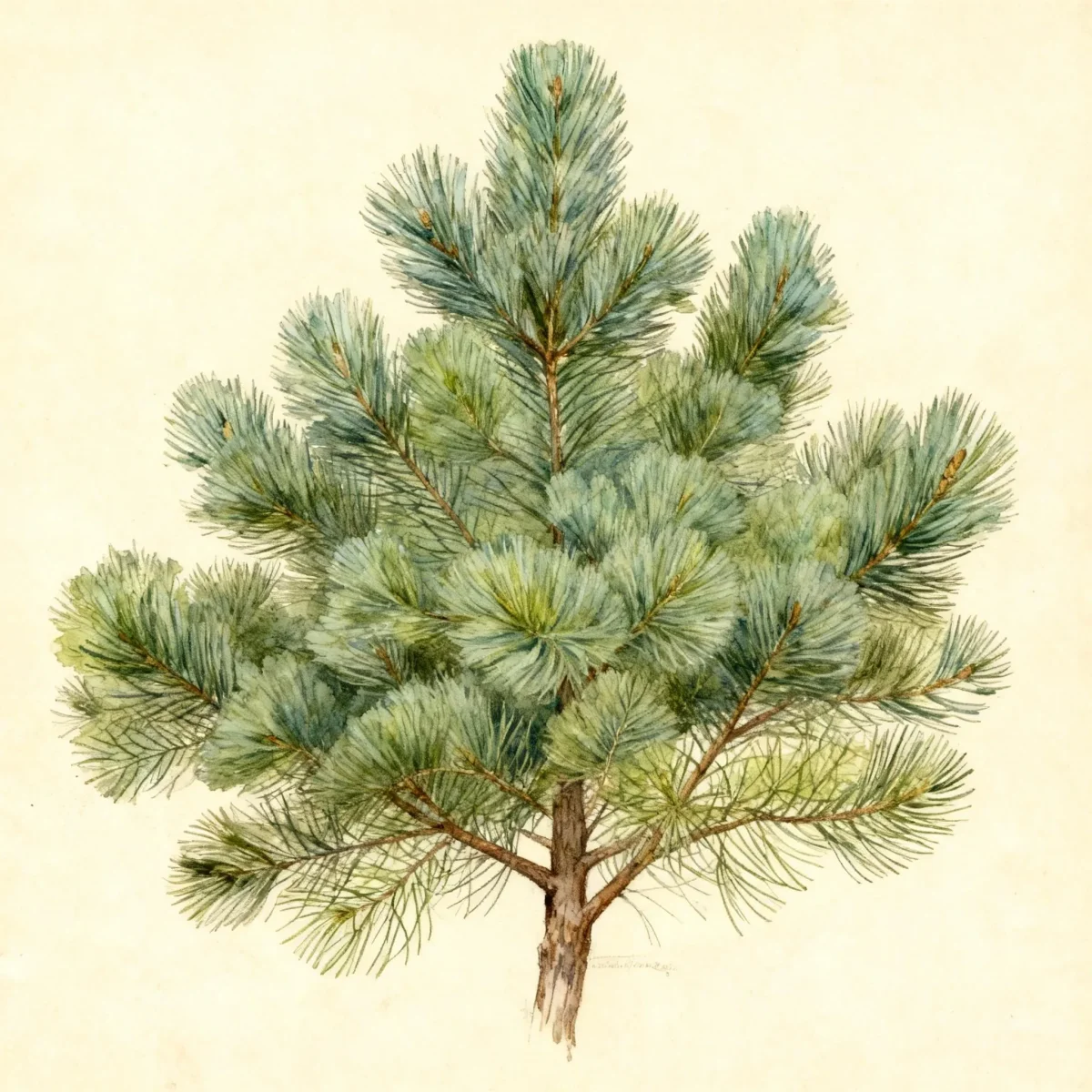
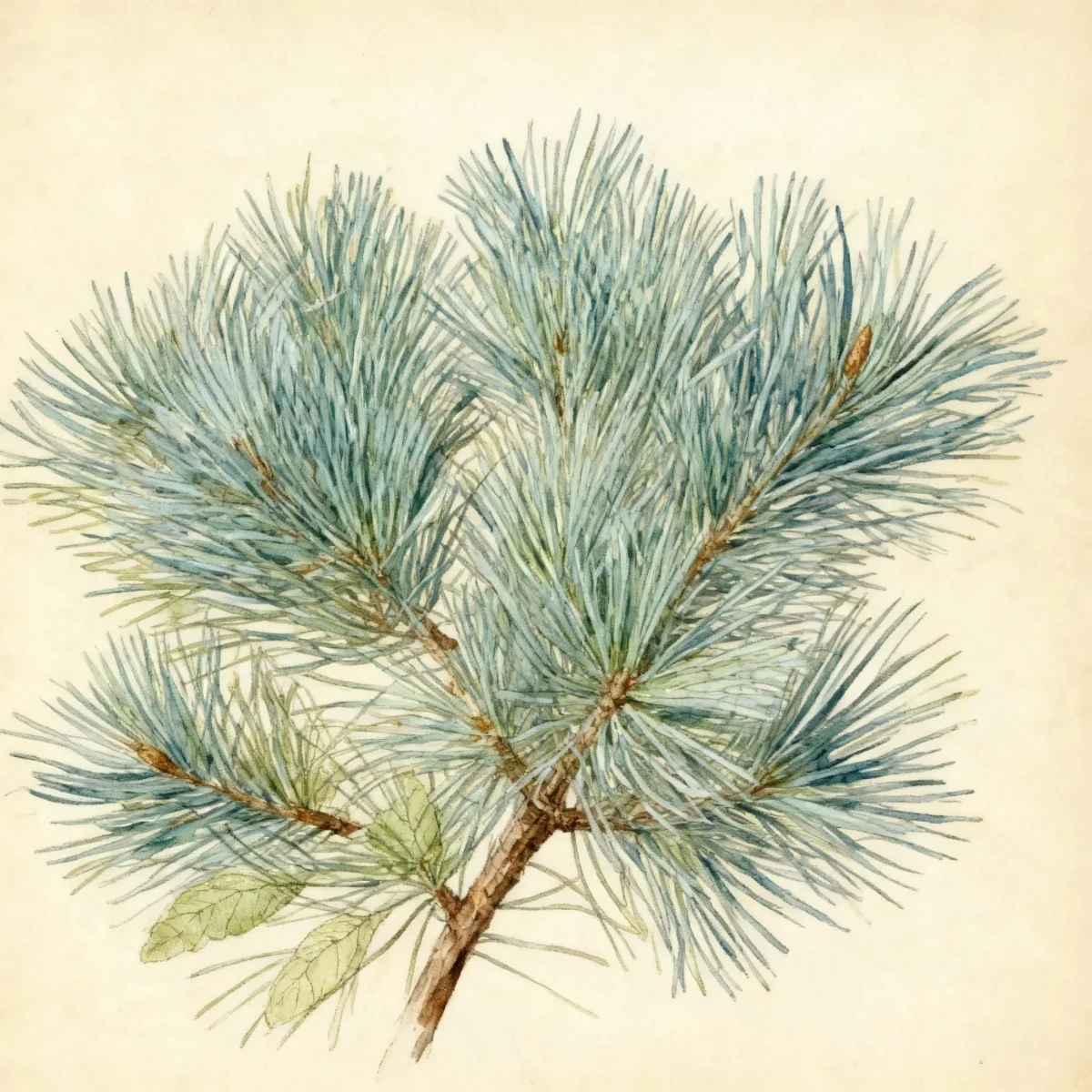
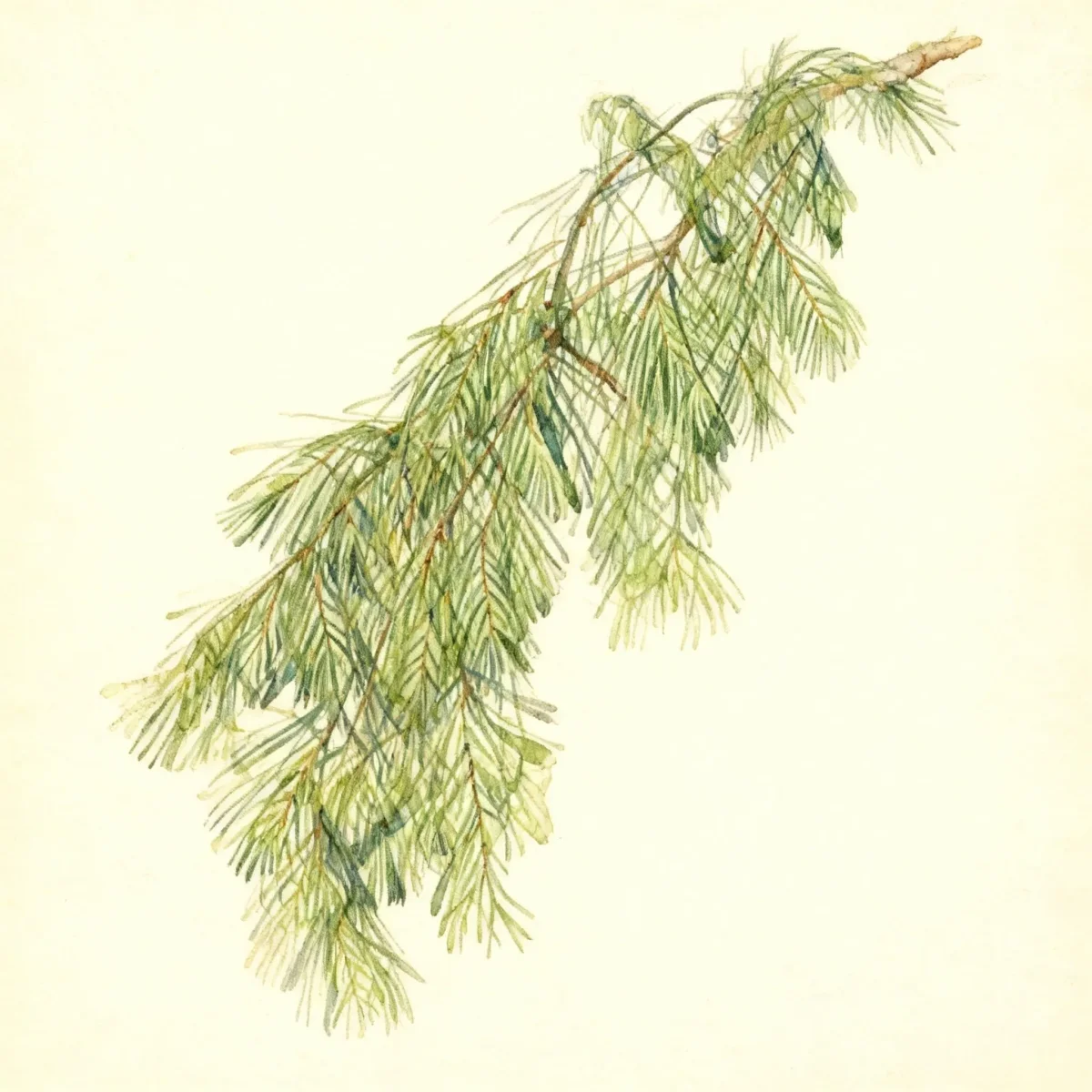
Eastern white pine (Pinus strobus 'Fastigiata')
Pinus strobus 'Fastigiata' is a narrow, upright Eastern white pine offering vertical accent. Low maintenance, zones 3-8.
Scroll down to discover growing tips, care requirements, companion plants, and more
Complete Plant Information
Overview
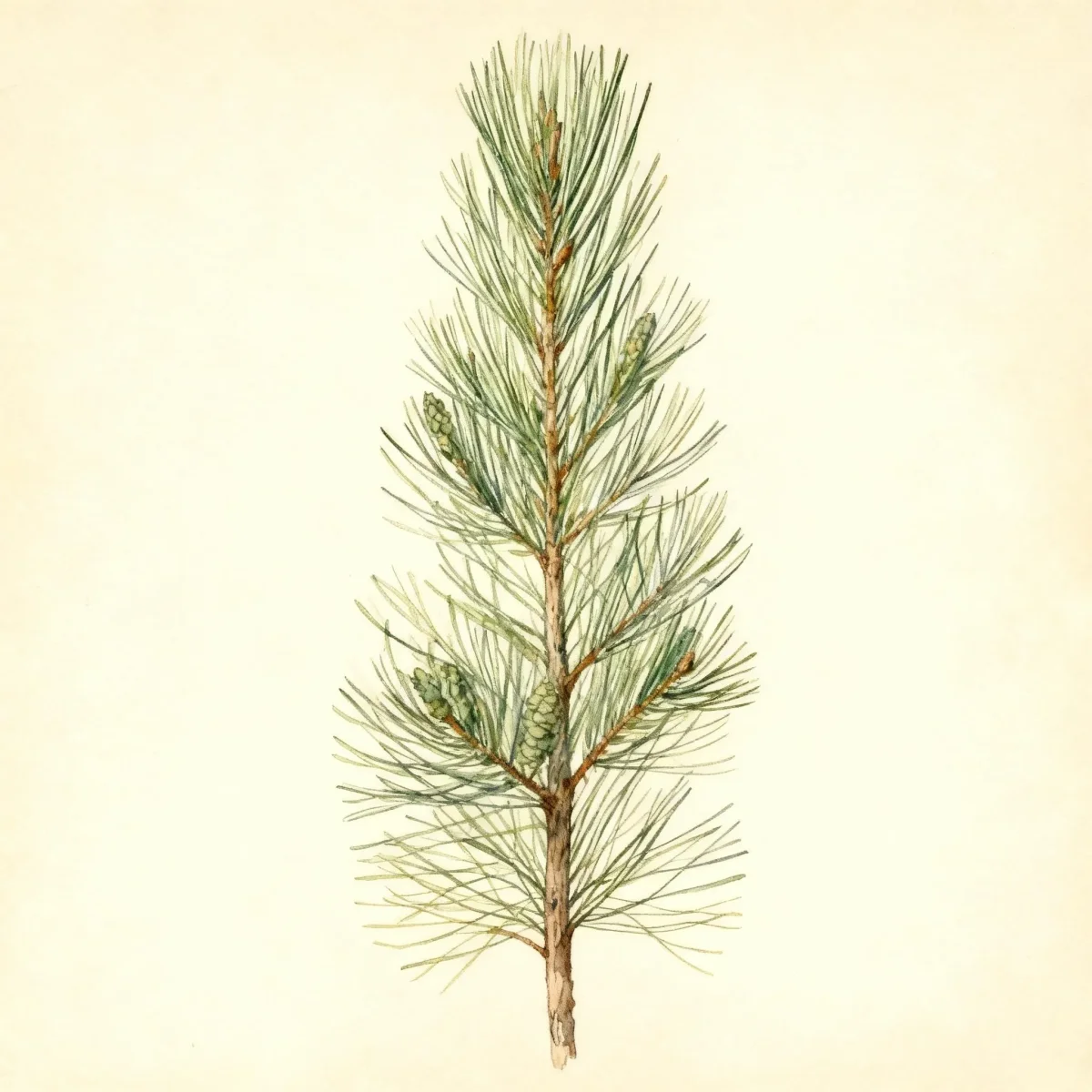
The Pinus strobus ‘Fastigiata’, commonly known as Eastern white pine, is a distinctive cultivar prized for its dramatically narrow, upright (columnar) habit. This feature makes the Pinus strobus ‘Fastigiata’ an exceptional structural element where garden space is limited but vertical impact is desired. Unlike the broad, irregular maturity of the species, this cultivar maintains tight, ascending branching, providing year-round evergreen interest.
As a rapid-growing, long-lived needled evergreen, this variety offers consistency across multiple seasons. Its soft, bluish-green needles—held in bundles of five—contrast beautifully against the bark, contributing significant texture to the landscape. Gardeners value this Eastern white pine for its architectural silhouette, which rarely exceeds ten feet in width while reaching imposing heights.
This selection remains relatively low maintenance once established, fitting well into formal or modern designs seeking vertical drama. Ensure proper siting to accommodate its moderate height in maturity, recognizing that Pinus strobus ‘Fastigiata’ provides excellent screening potential with its dense foliage.
Fast Facts
- Plant Family: Pinaceae
- Plant Type: Needled evergreen
- Hardiness Zones: USDA Zones 3-8
- Size at Maturity:
- Height: 30-40 ft
- Spread: 7-10 ft
- Bloom Time: Non-flowering
- Bloom Description: Non-flowering
- Sun Exposure: Full sun to part shade
- Water Needs: Medium
- Maintenance Level: Low
How to Grow
Optimal establishment for Pinus strobus ‘Fastigiata’ occurs when planted in early spring or fall during cooler weather. Site this tree where it receives full sun to light afternoon shade. Success hinges on soil quality; this Eastern white pine demands acidic, medium-moisture, well-drained soil. Fertile soils are highly preferred, mirroring the rich organic matter found in their native habitat.
Water consistently through the first couple of growing seasons to promote deep root development. Once established, the need is medium; allow the top few inches of soil to dry slightly between waterings, especially during hot summers. Fertilization is rarely required if the soil is already fertile, but a slow-release evergreen formulation can be applied sparingly in early spring if growth seems stunted.
The ‘Fastigiata’ habit generally requires minimal pruning for shape, as its natural form is strongly upright. Prune only to remove dead, damaged, or crossing branches during late winter when the tree is dormant. Be highly aware that this species is intolerant of compacted clay soils, alkaline pH conditions, and atmospheric pollutants like ozone, which can severely stress the foliage.
Landscape Uses
The defining characteristic of Pinus strobus ‘Fastigiata’ is its narrow, fastigiate form, making it invaluable for vertical accents in restricted areas. It excels when used singly as a specimen in smaller yards where the voluminous spread of a standard Eastern white pine would overwhelm the space. Plantings in small groupings can create an architectural screen without the heavy visual footprint of a traditional hedge.
Consider flanking entryways or framing focal points where its upright stature draws the eye upward. Because of its tolerance for light shade, it can serve as a stately background element in mixed borders, contrasting nicely with shorter, mounding shrubs or broadleaf deciduous trees. Its evergreen nature ensures year-round structure, providing essential winter interest.
Standout Features
Fruit Qualities
- Showy
Noteworthy Characteristics
Pinus strobus, commonly called Eastern white pine, is a rapid-growing, long-lived, needled evergreen tree that is native to the northeastern United States and Canada (State tree of Maine and Michigan). The ‘Fastigiata’ cultivar is specifically noted for its columnar shape in which the branches all ascend upwards (fastigiate meaning erect branching), typically reaching 30-40’ tall but only 10’ wide in cultivation. Its soft, bluish-green needles are arranged in bundles of five, providing excellent texture, and the light brown cones are attractive to birds.
Tolerances
- Rabbit
- Deer
Potential Problems
White pine is highly susceptible to numerous insect and disease issues, particularly in poorly suited environments. The most significant threat is white pine blister rust, a bark disease often fatal to the tree; control requires rigidly excluding all species of Ribes (currants and gooseberries) from the vicinity, as they are alternate hosts. Other notable diseases include various blights and cankers.
Insect pests frequently encountered include the white pine weevil, which targets terminal leaders, and shoot borers. Regular scouting, especially in early summer, allows for timely chemical intervention against these pests or for mechanical removal of infested tips. Avoiding planting in stressful sites—such as heavy, alkaline soils or areas prone to smog—is the best primary defense against severe pathogen and insect outbreaks for this Eastern white pine.
Frequently Asked Questions
What hardiness zones is Eastern white pine suitable for?
The hardy Pinus strobus ‘Fastigiata’ is suitable for planting across USDA Hardiness Zones 3 through 8.
How large does Pinus strobus ‘Fastigiata’ grow?
This cultivar typically matures to a height of 30 to 40 feet tall, maintaining a comparatively narrow spread of only 7 to 10 feet wide.
What sun exposure does Eastern white pine need?
For optimal growth and vigor, the Pinus strobus ‘Fastigiata’ requires an environment that provides full sun exposure, though it can tolerate partial shade reliably.
When does Eastern white pine bloom?
This needled evergreen is Non-flowering; it develops cones rather than traditional blossoms.
Conclusion
The Pinus strobus ‘Fastigiata’ provides indispensable vertical architecture and year-round green texture suitable even for tighter garden spaces. While it is generally low maintenance, vigilance regarding soil acidity and the exclusion of Ribes species is crucial for protecting this beautiful Eastern white pine from blister rust. Before purchasing, confirm that your growing site meets its requirements for well-drained, acidic soil and adequate sun exposure across USDA Zones 3-8.
Companion Planting Strategies
When placing the Pinus strobus ‘Fastigiata’ in a mixed landscape, focus on companions that share a preference for acidic soil and bright light, or those that offer textural contrast. Low-growing rhododendrons and azaleas thrive under similar acidic conditions and provide brilliant spring color against the deep green needles. Avoid placing it near plants that require heavy, constantly moist loam, as this pine prefers better drainage.
Consider using deciduous shrubs like Japanese maples near mature specimens; the fine texture of the maple’s leaves in summer and their fiery fall color offers a dynamic contrast to the steadfast, linear form of the Pinus strobus ‘Fastigiata’. Remember that due to its shade tolerance, you can successfully underplant this screen with shade-loving perennials like Hosta varieties that enjoy dappled light filtering through its branches.
Design Ideas for Narrow Evergreens
The columnar habit of this variety makes it functionally superior to broad conifers in formal landscape designs. Utilize Pinus strobus ‘Fastigiata’ flanking a pathway or doorway to create a strong sense of entry and symmetry. Its relatively fast growth rate means that establishing a formal screen or tall border can happen more quickly than with slower-growing cultivars.
In contemporary garden designs, utilize one or two specimens as clean vertical punctuation marks against monochromatic hardscaping or low, horizontal plantings like creeping junipers or ornamental grasses. The characteristic bluish-green of the needles pairs exceptionally well with gray stone or natural wood accents, emphasizing the architectural precision of the branch structure.