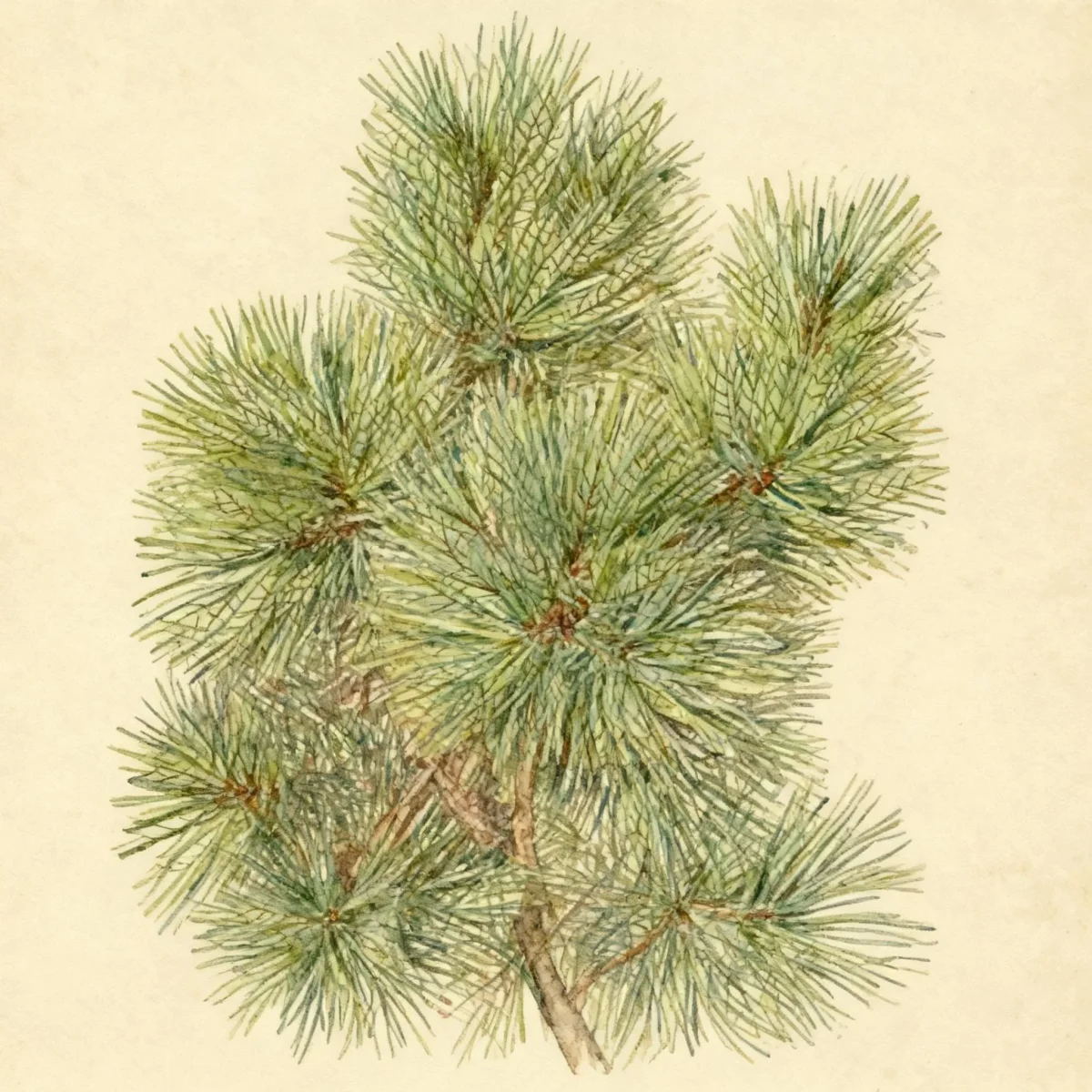
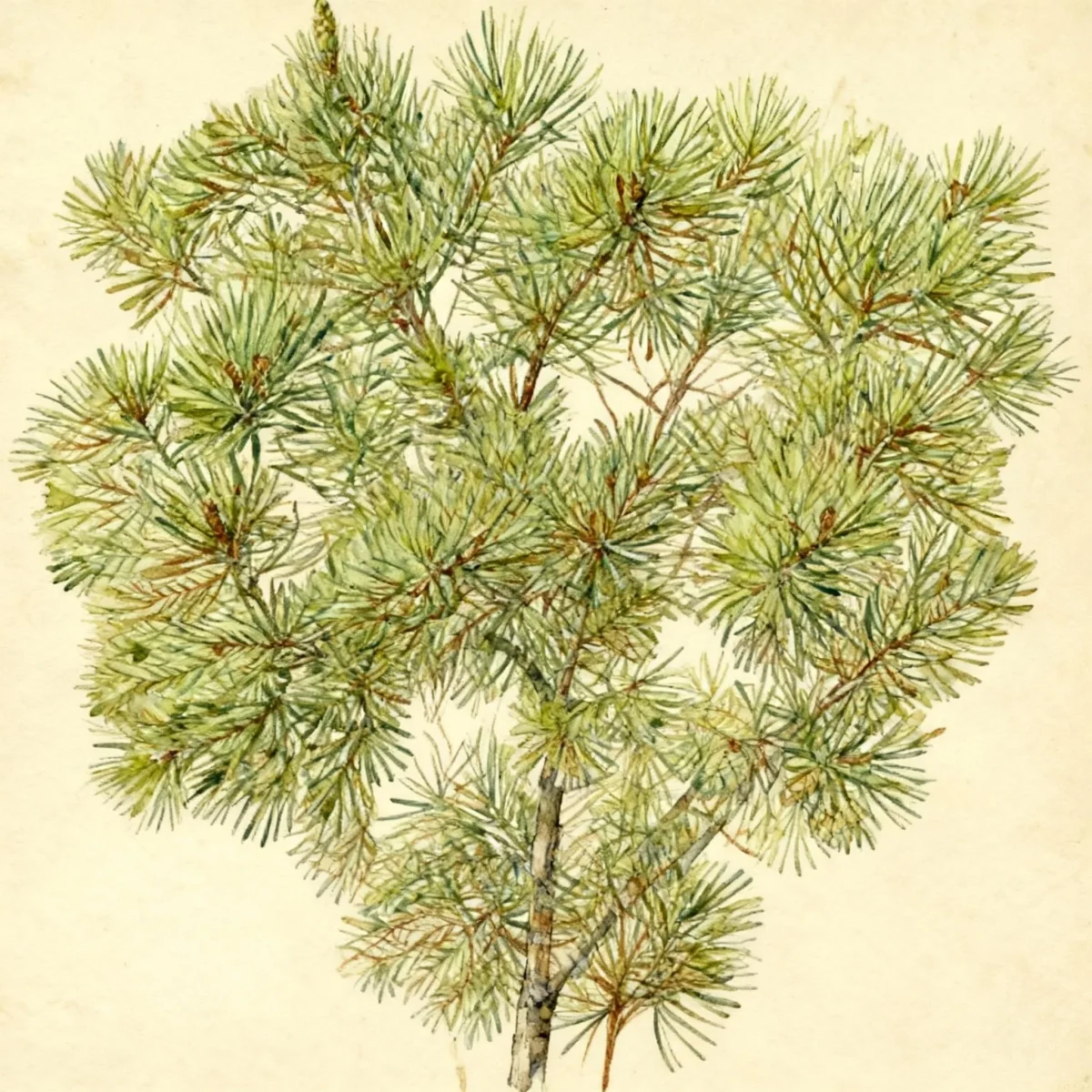
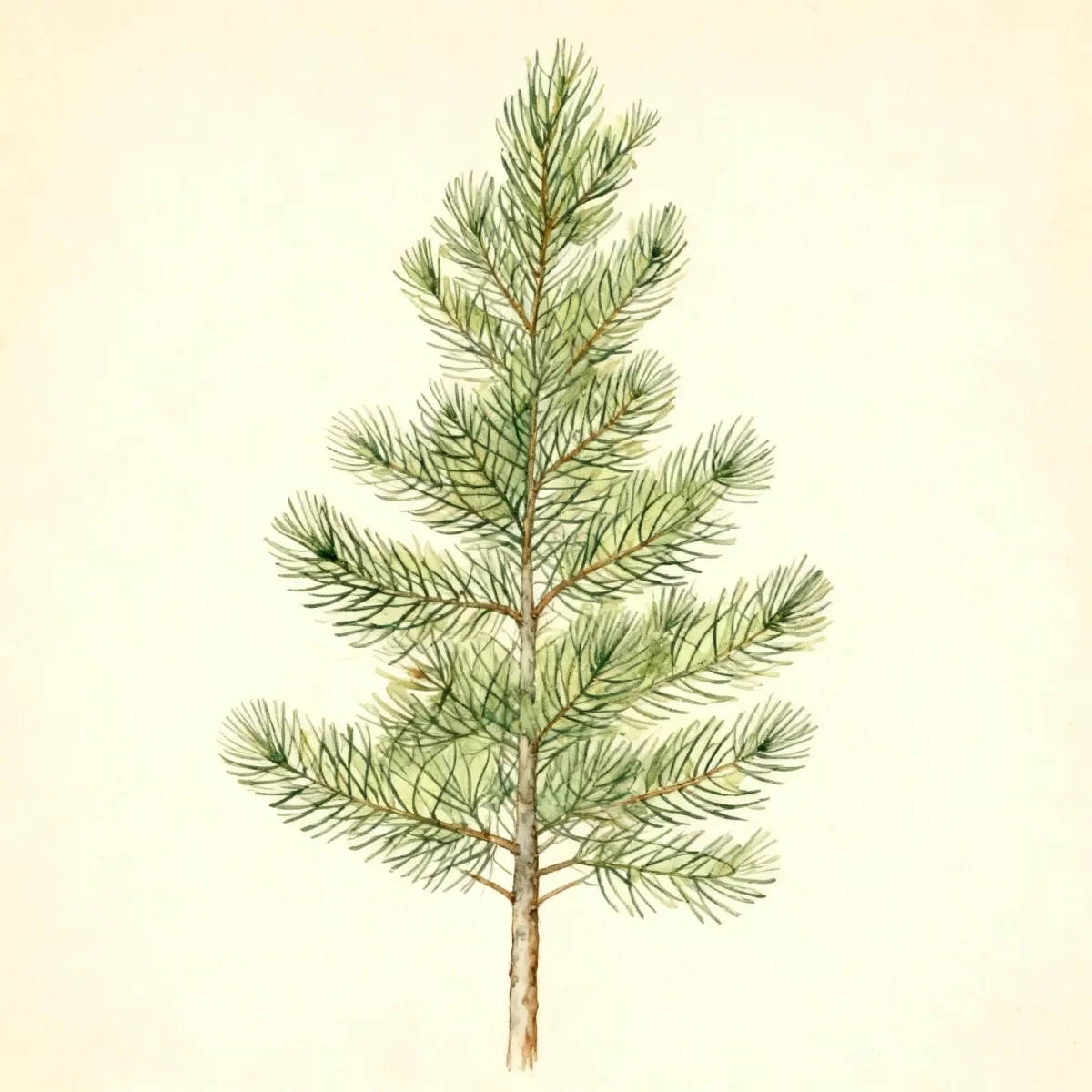
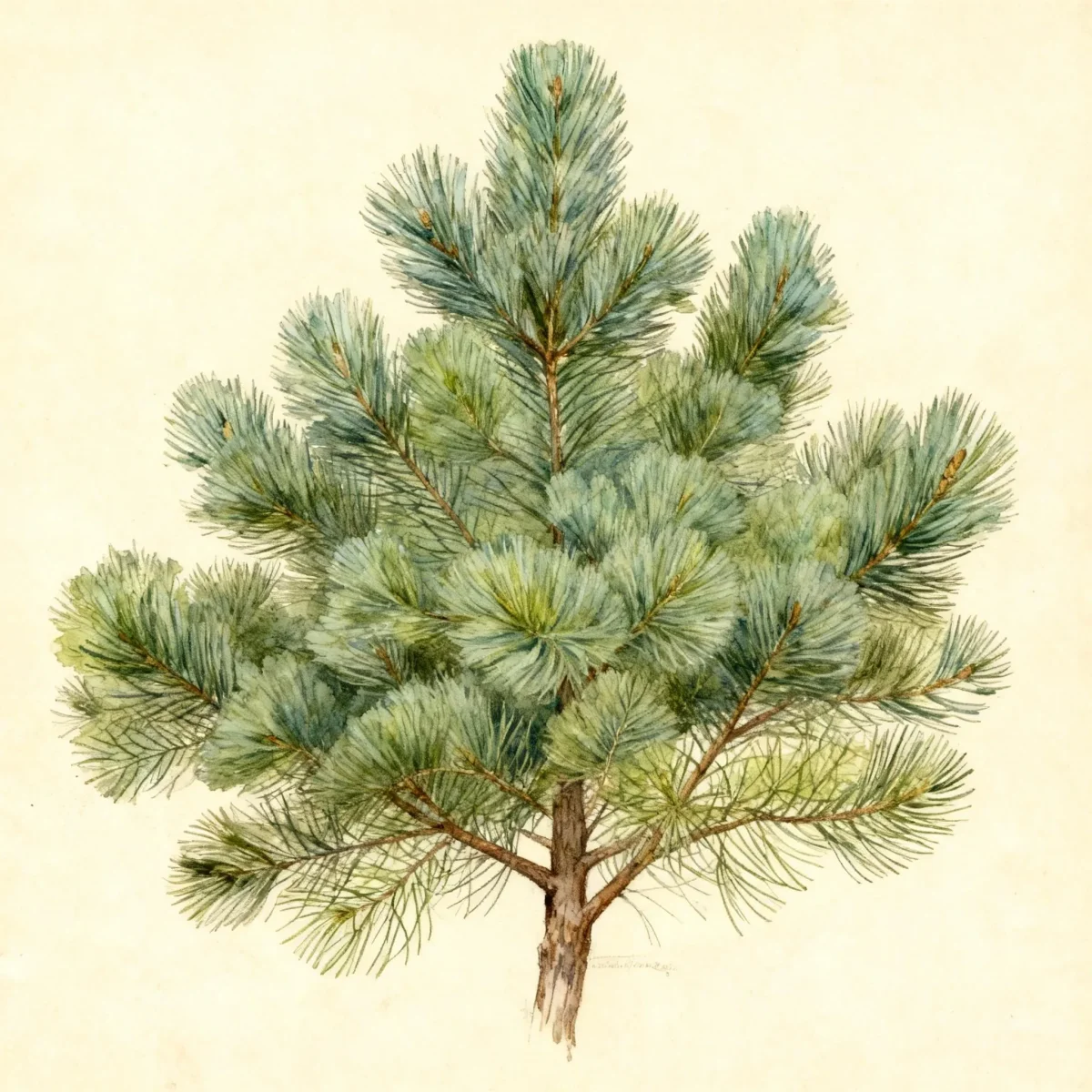
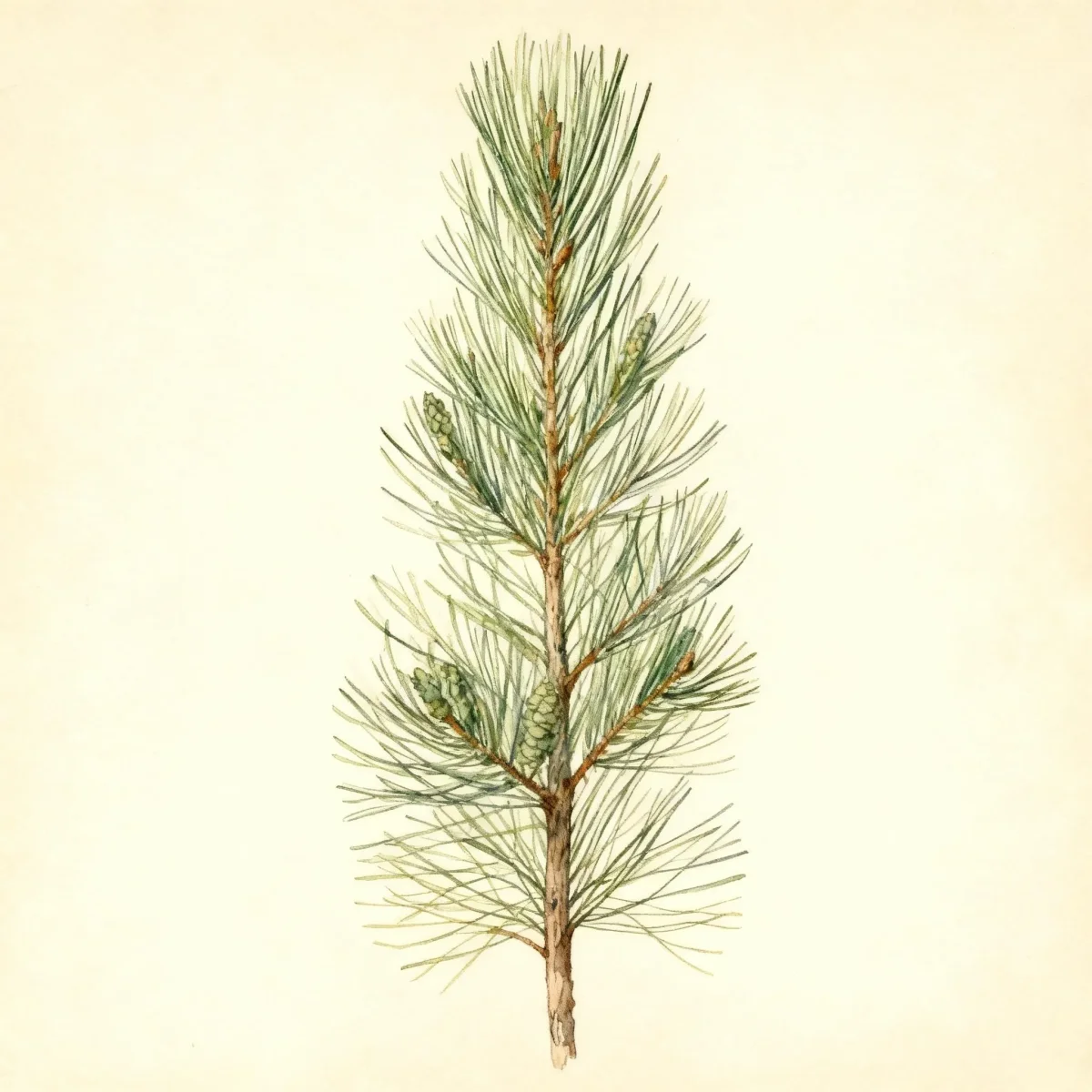
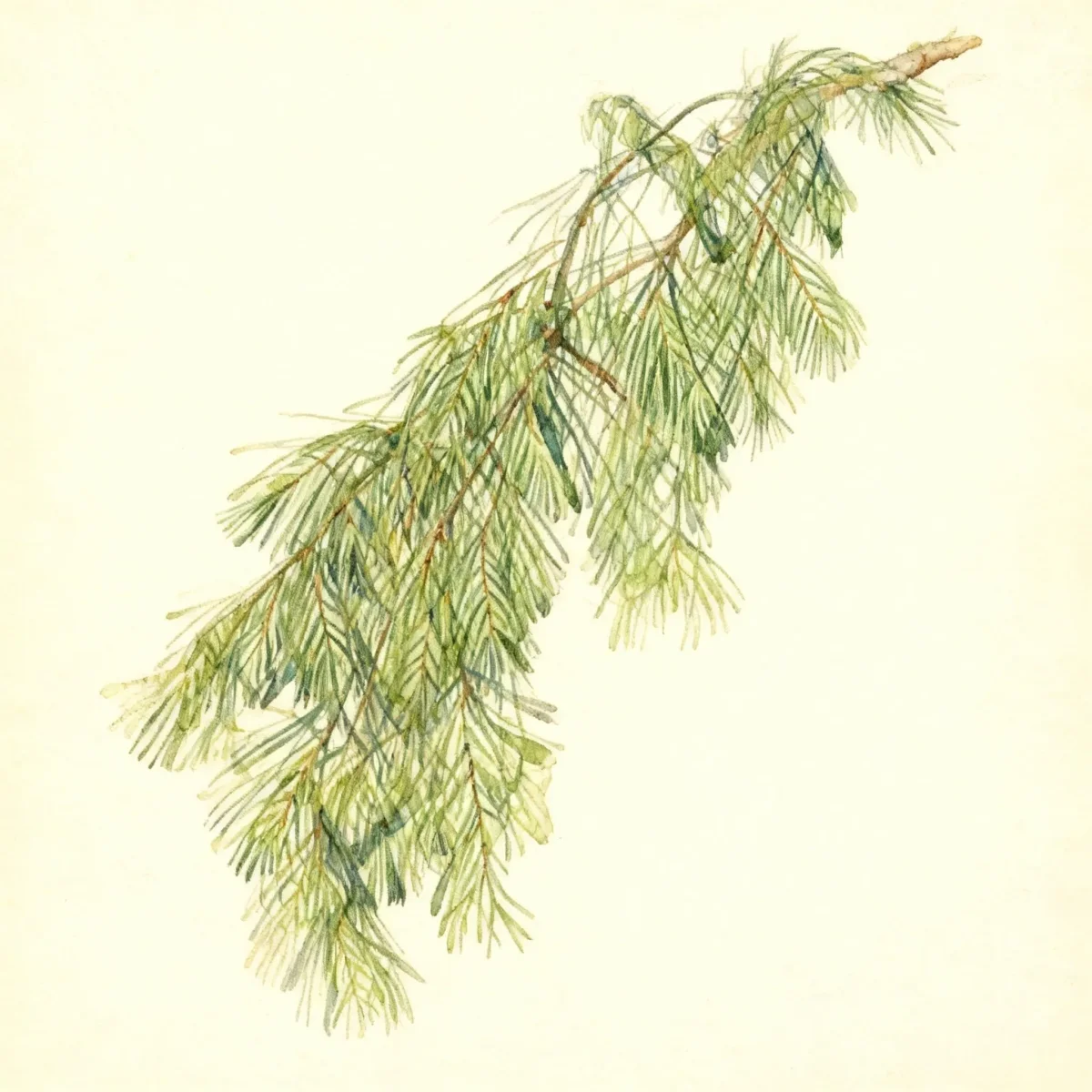
Eastern white pine (Pinus strobus 'Macopin')
Pinus strobus 'Macopin' is a compact, silvery blue-green Eastern white pine perfect for rock gardens, maturing only 1-3 ft.
Scroll down to discover growing tips, care requirements, companion plants, and more
Complete Plant Information
Overview
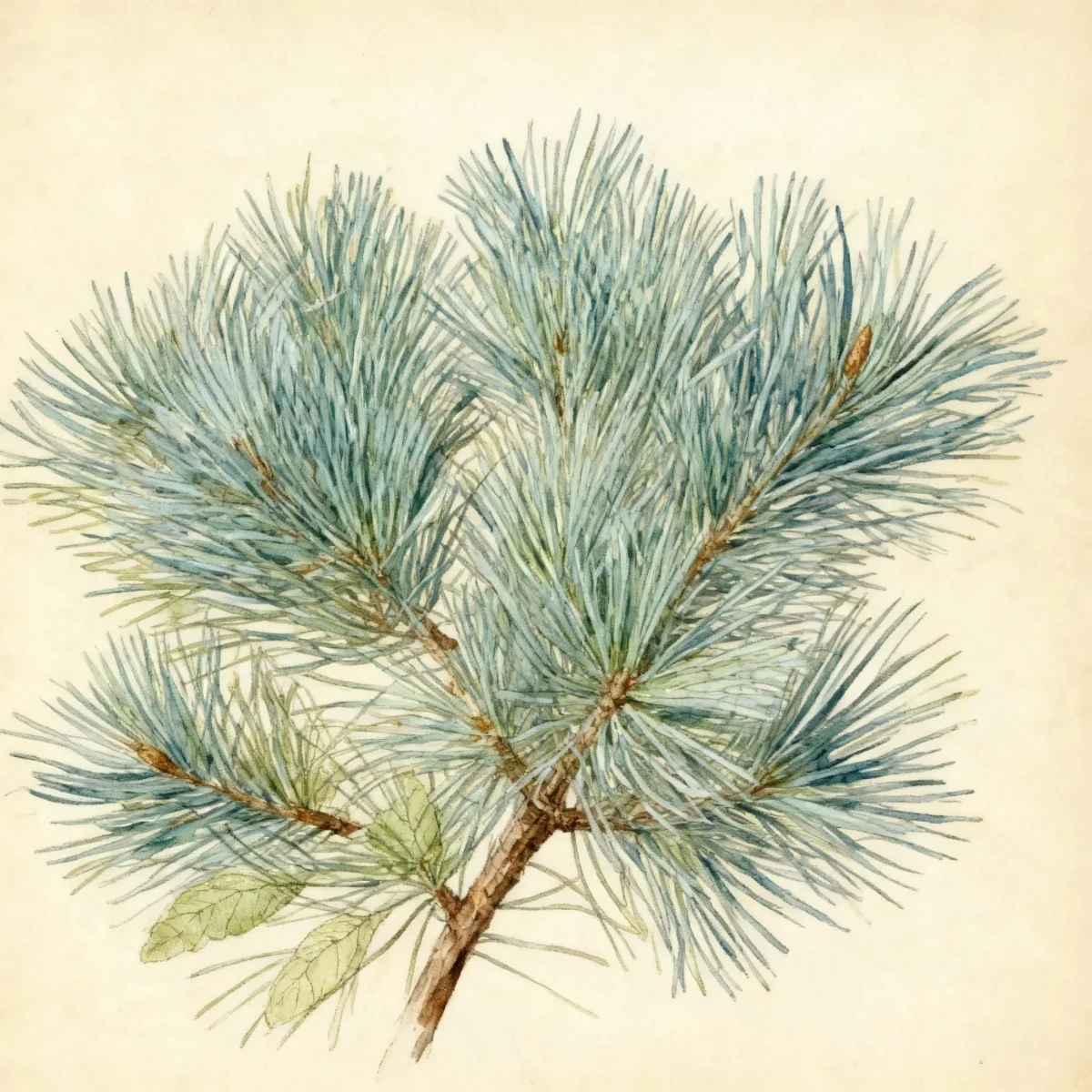
Pinus strobus ‘Macopin’ offers gardeners a highly manageable, dense, and shrubby form of the magnificent Eastern white pine. Unlike its towering wild relatives, this cultivar remains conveniently compact, making it ideal for smaller landscapes or controlled foundation plantings where space is a concern. Its distinct foliage is characterized by soft, silvery blue-green needles held in characteristic bundles of five.
This needled evergreen provides year-round structure and texture, standing out with its irregular, upright habit. Gardeners who appreciate the stately presence of Eastern white pine but lack the space for a full-sized specimen will find the growth rate (intermediate, 6–12 inches per year) and mature size (up to 3 ft tall and wide) of Pinus strobus ‘Macopin’ incredibly appealing. It requires low maintenance once established, provided cultural needs are met.
The aesthetic impact of this dwarf cultivar is enhanced by the early and abundant production of small, light brown cones, adding visual interest even to compact specimens. Pinus strobus ‘Macopin’ is a wonderful choice for creating focal points in rock gardens or softening the lines near building foundations.
Fast Facts
- Plant Family: Pinaceae
- Plant Type: Needled evergreen
- Hardiness Zones: USDA Zones 3-8
- Size at Maturity:
- Height: 1-3 ft
- Spread: 1-3 ft
- Bloom Time: Non-flowering
- Bloom Description: Non-flowering
- Sun Exposure: Full sun to part shade
- Water Needs: Medium
- Maintenance Level: Low
How to Grow
To ensure your Pinus strobus ‘Macopin’ thrives, plant during the cooler seasons—spring or fall—to minimize transplant shock. This cultivar strongly prefers rich, deep soils that are reliably acidic and possess excellent drainage. It resents compacted soil structures and alkaline conditions, which can quickly stress the plant.
Watering should be consistent; maintain medium soil moisture, especially during the first few growing seasons as the root system establishes. Once mature, Eastern white pine exhibits moderate drought tolerance, though established plants perform best with less fluctuation in soil moisture. Generally, this dwarf cultivar requires low maintenance; significant pruning is usually unnecessary due to its naturally compact, shrubby form.
Fertilization is rarely required in fertile soils. If growth appears sluggish, use a slow-release fertilizer formulated for acid-loving plants early in the spring. Be aware that the species overall is sensitive to air pollution, particularly sulfur dioxide and ozone, though this dwarf form is often selected for its robustness in residential settings.
Landscape Uses
The compact stature of Pinus strobus ‘Macopin’ makes it highly adaptable for detailed landscape design work. It excels as an accent element, providing year-round color contrast against deciduous shrubs or broadleaf evergreens. Its low profile makes it an excellent foreground plant along shrub borders where taller specimens might otherwise obscure the view.
Consider using this dwarf cultivar in rock gardens or alpine settings where its texture can be appreciated up close. Its ability to tolerate deer browsing also makes it suitable for planting near naturalized areas or woodland edges without fear of significant browsing damage. Planting several Pinus strobus ‘Macopin’ in an informal grouping can create effective, low-maintenance texture massings.
Standout Features
Noteworthy Characteristics
The historical Eastern white pine is famed for its towering height and valuable timber, but the ‘Macopin’ cultivar translates these desirable features into a compact package. Its key distinction is its growth habit: a broad, upright, irregular, and compact shrub that matures around 3 feet high and wide. The soft, silvery blue-green needles, held in bundles of five, are pleasant to the touch, and this variety readily produces abundant, attractive light brown cones early in its life.
Tolerances
- Rabbit
- Deer
Potential Problems
While Pinus strobus ‘Macopin’ is generally robust, it remains susceptible to several insect and disease issues common to the Eastern white pine, mainly in areas with very cool summers or high humidity. The most serious threat is white pine blister rust, a fatal bark disease requiring an alternate host—species of Ribes (currants and gooseberries)—to complete its life cycle. Avoid planting these alternate hosts nearby to protect your pine.
Other fungal issues like canker can occur, but insect pests often pose a more common nuisance. Monitor closely for the white pine weevil, white pine shoot borer, and scale insects. If infestations are noticed, early intervention with targeted, timely horticultural oils or appropriate insecticides can manage populations before serious damage occurs to the needles or new growth. Regular inspection of new growth in spring is crucial for early detection.
Frequently Asked Questions
What hardiness zones is Pinus strobus ‘Macopin’ suitable for?
This Eastern white pine cultivar is hardy across a broad range, thriving in USDA Zones 3 through 8.
How large does Pinus strobus ‘Macopin’ grow?
As a dwarf cultivar, Pinus strobus ‘Macopin’ typically reaches a maximum height and spread of 3 feet.
What sun exposure does Eastern white pine need?
Pinus strobus ‘Macopin’ performs best with full sun exposure but will tolerate part shade conditions in the landscape.
When does Eastern white pine bloom?
As a conifer, this plant is non-flowering; it produces cones instead of traditional flowers.
Conclusion
The Pinus strobus ‘Macopin’ cultivar provides an exceptional opportunity to incorporate the beautiful, soft texture of the Eastern white pine into small gardens or foundation plantings. Its compact size and low maintenance requirements, combined with its attractive silvery-blue needles, make it a standout evergreen choice. Before purchasing, confirm that your planting site offers well-drained, acidic soil and check your region’s susceptibility to white pine blister rust before finalizing your landscape plan for this unique shrub.
Companion Planting for Pines
Selecting appropriate companions enhances the environment for Pinus strobus ‘Macopin’. Since this cultivar prefers consistently moist, acidic soil, pair it with other acid-loving shrubs or perennials that thrive under similar conditions and tolerate partial shade. Good companions include rhododendrons, azaleas, and various low-growing ferns, which offer textural contrast while sharing cultural needs. Avoid shallow-rooted plants that aggressively compete for surface moisture near the base of the pine.
Seasonal Care Calendar
For optimal health, adopt a seasonal routine for your Pinus strobus ‘Macopin’. In early spring, scout for signs of insect activity, such as weevil damage on new terminal shoots, and prune out any visible damage before the insects fully emerge. Water deeply during summer dry spells to support moderate water needs, ensuring the soil never dries out completely around the roots. In the fall, apply a layer of organic mulch around the base, keeping it away from the trunk itself, to help moderate winter soil temperatures and protect the shallow roots of this Eastern white pine variety.