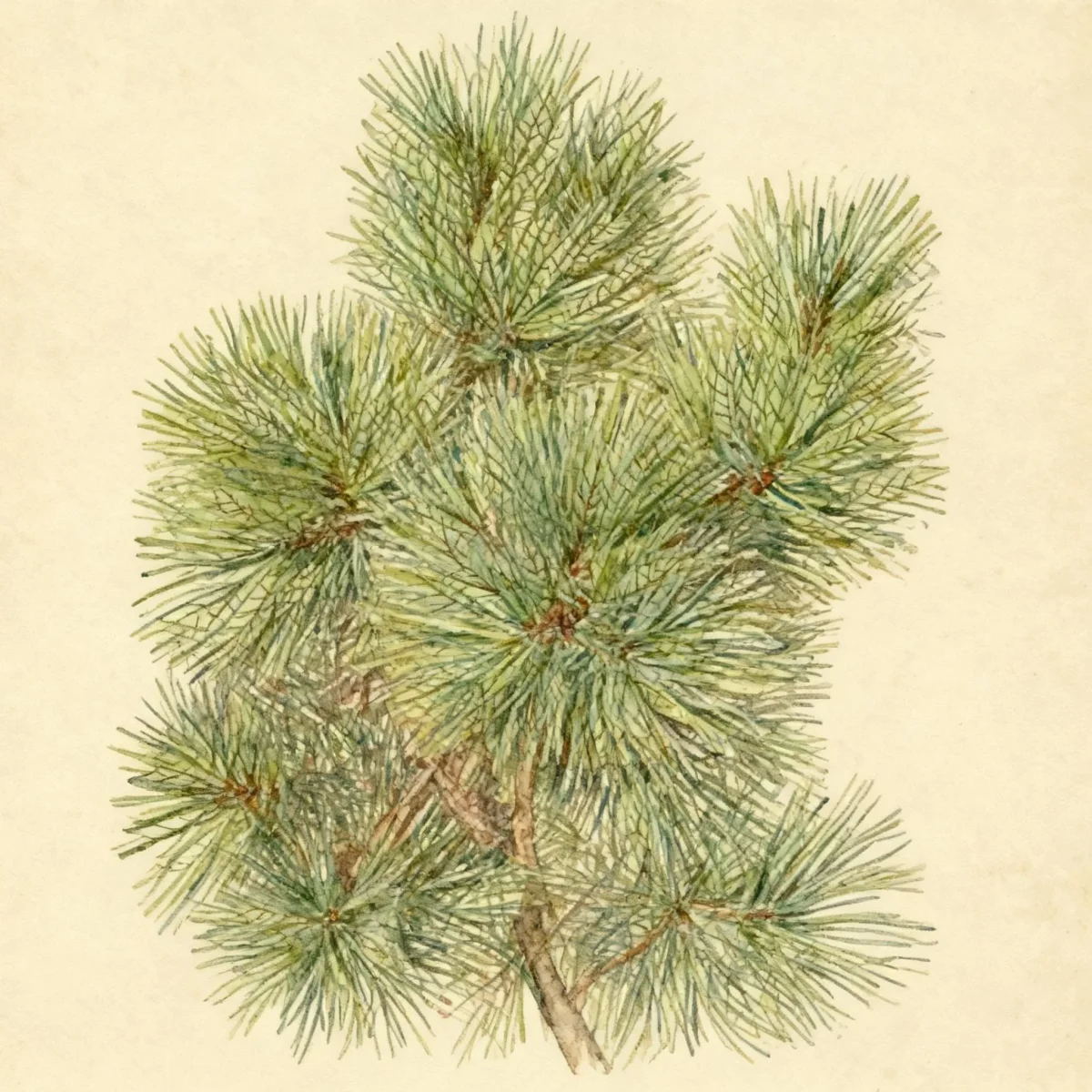
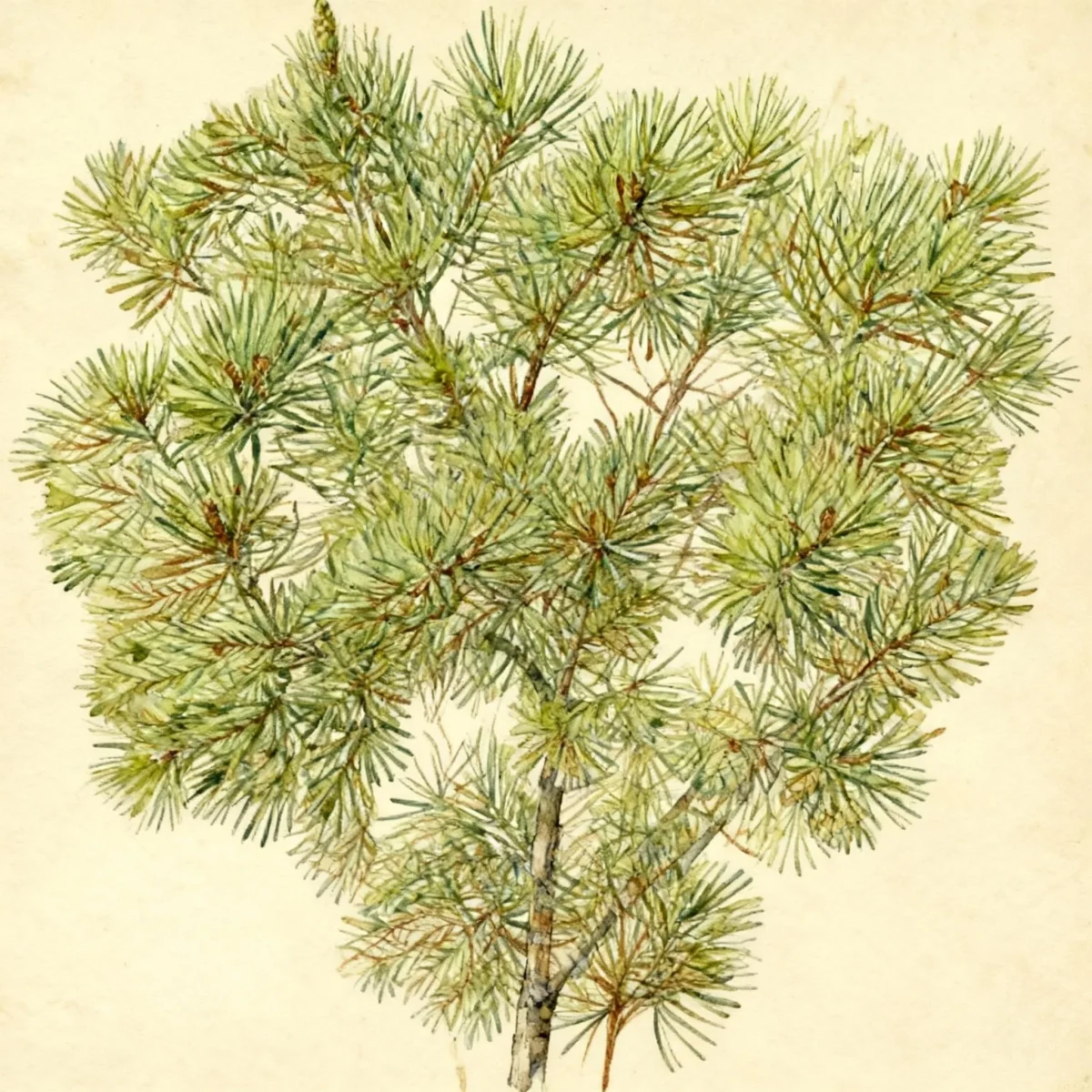
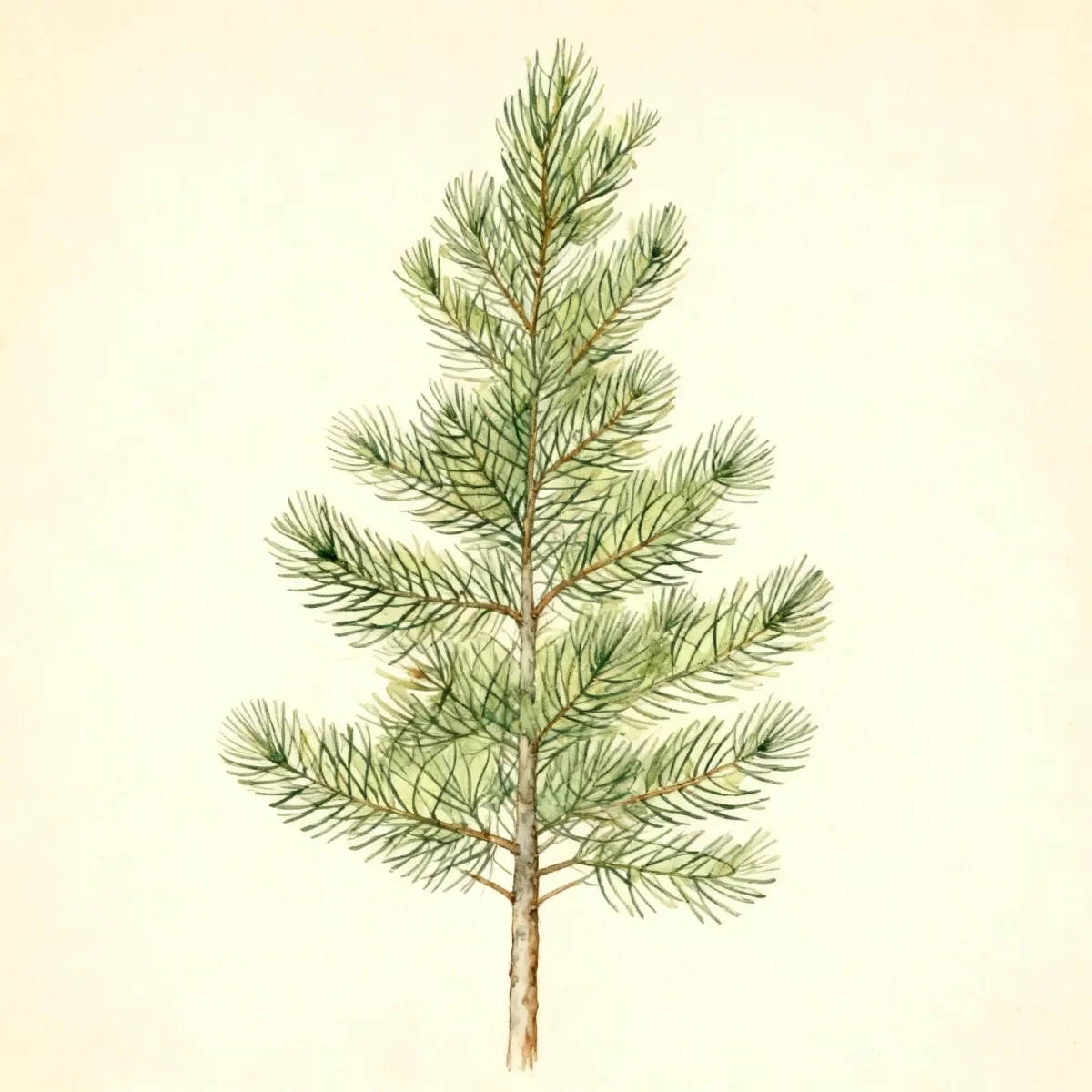
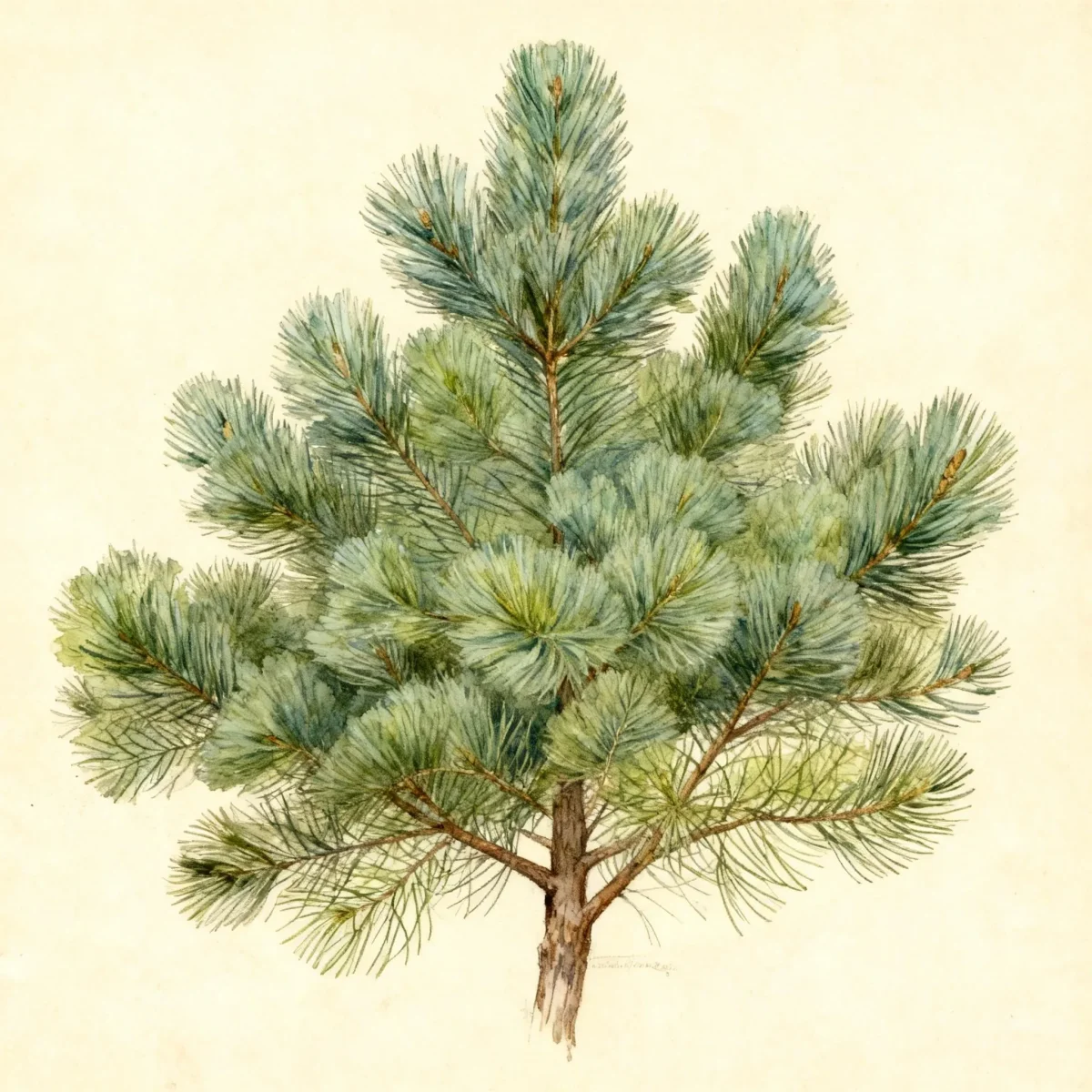
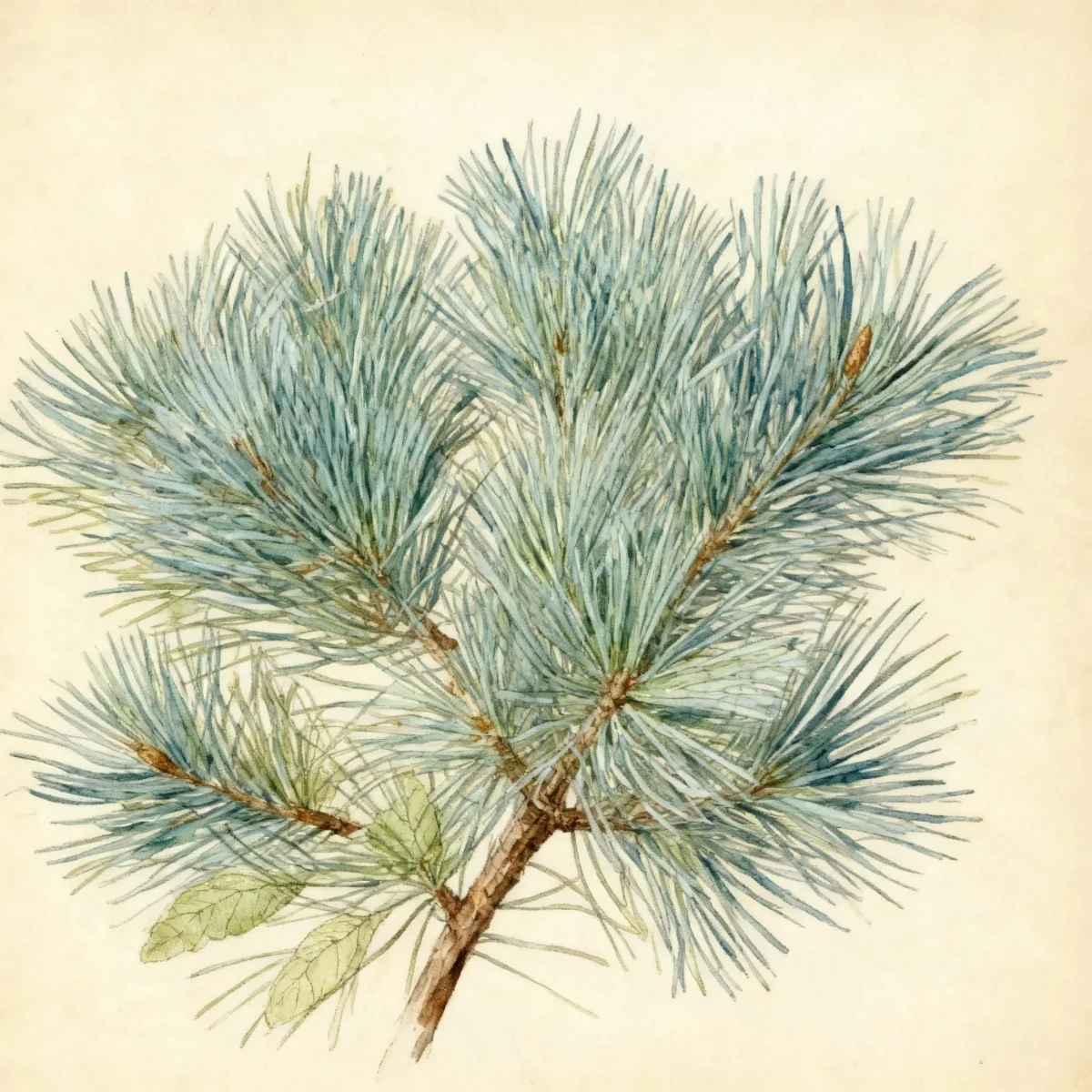
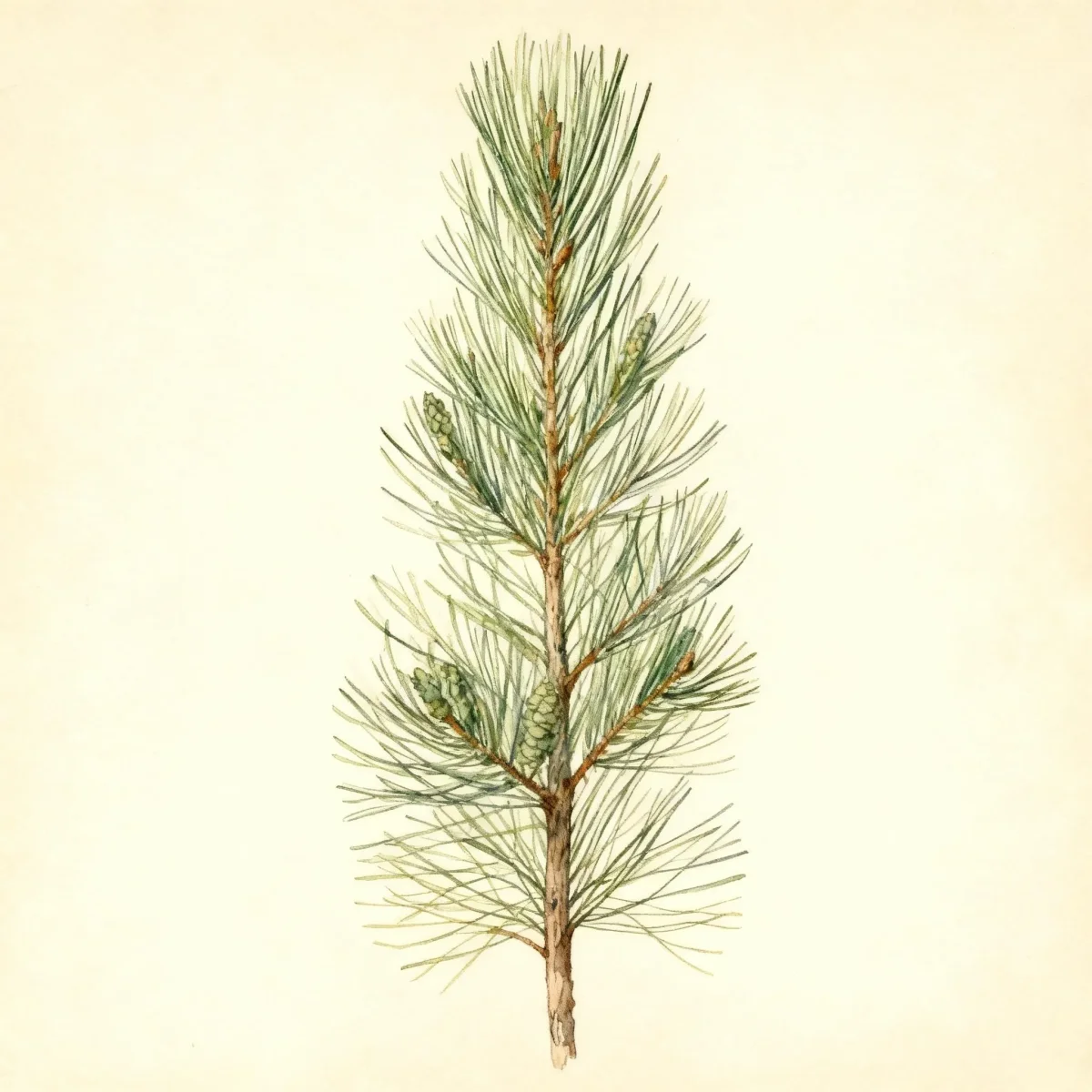
Eastern white pine (Pinus strobus 'Pendula')
Pinus strobus 'Pendula' is a weeping evergreen accent tree, reaching 6-15 ft, perfect for zones 3-8 where acidic soil and low maintenance are desired.
Scroll down to discover growing tips, care requirements, companion plants, and more
Complete Plant Information
Overview
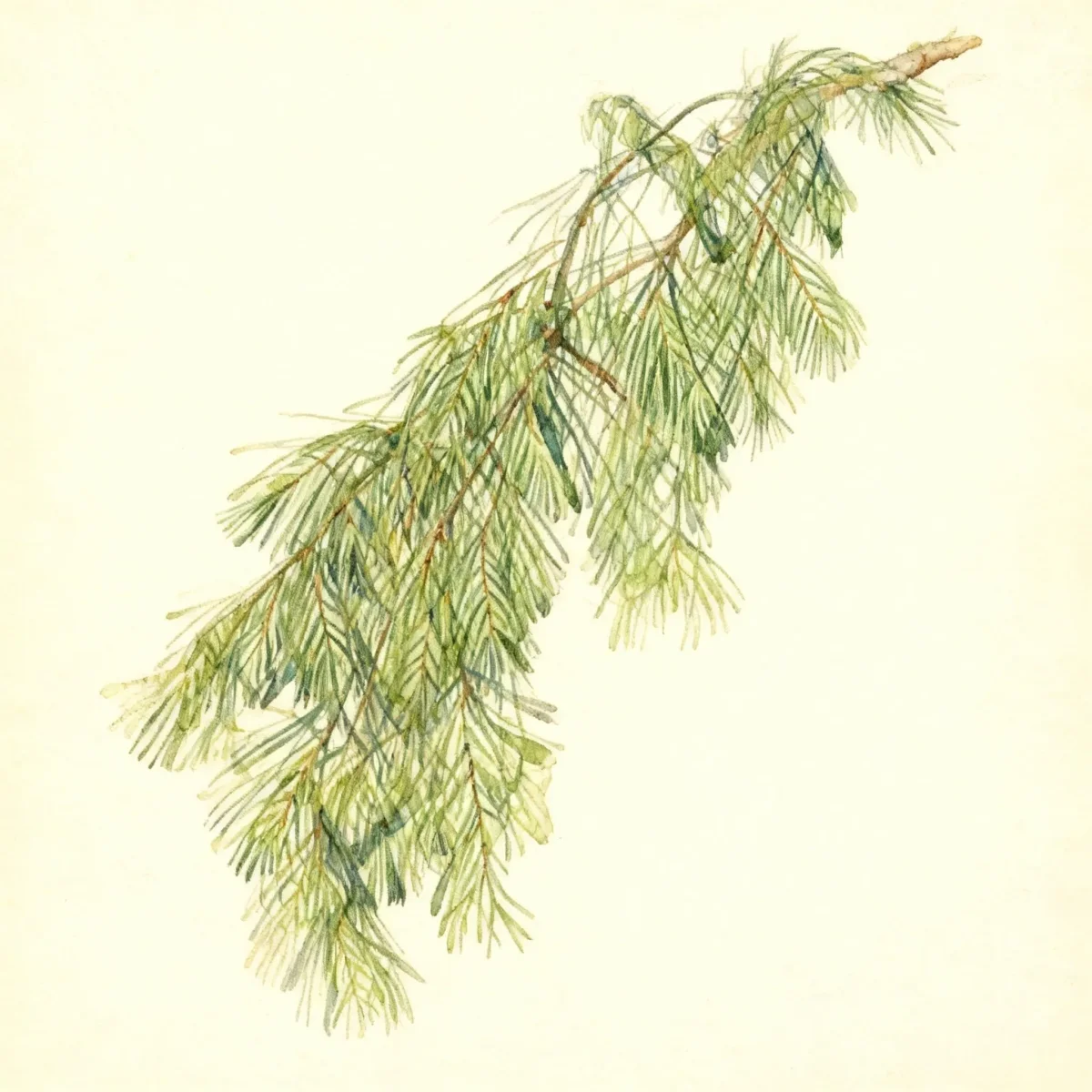
The striking Pinus strobus ‘Pendula’ offers a dramatic, weeping form that contrasts sharply with the upright habits of its cousins. As a cultivar of the magnificent Eastern white pine, it retains the soft, blue-green needles that make the species so beloved, but presents them in a unique, trailing layer ideal for accent planting. This semi-dwarf needled evergreen is highly valued for its architectural interest and relatively contained size compared to the giant species tree.
This cultivar maintains the low maintenance profile associated with Eastern white pine, provided its specific soil and climate needs are met. It thrives best in cool, humid locations where the soil is acidic and well-drained, making it an excellent specimen or garden accent where space is limited but drama is desired. Gardeners should appreciate the variable form of Pinus strobus ‘Pendula’, which encourages creative pruning and training across its spreading, pendulous branches.
Ornamentally, the soft texture and the way the needles of Pinus strobus ‘Pendula’ cascade downwards create year-round visual appeal. While the standard Eastern white pine is known for its towering stature, this cultivar offers exceptional structure and texture for a smaller garden vignette, demonstrating the versatility inherent in the species.
Fast Facts
- Plant Family: Pinaceae
- Plant Type: Needled evergreen
- Hardiness Zones: USDA Zones 3-8
- Size at Maturity:
- Height: 6-15 ft
- Spread: 10-20 ft
- Bloom Time: Non-flowering
- Sun Exposure: Full sun to part shade
- Water Needs: Medium
- Maintenance Level: Low
How to Grow
Planting Pinus strobus ‘Pendula’ should ideally occur in the spring or early fall, allowing the root system time to establish before extreme weather hits. Location selection is critical; ensure the site provides full sun to partial shade and, most importantly, fertile, well-drained soil that favors acidity. Avoid areas prone to waterlogging or where heavy clay restricts drainage, as the Eastern white pine root system is sensitive to poor aeration.
Ongoing care focuses heavily on maintaining soil moisture and structure rather than heavy feeding. Water mediumly, ensuring the soil remains consistently moist but never saturated, especially during dry periods in the first few establishment years. Fertilizer is rarely required if the soil is inherently fertile, though slow-release pinespecific feeds can be used sparingly in early spring if growth seems stunted.
Pruning on Pinus strobus ‘Pendula’ is primarily aesthetic, used to manipulate the classic weeping form. Prune only to shape or remove crossing limbs, usually during the dormant season. Remember that this tree is intolerant of compacted soils, alkaline pH, and significant exposure to air pollutants like ozone, so site carefully away from high-traffic or heavily polluted urban areas.
Landscape Uses
The unique, cascading silhouette of Pinus strobus ‘Pendula’ makes it an exceptional landscape specimen that draws the eye year-round. Due to its spreading, weeping habit, it functions wonderfully as a focal point near entryways or ponds where its texture can be fully appreciated against simpler architectural lines or green backdrops. It also excels as a garden accent, allowing low-growing perennials or groundcovers to spill beneath its draping branches.
When used as a screen, the Pinus strobus ‘Pendula’ will create a softer, more informal barrier than dense, upright specimens. Its spread is substantial relative to its modest height, providing excellent horizontal coverage. Because it is generally deer and rabbit resistant, it maintains its structure well in landscapes attractive to wildlife.
Consider planting lower-growing, acid-loving plants near the base, such as rhododendrons, azaleas, or specific varieties of ferns, ensuring the understory plants do not compete heavily for the medium moisture required by the pine. The contrast between the soft, sweeping needles of the Eastern white pine cultivar and the broad leaves of these companions offers rich texture.
Standout Features
Flower Qualities
- Insignificant
Noteworthy Characteristics
The cultivar ‘Pendula’ is distinguished by its dense, weeping branches that trail toward the ground, offering an immediate contrast to the species’ more upright form, typically reaching only 6 to 15 feet tall. Foliage remains a pleasing green to blue-green, comprised of soft needles held in bundles of five. This weeping Eastern white pine allows gardeners to incorporate the stately beauty of Pinus strobus into smaller settings where control over shape through light pruning is desired.
Tolerances
- Rabbit
- Deer
Potential Problems
Although generally appreciated for its low maintenance, the Eastern white pine framework, including Pinus strobus ‘Pendula’, is susceptible to several serious pests and diseases that demand vigilance. The most significant threat is White Pine Blister Rust, a deadly bark disease requiring species of Ribes (currants and gooseberries) as an alternate host; strictly avoid planting these hosts near pines.
Beyond rust, look out for cankers causing localized dieback. Insect pests commonly target the terminal buds; the White Pine Weevil targets new growth, leading to crooked stems if not managed early. Monitoring for scale, aphids, and the Zimmerman moth larvae is also necessary, especially in warmer portions of its range or when the tree is under stress.
Companion Planting
The cultural needs of Pinus strobus ‘Pendula’ guide successful companion planting choices. Since this tree demands acidic soil (pH below 7.0) and medium moisture, pair it with other acid-loving landscape staples. Consider planting it alongside native woodland companions that thrive in similar conditions, such as various species of Rhododendron, Azalea, and Kalmia (Mountain Laurel), though be sure to space these shrubs adequately to allow air circulation around the pine’s branches.
Seasonal Care Calendar
Spring is the crucial time for inspecting your Pinus strobus ‘Pendula’ for signs of insect activity, especially the weevil targeting emerging terminal buds referred to as the candle stage. Apply dormant oils or targeted treatments if pest history warrants it, and consider a light spring feeding if soil fertility is questionable. Summer care is primarily focused on consistent watering during dry spells to maintain medium soil moisture without waterlogging.
Autumn serves as the best time for structural pruning, though heavy shaping is discouraged; remove any dead or interior branches to improve airflow, which indirectly helps mitigate fungal issues. In winter, protect young specimens from heavy snow or ice accumulation by gently brushing off excessive weight; avoid shaking or aggressively pruning frozen branches, as the wood can be brittle.
Conclusion
The Pinus strobus ‘Pendula’ brings dramatic weeping structure and the pleasant texture of the Eastern white pine into manageable dimensions for most gardens. Its low maintenance needs and strong evergreen presence ensure year-round interest, provided gardeners respect its preference for acidic, well-drained soil. Before planting this stunning cultivar, confirm that your growing zone (3-8) and site conditions align with its specific cultural requirements.