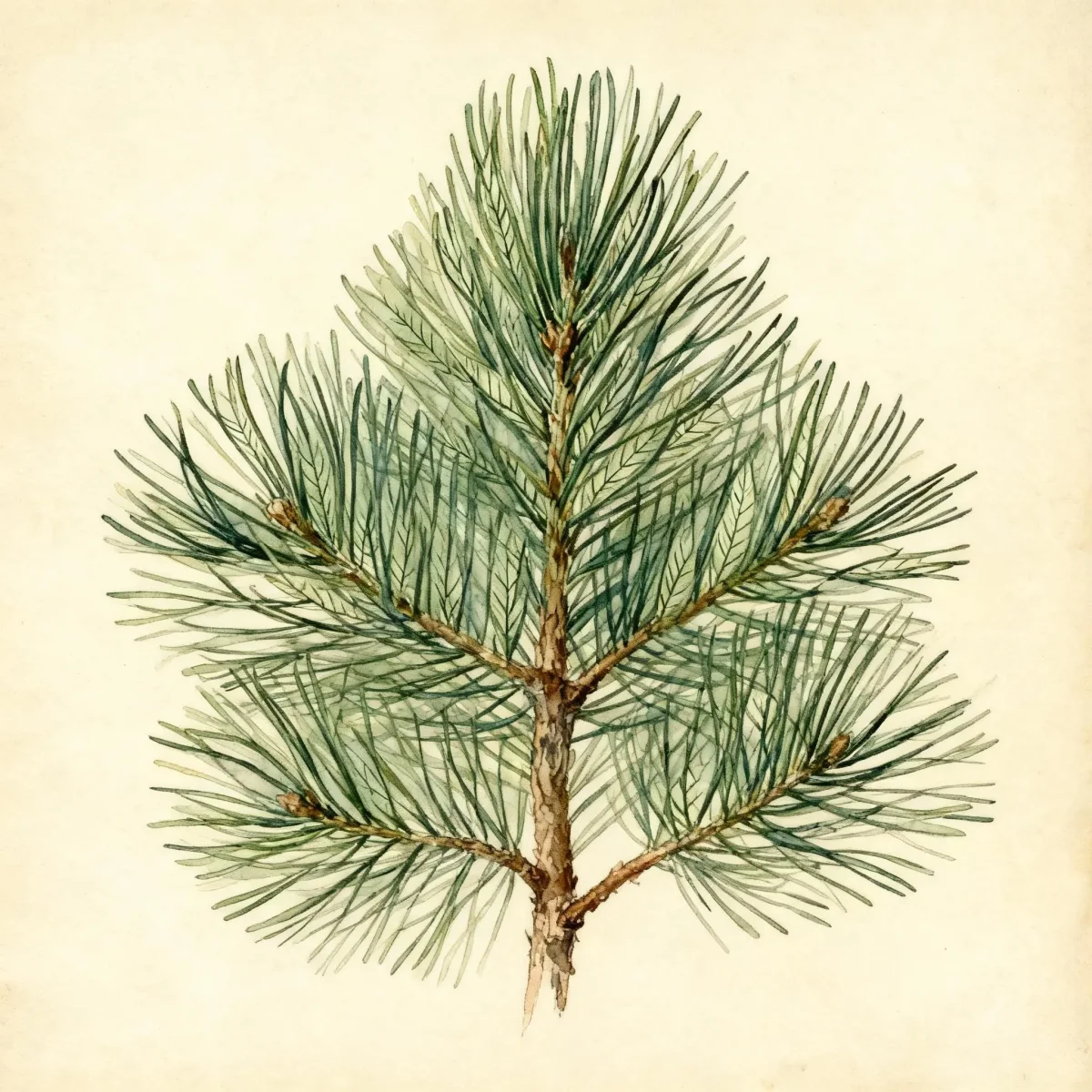
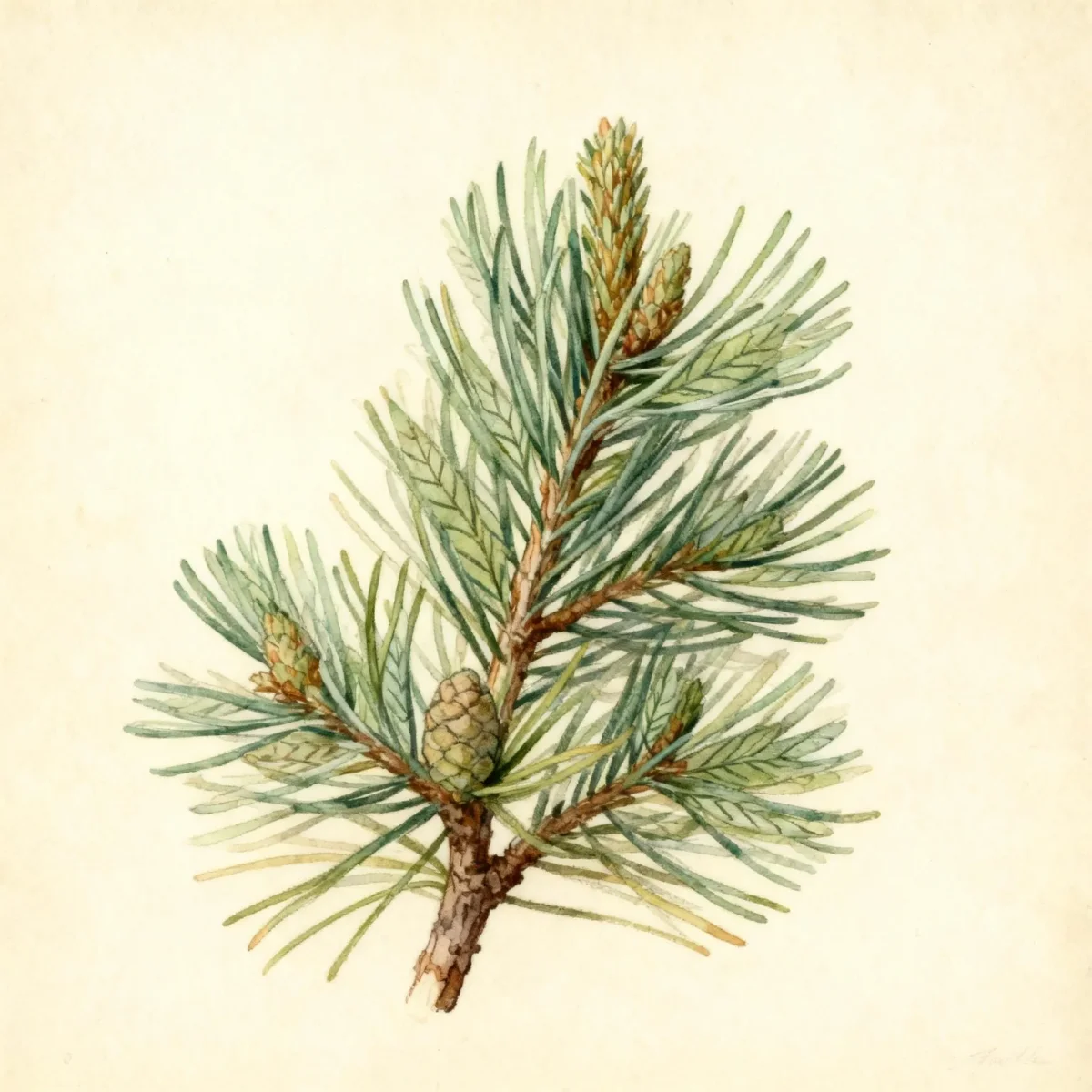
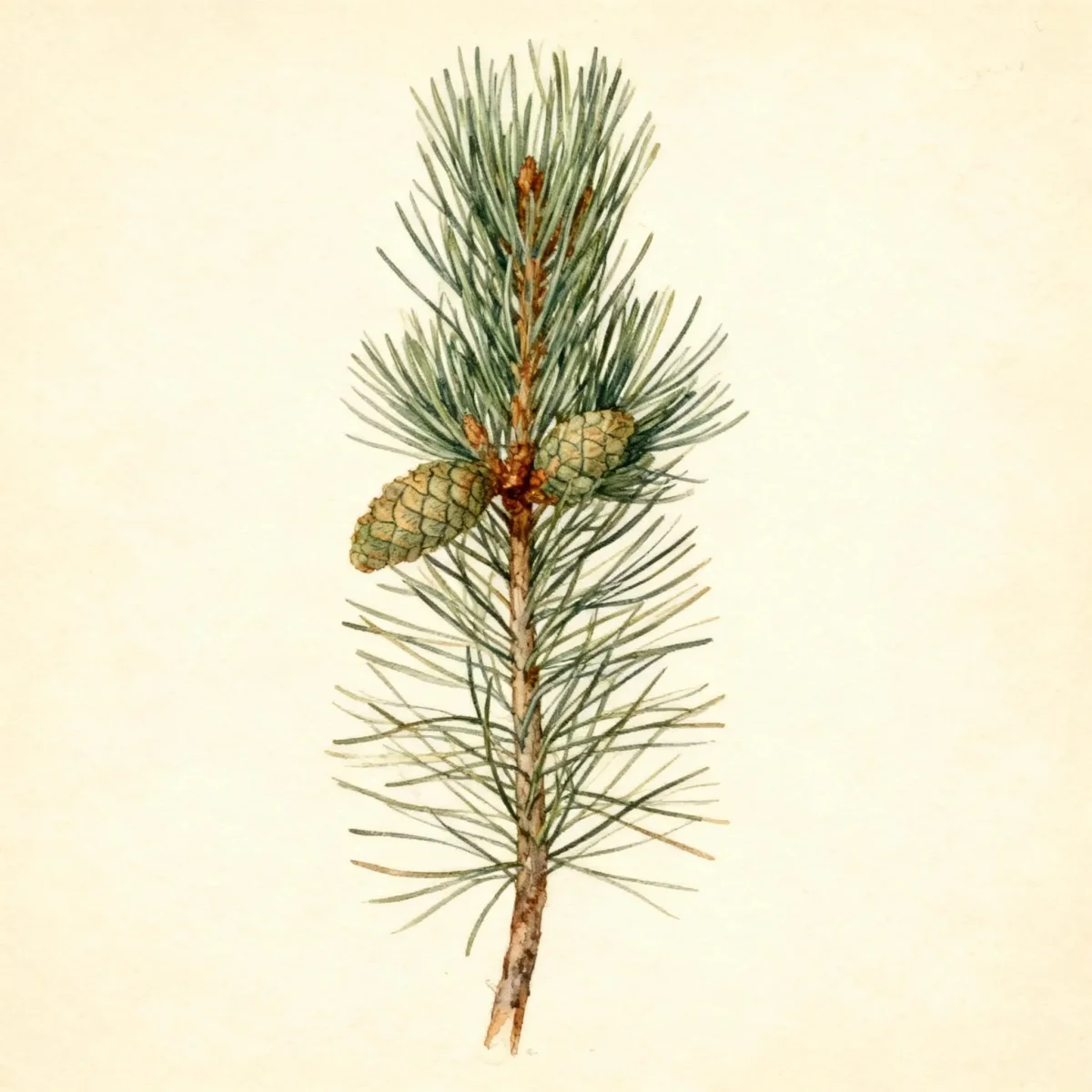
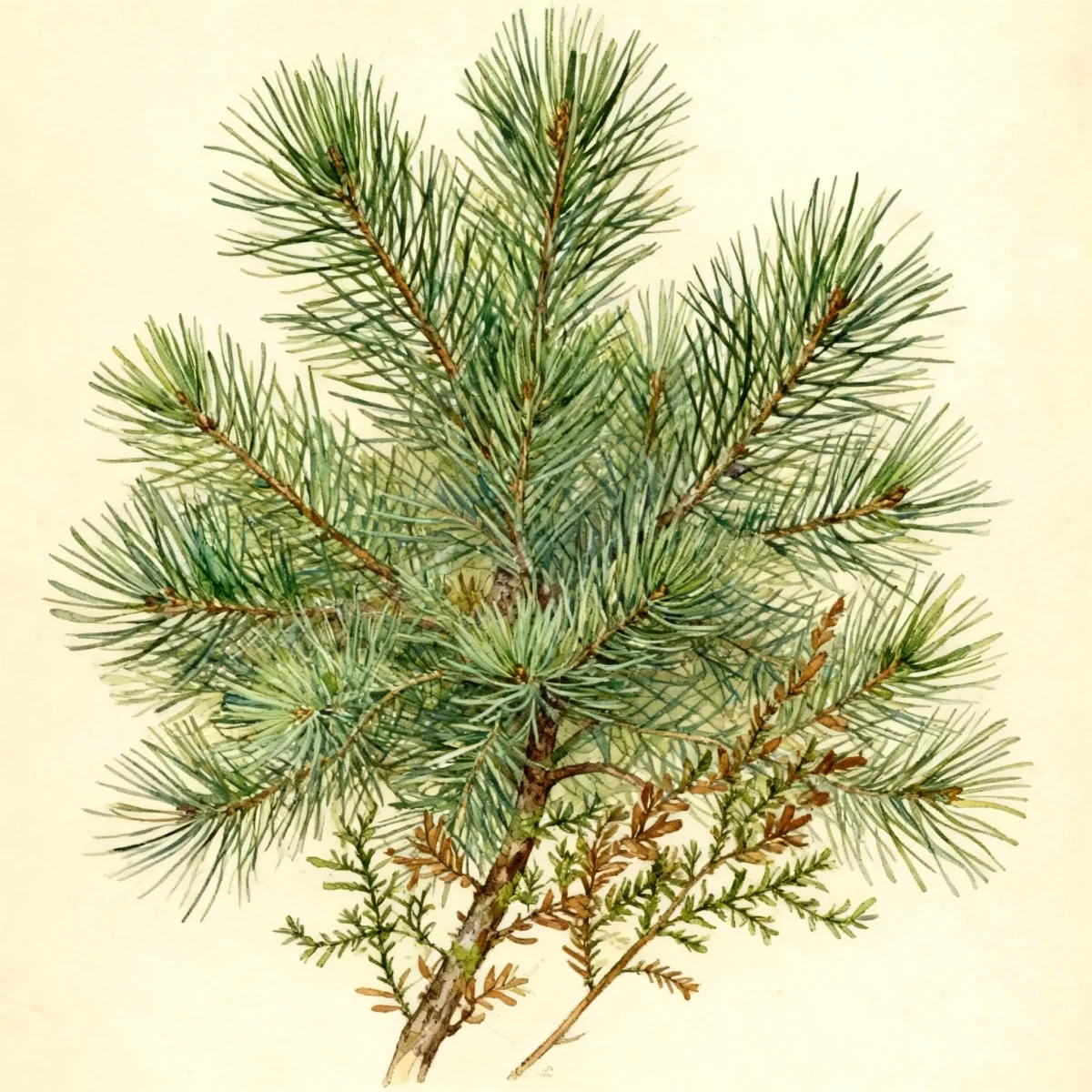
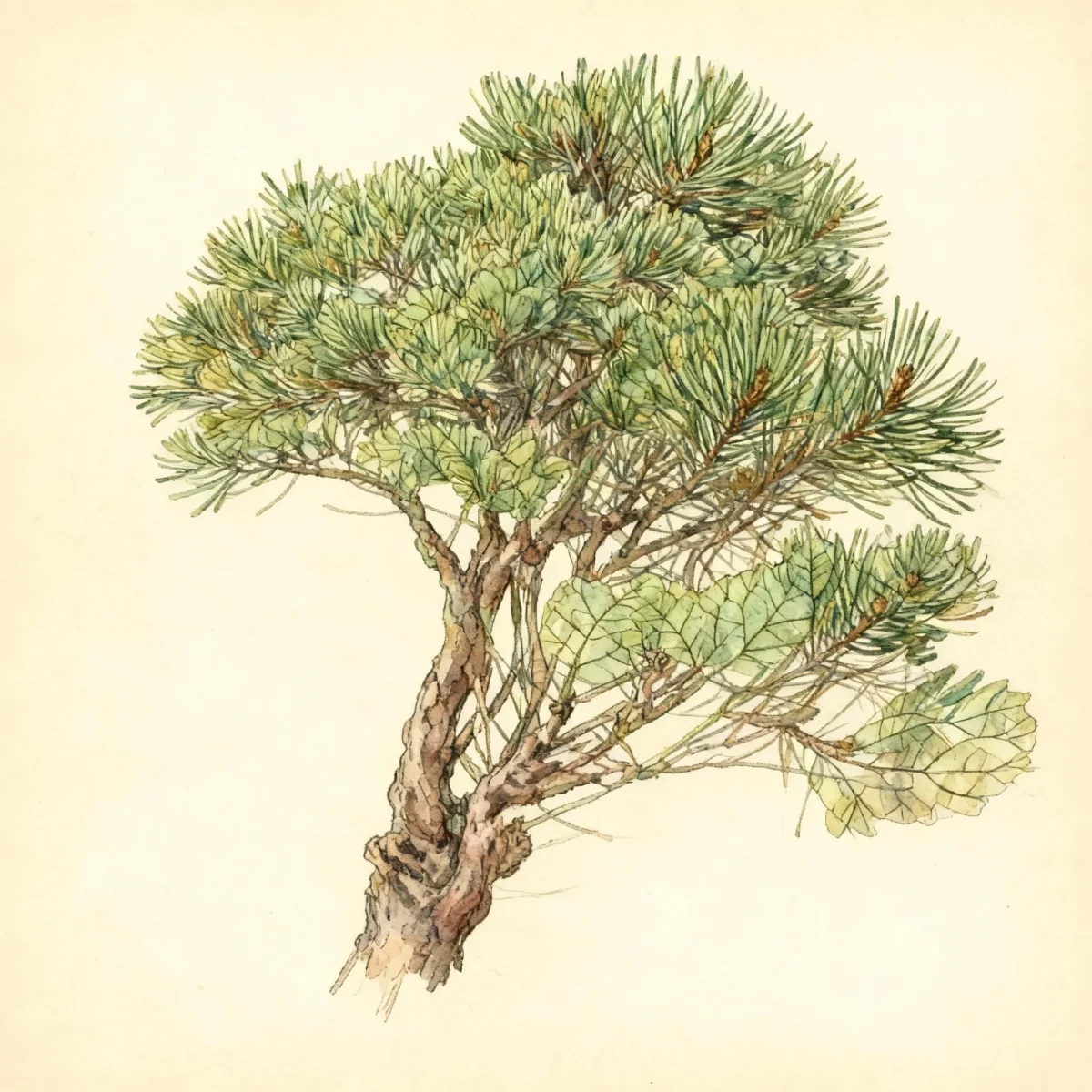
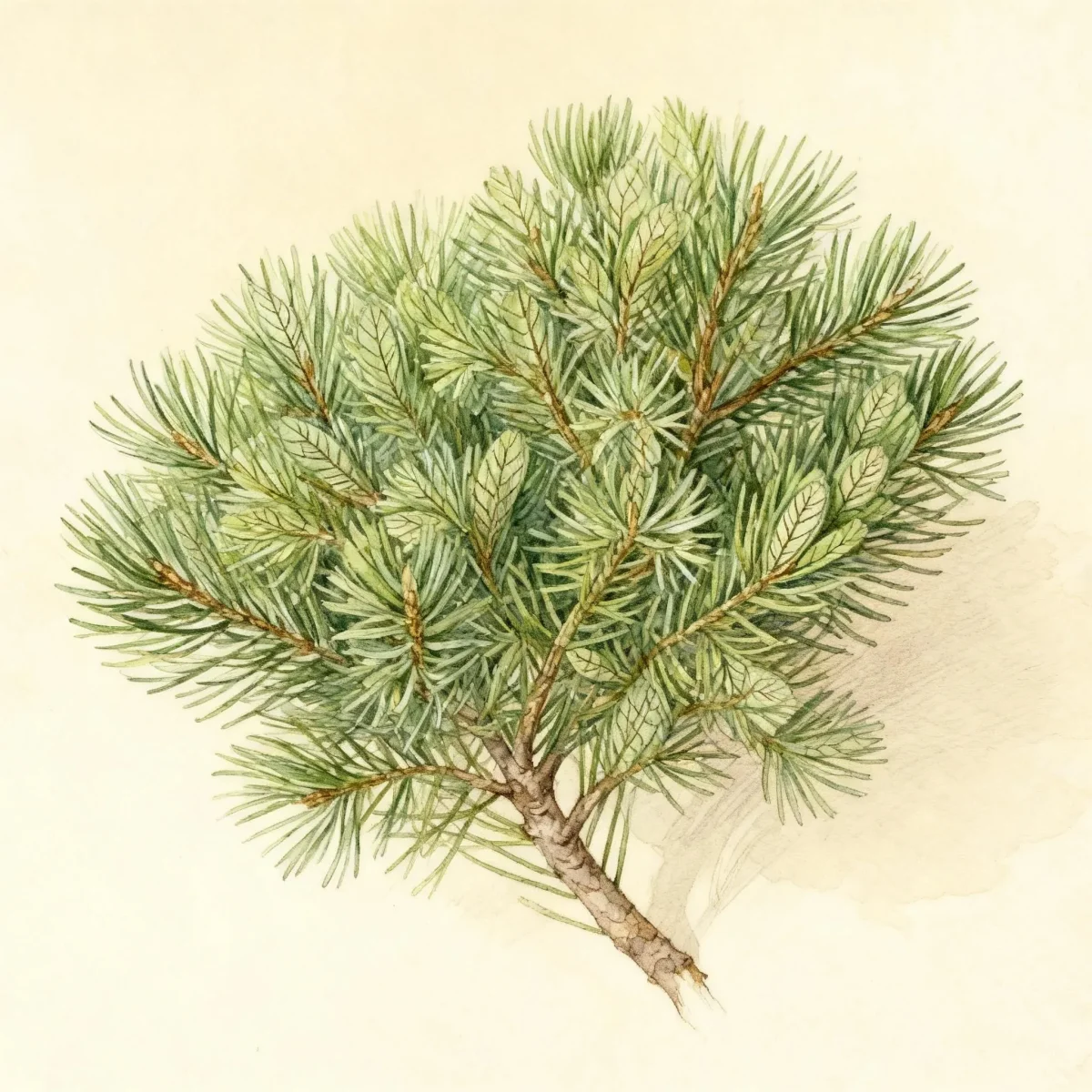
Scotch pine (Pinus sylvestris 'Albyn Prostrata')
Pinus sylvestris 'Albyn Prostrata' is a low-growing, prostrate Scotch pine ideal for ground cover in full sun, Zones 3-7.
Scroll down to discover growing tips, care requirements, companion plants, and more
Complete Plant Information
Overview
Pinus sylvestris ‘Albyn Prostrata’ offers a unique, spreading habit rarely seen in true pines, making it an essential choice where horizontal ground cover is needed. This cultivar of the familiar Scotch pine retains the excellent texture and needle color characteristic of the species but dramatically alters the growth habit. It forms a dense, low mat rarely exceeding one foot tall but spreading vigorously outwards up to six feet wide.
As a needled evergreen, this plant provides year-round structure and interest, contrasting beautifully with seasonal perennials. Its discovery in Ohio yielded this exceptional, slow-spreading specimen, which thrives best when planted in full sun locations, mirroring the light demands of larger Scots pine varieties. Gardeners seeking tough, low-maintenance texture will find Pinus sylvestris ‘Albyn Prostrata’ a reliable, architectural addition.
Fast Facts
- Plant Family: Pinaceae
- Plant Type: Needled evergreen
- Hardiness Zones: USDA Zones 3-7
- Size at Maturity:
- Height: 5-1 ft
- Spread: 3-6 ft
- Bloom Time: Non-flowering
- Bloom Description: Non-flowering
- Sun Exposure: Full sun
- Water Needs: Medium
- Maintenance Level: Low
How to Grow
The best time for planting Pinus sylvestris ‘Albyn Prostrata’ is typically in spring or early fall when temperatures are moderate, allowing the root system to establish before seasonal extremes. Ensure the chosen location provides full sun exposure. This prostrate form, like the standard Scotch pine, is adaptable but performs optimally in moist, acidic, and consistently well-drained soils. While tolerant of poorer soil conditions, excellent drainage is non-negotiable to prevent root issues.
Water needs are classified as medium; establish a consistent watering schedule during the first growing season. Once established, this evergreen requires less supplemental water unless experiencing severe drought, thanks to the deep roots common to pines. Fertilization is rarely necessary, especially if the soil structure is adequate; avoid over-fertilizing, which can promote weak growth. Minimal pruning is required for the ‘Albyn Prostrata’ cultivar, as its natural prostrate shape is desirable.
Be aware that robust Scots pine varieties generally prefer cooler summer climates. Pinus sylvestris ‘Albyn Prostrata’ may struggle when exposed to intense, prolonged heat and high humidity, particularly in the deep South. However, it shows good tolerance for urban stresses, including some air pollution, provided the core requirements of sun and drainage are met.
Landscape Uses
The primary role of Pinus sylvestris ‘Albyn Prostrata’ is that of an exceptionally tough ground cover. Its dense, spreading habit makes it ideal for blanketing sunny slopes where turf grass struggles or needs minimal mowing. It functions perfectly along sunny borders, softening the edges of pathways or hardscaping elements where a low, permanent green texture is desired.
This cultivar is excellent for naturalizing areas across the landscape, creating a textured carpet effect that requires little intervention once established. Unlike many common ground covers, its evergreen nature ensures the area retains visual interest throughout the winter months. Consider using Pinus sylvestris ‘Albyn Prostrata’ in rock gardens or large, open expanses needing low-profile screening.
Standout Features
Noteworthy Characteristics
Pinus sylvestris, commonly called Scots pine, is known for its distinctive flaking orange/red-brown bark, especially on mature trunks. The standard species usually grows tall and columnar, featuring twisted, blue-green needles in bundles of two. The cultivar ‘Albyn Prostrata’, however, presents a fascinating contrast, growing only about 1 ft tall but spreading to cover an area up to 6 ft wide, blanketed with thick, glossy, blue-green needles up to 2 inches long. This prostrate form retains the hardy vigor of the wider Scotch pine family but provides critical horizontal interest.
Tolerances
- Deer
Potential Problems
Scots pine and its cultivars, including Pinus sylvestris ‘Albyn Prostrata’, face challenges in regions with hot, humid summers, potentially leading to struggles with general vigor. A major concern across many landscapes is Sphaeropsis (Diplodia) tip blight, which manifests as dying needles at the tips of branches and is exacerbated by wet spring conditions. Gardeners must also remain vigilant for the pine wilt nematode, a serious and often fatal condition spread by bark beetles. Regular monitoring for sap-sucking insects like sawflies, various moths, and scale pests is recommended for maintaining the health of your Scotch pine ground cover.
Frequently Asked Questions
What hardiness zones is Scotch pine suitable for?
Pinus sylvestris ‘Albyn Prostrata’ is typically suitable for USDA Zones 3 through 7, indicating good cold hardiness.
How large does Pinus sylvestris ‘Albyn Prostrata’ grow?
This cultivar achieves a very low height, often only 1 foot tall, but it spreads horizontally to cover an area between 3 to 6 feet wide.
What sun exposure does the Scotch pine cultivar need?
This conifer requires full sun exposure to maintain compact growth and good needle density.
When does Pinus sylvestris ‘Albyn Prostrata’ bloom?
As a conifer, this is a non-flowering plant; it produces cones rather than traditional flowers.
Conclusion
The Pinus sylvestris ‘Albyn Prostrata’ is invaluable for gardeners needing a tough, low-maintenance, evergreen ground cover that can handle sun and poor soils. Its spreading habit provides unique textural contrast compared to upright pines, making it a focal point in rock gardens or along sunny slopes. Before planting, ensure your site falls within USDA Zones 3-7 and offers full sun and excellent drainage to guarantee the long-term success of this dynamic Scotch pine cultivar.
Companion Planting
When selecting companions for Pinus sylvestris ‘Albyn Prostrata’, prioritize plants that share its tolerance for full sun and well-drained soil. Consider juxtaposing the evergreen texture with seasonal bloomers like ornamental grasses or low-growing Sedums that thrive in similar dry, sunny conditions. Avoid planting moisture-loving perennials directly beneath the pine, as the competing root system and moderate water needs of the Scotch pine ground cover will not support thirsty neighbors.
Design Ideas
Utilize the cascading, dense coverage of Pinus sylvestris ‘Albyn Prostrata’ to direct the eye across a large, sunny landscape bed. Its low stature makes it an excellent front-of-border plant where taller shrubs might obscure views. In modern or xeriscape designs, its blue-green foliage offers year-round color stability, acting as a sturdy green foundation upon which more delicate perennials can be layered for seasonal pops of color.