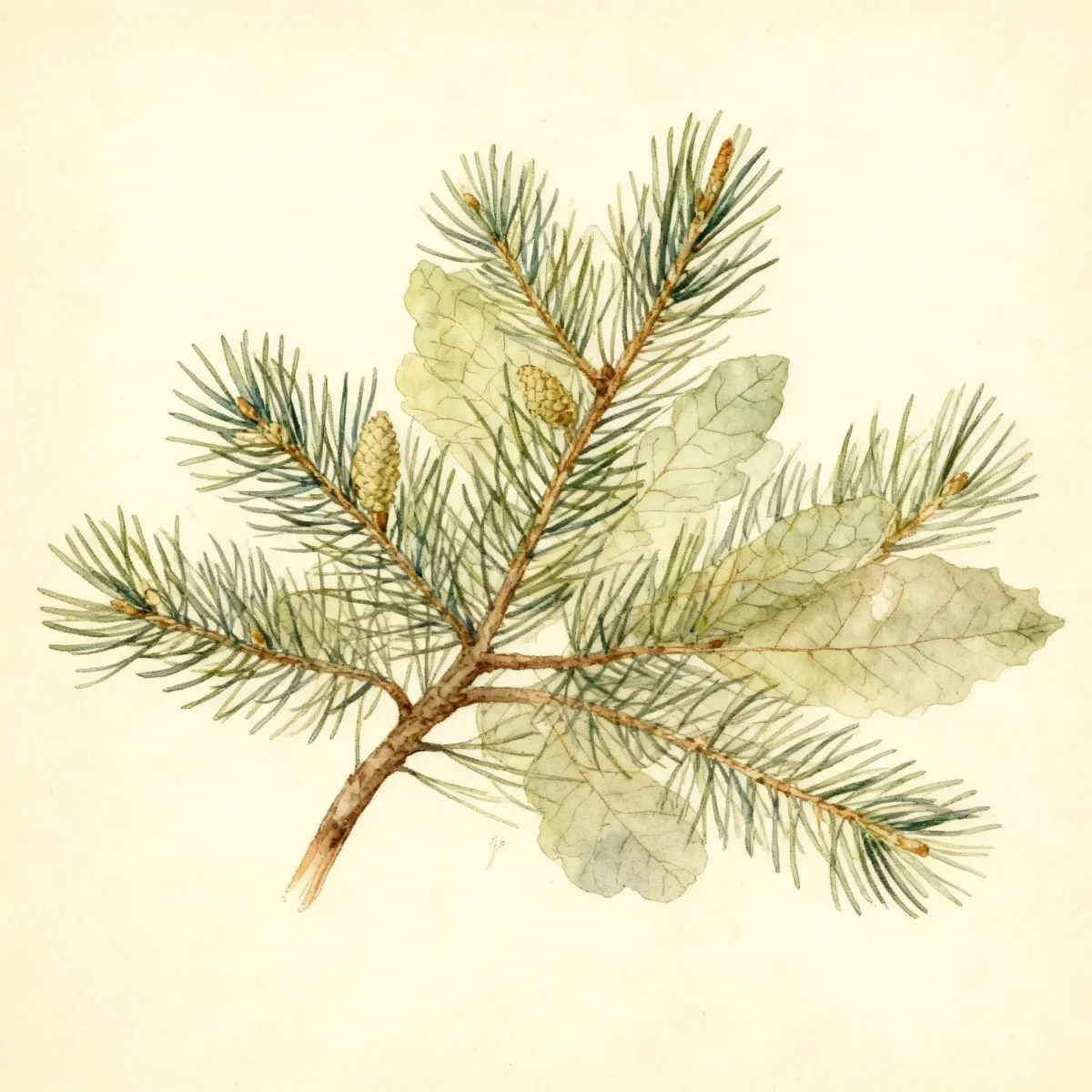
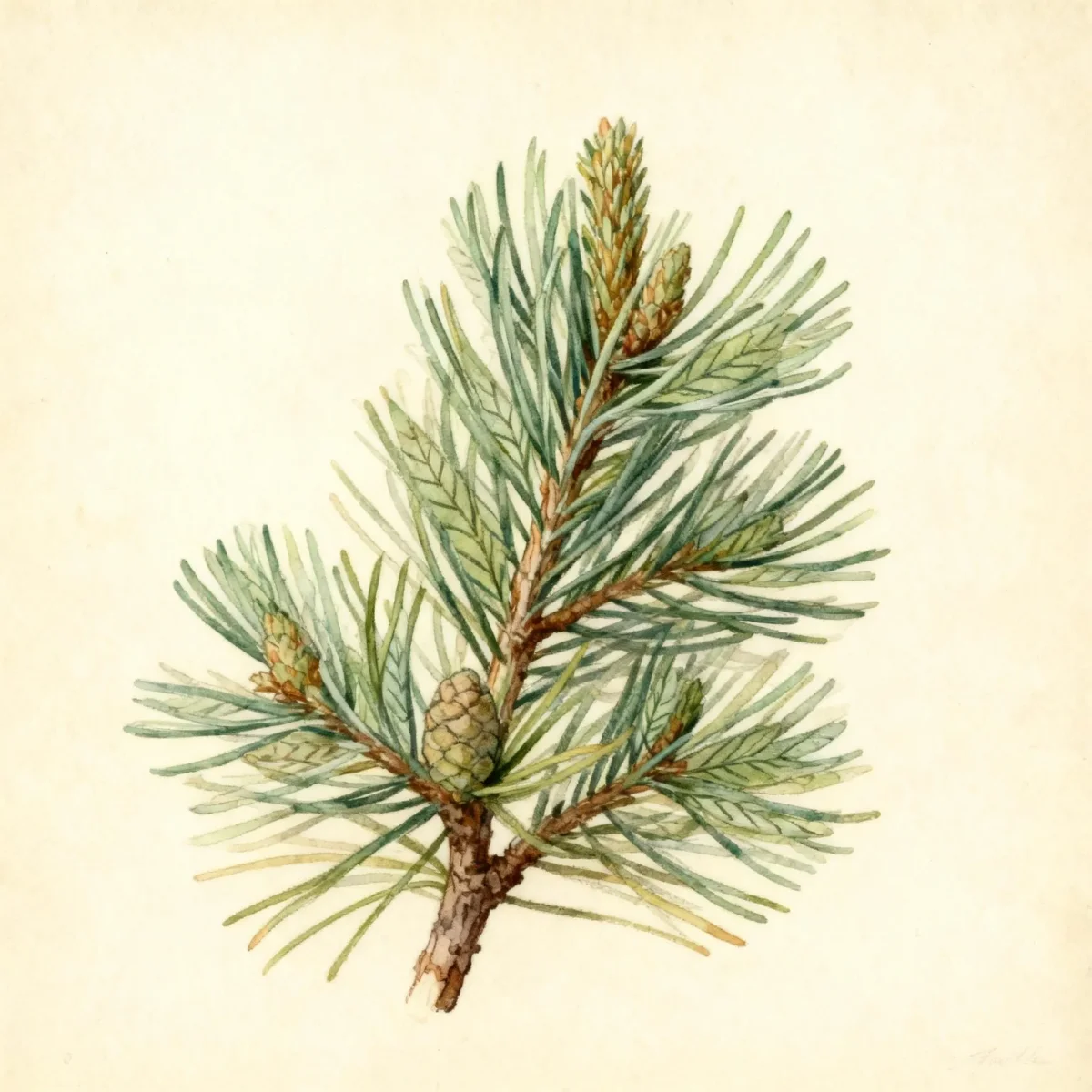
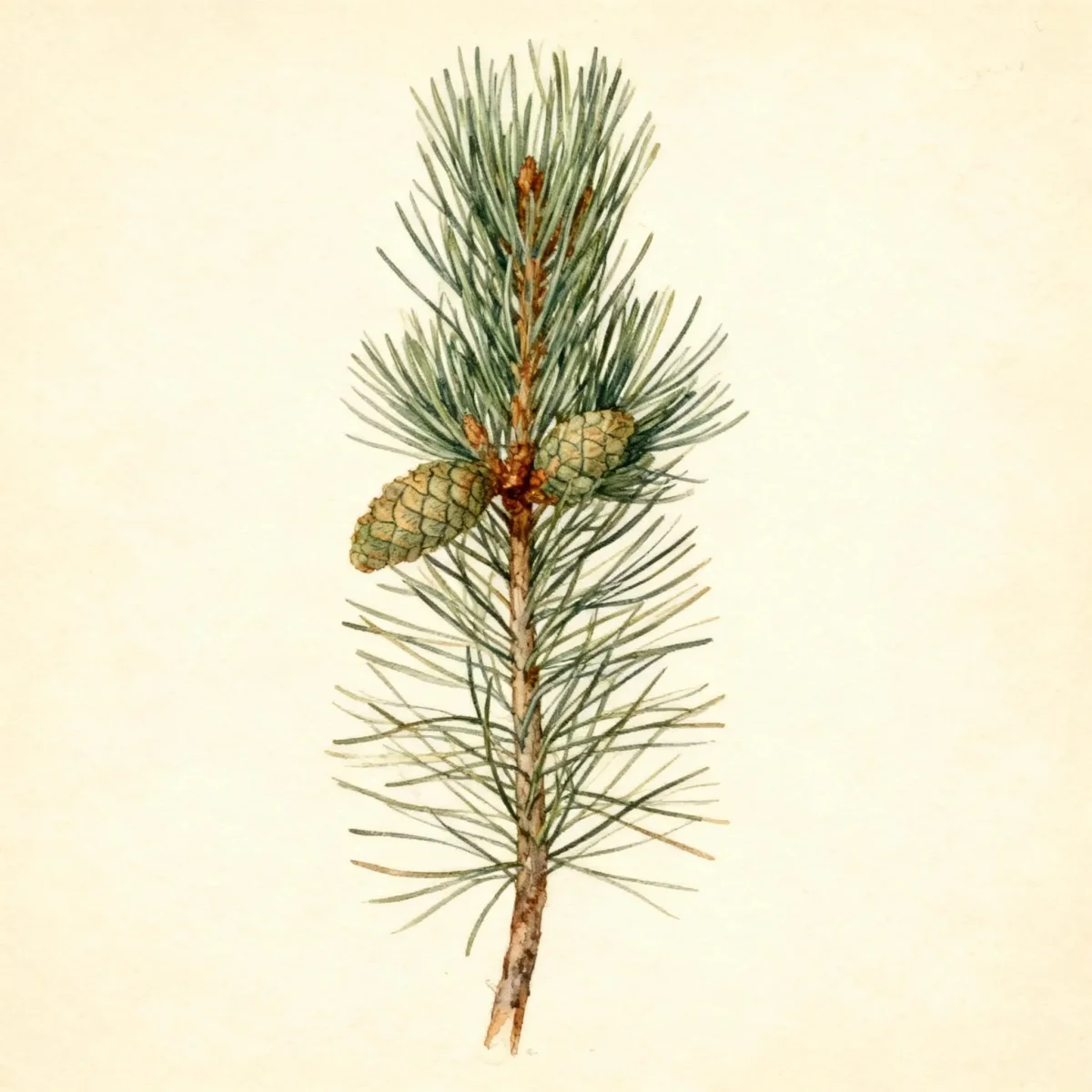
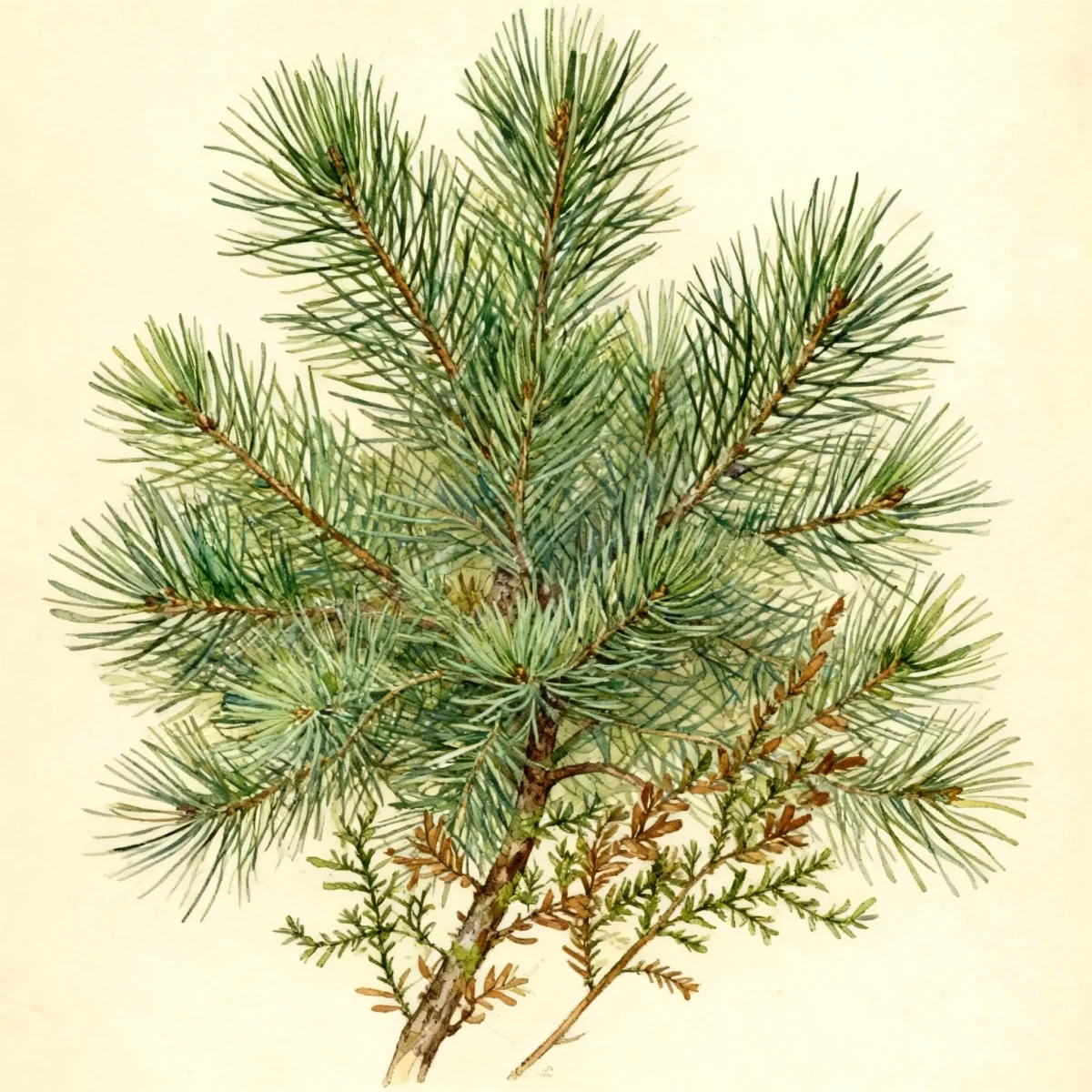
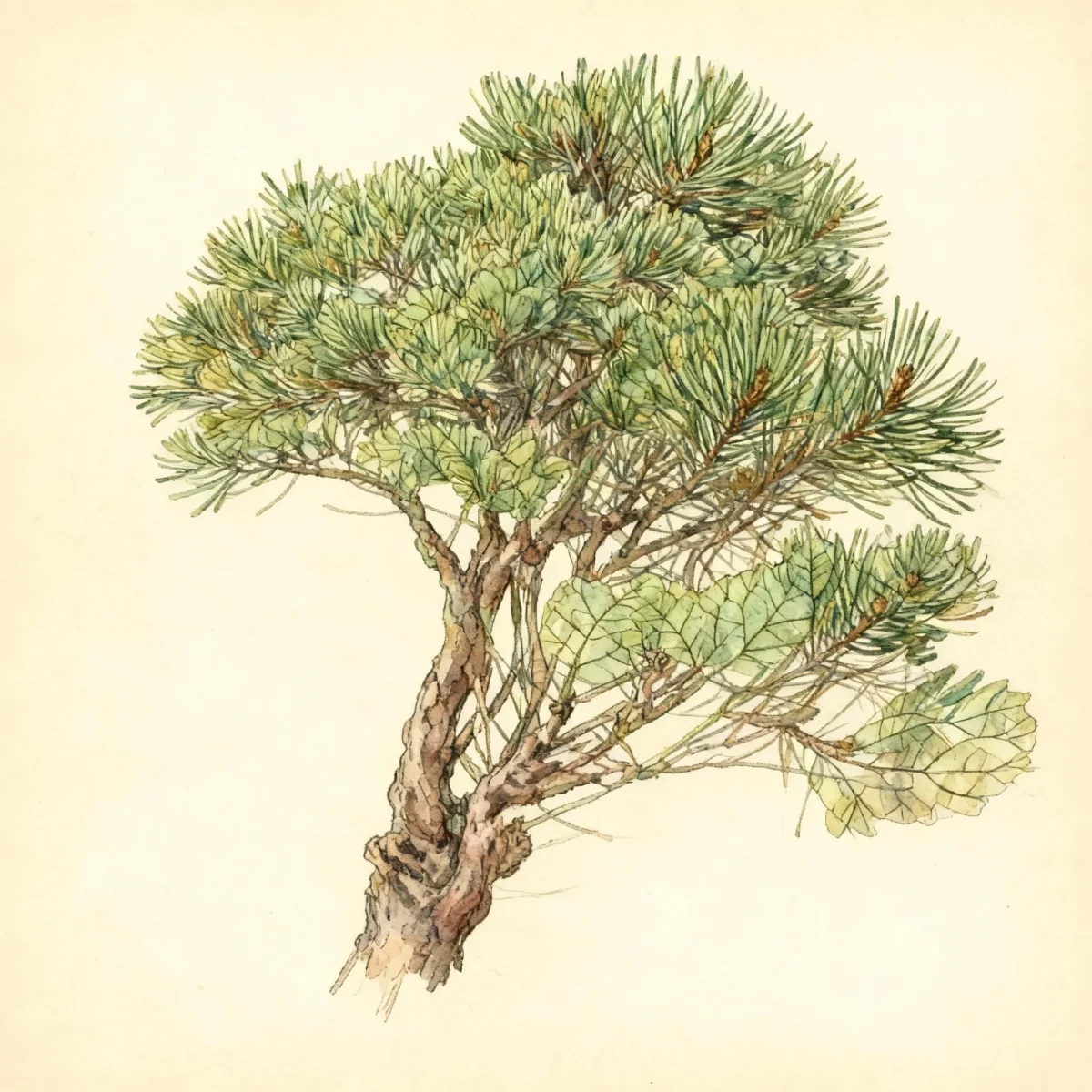
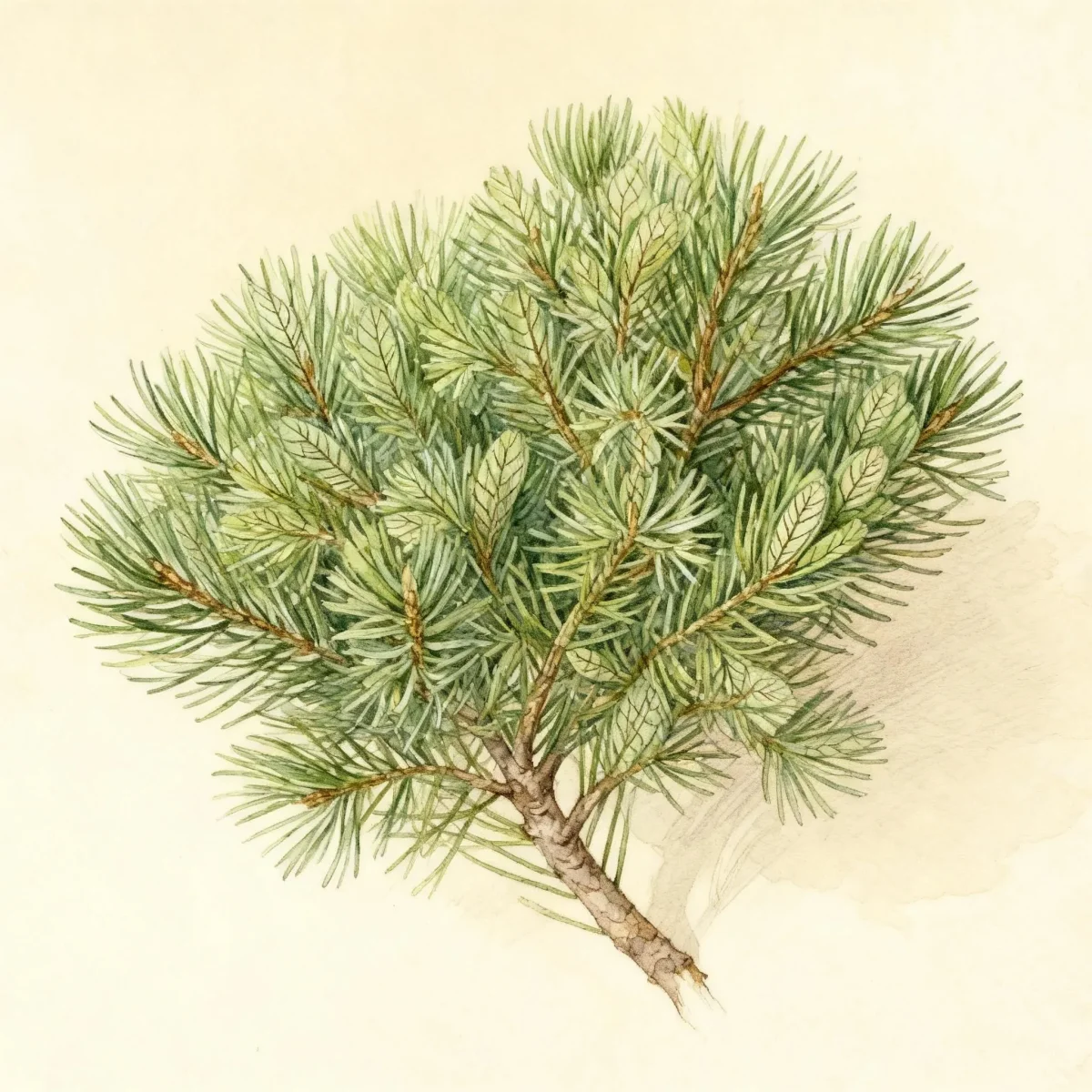
Scotch pine (Pinus sylvestris 'Beuvronensis')
Pinus sylvestris 'Beuvronensis' is a dwarf, slow-growing Scotch pine perfect for rock gardens. Hardy in Zones 3-7 with low maintenance.
Scroll down to discover growing tips, care requirements, companion plants, and more
Complete Plant Information
Overview
Pinus sylvestris ‘Beuvronensis’, a cultivar of the widely known Scotch pine, offers a compact and manageable alternative for landscape designs where space is limited. This dwarf needled evergreen is prized for maintaining the rugged texture and distinctive bark character of its larger relative in a much smaller footprint. Gardeners appreciate the slow growth habit of Pinus sylvestris ‘Beuvronensis’ for its predictable size, making it a reliable structural element.
This cultivar forms a bushy, dome-shaped silhouette, offering year-round green interest with its short, blue-green needles. While the standard Scots pine can become massive, this dwarf form typically reaches only 2 to 4 feet tall and wide, fitting perfectly into foundation plantings or rock gardens. Its adaptability and low maintenance requirements make the Scotch pine a durable choice for many garden settings.
The charm of Pinus sylvestris ‘Beuvronensis’ lies in its ability to provide strong texture and form without demanding constant attention or excessive pruning. It handles lean soils well, provided drainage is excellent, reinforcing its value as a robust, architectural accent plant suitable for rock gardens and borders.
Fast Facts
- Plant Family: Pinaceae
- Plant Type: Needled evergreen
- Hardiness Zones: USDA Zones 3-7
- Size at Maturity:
- Height: 2-4 ft
- Spread: 2-4 ft
- Bloom Time: Non-flowering
- Bloom Description: Non-flowering
- Sun Exposure: Full sun
- Water Needs: Medium
- Maintenance Level: Low
How to Grow
To ensure the success of your Pinus sylvestris ‘Beuvronensis’, focus on providing excellent drainage from the start. These pines must be planted in moist, acidic, well-drained soils. While tolerant of poor soils, excellent drainage is non-negotiable for root health. If your soil is heavy clay, amend the area significantly or consider planting on a slight mound to encourage water runoff.
Planting is best done during cooler seasons—spring or fall—to minimize transplant shock, allowing the roots to establish before summer heat or winter cold arrives. Once established, the Scotch pine requires medium watering; aim for consistent moisture but never waterlogged conditions. Avoid heavy fertilization, as this can encourage faster, weaker growth, especially detrimental to a dwarf form like Pinus sylvestris ‘Beuvronensis’.
This cultivar thrives where summers are relatively cool. Plants generally dislike the intense heat and humidity found in the deeper South, though they are surprisingly tolerant of urban environmental stresses. Pruning is rarely required due to its naturally compact, bushy habit, keeping maintenance exceptionally low.
Landscape Uses
The diminutive size of the Pinus sylvestris ‘Beuvronensis’ makes it an excellent choice for detailed landscape work where larger conifers would overwhelm the space. Its spreading, dome shape is ideal for softening the edges of stone pathways or serving as an anchor plant in a carefully curated rock garden design. This dwarf Scotch pine excels in limited spaces.
Consider using this cultivar near foundations or entrances where year-round structure is desired but height restrictions are necessary. Its relatively slow growth complements other slow-growing alpines or low-mounding groundcovers that appreciate similar sun conditions and sharp drainage. The contrasting texture of its short, blue-green needles will stand out clearly against lighter-colored gravel or stones.
For advanced gardeners, Pinus sylvestris ‘Beuvronensis’ is a spectacular candidate for bonsai culture. Its natural resistance to pruning and naturally dense form lends itself well to shaping over many years, preserving the mature look of a rugged pine in a miniature presentation.
Standout Features
Noteworthy Characteristics
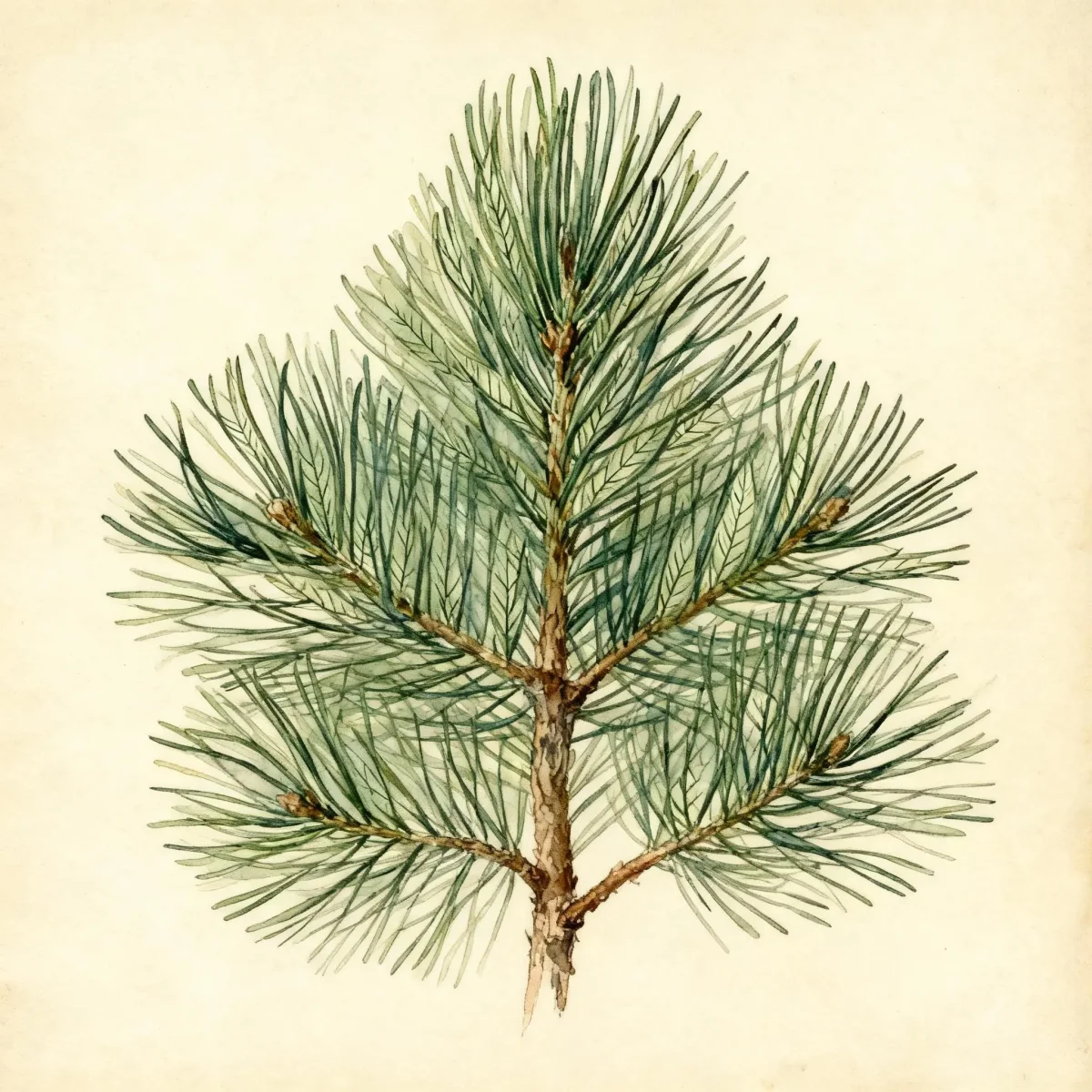
The broader Scots pine species is known for its fast growth and distinctive flaking orange-red bark on mature trunks. In contrast, ’Beuvronensis’ is slow-growing, bushy, and dome-shaped, rarely exceeding 3 to 4 feet in height. It maintains short, blue-green needles, usually less than 3/4 inch long, providing dense texture ideal for miniature garden scenes.
Tolerances
- Deer
Potential Problems
While Pinus sylvestris ‘Beuvronensis’ is generally low maintenance, Scots pine cultivars can struggle in areas experiencing prolonged high heat and humidity, common in the deep South. The primary issues often involve fungal diseases and insect pests exacerbated by climatic stress. Sphaeropsis (Diplodia) tip blight is a significant concern in susceptible regions, characterized by browning needle tips progressing through the branches.
To mitigate common problems, ensure superb air circulation around the plant—avoid planting too closely to walls or other dense shrubs. Water appropriately, focusing irrigation at the base during dry spells rather than overhead sprinkling. Furthermore, diligent scouting for common pests like sawflies, scale insects, and monitoring for the serious threat of pine wilt nematode is crucial management practice.
Frequently Asked Questions
What hardiness zones is Scotch pine (Pinus sylvestris ‘Beuvronensis’) suitable for?
Pinus sylvestris ‘Beuvronensis’ is hardy across a wide range, suitable for USDA Zones 3 through 7.
How large does Pinus sylvestris ‘Beuvronensis’ grow?
This dwarf cultivar is compact, typically reaching mature heights and spreads between 2 to 4 feet.
What sun exposure does Scotch pine need?
This needled evergreen requires full sun exposure to maintain dense growth and good color.
When does Pinus sylvestris ‘Beuvronensis’ bloom?
Pinus sylvestris ‘Beuvronensis’ is categorized as non-flowering, typical of pines, though it produces cones.
Conclusion
The Pinus sylvestris ‘Beuvronensis’ offers exceptional value as a low-maintenance, structurally perfect dwarf conifer ideal for tight spaces and detailed rock gardens. Combining the classic appeal of the Scotch pine with desirable compact features, this cultivar is a robust addition to many landscapes. Before planting, confirm your local conditions are within Zones 3-7 and ensure the site provides glorious full sun and excellent soil drainage.
Companion Planting
When designing around the compact Pinus sylvestris ‘Beuvronensis’, focus on planting companions that share a preference for acidic soil and sharp drainage. Low-growing junipers (Juniperus spp.), especially prostrate varieties, provide excellent textural contrast against the upright dome shape of the dwarf Scotch pine. Plants like creeping thyme benefit from the slight protection offered beneath its branches while thriving in the same sunny exposure.
Consider using decorative gravel or crushed stone mulches around the base of this pine. This practice not only enhances the rock garden aesthetic but also helps mimic the sharp drainage conditions preferred by both the Pinus sylvestris ‘Beuvronensis’ and many accompanying Mediterranean or alpine perennials. Avoid highly vigorous, moisture-loving groundcovers which can compete aggressively or encourage damp conditions at the root zone.
Design Ideas for Dwarf Conifers
Utilizing a dwarf Scotch pine like Pinus sylvestris ‘Beuvronensis’ in modern landscape design involves playing with scale and evergreen color. Place several specimens as repeating anchors along a serpentine walkway, allowing their low height to define the path without obstructing views. Their inherent blue-green hue pops beautifully next to dark mulch or charcoal-colored retaining walls.
For year-round interest in a mixed border, plant Pinus sylvestris ‘Beuvronensis’ near deciduous shrubs that offer contrasting fall color, such as Japanese maples pruned to a smaller size or dwarf barberry varieties. The dense needles provide effective winter screening or visual weight when other plants have dropped their leaves, ensuring structure even in the coldest months.