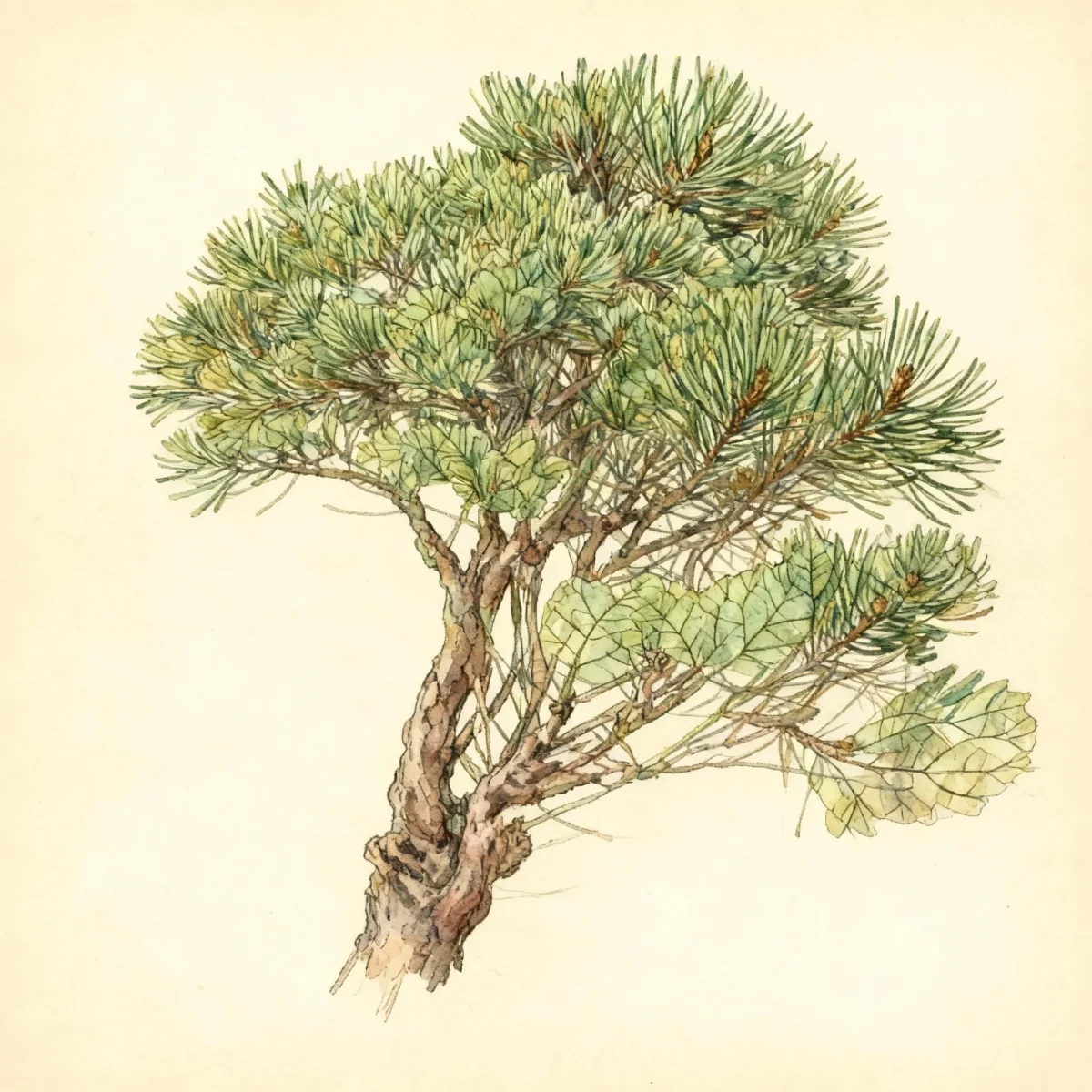
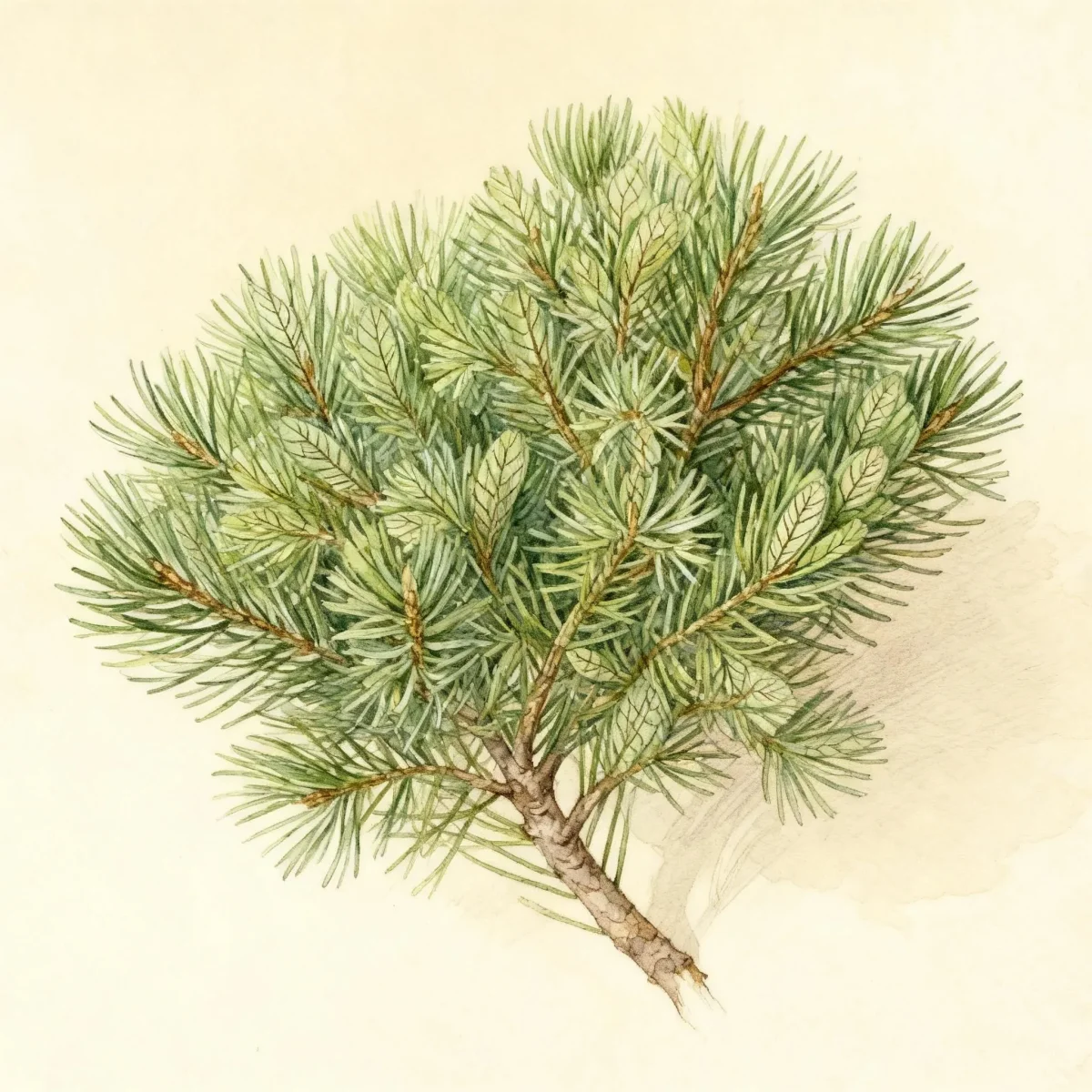
Scotch pine (Pinus sylvestris 'Fastigiata')
Pinus sylvestris 'Fastigiata' is a columnar Scotch pine valued for its tight, narrow habit and evergreen blue-green needles, ideal for narrow spaces.
Scroll down to discover growing tips, care requirements, companion plants, and more
Complete Plant Information
Overview
Pinus sylvestris ‘Fastigiata’, often recognized as a columnar Scotch pine cultivar, offers a dramatic vertical accent perfect for tighter landscape designs. This needled evergreen retains attractive blue-green foliage year-round, providing essential winter interest where broad, spreading trees cannot fit. Its distinct, upright growth habit makes it a superb architectural element in formal gardens or as a gateway marker.
The Pinus sylvestris ‘Fastigiata’ shares the native range characteristics of the broader Scots pine species, thriving across diverse, cooler temperate climates. While the species is known for its orange-red exfoliating bark, the primary appeal of this cultivar lies in its density and strong vertical line, maintaining a significantly narrower profile than the species standard. Gardeners seeking low maintenance, high impact structure will find this variety highly rewarding.
As a relatively low-maintenance selection once established, the columnar Scotch pine provides year-round color and texture. It excels as a focal point, providing contrast against softer, rounded plantings. Ensure appropriate siting, as the mature size, though narrow, still demands adequate clearance for its 20-25 foot height.
Fast Facts
- Plant Family: Pinaceae
- Plant Type: Needled evergreen
- Hardiness Zones: USDA Zones 3-7
- Size at Maturity:
- Height: 20-25 ft
- Spread: 6-8 ft
- Bloom Time: Non-flowering
- Bloom Description: Non-flowering
- Sun Exposure: Full sun
- Water Needs: Medium
- Maintenance Level: Low
How to Grow
Planting Pinus sylvestris ‘Fastigiata’ is best achieved in the early spring or fall when temperatures are moderate, allowing the root system to establish before summer heat or winter dormancy. These pines require location in full sun; anything less will result in thin, sparse foliage development. They display tolerance for many soil conditions, including poor soils, but excellent drainage is paramount. Work the soil to ensure it is slightly acidic and moisture-retentive, avoiding heavy clay where water pools.
Watering needs for this Scotch pine are medium, meaning deep, infrequent soakings during establishment or during extended dry periods are preferable to light, frequent sprinkles. While pruning is usually unnecessary due to the natural columnar habit, any corrective shape retention should be done in late winter before new growth begins. Be aware that the Pinus sylvestris ‘Fastigiata’ is susceptible to snow and ice damage; consider tying branches together securely before heavy winter precipitation to prevent breakage.
This conifer generally prefers cooler summer climates and may struggle in prolonged high heat and humidity, especially in the deep South. Overall, maintenance is low, involving mainly monitoring for pests and ensuring winter structure protection. Its urban tolerance is a boon for city gardeners looking for durable evergreen screening.
Landscape Uses
The primary function of Pinus sylvestris ‘Fastigiata’ is as a fastigiate landscape accent. Its strong vertical habit makes it an exceptional choice for flanking entryways, formal garden gates, or creating vertical punctuation marks along property lines. Unlike many pyramidal conifers, the narrow spread of 6 to 8 feet means it occupies minimal horizontal space.
Use this columnar Scotch pine to break up long, monotonous sightlines or to draw the eye upward in a structured design. It pairs effectively with lower-growing, spreading shrubs or broadleaf evergreens that can complement its dark green texture. Consider anchoring it near foundation plantings where its height can provide necessary screening without overwhelming the structure overhead.
Standout Features
Noteworthy Characteristics
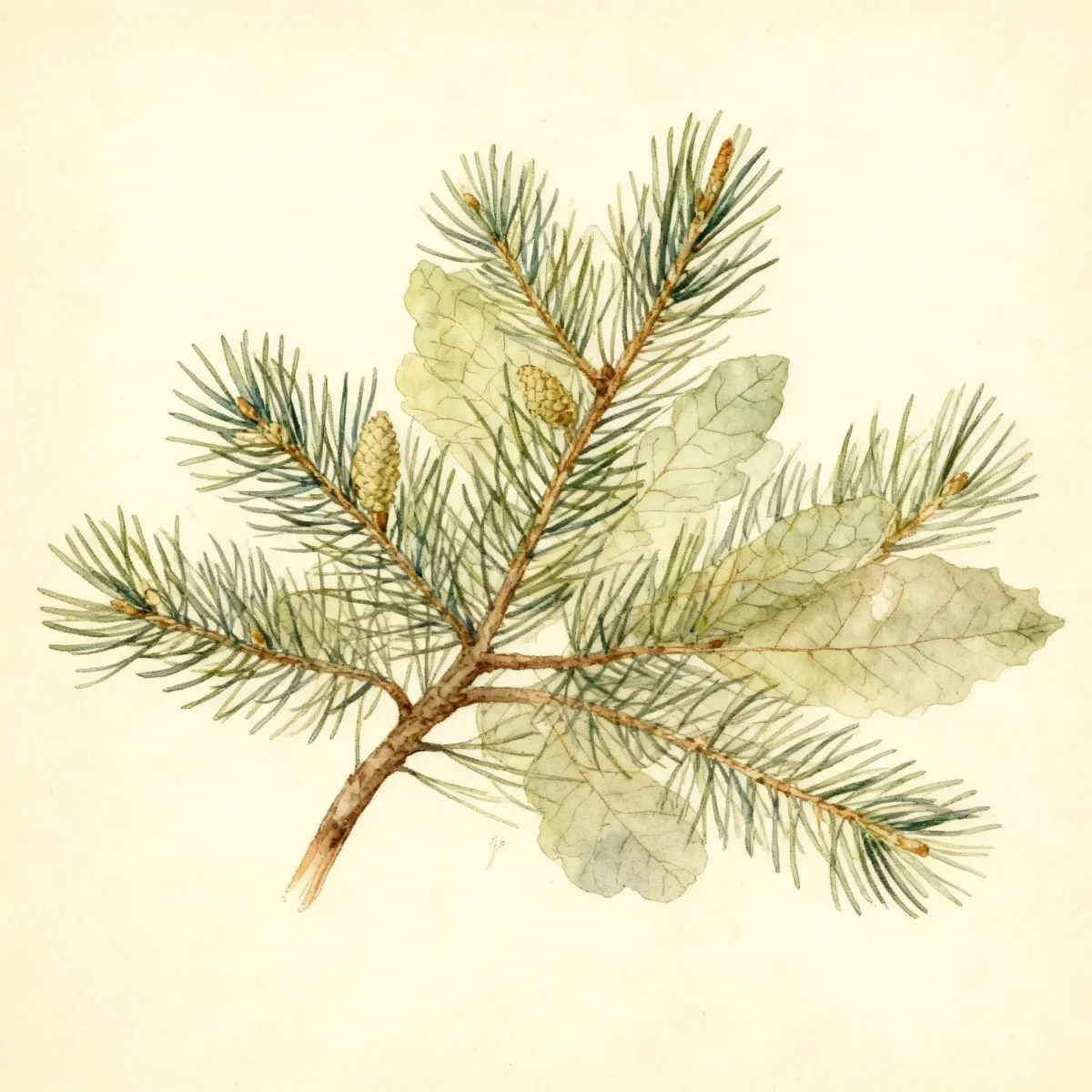
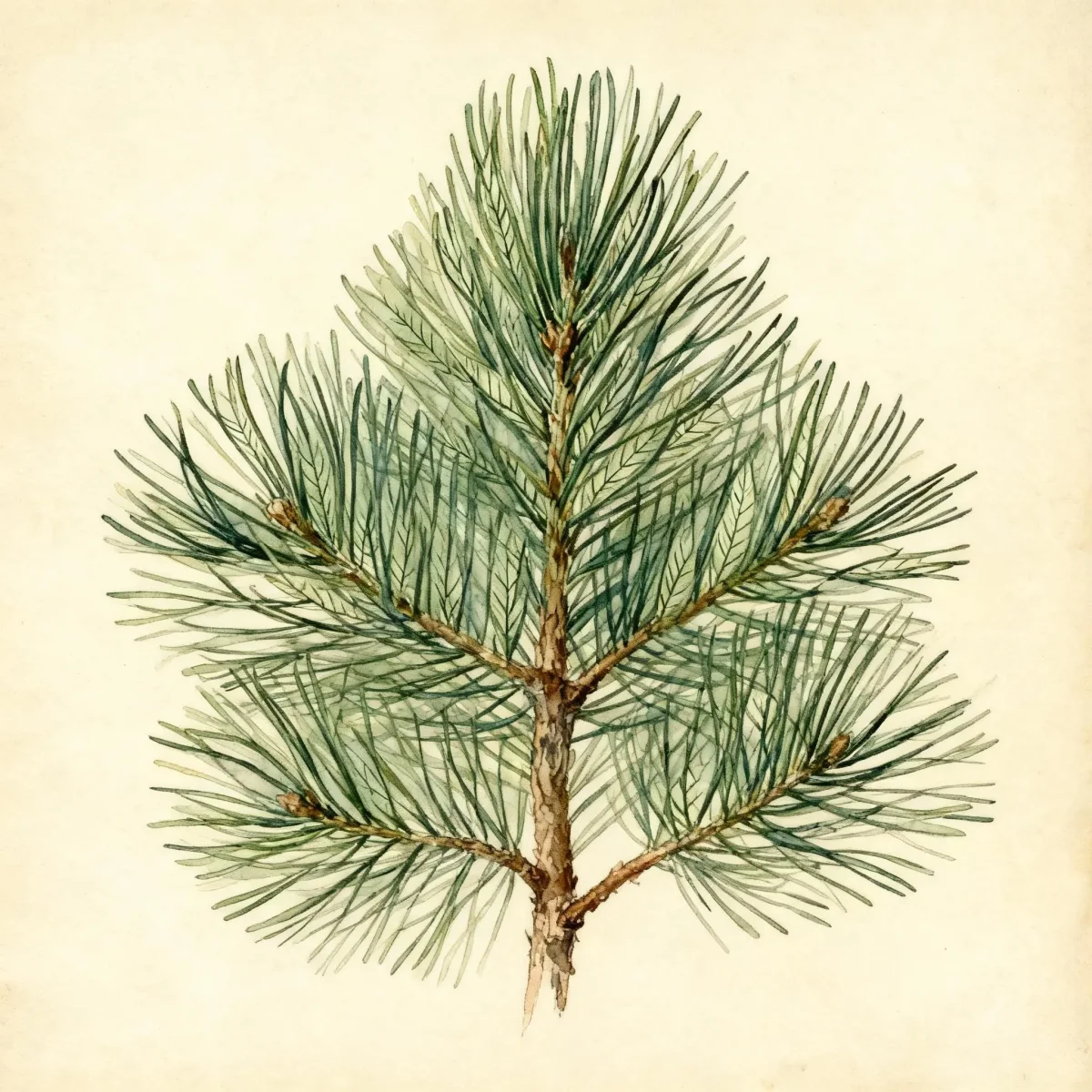
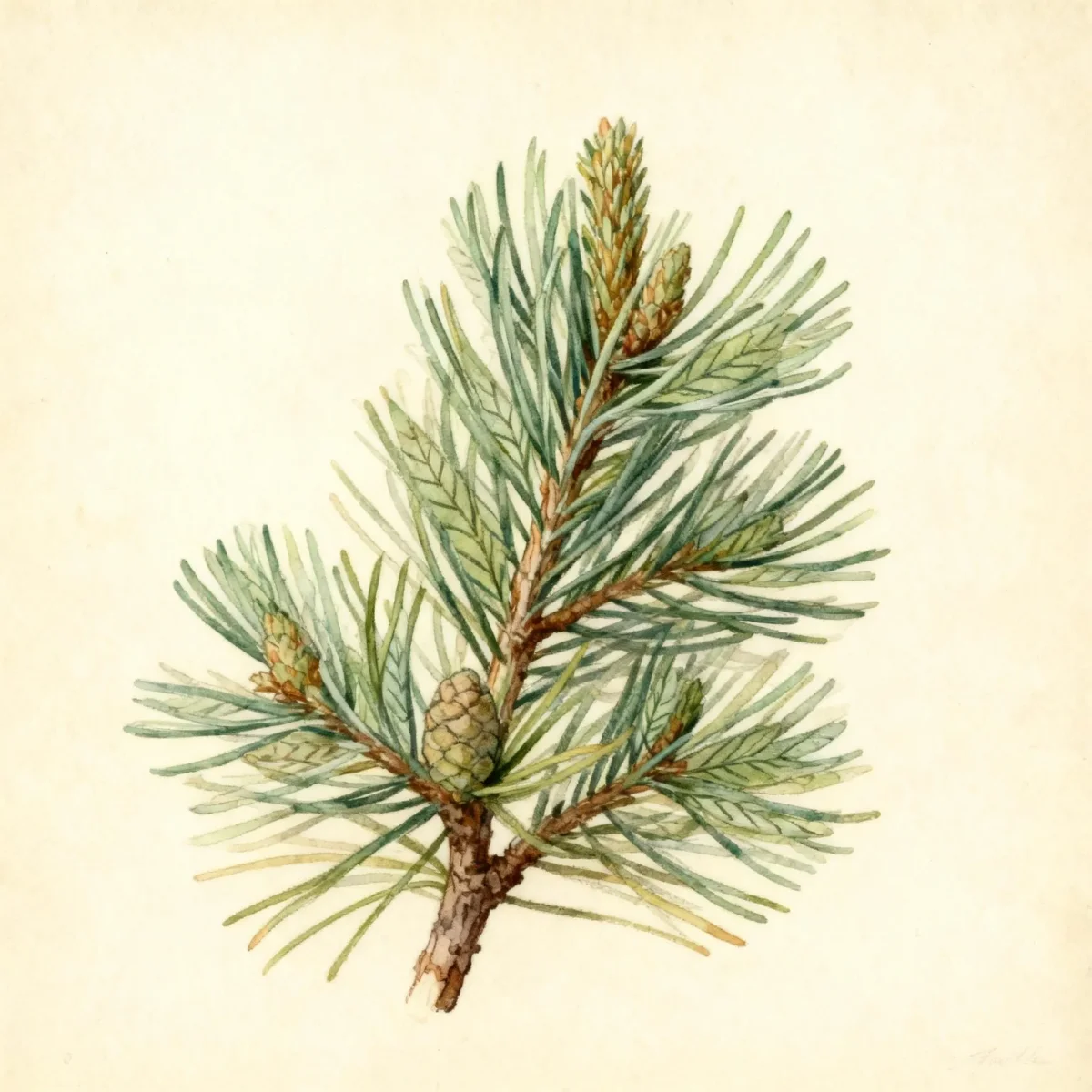
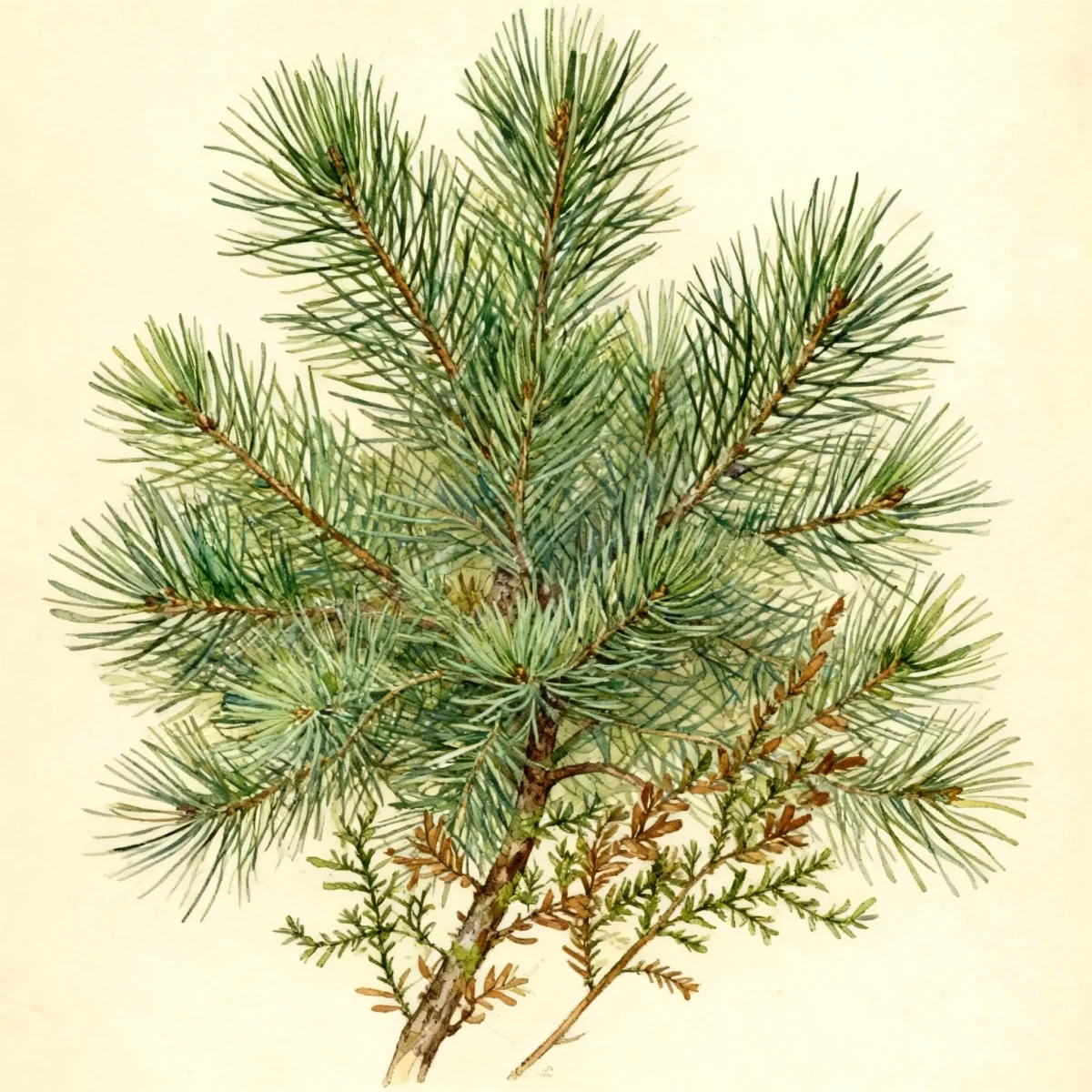
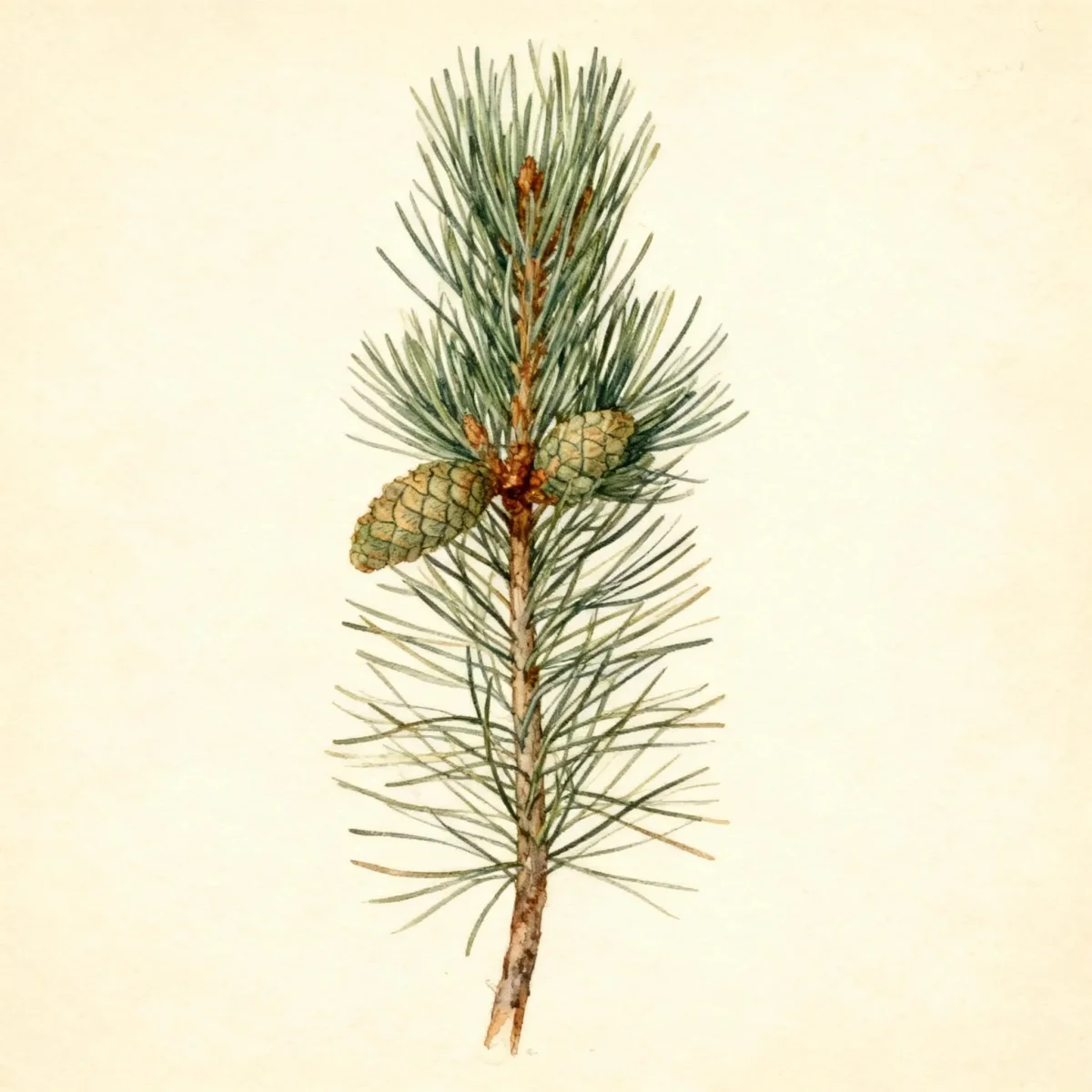
Pinus sylvestris, commonly called Scots pine, is a fast-growing, conical to columnar, medium sized conifer with distinctive flaking orange/red-brown bark. The cultivar ‘Fastigtiata’ specifically presents a columnar form with tight, narrow, ascending branches, maturing to about 25 feet tall with a narrow spread. It features attractive, twisted, blue-green needles clustered in bundles of two, providing excellent texture and color contrast throughout the year.
Tolerances
- Deer
Potential Problems
Scots pine and its cultivars, including Pinus sylvestris ‘Fastigiata’, can face significant challenges in areas with hot, humid summers or alkaline soils; they often struggle in regions like the St. Louis area unless conditions are favorable. A major concern is Sphaeropsis (Diplodia) tip blight, which manifests as dead branch tips and can severely compromise aesthetics and vigor. Regular scouting for early symptoms is crucial to manage this fungal issue effectively.
Gardeners must also be vigilant for insect pests and diseases like pine wilt nematode, which is often fatal. Monitoring for sawflies, scale insects, and various moths is part of maintaining a healthy specimen. Prompt action upon noticing signs of distress—such as discoloration or needle loss—is essential for protecting your columnar Scotch pine.
Frequently Asked Questions
What hardiness zones is Scotch pine (Pinus sylvestris ‘Fastigiata’) suitable for?
This variety performs best within USDA Hardiness Zones 3 through 7.
How large does Pinus sylvestris ‘Fastigiata’ grow?
This columnar cultivar typically reaches mature heights between 20 and 25 feet, maintaining a relatively narrow spread of 6 to 8 feet.
What sun exposure does Pinus sylvestris ‘Fastigiata’ need?
Pinus sylvestris ‘Fastigiata’ requires full sun exposure to maintain its dense, columnar form and healthy growth.
When does Scotch pine bloom?
As a conifer, Scotch pine is non-flowering; it produces cones instead of traditional flowers.
Conclusion
The Pinus sylvestris ‘Fastigiata’ is an outstanding choice for gardeners needing significant vertical impact within a limited horizontal footprint. Its low maintenance requirements and year-round evergreen structure make this columnar Scotch pine a reliable structural element in diverse landscapes. Before purchasing, confirm your site offers full sun and well-drained, acidic soil to ensure the long-term success of your planting.
Companion Planting
Selecting appropriate partners enhances the visual impact of the Pinus sylvestris ‘Fastigiata’. Due to its upright form and need for sun, pair it with low-growing, mounding perennials or shrubs. Consider using plants with contrasting foliage color, such as golden spirea cultivars or low evergreen groundcovers like creeping juniper, to highlight the blue-green needles of the columnar Scotch pine.
Ensure companion plants share similar cultural needs, especially concerning soil moisture and pH. Since this pine prefers acidic conditions and good drainage, avoid plants that require consistently wet or highly alkaline soils. This synergy in requirements simplifies maintenance across the entire planting bed.
Design Ideas: Screening and Vertical Elements
The narrow profile of the Pinus sylvestris ‘Fastigiata’ lends itself perfectly to creating subtle, informal screens or visually partitioning outdoor spaces without creating a solid visual wall. Plant them in repeating linear patterns to emphasize formality, or use odd numbers (three or five) slightly staggered to create dynamic vertical rhythm.
This columnar pine is also ideal for narrow side yards where traditional pines would rapidly become too wide. Use one as a strong anchor specimen near a patio or deck corner to frame views outward while adding height contrast to lower seating areas. Its narrow stature also allows it to be incorporated successfully into mixed evergreen borders.