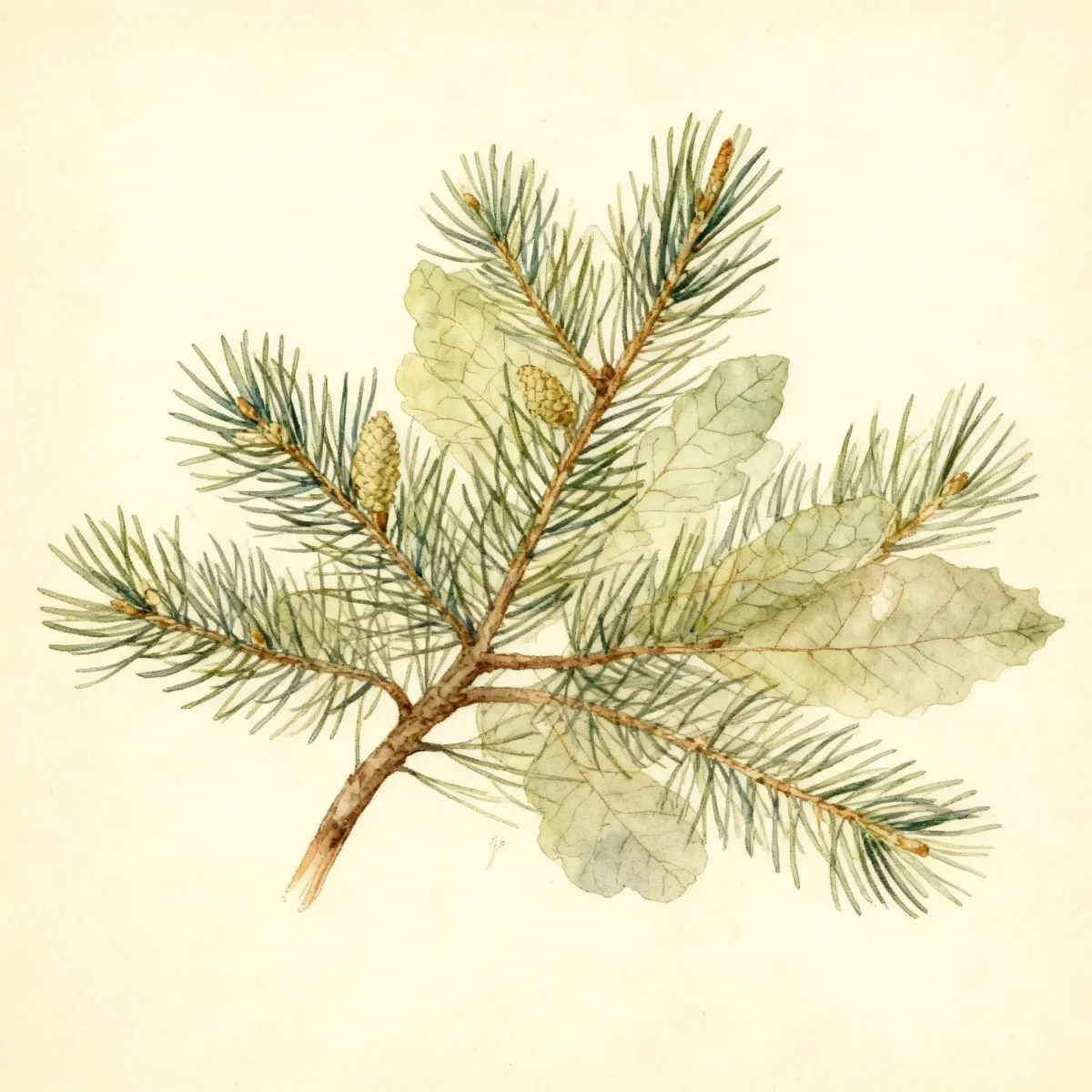
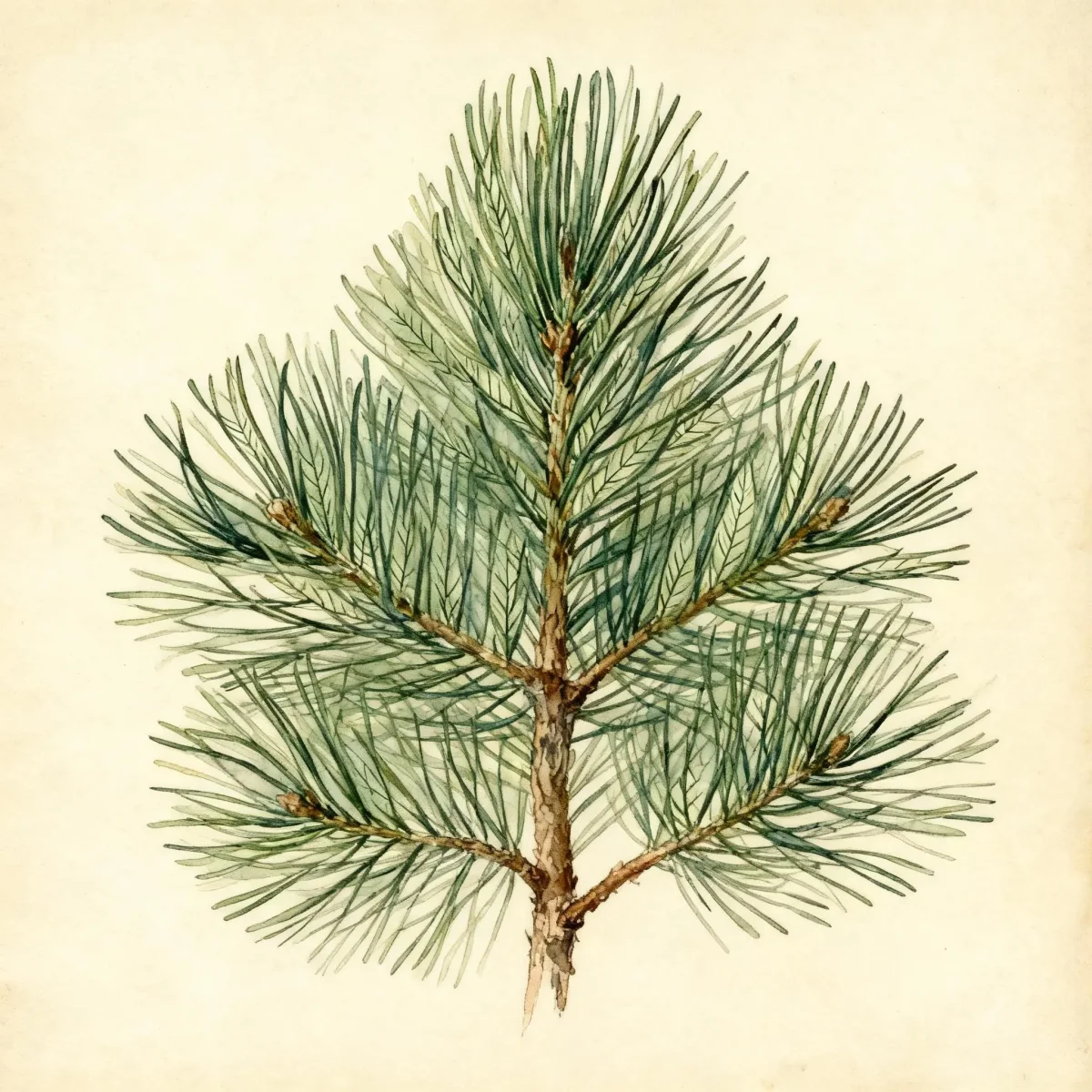
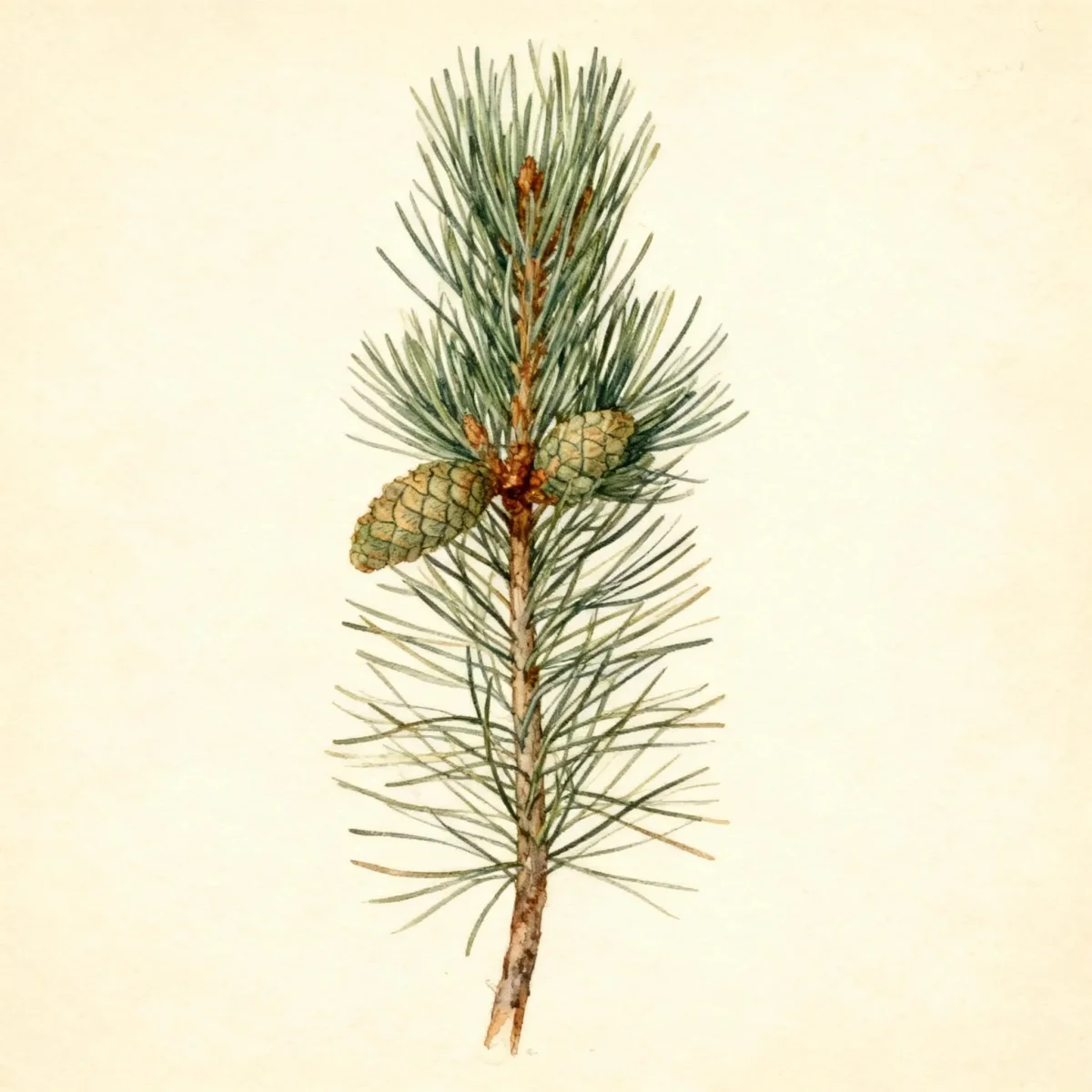
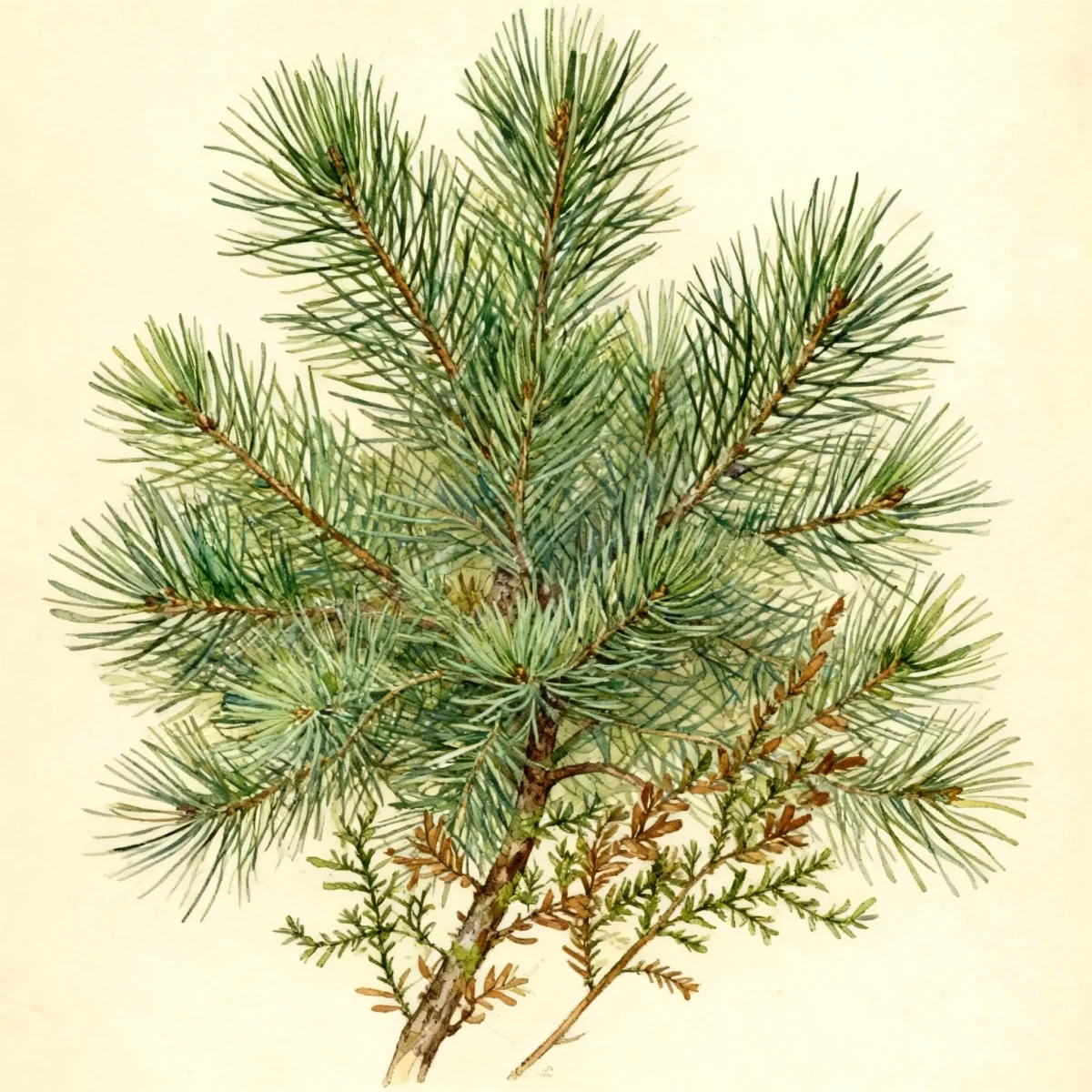
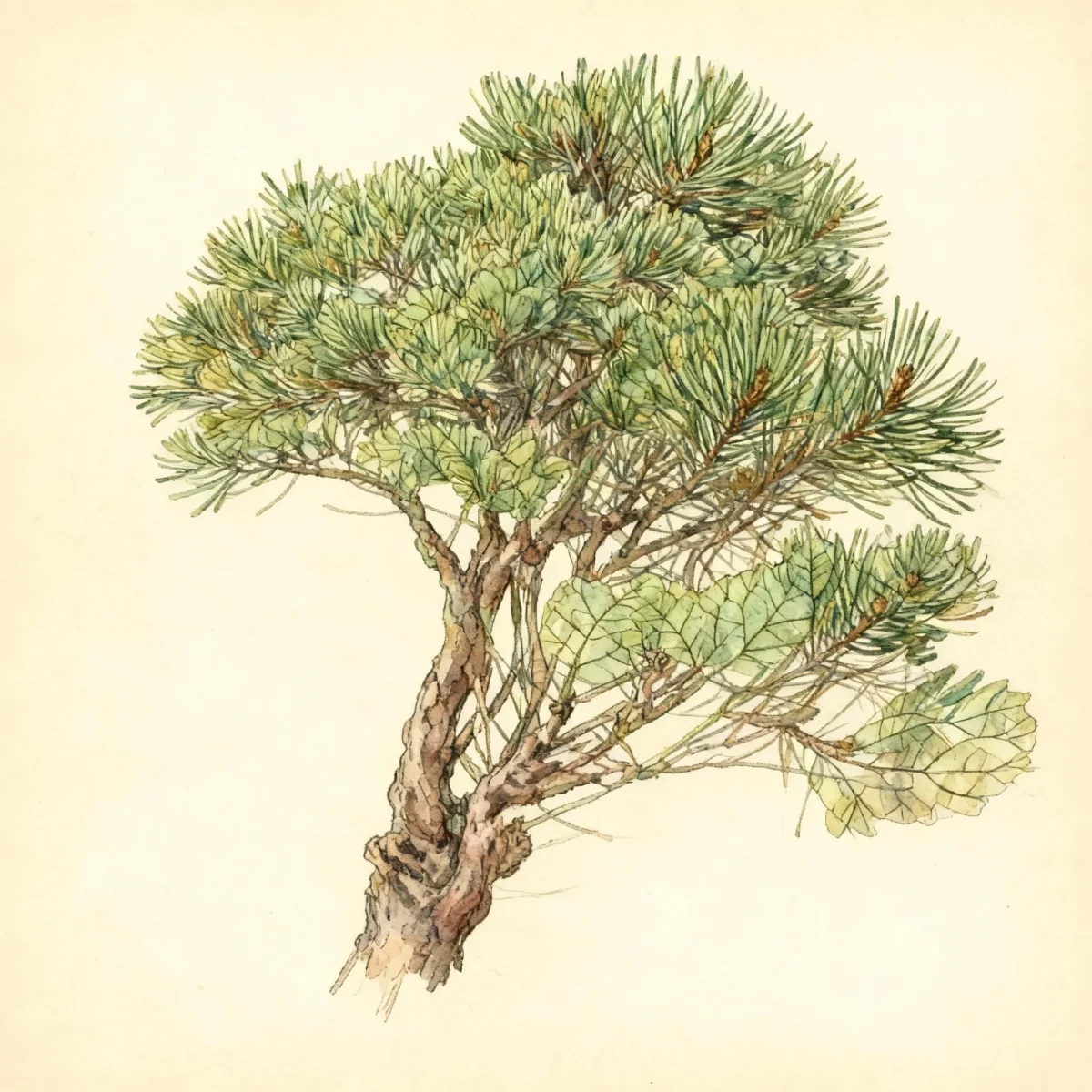
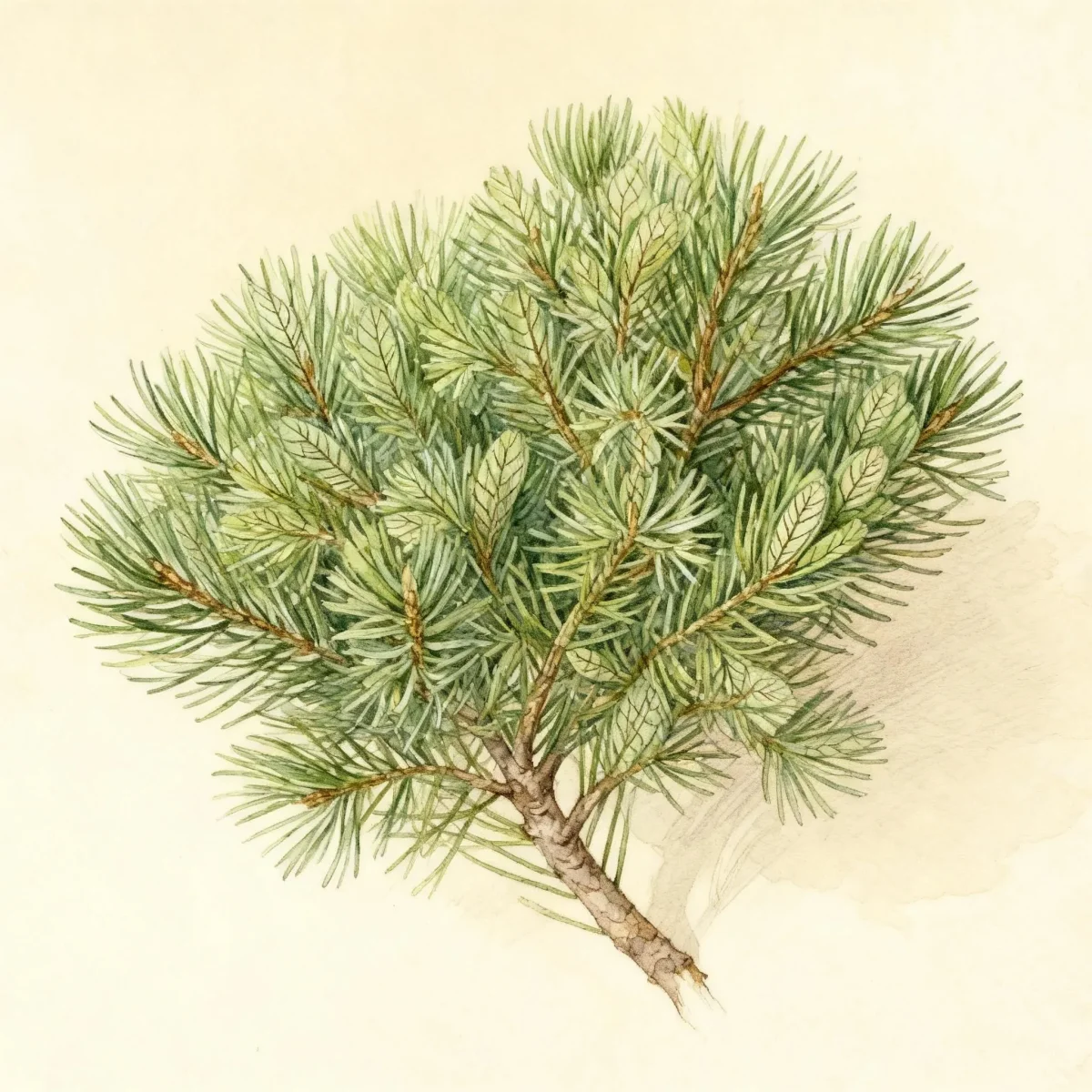
Scotch pine (Pinus sylvestris 'Glauca Nana')
Pinus sylvestris 'Glauca Nana' is a compact, slow-growing Scotch pine prized for its dense, bluish-green winter needles and low maintenance needs in USDA Zones 3-7.
Scroll down to discover growing tips, care requirements, companion plants, and more
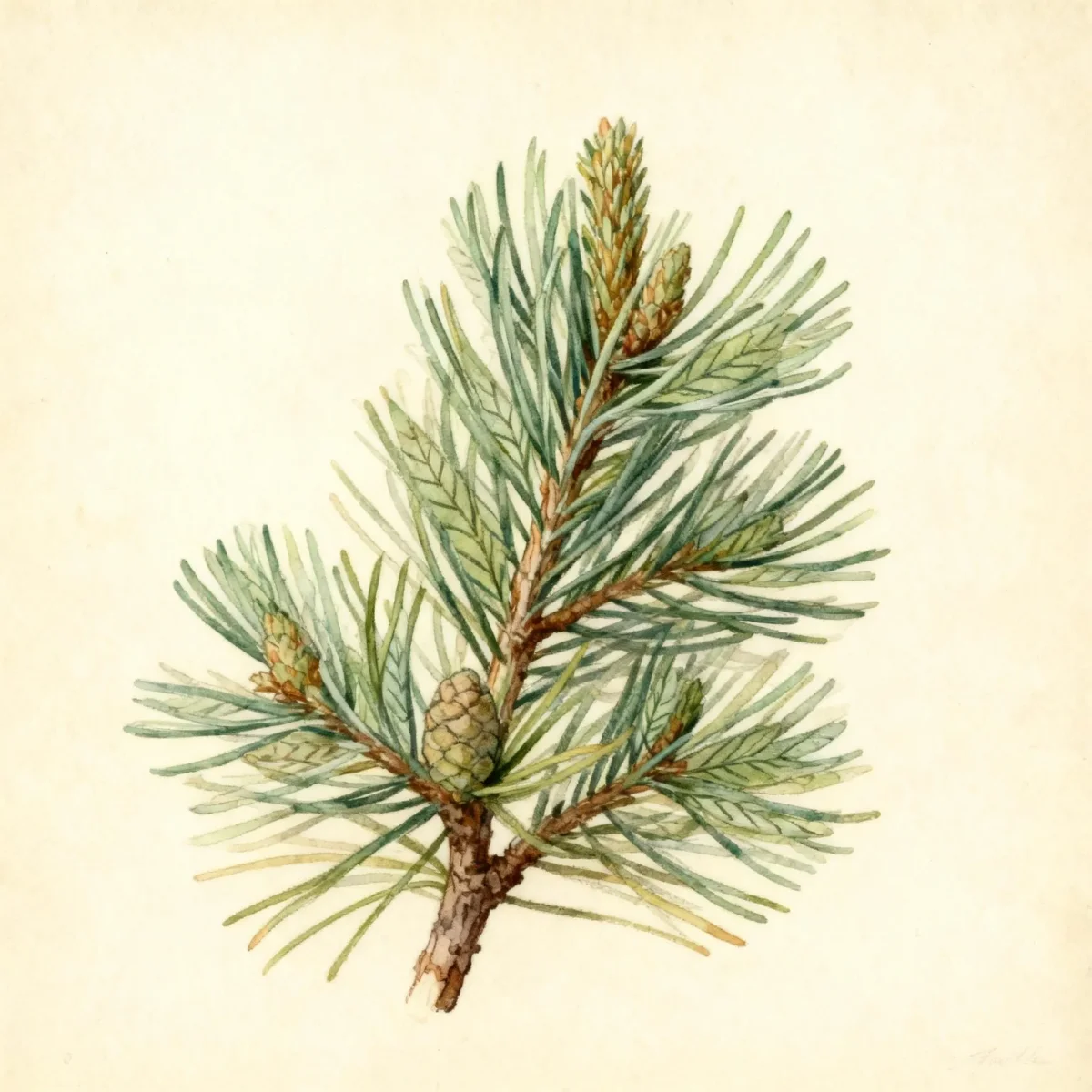
Complete Plant Information
Overview
Pinus sylvestris ‘Glauca Nana’, a dwarf cultivar of the widespread Scotch pine, offers exceptional texture and winter color for smaller garden spaces. This needled evergreen distinguishes itself with short, dense, bluish-green needles that retain their appealing color throughout the cold months, making it a reliable source of year-round structure. Unlike the towering species form, this cultivar maintains a compact, mounded habit, typically reaching 5 to 8 feet in height and spread.
Gardeners appreciate this variety for its low maintenance requirements combined with high visual impact. While the standard Scots pine can become large, the ‘Glauca Nana’ selection provides similar rugged beauty in a size manageable for foundation plantings or specimen placement. It is a sturdy addition, notably tolerant of urban environments, provided cultural needs regarding sun and drainage are met.
Its slow growth rate ensures that once established, this valuable Scotch pine requires minimal pruning intervention. For gardeners seeking year-round blue-toned structure without the eventual size commitment of larger conifers, Pinus sylvestris ‘Glauca Nana’ presents a superior, aesthetically pleasing opportunity.
Fast Facts
- Plant Family: Pinaceae
- Plant Type: Needled evergreen
- Hardiness Zones: USDA Zones 3-7
- Size at Maturity:
- Height: 5-8 ft
- Spread: 5-8 ft
- Bloom Time: Non-flowering
- Bloom Description: Non-flowering
- Sun Exposure: Full sun
- Water Needs: Medium
- Maintenance Level: Low
How to Grow
Planting Pinus sylvestris ‘Glauca Nana’ should ideally occur in the cool weather of early spring or fall to minimize transplant shock. Select a location that provides full, unimpeded sun exposure throughout the day, as insufficient light can thin out the dense foliage. This cultivar requires moist, acidic, well-drained soils. While highly adaptable and tolerant of poor soil conditions, excellent drainage is non-negotiable for long-term health.
Once established, this Scotch pine requires medium watering. Ensure deep, consistent watering, especially during dry periods, allowing the soil to drain well between soakings. Overwatering, which leads to saturated roots, is detrimental. Fertilization is rarely necessary in average garden soils, but if growth is poor, a slow-release conifer feed applied in spring can be beneficial. Pruning is generally minimal due to its compact growth habit.
This pine performs best in cooler summer climates and actively dislikes the high heat and humidity common in the deep South, which often exacerbates disease susceptibility. When planting, ensure adequate air circulation around the plant to help mitigate fungal issues later in its life. Prepare the planting site well by amending heavy clay soil to enhance necessary drainage.
Landscape Uses
The compact stature and attractive foliage make Pinus sylvestris ‘Glauca Nana’ an excellent specimen plant around entries or in mixed borders where year-round interest is mandatory. Its strong bluish-green hue functions beautifully as a cool contrast against warmer colored evergreens or deciduous shrubs. Use this slow-growing Scotch pine as an accent, allowing its unique mounded form to provide focal interest in rock gardens or year-round foundation plantings.
This cultivar excels where space mandates a smaller vertical accent. It works exceptionally well integrated into mixed evergreen groupings requiring textural variance or color contrast, where it complements darker green pines or broadleaf evergreens. Its dense habit also allows it to function as a low, informal screen or windbreak in smaller yard settings compared to its larger relatives.
Standout Features
Noteworthy Characteristics
The species, Scots pine, is historically known for its fast growth and distinctive flaking orange/red-brown bark, especially on the upper trunk. Pinus sylvestris ‘Glauca Nana’, however, is specifically selected as a superior, compact, mounded cultivar known for its short, intensely bluish-green needles that persist their color strongly through winter. It grows slowly, often taking 15-20 years to achieve its characteristic 5-7 foot rounded shape, eventually expanding to about 10 by 10 feet at maturity.
Tolerances
- Deer
Potential Problems
Scotch pine and its cultivars, including Pinus sylvestris ‘Glauca Nana’, may struggle in regions characterized by difficult soil or persistent heat and humidity, often leading to disease flare-ups. A significant concern in certain areas is Sphaeropsis (Diplodia) tip blight, which appears as browning or blighting of new growth; ensure good air movement and avoid overhead watering to reduce incidence. Furthermore, gardeners must remain vigilant for the pine wilt nematode, a serious threat to many pines, and monitor for pests like sawflies, moths, and scale insects, treating infestations promptly according to best horticultural practices.
Frequently Asked Questions
What hardiness zones is Scotch pine suitable for?
Pinus sylvestris ‘Glauca Nana’ is reliably cold-hardy in USDA Zones 3 through 7.
How large does Pinus sylvestris ‘Glauca Nana’ grow?
This compact cultivar typically matures to a size between 5 and 8 feet in height and spreads between 5 and 8 feet wide, maintaining a rounded profile.
What sun exposure does Pinus sylvestris ‘Glauca Nana’ need?
This needled evergreen requires a location providing Full sun for optimal health and needle color retention.
When does Scotch pine bloom?
This plant is categorized as Non-flowering; it develops cones rather than traditional ornamental flowers.
Conclusion
Pinus sylvestris ‘Glauca Nana’ offers excellent year-round structure and dependable blue-green color, making it a superior choice among dwarf conifers for low-maintenance landscapes. By providing the necessary full sun and ensuring well-drained, slightly acidic soil, gardeners can successfully cultivate this attractive Scotch pine. Always confirm your local USDA Zone compatibility before planning your installation time.
Companion Planting
When developing a planting plan around Pinus sylvestris ‘Glauca Nana’, prioritize companion plants that share its need for full sun and excellent drainage. Consider using lower-growing, spreading groundcovers that enjoy acidic conditions, such as low-creeping junipers or certain varieties of low-mounding sedums which provide textural contrast without competing for root space. For vertical accents nearby, look toward slower-growing, narrow spire-shaped evergreens, like certain dwarf spruces, that complement the mounded form of the blue Scotch pine without overcrowding it.
Design Ideas for Compact Conifers
The compact, rounded form inherent to Pinus sylvestris ‘Glauca Nana’ lends itself well to contemporary design where geometric simplicity is valued. Use multiple specimens in a repeating pattern along a walkway or property line to create rhythmic, structured interest that avoids the formality of perfectly sheared hedges. In a naturalistic setting, cluster this blue pine in small, irregular groupings punctuated by contrasting rock outcroppings or drifts of ornamental grasses that sway in the breeze, highlighting the static, dense mass of the conifer.