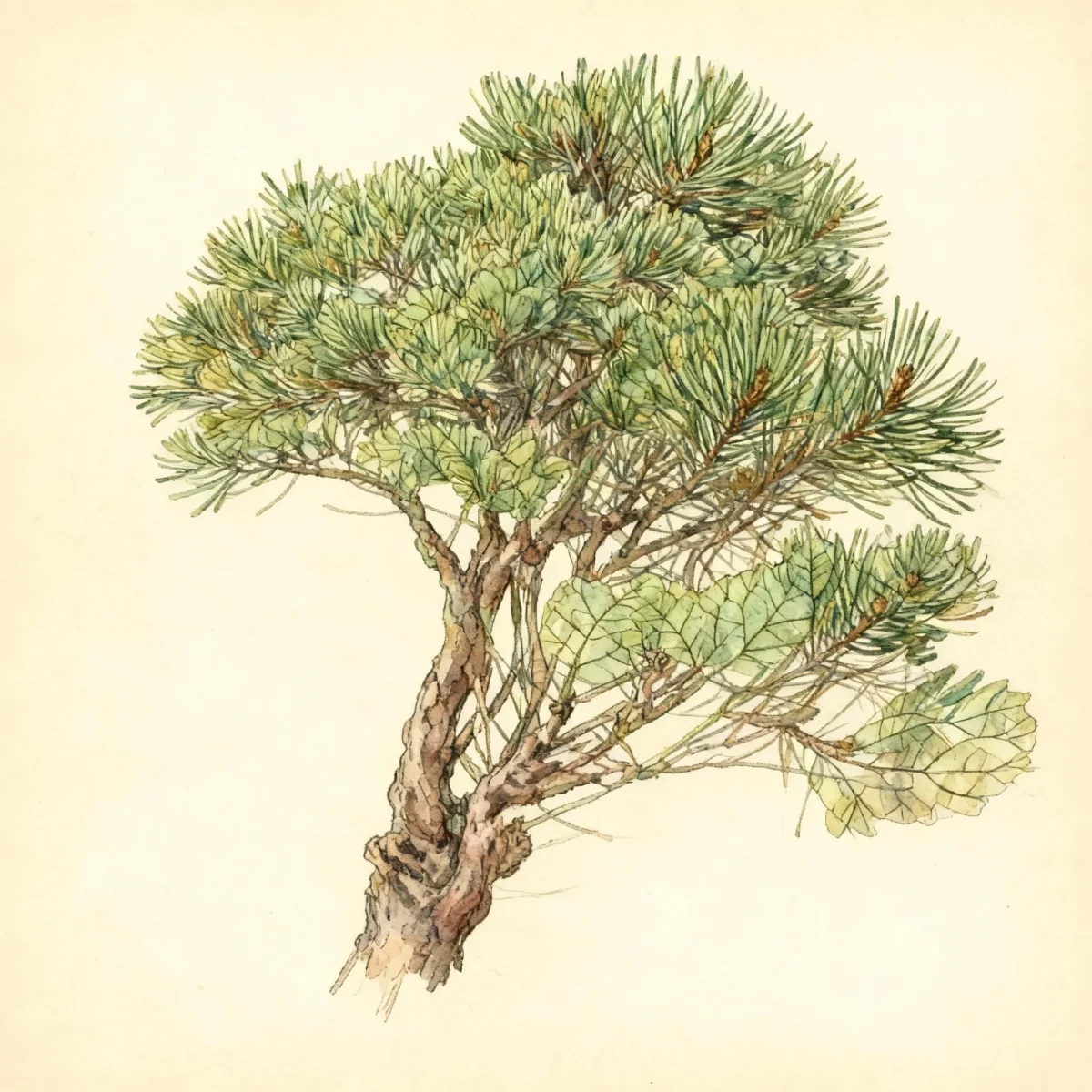
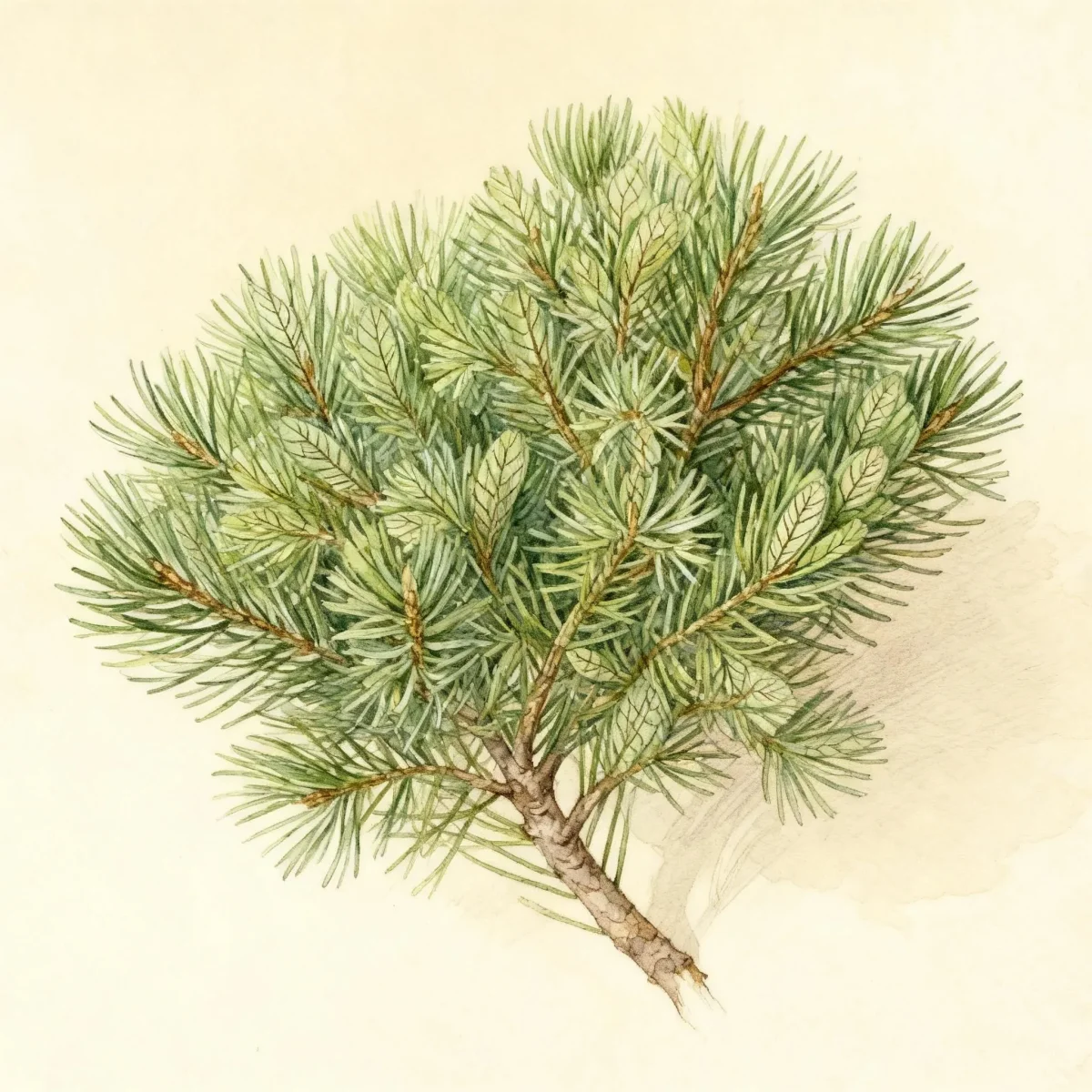
Scotch pine (Pinus sylvestris 'Hillside Creeper')
Pinus sylvestris 'Hillside Creeper' is a low-growing, spreading Scotch pine perfect for rock gardens. Hardy to Zone 2, it offers low maintenance.
Scroll down to discover growing tips, care requirements, companion plants, and more
Complete Plant Information
Overview
Pinus sylvestris ‘Hillside Creeper’ is a standout cultivar of the widely loved Scotch pine, offering gardeners a unique, ground-hugging silhouette. Unlike its upright tree relatives, this dwarf variety remains extremely low, spreading broadly, making it an excellent choice for areas where space constraints prevent the growth of a full-sized conifer. This needled evergreen brings year-round color and texture to the landscape with minimal effort.
This unique form of Scotch pine is valued for its ability to provide horizontal interest, contrasting nicely with taller background plantings. Its growth habit—prostrate and spreading—means that Pinus sylvestris ‘Hillside Creeper’ is exceptionally valuable for softening edges or covering slopes where traditional cultivars would quickly outgrow the assigned space. Its low maintenance requirement aligns perfectly with modern gardening trends.
Gardening success with this cultivar centers on understanding its environmental preferences, particularly avoiding excessive heat and humidity found in southern climates. By providing full sun and well-drained conditions, gardeners can enjoy this distinctive, slow-growing groundcover variant of the classic Scotch pine throughout USDA zones 2 through 8.
Fast Facts
- Plant Family: Pinaceae
- Plant Type: Needled evergreen
- Hardiness Zones: USDA Zones 2-8
- Size at Maturity:
- Height: 1.5-2 ft
- Spread: 6-8 ft
- Bloom Time: Non-flowering
- Bloom Description: Non-flowering
- Sun Exposure: Full sun
- Water Needs: Medium
- Maintenance Level: Low
How to Grow
For the best results when planting Pinus sylvestris ‘Hillside Creeper’, aim for the cooler seasons—early spring or fall—if possible, though its hardiness allows for flexibility. This evergreen insists on full sun exposure to maintain dense growth and good color, so site selection away from heavy shade is crucial. While it is tolerant of many soil types, including poor soils, the single most critical factor is excellent drainage. It thrives in moist, acidic conditions.
Once established, the watering requirements for this Scotch pine cultivar are categorized as medium. Focus on deep, infrequent watering during dry spells, ensuring the soil does not become waterlogged, which can quickly cause issues. Maintenance is inherently low; prune only to remove dead or damaged needles, as shearing can disrupt the natural, prostrate form of Pinus sylvestris ‘Hillside Creeper’.
Avoid planting this cultivar in areas subject to prolonged high heat and humidity, as it prefers the cool summers common in its northern native range. Its tolerance for urban conditions is a bonus, but do ensure good air circulation around the plant to help mitigate potential blight issues common to Scots pine generally.
Landscape Uses
The low stature and wide spread of Pinus sylvestris ‘Hillside Creeper’ make it an exceptional foundational or accent plant. Its habit is ideal for illuminating rock gardens where its branches can cascade over stone features, providing textural contrast against hardscaping. It truly excels as a foreground plant positioned in front of larger, perhaps columnar, shrubs or trees.
Functionally, this cultivar is superb for stabilizing slopes and banks. Its dense, spreading root system helps prevent erosion while adding evergreen interest where mounding or spreading coverage is required. Consider planting it near entryways or along pathways where its low profile will not obstruct views or foot traffic.
When designing, pair the horizontal spread of this diminutive Scotch pine with fine-textured grasses or low-growing perennials that share similar full sun and acidic soil needs. It acts as an excellent, long-lasting green (or yellowish-green in winter) anchor in a mixed foundation planting.
Standout Features
Noteworthy Characteristics
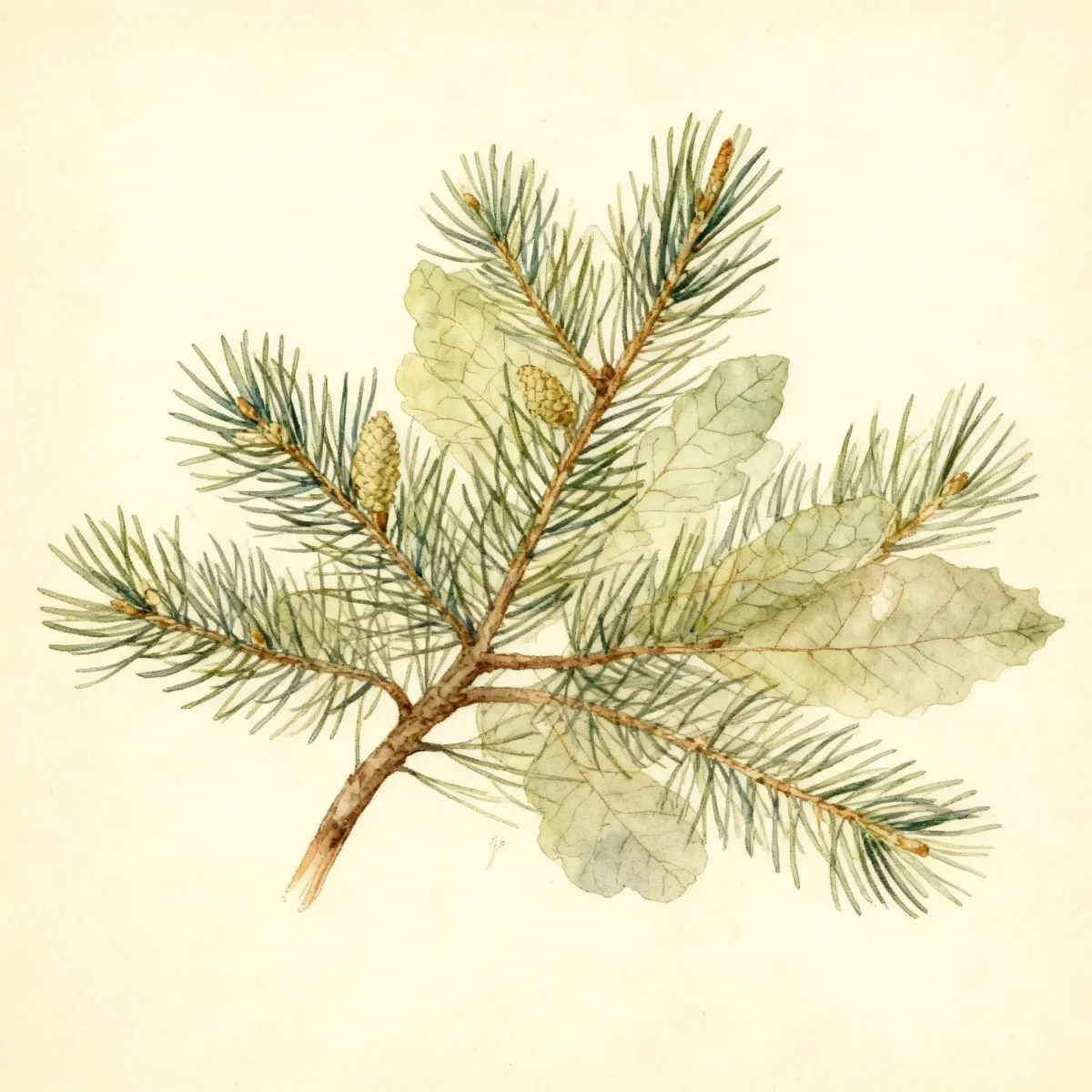
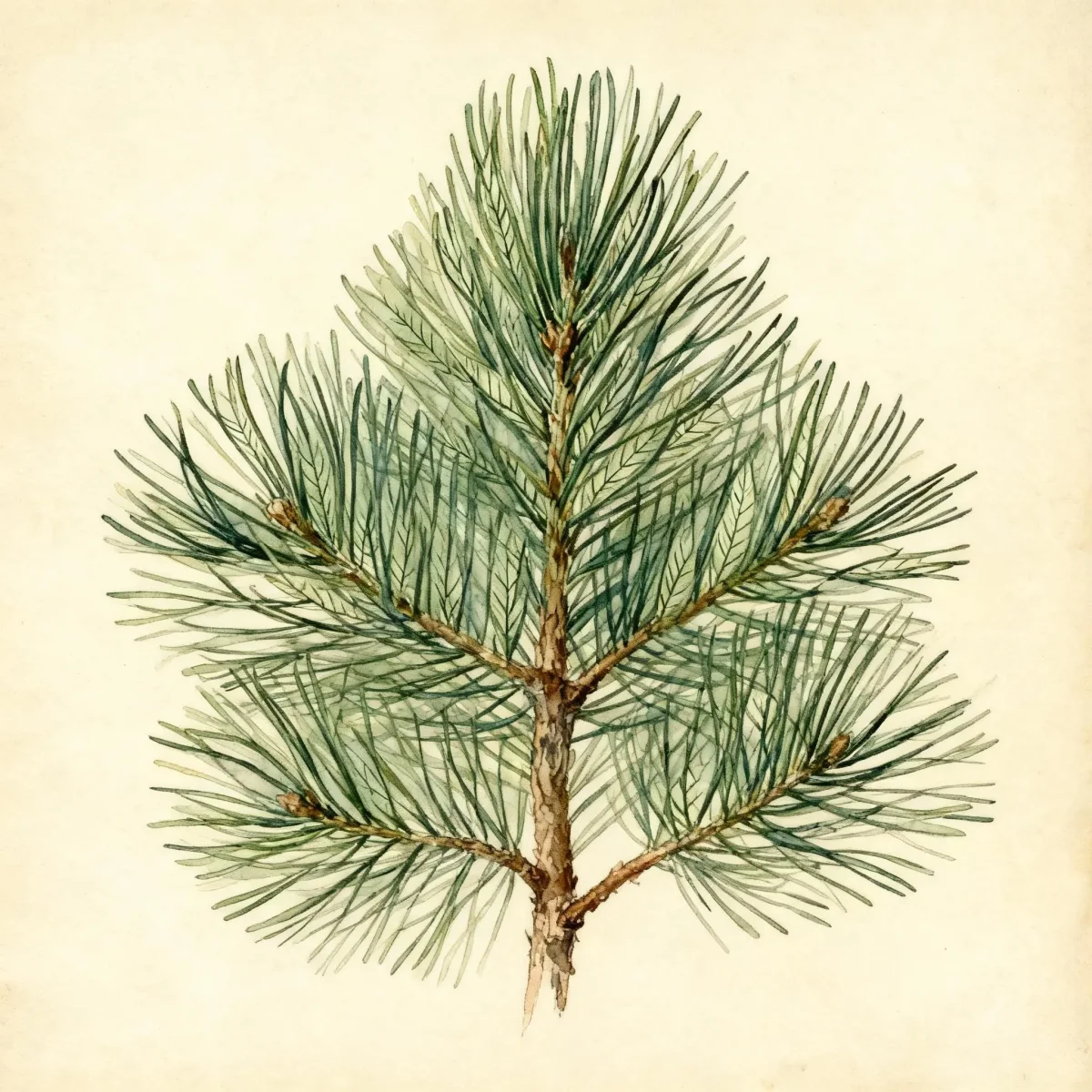
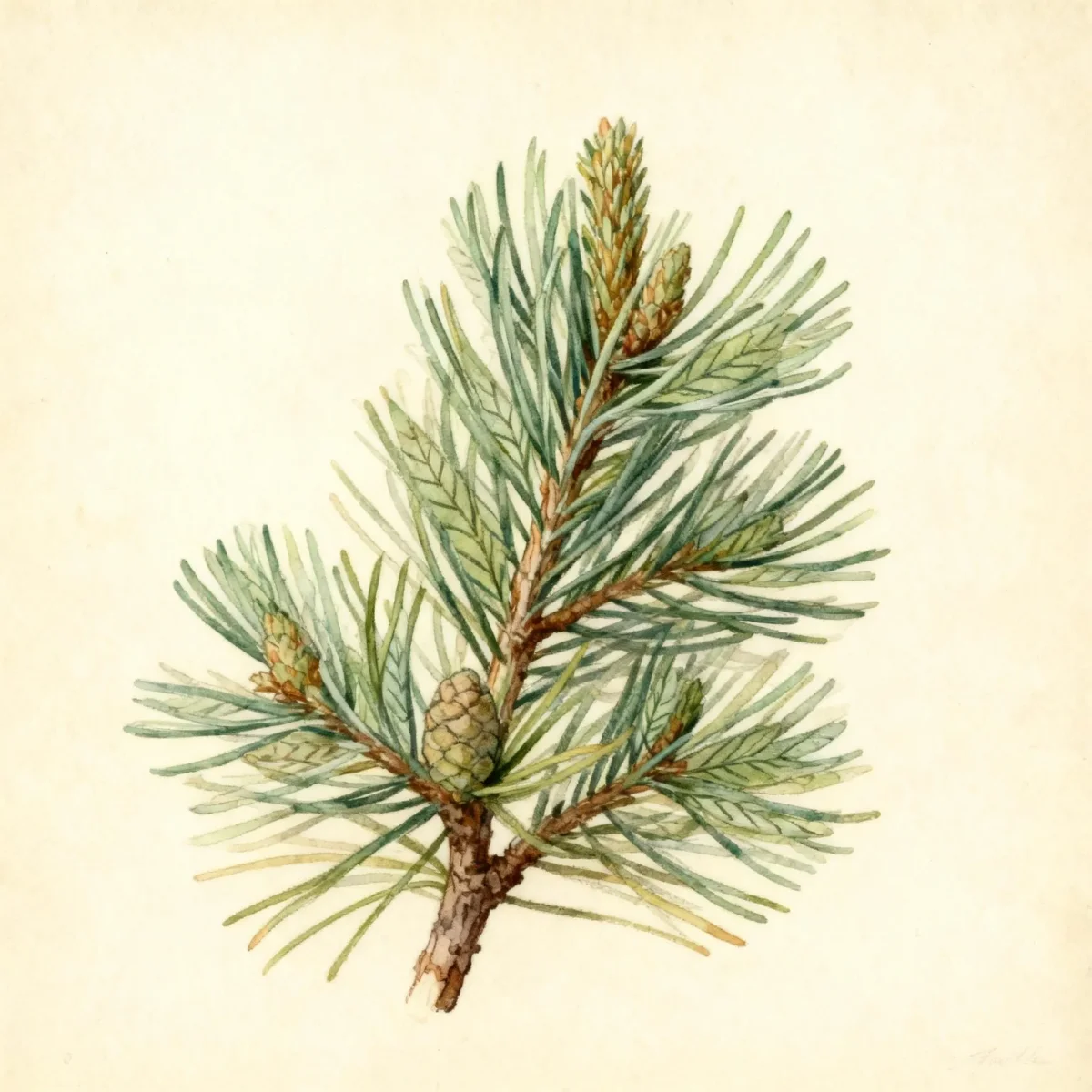
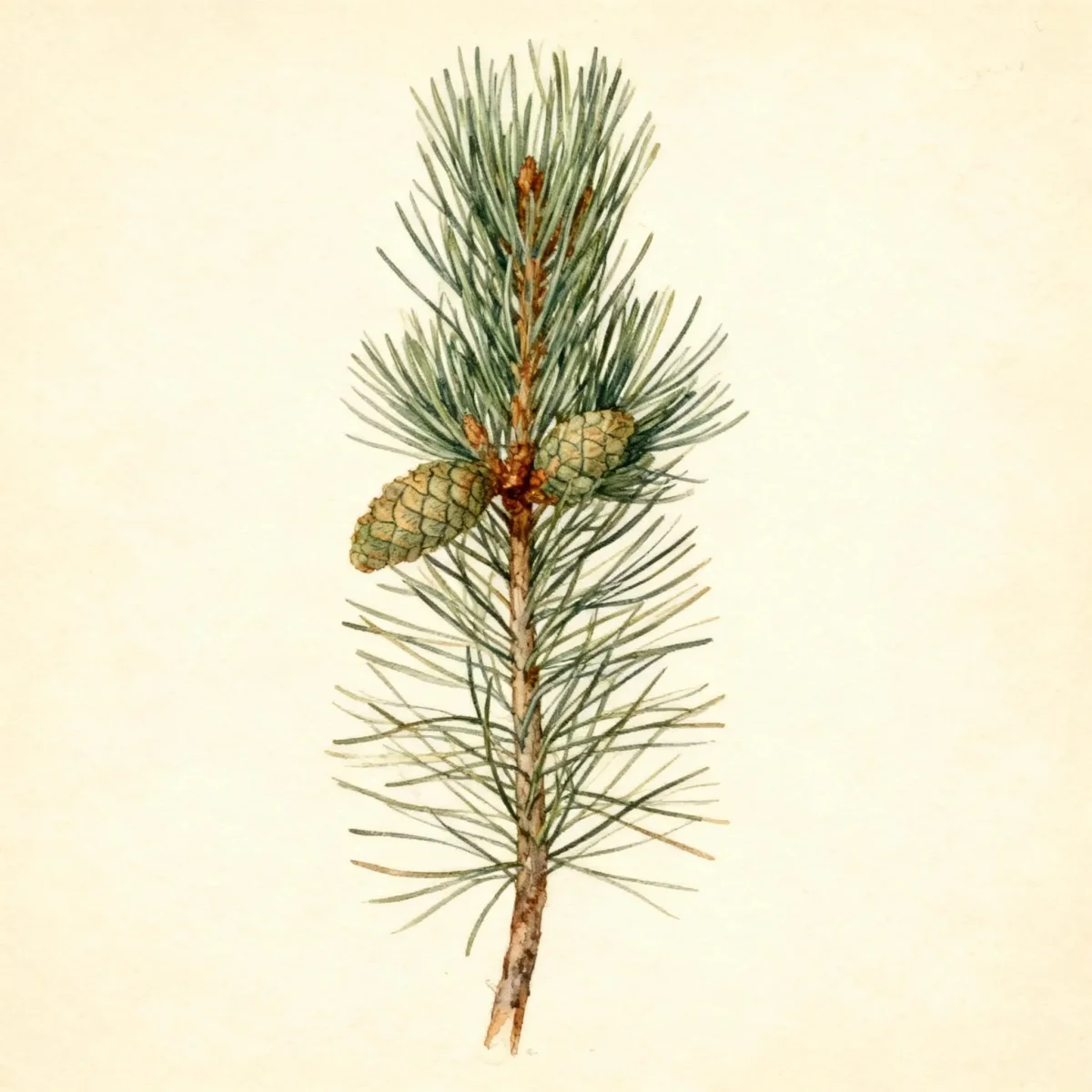
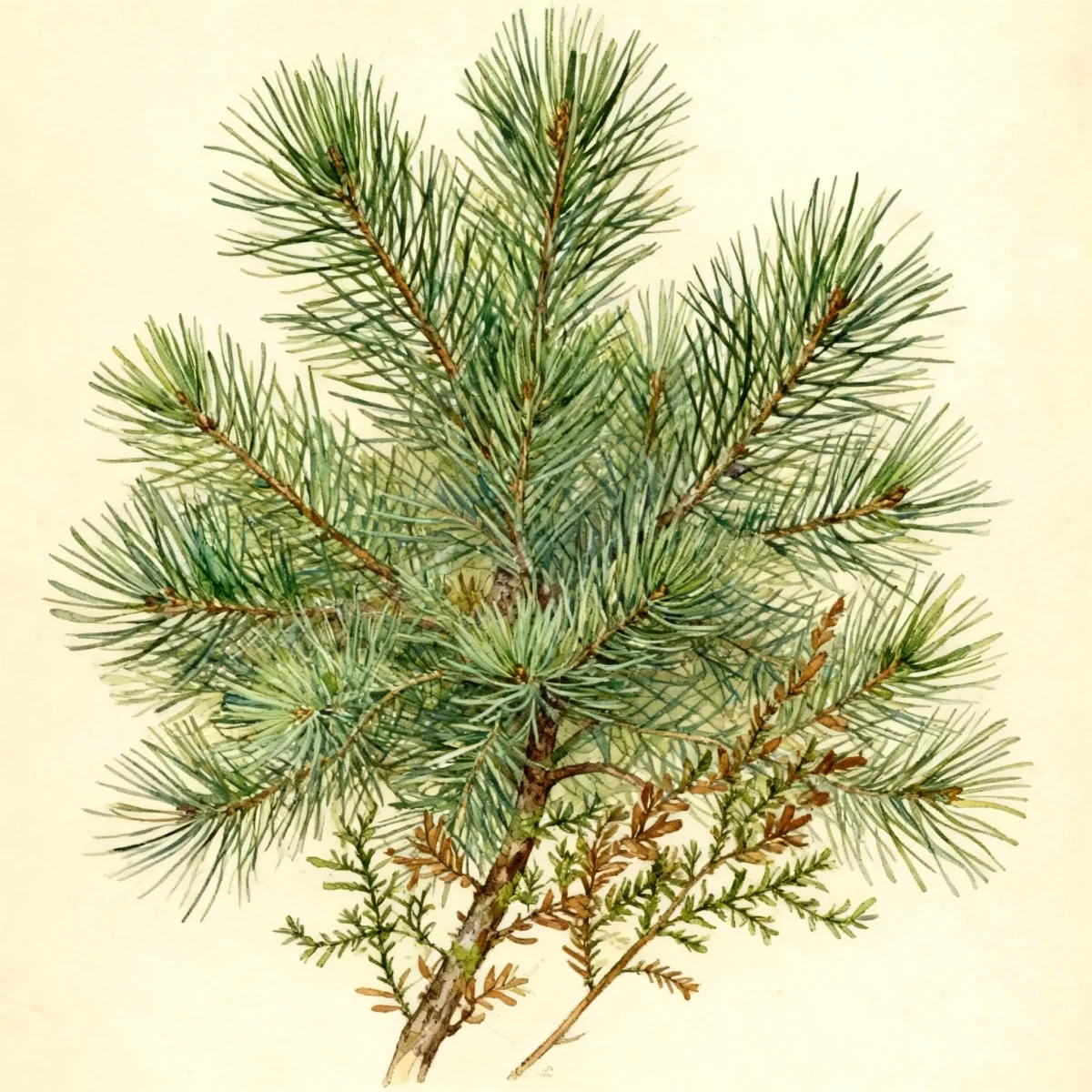
Pinus sylvestris, commonly called Scots pine, is a fast-growing, conical to columnar, medium sized conifer with distinctive flaking orange/red-brown bark. The cultivar ‘Hillside Creeper’ drastically alters this habit, becoming a fast-growing (12”+ per year), prostrate, spreading specimen. Over its first decade, it aims for a height near 2 feet while aggressively spreading up to 8 feet wide, featuring light green, twisted needles in bundles of two that shift to an attractive yellowish green in winter.
Tolerances
- Deer
Potential Problems
While Pinus sylvestris ‘Hillside Creeper’ is generally low maintenance, susceptibility to certain pests and diseases remains a concern, particularly in adverse climates. Scots pine overall can struggle in areas experiencing high summer heat and humidity, often making them targets for disease pressure. Sphaeropsis (Diplodia) tip blight is a significant issue in some regions and manifests as browning needle tips.
Vigilance for specific pests is also necessary. Gardeners should regularly inspect their plants for signs of the pine wilt nematode, which can be fatal. Other potential, though usually manageable, threats include outbreaks of sawflies, various moths, and scale insects, which can weaken the tree over time. Good air circulation and proper fertilization tailored to acidic needs can help boost overall plant vigor, increasing its natural resistance.
Frequently Asked Questions
What hardiness zones is Scotch pine (Pinus sylvestris ‘Hillside Creeper’) suitable for?
Pinus sylvestris ‘Hillside Creeper’ is remarkably cold-hardy, thriving in USDA Zones 2 through 8.
How large does Scotch pine grow?
This spreading cultivar remains very low, typically reaching only 1.5 to 2 feet tall, but it spreads significantly wider, achieving a spread between 6 and 8 feet at maturity.
What sun exposure does Pinus sylvestris ‘Hillside Creeper’ need?
This conifer requires full sun conditions to develop optimally and maintain its compact, spreading habit.
When does Pinus sylvestris ‘Hillside Creeper’ bloom?
As a pine, this plant is non-flowering; it produces cones instead of traditional flowers.
Conclusion
The Pinus sylvestris ‘Hillside Creeper’ offers a fantastic solution for gardeners needing dependable evergreen texture in groundcover or rock garden settings. Its exceptionally low profile and wide spread, combined with its low maintenance needs, make this Scotch pine cultivar a uniquely valuable addition to many landscapes. Always confirm that your site offers full sun and excellent drainage before planting this resilient specimen.
Companion Planting
When planning a landscape around Pinus sylvestris ‘Hillside Creeper’, selecting companions that appreciate acidic soil and full sun exposure is key. Consider pairing it with low-growing, acid-loving shrubs like dwarf rhododendrons or azaleas that can complement its texture while appreciating similar cultural needs. For seasonal color contrast against the pine’s green and yellow winter needles, low-growing shade-tolerant perennials that prefer slightly dappled afternoon sun, such as certain Heuchera or Astilbe varieties situated just beyond the dripline where light softens, can provide excellent dynamic interest.
Ground-hugging Sedums or Thymes make excellent companions for areas directly adjacent to the spreading pine, as they tolerate drier, well-draining conditions once established. By grouping plants with similar water needs (medium), you simplify your maintenance routine significantly. The overarching goal is to enhance the texture and color profile of the low-growing Scotch pine without crowding its necessary spread.
Design Ideas for Spreading Conifers
Utilizing a prostrate conifer like Pinus sylvestris ‘Hillside Creeper’ effectively involves leveraging its horizontal growth habit as a design element. One excellent application is using it as a “spiller” in large, permanent landscape installations, allowing it to slowly creep over retaining walls or the edges of raised garden beds. This technique minimizes the visual impact of hard edges.
For contemporary designs, use several specimens spaced apart to create islands of year-round texture in a sea of clean gravel or mulch. As the Pinus sylvestris ‘Hillside Creeper’ matures, these islands will merge, creating a cohesive, low-maintenance green carpet that highlights architectural elements or specimen statues. Its resilience in poor soils also makes it suitable for xeriscaping projects where water conservation is a priority after establishment.