Scotch pine (Pinus sylvestris 'Hindu-Pan')
Pinus sylvestris 'Hindu-Pan' is a dwarf Scotch pine valued for its unique form, perfect as a specimen in zones 3-7.
Scroll down to discover growing tips, care requirements, companion plants, and more
Complete Plant Information
Overview
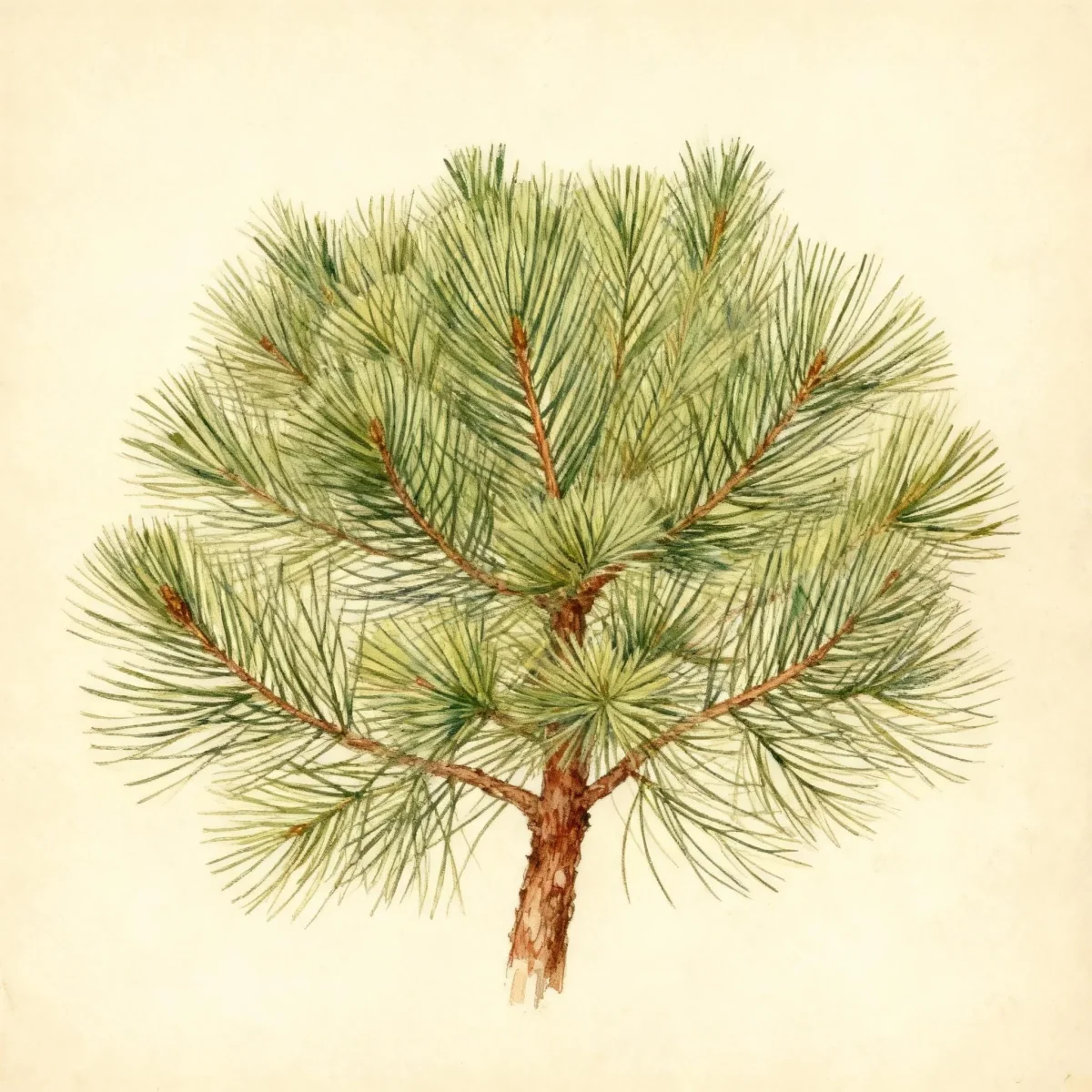
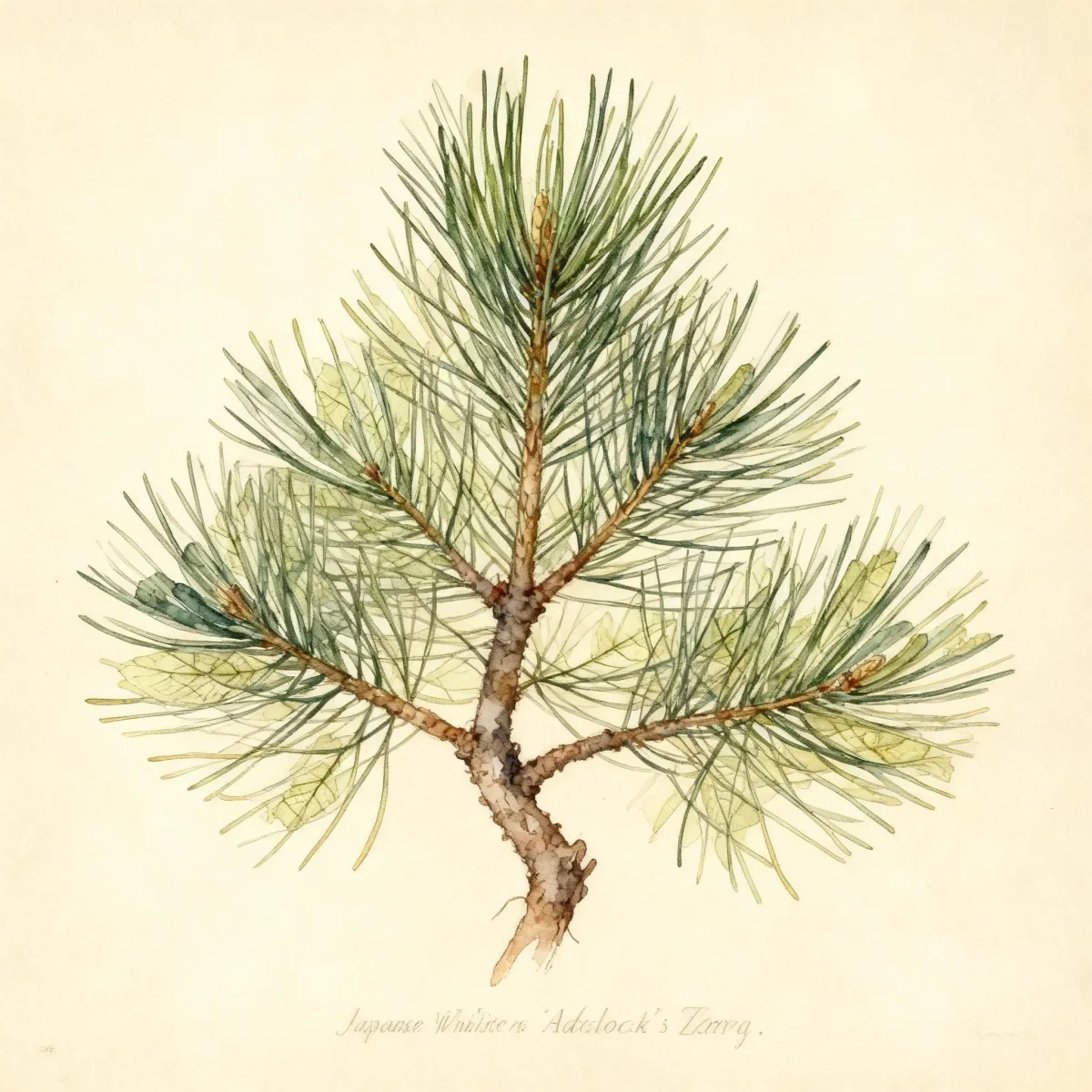
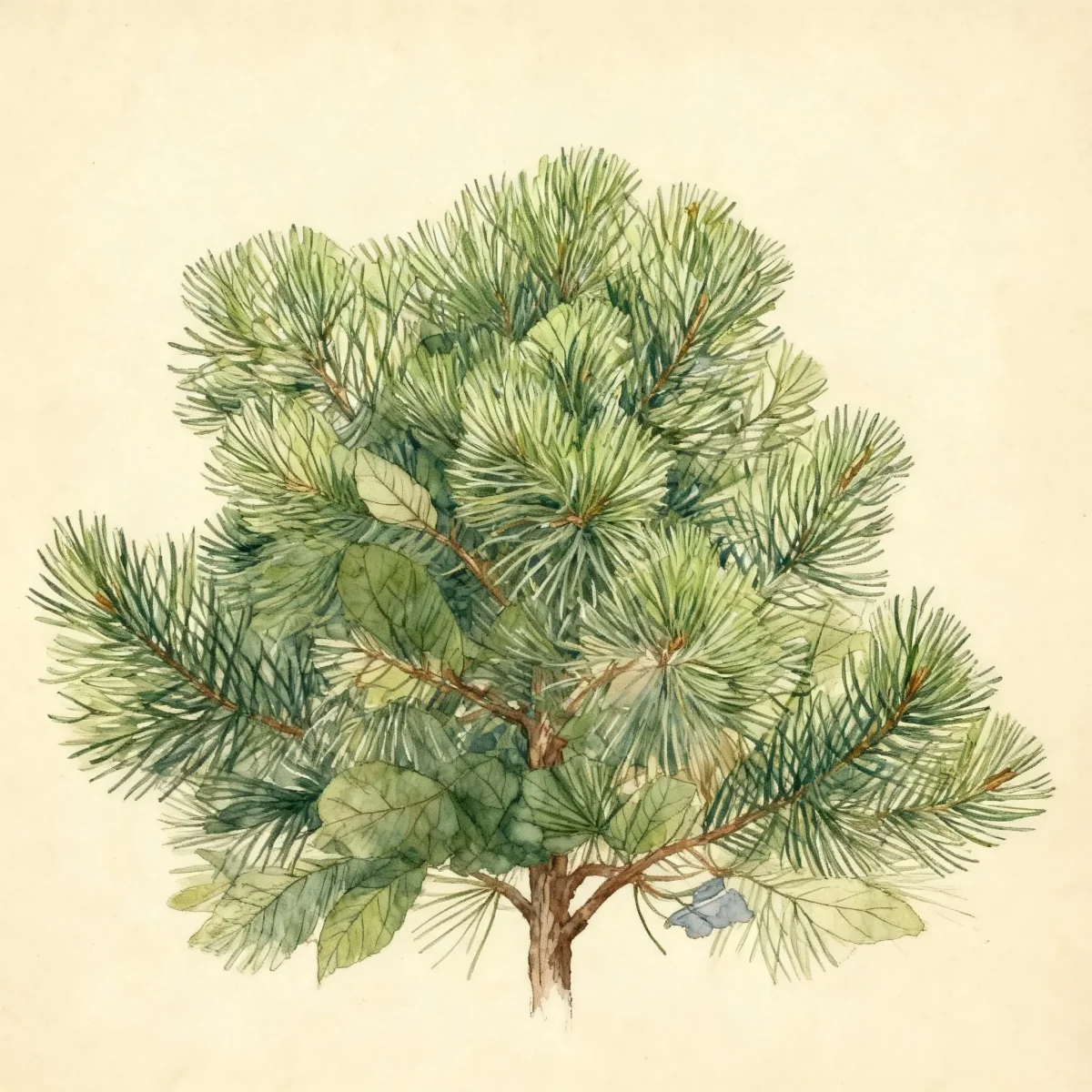
The Pinus sylvestris ‘Hindu-Pan’ is a captivating dwarf cultivar of the common Scotch pine, sought after by gardeners aiming for deliberate structure in their landscapes. Unlike its towering wild relatives, this selection matures into a compact, upright form, lending itself perfectly to specialized garden features. Its distinctive clumping needle growth encourages the ‘Hindu-Pan’ form, making it highly valued for its resemblance to a large, living sculpture.
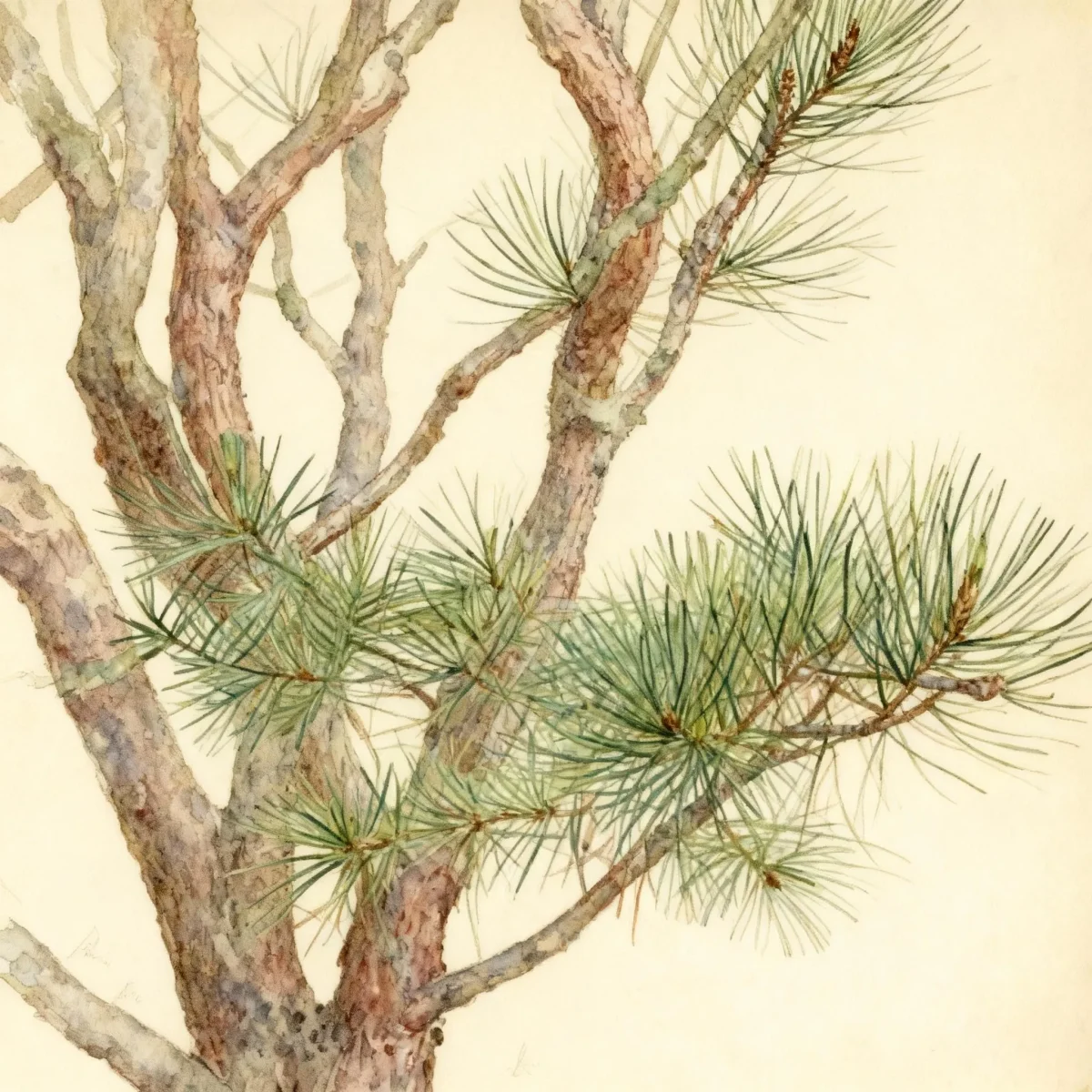
As a needled evergreen, the Scotch pine provides year-round visual interest, contrasting nicely with deciduous plantings. While the species generally features notable orange-red flaking bark, even this dwarf cultivar retains aesthetic qualities that distinguish it in the garden composition. Its manageable size makes it an excellent choice where space is limited but the texture of a conifer is desired.
Successful cultivation of Pinus sylvestris ‘Hindu-Pan’ hinges on providing it with suitable conditions, primarily full sun and well-drained soil. While relatively tough once established, gardeners must commit to its unique pruning requirements to maintain the desired aesthetic shape, ensuring this handsome specimen remains a focal point.
Fast Facts
- Plant Family: Pinaceae
- Plant Type: Needled evergreen
- Hardiness Zones: USDA Zones 3-7
- Size at Maturity:
- Height: 3-6 ft
- Spread: 3-6 ft
- Bloom Time: Non-flowering
- Bloom Description: Non-flowering
- Sun Exposure: Full sun
- Water Needs: Medium
- Maintenance Level: Medium
How to Grow
Planting the Scotch pine cultivar ‘Hindu-Pan’ should occur when soil temperatures are moderate, ideally spring or early fall, ensuring the root ball establishes before extreme weather hits. Choose a location that receives unfiltered full sun throughout the day. This plant thrives in moist, acidic soil mixtures, but crucially requires excellent drainage; heavy, waterlogged clay will lead to root issues.
Establishment requires consistent attention to watering, categorized as medium needs. Water deeply when the top few inches of soil dry out, especially during the first one to two growing seasons. While capable of tolerating poorer soils, consistent moisture balances the full sun requirement. This variety generally prefers cooler summers and may struggle in the heat and humidity common to the deep South.
The maintenance level for Pinus sylvestris ‘Hindu-Pan’ is designated medium primarily due to its specialized needs. The most critical annual task is pruning to retain the desired ‘Hindu-Pan’ form; this specialized shaping must be performed yearly. Generally, this plant establishes well in urban environments, often tolerating pollution better than some other pine varieties.
Landscape Uses
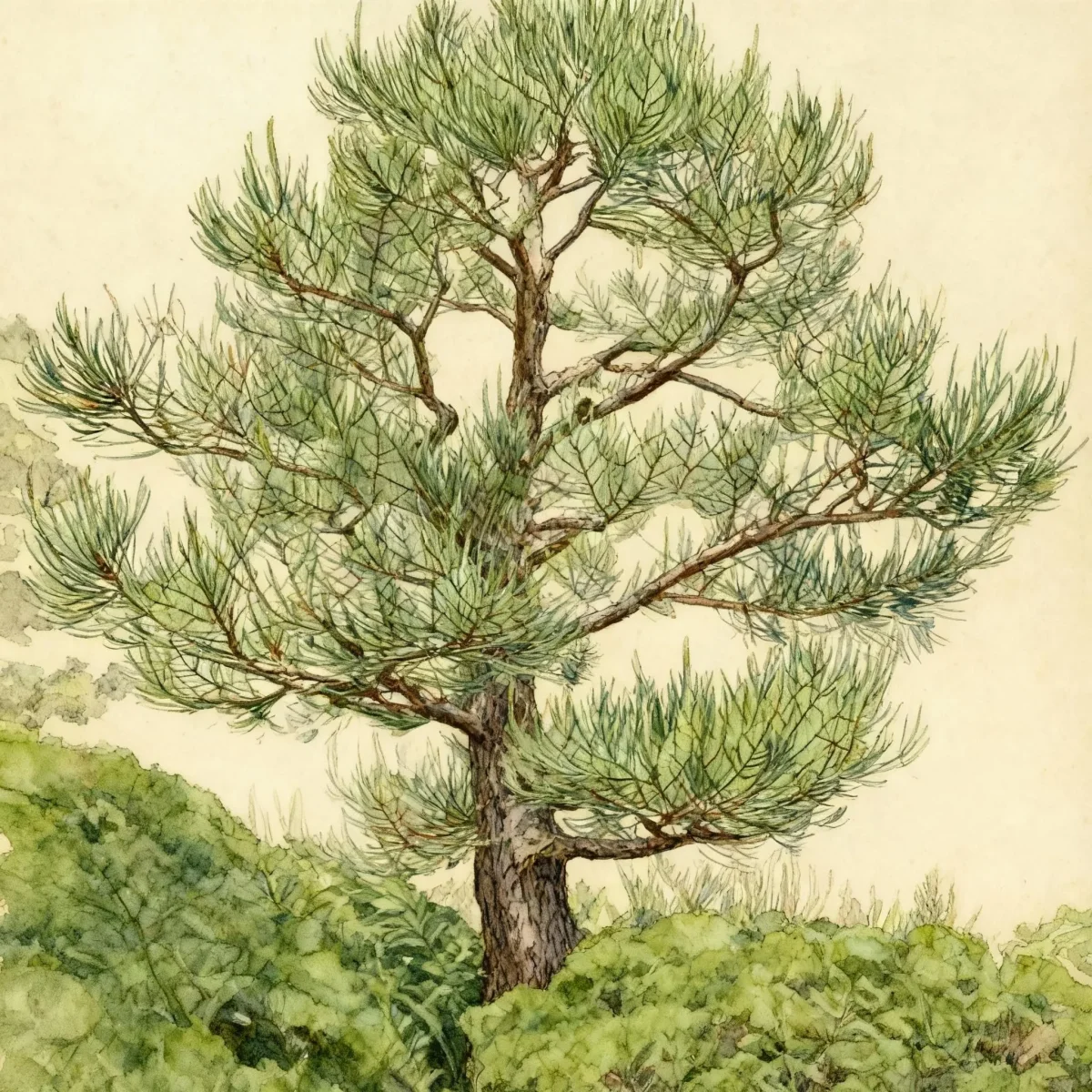
The compact, sculptural nature of Pinus sylvestris ‘Hindu-Pan’ makes it an exceptional choice as a specimen tree. Its relatively small stature (3 to 6 feet maximum) allows it to command attention without overwhelming smaller yards or rock gardens. Position it where its unique structure can be viewed from multiple angles, perhaps near an entryway or flanking a path.
This dwarf Scotch pine serves effectively as an accent piece, injecting year-round texture into perennial borders or mixed evergreen gardens. Given its upright, almost bonsai-like habit, it pairs well with low-growing, spreading groundcovers or architectural grasses that do not compete vertically for attention. Planning its placement near seating areas ensures that the striking foliage and bark can be appreciated up close.
Standout Features
Noteworthy Characteristics
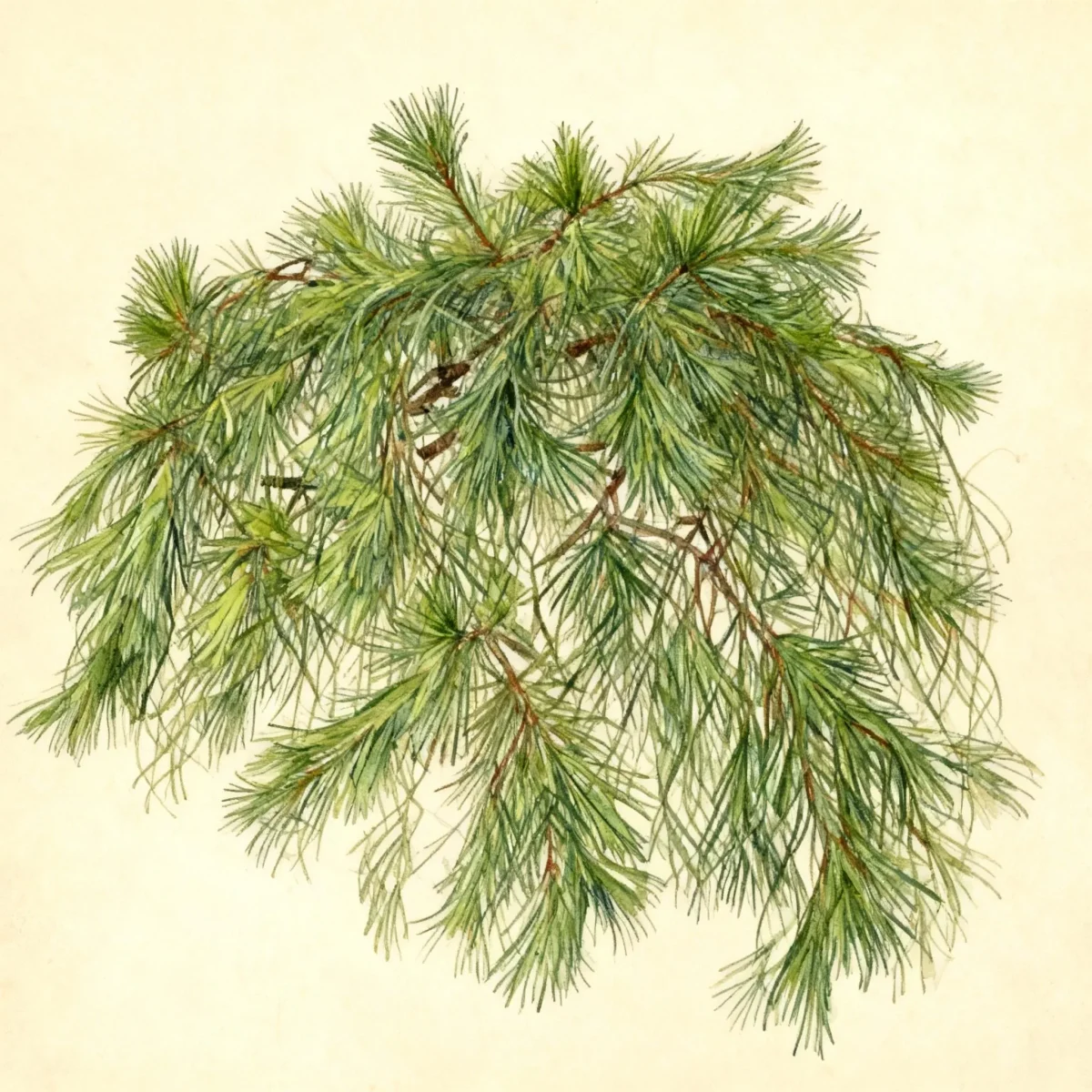
Pinus sylvestris, commonly called Scots pine, is noted for its fast growth and distinctive flaking orange/red-brown bark on mature specimens. The ‘Hindu-Pan’ cultivar is a dwarf, upright selection that matures slowly to about 6 feet tall and wide. Its clumping needle growth pattern allows skilled gardeners to prune it expertly into its unique, sculptural form reminiscent of ground-planted bonsai.
Tolerances
- Deer
Potential Problems
While many pines struggle in certain climates, the Scotch pine and its cultivars like ‘Hindu-Pan’ may experience significant stress in areas with hot, humid summers, such as the St. Louis region, due to climate and increased disease susceptibility. Sphaeropsis (Diplodia) tip blight is a recurring and significant fungal issue that manifests as dying shoot tips, often following environmental stress.
Gardeners must also vigilantly monitor for harmful pests such as sawflies, various scale insects, and the potentially fatal pine wilt nematode. Practicing good cultural care—ensuring adequate sunlight and promoting excellent soil drainage—helps conserve the plant’s natural defenses, reducing susceptibility to these common problems in the Scotch pine.
Frequently Asked Questions
What hardiness zones is Scotch pine (Pinus sylvestris ‘Hindu-Pan’) suitable for?
This specialized cultivar of Scotch pine is suitable for USDA Zones 3 through 7.
How large does Pinus sylvestris ‘Hindu-Pan’ grow?
When mature, this dwarf selection typically reaches a height between 3 and 6 feet, with a comparable spread of 3 to 6 feet.
What sun exposure does Pinus sylvestris ‘Hindu-Pan’ need?
Pinus sylvestris ‘Hindu-Pan’ requires full sun exposure to maintain dense growth and rich color.
When does Scotch pine (Pinus sylvestris ‘Hindu-Pan’) bloom?
This coniferous evergreen is non-flowering.
Conclusion
The Pinus sylvestris ‘Hindu-Pan’ offers specialized gardeners a manageable, architectural structure combined with the rugged character of the Scotch pine species. Its manageable size and unique form make it a superb accent piece, provided the commitment to annual, specialized pruning is honored. Before planting, confirm that your climate falls within USDA Zones 3-7 and soil drainage is optimal for this distinctive evergreen.
Companion Planting
When designing a landscape around Pinus sylvestris ‘Hindu-Pan’, select companions that share its preference for full sun, acidic soil, and medium moisture. Low-growing plants that contrast its upright texture are excellent choices. Consider planting low-growing prostrate junipers or hardy dwarf rhododendrons nearby, provided the soil pH management is consistent across the entire planting group.
Avoid placing this dwarf pine where competitive, moisture-loving perennials might crowd its base, as restricted airflow can exacerbate fungal issues common to pines. Good companions will be those that tolerate occasional dryness once established but still enjoy sharp drainage, reflecting the cultural needs of the Scotch pine.
Seasonal Care Calendar
Spring is the crucial time for the annual maintenance required by Pinus sylvestris ‘Hindu-Pan’. This is when structural pruning must be completed to encourage the development of the ‘Hindu-Pan’ form before active summer growth begins. Inspect the needles for early signs of tip blight after winter dormancy breaks.
Summer care centers on water management. Although it is drought tolerant once established, maintain that medium water routine, especially during heat waves, being careful never to overwater; better to err on the side of slightly dry than soggy. Monitor for signs of common pine pests like scale during warm weather inspections.
Design Ideas for Dwarf Conifers
Utilizing dwarf cultivars like Pinus sylvestris ‘Hindu-Pan’ is key in small-space gardening, Japanese-style gardens, or contemporary minimalist landscapes. Because it functions almost identically to a large, trained bonsai, place it as a focal point rather than burying it in a mixed shrub border. It excels in foundation plantings where height clearance is a primary constraint but evergreen presence is desired.
Consider planting ‘Hindu-Pan’ near reflective surfaces like polished stone or water features; the structure provides excellent winter contrast when other deciduous elements are bare. Its height and spread of 3-6 feet allow it to be successfully situated in large containers or specimen planters, provided high-quality, well-draining potting mix is used and tailored fertilizer is applied sparingly.