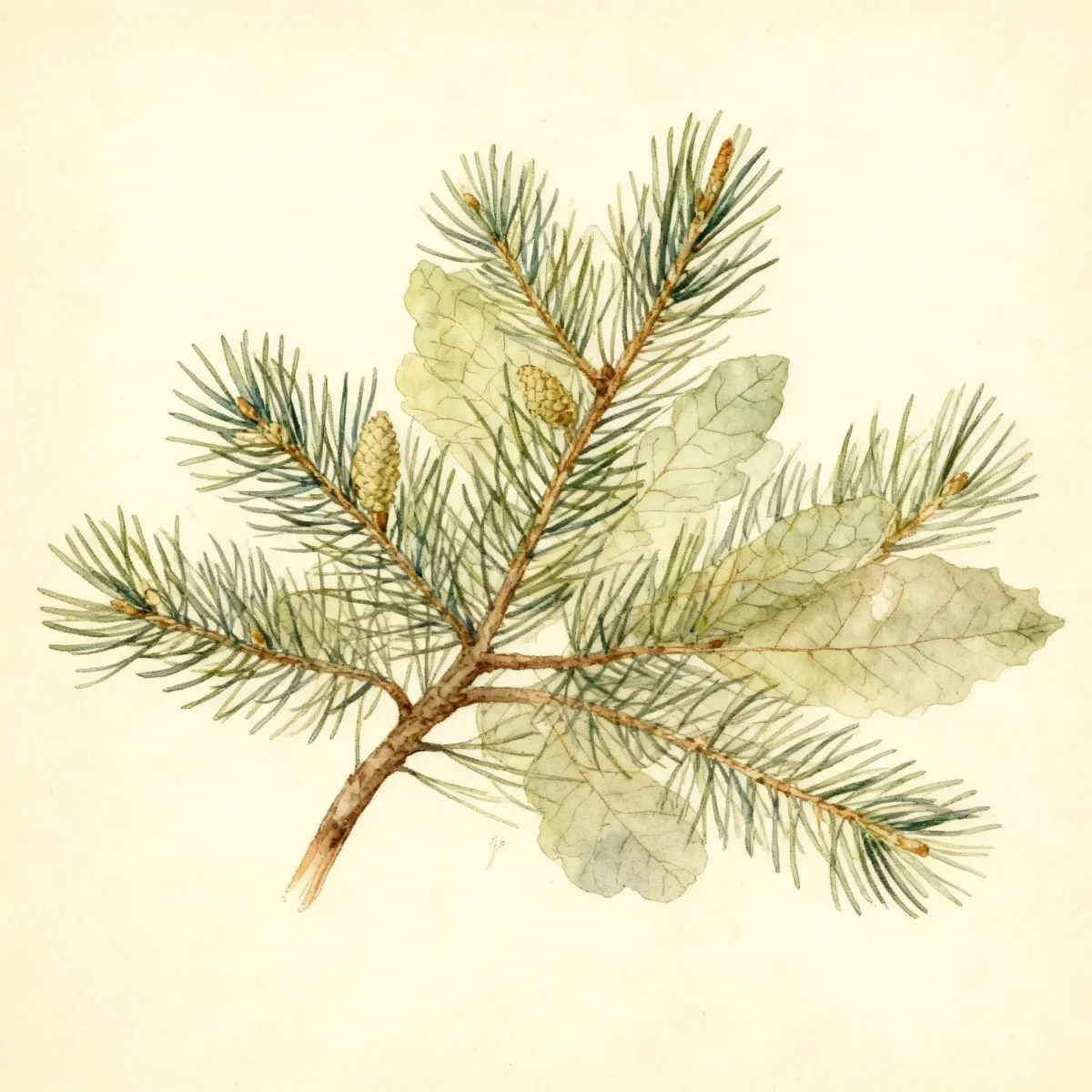
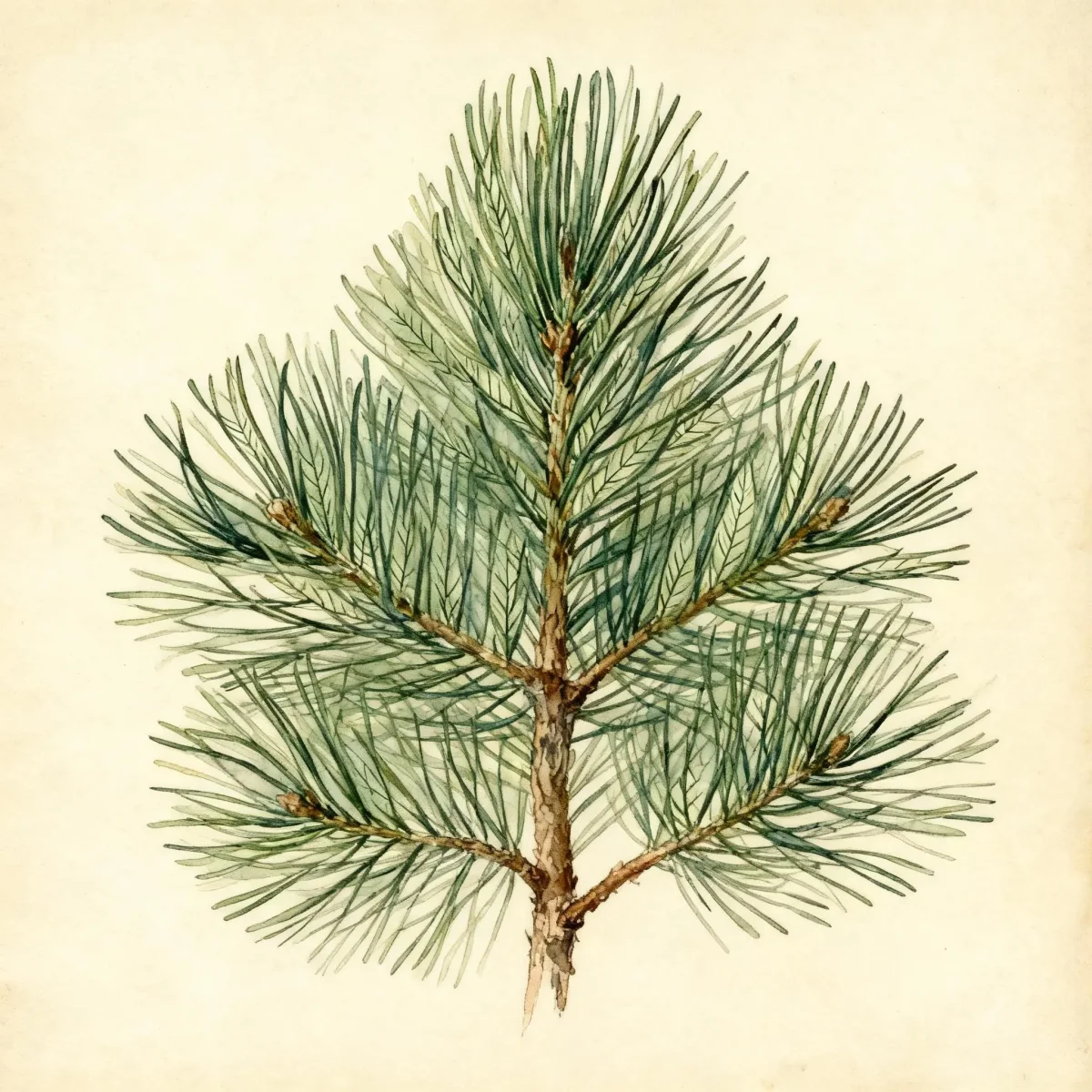
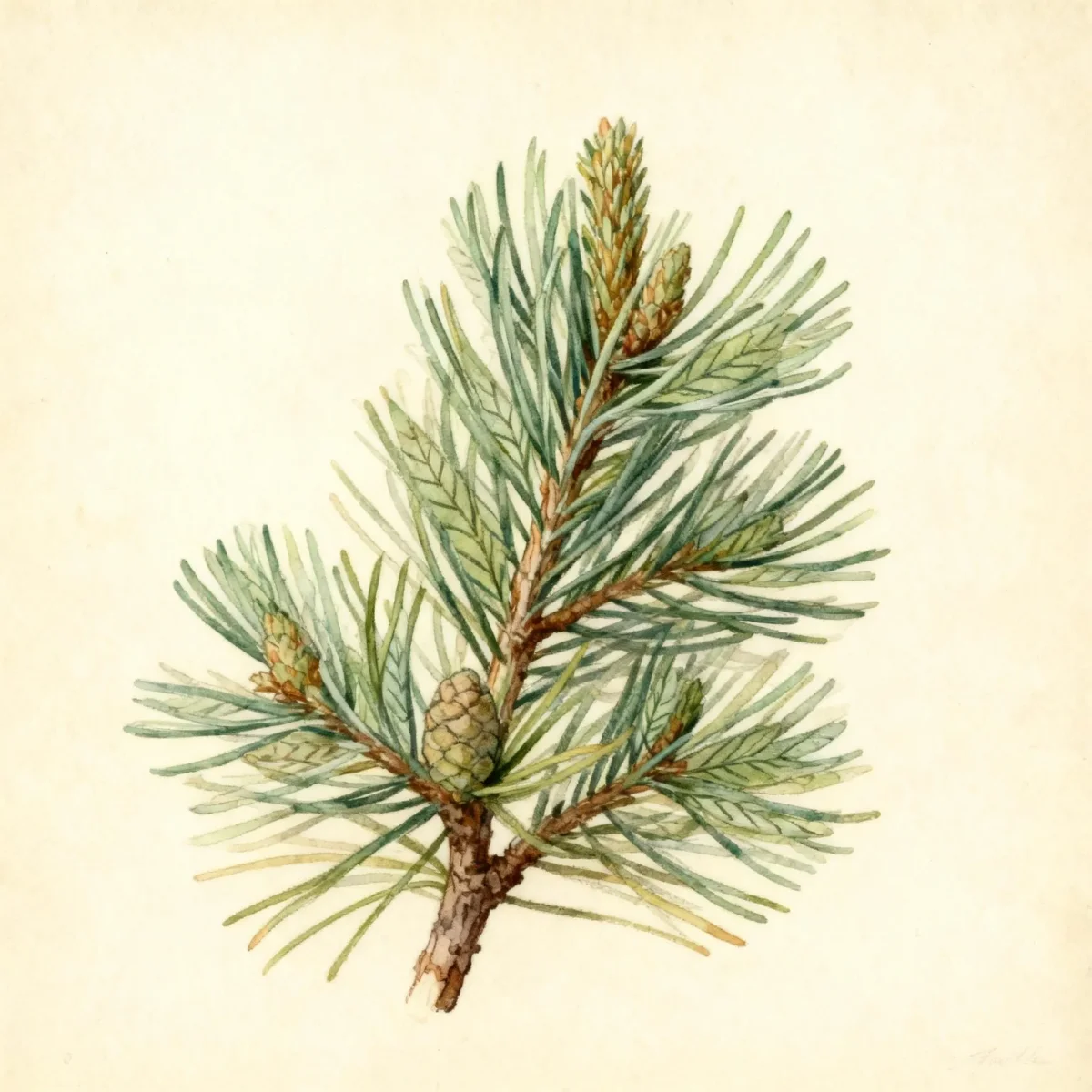
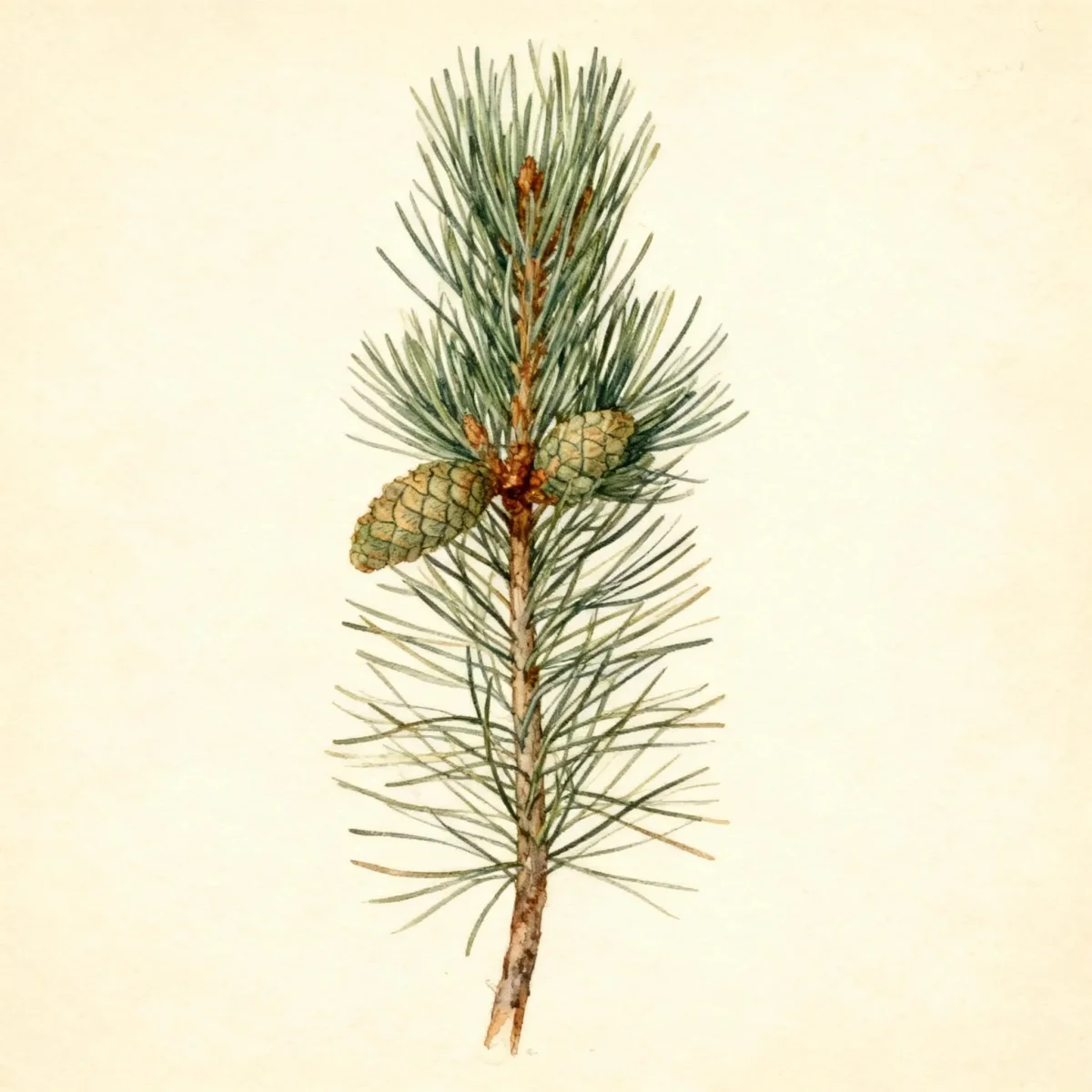
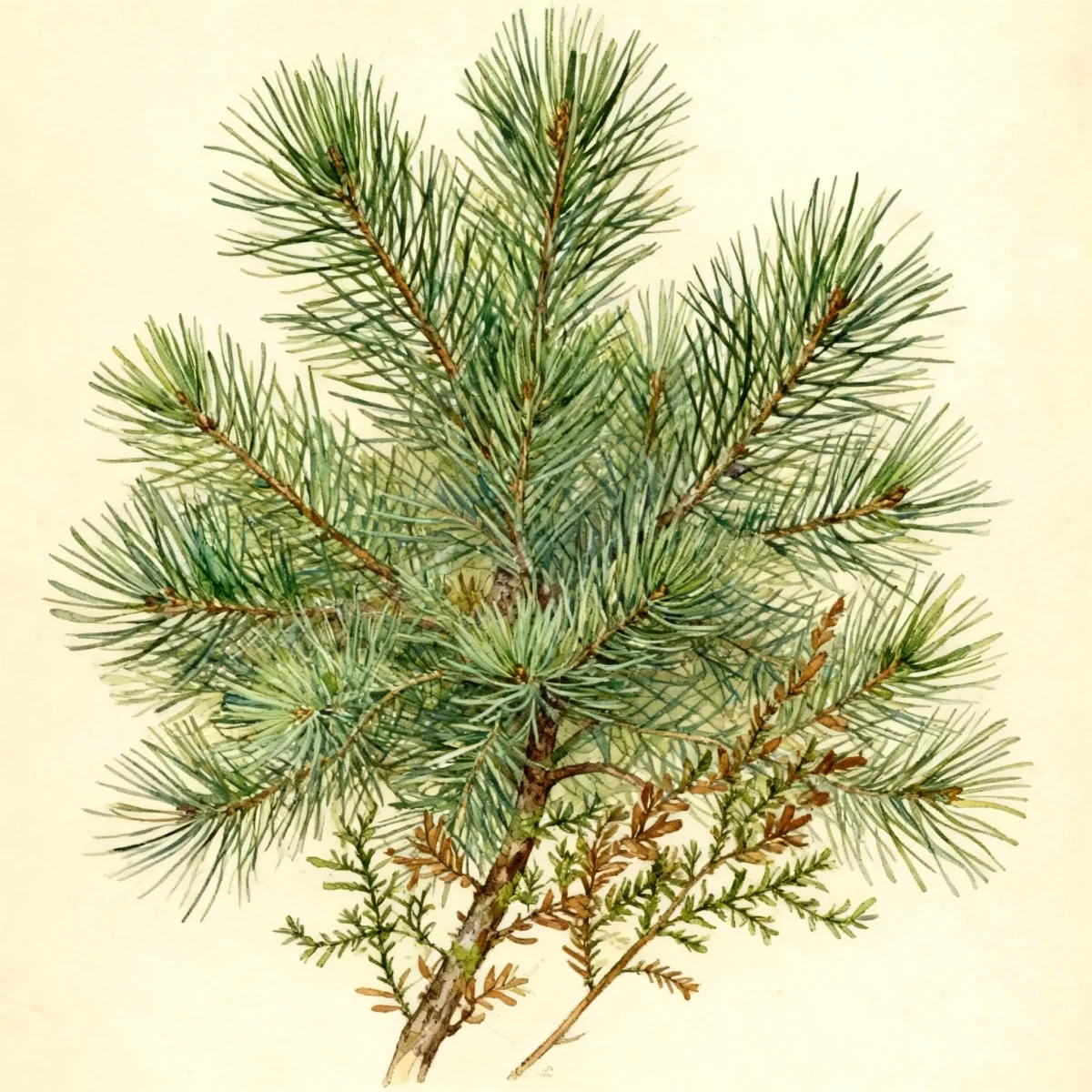
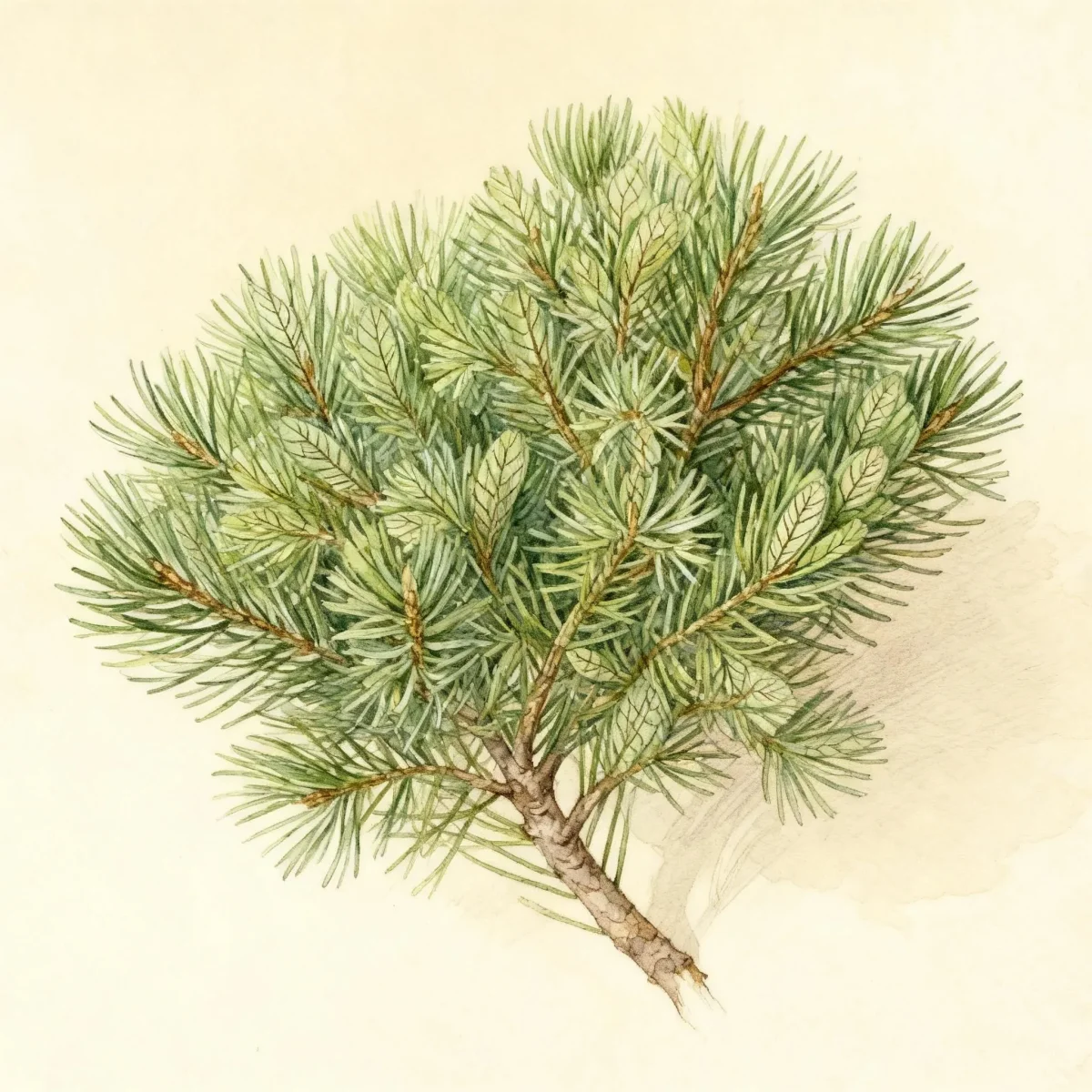
Scotch pine (Pinus sylvestris 'Nana Compressa')
Pinus sylvestris 'Nana Compressa' is a dwarf Scotch pine ideal for rock gardens. Low maintenance evergreen with blue-green needles growing 3-5 ft tall.
Scroll down to discover growing tips, care requirements, companion plants, and more
Complete Plant Information
Overview
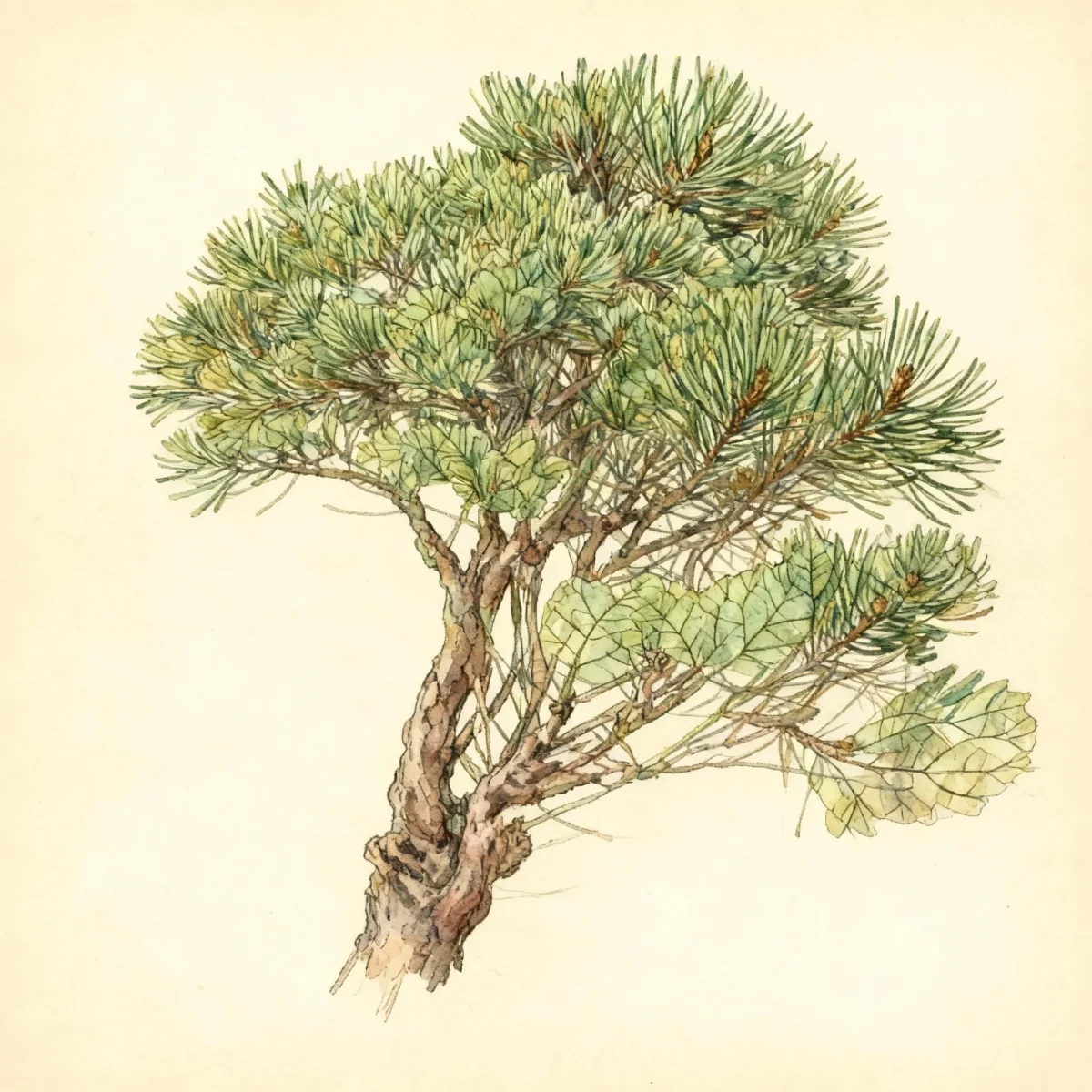
Pinus sylvestris ‘Nana Compressa’ offers exceptional texture and compact form, making it a premier choice for smaller garden spaces where traditional conifers overwhelm the scale. This slow-growing cultivar of the widely recognized Scotch pine retains the classic characteristics of its parent species but in a diminutive, bushy, dome shape ideal for tight placements. Gardeners value this needled evergreen for its ability to provide year-round structure with minimal fuss.
The ‘Nana Compressa’ variety exhibits dense branching and short, blue-green needles, reaching maturity generally between 3 to 5 feet tall and spreading 4 to 7 feet wide over many years. As a low-maintenance evergreen, the Scotch pine cultivar provides excellent contrast against finer foliage plants or built hardscaping elements in rock gardens. Its tolerance for less-than-ideal conditions makes the Pinus sylvestris ‘Nana Compressa’ a reliable anchor plant.
While the towering standard Scotch pine is known for its exfoliating orange bark, this dwarf form maintains a neat, contained habit suitable for foundation plantings or as a specimen in mixed borders. Providing full sun exposure and medium water, the Pinus sylvestris ‘Nana Compressa’ brings dependable evergreen interest to harsh, exposed sites.
Fast Facts
- Plant Family: Pinaceae
- Plant Type: Needled evergreen
- Hardiness Zones: USDA Zones 3-7
- Size at Maturity:
- Height: 3-5 ft
- Spread: 4-7 ft
- Bloom Time: Non-flowering
- Bloom Description: Non-flowering
- Sun Exposure: Full sun
- Water Needs: Medium
- Maintenance Level: Low
How to Grow
Establish your Pinus sylvestris ‘Nana Compressa’ during the cooler months—early spring or fall—to allow the root system to establish before summer heat arrives. Success hinges on drainage; this plant demands well-drained soil. While adaptable to various soil types, ensure the media is slightly acidic, reflecting its natural preferences. Site it where it will receive consistent full sun throughout the day.
Watering should be consistent, meeting its medium water needs, especially during the first few growing seasons. Once established, this Scotch pine variant is reasonably drought-tolerant but thrives with deep watering during dry spells. Fertilizing is rarely necessary, aligning with its low maintenance rating, especially in poor soils. Only prune if structural shaping is required, though its natural dome shape usually dictates minimal intervention.
Gardeners must be mindful of climate sensitivity. Pinus sylvestris ’ নেতাদের dislike intense heat combined with high humidity, often struggling in the deep South where conditions are overly warm and wet. In regions where it is suitable (Zones 3-7), it handles urban pollution well, making it an easy addition near paved areas or in maintained landscapes.
Landscape Uses
The manageable size of the Pinus sylvestris ‘Nana Compressa’ makes it perfect for areas demanding year-round structure without significant vertical growth. It functions excellently as a dwarf specimen in rock gardens, providing a sturdy, textural focal point that contrasts beautifully with low-growing alpines or sedums. Its compact, dome shape also lends itself well to foundation plantings near modern or traditional homes where height restrictions are key.
Furthermore, this dwarf Scotch pine is highly sought after for bonsai enthusiasts due to its attractive needle structure and dense habit, allowing for intricate shaping over time. When placed near boundaries, it acts as a low, informal screen or edge marker, providing evergreen texture when deciduous neighbors are bare. Ensure companions enjoy similar full sun exposure and appreciate well-drained soil conditions.
Standout Features
Noteworthy Characteristics
The standard Pinus sylvestris, or Scots pine, is famous for its distinctive, flaking orange-red bark and twisted blue-green needles occurring in bundles of two. The ‘Nana Compressa’ cultivar retains this appealing needle color but forms a slow-growing, bushy, dome shape, typically reaching only 3-5 feet tall and 4-7 feet wide. This compact habit, contrasted with the species’ large size, makes it highly valuable for dedicated gardeners seeking miniature versions of classic forest trees.
Tolerances
- Deer
Potential Problems
While highly valued, the Scotch pine cultivars, including Pinus sylvestris ‘Nana Compressa’, can face specific challenges depending on the local environment. In areas with poor air circulation or high humidity, Sphaeropsis (Diplodia) tip blight poses a significant threat, causing the tips of the needles to die back prematurely. Vigilance is required to maintain dry conditions around the foliage.
Pine wilt nematode is another serious issue for many pines, requiring growers in affected regions to monitor for signs of infection such as sudden needle discoloration or wilting. Additionally, common pests like sawflies, various moths, and scale insects can infest this needled evergreen, often appearing when the plant is stressed by poor soil drainage or excessive heat. Prompt identification and treatment are crucial to preserving the health of your Pinus sylvestris ‘Nana Compressa’.
Frequently Asked Questions
What hardiness zones is Scotch pine suitable for?
Pinus sylvestris ‘Nana Compressa’ is best suited for USDA Zones 3 through 7, offering reliable performance across a wide temperature range.
How large does Pinus sylvestris ‘Nana Compressa’ grow?
This specific cultivar is a dwarf form, typically maturing to heights between 3 and 5 feet, with a comparable spread of 4 to 7 feet.
What sun exposure does Scotch pine need?
This needled evergreen requires full sun exposure to maintain its dense growth habit and coloration.
When does this plant bloom?
Pinus sylvestris ‘Nana Compressa’ is non-flowering, as it is a conifer bearing cones rather than traditional blossoms.
Conclusion
The Pinus sylvestris ‘Nana Compressa’ is an outstanding dwarf option for gardeners needing low-maintenance, year-round evergreen structure within defined spaces. Its blue-green foliage and compact, dome-like shape ensure it remains a desirable feature in rock gardens and foundation plantings. Confirm that your site provides full sun and excellent drainage before planting this venerable Scotch pine cultivar.
Companion Planting
When selecting companions for Pinus sylvestris ‘Nana Compressa’, focus on plants that share its preference for full sun and acidic, well-drained soil. Lower growing, textural plants work best to highlight the mounding form. Consider planting with low-growing sedums or creeping thyme if you are creating a rock garden theme; these options thrive in similar, slightly harsher conditions.
For slightly larger companions, small deciduous Japanese maples (in cooler microclimates) or dwarf conifers with contrasting yellowish foliage can provide excellent seasonal color variation against the steady blue-green of the Scotch pine. Avoid plants that require consistently moist or heavy clay soils, as poor drainage is a frequent cultural stressor for this species.
Design Ideas for Compact Conifers
The manageable spread of this dwarf Scotch pine allows it to serve as an intentional specimen near entryways or patios where space is at a premium. Use a single Pinus sylvestris ‘Nana Compressa’ as a focal point in a mixed evergreen border, positioning taller, looser forms behind it to create depth. Its dense, formal shape pairs well with asymmetrical plantings, creating pleasing visual balance without the need for constant shearing.
In Asian-inspired or Zen gardens, the dense, rounded habit of Pinus sylvestris ‘Nana Compressa’ mirrors the look of carefully pruned pines on a much smaller, accessible scale. It serves as an excellent anchor in container arrangements, provided the container is large enough to accommodate root growth over several years and offers superior drainage.