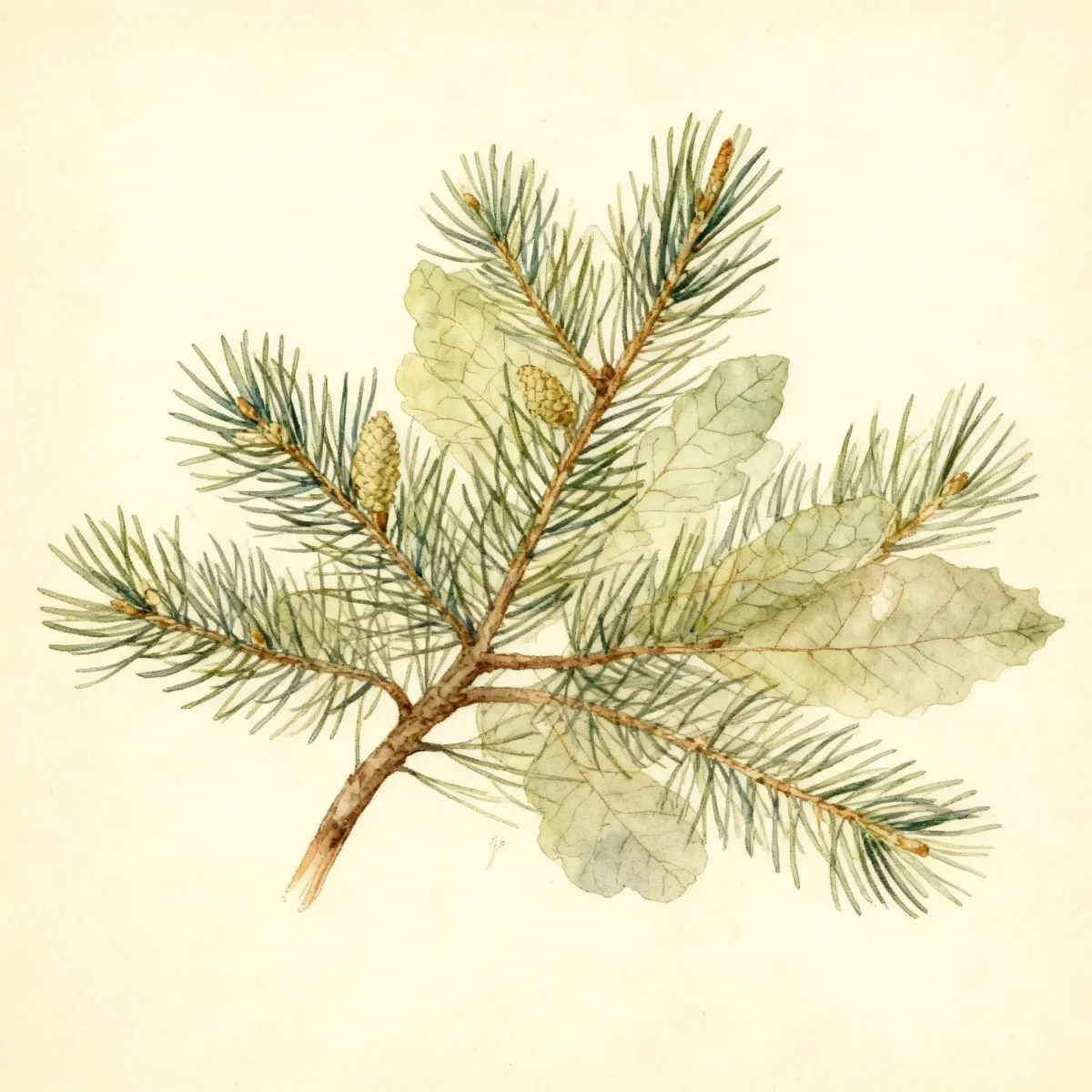
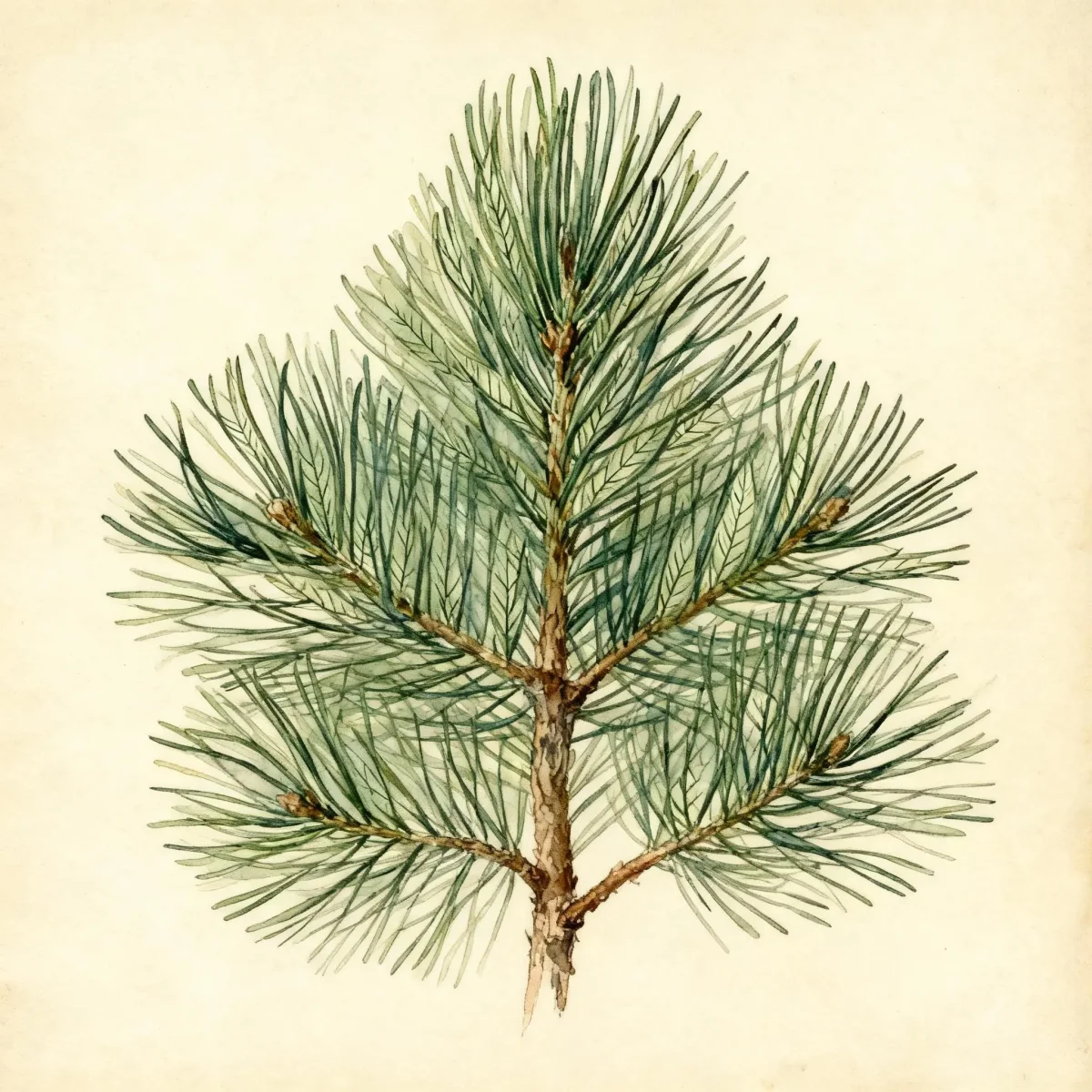
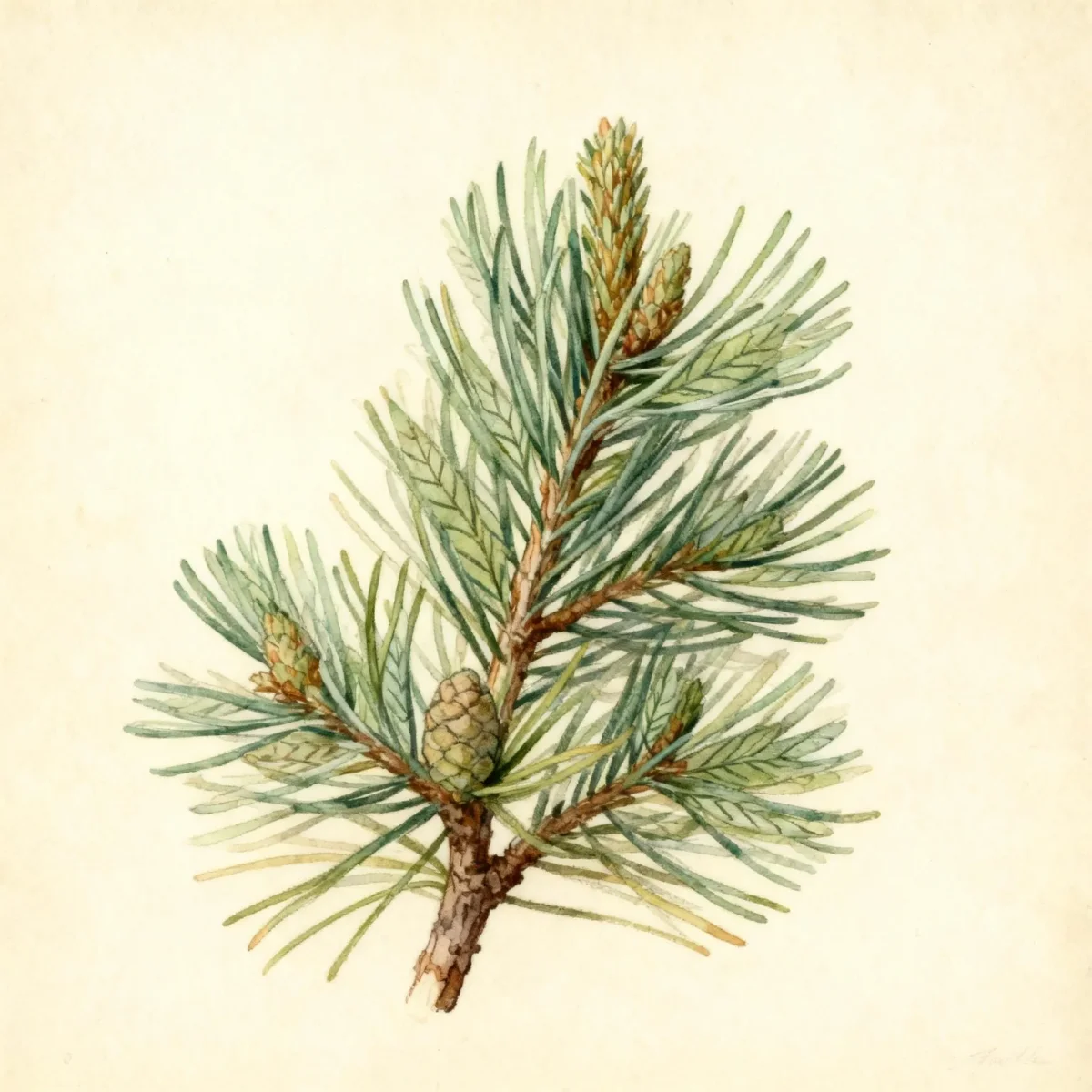
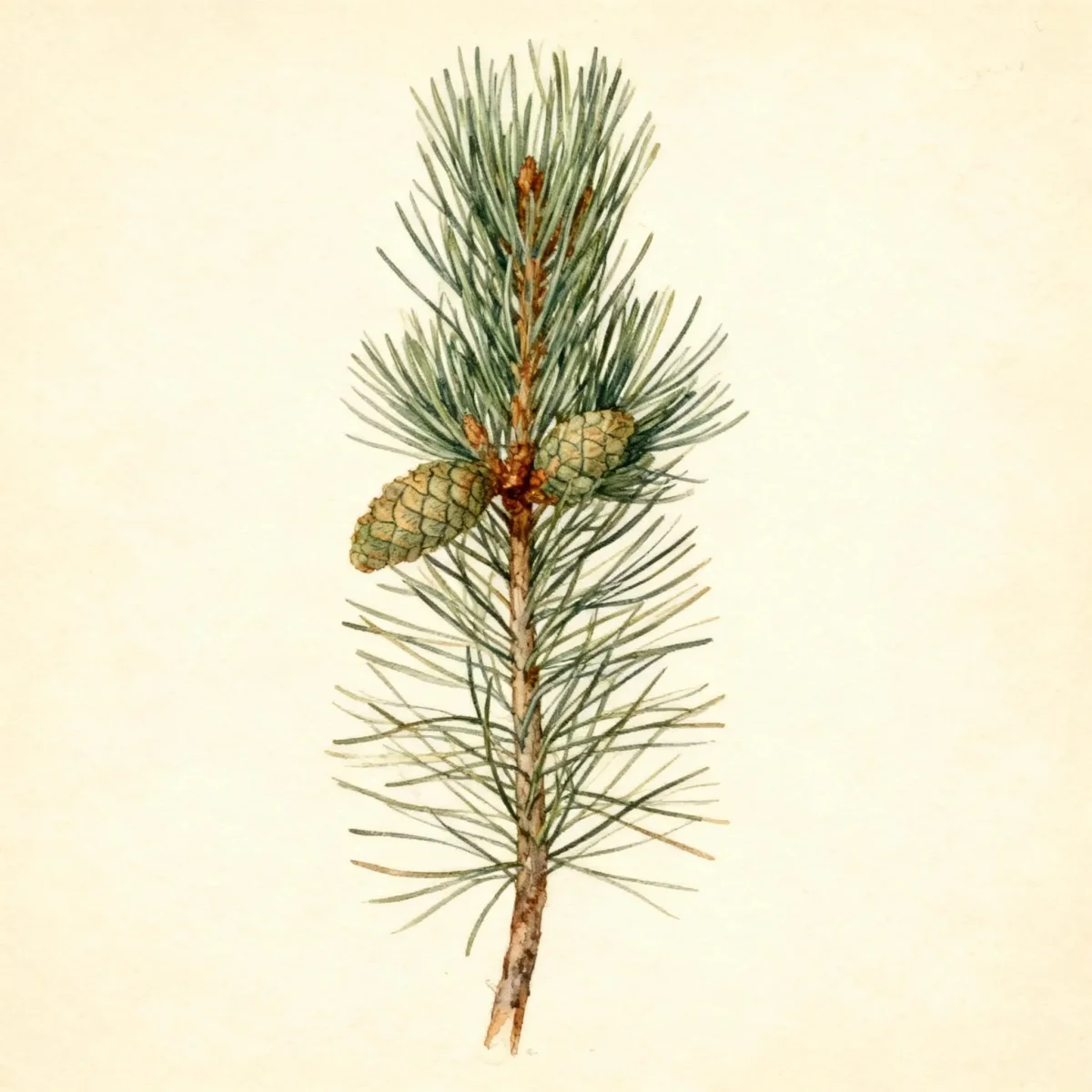
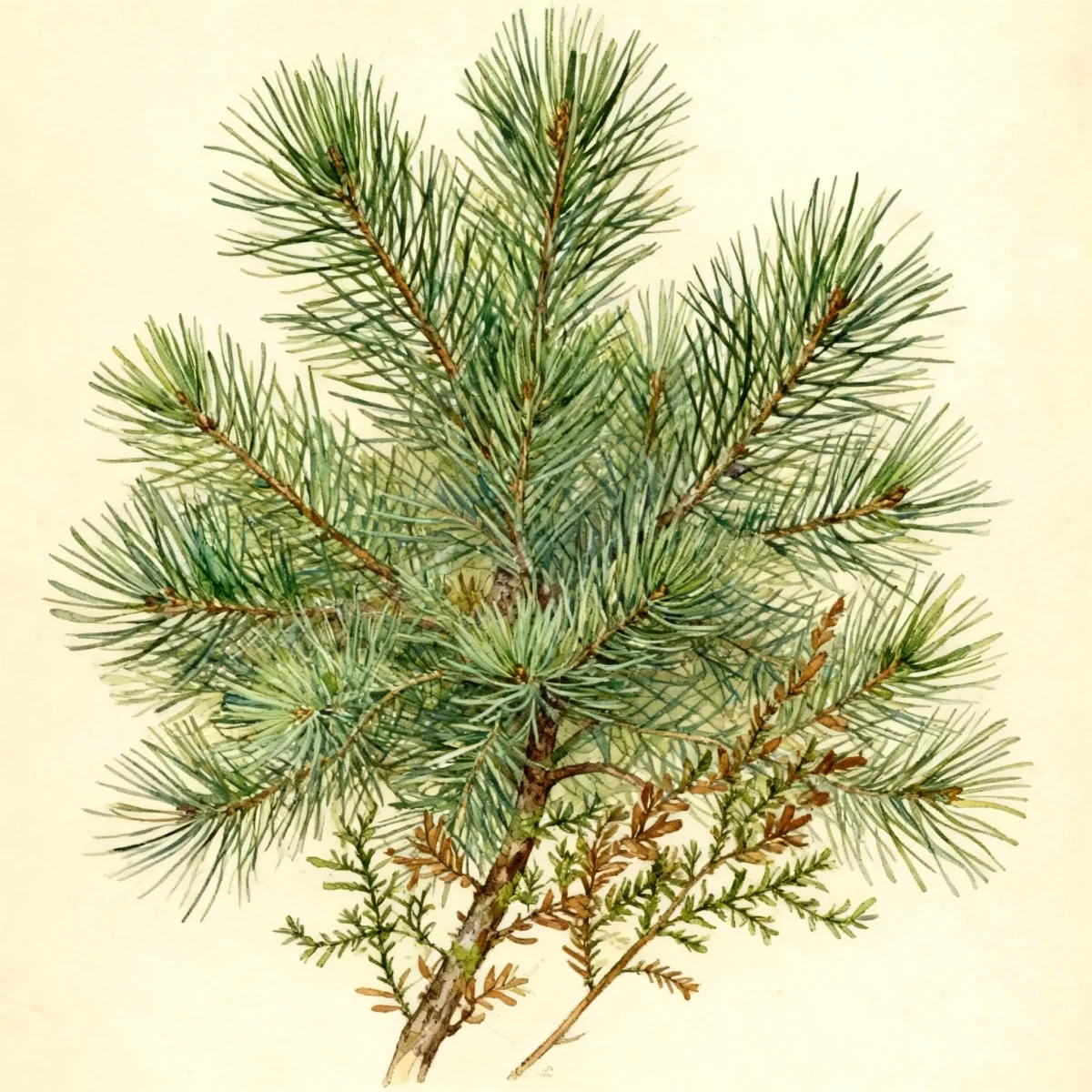
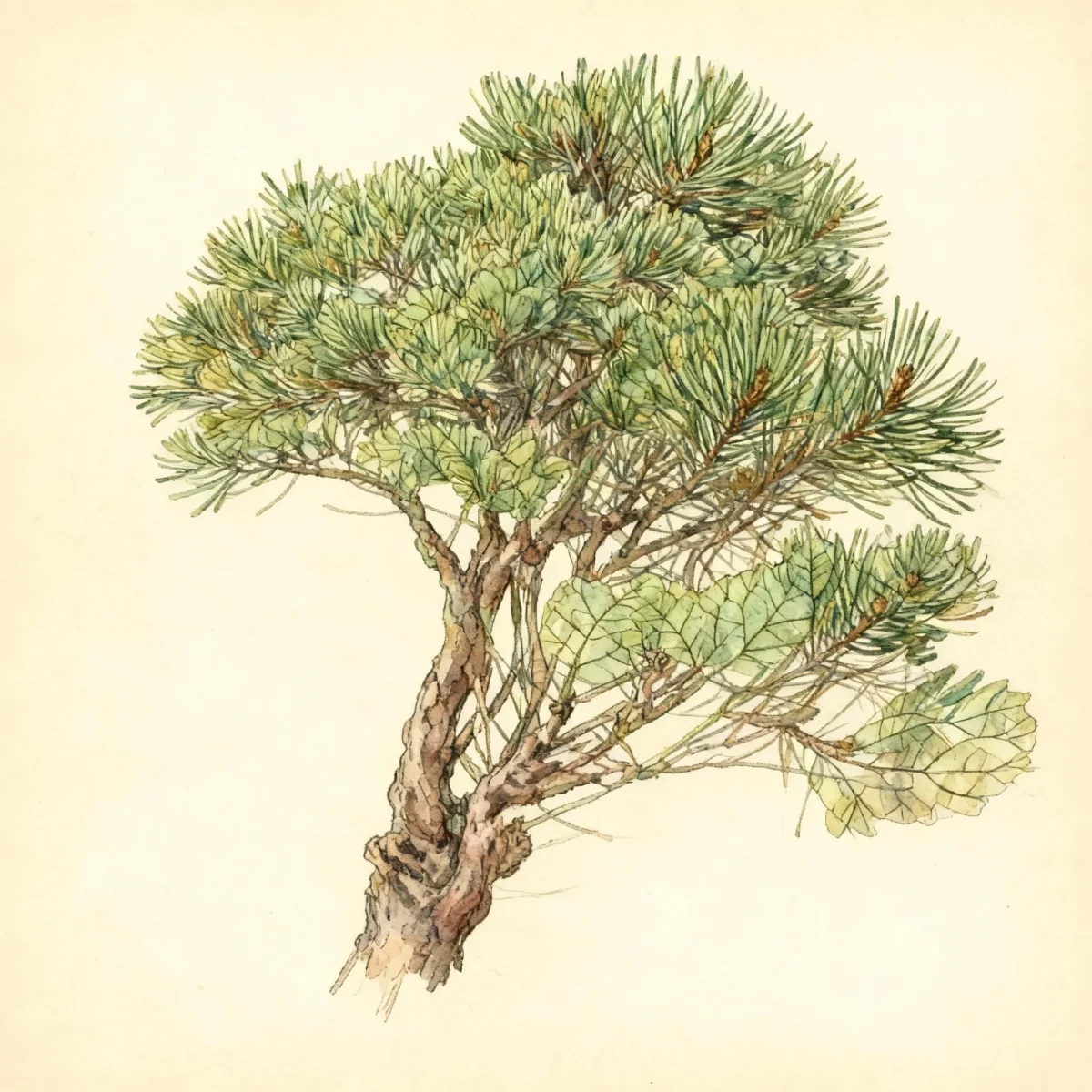
Scotch pine (Pinus sylvestris 'Repens')
Pinus sylvestris 'Repens' is a compact, low-spreading Scotch pine, perfect as evergreen ground cover in full sun.
Scroll down to discover growing tips, care requirements, companion plants, and more
Complete Plant Information
Overview
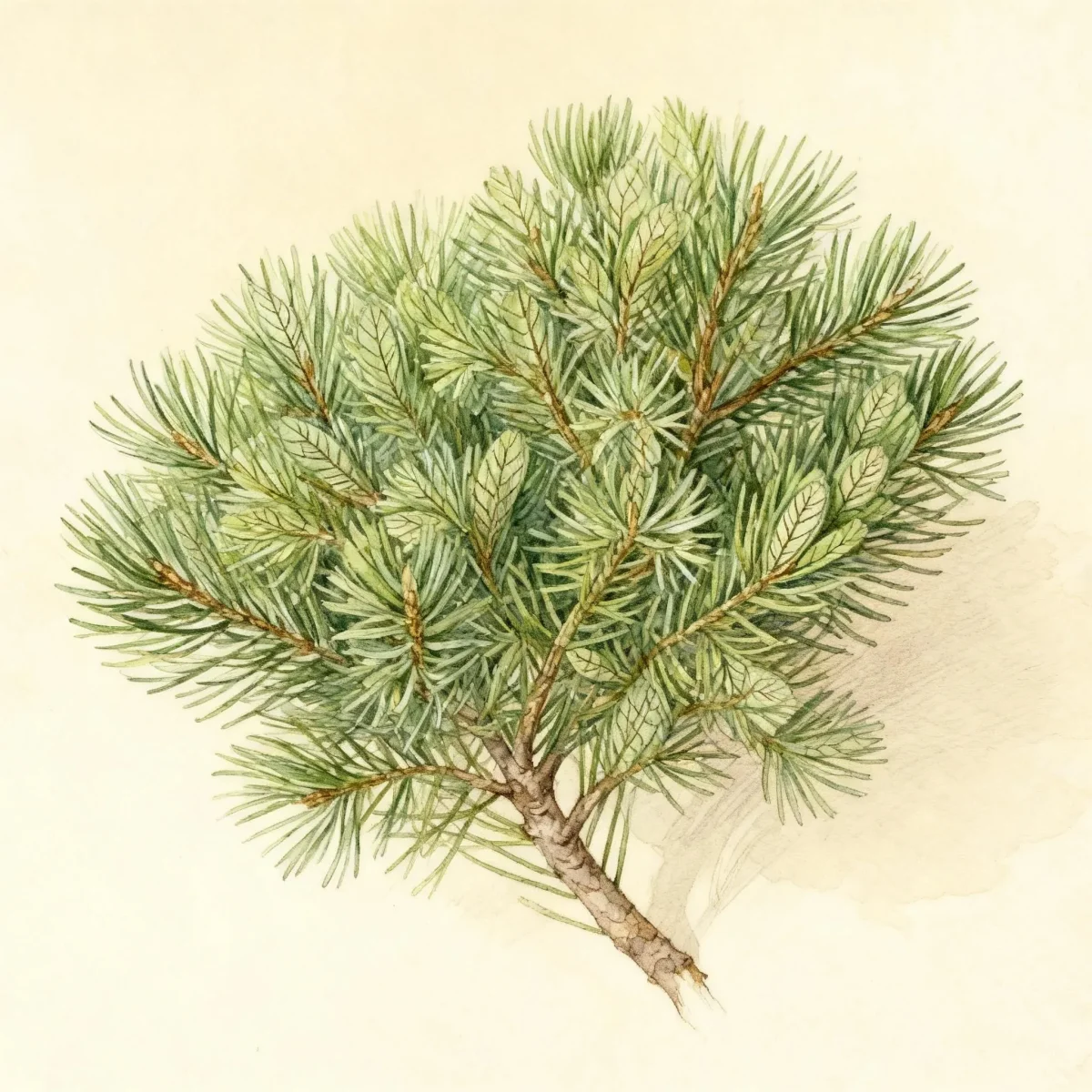
Pinus sylvestris ‘Repens’, often known as a creeping or low-spreading Scotch pine, offers year-round structure and color ideal for smaller gardens or challenging slopes. This cultivar of Scotch pine provides the classic rugged texture of its larger relatives but in a much more manageable, ground-hugging form. Its primary appeal lies in its slow growth rate and attractive blue-gray needles that contrast beautifully with the exfoliating orange-red bark visible on older stems.
This dwarf conifer provides excellent coverage, spreading wider than it grows tall, making it invaluable as a dependable, low-maintenance evergreen feature. Unlike the towering standard Scots pine, the ‘Repens’ variety stays relatively flat, providing dense texture without overshadowing surrounding plantings. Gardeners appreciate the hardy nature of this needled evergreen, provided it receives adequate light and sharp drainage.
Utilizing Pinus sylvestris ‘Repens’ ensures a permanent texture in the landscape, serving effectively as foundation planting or an anchor in rock gardens. For those seeking the character of the species pine—twisted needles and colorful bark—but requiring low horizontal growth, this selection is an exceptional choice for achieving year-round visual interest.
Fast Facts
- Plant Family: Pinaceae
- Plant Type: Needled evergreen
- Hardiness Zones: USDA Zones 3-7
- Size at Maturity:
- Height: 0.75-1 ft
- Spread: 2-10 ft
- Bloom Time: Non-flowering
- Bloom Description: Non-flowering
- Sun Exposure: Full sun
- Water Needs: Medium
- Maintenance Level: Low
How to Grow
For successful establishment, plant Pinus sylvestris ‘Repens’ during the cooler seasons, either early spring or fall, allowing the roots time to anchor before summer stress. This low-spreading evergreen demands full sun exposure for optimal density and color retention; insufficient light will lead to legginess. Crucially, Scotch pine requires well-drained soil, tolerating poor or acidic ground, but it strongly resists heavy, waterlogged clay.
Maintain consistent moisture, particularly during the first year of establishment, watering deeply when the top inch or two of soil feels dry—this fulfills its medium water needs. Once established, this pine is quite drought-tolerant; however, it struggles significantly in regions characterized by high heat and persistent humidity, disfavoring the deep South. Minimal fertilization is usually necessary, especially if planted in average garden soil.
Pruning on Pinus sylvestris ‘Repens’ is rarely required due to its naturally compact habit. If shaping is desired, focus on trimming candles (new growth tips) in the spring before they harden off to control size without disrupting the natural form. This pine generally tolerates urban settings well, showing resilience against pollution if drainage remains excellent.
Landscape Uses
The primary landscape slot for Pinus sylvestris ‘Repens’ is its role as an effective ground cover or low-profile accent. Its low, spreading nature, reaching only about a foot high but several feet wide, makes it perfect for softening transitions or covering large, sunny slopes where turfgrass struggles. Grouping several plants creates a sweeping blanket effect, ideal for expansive rock gardens or along foundation edges where height clearance is essential.
Due to its need for full sun and excellent drainage, pair this Scotch pine with other sun-loving, tough perennials and structural plants. Consider complementing its blue-green foliage with contrasting textures like the fine leaves of Sedum ‘Autumn Joy’ or using it as a low foreground element before taller, upright shrubs like Juniperus scopulorum cultivars. It serves beautifully as a low border front, anchoring beds without blocking views.
Furthermore, the slow, deliberate growth of Pinus sylvestris ‘Repens’ makes it an excellent subject for bonsai culture, allowing dedicated hobbyists to capture the mature essence of the species on a miniature scale. Ensure any planting site provides the sharp drainage this pine depends upon for long-term vitality.
Standout Features
Noteworthy Characteristics
Pinus sylvestris, commonly called Scots pine, is a fast-growing, conical to columnar, medium sized conifer with distinctive flaking orange/red-brown bark. The ‘Repens’ cultivar specifically showcases a slow-growing, low-spreading form that grows to 10-12” tall and to 18” wide over the first 10 years, eventually spreading over time to 8-10’ wide or more, featuring attractive blue-gray needles and prominent resinous winter buds. This variation maintains the species’ signature look, offering excellent textural contrast throughout the year.
Tolerances
- Deer
Potential Problems
While generally tough, Scots pine and its cultivars, including Pinus sylvestris ‘Repens’, can struggle in regions with challenging climate combinations, such as the stress experienced in the St. Louis area due to soil and humidity fluctuations. The most significant health concern specific to many Scots pines is Sphaeropsis (Diplodia) tip blight, which appears as browning/dieback starting at the tips of the green needles. Proactive care involves ensuring good air circulation and avoiding overhead irrigation to minimize moisture that encourages fungal attacks. Gardeners must also remain vigilant for the pine wilt nematode, a serious issue transmitted by beetles, and watch for occasional infestations of sawflies, moths, or scale insects, treating promptly if necessary.
Frequently Asked Questions
What hardiness zones is Scotch pine suitable for?
Pinus sylvestris ‘Repens’ is successfully grown in USDA Zones 3 through 7, offering reliable evergreen presence across a broad temperate range.
How large does Pinus sylvestris ‘Repens’ grow?
This low-spreading cultivar typically reaches a height of only 0.75 to 1 foot, but it spreads widely, often reaching 2 to 10 feet wide over time.
What sun exposure does Pinus sylvestris ‘Repens’ need?
This conifer requires full sun exposure to maintain its dense habit and rich needle color; partial shade is not recommended for optimal performance.
When does Scotch pine bloom?
Pinus sylvestris ‘Repens’ is classified as non-flowering, as pines produce cones rather than traditional ornamental flowers.
Conclusion
The Pinus sylvestris ‘Repens’ is a superior choice for gardeners needing a durable, low-maintenance, sprawling evergreen ground cover with unique textural interest provided by its blue-gray needles and reddish, peeling bark. By correctly providing full sun and ensuring the soil remains moist and exceptionally well-drained, you can successfully integrate this unique form of Scotch pine into borders or rock features. Always check your local climate compatibility before committing to planting this fascinating specimen.
Companion Planting
When selecting companions for Pinus sylvestris ‘Repens’, focus on plants that thrive in sharp drainage and full sunlight, mirroring its cultural needs. Low-growing stonecrops (Sedum species) are excellent companions, offering contrasting texture at ground level, especially those suitable for similar dry conditions once established. For a slightly taller backdrop that won’t compete aggressively for root space, consider drought-tolerant ornamental grasses like Blue Fescue (Festuca glauca), whose fine texture highlights the more rugged needles of the pine. Avoid high-moisture-loving companions, as poor drainage is the quickest route to decline for this hardy pine.
Seasonal Care Calendar
Spring is the ideal time to inspect your Pinus sylvestris ‘Repens’ for any winter damage and apply a light, balanced fertilizer if your soil test indicates deficiencies. In late spring/early summer, watch closely for the new candle growth; pinching these back lightly is the easiest way to manage spread without requiring heavy pruning later in the season. Summer heat requires vigilance regarding moisture, especially during periods of drought or extreme heatwaves, though established plants handle dryness better than wet feet. During the dormant season, winter prep focuses primarily on protecting the shallow root system from freeze-thaw cycles if planted in the upper end of its hardiness range (Zone 7) by applying a thick layer of mulch after the ground freezes.