Wingnut (Pterocarya × rehderiana)
Pterocarya × rehderiana is a vigorous hybrid Wingnut tree famous for its large compound leaves and unique winged fruits. Hardy in Zones 6-8.
Scroll down to discover growing tips, care requirements, companion plants, and more
Complete Plant Information
Overview
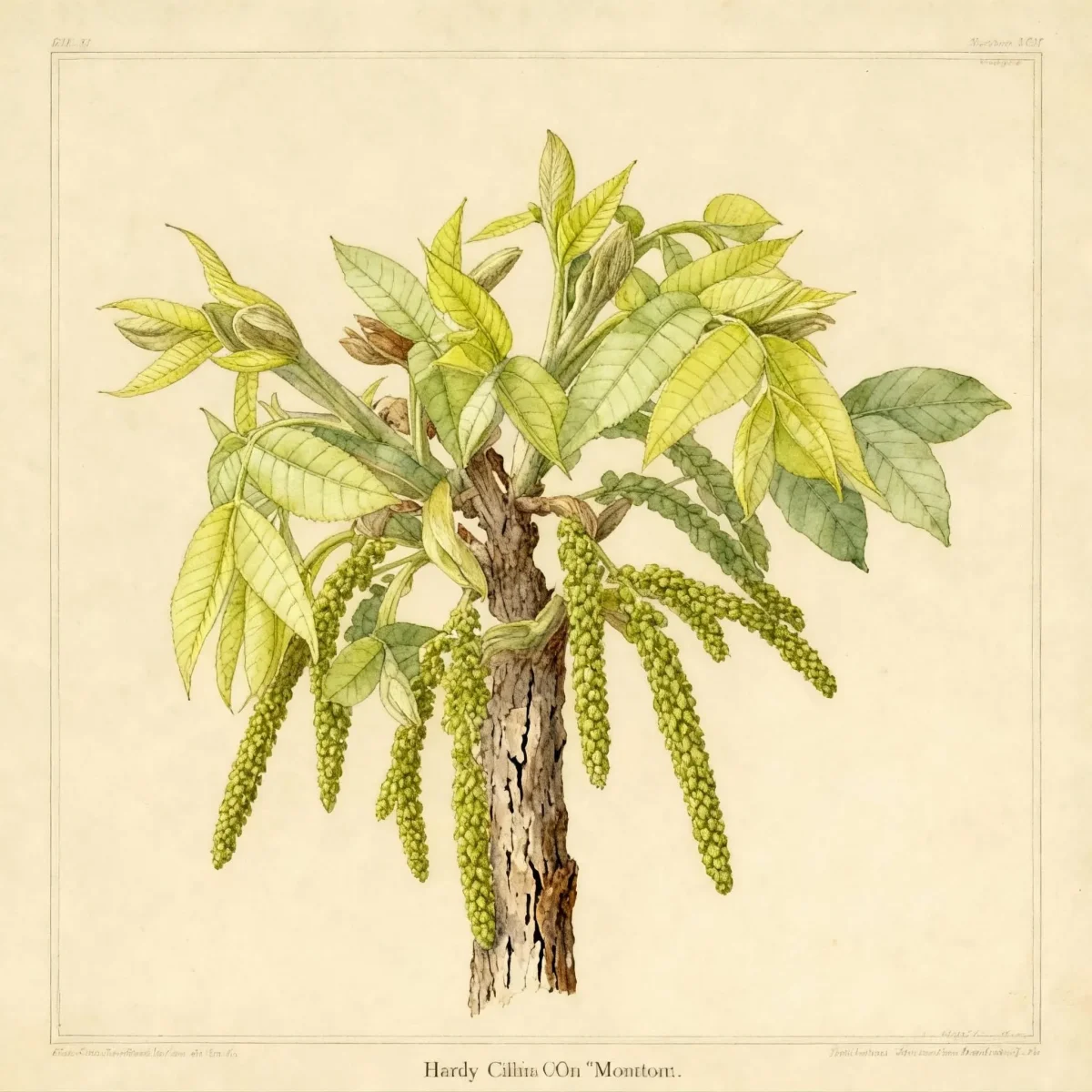
The Pterocarya × rehderiana, commonly known as the Wingnut, is a striking hybrid tree admired for its rapid growth and impressive stature. Originating from a cross between Pterocarya fraxinifolia and Pterocarya stenoptera, this deciduous specimen is considered hardier and more vigorous than its parent species. Gardeners value the Wingnut specifically for its large, compound, glossy green foliage and the distinctive, winged seeds that adorn the branches post-flowering.
This impressive tree matures into a broad-spreading specimen, offering significant high canopy coverage, making it an excellent candidate for large landscape applications. While it requires ample space to develop its extensive root system fully, its fast growth rate provides quick establishment of substantial shade. The Pterocarya × rehderiana is a robust offering for expert landscapers prioritizing size and quick maturity.
Culturally, the Wingnut thrives in average soils provided it receives consistent moisture and plenty of direct sunlight. Attention must be paid to managing its inherent desire to sucker, which requires routine maintenance to keep its spread controlled, especially in formal settings. Its general hardiness allows it to perform reliably across USDA zones 6 through 8.
Fast Facts
- Plant Family: Juglandaceae
- Plant Type: Tree
- Hardiness Zones: USDA Zones 6-8
- Size at Maturity:
- Height: 50-72 ft
- Spread: 50-72 ft
- Bloom Time: May to June
- Bloom Description: Green
- Sun Exposure: Full sun
- Water Needs: Medium
- Maintenance Level: Medium
How to Grow
Planting the Wingnut should ideally occur in the spring, giving the young tree the entire growing season to establish roots. Select a location that provides full sunlight, as shaded specimens will become thin and leggy. While easily grown in average, well-drained soils, this Pterocarya × rehderiana performs optimally when moisture is consistent; plan for deep, regular watering until the tree is well-established, appreciating its preference for moist conditions over drought.
Care involves monitoring water needs, especially during dry spells, as the tree develops an extensive root system. Fertilization is usually unnecessary if planted in quality soil, though a balanced slow-release fertilizer can benefit very young specimens. The most critical aspect of care is managing its growth habit: promptly remove any suckers that appear near the base or along the root zone, as the tree suckers freely and this is the primary method for controlling unwanted spread.
Being a large, deciduous tree, seasonal clean-up is necessary. In fall, rake the large compound leaves, which offer unremarkable yellow-green coloration. Pruning should be minimized, focusing only on removing crossing or damaged branches immediately, as large specimens rarely require heavy shaping. Ensure that any planned pruning is conducted when the tree is dormant.
Landscape Uses
The scale and vigor of the Pterocarya × rehderiana dictate that it requires significant room to flourish properly. It is best suited as a primary Shade Tree in expansive settings such as large parks, institutional grounds, or substantial commercial plantings where its broad, rounded canopy can be fully appreciated without encroachment. Its size makes it unsuitable for small residential yards or tight urban environments.
Due to its powerful, spreading root structure and its tendency to sucker, gardeners must exercise caution when placing this species near infrastructure. Avoid planting near drainage fields, septic systems, sidewalks, or building foundations, as the roots can cause significant structural damage over time. When space allows, the Wingnut creates a dramatic focal point.
Companion planting should prioritize ground covers or turf that can withstand competition from a large, established canopy and extensive roots, or use surrounding plants that tolerate dappled shade once the canopy develops. The goal in design is to feature the unique foliage and the dangling strings of ornamental fruit, necessitating open views around the tree’s perimeter.
Standout Features
Flower Qualities
- Showy
Fruit Qualities
- Showy
Noteworthy Characteristics
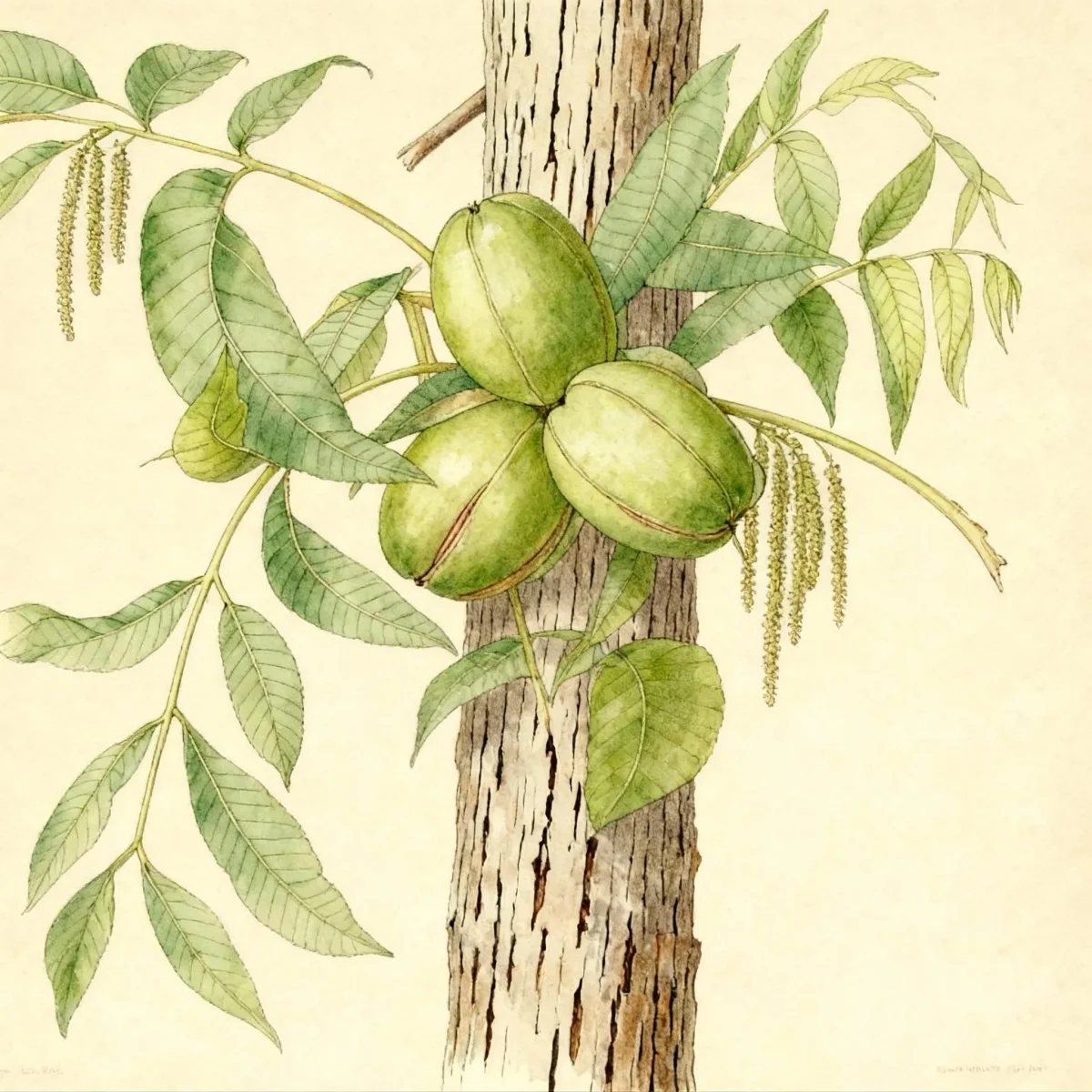
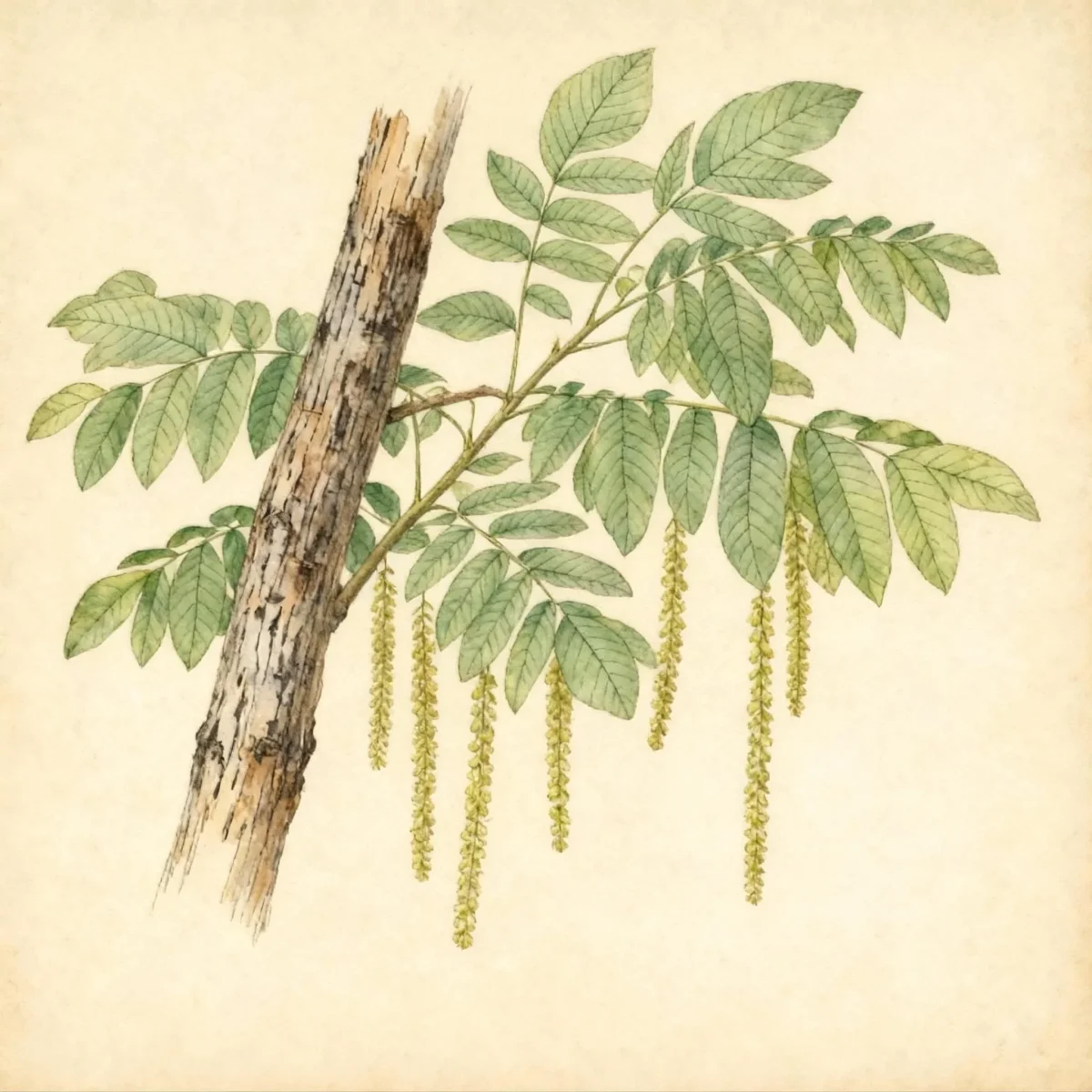
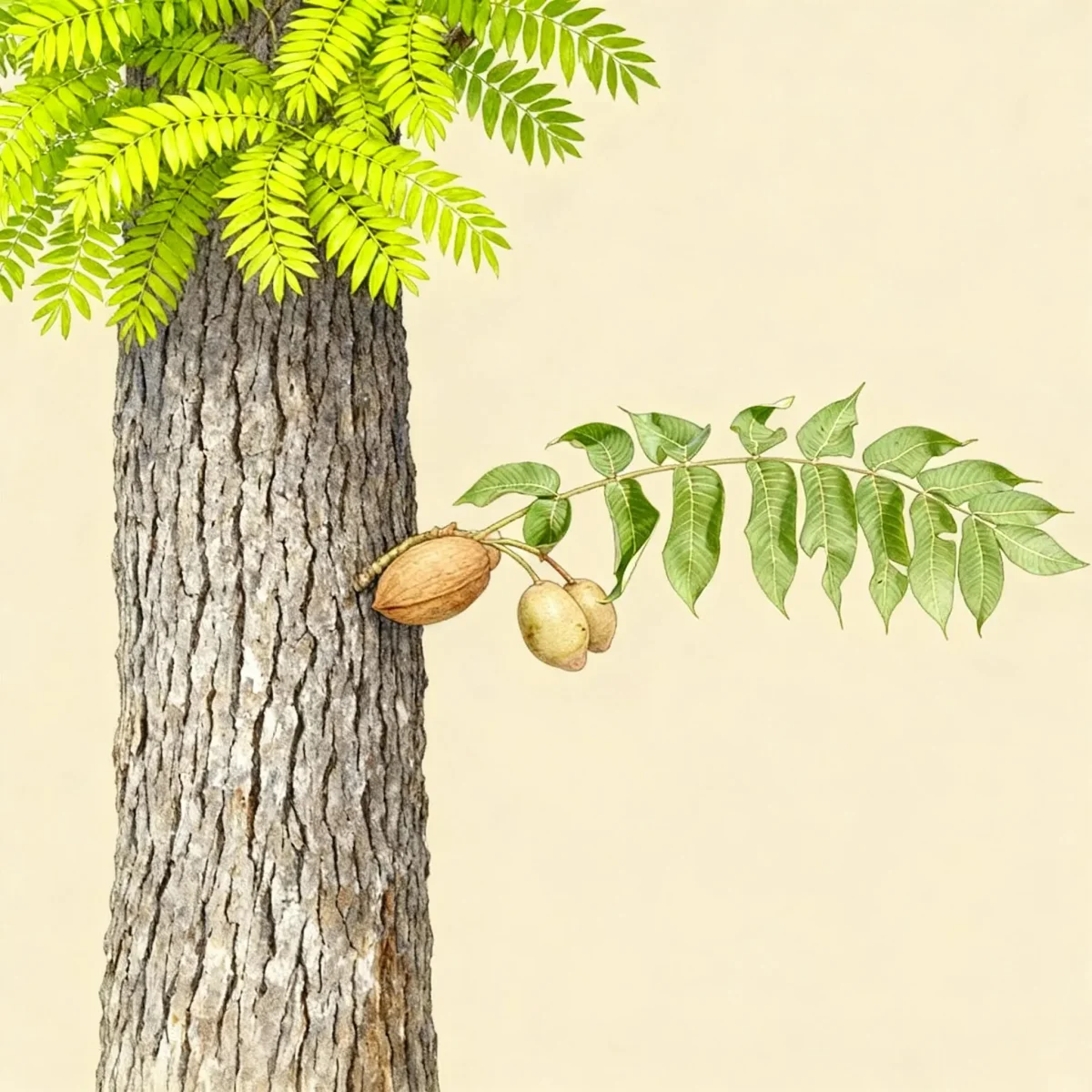
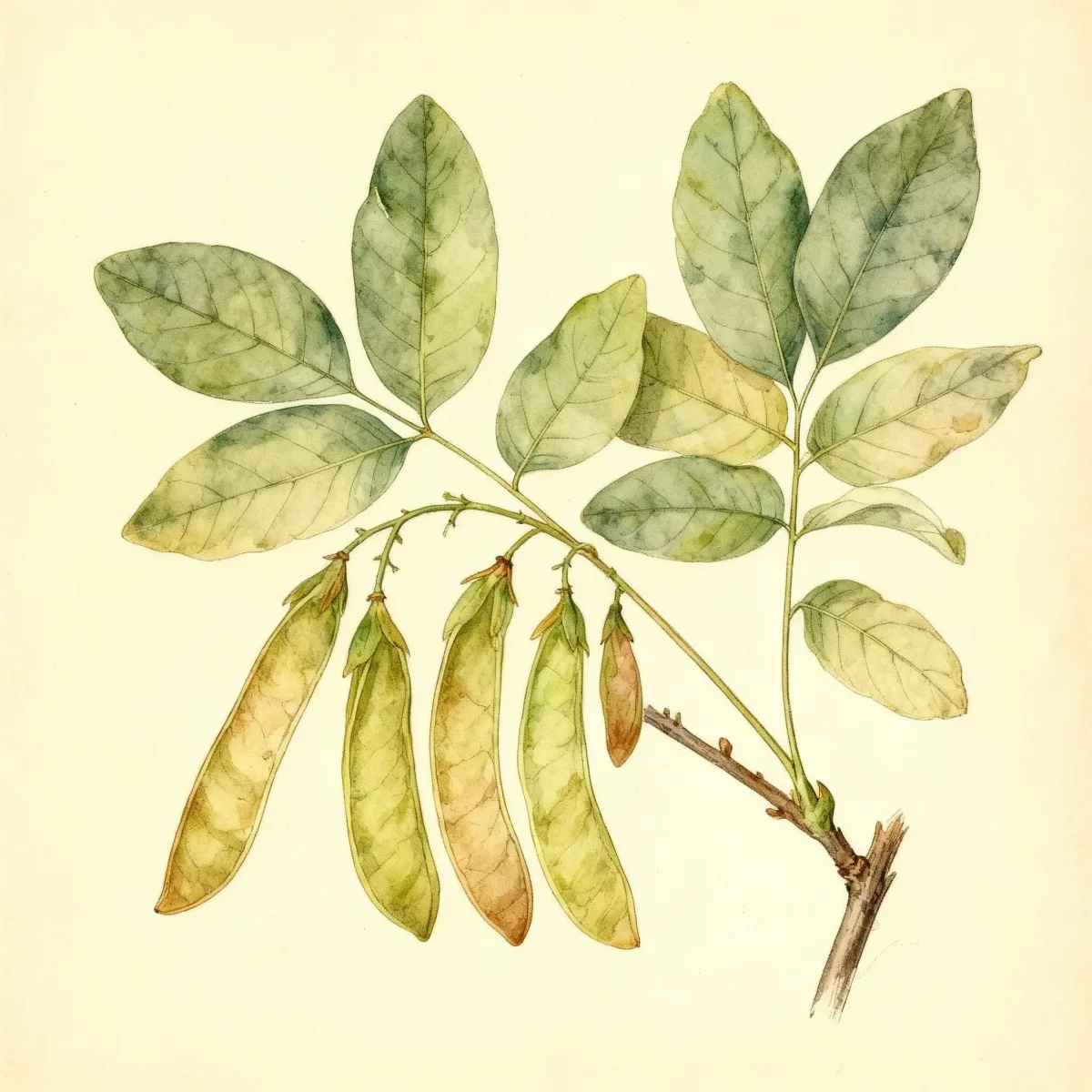
The Pterocarya × rehderiana represents a robust and highly favored hybrid wingnut, often referred to as Rehder wingnut. It matures to a formidable 50–72 feet tall with a pleasingly rounded, wide-spreading silhouette, notably faster and hardier than its parents. Its notable features include attractive, odd-pinnate compound leaves reaching up to 8 inches long, and fascinating, pendulous fruits where seeds are flanked by papery wings, resembling classic wing nuts.
Tolerances
- Tolerates hard, compacted soils
- Tolerates drought
Potential Problems
The Wingnut is fortunate in that it suffers from no serious insect or disease problems, making it a relatively low-risk selection for large plantings. Gardeners should primarily focus on the cultural issue of suckering rather than pest management. Proactive removal of basal sprouts is essential for maintaining a clean form and preventing the tree from colonizing wider areas unintentionally.
Because this tree develops such an extensive root system, understanding its location requirements is preventative maintenance itself. Ensuring adequate space away from underground pipes and paved surfaces eliminates potential long-term structural conflicts associated with its vigorous nature.
Frequently Asked Questions
What hardiness zones is Wingnut suitable for?
The Pterocarya × rehderiana is reliably suited for USDA Hardiness Zones 6 through 8.
How large does Wingnut grow?
This vigorous hybrid tree typically reaches mature heights between 50 to 72 feet, spreading equally wide, demanding significant overhead and lateral space.
What sun exposure does Pterocarya × rehderiana need?
This species is a strong performer requiring full sun exposure to develop the best density and growth habit.
When does Wingnut bloom?
The tree produces light green flowers in pendulous catkins during the late spring, specifically from May to June.
Conclusion
The Wingnut, or Pterocarya × rehderiana, stands out as a magnificent, fast-growing deciduous tree offering exceptional scale and unique textural interest via its compound foliage and winged fruit. Its maintenance level is medium, largely due to the need to manage suckering, but its low susceptibility to serious pests makes it reliable in the right setting. Before planting, ensure you have the necessary space for this powerful shade provider and confirm its appropriateness for USDA Zones 6-8.
Companion Planting
When incorporating the Pterocarya × rehderiana into large park settings, it is crucial to choose companion plants that tolerate sun and perform well near large, established root systems. Consider using robust groundcovers that can handle some root competition beneath the canopy of the Wingnut. Native shade-tolerant grasses or low-growing perennials known for fibrous root systems work better than shallow-rooted annuals that might struggle for surface moisture.
For visual appeal near the edge of the shade line, look for species that enjoy similar medium watering needs but do not demand deep, rich soil amendments, which could disturb the Wingnut’s own roots. Plants that thrive in partial shade where the canopy begins to thin, such as Hostas (if watered adequately) or hardy Ferns, can soften the transition zone away from this imposing tree.
Seasonal Care Calendar
Spring is the ideal time to begin monitoring for suckers; remove any unwanted growth immediately as they emerge when the Pterocarya × rehderiana breaks dormancy. This is also the best time post-dormancy to utilize slow-release fertilizer if growth acceleration is desired. Ensure consistent medium watering starts as the weather warms to support rapid leaf-out.
Summer emphasizes diligence in watering, particularly during hotter, drier periods, fulfilling its medium water need and supporting the extensive root growth typical of this tree. Continue to check for and promptly remove any basal suckers throughout the growing season to maintain control over the spread of the Wingnut.
Fall requires minimal intervention; while the foliage turns an undistinguished yellow-green, the tree requires no special winter preparation other than perhaps a deep, late-season watering before the ground freezes in colder edges of its range (Zone 6). The persistent, developing nutlets provide late-season visual interest.