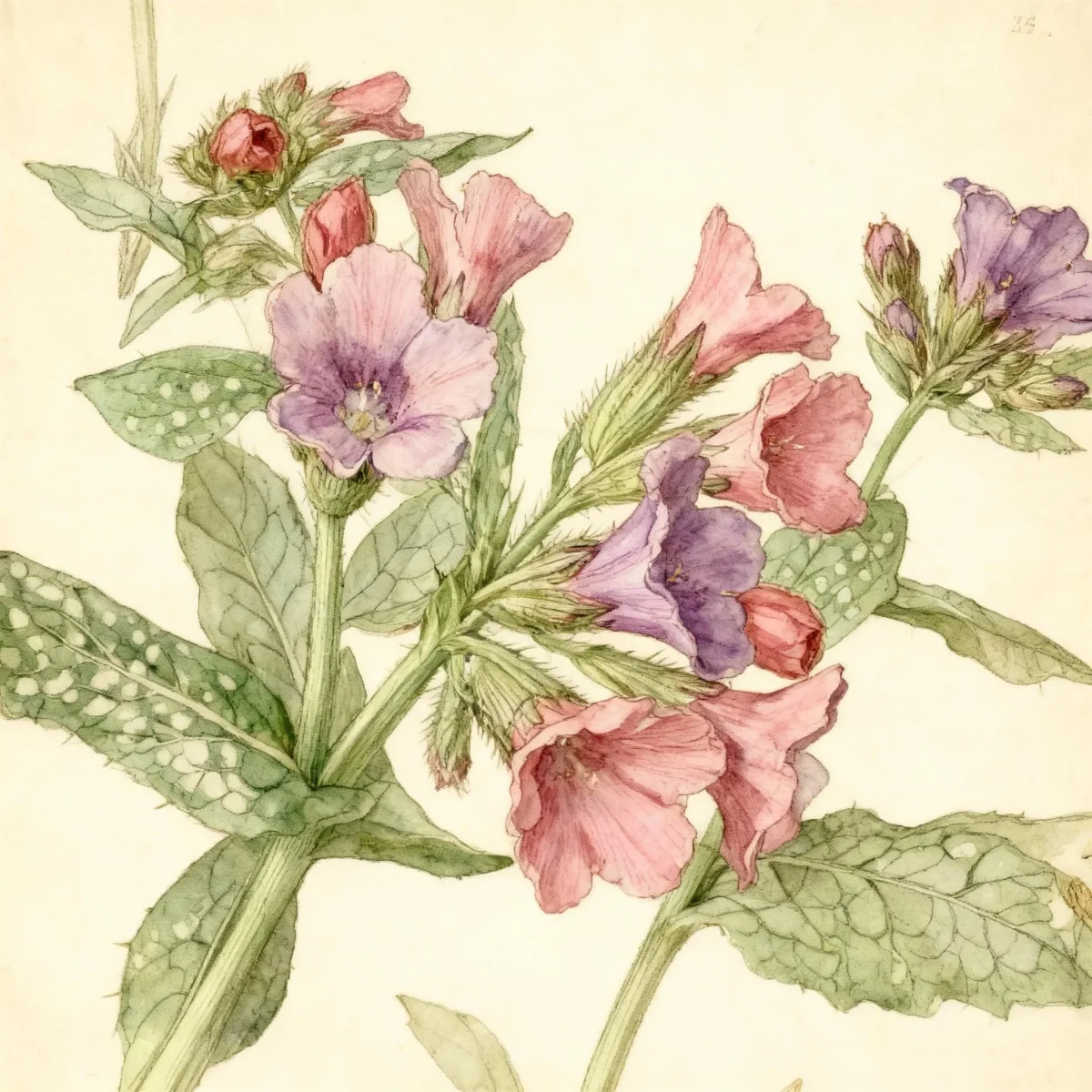
Bethlehem sage (Pulmonaria 'Spilled Milk')
Pulmonaria 'Spilled Milk' (Bethlehem sage) offers stunning silver foliage ground cover with early pink spring blooms. Low maintenance and shade tolerant.
Scroll down to discover growing tips, care requirements, companion plants, and more
Complete Plant Information
Overview
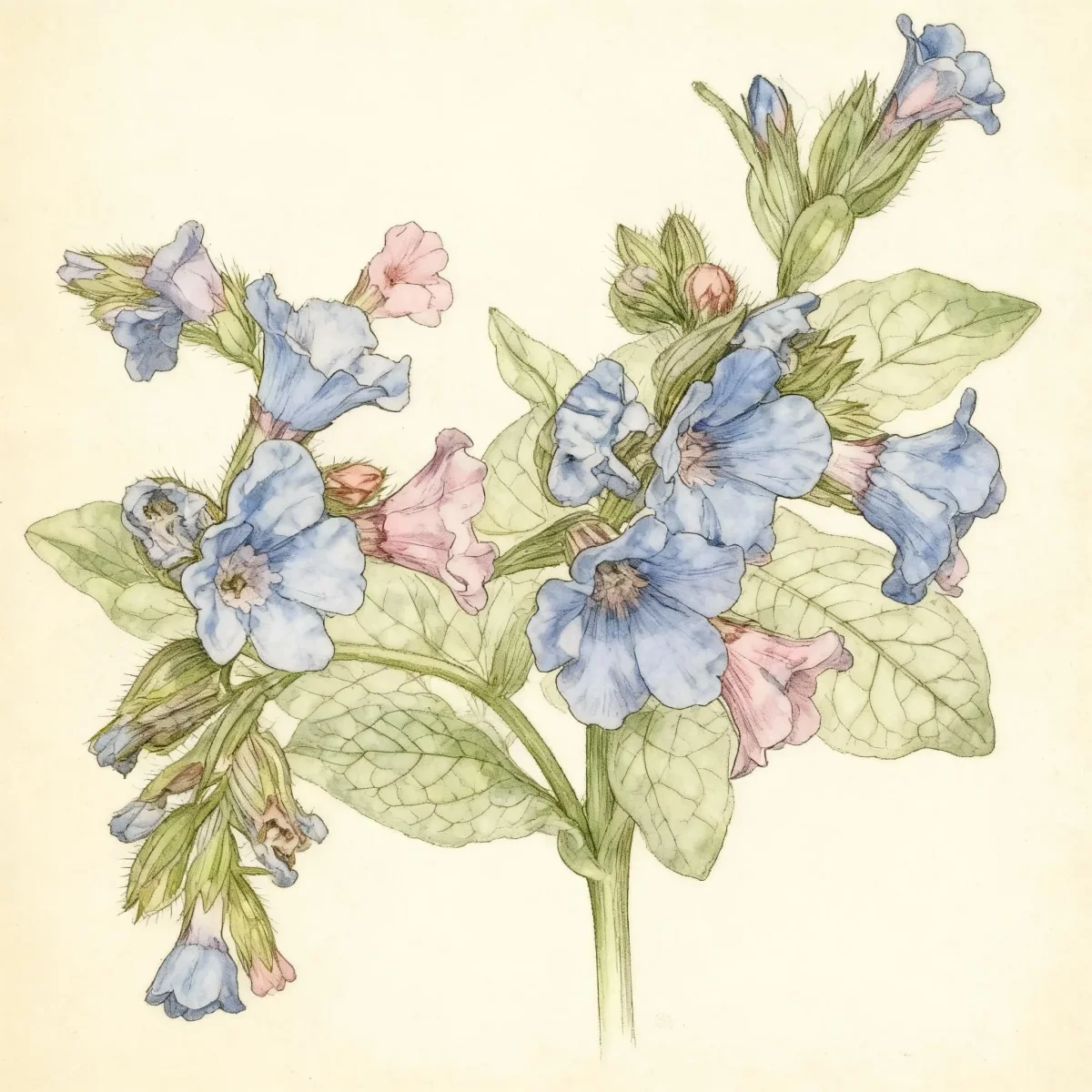
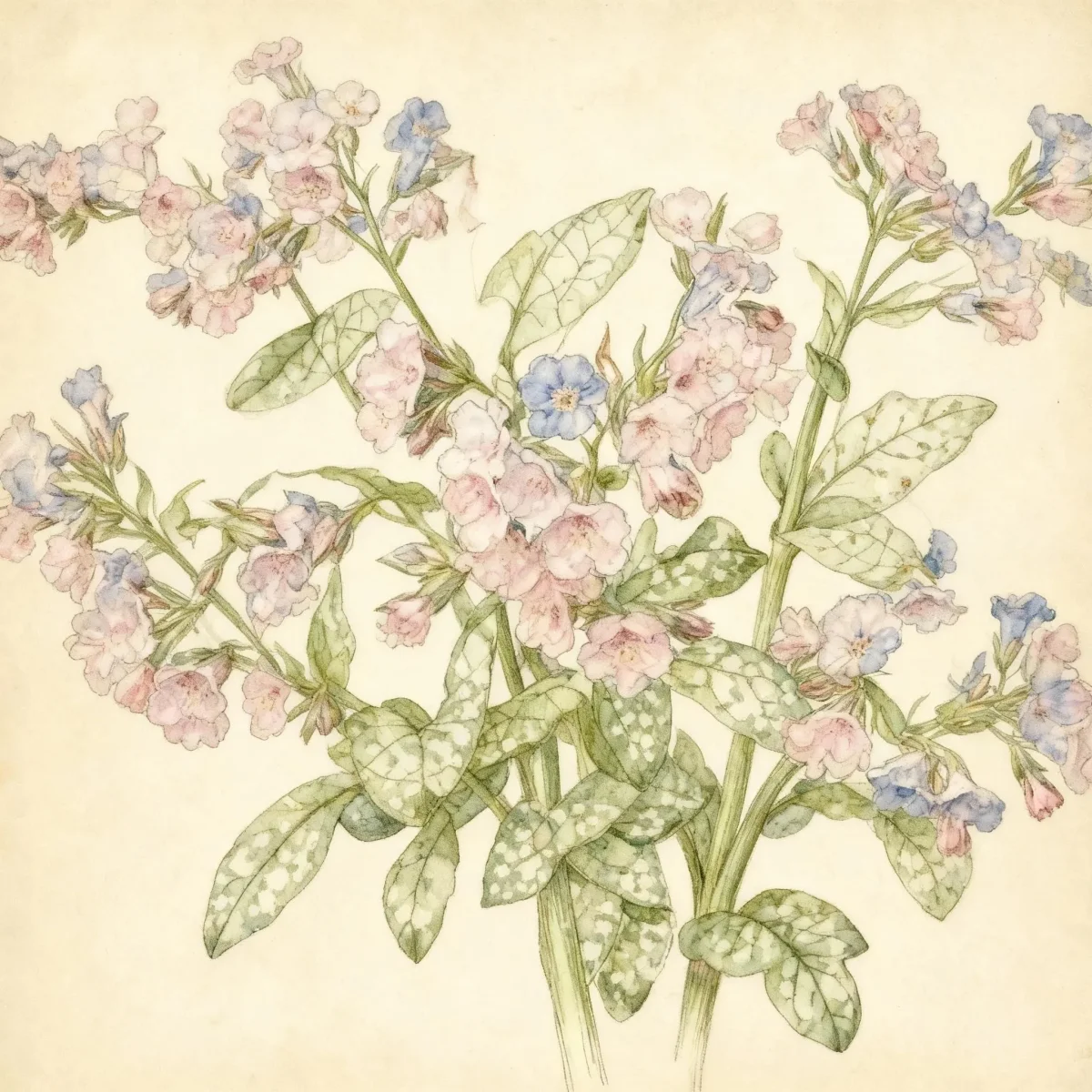
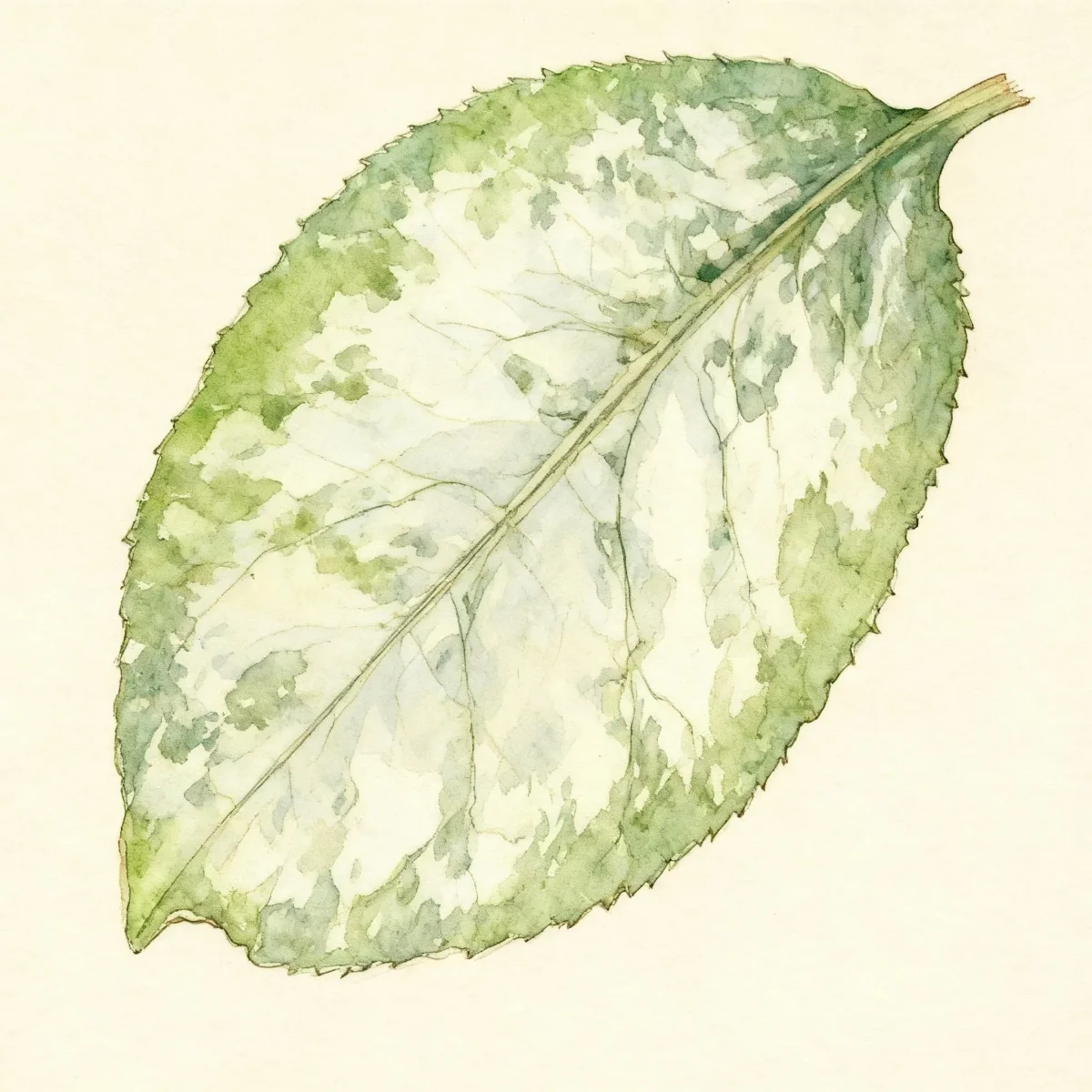
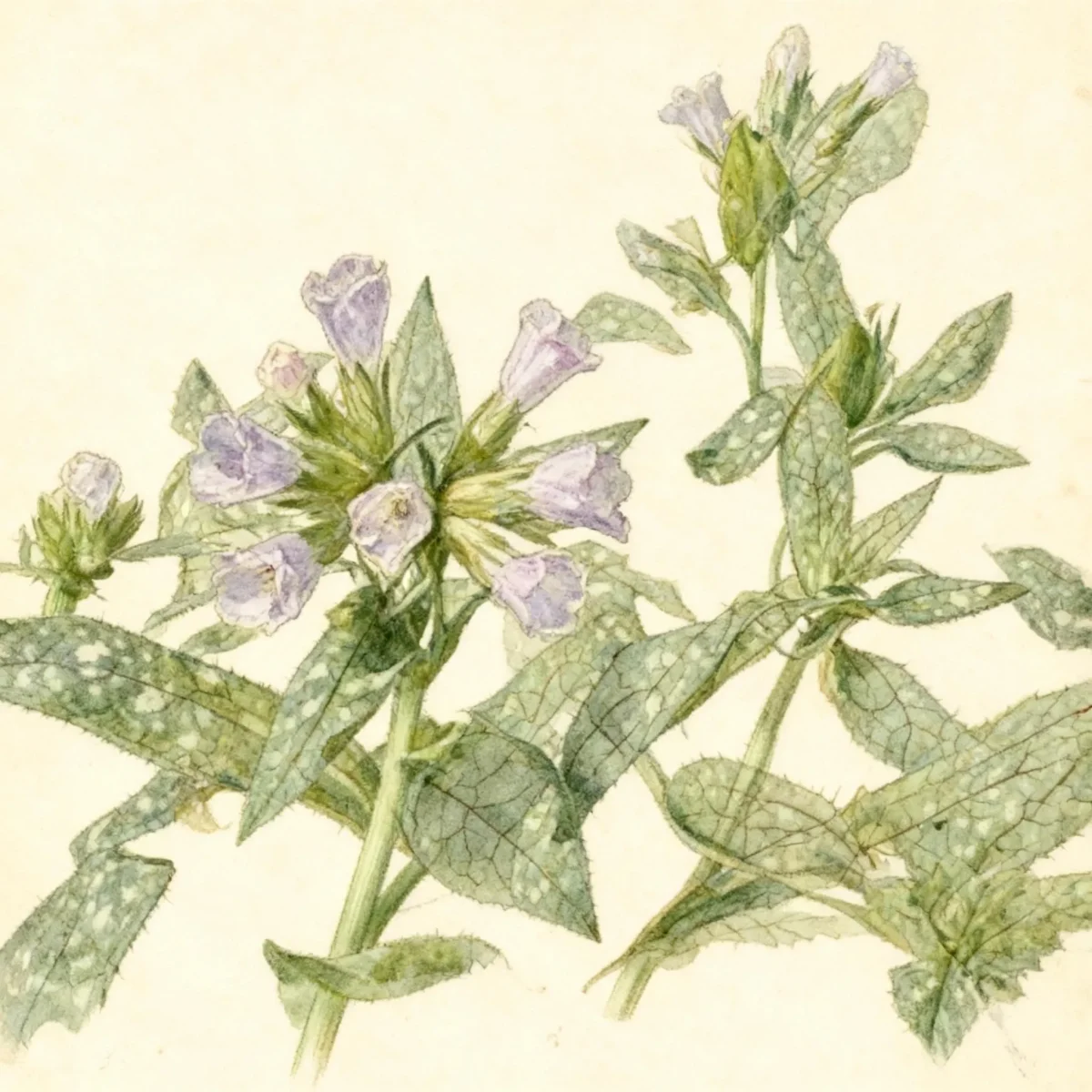
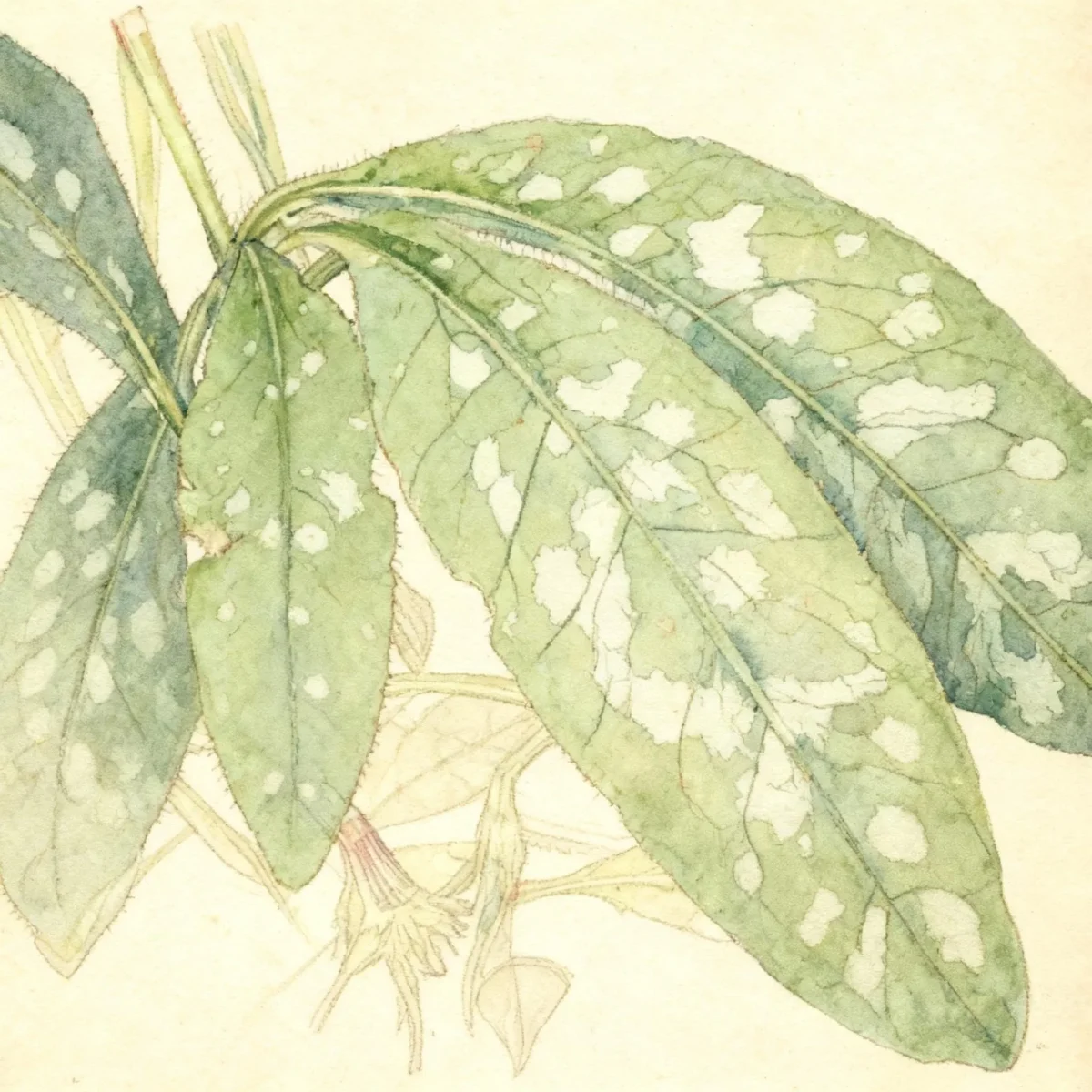
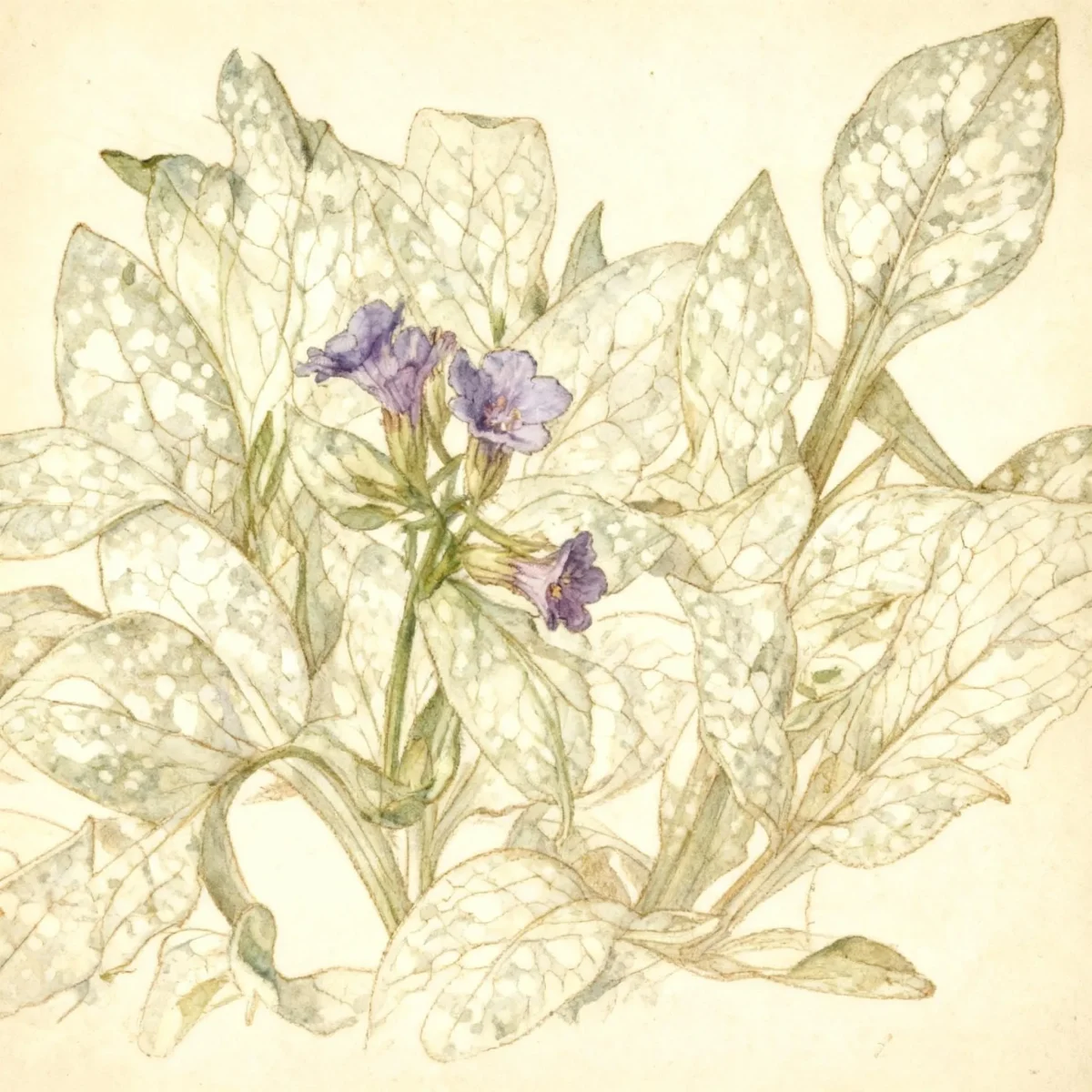
Pulmonaria ‘Spilled Milk’, commonly known as Bethlehem sage, is prized by shade gardeners primarily for its intensely attractive foliage. This clump-forming lungwort features wide leaves heavily splashed with brilliant silver, dotted with subtle green speckles, offering multi-season visual interest beneath the canopy. While the foliage is the main draw, the plant provides a welcome flush of pink, nodding flowers in early spring, bridging the gap until later perennials emerge.
Valued for its low maintenance requirements and adaptability to shady, woodland-style settings, Pulmonaria ‘Spilled Milk’ successfully functions as a reliable ground cover. It spreads slowly via creeping roots, forming dense mats that suppress weeds as it colonizes shaded spots. These herbaceous perennials are essential for adding texture and brightness to dark corners of the landscape where many other plants struggle.
The versatility of Pulmonaria ‘Spilled Milk’ ensures it is a staple in shaded borders and woodland gardens. Gardeners appreciate its resilience to deer browsing and its ability to thrive even under challenging conditions like Black Walnut toxicity. Ensure consistent moisture, and this Bethlehem sage will maintain its striking appearance from early spring through summer dormancy.
Fast Facts
- Plant Family: Boraginaceae
- Plant Type: Herbaceous perennial
- Hardiness Zones: USDA Zones 4-8
- Size at Maturity:
- Height: 0.5-0.75 ft
- Spread: 0.75-1.5 ft
- Bloom Time: April to May
- Bloom Description: Pink
- Sun Exposure: Part shade to full shade
- Water Needs: Medium
- Maintenance Level: Low
How to Grow
Plant Bethlehem sage in the spring or fall in locations receiving part shade to full shade. The ideal soil is average but demands medium moisture, excellent drainage, and high organic content—think humusy woodland soil. Consistently moist soil is critical; do not allow the soil to dry out completely, as this can cause plants to enter summer dormancy or lead to leaf scorching in hot weather.
Watering should be consistent throughout the growing season, particularly during dry spells. While no specific fertilizing regimen is noted, enriching the soil with compost annually helps maintain the cool, humusy environment that Pulmonaria ‘Spilled Milk’ prefers. Once the pink flowers fade in late spring, promptly remove the spent flower stems to encourage better foliage presentation.
Since Pulmonaria ‘Spilled Milk’ spreads slowly by creeping roots, division is helpful if the clumps become too crowded, which is best performed in the fall. Be mindful that foliage performance declines significantly if the plant receives too much intense sun, which can cause scorching; aim for dappled light or full afternoon shade for the best results.
Landscape Uses
The primary architectural role for Pulmonaria ‘Spilled Milk’ is as an outstanding, textural ground cover in shady environments. Its vibrant, silver-backed foliage creates substantial brightness, acting as a foil against dark green hostas or ferns planted nearby. Use this Bethlehem sage to mass plantings in woodland borders, creating visual impact as sweeping drifts beneath mature trees.
Furthermore, the compact size and tolerance for low light make it an effective edging plant along shaded pathways where its low profile won’t obstruct foot traffic. While primarily valued for texture, the early spring bloom of Pulmonaria ‘Spilled Milk’ provides necessary color when few other sources are available, softening hard lines in shaded rock gardens or foundation plantings.
This striking lungwort pairs well with plants that enjoy similar moist, humus-rich conditions, such as Astilbe, Hellebores, and woodland Phlox. Because deer tend to avoid Bethlehem sage, it offers reliable, attractive coverage in areas where browsing pressure is common.
Standout Features
Flower Qualities
- Showy
Noteworthy Characteristics
Pulmonaria is a genus of about 17 species of deciduous or evergreen herbaceous perennials from Europe and Asia. Lungworts are shade plants that, like many of the hostas, are often valued more for their attractive foliage than for their spring flowers. ‘Spilled Milk’ is a clump-forming, compact lungwort that features wide, brilliant silver foliage with tiny green speckles throughout and drooping clusters (terminal cymes) of pink flowers which bloom in early spring. Genus name comes from the Latin pulmo meaning lung.
Tolerances
- Deer
- Black Walnut
Potential Problems
Pulmonaria ‘Spilled Milk’ generally exhibits low susceptibility to serious pests and diseases, offering low maintenance appeal. Slugs and snails are the most likely insect visitors, requiring standard management if populations become problematic. The most significant cultural issue involves environmental stress: powdery mildew can develop, especially if soil moisture fluctuates widely or dries out during the summer heat. Additionally, overcrowding or excessive heat combined with direct sun can cause the attractive foliage to depreciate or scorch severely. Maintaining consistent moisture and providing appropriate afternoon shade are the best preventative measures.
Frequently Asked Questions
What hardiness zones is Bethlehem sage suitable for?
Pulmonaria ‘Spilled Milk’ is suitable for growing across USDA Hardiness Zones 4 through 8.
How large does Pulmonaria ‘Spilled Milk’ grow?
This perennial typically reaches a height between 0.5 and 0.75 feet tall, with a spread ranging from 0.75 to 1.5 feet wide.
When does Pulmonaria ‘Spilled Milk’ bloom?
Expect the pink flowers of Bethlehem sage to appear during the bloom time of April to May, providing early spring color.
What sun exposure does Pulmonaria ‘Spilled Milk’ need?
This variety thrives best in part shade to full shade conditions, requiring protection from harsh afternoon sun to prevent leaf scorch.
Conclusion
Pulmonaria ‘Spilled Milk’ reliably delivers exceptional foliage texture and early spring flowers, making it an indispensable choice for low-light garden areas. Its deer resistance and striking silver patterns ensure visual interest throughout the season when properly sited in moist, well-drained soil. Before planting your new Bethlehem sage, confirm that your site provides adequate afternoon shade and plan for consistent moisture to maintain the vibrancy of Pulmonaria ‘Spilled Milk’.
Companion Planting
When selecting companions for Bethlehem sage, prioritize plants that share a preference for dappled light and consistently moist, rich soil. Hellebores (Lenten Roses) provide evergreen structure and bloom slightly earlier or concurrently, creating a beautiful layered effect under deciduous trees. Ferns, such as Japanese Painted Ferns or Ostrich Ferns, enhance the woodland aesthetic, while Hostas with deep green or blue foliage sharply contrast the silver variegation of the lungwort.
For continuous spring and early summer color, weave in shade-tolerant bulbs like white or blue striped species of Scilla or Chionodoxa, which will fade away as the Pulmonaria ‘Spilled Milk’ matures into its summer form. Avoid planting near aggressive, dry-shade spreaders, as the requirements for consistent moisture from this Bethlehem sage must be honored for optimal health.
Propagation Tips
Propagating Pulmonaria ‘Spilled Milk’ is straightforward, relying primarily on division, as this species spreads slowly by creeping roots. The best time to divide established clumps is in the fall, allowing the newly separated sections adequate time to establish roots before winter sets in; alternatively, division can be done in early spring before active growth accelerates. Gently tease apart the root ball, ensuring each new division retains several healthy shoots and a robust root system.
While seeds can be collected from the spent flowers, germination success and true-to-type foliage representation are not guaranteed with hybrid cultivars like ‘Spilled Milk’. If propagating by division, plant the divisions immediately at the same depth they were previously growing, and ensure the soil is thoroughly watered in afterward to mitigate any transplant shock experienced by the lungwort.