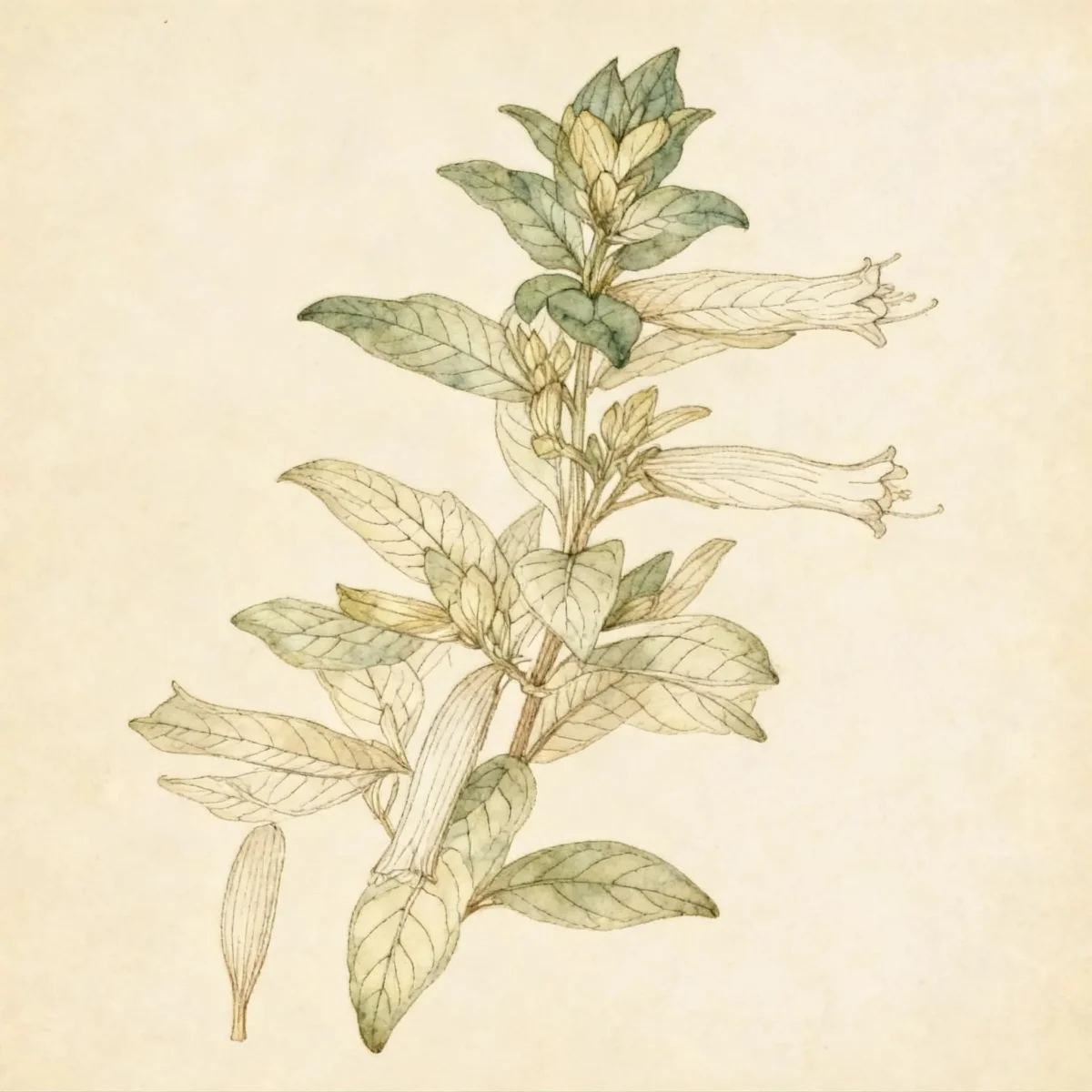
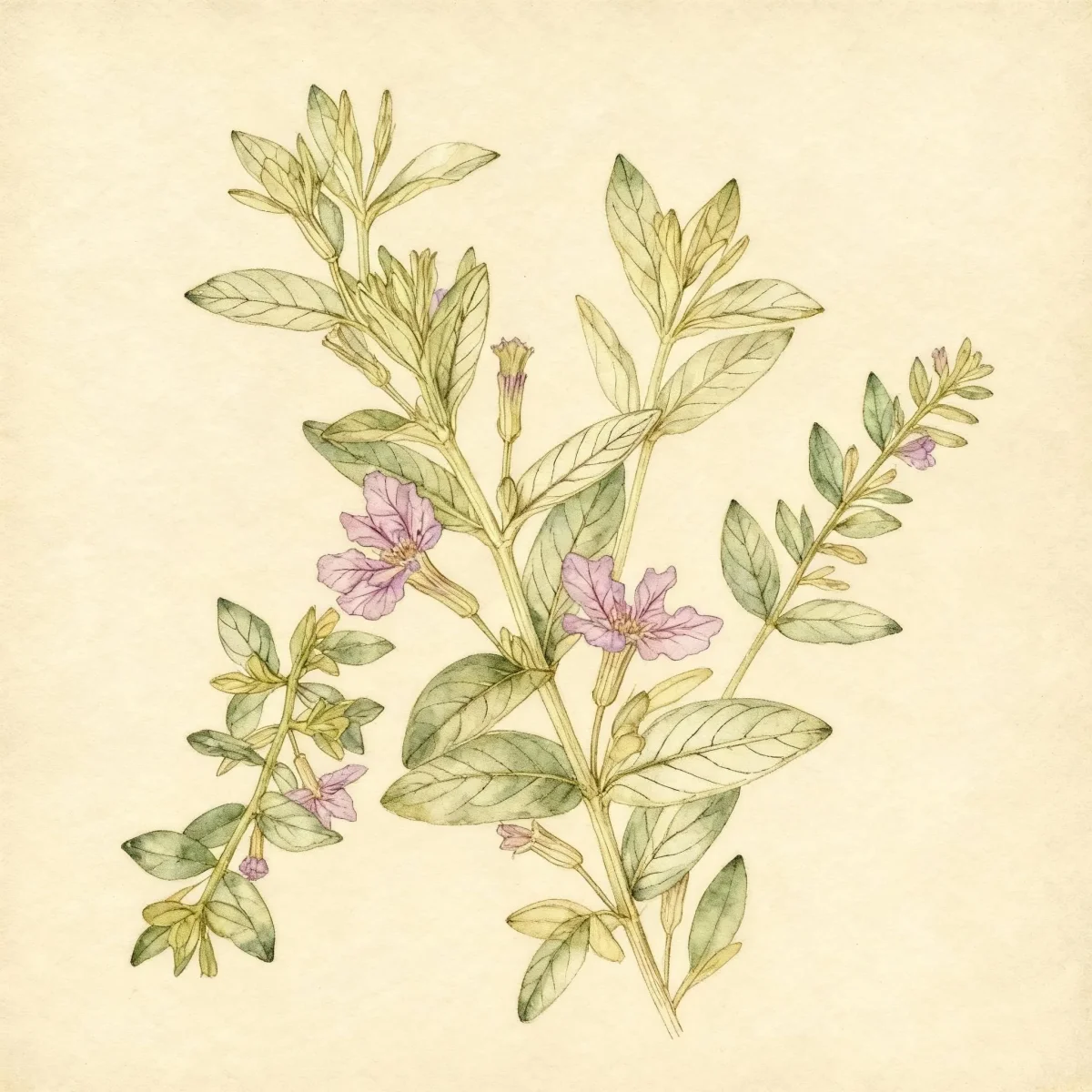
Pomegranate (Punica granatum 'Wonderful')
Achieve delicious, edible yields with Punica granatum 'Wonderful'. This vigorous Pomegranate is known for large, tangy fruit and showy summer blooms.
Scroll down to discover growing tips, care requirements, companion plants, and more
Complete Plant Information
Overview
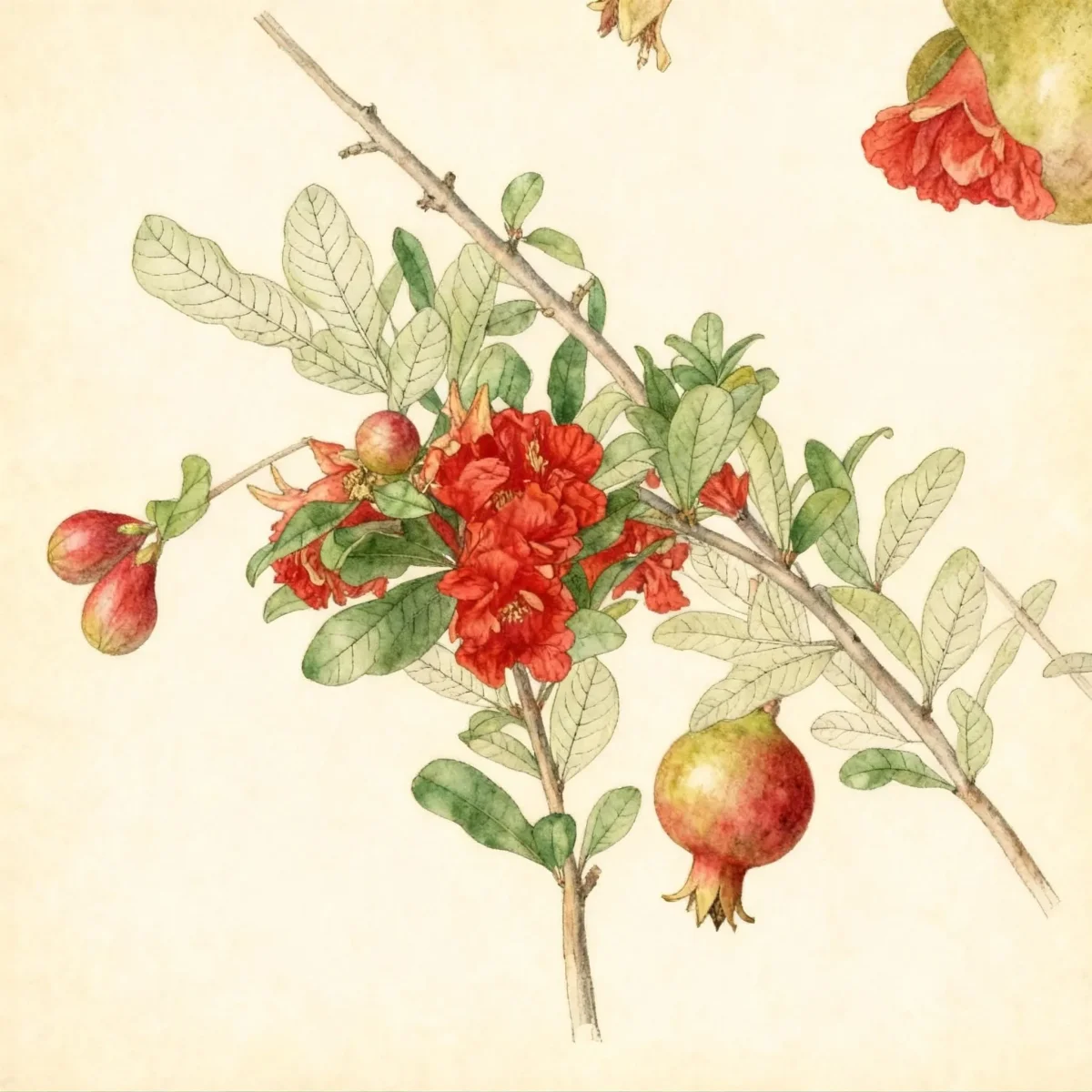
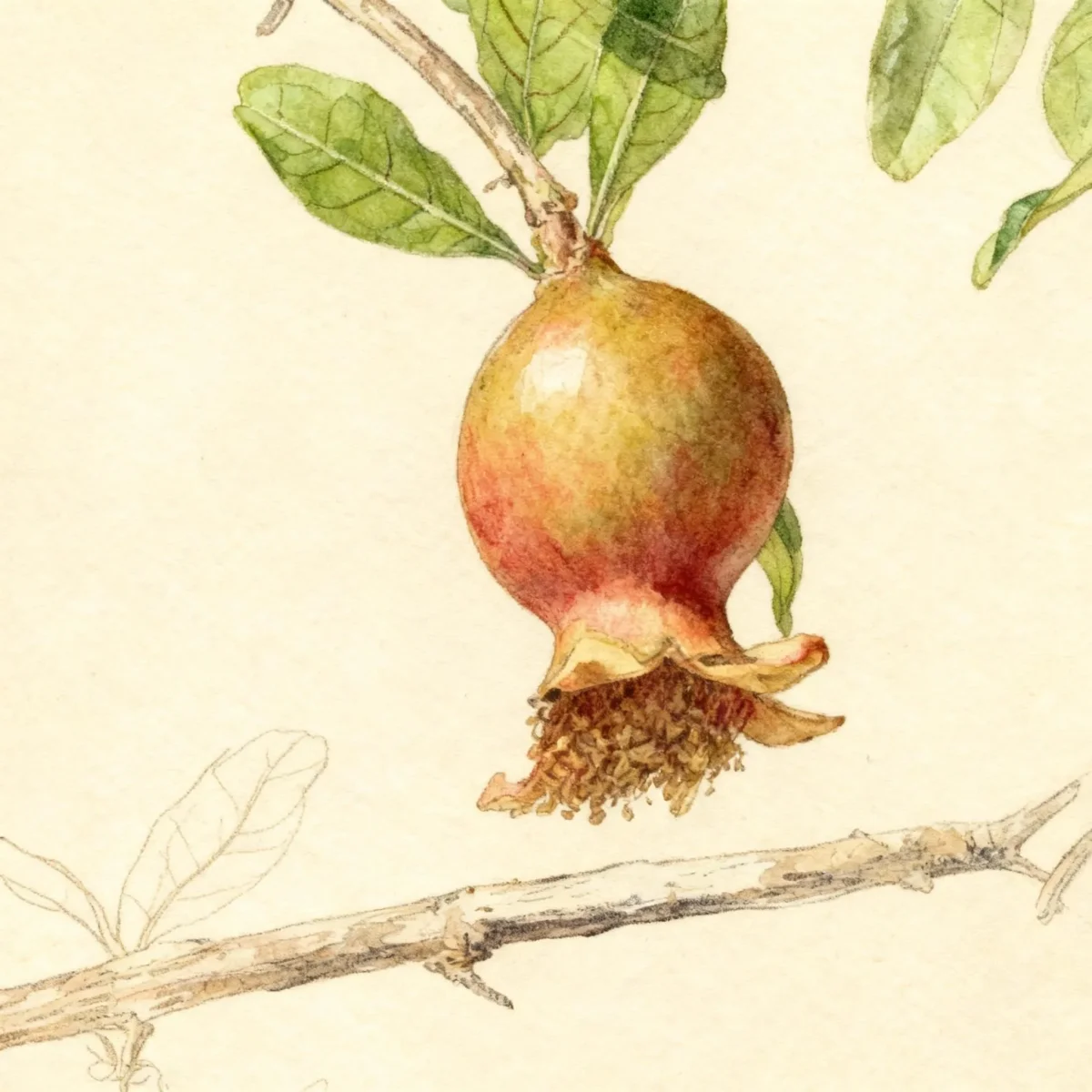
The highly sought-after cultivar Punica granatum ‘Wonderful’ is the standard bearer for home-grown pomegranates, prized for its vigor and exceptionally large fruit boasting a superb tangy flavor. This deciduous shrub or small tree brings vibrant ornamental appeal throughout the season, starting with glossy green leaves, moving to striking summer flowers, and culminating in highly edible, leathery-skinned fruit. Ideal for gardeners aiming for culinary success, this variety is self-fruitful, meaning a pollinator is not required to set fruit.
As a focal point or specimen plant, the Pomegranate offers structure, eventually reaching heights of up to 20 feet, though easily managed through pruning. It thrives where environmental conditions mimic its native range, needing plenty of heat to fully develop its signature fruit. Planting Punica granatum ‘Wonderful’ in a location that maximizes sun and heat exposure ensures the best chance for a successful harvest of this celebrated fruit.
The visual appeal of the Pomegranate extends beyond its fruit, featuring trumpet-shaped, light red flowers that bloom from July into August. For northern gardeners, container growing offers a viable path to enjoying the aesthetic and edible benefits of this species by allowing relocation during cold periods.
Fast Facts
- Plant Family: Lythraceae
- Plant Type: Deciduous shrub
- Hardiness Zones: USDA Zones 8-11
- Size at Maturity:
- Height: 6-20 ft
- Spread: 4-15 ft
- Bloom Time: July to August
- Bloom Description: Light red
- Sun Exposure: Full sun
- Water Needs: Dry to medium
- Maintenance Level: Medium
How to Grow
For optimal establishment, plant Punica granatum ‘Wonderful’ in late winter or early spring into organically rich, well-drained, fertile loams. This plant demands full sun exposure to encourage robust flowering and fruit production. Successful fruiting is tied directly to climate; areas experiencing long, hot, and dry summers (90°F+) followed by cooler winters are ideal for maximizing fruit yield from your Pomegranate.
Watering requires restraint; allow the soil to dry out almost completely between thorough soakings. Avoid consistently moist conditions, as the Pomegranate prefers dry to medium moisture levels once established. Manage vigor and maintain shape by pruning as needed in late winter, also ensuring any upward-reaching soil suckers that emerge near the base are removed promptly.
If gardening outside of USDA Zones 8-11, container culture is highly recommended. Use a rich, fertile soil mix, move the container outdoors into bright, sunny locations during the summer months with regular moisture, and crucially, overwinter the plant indoors in a cool location with reduced watering. Remember that ‘Wonderful’ is self-fruitful, removing complication from the pollination process.
Landscape Uses
The adaptability of the Pomegranate lends itself well to several landscape roles, particularly fitting into Mediterranean-style garden designs which favor drought-tolerant structure. Where winter hardy, punica granatum ‘Wonderful’ excels as a specimen plant, accentuating architectural features, or trained into a visually effective hedge row.
For those in cooler climates, growing this variety in a decorative container allows it to serve as a portable specimen throughout the summer. When temperatures drop, the container can be easily moved to a bright, cool indoor space for overwintering, ensuring the shrub survives until it can return to the patio or entranceway in spring.
Standout Features
Flower Qualities
- Showy
Fruit Qualities
- Showy
- Edible
Noteworthy Characteristics
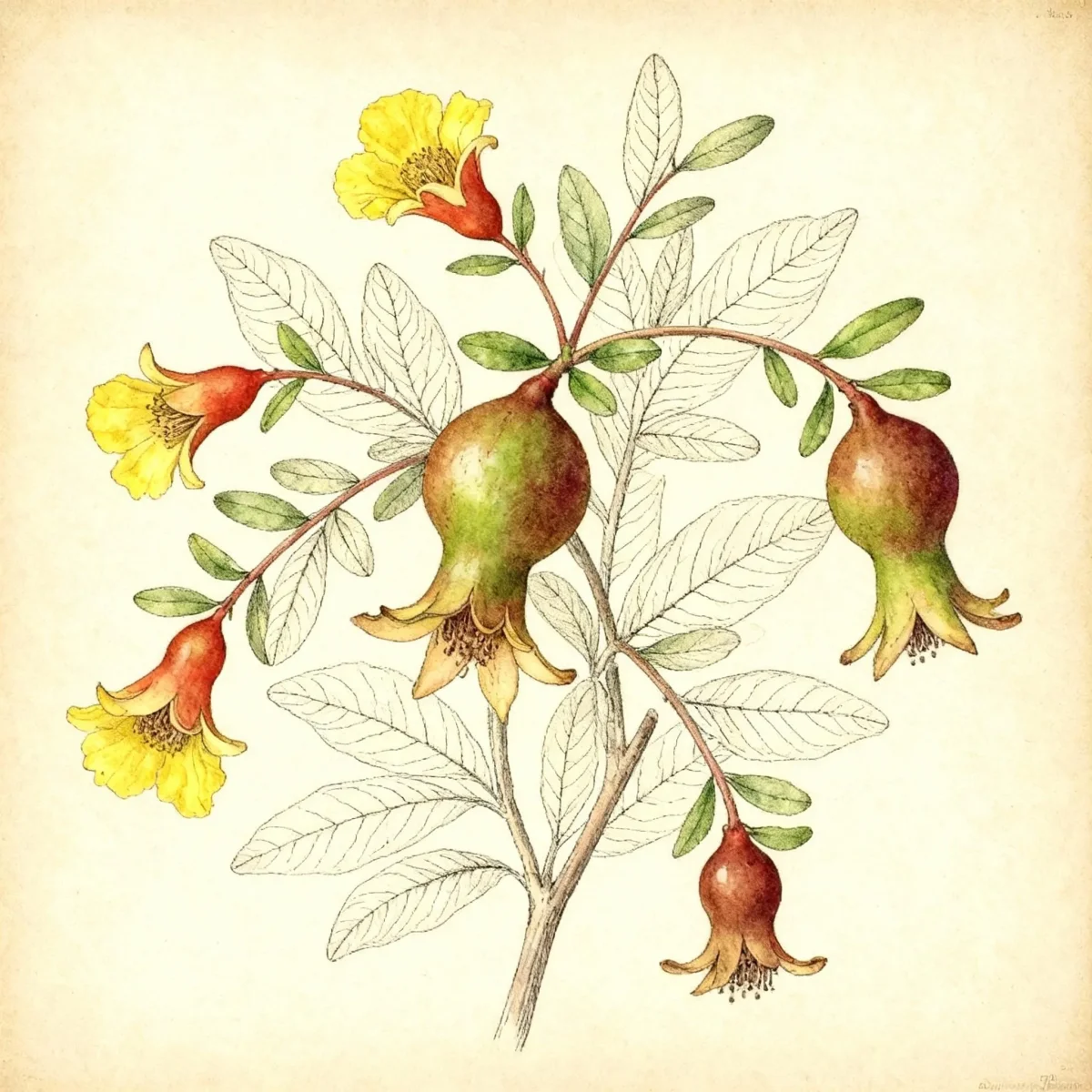
Punica granatum, commonly called pomegranate, is a multi-stemmed deciduous shrub or small tree that grows to 6-20 feet tall and has long been cultivated for its orange-sized edible fruit and attractive ornamental features. Trumpet-shaped, orange-red flowers bloom throughout the summer, giving way to tough, globose fruits whose interior is packed with juicy, edible sacs called arils perfect for fresh eating or processing. The cultivar ‘Wonderful’ is notable for producing exceptionally large fruit with a superb tangy flavor and is the most common variety found commercially.
Tolerances
- Deer
- Drought
- Dry Soil
Potential Problems
The primary challenge for fruit production in substandard climates is achieving the necessary high heat; species plants need dry, arid conditions topping 90°F to reliably set fruit, which is why northern locations often fail to produce pomegranates. Beyond climate constraints, the Pomegranate exhibits reasonable resilience, although cultural problems can occur. Monitor for potential diseases such as leaf spots, fruit blotch, and various rots. Insect pests like scale, stem borers, caterpillars, whitefly, and mealybugs can occasionally cause damage, requiring targeted treatment, though deer tend to avoid this plant entirely.
Frequently Asked Questions
What hardiness zones is Pomegranate suitable for?
The Punica granatum ‘Wonderful’ variety is winter hardy across USDA Zones 8 through 11.
How large does Pomegranate grow?
This plant typically reaches a mature height of 6 to 20 feet, with a corresponding spread between 4 and 15 feet, although it handles pruning well.
What sun exposure does Punica granatum ‘Wonderful’ need?
For the best flowering and fruit development, ensure your Punica granatum ‘Wonderful’ receives full sun exposure throughout the growing season.
When does Pomegranate bloom?
This shrub blooms generously through mid-summer, specifically from July to August, displaying light red, trumpet-shaped flowers.
Conclusion
The Punica granatum ‘Wonderful’ offers gardeners a unique combination of aesthetic beauty, drought tolerance, and the reward of harvesting delicious, tangy fruit right from your landscape. Its reliable fruiting habit makes it a standout choice among ornamental edibles, provided your site offers the necessary heat and full sun exposure. Consult your local hardiness zone data and plan for late winter pruning to ensure a productive and beautiful Pomegranate for years to come.
Container Growing
For gardeners living outside reliable zones, container success with Punica granatum ‘Wonderful’ hinges on mimicking its preferred climate cycle. Use a high-quality, porous potting mix, ensuring the container has excellent drainage to meet the plant’s preference for dry to medium soil moisture. Proper placement outdoors during the warm summer months is critical for fruit set; place it where it receives all-day sunlight.
The essential step for container-grown pomegranates is overwintering; move the plant indoors before frost threatens. Locate it in a bright, cool area, significantly reducing water application during this dormant or semi-dormant period. This management strategy allows you to fully enjoy the ornamental qualities of the Pomegranate even where it isn’t permanently hardy.
Design Ideas
Incorporating the Pomegranate into landscape design introduces an element of exotic structure and texture. Use it as a striking architectural accent near patios or entryways where its unique multi-stemmed habit can be appreciated up close. Its tolerance for dry soil makes it an excellent companion for Mediterranean planting schemes featuring succulents, lavenders, or rosemary, all of which thrive in similar sun-drenched, well-drained environments.
When placed thoughtfully, the contrast between the glossy green foliage, the intensely colored flowers, and the richly hued ripe fruit provides season-long visual interest. Mature, pruned specimens can also serve as low, informal screens or hedges, offering privacy while simultaneously providing edible material—a true blend of form and function.