Firethorn (Pyracantha angustifolia 'Gnome')
Pyracantha angustifolia 'Gnome' (Firethorn) is a low-maintenance, compact deciduous shrub offering stunning orange berries and dense foliage.
Scroll down to discover growing tips, care requirements, companion plants, and more
Complete Plant Information
Overview
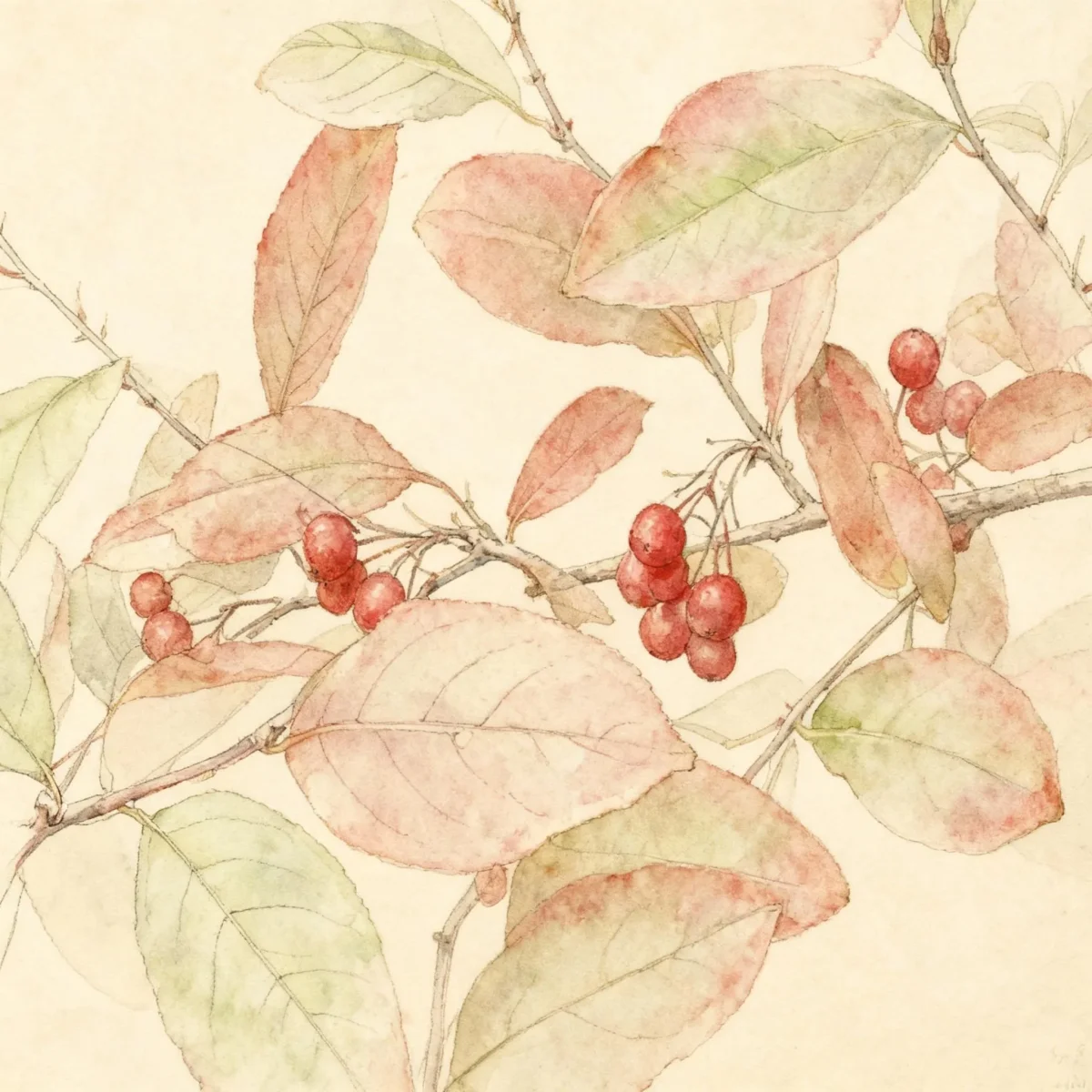
Pyracantha angustifolia ‘Gnome’, commonly known as Firethorn, is a highly valued compact cultivar prized for its year-round visual appeal. This shrub showcases dense foliage, which remains evergreen in milder climates, contrasted beautifully by a spectacular display of brilliant orange berries that ripen in autumn and persist well into winter. Unlike some relatives, the ‘Gnome’ cultivar is specifically noted for its improved cold hardiness, making it a reliable choice in transitional zones.
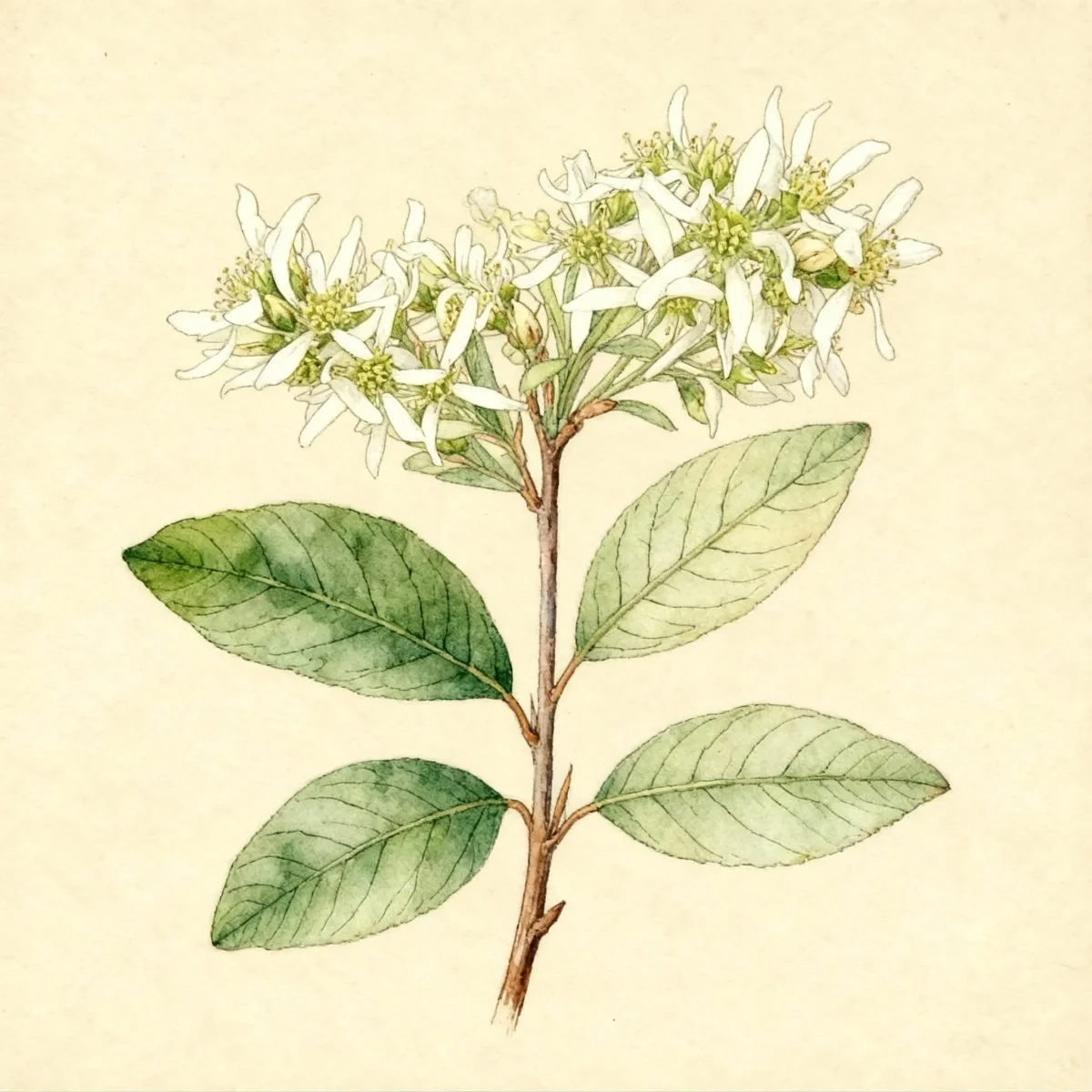
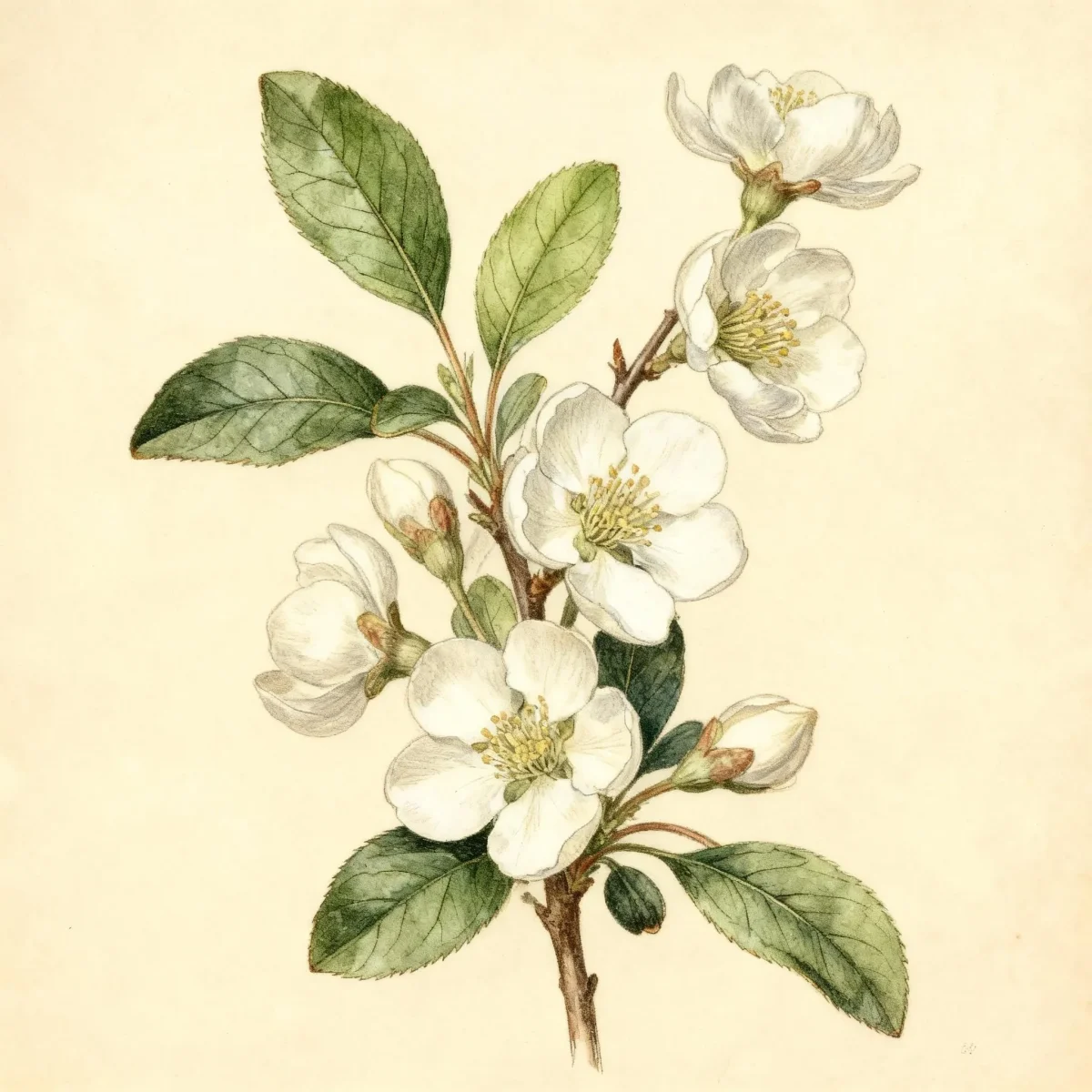
Gardeners appreciate this plant’s low maintenance requirements and its ability to provide structure and color across multiple seasons. The profuse white flowers in spring add light texture before the fruit show begins. When selecting a site for Pyracantha angustifolia ‘Gnome’, remember that it thrives best with dependable sun exposure, yet tolerates some partial shade, rewarding the gardener with excellent performance.
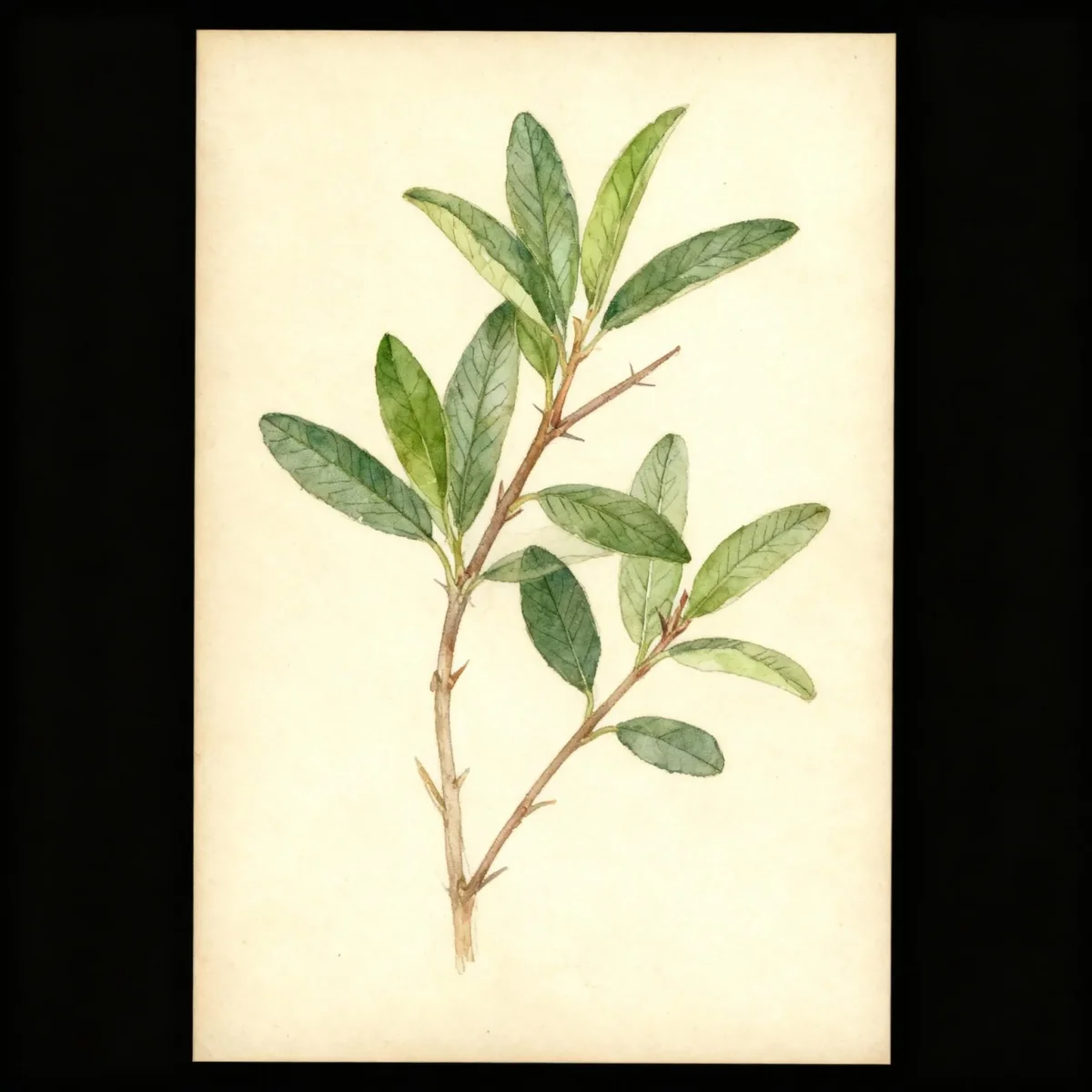
The name Firethorn derives from the Greek words for fire and thorn, referencing both the showy fruit and the needle-like spines (up to 3/4 inch long) present on the branches. Planning an appropriate location is key to utilizing the dense habit of Pyracantha angustifolia ‘Gnome’ effectively, especially when used functionally as an impenetrable barrier.
Fast Facts
- Plant Family: Rosaceae
- Plant Type: Deciduous shrub
- Hardiness Zones: USDA Zones 5-9
- Size at Maturity:
- Height: 4-6 ft
- Spread: 6-8 ft
- Bloom Time: May
- Bloom Description: White
- Sun Exposure: Full sun to part shade
- Water Needs: Dry to medium
- Maintenance Level: Low
How to Grow
Pyracantha angustifolia ‘Gnome’ is easily established by planting during the cooler seasons, ensuring the root ball is situated in a location receiving full sun to partial shade for the best fruiting. This Firethorn variety adapts well to average, well-drained soil conditions, handling dry to medium moisture levels once established. Ensure soil drainage is adequate, as poor drainage can invite root rot issues.
Watering should be consistent during the first growing season to promote deep root development. After establishment, this shrub exhibits excellent drought tolerance, requiring minimal supplemental water unless conditions are exceptionally dry. Fertilization is rarely necessary; overly vigorous feeding can lead to excessive soft growth, potentially increasing susceptibility to fireblight.
Due to its thorny nature and dense growth, Pyracantha angustifolia ‘Gnome’ is primarily used for structure or hedging. If shaping is desired, prune immediately following the flowering period, typically in late spring or early summer. Pruning heavily or late in the season will remove the wood that would otherwise bear the prized fall and winter fruit.
Landscape Uses
The compact nature of Pyracantha angustifolia ‘Gnome’ makes it an outstanding choice for formal and informal landscape applications. It excels when planted as a dense, impenetrable hedgerow or an informal screen where its sharp thorns provide an excellent deterrent. Consider planting groupings along shrub borders or near foundations to add year-round texture.
For a more structured look, this Firethorn can be trained against a wall using an espalier technique, showcasing the flat plane of foliage and fruit effectively. Since it performs well in drought-tolerant settings, companion planting should focus on other sun-loving, low-water shrubs, such as certain Junipers or dwarf evergreen varieties that complement its texture.
Use Pyracantha angustifolia ‘Gnome’ where seasonal interest is paramount. The brilliant orange berries provide necessary winter color when most other plantings are dormant. Its evergreen qualities, even in challenging zones, ensure its role as a strong structural element in any garden design.
Standout Features
Flower Qualities
- Showy
- Fragrant
Fruit Qualities
- Showy
Noteworthy Characteristics
Pyracantha angustifolia, commonly called narrowleaf firethorn, slender firethorn and woolly firethorn, is grown for its dense habit, evergreen foliage and spectacular display of orange berries in fall and winter. It features narrow, elliptic to lanceolate, glossy green leaves which give way to pea-sized, brilliant orange fruits ripening in September. The cultivar ‘Gnome’ is noted for being compact and possessing better winter hardiness than many other pyracanthas, securing its popularity.
Tolerances
- Drought
- Erosion
- Dry Soil
Potential Problems
The most significant concerns for Pyracantha angustifolia ‘Gnome’ relate to fungal diseases, especially in humid environments or when humidity is trapped between dense plantings. Potential diseases include scab, fireblight, leaf blight, and root rot, requiring vigilance regarding siting and pruning practices. In some regions, this specific cultivar may exhibit particular susceptibility to scab development.
Management of these issues relies heavily on cultural controls. Ensure excellent air circulation by maintaining proper space between plants and avoiding overhead summer watering, especially late in the day. If fireblight is observed, promptly prune out infected stems several inches into healthy wood and sterilize pruning tools between cuts.
Less severe issues may include minor insect infestations from aphids or scale, which can usually be managed with horticultural oils or insecticidal soaps if they become numerous enough to impact plant health. Because this is a low-maintenance shrub, proactive vigilance against widespread disease is preferable to reactive spraying.
Frequently Asked Questions
What hardiness zones is Firethorn suitable for?
Pyracantha angustifolia ‘Gnome’ thrives in USDA Hardiness Zones 5 through 9, offering resilience across a good range of climates.
How large does Pyracantha angustifolia ‘Gnome’ grow?
This compact cultivar typically reaches a mature height between 4 to 6 feet tall, with a spread generally ranging from 6 to 8 feet wide.
When does Firethorn bloom?
The plant produces profuse clusters of tiny white flowers during the month of May, which are also notably fragrant.
What sun exposure does Pyracantha angustifolia ‘Gnome’ need?
For optimal growth and flowering/fruiting, this shrub should be planted where it receives full sun, though it can tolerate partial shade conditions.
Conclusion
Pyracantha angustifolia ‘Gnome’ stands out as a superb, resilient choice for gardeners seeking structure and brilliant color that lasts from autumn through winter. Its low maintenance needs and distinct compact habit solidify its value as an effective hedge or specimen plant. Before planting, confirm your site falls within USDA Zones 5-9 and plan pruning schedules carefully to maximize the spectacular berry display of your Firethorn.
Companion Planting
Selecting appropriate neighboring plants helps maximize the visual impact and ensures cultural needs align. Since Pyracantha angustifolia ‘Gnome’ prefers dry to medium soils and full sun, pair it with other drought-tolerant friends. Consider grouping it with ornamental grasses that offer contrasting fine texture, such as various Miscanthus species, which can soften the silhouette of the thorny shrub.
For evergreen contrast that handles similar sun exposure, low-growing varieties of Juniper (Juniperus) or certain Sedums work well near the base of the Firethorn. Avoid pairing this thorny specimen with very high-moisture or acid-loving plants, as their cultural requirements diverge significantly from the robust preferences of Pyracantha angustifolia ‘Gnome’.
Seasonal Care Calendar
Spring is the ideal time for post-flowering maintenance; prune any required shaping after the blooms fade in late May or early June. Avoid heavy fertilization in late summer; focus on water management, ensuring deep soaking during any prolonged dry spells before the onset of winter dormancy.
When autumn arrives, the brilliant orange fruit display of the Firethorn begins to mature, providing essential color. In winter, after the leaves have dropped in colder regions, this is an excellent time to inspect the plant structure and identify any dead or diseased wood. Prune severe twig dieback from fireblight immediately, even in winter, to minimize the chance of infecting new spring growth.
Wildlife Benefits
While the flowers of Pyracantha angustifolia ‘Gnome’ are fragrant to gardeners, the berries serve as a valuable late-season food source for many bird species when resources become scarce. Birds often rely on persistent fruits, like those of this Firethorn, throughout the winter months. Planting the shrub specifically for wildlife means avoiding heavy chemical treatments that could negatively affect the foraging animals consuming the fruit.
Design Applications for Hardscaping
The density and thorniness of Pyracantha angustifolia ‘Gnome’ make it invaluable when positioned adjacent to pathways or property boundaries where security is a secondary benefit. Use it to line a driveway or define the perimeter of a garden space where a thorny, impenetrable barrier is desired. When formalized as an espalier against a fence or wall, it provides a vertical element without encroaching on functional walkways, blending beauty with practicality.