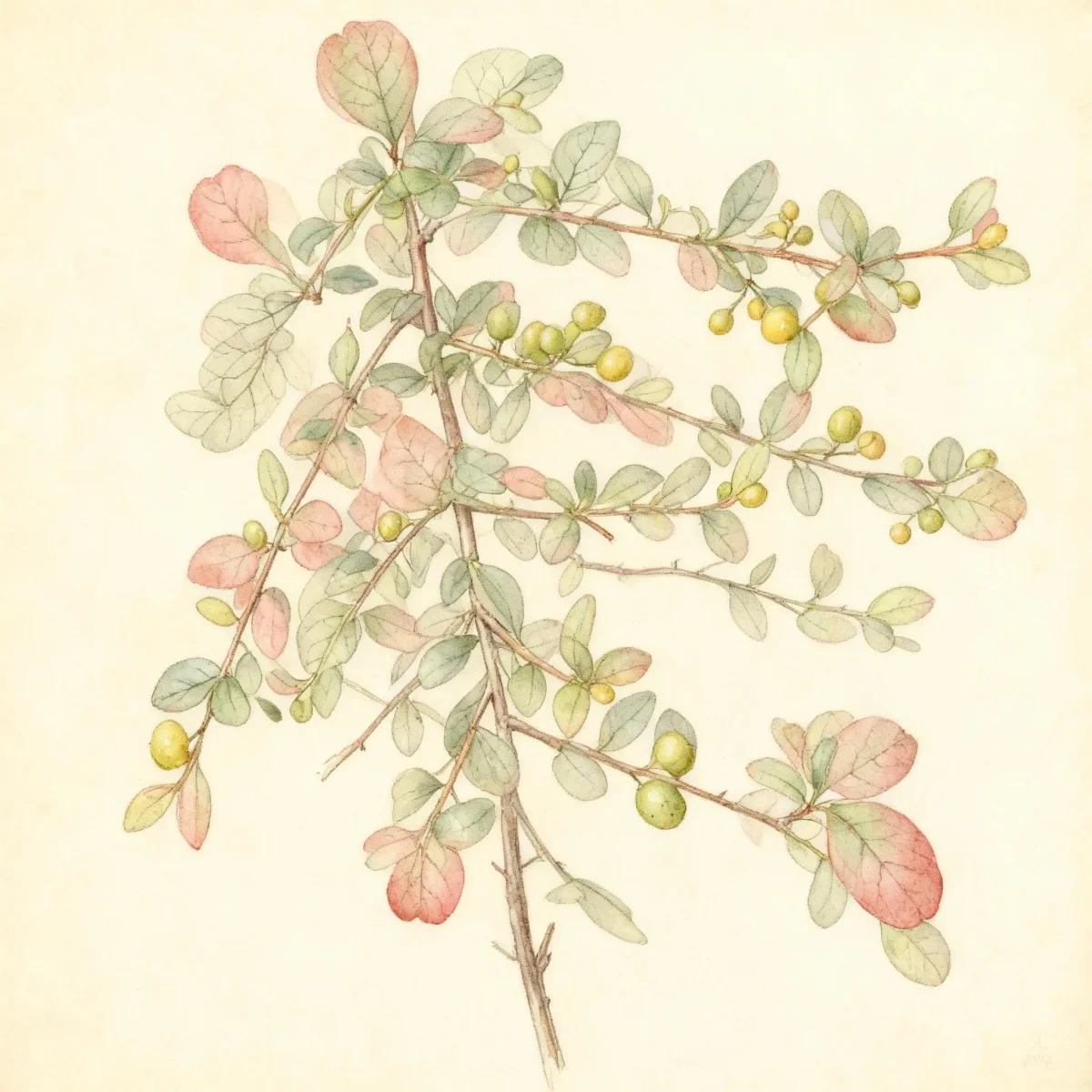
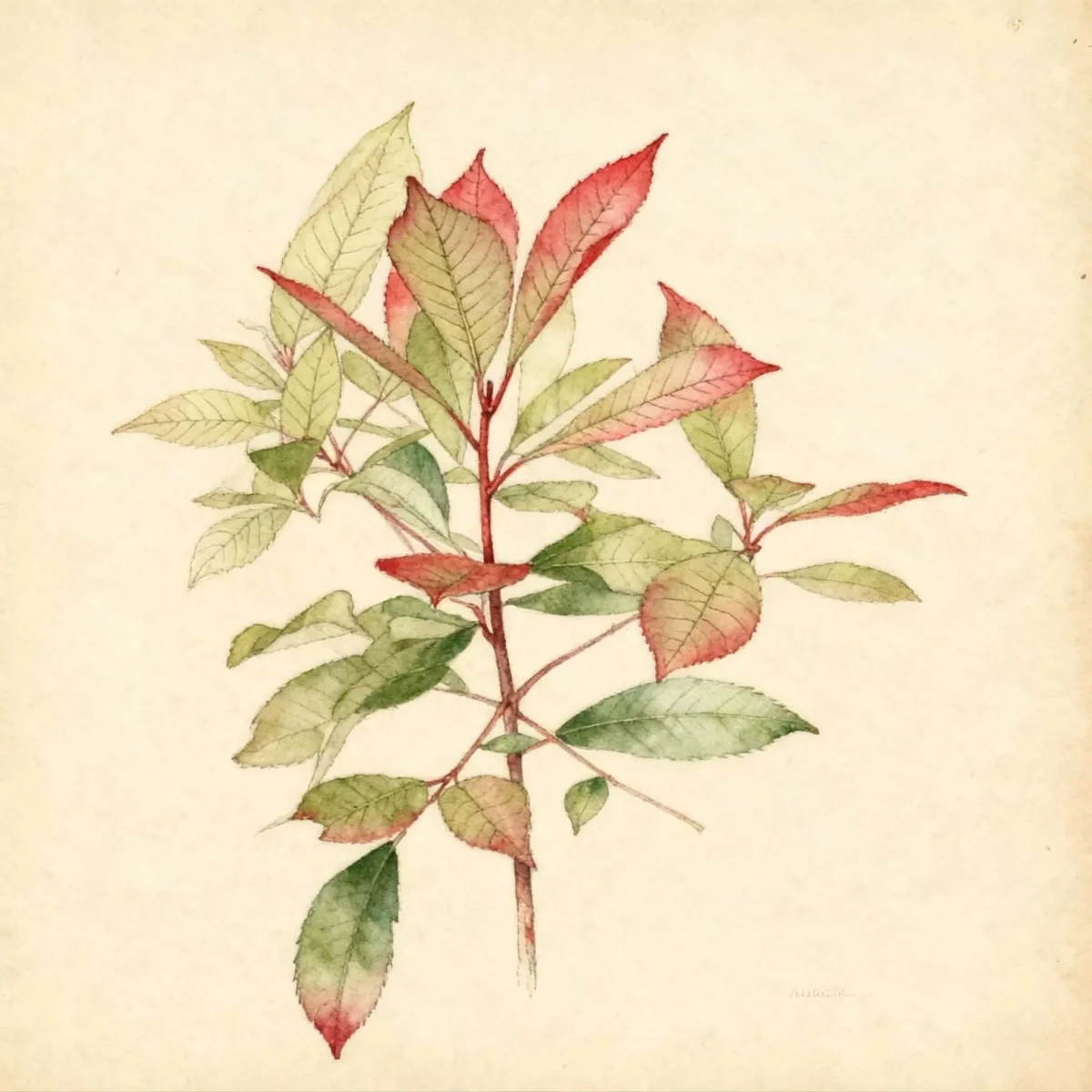
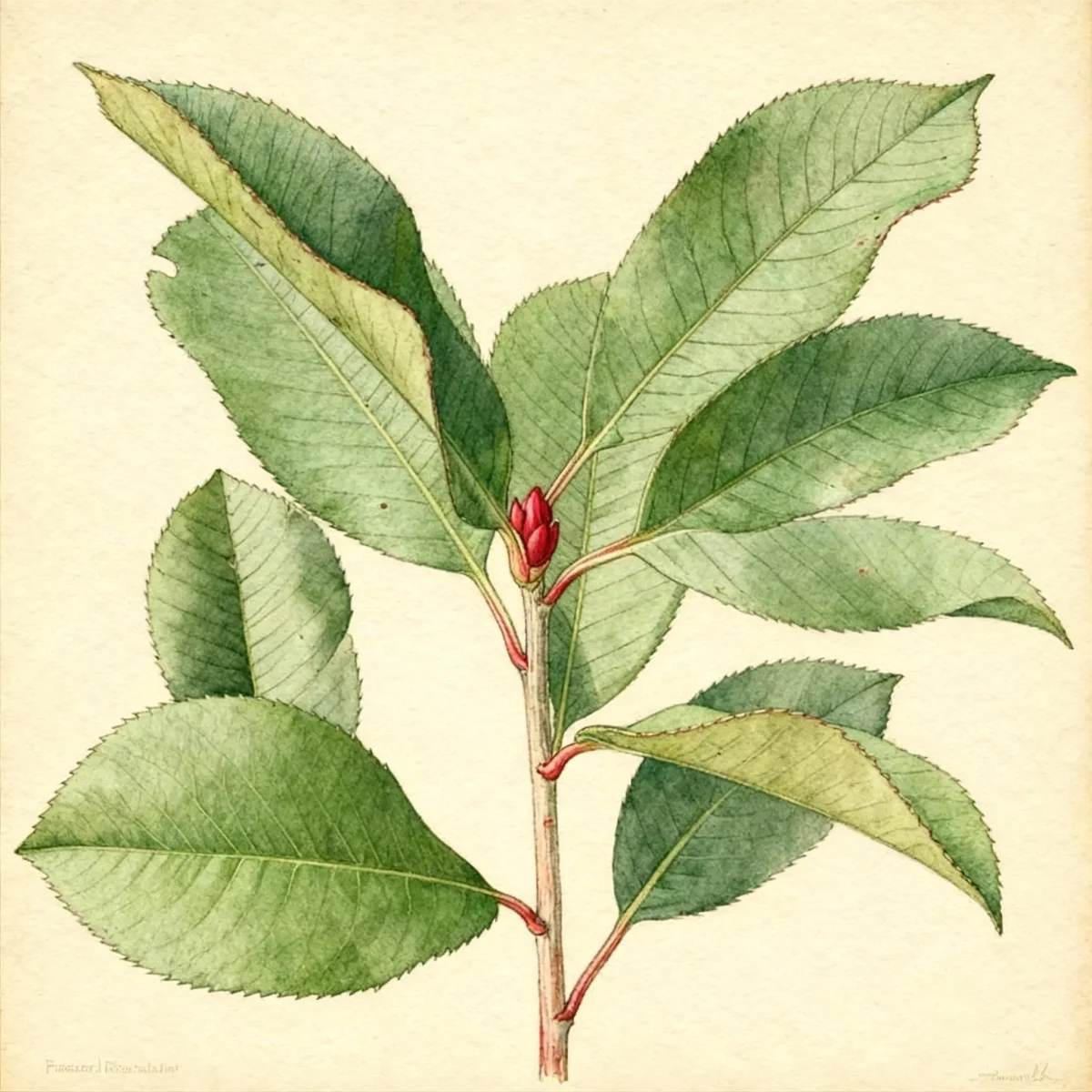
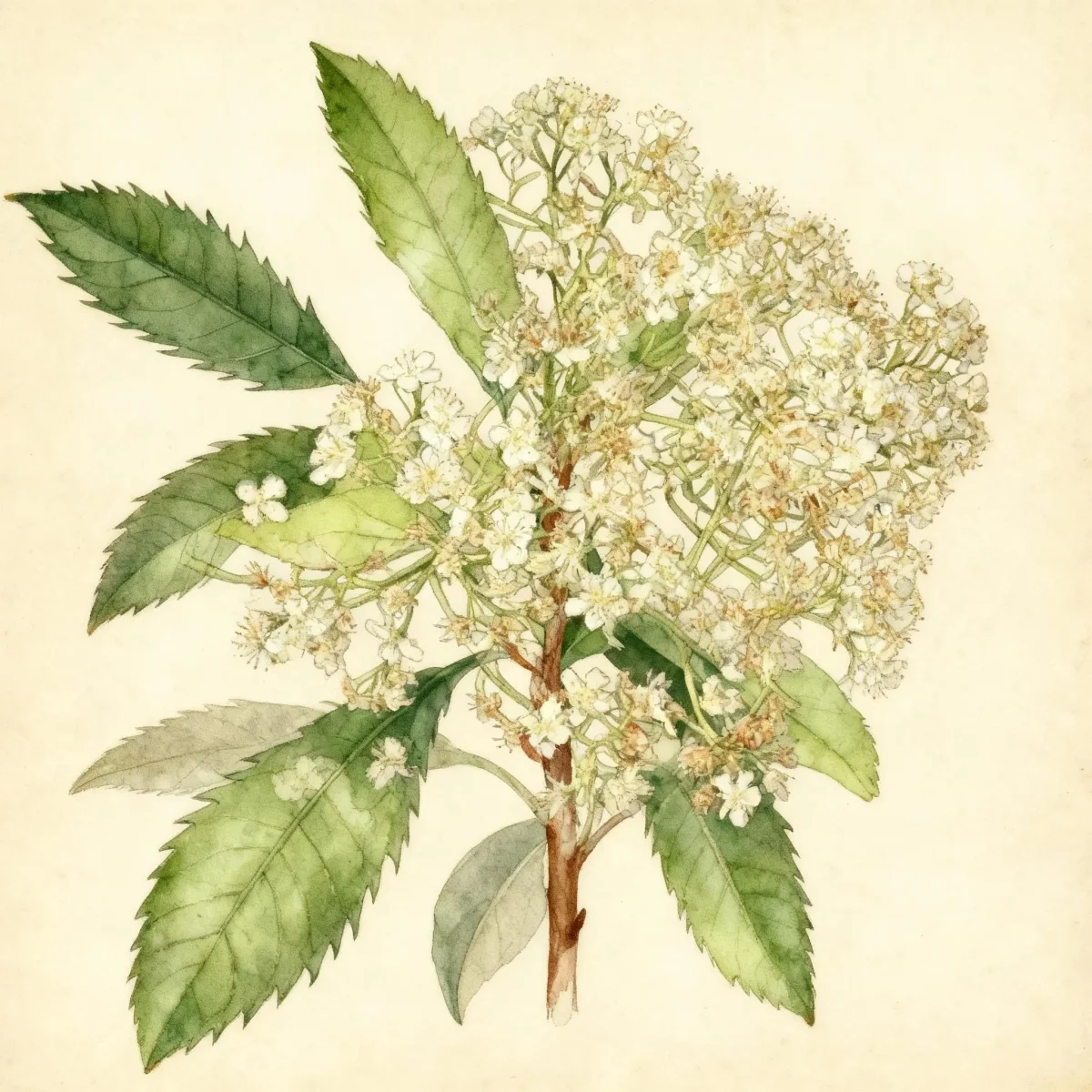
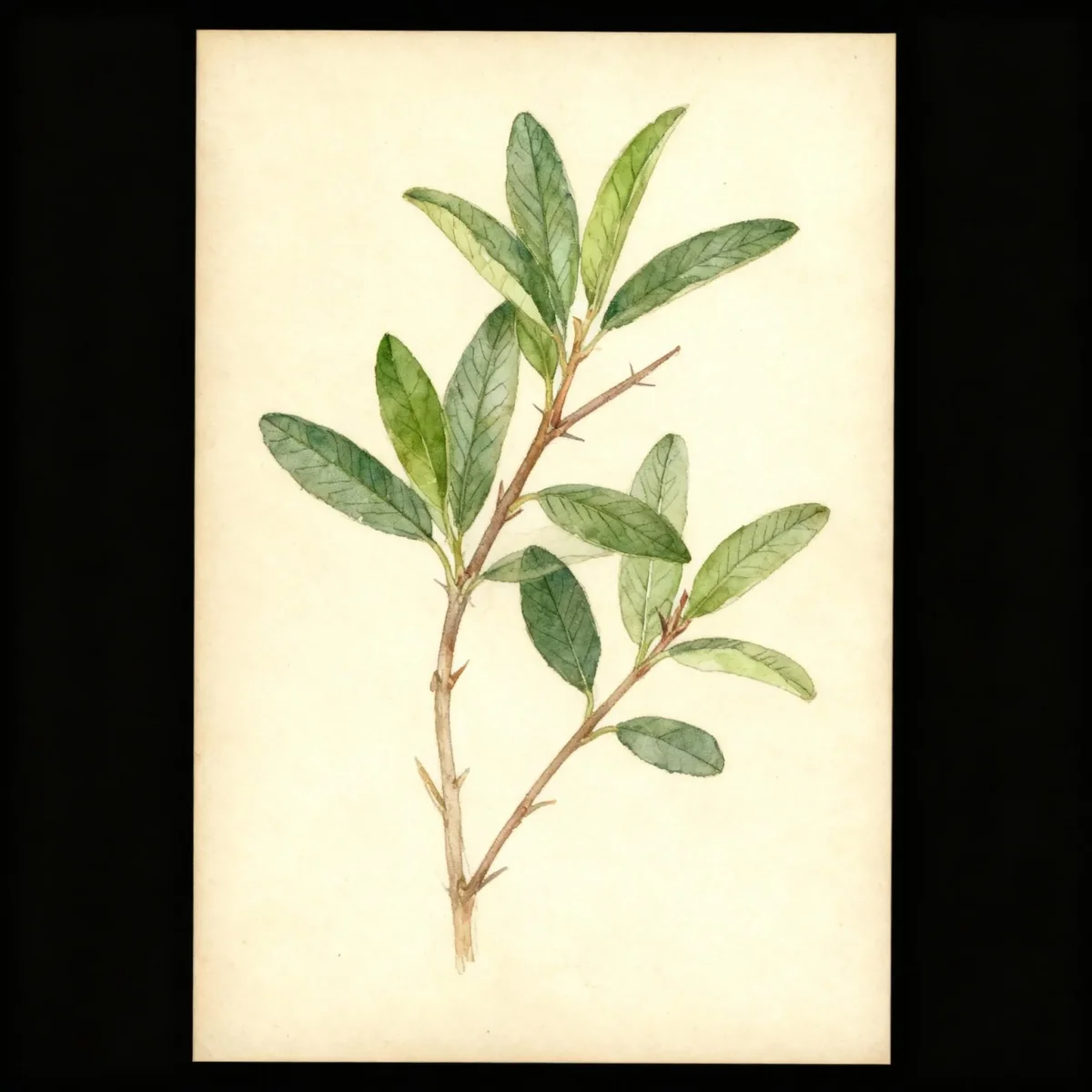
Scarlet firethorn (Pyracantha coccinea 'Lalandei Monrovia')
Pyracantha coccinea 'Lalandei Monrovia' (Scarlet firethorn) offers upright structure, dense screening, and vibrant orange-red berries in winter. Hardy zones 6-9.
Scroll down to discover growing tips, care requirements, companion plants, and more
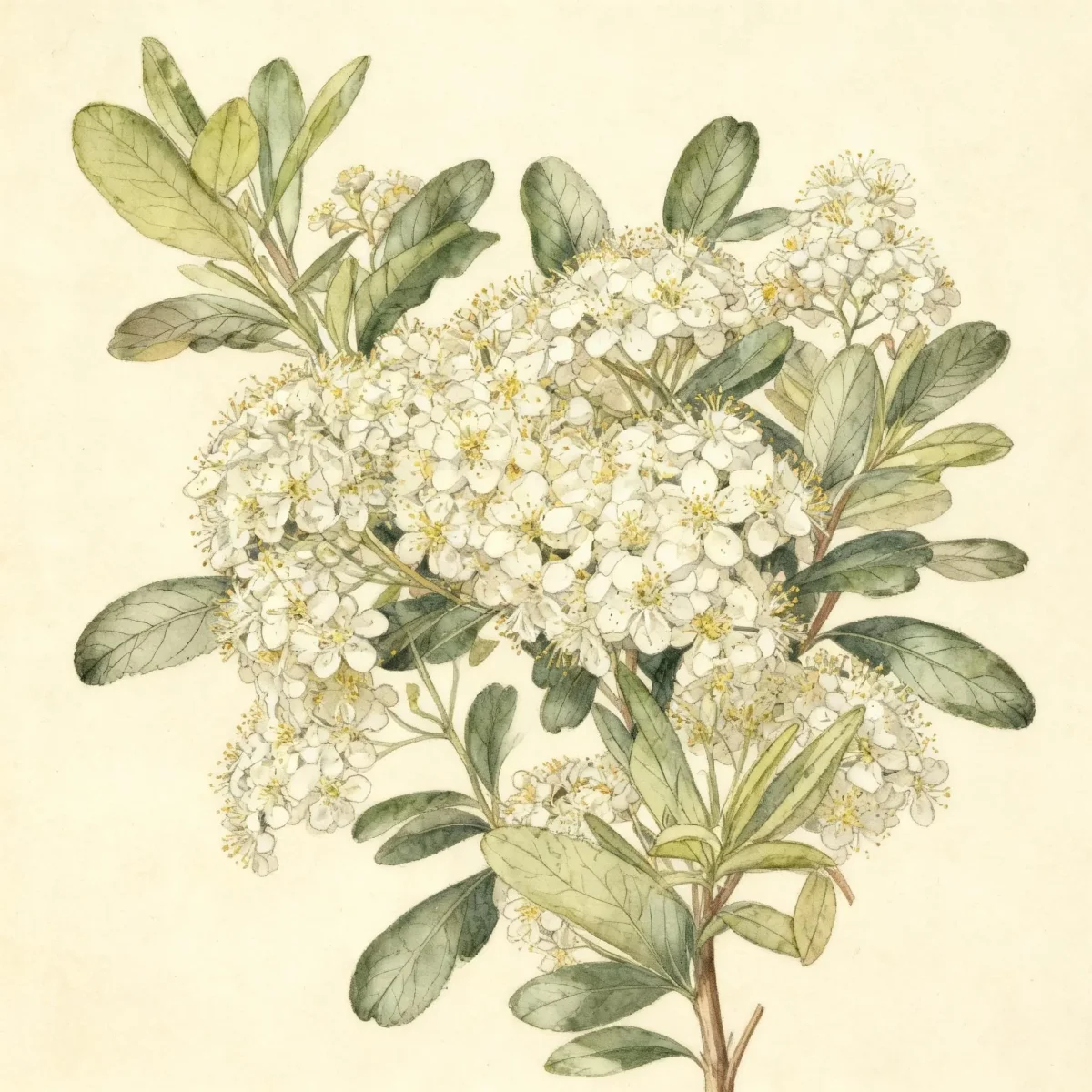
Complete Plant Information
Overview
The distinctive Pyracantha coccinea ‘Lalandei Monrovia’, commonly known as Scarlet firethorn, is a highly valued broadleaf evergreen shrub prized for its year-round visual interest. This cultivar features an upright habit, dense, glossy green foliage, and an exceptional display of orange-red berries that persist well into the winter months. Gardeners often select Scarlet firethorn for its functional utility as a formidable barrier, owing to its naturally thorny branches.
While Pyracantha coccinea ‘Lalandei Monrovia’ is celebrated for its hardiness in mild climates, its evergreen nature may shift to semi-evergreen or deciduous in colder regions, such as areas experiencing harsh St. Louis winters. It provides a fantastic seasonal performance, moving from inconspicuous white spring flowers to its famous, showy fruit display later in the year.
Functionally, this Pyracantha offers excellent screening capabilities and aesthetic appeal, making the five-letter word ‘thorn’ a helpful reminder of its defensive, yet beautiful, nature. Ensure correct placement to capitalize on its natural screen while respecting its preference for well-drained conditions.
Fast Facts
- Plant Family: Rosaceae
- Plant Type: Broadleaf evergreen
- Hardiness Zones: USDA Zones 6-9
- Size at Maturity:
- Height: 8-10 ft
- Spread: 8-10 ft
- Bloom Time: May
- Bloom Description: White
- Sun Exposure: Full sun to part shade
- Water Needs: Dry to medium
- Maintenance Level: Medium
How to Grow
Pyracantha coccinea ‘Lalandei Monrovia’ establishes best when planted in the spring or fall. Locate this shrub where it can receive full sun to light part shade; maximum fruit production is achieved with abundant sun exposure. It thrives in average, well-drained soil, though it exhibits a good tolerance for clay soils and established drought conditions once mature. Avoid planting in perpetually wet sites.
Water new plantings regularly until established, allowing the soil to dry between waterings, as it prefers dry to medium moisture levels overall. Once established, the Scarlet firethorn is quite drought-tolerant. Fertilizing should be minimal; use a balanced fertilizer sparingly in spring only if growth is poor, focusing instead on cultivating sharp soil drainage.
A key consideration for this plant is pruning. While Pyracantha coccinea ‘Lalandei Monrovia’ can be sheared into a formal hedge, any severe pruning performed after flowering will significantly reduce the subsequent fruit display. Allow the natural form to develop or prune lightly after blooming to maintain shape without sacrificing the winter berries. Gardeners aiming for high performance should site this plant sheltered from severe, cold winds, especially in the northern parts of its range.
Landscape Uses
The formidable thorns of Pyracantha coccinea ‘Lalandei Monrovia’ make it the ultimate plant for creating impenetrable barriers. It excels when used as an informal hedge or hedgerow, defining property lines or securing vulnerable areas. When massed, it functions effectively as a dense screen, softening large walls or slopes.
For more architectural applications, the Scarlet firethorn is excellent trained as an espalier against a fence or wall, showcasing both the foliage and the abundant orange-red fruit against a contrasting background. Although it can be sheared, gardeners aiming for ornamental impact should resist the urge to prune aggressively after spring flowering, as fruit development is paramount to its winter appeal. Site it where its impressive thorns will serve as a deterrent, keeping it away from high-traffic pedestrian paths.
Standout Features
Flower Qualities
- Showy
- Fragrant
Fruit Qualities
- Showy
Noteworthy Characteristics
Pyracantha coccinea, commonly known as scarlet firethorn, is noted for its spring white flowers, glossy green leaves, needle-like spines, and vibrant orange-red berries in the fall that persist into winter. The species name, coccinea, references the scarlet color of the fruit, while the genus name references fire and thorn. The ‘Lalandei Monrovia’ cultivar is specifically recognized for its particularly upright habit, profuse berry set, and quality dark green foliage, offering consistent visual appeal across multiple seasons.
Tolerances
- Clay Soil
Potential Problems
The primary disease concern impacting Pyracantha coccinea ‘Lalandei Monrovia’ is scab, which can lead to cosmetic damage on the leaves and fruit. To manage scab and other potential issues like fireblight and wilt, ensure excellent air circulation by providing adequate spacing and avoiding overhead irrigation. Potential insect pests include scale, aphids, and lacebug, which can usually be controlled with horticultural oils or insecticidal soap, applied when pests are first noticed. On a positive note for landscaping, deer tend to avoid this prickly shrub entirely, making it a resilient choice in areas with high browsing pressure.
Frequently Asked Questions
What hardiness zones is Scarlet firethorn suitable for?
Pyracantha coccinea ‘Lalandei Monrovia’ is hardy across USDA Zones 6 through 9, though site sheltering is recommended in the colder limits of this range against harsh winter winds.
How large does Pyracantha coccinea ‘Lalandei Monrovia’ grow?
This shrub typically matures to a height between 8 and 10 feet, with an equal spread, creating a substantial presence in the landscape.
When does Scarlet firethorn bloom?
The bloom time for this shrub is typically in May, featuring profuse clusters of tiny white flowers that precede the heavy fruit set later in the year.
What sun exposure does Pyracantha coccinea ‘Lalandei Monrovia’ need?
For best performance, ensure Scarlet firethorn receives full sun to light part shade; adequate sunlight directly influences the density of the spring blossoms and the abundance of the fall berries.
Conclusion
Pyracantha coccinea ‘Lalandei Monrovia’ remains an outstanding choice due to its dense screening ability, drought tolerance, and stunning winter fruit display, providing maximum visual impact for medium maintenance effort. When establishing your Scarlet firethorn, confirming your site receives enough sun and utilizes well-drained soil is the key to long-term success. Check your local USDA hardiness zone compatibility before planning your installation this upcoming planting season.
Wildlife Benefits
The prolific orange-red berries of the Scarlet firethorn are a significant boon to local wildlife, especially during the lean months of late fall and winter when food sources are scarce. These persistent fruits offer valuable sustenance for numerous bird species that are adapted to consuming them. Furthermore, its dense, thorny structure provides excellent protective cover and nesting sites for smaller songbirds seeking refuge from predators.
Seasonal Care Calendar
Spring is the critical time for pruning the Pyracantha coccinea ‘Lalandei Monrovia’, but timing matters significantly for securing the fruit display. Prune only lightly after flowering, focusing on removing dead or crossing wood, as pruning later removes the spurs that will bear next year’s berries. Monitor for early signs of scab as temperatures warm.
Summer care centers on maintaining the dry to medium moisture requirements established during the initial growing season. If planting in clay soil, deep, infrequent watering is better than frequent, shallow applications. Inspect foliage periodically for early-season insect activity like lacebug before populations explode.
Companion Planting
For landscape designs incorporating the thorny structure of Pyracantha coccinea ‘Lalandei Monrovia’, consider pairing it with complementary textures and structures that thrive in partial shade and similar soil profiles. Plants that offer fine texture, such as certain Japanese forest grasses (Hakonechloa) or low-growing ferns, contrast beautifully against the shrub’s broad, glossy leaves. Alternatively, place lower-growing perennials that prefer well-drained, drier conditions, like Sedum or certain ornamental salvias, at the base to soften the hedge line without competing for root space or light. Ensure companions do not require constant moisture, honoring the dry-to-medium needs of the Scarlet firethorn.
Container Growing
While Pyracantha coccinea ‘Lalandei Monrovia’ is typically planted in the ground, it can be successfully grown in large containers for patio interest, especially where ground planting is impossible or soil conditions are poor. Use rich, well-draining potting soil amended with extra grit or perlite to ensure sharp drainage crucial for this plant. Because containerized plants dry out faster, you must diligently check water needs, potentially watering more frequently than when planted in the garden. To maximize winter berry display for container specimens in Zone 6, it is wise to move the pot into a protected, unheated garage or against a warm wall during the harshest winter snaps.