Pear (Pyrus STARK ULTRA RED)
Discover the Pyrus STARK ULTRA RED Pear, offering showy white blooms and edible red fruit. A high-maintenance tree for Zones 5-7.
Scroll down to discover growing tips, care requirements, companion plants, and more
Complete Plant Information
Overview
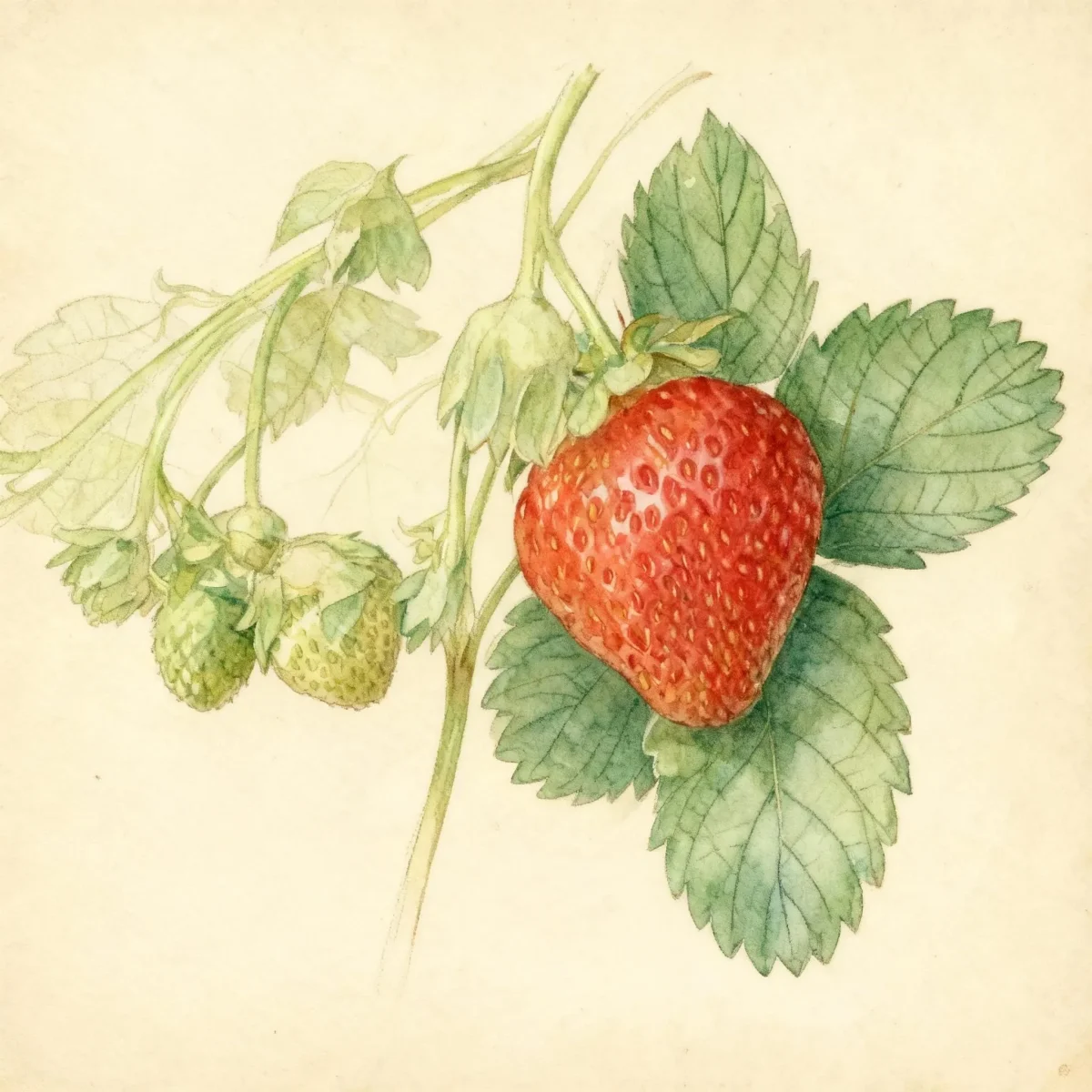
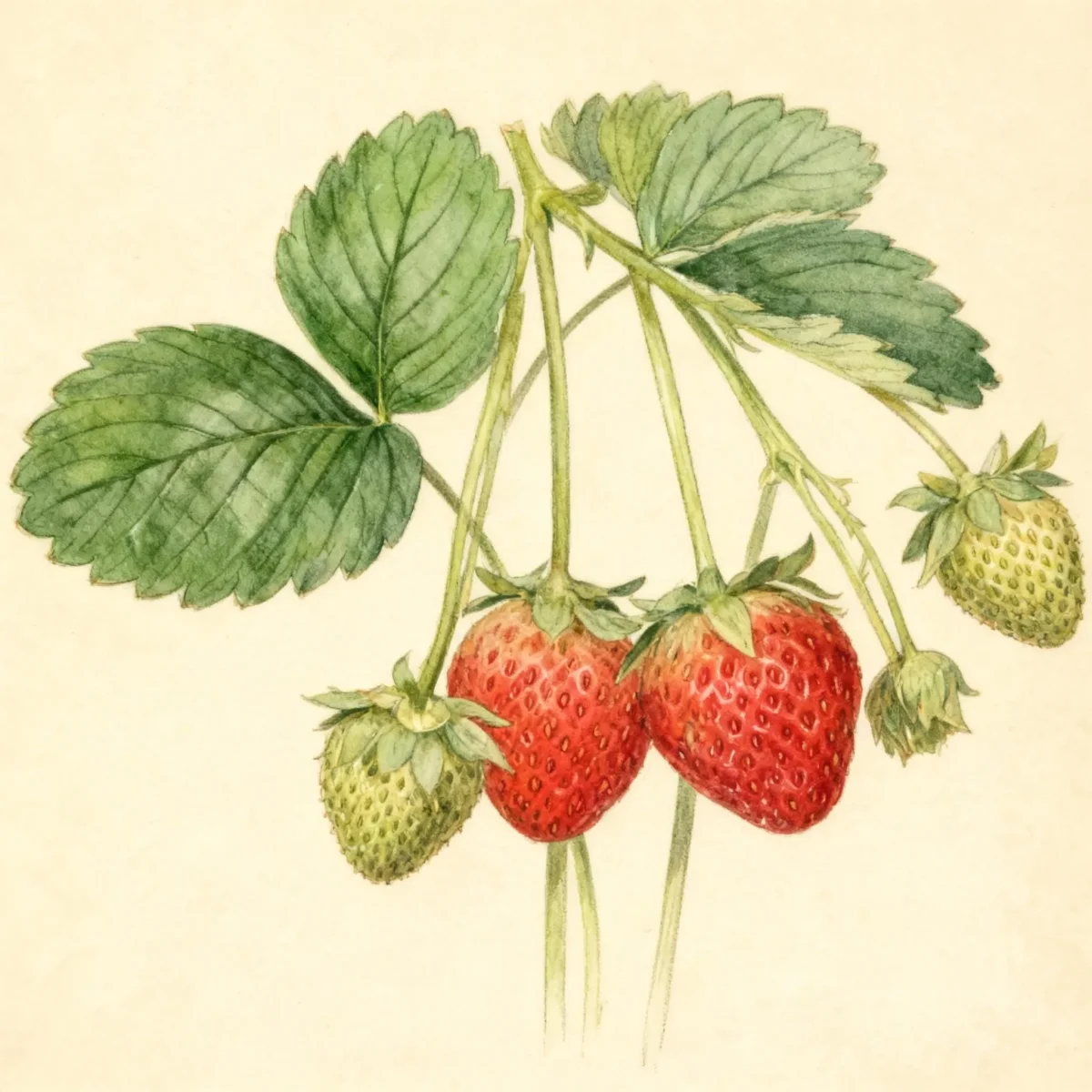
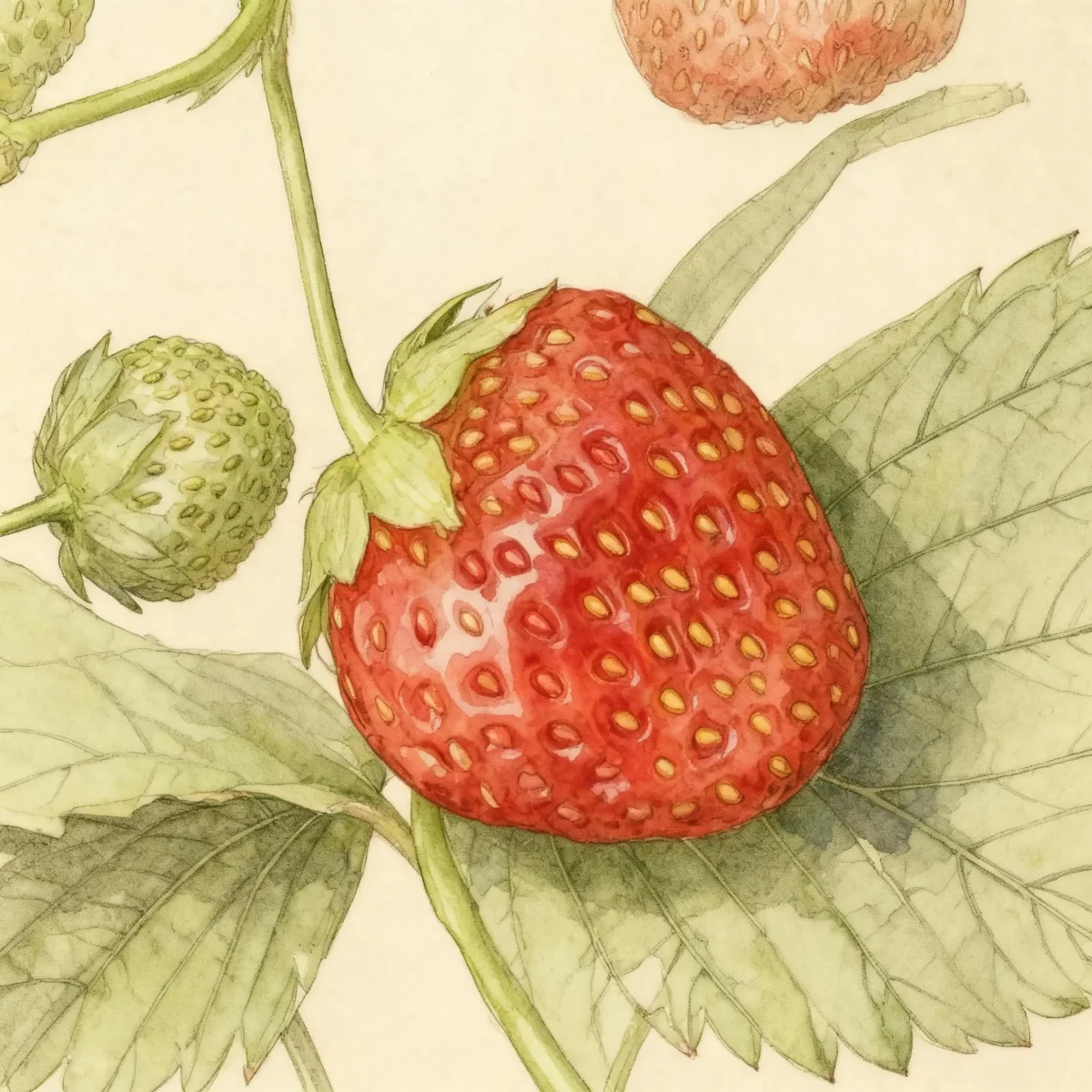
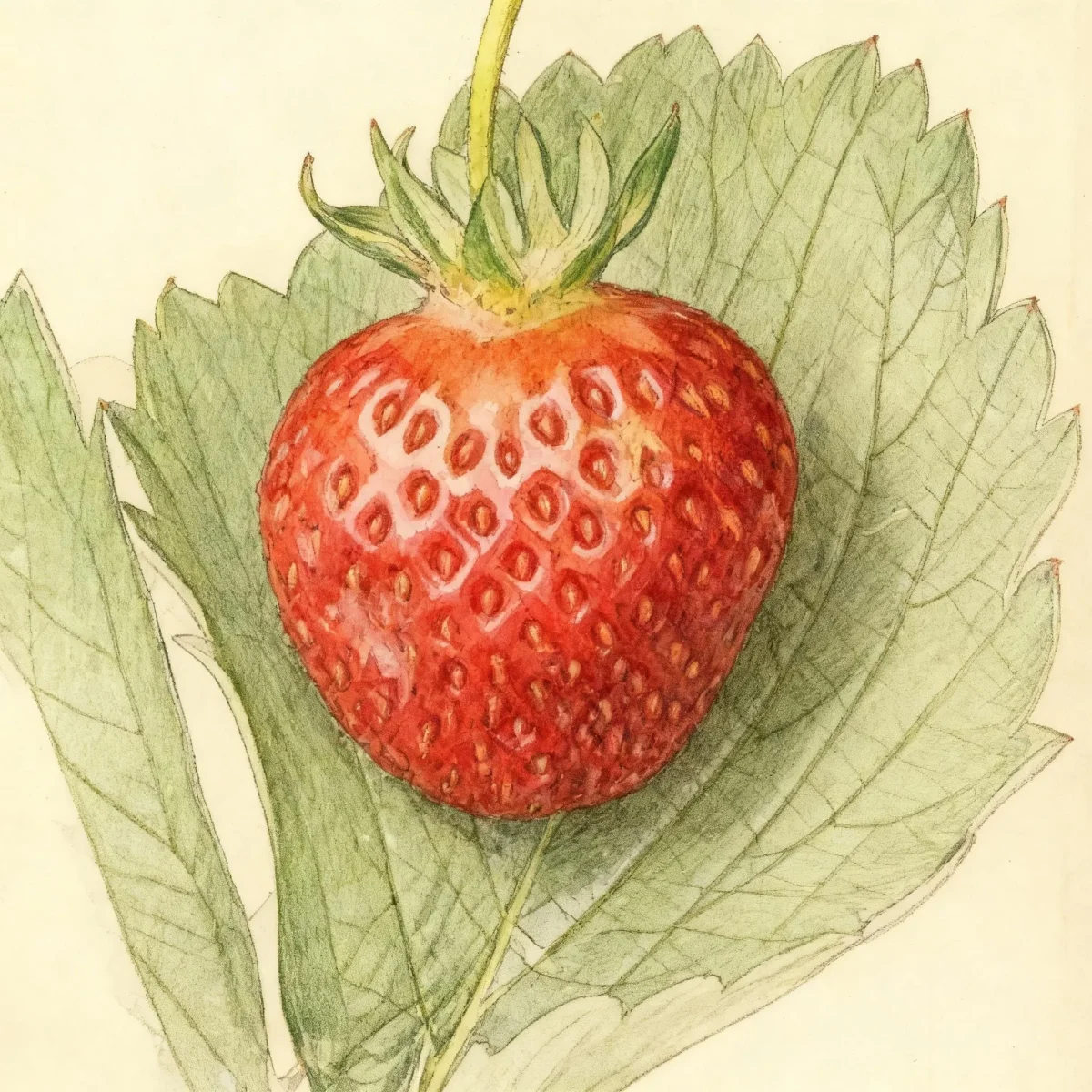
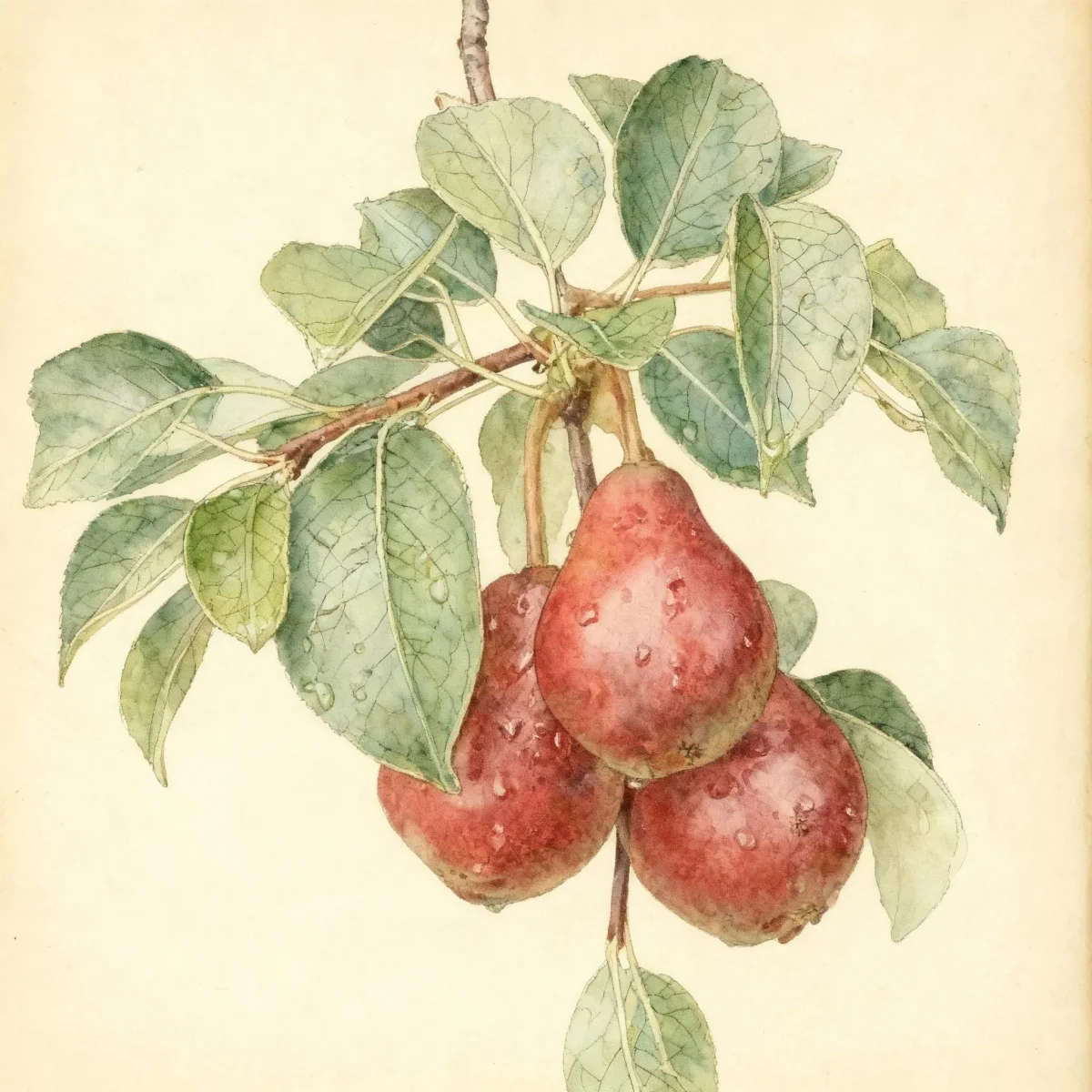
The Pyrus STARK ULTRA RED is a highly distinctive fruit-bearing tree renowned for its visual appeal throughout the season. This specific Pear cultivar provides early spring interest with profuse white flowers, culminating in unique red Bartlett pears ripening in late August in suitable climates. Gardeners seeking the traditional benefits of a Pear tree combined with strong aesthetic qualities will appreciate this Stark Bro’s introduction.
While it offers substantial rewards, growers must understand that the Pyrus STARK ULTRA RED demands dedicated attention. It thrives best in full sun and requires consistent moisture management to support its fruit development. Its value lies in its dual purpose: excellent ornamental display combined with a unique, edible fruit crop.
Pruning and pest management are crucial for success, placing this Pear firmly in the high-maintenance category. However, when paired with the appropriate companion for cross-pollination, the Pyrus STARK ULTRA RED provides a rewarding addition to the home orchard or landscape.
Fast Facts
- Plant Family: Rosaceae
- Plant Type: Fruit
- Hardiness Zones: USDA Zones 5-7
- Size at Maturity:
- Height: 8-10 ft
- Spread: 8-10 ft
- Bloom Time: April
- Bloom Description: White
- Sun Exposure: Full sun
- Water Needs: Medium
- Maintenance Level: High
How to Grow
Planting should occur during the dormant season, ideally late fall or early spring, ensuring the tree is well-established before summer heat arrives. The Pyrus STARK ULTRA RED requires full sun exposure—at least six to eight hours daily—for optimal flowering and fruit set. Culturally, this tree prefers average, medium moisture conditions. Adaptability exists across soil types, including sandy or clay loams, but drainage must be excellent to prevent root issues common to most Pear varieties.
Ongoing care revolves heavily around cultural sanitation and preventative chemical treatments, reflecting the high maintenance level. Water deeply during dry spells, especially when the fruit is developing. Because cross-pollination is mandatory, ensure you plant another compatible Pear variety nearby to guarantee a productive crop of Pyrus STARK ULTRA RED fruit.
Be prepared for necessary spraying programs. Due to inherent regional susceptibility, site your tree away from pristine areas, as chemical applications may be needed to manage common pear pests and diseases effectively throughout the growing season.
Landscape Uses
The appeal of the Pyrus STARK ULTRA RED extends beyond the kitchen garden. Classified as a Flowering Tree, its mass of creamy white flowers in early spring offers significant ornamental value before the fruit appears. This makes it an excellent choice as a specimen tree in a mixed border or as the focal point in a formal arrangement.
For smaller properties, consider utilizing dwarf rootstocks, as these manage the tree height and spread effectively, making harvesting simpler while retaining full-sized fruit. While valued for its bloom and fruit, pair it with complimentary low-maintenance shrubs underneath, ensuring the base remains accessible for necessary spraying and inspection of the Pear tree.
Standout Features
Flower Qualities
- Showy
Fruit Qualities
- Showy
- Edible
Noteworthy Characteristics
Pears, like apples, are pome fruits and many are grown primarily for their fruit. Cultivated pears are grafted onto rootstocks which influence the size of the tree, resistance to pests and diseases, time to fruiting maturity, and overall longevity. Pyrus STARK ULTRA RED is an exclusive introduction from Stark Bro’s Nursery of Louisiana, Missouri. Dwarf trees bear standard size fruit but have the advantages of fitting into smaller spaces and of being more manageable (e.G., easier to spray, prune and harvest).
Tolerances
Potential Problems
Growing Pear trees, including the Pyrus STARK ULTRA RED, can present challenges, particularly in regions known for specific pressures like Missouri. The primary concern for any Pear cultivar is fireblight; thankfully, this variety is reported to possess good resistance, which should be prioritized during cultivar selection. Scab is another common fungal issue requiring attention.
Insect management necessitates vigilance against pests such as codling moths, borers, and scale. Because chemical control is frequently necessary to ensure a viable harvest, diligent cultural practices like pruning for air circulation and sanitation must accompany any spray schedule. Furthermore, early spring frosts pose a risk, as cold temperatures can damage protective flower buds, leading to a lost year of fruit production.
Frequently Asked Questions
What hardiness zones is Pyrus STARK ULTRA RED suitable for?
The Pyrus STARK ULTRA RED is best suited for USDA Zones 5 through 7. Confirming your local zone compatibility is the first step before planting this Pear.
How large does Pear grow?
When mature, the Pyrus STARK ULTRA RED typically reaches a height between 8 to 10 feet with a spread of 8 to 10 feet at maturity on dwarf rootstock.
What sun exposure does Pear need?
This Fruit tree requires full sun exposure—ideally six or more hours of direct sunlight daily—to maximize flowering and fruit production for your Pyrus STARK ULTRA RED.
When does Pear bloom?
The Pyrus STARK ULTRA RED blooms in April, featuring attractive white flowers that precede the development of the red fruit crop.
Conclusion
The Pyrus STARK ULTRA RED offers a compelling combination of ornamental beauty and unique edible fruit, making the required high level of maintenance worthwhile for dedicated gardeners. Successfully growing this Pear hinges on ensuring adequate cross-pollination and maintaining a proactive spray schedule against common threats. Assess your commitment to intense seasonal care before installing this exceptional cultivar in your landscape.
Companion Planting
Selecting beneficial neighbors is key when growing a high-maintenance Pear tree like Pyrus STARK ULTRA RED. Companion plants should not compete aggressively for water resources, given the tree’s medium water needs. Consider planting low-growing aromatic herbs such as chives or mints around the drip line; these are often cited for potentially deterring certain soil-dwelling pests, although chemical vigilance remains primary.
For aesthetic balance, choose deciduous shrubs that bloom later than the tree’s April display. This ensures continuous seasonal interest. Look for plants that prefer similar pH levels but do not share the same susceptibility to fungal diseases, avoiding other apples or ornamental pears if possible.
Seasonal Care Calendar
Spring preparation for the Pyrus STARK ULTRA RED involves monitoring for late frosts, which can devastate early blooms. Once bloom is past, begin preventative fungicide applications targeting scab if this has been an issue in previous years. Summer is critical for fruit development; maintain consistent watering, especially as pests like codling moths become active, requiring targeted insecticide application.
Fall management focuses on sanitation; rake up and destroy fallen leaves and fruit debris to reduce the overwintering sites of potential diseases and insects affecting the next season’s Pear crop. Winter is the time for dormant oil sprays to smother overwintering scales or mites on the bark. Proper pruning should also be completed during late dormancy just before bud swell.