Pear (Pyrus STARKING DELICIOUS)
The Pyrus STARKING DELICIOUS Pear offers fragrant white blooms and edible golden fruit. Ideal for Zones 5-8.
Scroll down to discover growing tips, care requirements, companion plants, and more
Complete Plant Information
Overview
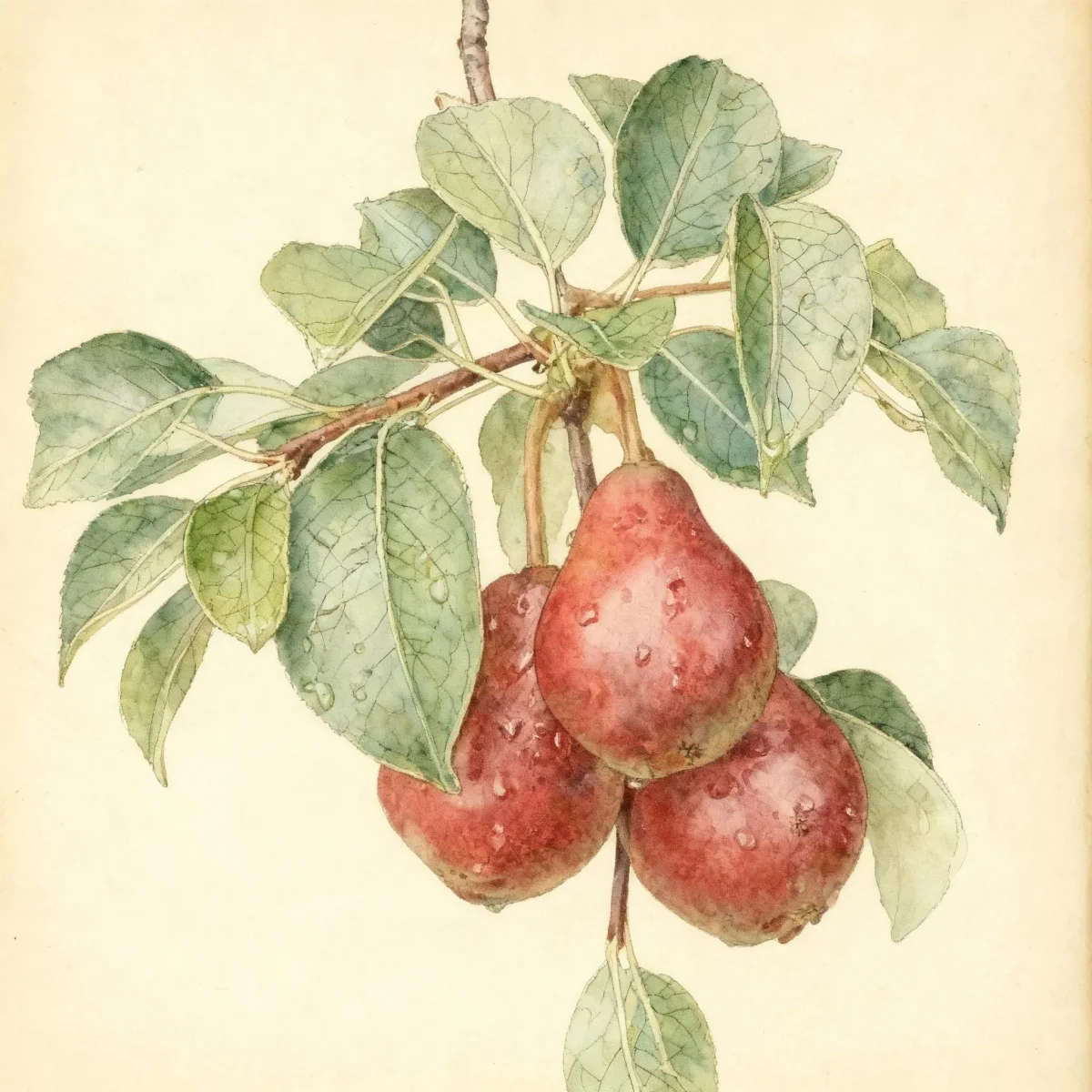
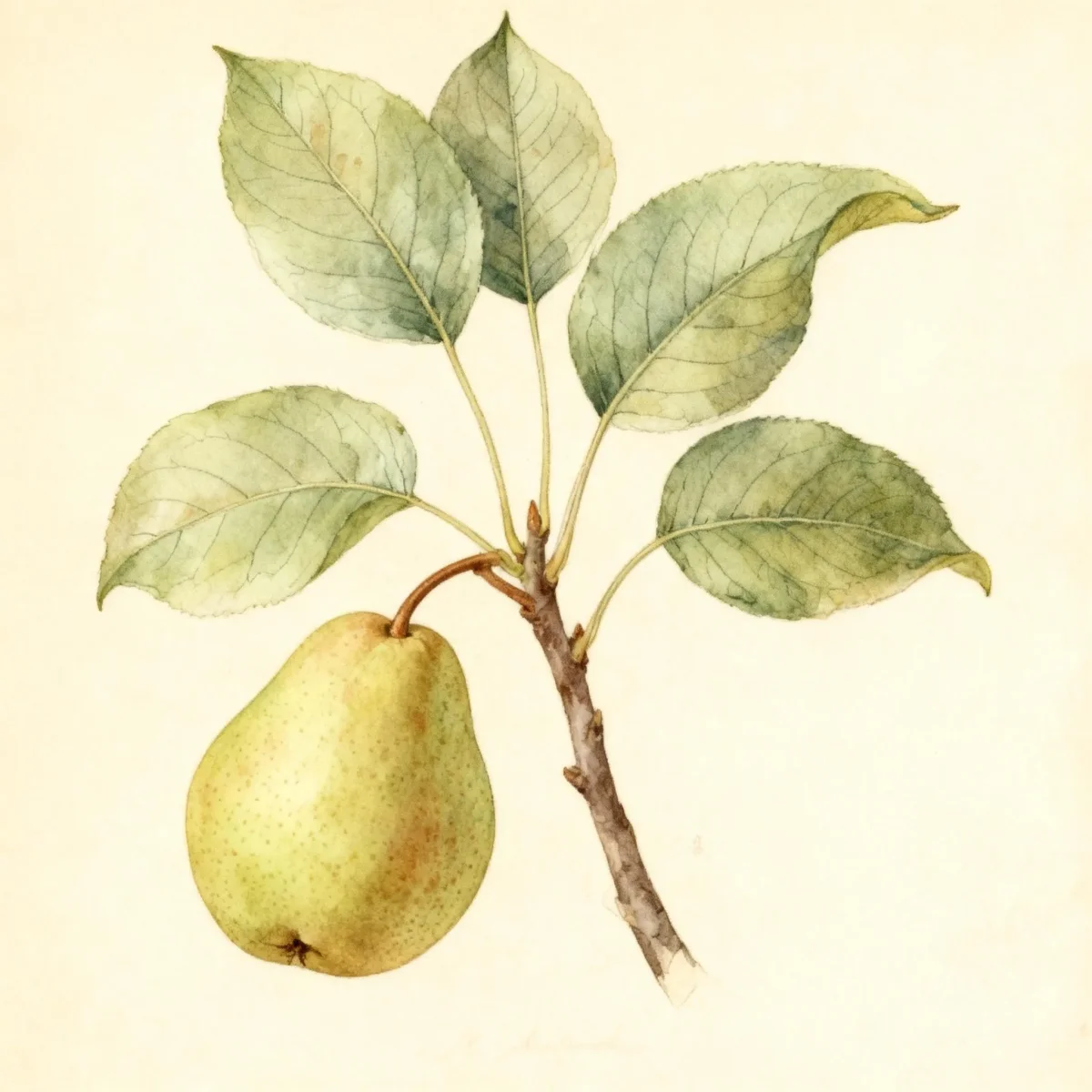
The Pyrus STARKING DELICIOUS is a highly valued fruit-bearing specimen, celebrated for providing both early spring ornamental appeal and a substantial autumn harvest. This cultivar of Pear produces large, Bartlett-type fruit with attractive golden yellow coloring when ripe. Proper cultivation focuses heavily on ensuring adequate pollination partners, as Pyrus STARKING DELICIOUS requires another variety for successful fruit set.
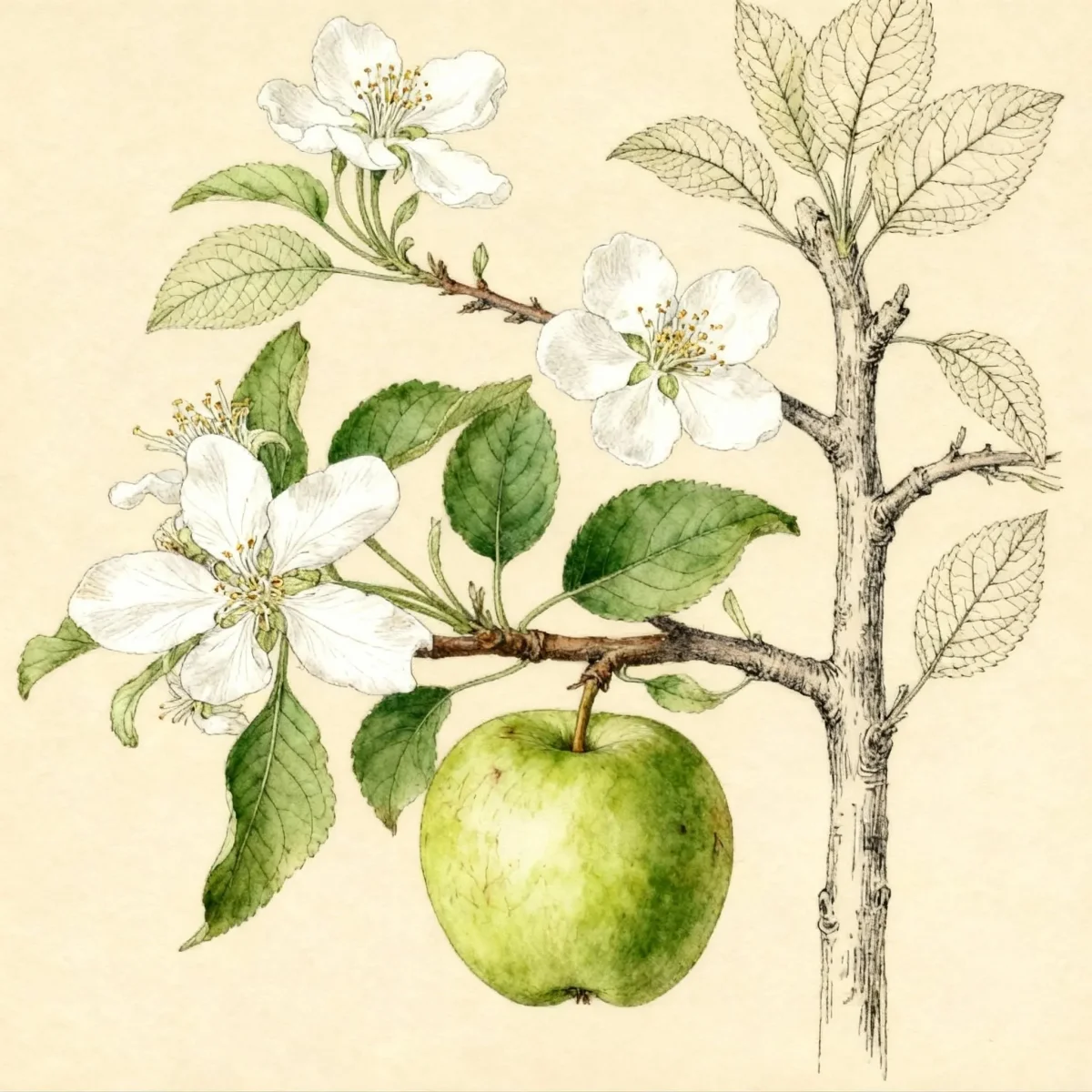
As a member of the Rosaceae family, this deciduous tree offers creamy white, fragrant blossoms in early spring, attracting interest before its fruit matures in early September (in suitable climates like USDA Zone 5). Gardeners should note that while the tree has good fireblight resistance, maintenance remains medium due to potential pest and disease management needs common to Pears.
Stark Bro’s Nursery introduced this excellent variety, which is often grafted onto dwarf rootstocks to create manageable trees suitable for smaller gardens while still producing standard-sized Pyrus STARKING DELICIOUS fruit.
Fast Facts
- Plant Family: Rosaceae
- Plant Type: Fruit
- Hardiness Zones: USDA Zones 5-8
- Size at Maturity:
- Height: 8-10 ft
- Spread: 8-10 ft
- Bloom Time: April
- Bloom Description: White
- Sun Exposure: Full sun
- Water Needs: Medium
- Maintenance Level: Medium
How to Grow
For optimal growth of your Pyrus STARKING DELICIOUS, plant in a location receiving full sun throughout the day. This ensures the best flowering and fruit development. The soil should be average, with medium moisture retention, and crucially, well-drained, as standing water is detrimental to most fruit trees. Adaptable to various conditions, this Pear cultivar prefers sandy or clay loams but tolerates a wide range of soil types, provided drainage is adequate.
Water needs are medium once established; ensure consistent moisture, especially during dry spells and when developing fruit. Because this specific Pyrus cultivar requires cross-pollination, planting a separate, compatible pear variety nearby is an absolute necessity for a viable fruit crop.
Be aware that Pears often require diligent attention regarding pest and disease control. Site your tree away from areas where necessary chemical spraying for pests like codling moths or scab might affect sensitive neighboring plants. Be cautious of early spring frosts, which can damage emerging flower buds and reduce the potential yield of your Pyrus STARKING DELICIOUS.
Landscape Uses
The dual benefits of Pyrus STARKING DELICIOUS—its gorgeous early bloom and productive fruit cycle—make it an excellent choice for various landscape designs. It functions effectively as a specimen or flowering tree, drawing attention in spring with its showy, fragrant blossoms.
Grown primarily for its harvest, the tree can be integrated into an edible landscape, perhaps situated near a patio or vegetable garden where its eventual fruit can be easily accessible. Integrating standard or dwarf Pyrus STARKING DELICIOUS trees into mixed borders provides vertical interest and seasonal variation, complementing later-blooming shrubs or perennials.
Standout Features
Flower Qualities
- Showy
- Fragrant
Fruit Qualities
- Showy
- Edible
Noteworthy Characteristics
Cultivated pears are grafted onto rootstocks that dictate tree size and longevity, and Pyrus STARKING DELICIOUS is an exclusive introduction from Stark Bro’s Nursery. Creamy white flowers appear profusely in early spring, leading to large, golden yellow, Bartlett-type pears ripening typically in early September in Zone 5. Dwarf versions offer the advantage of manageable size for easier pruning and harvesting while yielding standard-sized fruit.
Tolerances
Potential Problems
Growing any Pear cultivar can present challenges, particularly in regions like Missouri, where fireblight susceptibility is a major concern. Fortunately, this Pyrus STARKING DELICIOUS cultivar is reported to possess good fireblight resistance, which is essential for long-term success. Scab remains a common fungal issue that requires preventative management.
Potential insect pests demanding vigilance include borers, aphids, scale, codling moths, and leaf rollers. Successfully managing these insects and diseases usually necessitates the implementation of good cultural practices combined with necessary chemical spraying programs. Furthermore, gardeners must remain vigilant against late spring cold snaps, as freezing temperatures can injure vulnerable flower buds, severely limiting the fruit crop.
Frequently Asked Questions
What hardiness zones is Pear suitable for?
The Pyrus STARKING DELICIOUS Pear thrives in USDA Hardiness Zones 5 through 8.
How large does Pyrus STARKING DELICIOUS grow?
This tree typically reaches a mature height and spread between 8 and 10 feet, especially when grafted onto dwarf rootstock.
What sun exposure does Pear need?
Pyrus STARKING DELICIOUS requires full sun exposure to produce the best flowers and harvest.
When does Pear bloom?
The Pyrus STARKING DELICIOUS blooms in April, characterized by fragrant white flowers.
Conclusion
The Pyrus STARKING DELICIOUS offers gardeners a practical combination of aesthetic appeal through its fragrant spring flowers and the reward of edible, golden yellow fruit in the fall. Recognizing the critical need for cross-pollination, plan your planting strategy to include a compatible partner for this exceptional Pear. Always check your local USDA hardiness zone compatibility before planting your Pyrus STARKING DELICIOUS trees this spring or fall.
Companion Planting Recommendations
Selecting appropriate neighbors helps manage microclimates and pest profiles near your valuable fruit trees. Because Pyrus STARKING DELICIOUS requires medium, consistent moisture, pair it with other thirsty, sun-loving perennials such as certain varieties of Clematis or summer-flowering Hydrangeas situated slightly further out. Avoid placing it directly adjacent to plants that attract aphids or codling moths heavily, as overlapping pest cycles can exacerbate infestation levels on your Pear. Establishing a low groundcover that suppresses weeds without competing aggressively for nutrients is beneficial.
Design Ideas for Pyrus STARKING DELICIOUS
The compact size (8-10 ft spread) of the Pyrus STARKING DELICIOUS makes it perfectly suited for incorporation into formal hedge designs or as a striking specimen planted against a light-colored wall to emphasize its spring bloom. In modern edible landscapes, consider planting dwarf varieties in large containers near kitchen entrances, allowing easy access for harvest and showcasing the tree’s upright structure. The uniform size achieved with dwarf grafting also simplifies pruning maintenance compared to standard fruit trees.