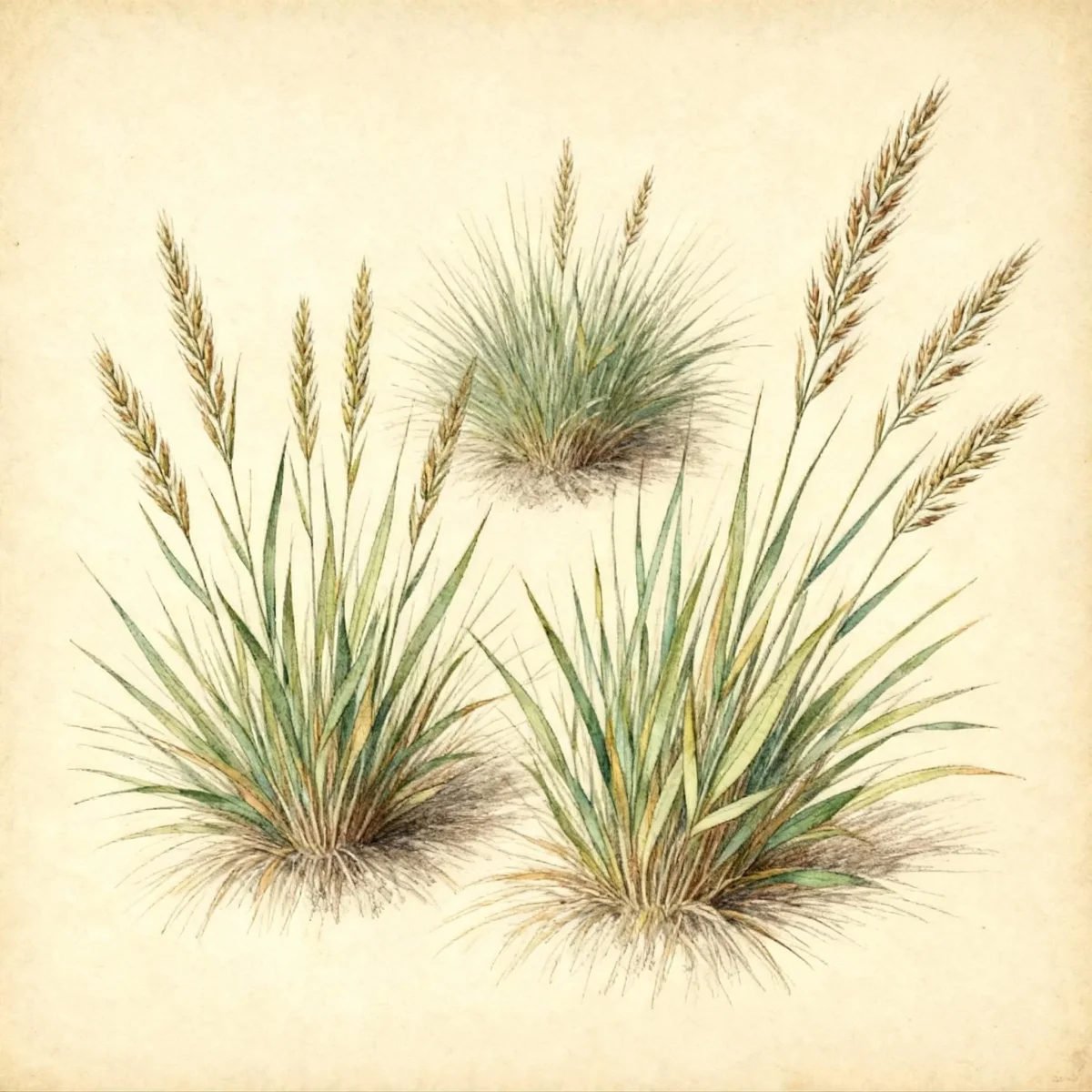
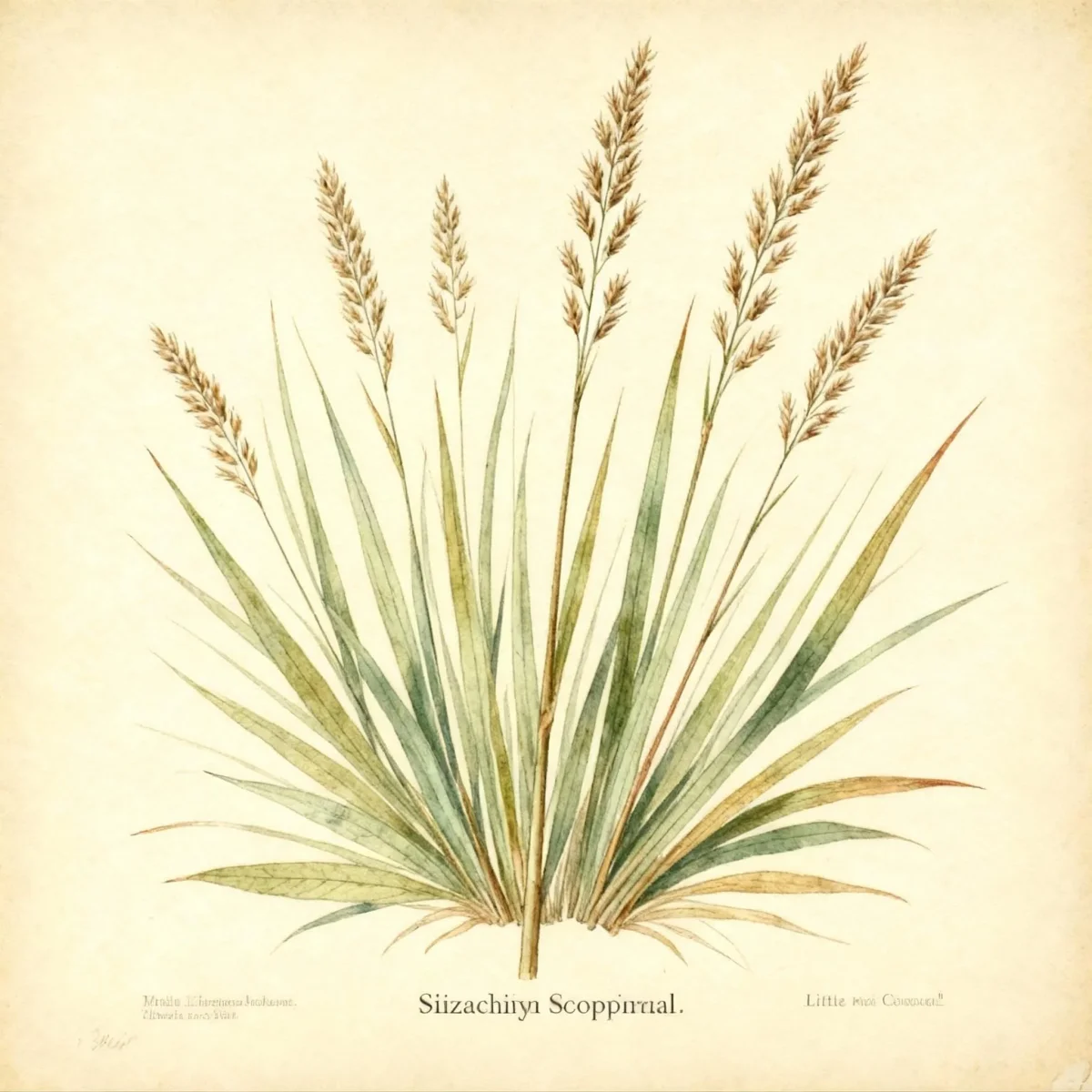
Little bluestem (Schizachyrium scoparium 'The Blues')
Schizachyrium scoparium 'The Blues', or Little bluestem, offers striking blue foliage and bronze fall color. A low-maintenance native grass for full sun.
Scroll down to discover growing tips, care requirements, companion plants, and more
Complete Plant Information
Overview
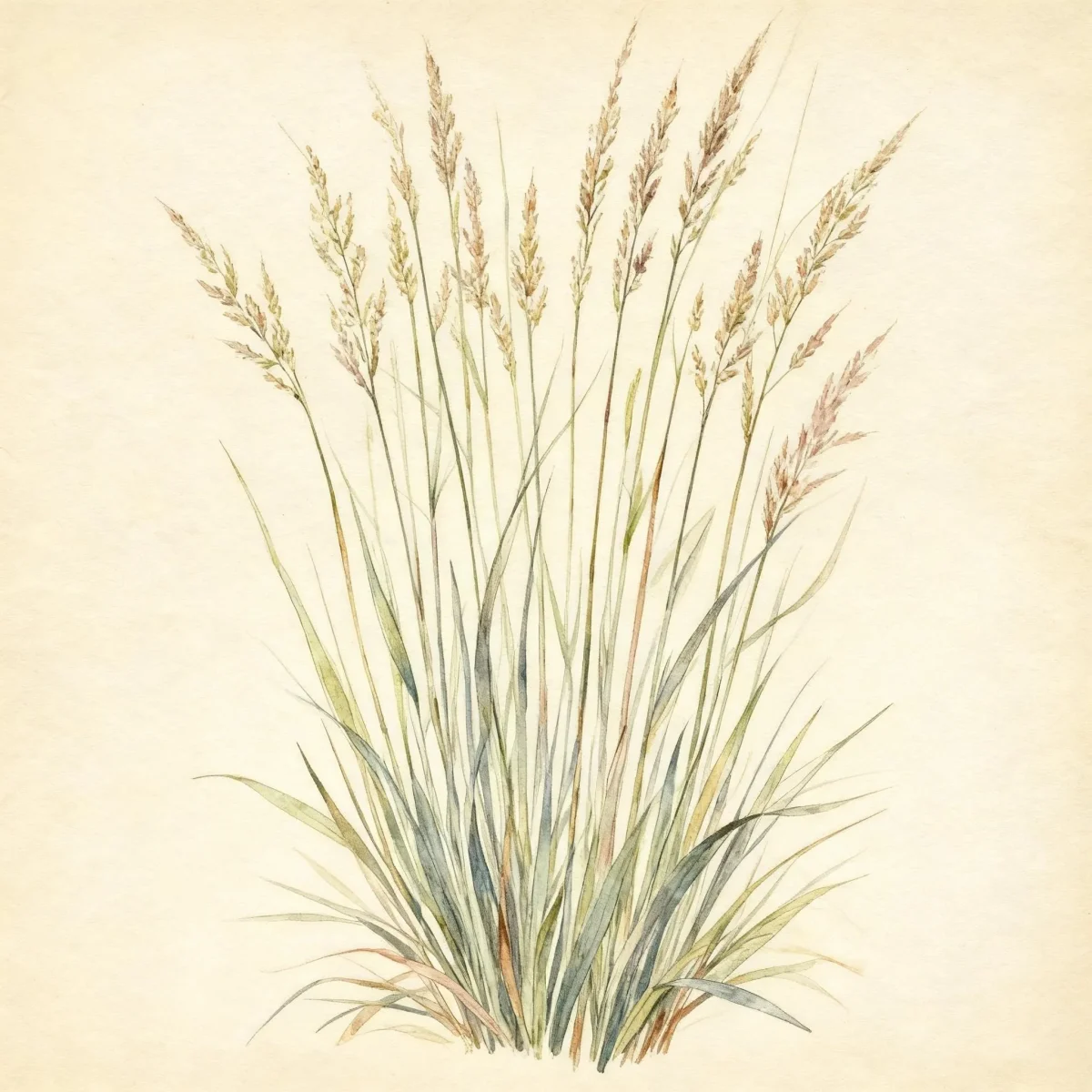
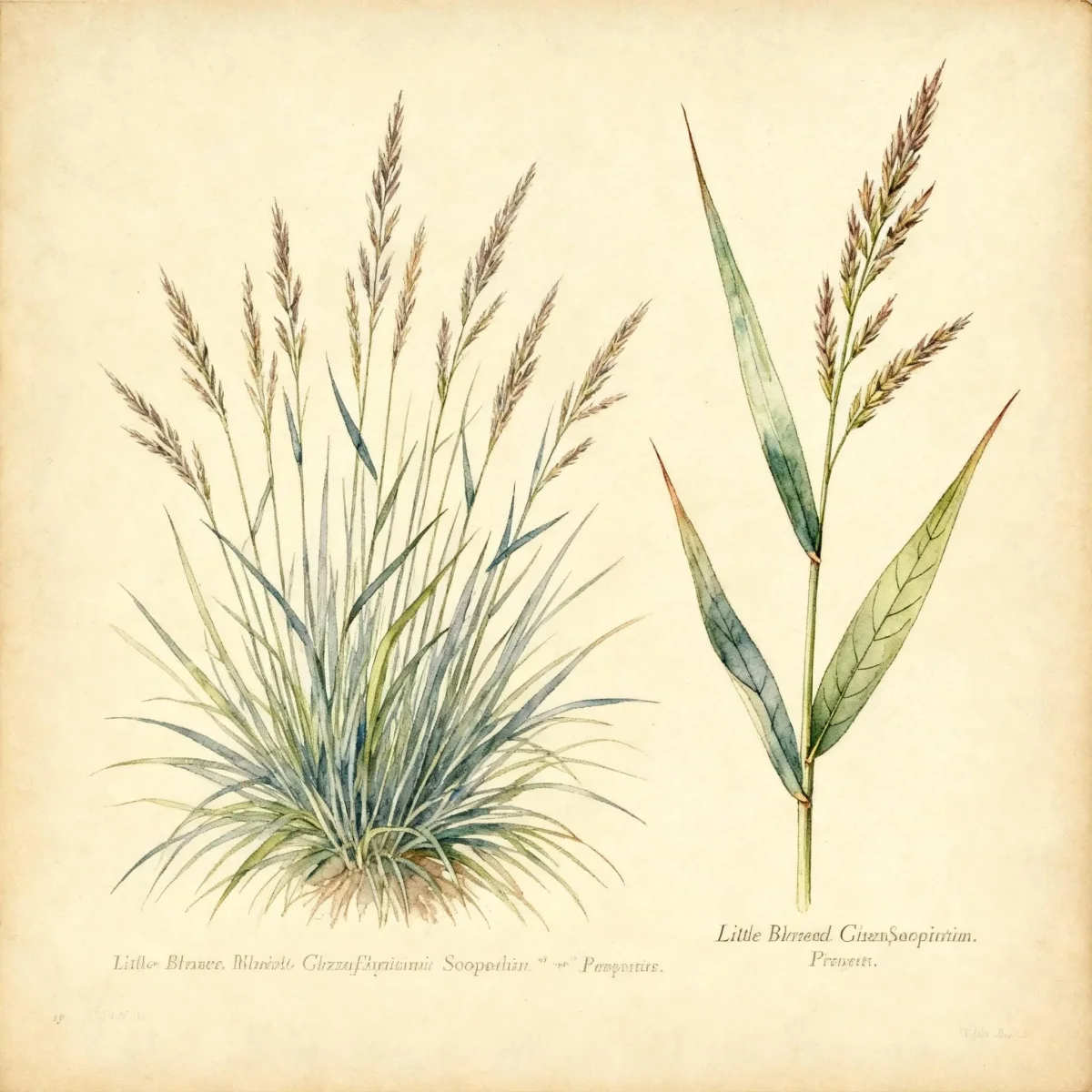
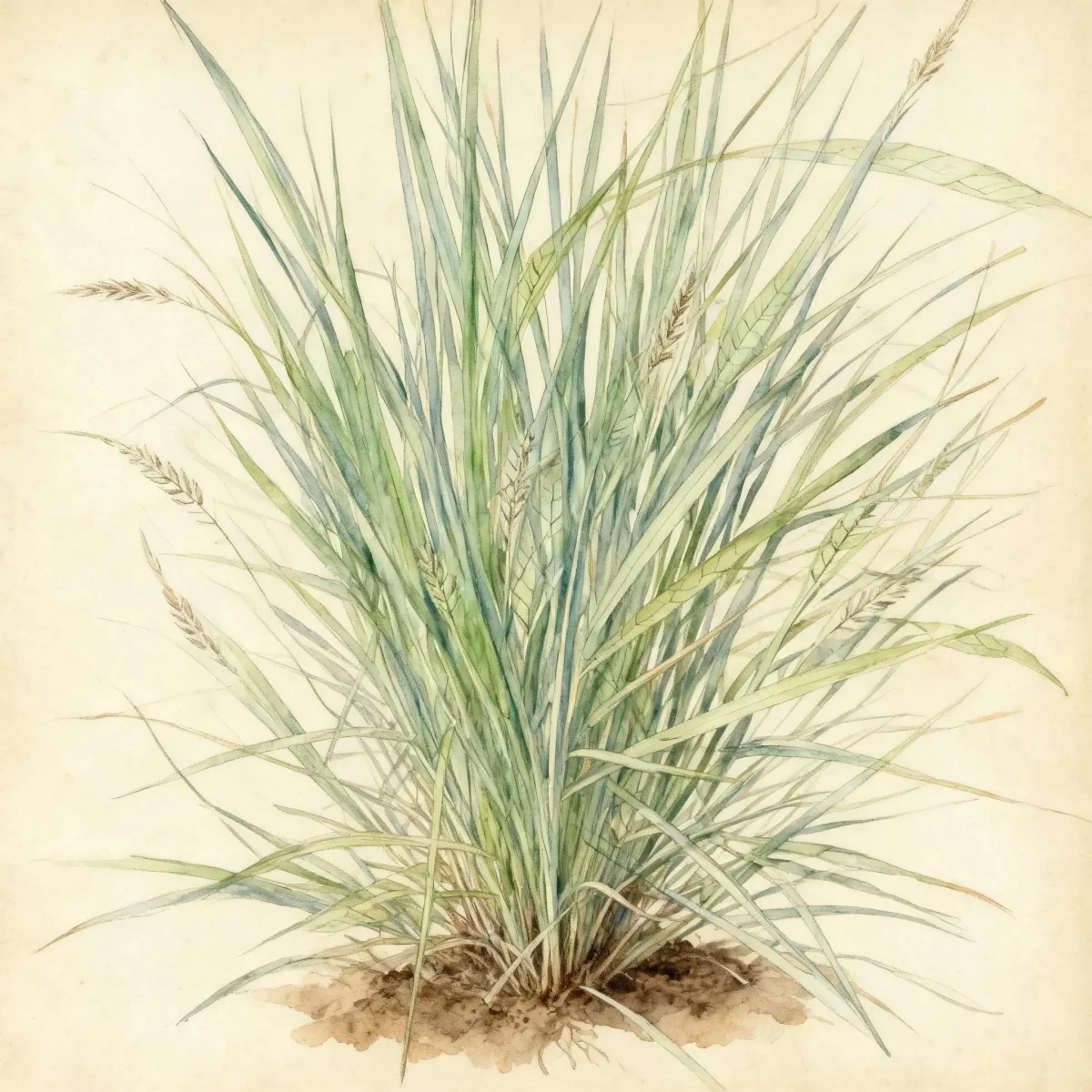
Schizachyrium scoparium ‘The Blues’ is a supremely valuable native selection, widely cherished as Little bluestem for its architectural habit and exceptional seasonal interest. This cultivar is specifically prized for the intense, steely blue tint that colors its slender foliage, particularly near the base, setting it apart in the landscape. As a dominant plant of the historic tallgrass prairie, it brings authentic native structure to modern gardens while requiring minimal input once established.
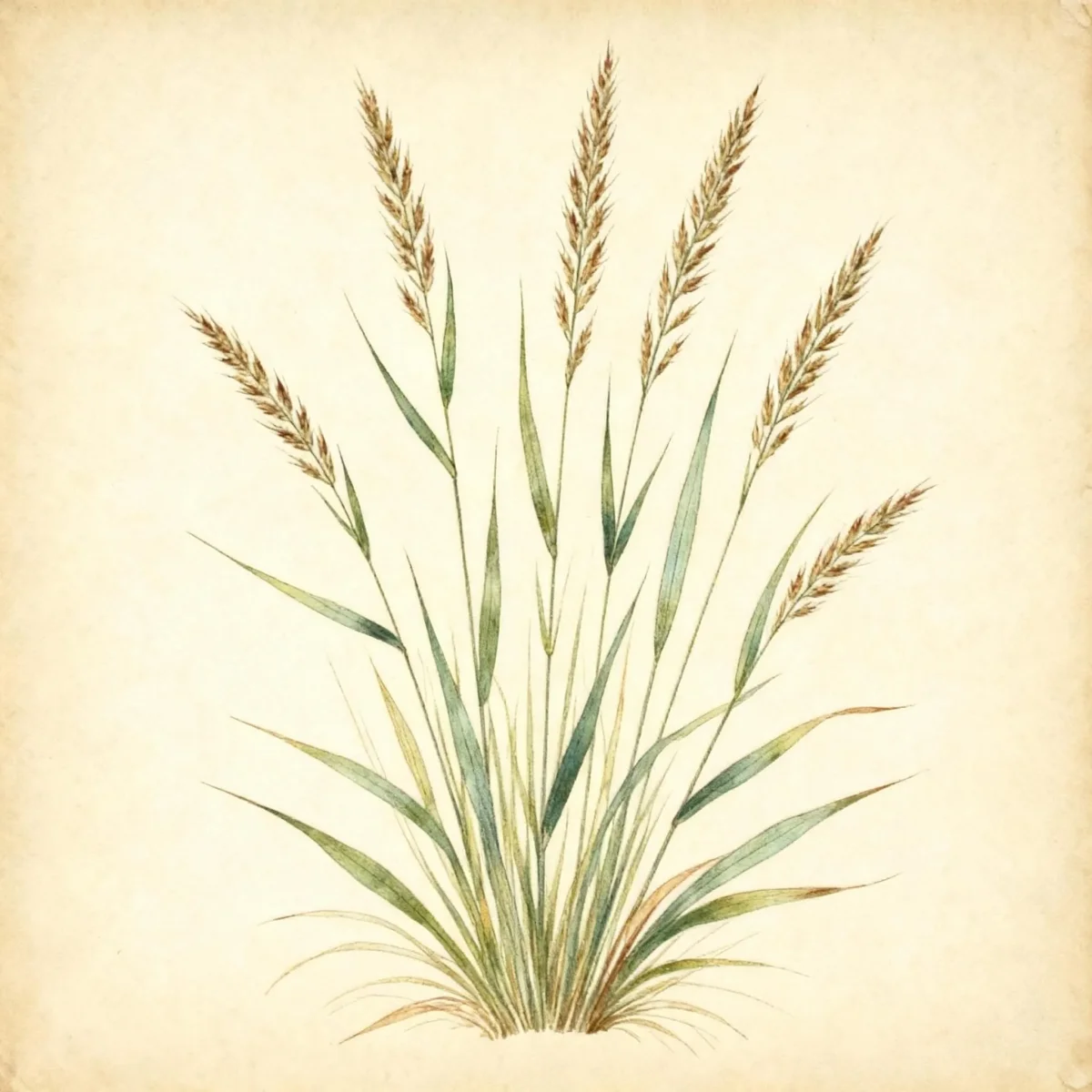
This ornamental grass forms upright, broom-like clumps, typically reaching heights between 2 to 4 feet. Its low maintenance profile and impressive drought resistance make it an ideal candidate for gardeners seeking sustainable, high-impact plantings. The visual journey of Little bluestem culminates in stunning fall and winter tones, transitioning the blue-green summer leaves to rich burgundy-red.
Beyond its aesthetic appeal, Schizachyrium scoparium ‘The Blues’ offers functional benefits, stabilizing slopes and providing excellent winter structure when many perennials have faded. Its reliability in poor soils and tolerance of harsh conditions cement its status as a cornerstone plant for sunny, low-water landscapes.
Fast Facts
- Plant Family: Poaceae
- Plant Type: Ornamental grass
- Hardiness Zones: USDA Zones 3-9
- Size at Maturity:
- Height: 2-4 ft
- Spread: 1.5-2 ft
- Bloom Time: August to October
- Bloom Description: Purple-bronze
- Sun Exposure: Full sun
- Water Needs: Dry to medium
- Maintenance Level: Low
How to Grow
Little bluestem performs best when planted in its dormant phase, ideally in early spring or fall, ensuring roots establish before extreme weather hits. Locate Schizachyrium scoparium ‘The Blues’ where it receives consistent full sun; insufficient light is the primary cause of flopping later in the season. It thrives in average, dry to medium moisture soils, performing admirably even in poor, shallow, or rocky conditions.
Once established, this grass exhibits strong drought resistance, requiring infrequent deep watering, especially during established summers. Fertilizer is generally unnecessary, as rich soils can encourage weaker growth patterns. This plant tolerates a wide range of challenging media, including clay, and performs well where other plants struggle.
Maintenance is straightforward. The most important task is its annual cleanup: cut the entire clump back to the ground in late winter or early spring before new growth begins. This pruning encourages the vigorous reemergence of the signature blue foliage and tight, upright form of the Schizachyrium scoparium ‘The Blues’.
Landscape Uses
Little bluestem is incredibly versatile, moving seamlessly from formal borders to highly naturalistic plantings. Recommended uses include framing edges, integrating into cottage gardens for textural contrast, or incorporating into rock gardens where sharp drainage is present. Its upright, airy structure makes it an excellent specimen for mass planting in rain gardens or sweeping meadow restorations.
The strong vertical lines of this ornamental grass pair beautifully with broad-leafed perennials or plants that offer bright summer flowers. Consider grouping Schizachyrium scoparium ‘The Blues’ with coneflowers, black-eyed Susans, or native asters to complement its late-season bloom and fantastic fall coloration. Its low-maintenance nature also makes it a top selection for sun-baked, difficult areas where consistent performance is non-negotiable.
Standout Features
Flower Qualities
- Showy
Noteworthy Characteristics
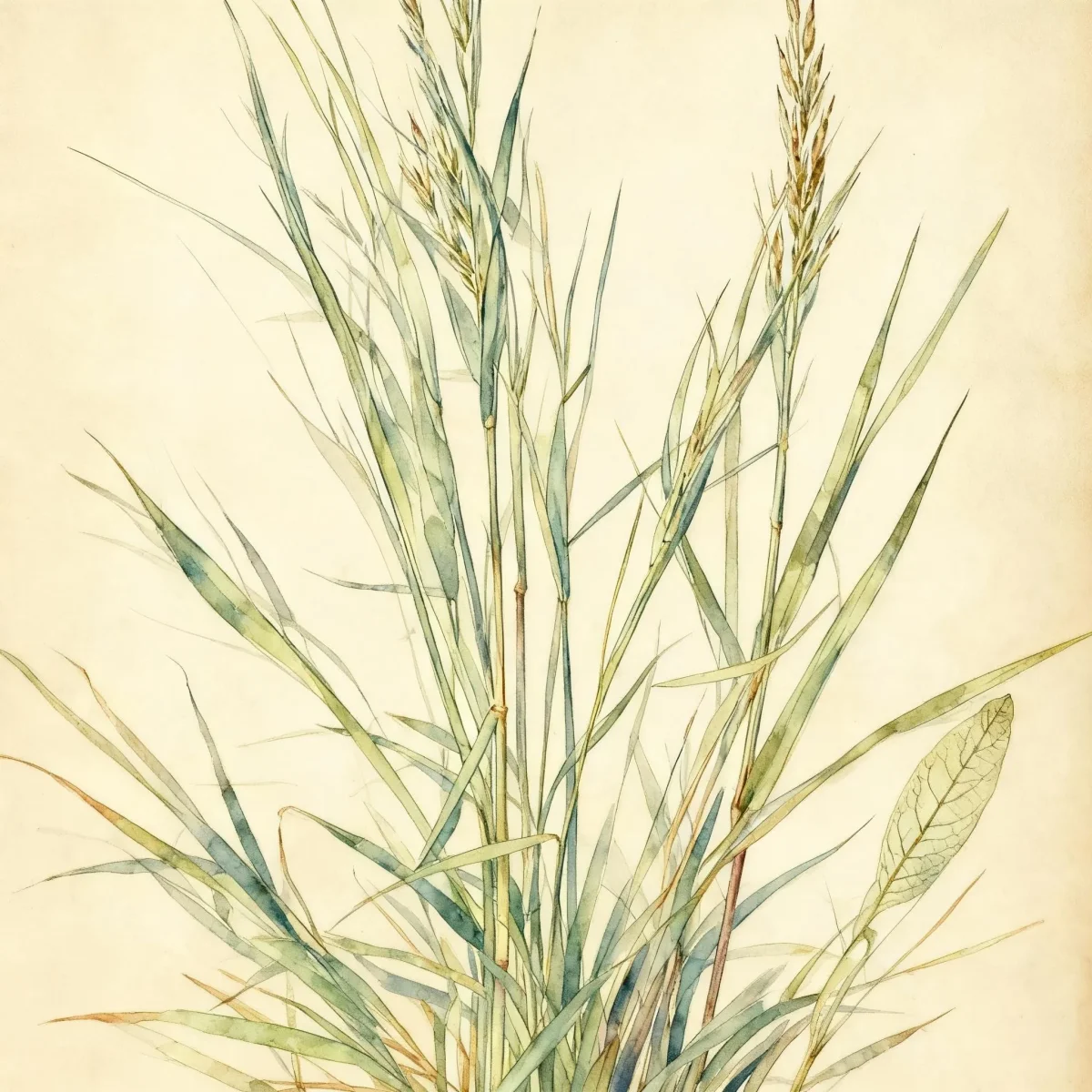
Schizachyrium scoparium, commonly called little bluestem, is native to prairies, fields, clearings, hills, limestone glades, roadsides, waste areas and open woods from Alberta to Quebec south to Arizona and Florida. It typically matures to 2-4’ tall, featuring upright clumps of slender, flat, linear green leaves tipped with blue at the base, which shift to bronze-orange in autumn. The resulting purplish-bronze flowers give way to fluffy, silvery-white seed heads that persist into winter, while the cultivar ‘The Blues’ specifically showcases tinted blue foliage and burgundy-red fall tones.
Tolerances
- Deer
- Drought
- Erosion
- Dry Soil
- Shallow-Rocky Soil
- Black Walnut
- Air Pollution
Potential Problems
Schizachyrium scoparium ‘The Blues’ is celebrated for having virtually no serious insect or disease problems, confirming its robust nature. This resistance to common pests and pathogens allows gardeners to focus on cultural needs rather than intensive chemical management. The primary management concern is ensuring adequate sun exposure; inadequate light will result in the stems flopping or lodging after rain or wind events.
Frequently Asked Questions
What hardiness zones is Little bluestem suitable for?
Schizachyrium scoparium ‘The Blues’ is highly adaptable, thriving across a wide range from USDA Zones 3 through 9.
How large does Little bluestem grow?
This grass typically achieves a mature height between 2 to 4 feet, with a spread ranging from 1.5 to 2 feet, forming tight, upright clumps.
What sun exposure does Schizachyrium scoparium ‘The Blues’ need?
For best performance, especially to maintain its upright structure and blue coloration, Little bluestem requires full sun exposure throughout the day.
When does Little bluestem bloom?
The purplish-bronze flowers of this ornamental grass appear relatively late in the season, generally blooming from August well into October.
Conclusion
Schizachyrium scoparium ‘The Blues’ offers unmatched value through its drought tolerance, low maintenance needs, and captivating four-season interest, making it a pillar of sustainable gardening. Whether used as a specimen or planted en masse, this Little bluestem cultivar brings sophisticated color and texture to sunny sites. Before planting, confirm your soil drainage is adequate and ensure your location receives persistent full sun exposure for the best results.
Companion Planting
Given the sun and drainage requirements for Little bluestem, companion plants should share a love for dry, hot conditions. For prairie-style drifts, pair it with other drought-tolerant native perennials such as Echinacea purpurea (Purple Coneflower) or Rudbeckia hirta (Black-eyed Susan). These companions bloom concurrently or sequentially, enhancing the textural diversity while maintaining similar cultural needs throughout the summer.
Wildlife Benefits
As a native prairie grass, Little bluestem provides significant ecological advantages beyond simple aesthetics. The fluffy, silvery-white seed heads that persist into early winter are a sought-after food source for many species of seed-eating birds during the colder months. Furthermore, the dense clump structure offers excellent cover and nesting material potential for small beneficial insects and ground-dwelling fauna throughout the winter dormancy period.