Christmas cactus (Schlumbergera × buckleyi)
The Schlumbergera × buckleyi, or Christmas cactus, is a stunning, frost-intolerant epiphyte known for its magenta winter blooms.
Scroll down to discover growing tips, care requirements, companion plants, and more
Complete Plant Information
Overview
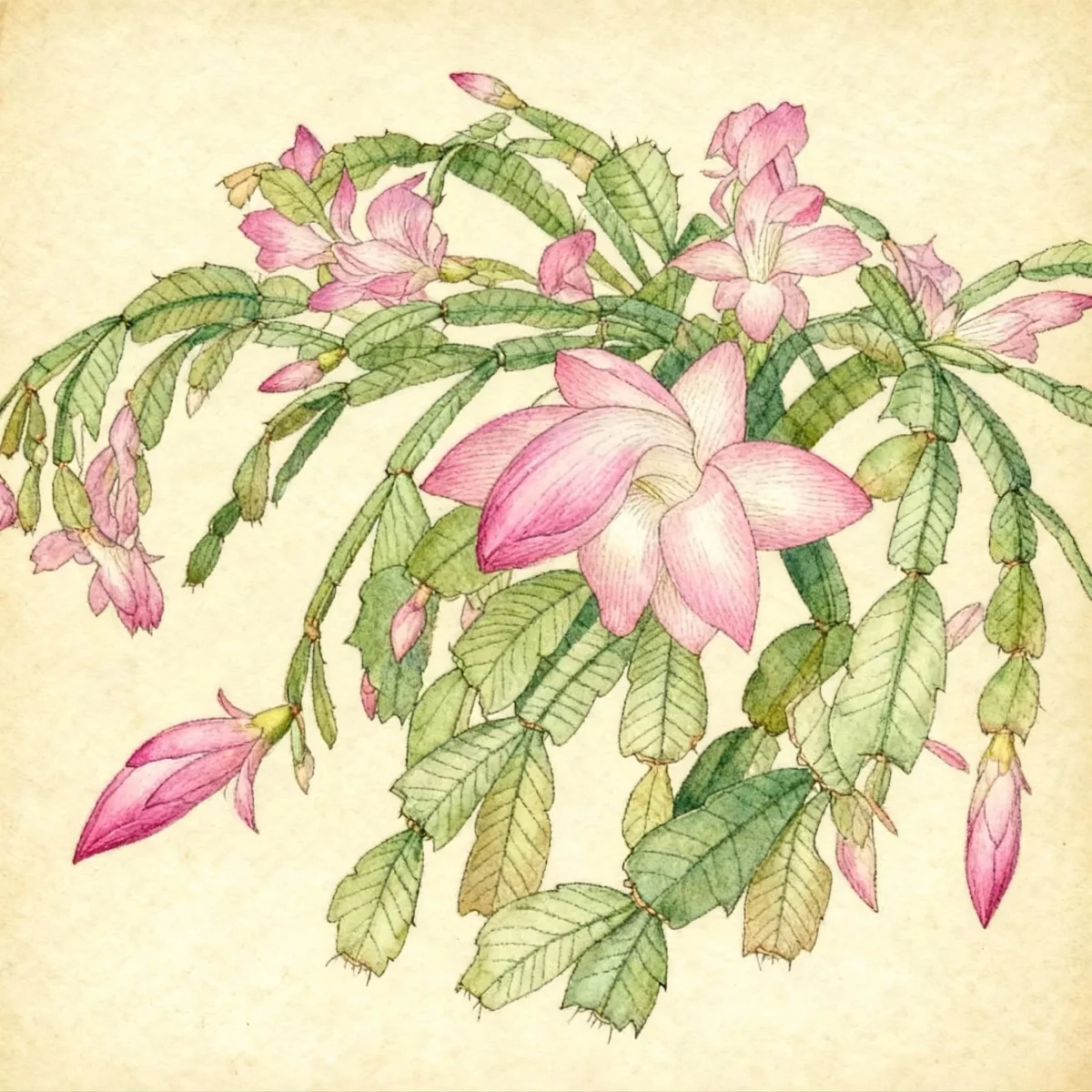
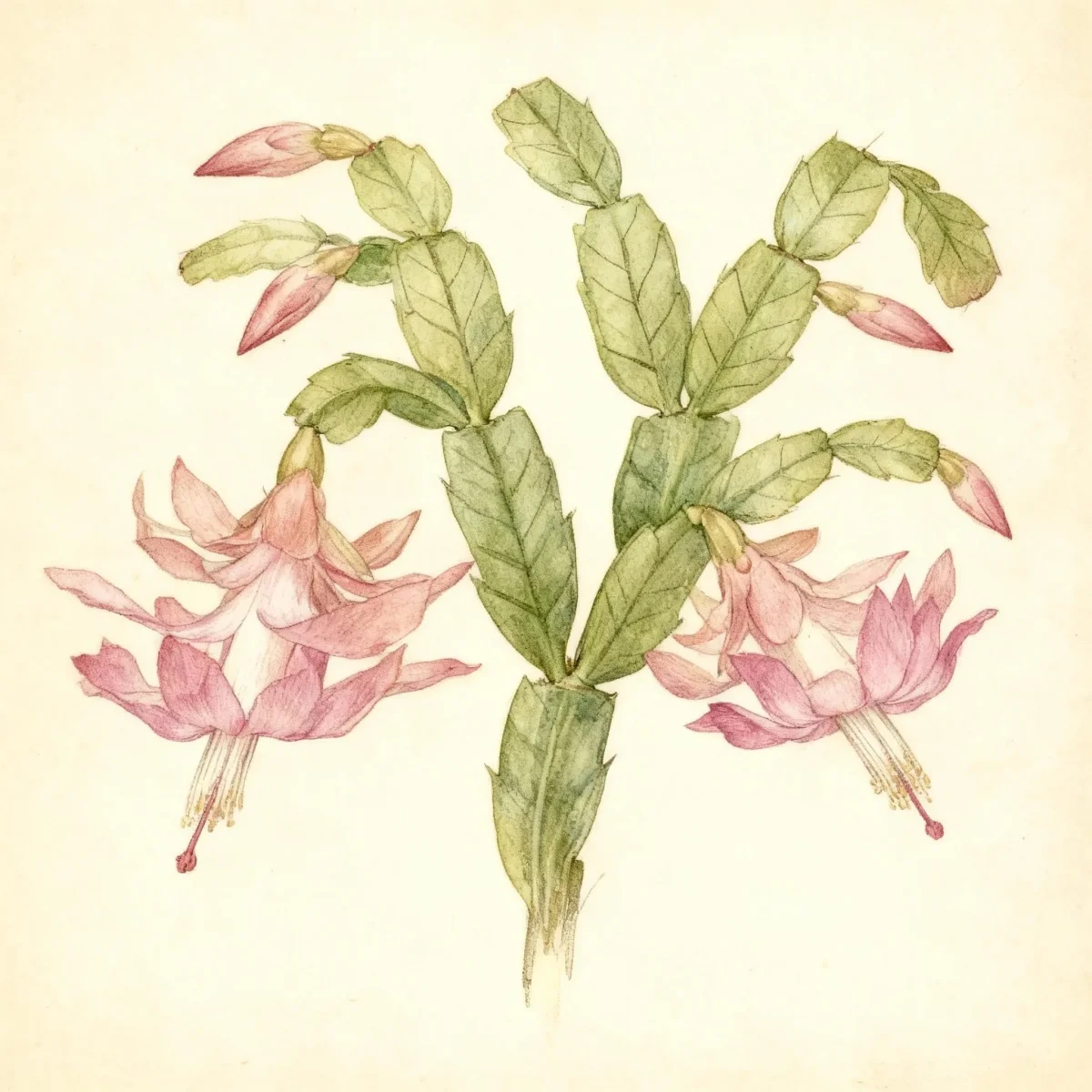
The Schlumbergera × buckleyi, widely recognized as the Christmas cactus, is a beloved, frost-intolerant, epiphytic perennial cactus cherished for its late-season floral display. This hybrid thrives as a container plant, often brightening homes during the holiday season with its vibrant, downward-arching stems and colorful blooms. Its unique structure, featuring flattened, jointed stem segments, makes it an excellent choice for hanging baskets where its pendant chains can cascade gracefully.
Valued for its relatively straightforward care once its specific environmental needs are met, the Christmas cactus offers spectacular magenta red to pink flowers that appear from December through February. Although native to garden origins, it mimics its natural epiphyte habitat by requiring well-drained media and consistent, moderate moisture during vigorous growth periods. Successful cultivation of Schlumbergera × buckleyi relies heavily on managing light and temperature in the fall to ensure abundant bud set.
As a striking specimen plant, whether indoors during winter or grown outdoors in suitable tropical climates, the Schlumbergera × buckleyi provides exceptional aesthetic value. Gardeners often dedicate specific attention to this species to elicit superb holiday flowering, making the management of light cycles and cool night temperatures crucial for maximizing its ornamental impact.
Fast Facts
- Plant Family: Cactaceae
- Plant Type: Epiphyte
- Native Range: Garden origin
- Hardiness Zones: USDA Zones 10-12
- Size at Maturity:
- Height: 1-2 ft
- Spread: 1-2 ft
- Bloom Time: Seasonal bloomer
- Bloom Description: Magenta red to pink
- Sun Exposure: Part shade
- Water Needs: Dry to medium
- Maintenance Level: Medium
How to Grow
This species is hardy only to USDA Zones 10-12; thus, it is typically managed as a container plant in most regions, brought indoors before frost threatens. For optimal container growth, use a well-drained potting mix consisting of one part potting soil, two parts peat moss, and one part sharp sand or perlite. Soils need consistent but moderate moisture; while the plant tolerates being slightly under-watered, prolonged dryness or soggy conditions must be avoided to prevent root rot.
The active growing season for Schlumbergera × buckleyi spans from March/April through September. During this time, fertilize monthly, cutting back on feeding during the fall and winter months. If container plants are moved outdoors for the summer, avoid bright full sun, as this can bleach the foliage; ideal growing temperatures range between 70-80°F.
To induce the coveted winter bloom, strict environmental regulation is necessary starting in mid-September indoors. Maintain bright daytime light, night temperatures between 55 and 65°F, and critically, provide long nights of 13 hours of total darkness daily for 6 to 8 weeks. If night temperatures can be held consistently between 45-55°F, flowering may occur more reliably even without the absolute darkness regimen. Propagation is easily achieved via stem segment cuttings planted in small pots.
Landscape Uses
In tropical environments where temperatures remain mild (USDA Zones 10-12), the Christmas cactus can be successfully utilized outdoors year-round. It functions beautifully as an epiphyte mounted on tree bark or nestled into rock gardens where drainage is naturally excellent. For gardeners in cooler climates, containers and hanging baskets are the primary applications for this plant.
In a mixed container arrangement, the cascading habit of Schlumbergera × buckleyi pairs well with upright foliage plants that share similar light and water requirements, such as certain philodendrons or ferns used as “thrillers.” When grown indoors, placing the Christmas cactus near a bright, filtered window maximizes light exposure without scorching the sensitive segments. It is a quintessential seasonal display plant, frequently sold as a reliable gift item around the holiday season.
Standout Features
Flower Qualities
- Showy
Fruit Qualities
- Showy
Noteworthy Characteristics
Schlumbergera × buckleyi, commonly called Christmas cactus, is a hybrid, flat-stemmed, frost-intolerant, winter-flowering, epiphytic perennial cactus that is typically grown indoors as a container plant for enjoyment of its colorful flowers which bloom during and after the Christmas season. Its flat, jointed stem segments sprawl downward in pendant chains, bearing bright magenta red to pink flowers at the ends during December to February. This classic hybrid was created around 1850 by crossing two southeastern Brazilian species.
Tolerances
- Drought
- Dry Soil
Potential Problems
Flower buds are highly sensitive and frequently drop in autumn if the plant experiences temperatures exceeding 90°F, experiences large temperature swings, or suffers from improper watering. Sudden environmental changes, such as moving the container to a new location, can also trigger bud drop. Root rot is a major threat if soils are kept overly moist, emphasizing the need for excellent drainage. Monitor for common pests like mealybugs, scale insects, red spider mites, and aphids, treating promptly with appropriate horticultural oils or insecticidal soaps.
Frequently Asked Questions
What hardiness zones is Christmas cactus suitable for?
The Schlumbergera × buckleyi is winter hardy to USDA Zones 10 through 12.
How large does Christmas cactus grow?
This epiphyte typically reaches a mature height between 1 and 2 feet, with a similar spread of 1 to 2 feet.
What sun exposure does Christmas cactus need?
This plant prefers full to part shade; be cautious about placing containerized plants where they receive full sun during the summer growing season, as this can lead to bleached foliage.
When does Christmas cactus bloom?
It is a seasonal bloomer, with flowers appearing between December and February, displaying colors described as magenta red to pink.
Conclusion
The vibrant holiday blossoms of the Schlumbergera × buckleyi make it an irreplaceable sight in many homes during the winter months. Its epiphytic nature means careful water management in a highly porous medium is the key cultural requirement for success. Before purchasing, confirm your indoor environment can reliably provide the necessary cool night temperatures in fall to guarantee a spectacular display of this classic Christmas cactus.
Propagation Tips
Propagating Schlumbergera × buckleyi is straightforward and highly rewarding, often performed using stem segment cuttings which form the basis of its commercial availability. Simply take clean cuttings consisting of a few healthy stem segments and allow the cut end to dry and callous over for several days before planting them into small pots containing the recommended well-draining medium. During mid-summer, water these new plants moderately and begin fertilizing lightly each month to encourage establishment before the cooler flowering season approaches.
Seasonal Care Calendar
Managing the growth cycle is paramount for this winter bloomer. From March/April through September constitutes the primary growing season where monthly fertilization and consistent moisture are required. Shift focus in September by bringing outdoor plants inside or ensuring they receive the necessary cool night temperatures (55-65°F) and darkness to set flower buds. During late autumn and winter, watering frequency should decrease, reflecting the plant’s drier tolerance and dormant reproductive phase.