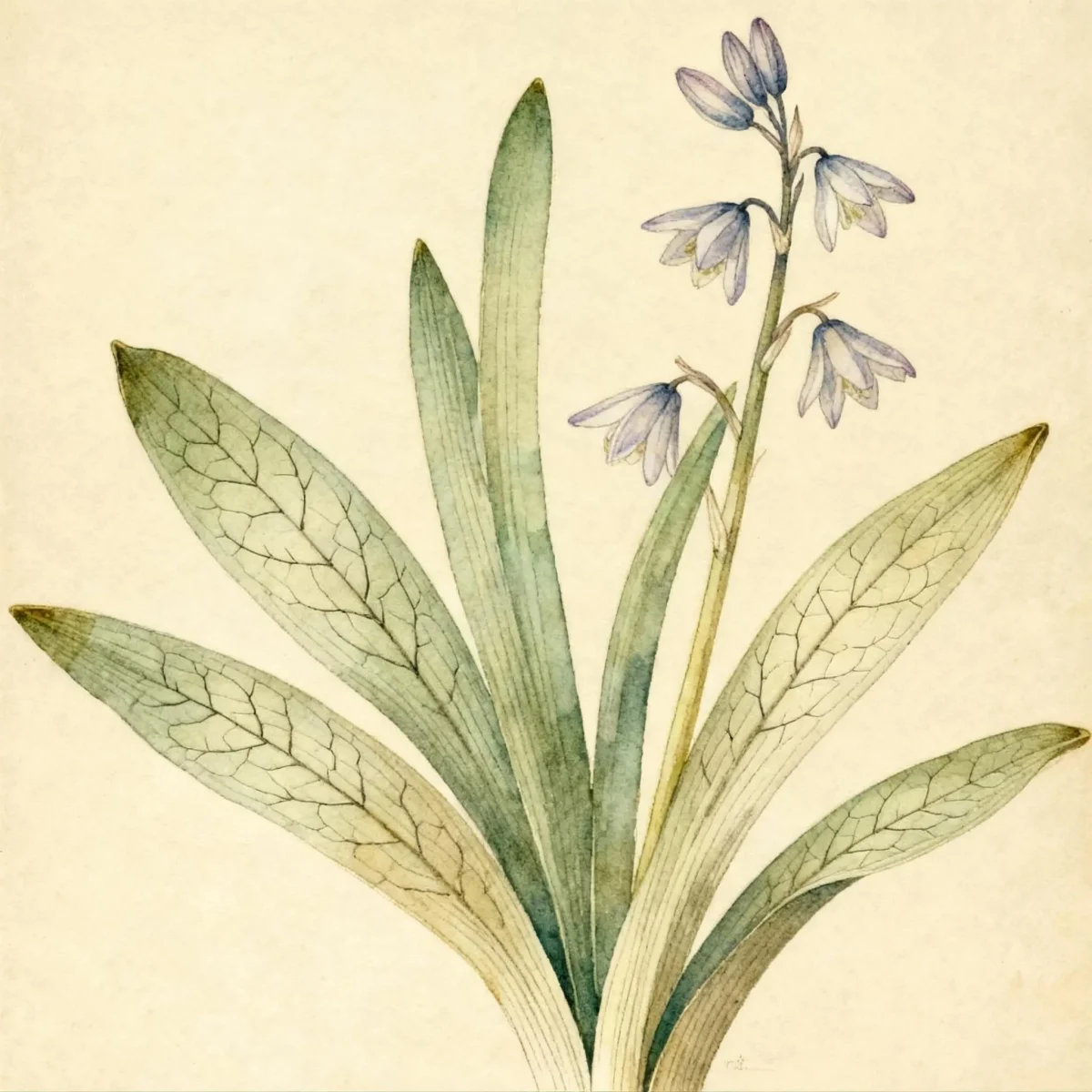
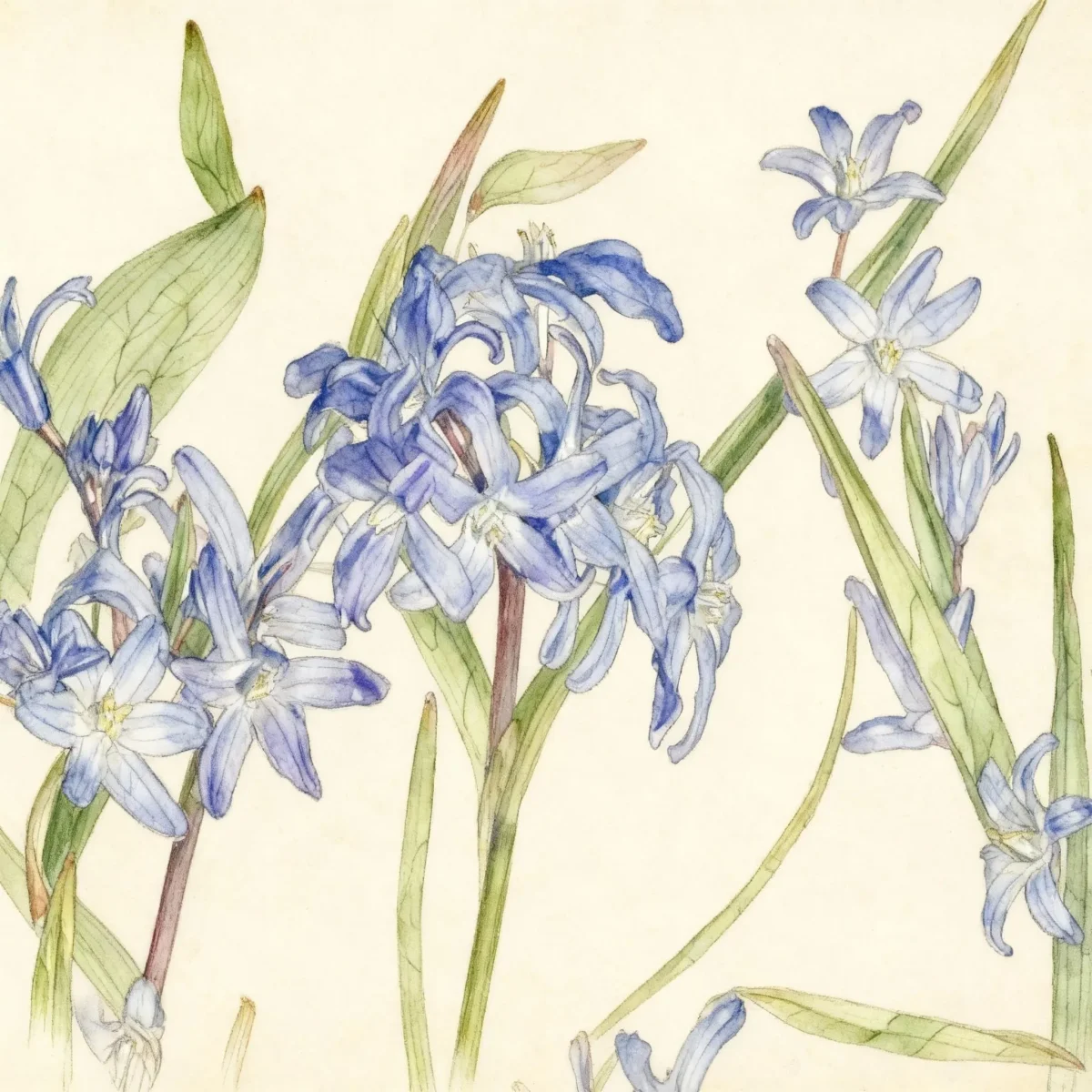
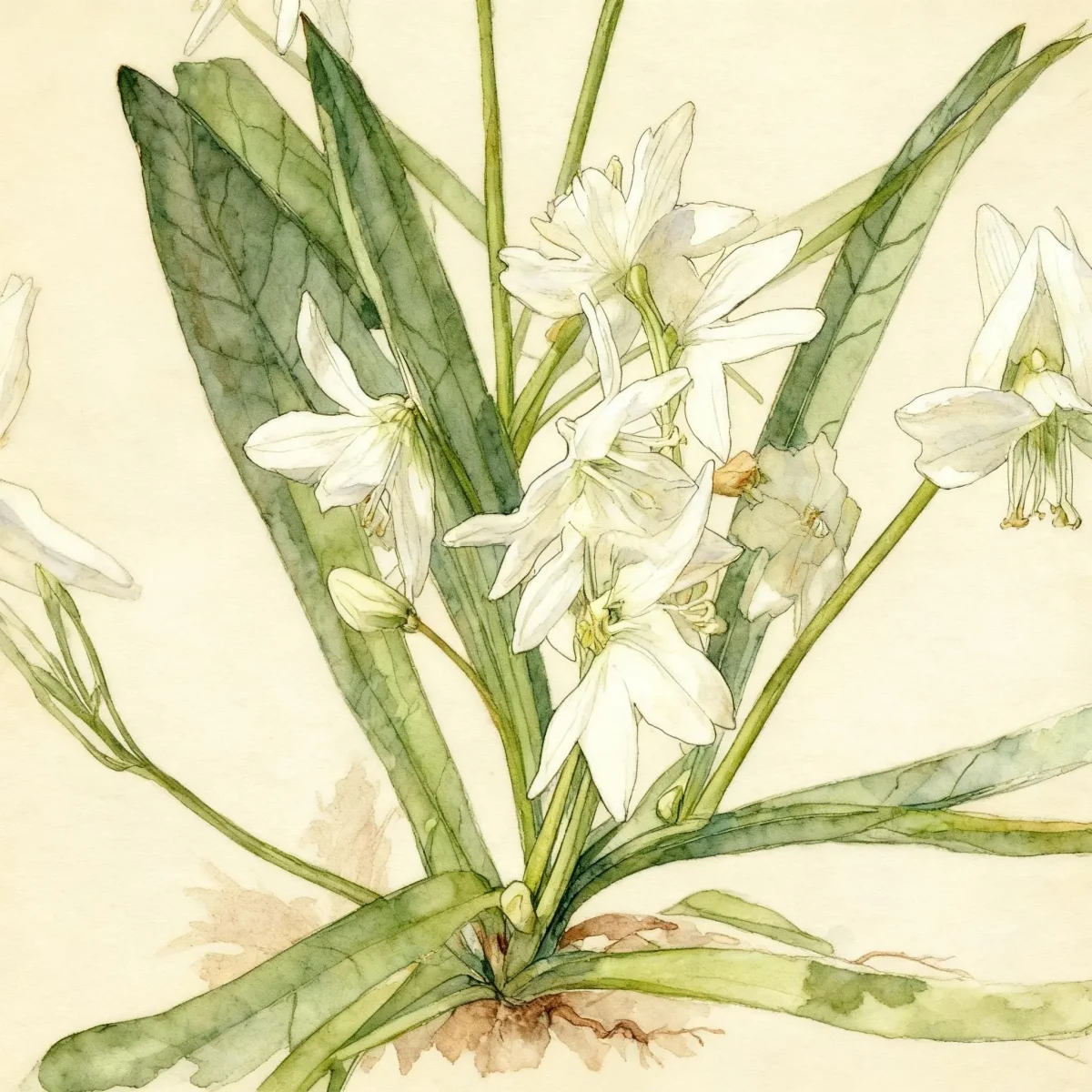
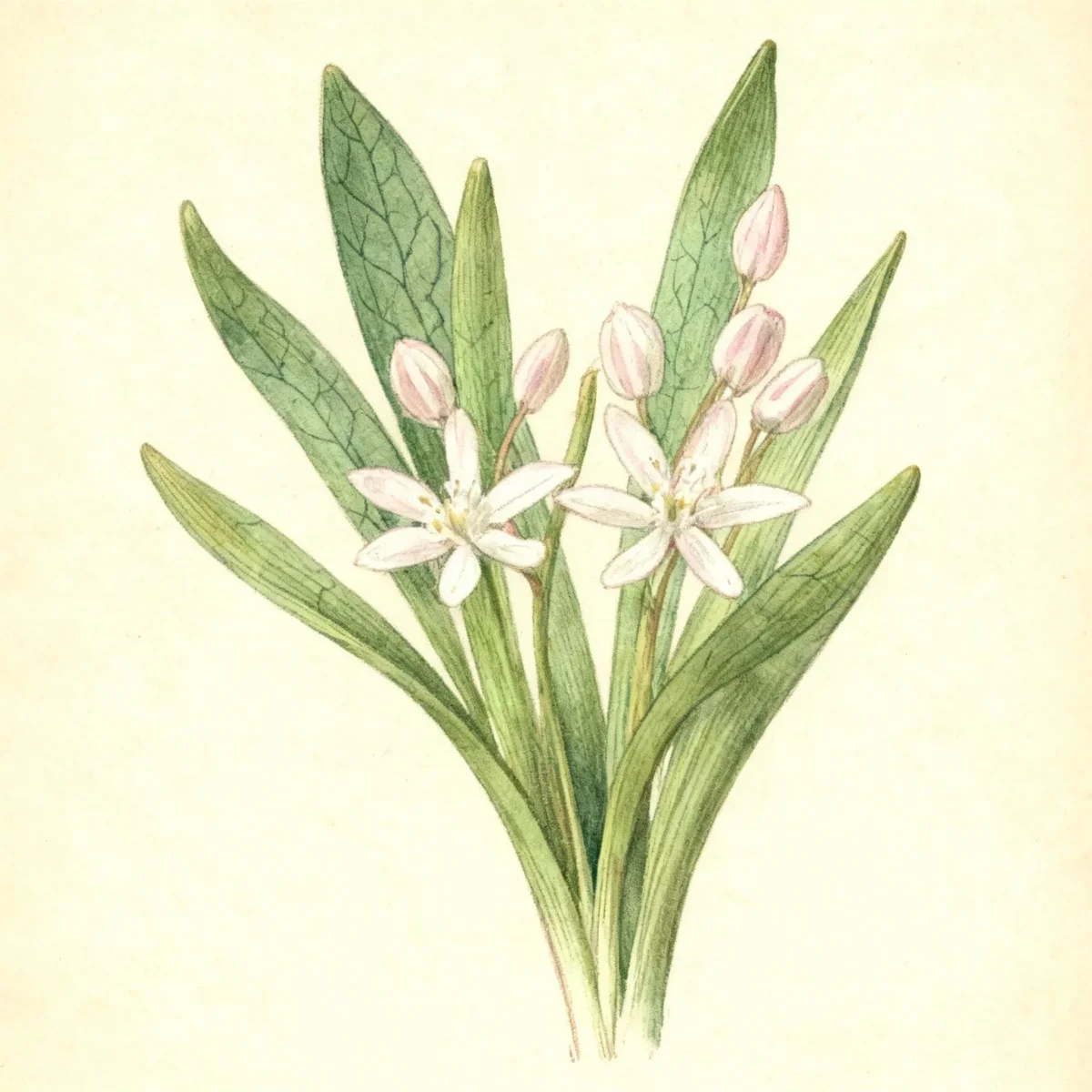
Siberian squill (Scilla siberica 'Spring Beauty')
Scilla siberica 'Spring Beauty' offers intense blue color early in spring, easily naturalizing across USDA Zones 2-8.
Scroll down to discover growing tips, care requirements, companion plants, and more
Complete Plant Information
Overview
The Siberian squill, specifically the cultivar Scilla siberica ‘Spring Beauty’, is highly valued for providing one of the earliest splashes of intense blue color in the garden landscape. These tough, low-growing bulbs emerge shortly after snowdrops, signaling the definitive end of winter. Their cold-hardiness makes them invaluable performers across many climate zones.
This particular variety, Scilla siberica ‘Spring Beauty’, is known for being slightly larger blooming and possessing a deeper blue hue than the straight species. As extremely cold-hardy, low-maintenance plants, they are perfect for gardeners seeking reliable early spring impact without intensive care.
Functionally, Siberian squill excels at naturalizing, rapidly spreading by self-seeding and bulb offsets to create sweeping drifts of color beneath deciduous trees or in lawns. Their compact size makes them ideal for softening the edges of borders and rock gardens.
Fast Facts
- Plant Family: Asparagaceae
- Plant Type: Bulb
- Hardiness Zones: USDA Zones 2-8
- Size at Maturity:
- Height: 0.25-0.5 ft
- Spread: 0.25-0.5 ft
- Bloom Time: April
- Bloom Description: Blue
- Sun Exposure: Full sun to part shade
- Water Needs: Medium
- Maintenance Level: Low
How to Grow
Planting Scilla siberica ‘Spring Beauty’ requires preparing average, medium-textured soil that drains well. Plant the bulbs in the autumn before the ground freezes hard, positioning them about 2 to 3 inches deep. While they tolerate full sun, they perform beautifully when placed where they receive shade once the canopy leafs out, such as under established trees.
Care for these bulbs is minimal once established. They require medium water, especially during the spring growing season, but generally thrive on natural rainfall once they have naturalized. Fertilization is rarely necessary; they rely on the bulbs to store energy for subsequent years of flowering. Avoid cutting back the foliage after blooming.
Allow the strap-like, medium-green leaves to fully complete their photosynthetic cycle; this process replenishes the bulb stores needed for next year’s display. Cutting this foliage too early is the primary way gardeners diminish the intensity of future blooms from their Siberian squill. Because they naturalize rapidly, you will rarely need to divide or replant unless the area becomes overly congested.
These tough plants are extremely cold hardy, ensuring reliable performance year after year. Their ability to naturalize rapidly by bulb offshoots and self-seeding means they integrate seamlessly into woodland or lawn settings.
Landscape Uses
The primary landscape role for Scilla siberica ‘Spring Beauty’ is mass planting for naturalized effect. They are incredibly effective when massed in sweeping drifts in woodland areas, along shady banks, or beneath high-branched deciduous trees where they receive early spring light. The intense blue provided by Siberian squill brightens the rock garden or acts as a perfect, low border front against taller, emerging perennials.
Consider planting large groupings alongside other early spring bulbs like snowdrops (Galanthus) or early tulips to extend the sequence of spring color. They also naturalize beautifully within lawns, much like crocus, providing a brief but spectacular show before you need to begin your primary mowing season. Their compact spread of 0.25–0.5 ft makes them easy to tuck in front of shrubs.
Standout Features
Flower Qualities
- Showy
- Good Cut
Noteworthy Characteristics
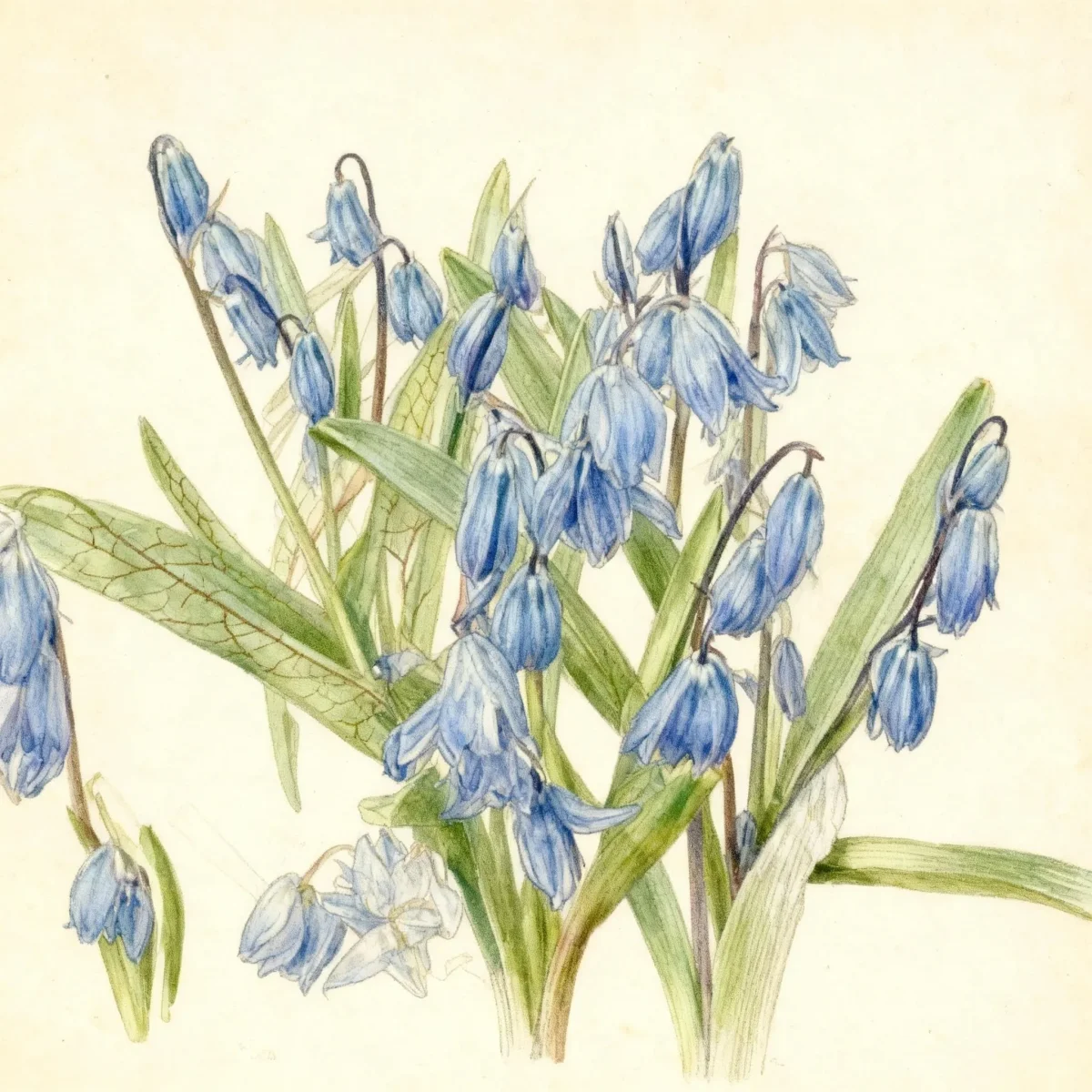
Scilla siberica produces several thin scapes, usually 3 to 4, each bearing 1 to 3 drooping, bell-like flowers of a deep blue hue, complete with distinctive blue anthers. These vibrant flowers appear very early in spring, often closely following the bloom time of snowdrops. The specific cultivar ‘Spring Beauty’ is noted for having slightly larger flowers, a longer blooming period, and a deeper blue color compared to the wild species.
Tolerances
- Deer
- Black Walnut
Potential Problems
Crown rot is the most significant potential issue when growing Siberian squill. This fungal disease thrives in overly wet, poorly draining soil conditions, which can quickly cause the bulbs to collapse and die. The best preventative measure is ensuring excellent drainage before planting in the fall. If rot is observed, immediately improve soil aeration or relocate the bulbs to a drier spot next season.
Frequently Asked Questions
What hardiness zones is Siberian squill suitable for?
Siberian squill (Scilla siberica ‘Spring Beauty’) is highly cold-tolerant and suitable for USDA Zones 2 through 8.
How large does Scilla siberica ‘Spring Beauty’ grow?
This bulb maintains a very small stature, typically reaching heights between 0.25 and 0.5 feet, with a similar spread of 0.25 to 0.5 feet.
When does Scilla siberica ‘Spring Beauty’ bloom?
The bloom time for this species is generally April, presenting an array of lovely blue, bell-shaped flowers.
What sun exposure does Siberian squill need?
Scilla siberica ‘Spring Beauty’ performs best in locations receiving full sun to partial or dappled shade.
Conclusion
The Siberian squill offers unbeatable performance for its size, delivering essential, vibrant blue color early in the season with almost no long-term maintenance required. Incorporating Scilla siberica ‘Spring Beauty’ builds foundational early color that naturally increases yearly. To ensure success, confirm your planting site offers reliable drainage and plan your fall planting schedule accordingly.
Companion Planting
For gardeners looking to layer spring color, Siberian squill pairs beautifully with other early risers. Plant it near Crocus or Chionodoxa (Glory-of-the-Snow) to create a multi-tiered display of cool colors emerging from the soil. Because Scilla siberica ‘Spring Beauty’ completes its growth cycle relatively early, it is also an excellent foreground plant for later-emerging perennials like Peonies or Hostas, whose foliage will eventually shade the bulb foliage as summer approaches.
Design Ideas
Utilize the fast spreading and naturalizing propensity of Siberian squill to create informal drifts that mimic natural woodland settings, even in a suburban lawn. Avoid rigid, geometric planting patterns; instead, toss bulbs randomly when planting in large quantities, ensuring the resulting blue carpet flows organically. For containers, mix the bulbs with early daffodils; Scilla siberica ‘Spring Beauty’ will fill the gaps between the larger daffodil blooms, providing texture and consistency until the larger bulbs take over.