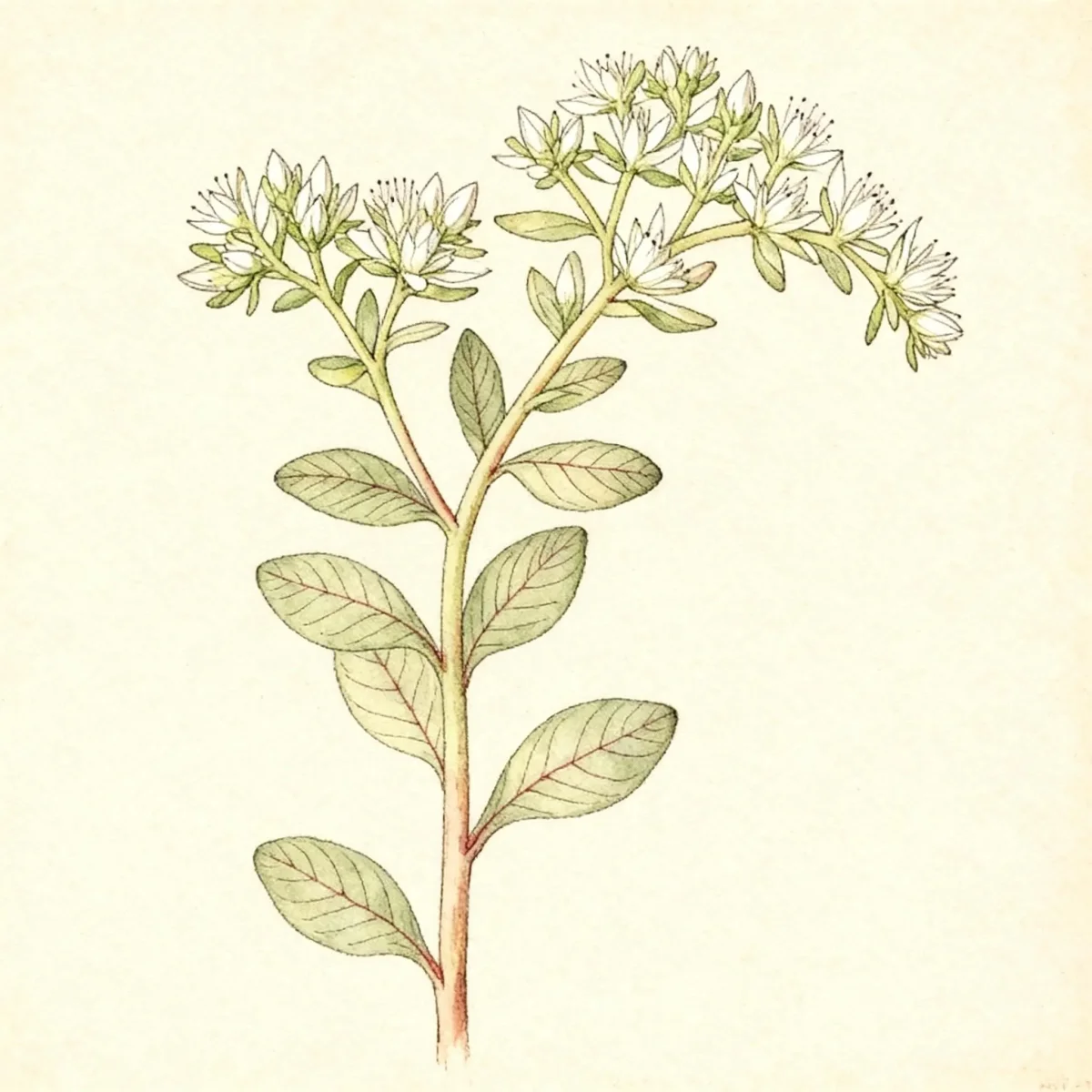
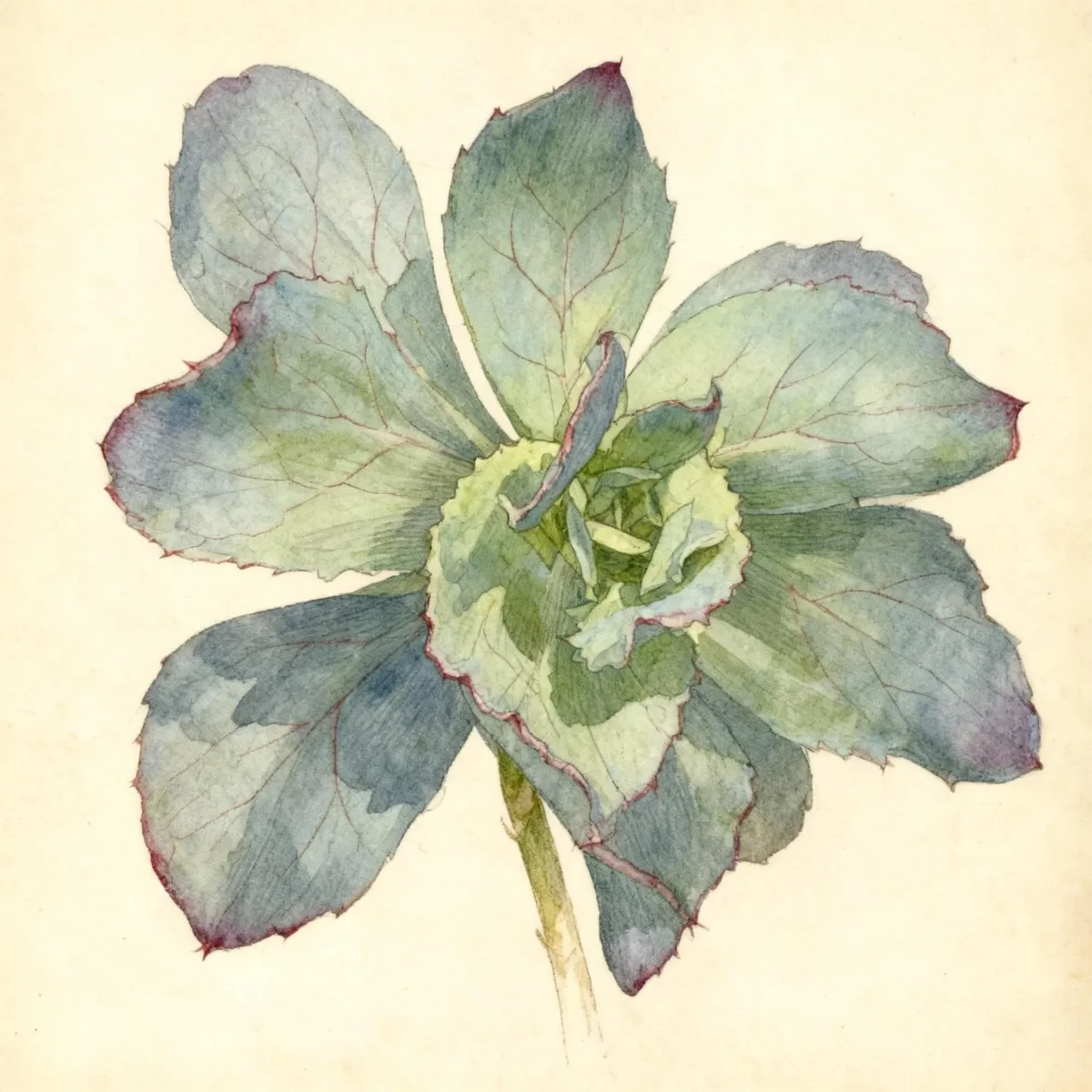
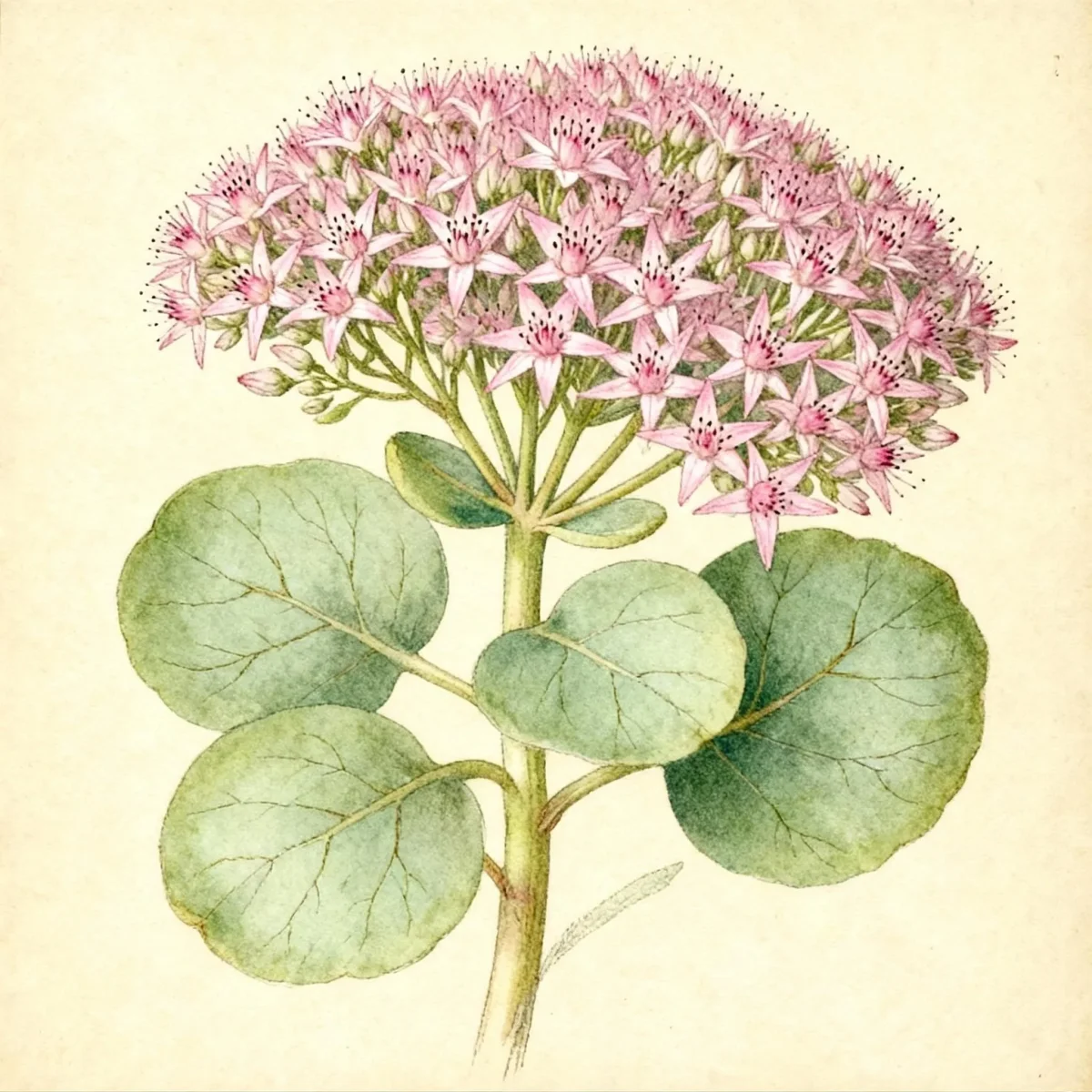
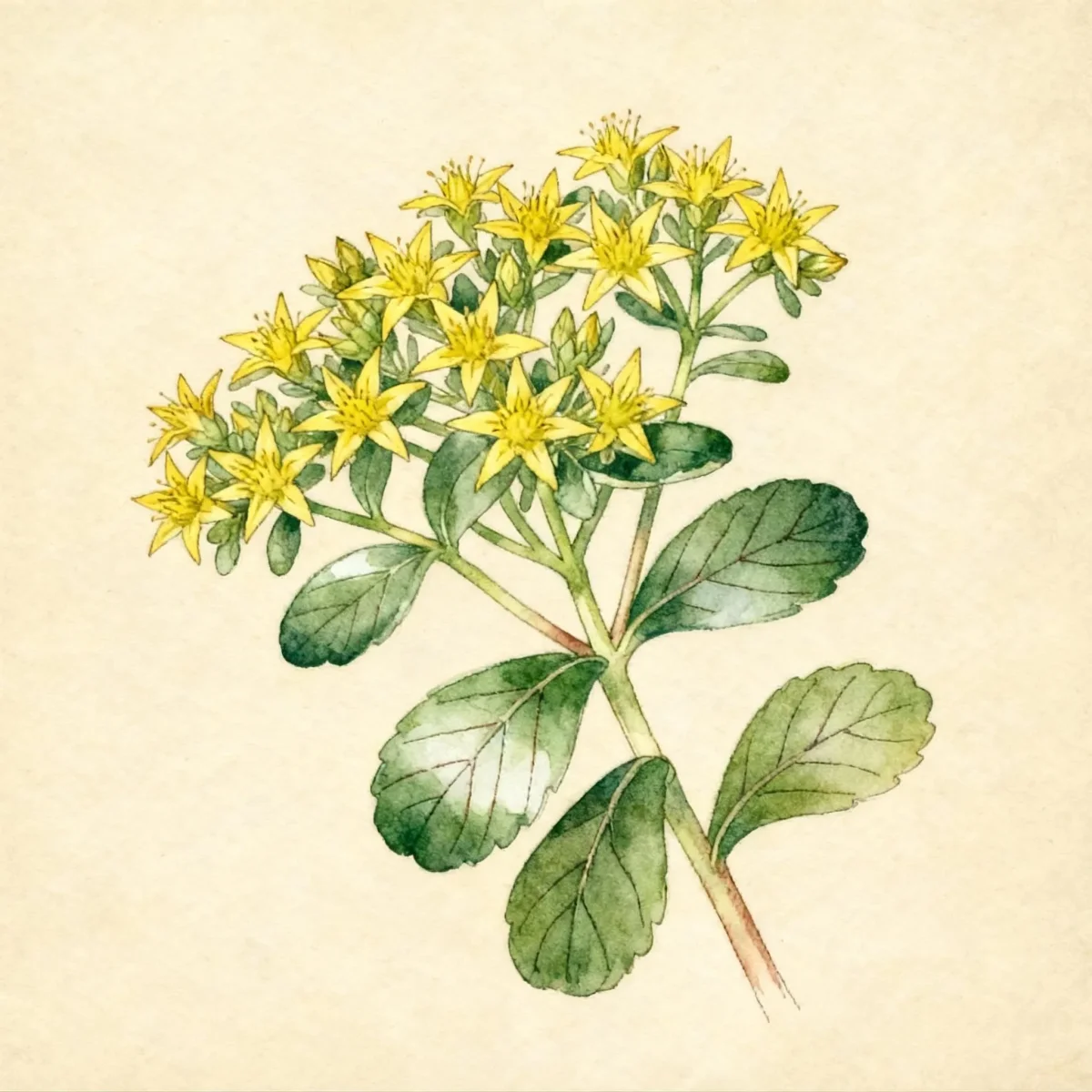
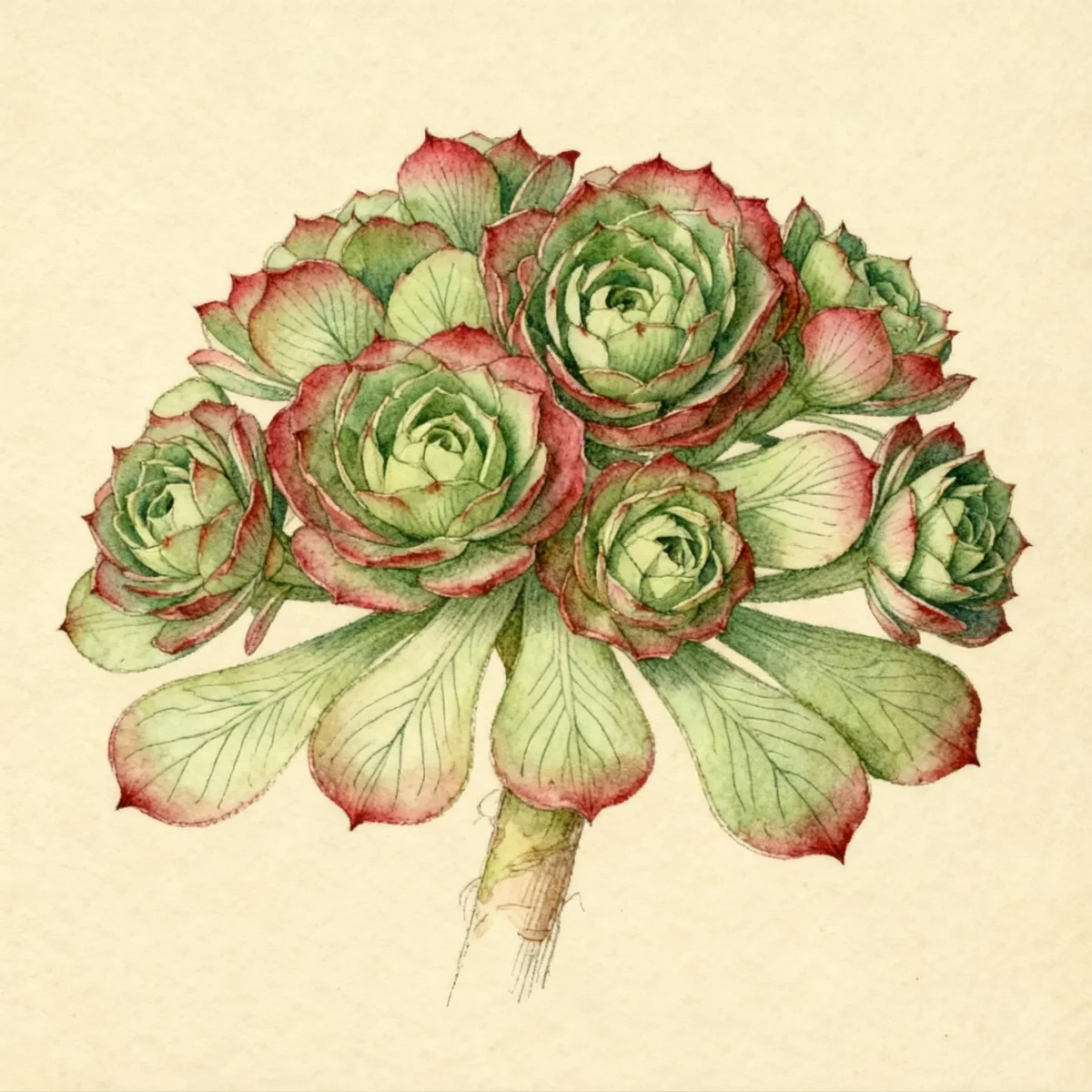
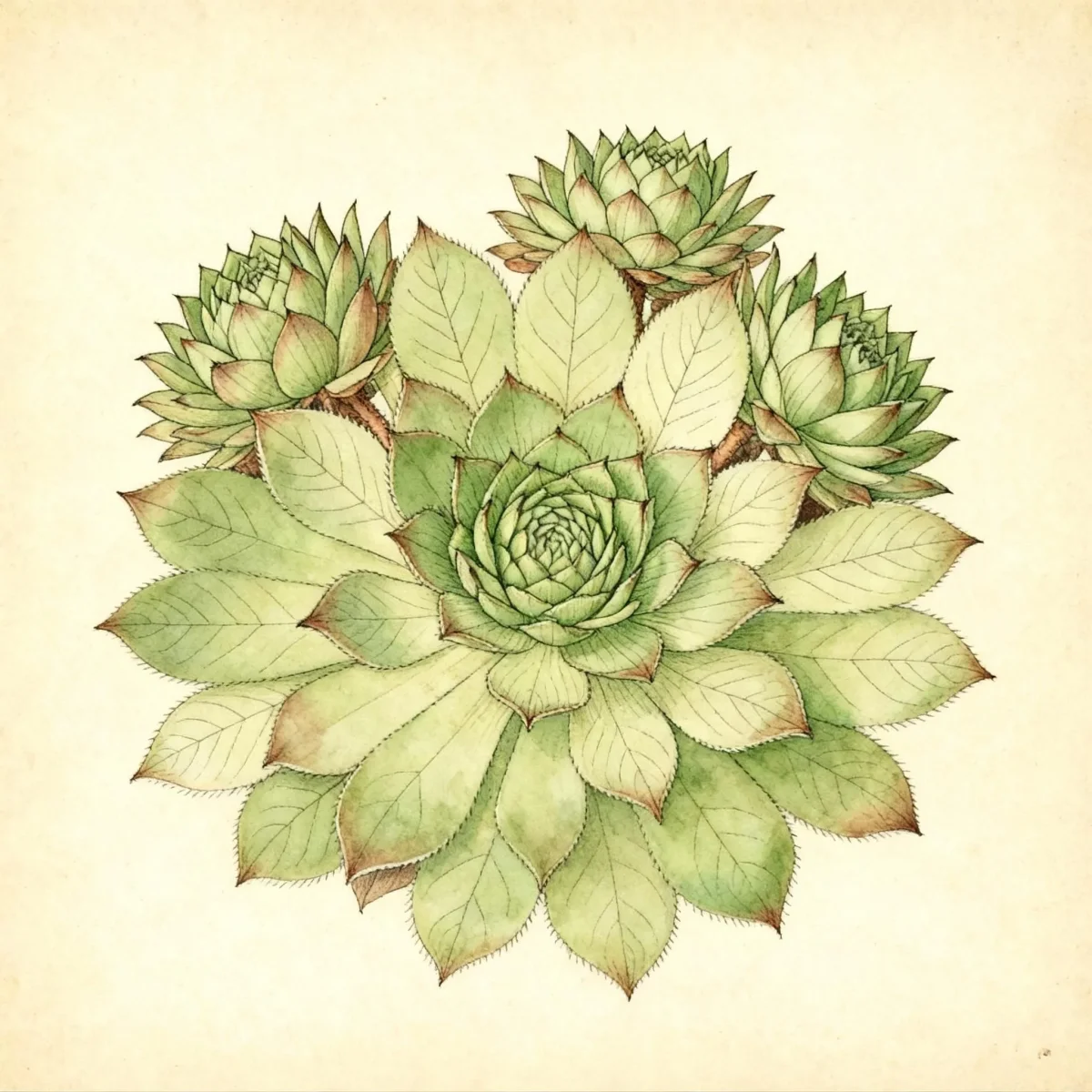
Three-leaved stonecrop (Sedum ternatum 'Alba')
Sedum ternatum 'Alba' offers delightful white spring blooms upon three-leaved foliage, a low-maintenance ground cover perfect for zones 4-8.
Scroll down to discover growing tips, care requirements, companion plants, and more
Complete Plant Information
Overview
Sedum ternatum ‘Alba’, commonly known as Three-leaved stonecrop, is a valuable spreading perennial prized for its subtle beauty and ease of care. This Missouri native creates a dense, low mat ideal for softening hardscape edges or filling in shaded, dry areas where other groundcovers struggle. Its fleshy, whorled leaves remain attractive even outside the blooming season.
What sets this cultivar apart is its charming display of tiny white, star-like flowers held above the foliage in early spring. Despite its succulent-like leaves, Three-leaved stonecrop prefers average to medium moisture environments, differentiating it from many classic desert sedums. Gardeners appreciate Sedum ternatum ‘Alba’ for its low maintenance needs and ability to naturalize beautifully across the landscape.
This hardy herbaceous perennial spreads via creeping stems that root readily as they sprawl, quickly establishing an effective coverage area. With good drought tolerance once established, Sedum ternatum ‘Alba’ is a reliable choice for adding textural contrast and seasonal interest to native or rock gardens.
Fast Facts
- Plant Family: Crassulaceae
- Plant Type: Herbaceous perennial
- Hardiness Zones: USDA Zones 4-8
- Size at Maturity:
- Height: 0.25-0.5 ft
- Spread: 0.5-0.75 ft
- Bloom Time: April to May
- Bloom Description: White
- Sun Exposure: Full sun to part shade
- Water Needs: Medium
- Maintenance Level: Low
How to Grow
Plant Three-leaved stonecrop in the spring or fall, ensuring the soil is well-drained, which is crucial for most sedums. Although it thrives in average soils, improving very poor sites with some organic matter will encourage faster establishment. Aim for a location receiving full sun for the best flowering, though it tolerates part shade well, especially in hotter climates.
Care for Sedum ternatum ‘Alba’ is minimal once established. Water moderately during dry spells, especially during the first growing season, as it needs more consistent moisture than many drought-tolerant rock garden varieties. Fertilization is rarely necessary; excess nutrients can promote floppy, weak growth rather than tight mats.
This plant requires very little pruning. Allow the stems to spread naturally to achieve the desired ground cover effect. Stems that break away in winter will leave behind new, rooted plants, contributing to its naturalizing habit. Clean up any dead foliage in early spring before new growth emerges.
A key benefit is that Sedum ternatum ‘Alba’ handles slightly moist soils better than most sedums, making it versatile for transitioning areas near downspouts or at the base of slopes, provided drainage remains adequate. Avoid extremely heavy, poorly draining clay where it may struggle long-term.
Landscape Uses
Three-leaved stonecrop shines brightly as an exceptional ground cover. Its short stature and spreading habit make it perfect for filling in between stepping stones, softening retaining walls, or blanketing exposed banks where erosion control is needed. Planting Sedum ternatum ‘Alba’ en masse creates a lush, green carpet accented by white spring blooms.
Due to its preference for well-drained situations and its native status, this plant is superb for use in native plant gardens or woodland edges where dappled light prevails. Use it to edge borders or pathways, providing a clean transition to lawn or hardscape.
For design ideas, pair the fine texture of Three-leaved stonecrop with larger, coarser foliage plants like Hostas or ornamental grasses for contrast. It works well with other shade-tolerant rock garden favorites or spring ephemeral bulbs, filling in the gaps once the bulbs go dormant.
Flower Qualities
- Showy
Noteworthy Characteristics
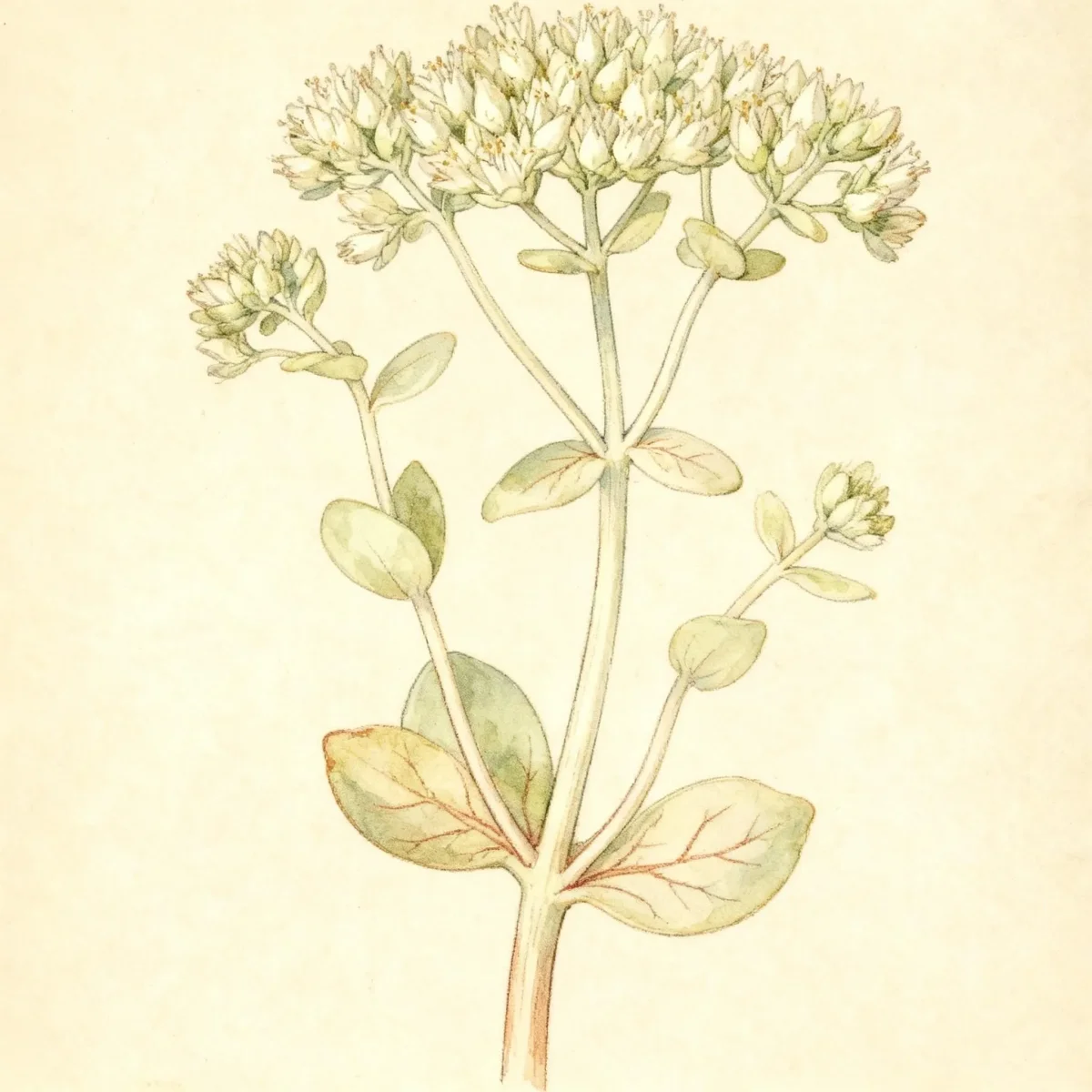
Sedum ternatum, commonly called three-leaved stonecrop (also commonly called whorled stonecrop), is a small, spreading, Missouri native perennial which typically occurs in damp locations along stream banks, bluff bases and stony ledges (as in stonecrop). Grows 3-6” high and spreads by creeping stems which root at the nodes. Stems break away and die in winter, leaving newly rooted plants separated from the mother plant. Features small, rounded, fleshy, succulent-like leaves (to 3/4” long) which appear in whorls of three, thus giving rise to the common names. Clusters of tiny white, star-like flowers (to 1/2” wide) with purplish stamens appear on erect stems above the foliage in spring. Genus name comes from the Latin word sedeo meaning to sit in reference to the general growing habit of many of the sedums (they sit and sprawl over rocks). Specific epithet means in threes and is in reference to the leaves which appear in whorls of three. ‘Alba’ is an unverified cultivar but would indicate that it has white flowers.
Tolerances
- Rabbit
- Deer
- Drought
- Air Pollution
Potential Problems
This plant generally resists serious pest and disease pressure, contributing significantly to its low maintenance rating. The most notable occasional issue is Botrytis blight, which can develop in overly damp, poorly circulating air conditions. Ensure good air flow around your Sedum ternatum ‘Alba’ plantings to minimize this fungal risk.
If the plant spreads too aggressively for your liking, unwanted sections are very easy to manage. Simply cut or pull the creeping stems where you do not want growth; the removed portions can often be discarded or even used to propagate new clumps elsewhere in the garden.
Frequently Asked Questions
What hardiness zones is Three-leaved stonecrop suitable for?
Sedum ternatum ‘Alba’ is hardy and suitable for USDA Zones 4 through 8.
How large does Three-leaved stonecrop grow?
This perennial generally achieves a compact height between 0.25 to 0.5 feet tall, spreading outward to cover an area of 0.5 to 0.75 feet wide.
When does Three-leaved stonecrop bloom?
You can expect the white flowers of Sedum ternatum ‘Alba’ to appear in bloom during the spring months, typically from April to May.
What sun exposure does Three-leaved stonecrop need?
This species performs best anywhere from locations receiving full sun to areas providing partial shade.
Conclusion
Sedum ternatum ‘Alba’ offers gardeners a robust, attractive, and low-input solution for ground cover needs, especially where moist tolerances or light shade are factors. Embrace the simple elegance of Three-leaved stonecrop this season by incorporating it into rock gardens or naturalized areas across USDA zones 4-8 for reliable spring color.
Companion Planting
When selecting neighbors for Sedum ternatum ‘Alba’, focus on plants that share its cultural requirements for medium moisture and tolerate sun to part shade. Woodland edge perennials that appreciate similar soil conditions thrive alongside it. Consider ferns like Japanese Painted Fern for textural contrast, or early spring bloomers like native wild ginger (Asarum canadense) which complement its low growth habit.
Good companions include low-growing woodland phlox or spring ephemerals, as the stonecrop will fill in the bare space once those spring bloomers begin to decline into summer dormancy. Ensure that any companion plants do not completely smother the Three-leaved stonecrop, as it needs sufficient light to maintain its compact form.
Propagation Tips
Propagation of Sedum ternatum ‘Alba’ is exceptionally easy due to its creeping nature which roots at the nodes along its stems. The simplest method is vegetative propagation: simply detach a section of stem that already shows small roots or is actively rooting. Plant these cuttings directly into prepared, well-draining soil in spring or early summer.
This plant also effectively self-propagates naturally when stem segments break off and come into contact with the soil. Ensure that any unwanted stem fragments are removed if you do not wish for them to establish new colonies, or intentionally place them where you desire a denser patch of Three-leaved stonecrop next season.