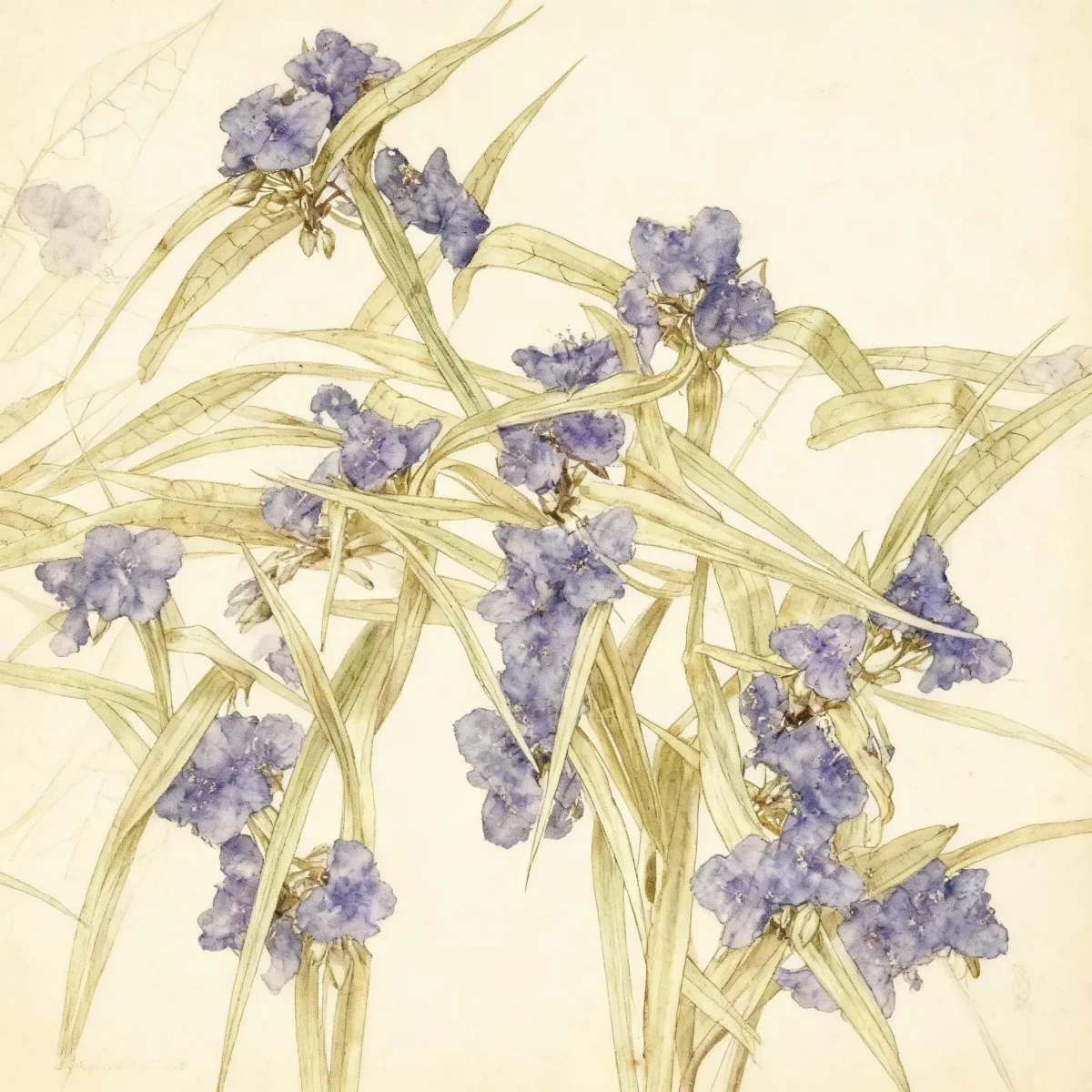
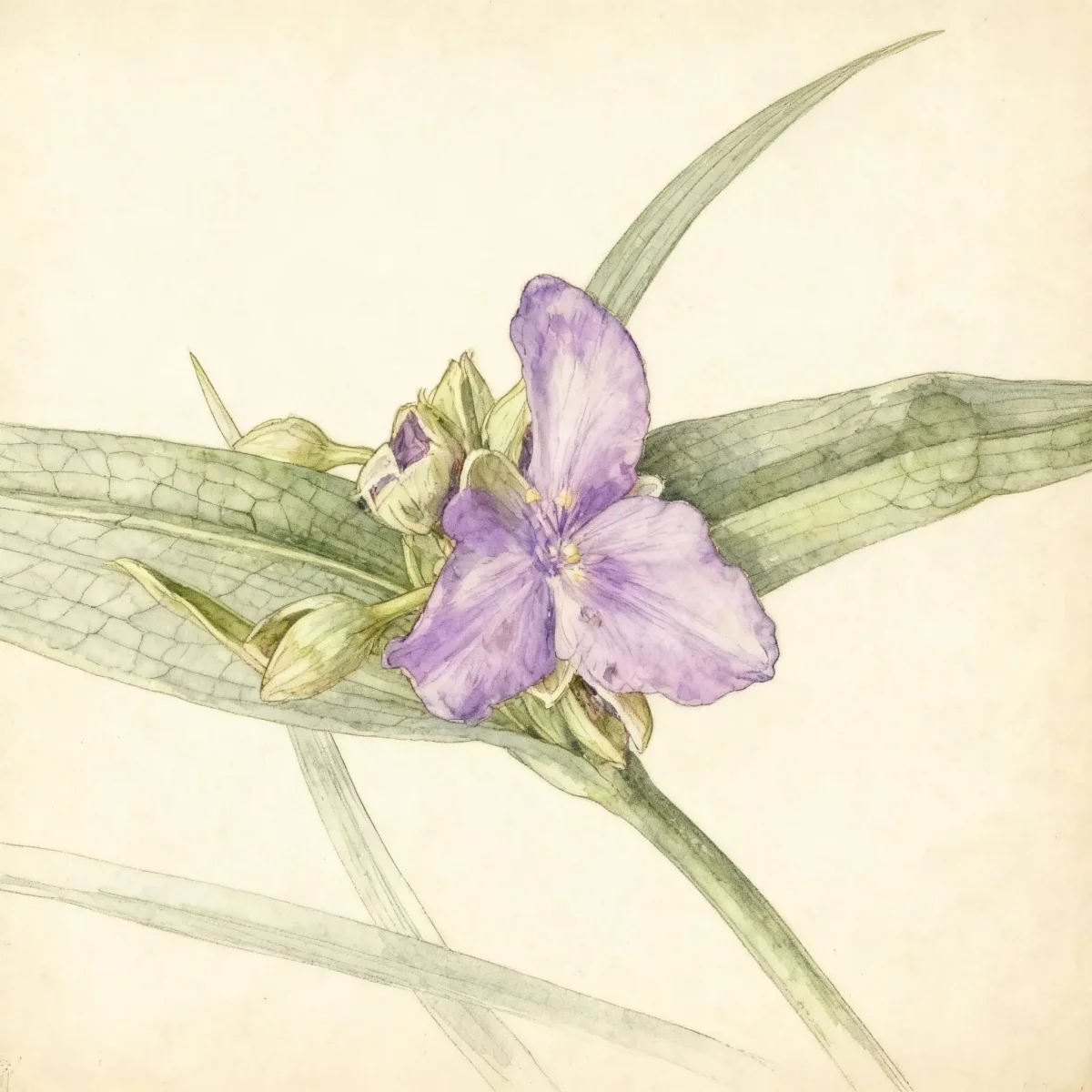
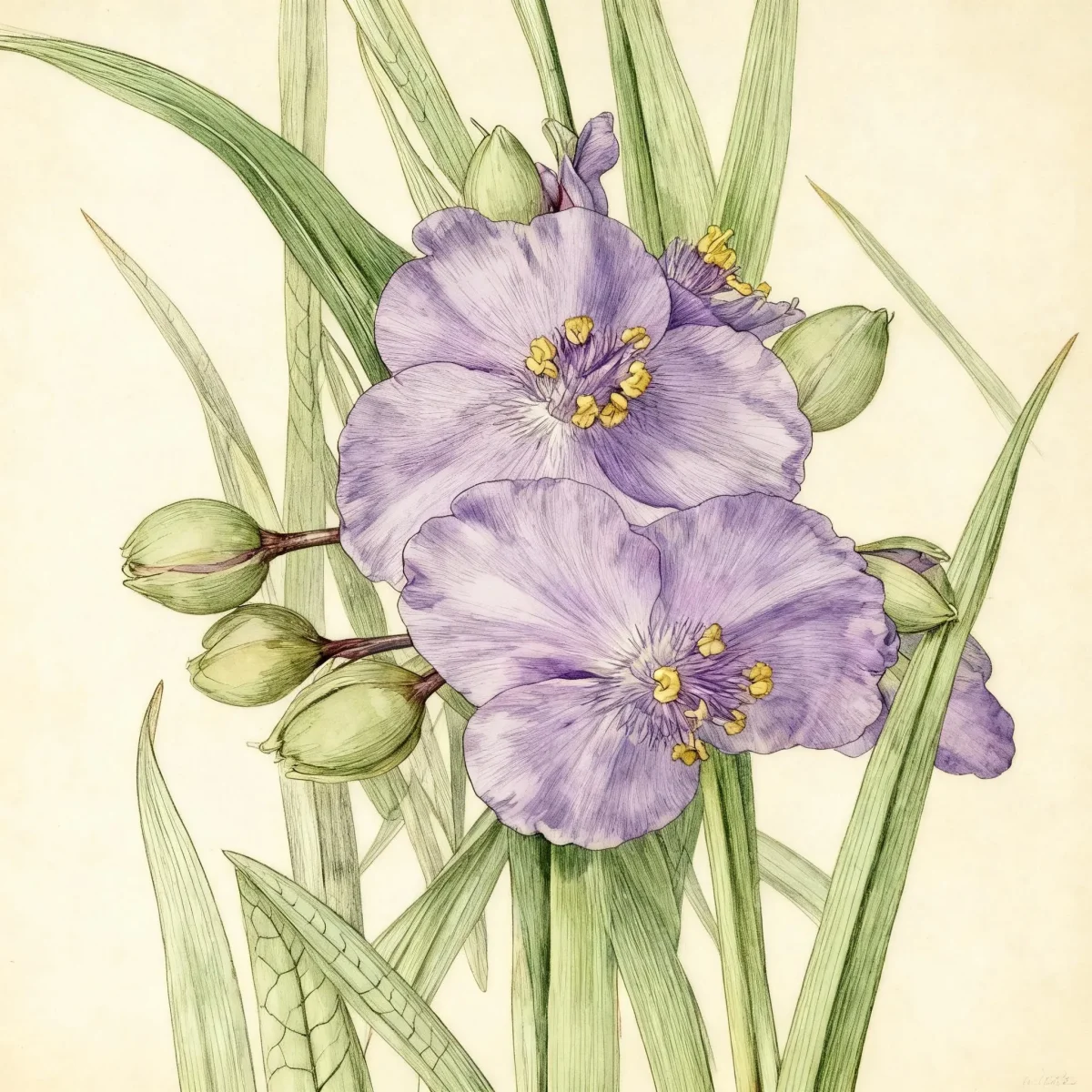
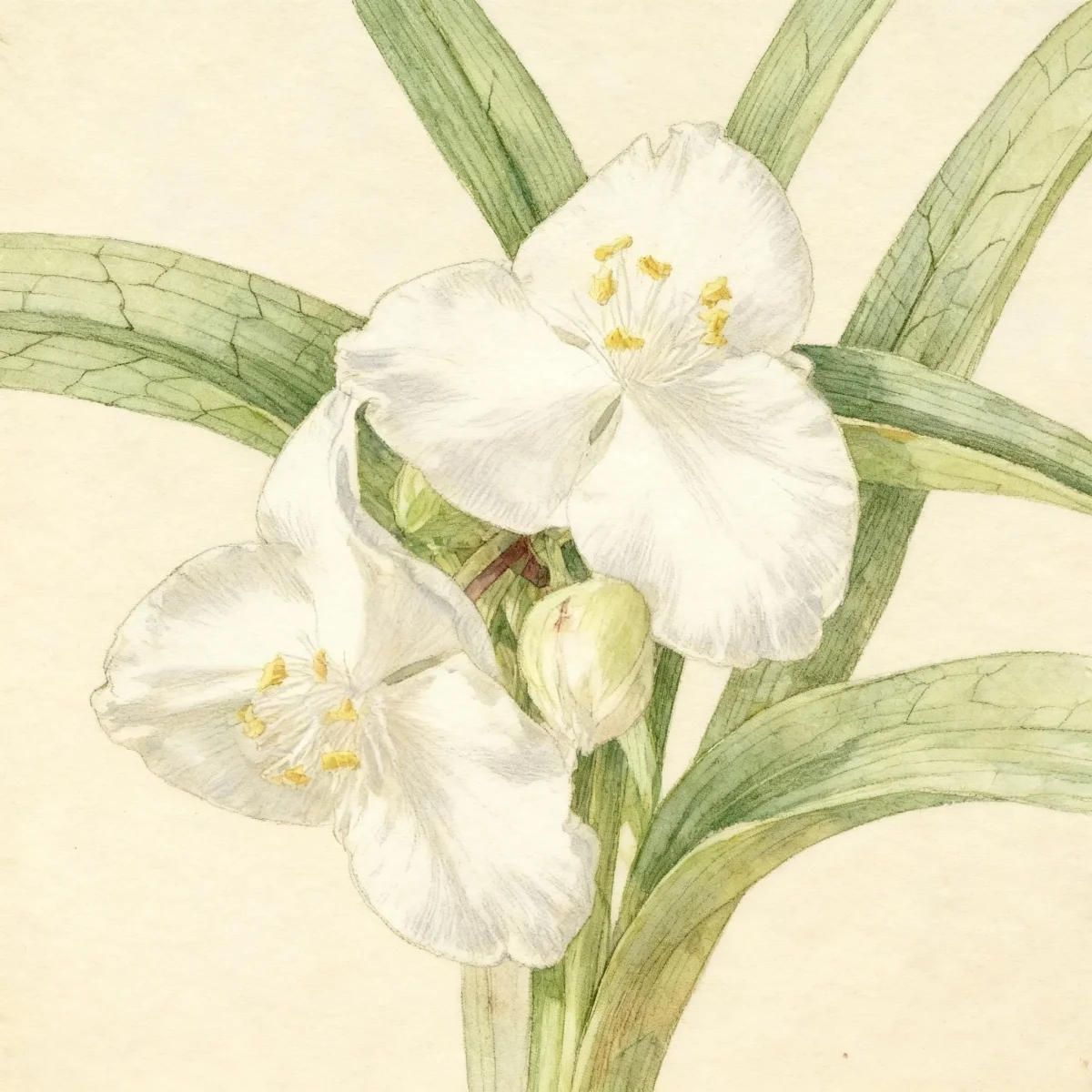
Spider lily (Tradescantia (Andersoniana Group) 'Red Cloud')
The vibrant Spider lily, Tradescantia (Andersoniana Group) 'Red Cloud', offers pinkish-red blooms from May to August in zones 4-9.
Scroll down to discover growing tips, care requirements, companion plants, and more
Complete Plant Information
Overview
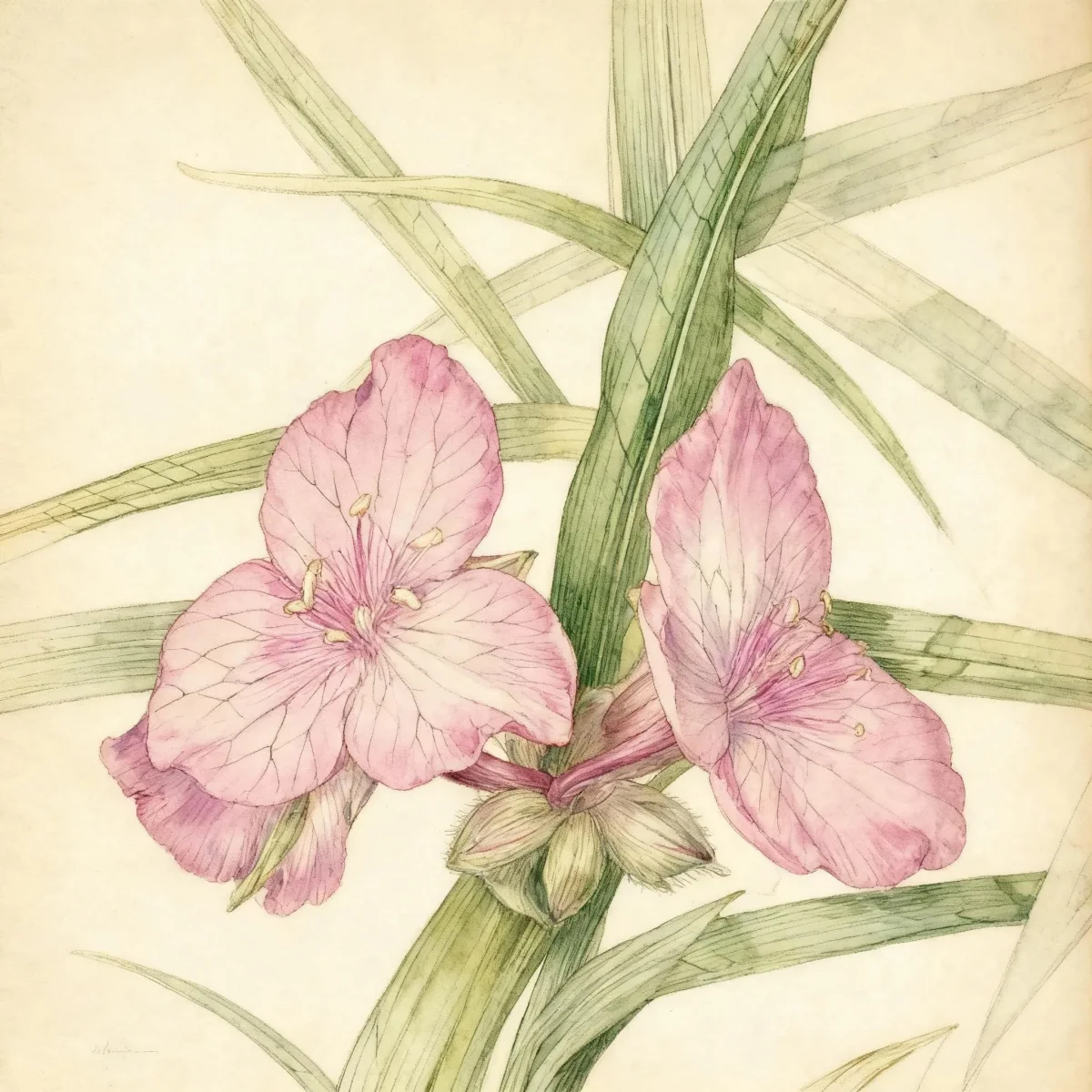
The Tradescantia (Andersoniana Group) ‘Red Cloud’, commonly known as the Spider lily, is a highly valued herbaceous perennial celebrated for its ability to thrive in moist conditions. This cultivar brings cheerful pinkish-red, three-petaled flowers atop stiff stems throughout the summer months, providing reliable color when many other perennials begin to fade. Gardeners rely on this Spider lily for its resilience and its unique texture provided by its arching, dark green, iris-like foliage.
Part of the hybrid Andersoniana Group, this Tradescantia is an adaptable plant thriving in conditions ranging from full sun to partial shade, as long as the soil remains consistently moist. It matures into a manageable clump, reaching about 1 to 1.5 feet tall and spreading up to 2 feet wide, making it suitable for defined borders or naturalized settings. Its robust nature ensures it remains a low-fuss performer in mixed perennial borders or specialized rain garden designs.
The appeal of the Tradescantia (Andersoniana Group) ‘Red Cloud’ extends beyond its striking summer blooms; it offers good structural interest even outside of flowering time. Because Tradescantia species are native to the Americas, they integrate well into naturalistic plantings. For optimal performance, ensuring the plant receives adequate moisture is key to keeping the foliage looking fresh throughout the heat of summer.
Fast Facts
- Plant Family: Commelinaceae
- Plant Type: Herbaceous perennial
- Hardiness Zones: USDA Zones 4-9
- Size at Maturity:
- Height: 1-1.5 ft
- Spread: 1.5-2 ft
- Bloom Time: May to August
- Bloom Description: Pinkish red
- Sun Exposure: Full sun to part shade
- Water Needs: Medium to wet
- Maintenance Level: Medium
How to Grow
Plant Tradescantia (Andersoniana Group) ‘Red Cloud’ in spring or fall when soil temperatures are favorable. This durable plant establishes well in average soils, provided they offer good drainage, though it particularly appreciates moist, acidic, humusy compositions. Ensure the location receives at least partial sun exposure to encourage maximum flower production throughout its May to August bloom span.
Watering needs for the Spider lily are medium to wet; these plants are notably tolerant of wet, boggy soils and are excellent candidates for rain gardens or stream margins. Fertilizing is typically unnecessary if the native soil is reasonably fertile. The key cultural practice for maintaining vigor is deadheading; remove each spent flower cluster after all its buds have opened to encourage a longer blooming season.
As mid-to-late summer heat arrives, the foliage of the Spider lily often declines significantly and flowering slows. When this occurs, give the plant a hard cutback, pruning it almost to the ground. This drastic pruning promotes a resurgence of attractive new foliage and often triggers a valuable second bloom period well into the fall. Remember to divide overcrowded clumps every few years during the dormant season.
Landscape Uses
The Tradescantia (Andersoniana Group) ‘Red Cloud’ excels in moisture-retentive sites, making it an indispensable plant for rain gardens where runoff accumulates. Its tolerance for wet, boggy conditions means it performs beautifully planted near streams, pond edges, or in low spots where water naturally collects. The vibrant pinkish-red flowers offer a crucial mid-summer color burst in these functional landscape areas.
Beyond wet soil applications, this Spider lily is highly versatile. It serves effectively as an informal edging plant along borders, softening hard lines with its arching, grass-like foliage. For a more naturalistic look, incorporate Tradescantia (Andersoniana Group) ‘Red Cloud’ into wild gardens or open woodland settings, allowing it to naturalize gently among ferns and moisture-loving groundcovers.
Standout Features
Flower Qualities
- Showy
Noteworthy Characteristics
The genus Tradescantia, commonly known as spiderworts, includes about 65 herbaceous perennials native to the Americas, valued for their three-petaled flowers and attractive leaves. ‘Red Cloud’ is a clump-forming hybrid reaching 12-18 inches tall, producing pinkish-red blooms accented by bright yellow stamens. Individual flowers last only a single day but open in succession from late spring into summer, and the common name references the plant’s silky stem secretion released when cut.
Tolerances
- Wet Soil
Potential Problems
Spiderwort foliage occasionally sprawls unattractively by mid-summer, which is best corrected with a hard shearing back to the ground. While the Tradescantia (Andersoniana Group) ‘Red Cloud’ generally avoids serious pest or disease issues, its young, tender shoots can be munched upon by snails and caterpillars. Proactive seasonal monitoring and standard pest management techniques should keep these minor issues in check.
Frequently Asked Questions
What hardiness zones is Spider lily suitable for?
The Spider lily, Tradescantia (Andersoniana Group) ‘Red Cloud’, is resilient across USDA Hardiness Zones 4 through 9.
How large does Tradescantia (Andersoniana Group) ‘Red Cloud’ grow?
This plant typically reaches a height of 1 to 1.5 feet and spreads to occupy an area between 1.5 and 2 feet wide at maturity.
What sun exposure does Spider lily need?
For the best performance, plant this Tradescantia cultivar where it receives full sun to part shade.
When does Spider lily bloom?
The Spider lily produces its pinkish-red flowers consistently from May extending through August.
Conclusion
The Tradescantia (Andersoniana Group) ‘Red Cloud’ offers reliable color and exceptional tolerance for moist soil conditions, making it an excellent choice for functional garden areas like rain gardens. This versatile Spider lily asks for medium maintenance, primarily requiring deadheading and a hard summer cutback to encourage continued good performance. Before purchasing, confirm your USDA zone aligns with zones 4-9 to ensure continuous success with your new Tradescantia.
Companion Planting
When planning a mixed border featuring Tradescantia (Andersoniana Group) ‘Red Cloud’, consider pairing it with plants that share similar moisture requirements. Hostas, Astilbes, and Ligularia are excellent companions, as they thrive in partial shade and appreciate consistently moist ground. For sunnier, wetter spots, native Irises (like Iris versicolor) or ferns found in waterside environments will integrate structurally and culturally with the Spider lily.
Seasonal Care Calendar
Early spring is the ideal time to prune back the old, dormant foliage of your Tradescantia (Andersoniana Group) ‘Red Cloud’ after the danger of hard frost has passed. During active growth (late spring through mid-summer), focus on deadheading individual flower clusters immediately after they fade to encourage prolonged blooming. If the foliage looks spent by mid-summer’s peak heat, perform the recommended hard prune at that time to refresh the plant for fall color and growth.