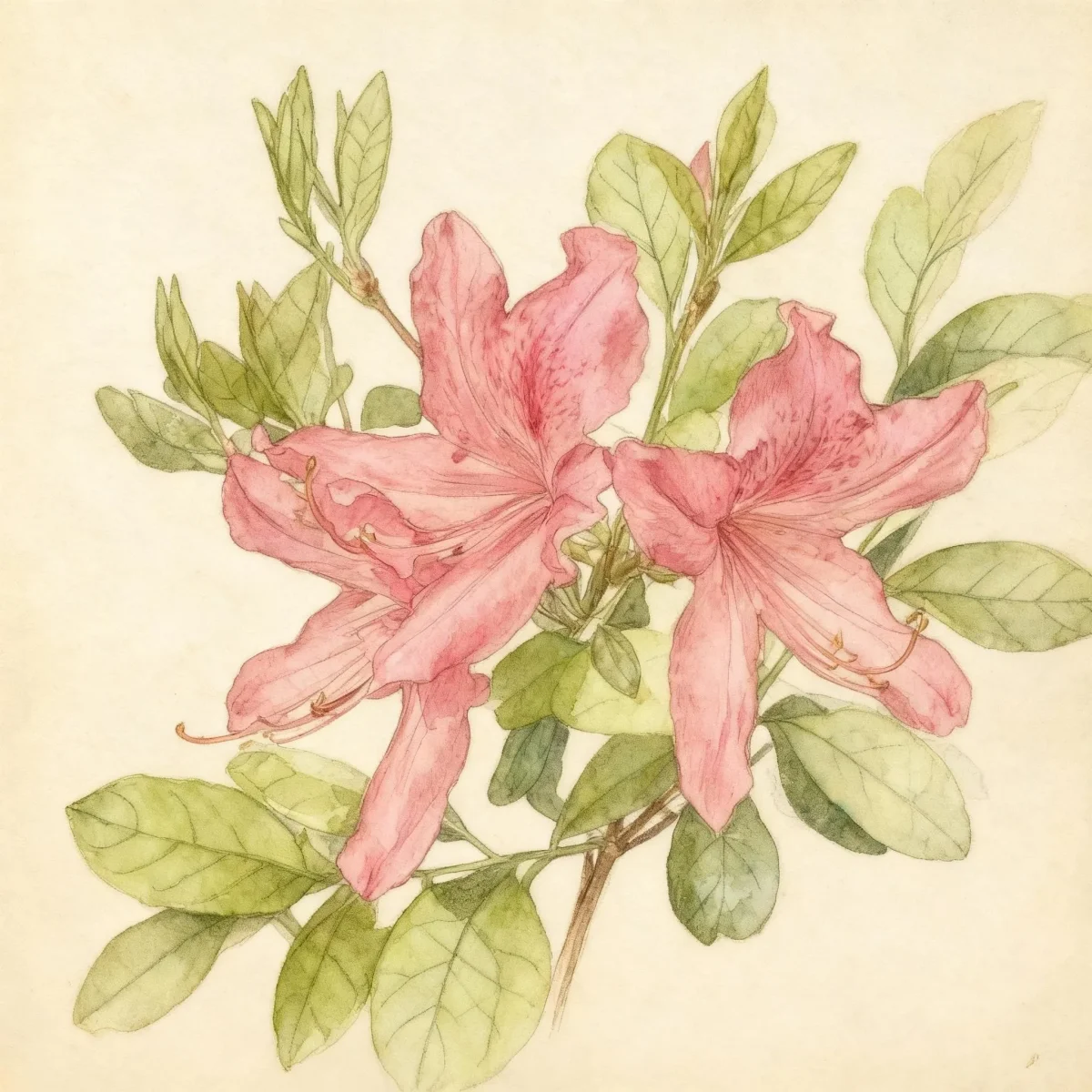
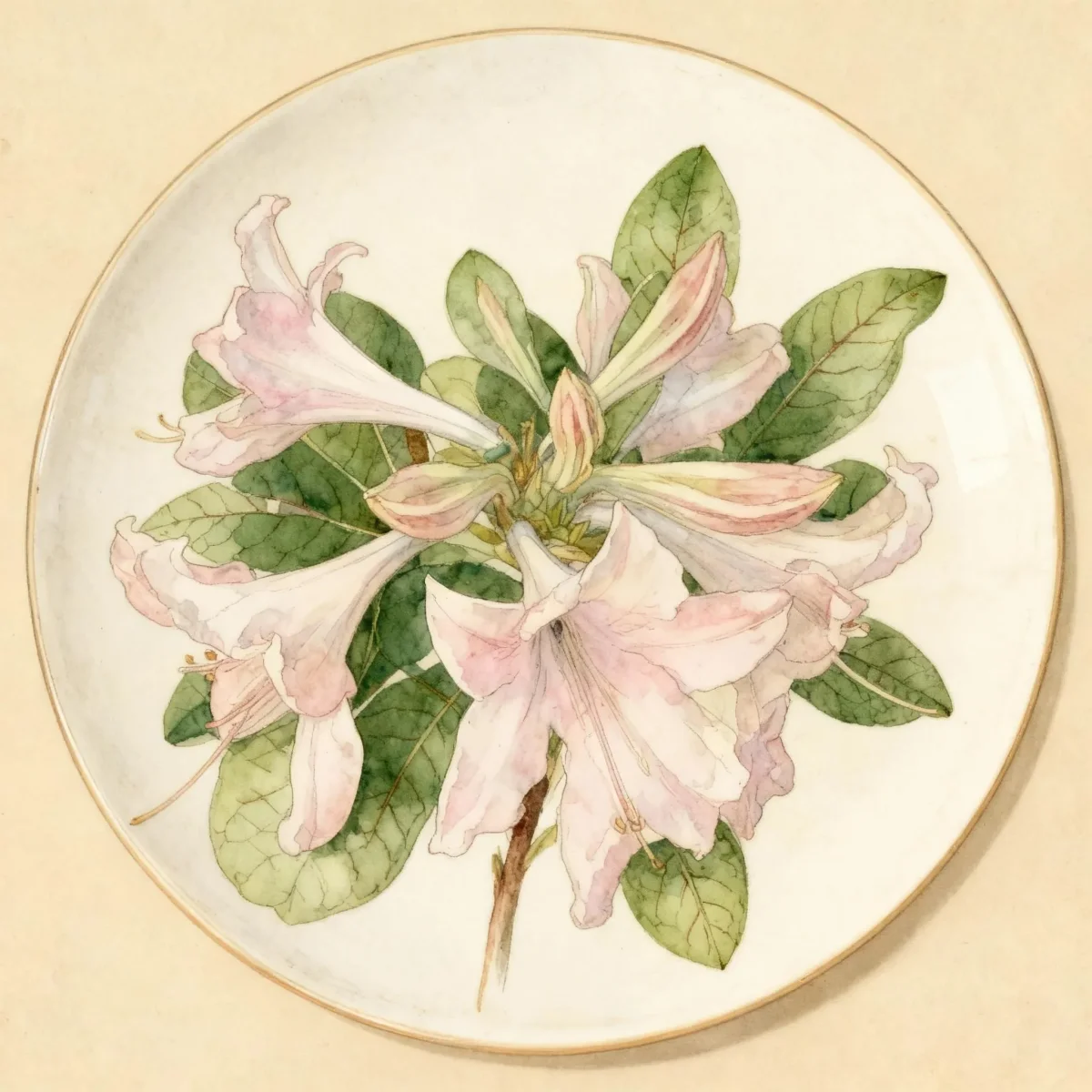
Deciduous azalea (Rhododendron 'Beaulieu')
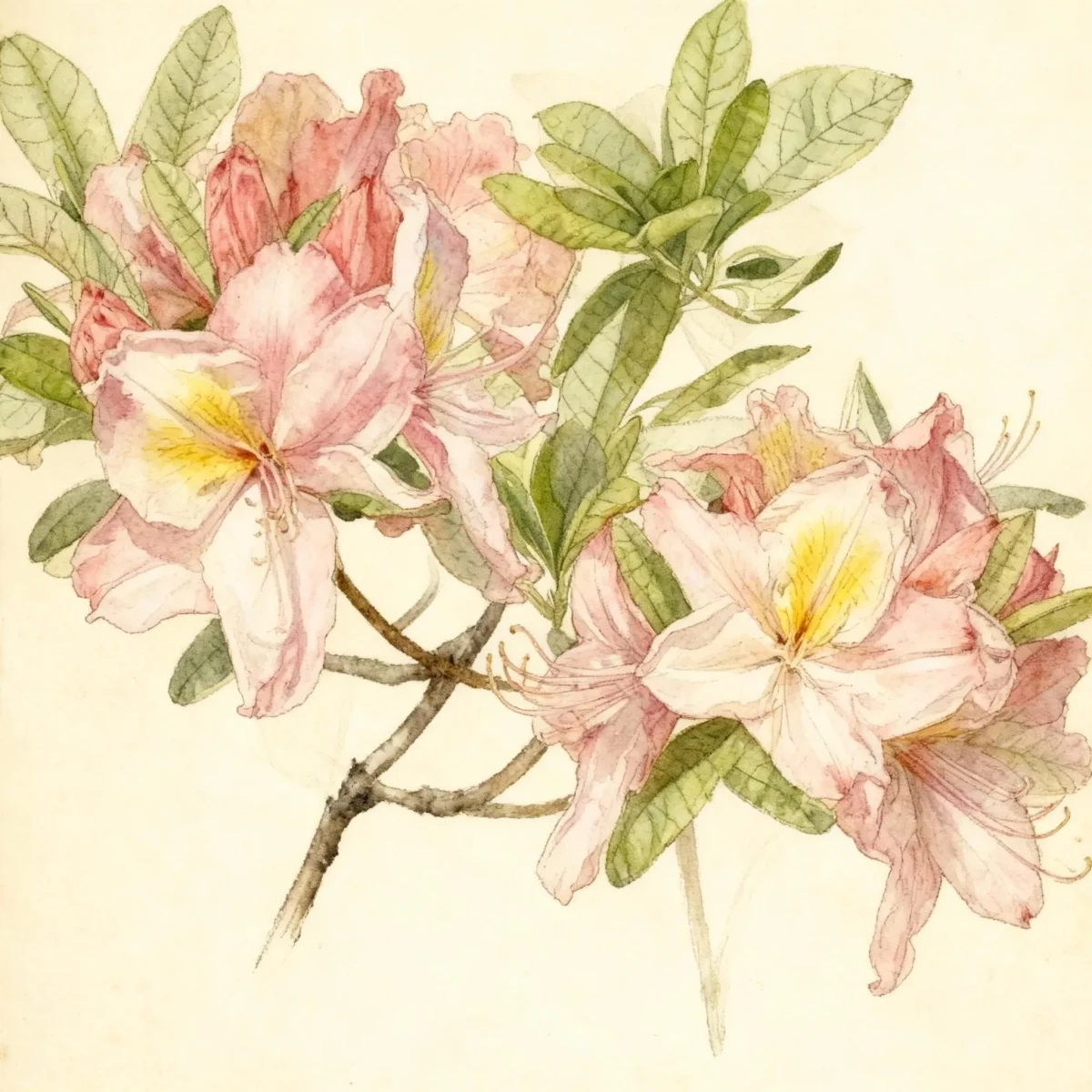
Rhododendron 'Beaulieu' is a stunning Deciduous azalea offering soft pink flowers with an orange blotch, perfect for part shade.
Scroll down to discover growing tips, care requirements, companion plants, and more
Complete Plant Information
Overview
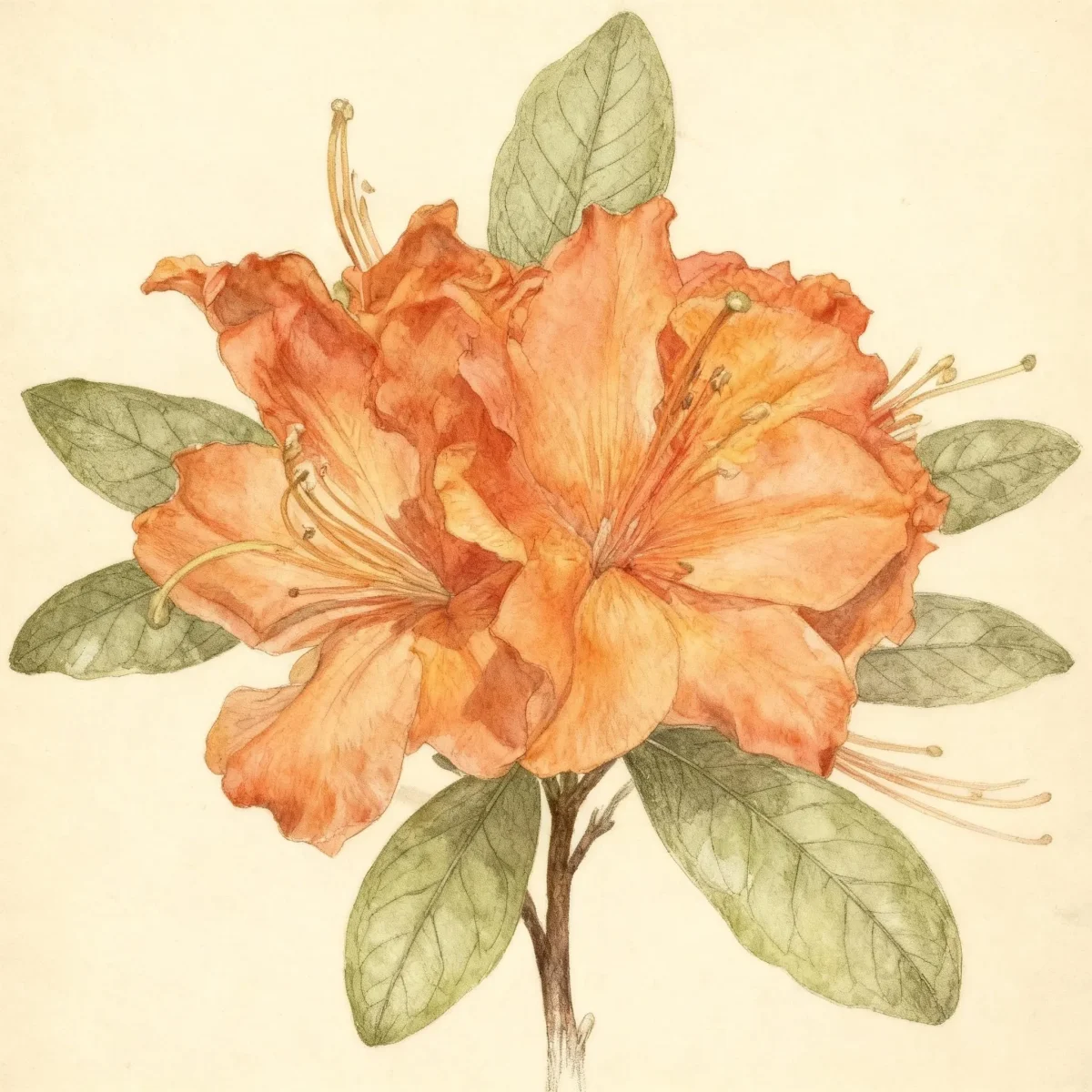
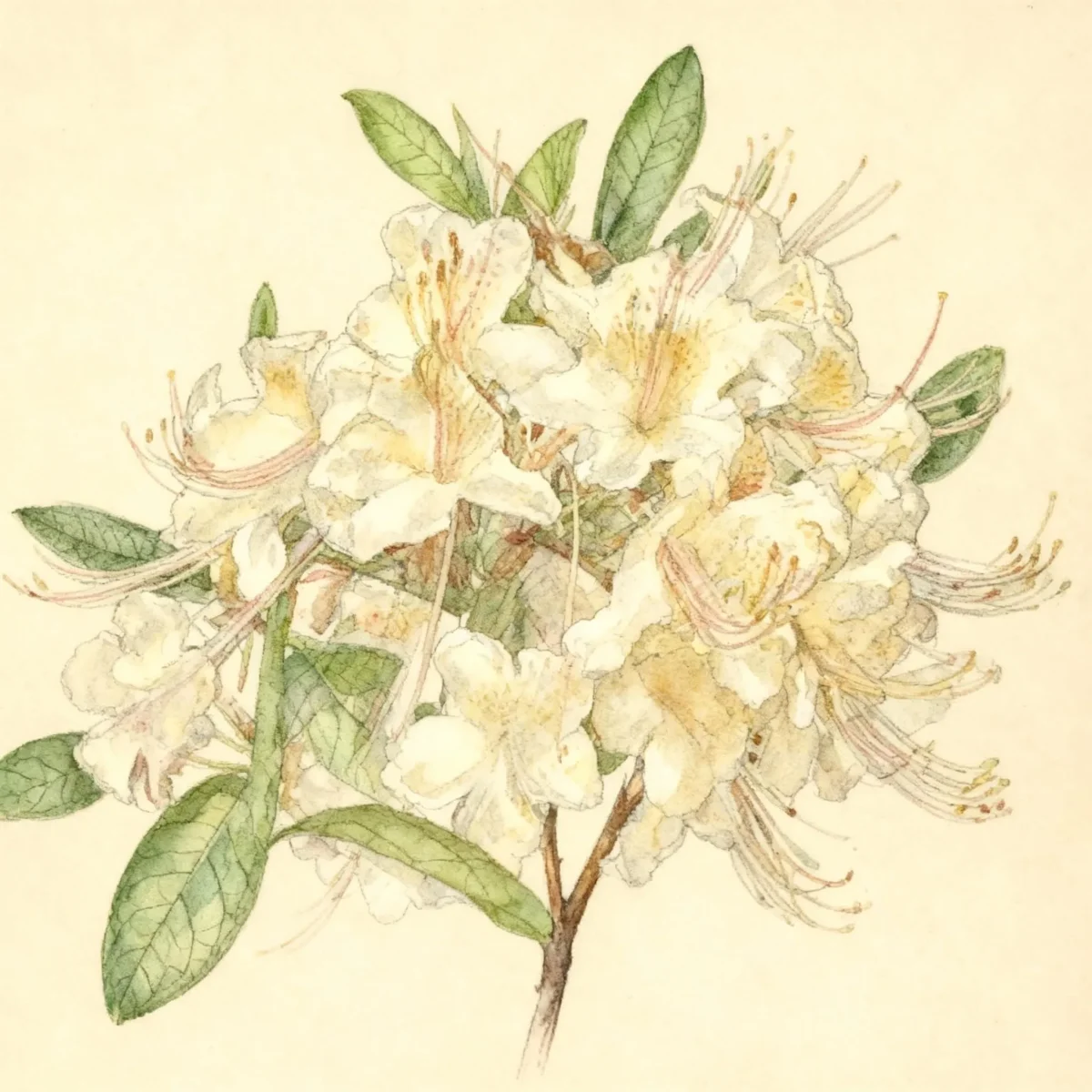
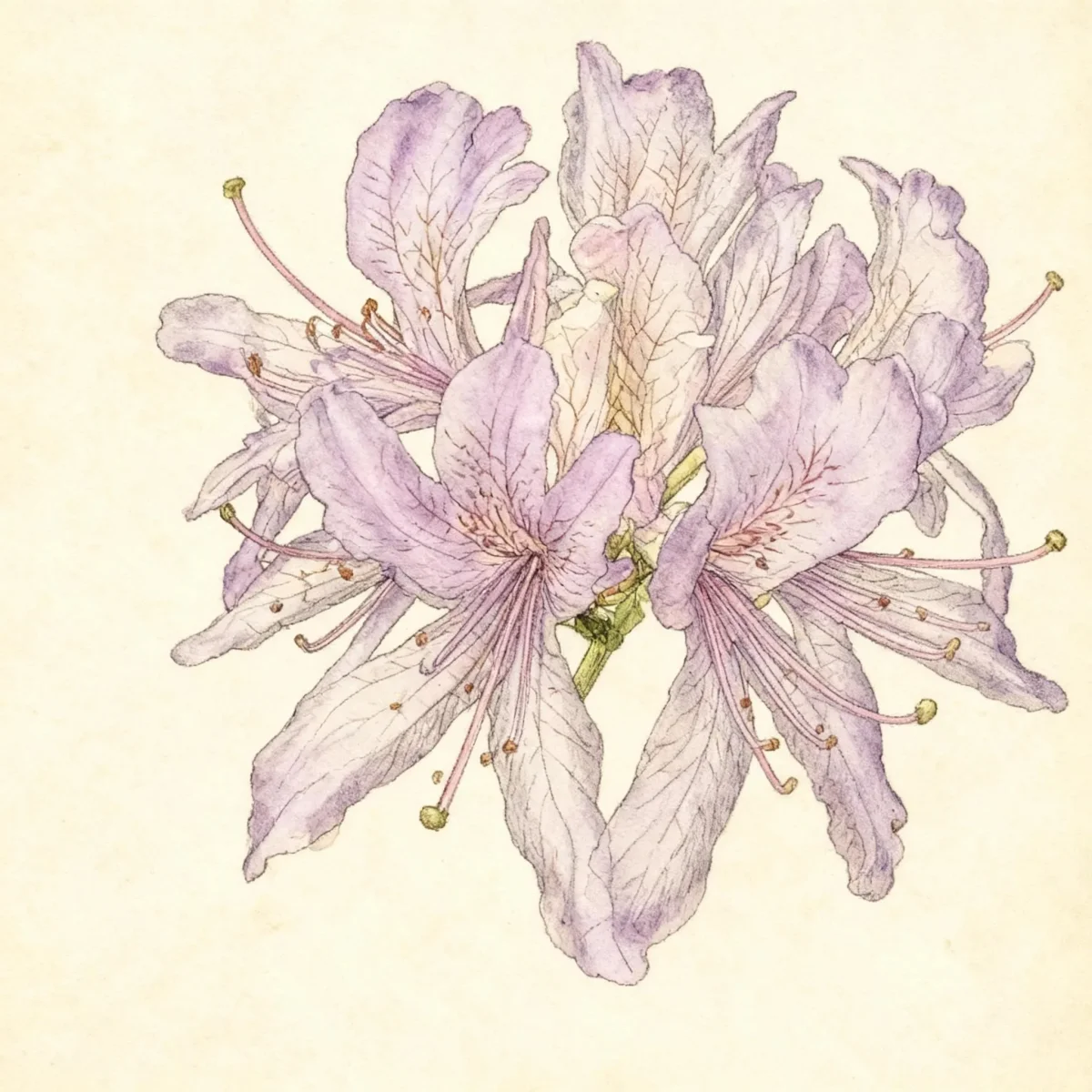
Rhododendron ‘Beaulieu’ is a highly valued deciduous azalea, part of the vast Rhododendron genus, prized for its spectacular flower display in early spring. This cultivar produces richly colored, soft pink blooms accented by a deep orange blotch, creating a vibrant focal point before most other shrubs leaf out fully. As a Deciduous azalea, it sheds its foliage in autumn, offering seasonal change that differs from its evergreen cousins.
This shrub reaches a manageable size, typically maturing between four and five feet tall and wide, making the Rhododendron ‘Beaulieu’ versatile for various garden designs. It thrives when provided with the correct acidic soil conditions and partial shade, rewarding attentive gardeners with dependable seasonal beauty. Its flowering habit makes it an excellent choice for adding depth and early color to borders or woodland settings.
Gardeners appreciate the medium maintenance requirements of Rhododendron ‘Beaulieu’ when its specific cultural needs are met, especially concerning soil moisture and pH. Whether used as a specimen plant or incorporated into mass plantings, this Deciduous azalea serves as a classic element in temperate zone landscapes, providing reliable spring structure and color.
Fast Facts
- Plant Family: Ericaceae
- Plant Type: Deciduous shrub
- Hardiness Zones: USDA Zones 5-8
- Size at Maturity:
- Height: 4-5 ft
- Spread: 4-5 ft
- Bloom Time: April to May
- Bloom Description: Soft pink with orange blotch
- Sun Exposure: Part shade
- Water Needs: Medium
- Maintenance Level: Medium
How to Grow
Plant Rhododendron ‘Beaulieu’ in well-drained, acidic, organically rich, and humusy soil. The preferred location offers dappled shade or high open shade, though morning sun with afternoon shade is often tolerated. Good soil drainage is crucial, as these shallow-rooted plants hate sitting in wet conditions, which can lead to root rot. Consider raised beds if your native soil is heavy clay.
Maintain consistent moisture; these plants require medium water and their fibrous root systems must never be allowed to dry out completely. Apply a thick layer of mulch, such as pine needles or wood chips, around the base to help retain soil moisture and stabilize temperatures. If the soil pH is too high, acidify it using sulfur or iron sulfate; the ideal range is between 5.0 and 5.5 pH.
Pruning should focus on removing spent flower clusters immediately following bloom, if practical, to encourage energy storage for the next season. Avoid cultivating deeply near the plant due to its shallow roots. Ensure the planting location is protected from strong winds, and deliberately avoid planting near walnut family trees due to juglone sensitivity.
Landscape Uses
Rhododendron ‘Beaulieu’ is wonderfully adaptable within the garden structure. It excels when used to create defined shrub borders, providing significant mid-spring impact. It functions perfectly as an accent specimen, drawing the eye to a specific area of the garden, or massed together for a powerful, colorful hedge effect.
These deciduous azaleas integrate seamlessly into woodland gardens or shaded borders where they benefit from the filtered light patterns. Because they lose their leaves, they pair nicely with evergreen shrubs that provide winter structure, or early spring bulbs that emerge just before the azalea flowers open. Foundation plantings also benefit from their rounded form and seasonal exuberance.
Standout Features
Flower Qualities
- Showy
Noteworthy Characteristics
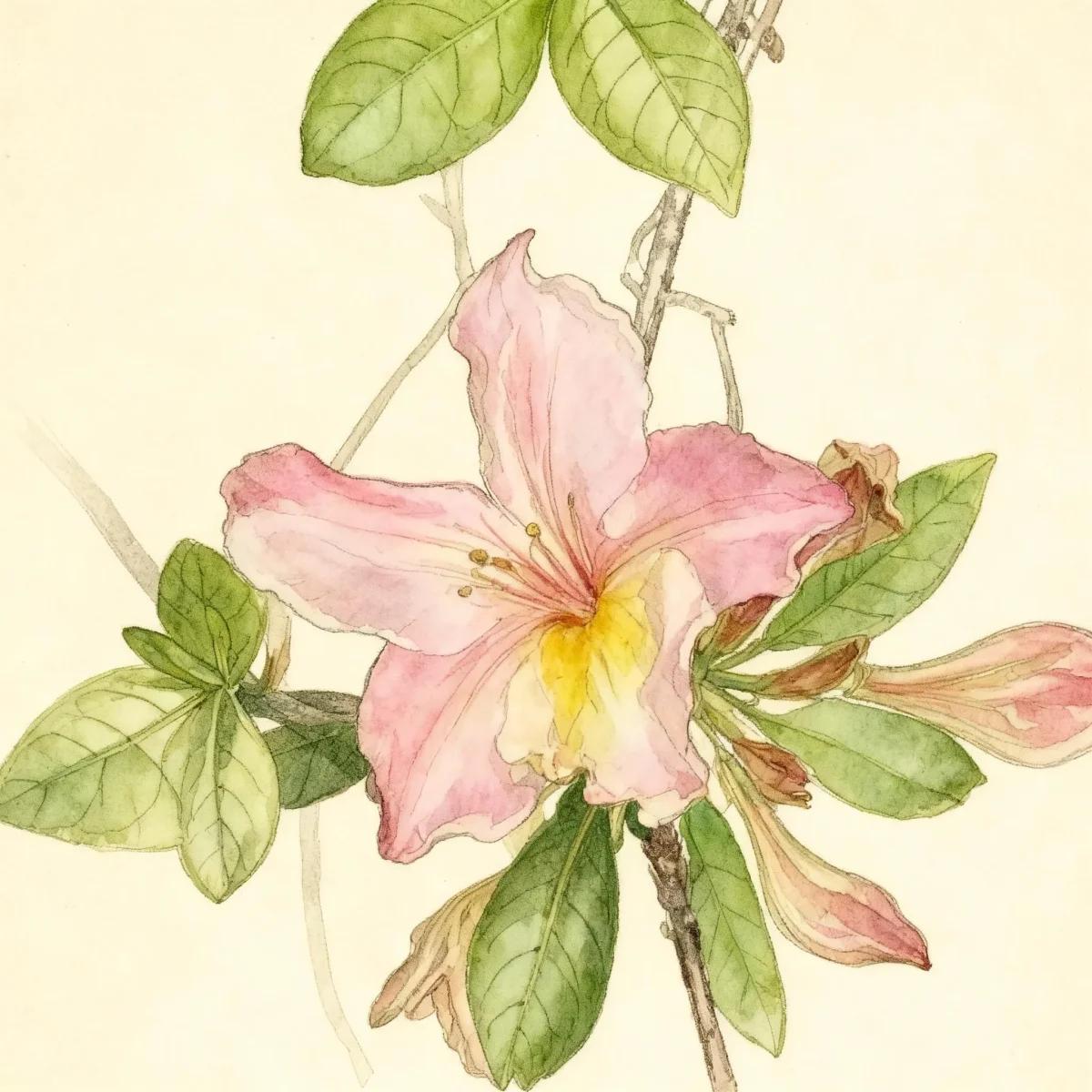
The genus Rhododendron encompasses both azaleas and rhododendrons, with this cultivar being a deciduous type that drops leaves in the fall. Rhododendron ‘Beaulieu’ is specifically a Knap Hill/Exbury hybrid celebrated for its single, broadly funnel-shaped soft pink flowers that feature a distinct deep orange blotch. Flowering provides a lavish display in mid-season (May) on shrubs that maintain a neat, rounded profile of about four to five feet.
Tolerances
- Rabbit
Potential Problems
Rhododendrons and azaleas are unfortunately susceptible to various insect and disease pressures. Common insects to watch for include aphids, scale, lacebugs, and mealybugs, while systemic issues can manifest as blights, crown rot, or leaf spots. Proper cultural care is the best preventative measure against most issues.
Chlorosis, resulting in yellowing leaves, often signals an iron deficiency caused by soil pH that is too high; acidifying the soil corrects this. The most critical preventative step is ensuring excellent drainage, as poor drainage invariably leads to root rot, a fatal condition for shallow-rooted plants like the Deciduous azalea.
Frequently Asked Questions
What hardiness zones is Deciduous azalea suitable for?
Rhododendron ‘Beaulieu’ is hardy in USDA Zones 5 through 8.
How large does Rhododendron ‘Beaulieu’ grow?
This shrub typically matures to a height and spread between 4 and 5 feet.
When does Deciduous azalea bloom?
The bloom time is generally from April to May, featuring soft pink flowers with an orange blotch.
What sun exposure does Rhododendron ‘Beaulieu’ need?
This cultivar performs best in part shade, ideally receiving protection from intense, hot afternoon sun.
Conclusion
Rhododendron ‘Beaulieu’ offers exceptional spring color and reliable structure, making it a cornerstone plant for shaded borders and mixed plantings. By paying close attention to its required acidic soil and moisture-retentive yet well-drained conditions, gardeners can ensure a spectacular display from this beautiful Deciduous azalea. Check your local zone compatibility before establishing your Rhododendron ‘Beaulieu’ this season.
Companion Planting
Selecting appropriate companions for Rhododendron ‘Beaulieu’ centers on maintaining similar acidic soil and light requirements. Consider pairing it with acid-loving woodland natives such as Mountain Laurel (Kalmia) or native azaleas that bloom at slightly different times to extend visual interest. Groundcovers that tolerate shade and prefer moist soil, like Hellebores or certain ferns, can help keep the shallow root zones cool and protected.
If using the plant in drifts, interplanting with early spring bulbs like Scilla or miniature Daffodils offers a fantastic layered effect. These bulbs bloom before or concurrently with the Deciduous azalea, providing vibrant carpet color that contrasts well against the shrub’s emerging foliage and showy flowers. Ensure companions do not overcrowd the base, allowing for easy access to mulch and air circulation.
Seasonal Care Calendar
Spring care centers on monitoring bloom fade and lightly deadheading the spent trusses of your Rhododendron ‘Beaulieu’ immediately after flowering. This directs the plant’s energy toward root development rather than seed production. Begin your regular watering schedule if spring rains have been insufficient, ensuring the soil is consistently medium moist.
Summer maintenance focuses heavily on moisture management and soil temperature regulation. Deep watering during dry spells is essential for this medium-water-need plant; never let its fibrous roots desiccate. Maintain the mulch layer, ensuring the base of the plant remains shaded and cool throughout the hottest months, while actively avoiding fertilization unless soil tests confirm specific deficiencies, especially iron.
Fall preparation involves ensuring the Deciduous azalea finishes the season well-hydrated; apply a slow, deep soaking before the ground freezes hard. Avoid heavy pruning late in the season, as this can encourage tender new growth that will be damaged by winter cold snaps. Protect specimens in exposed sites from winter burn and desiccating winds.