Deciduous azalea (Rhododendron 'Cecile')
Rhododendron 'Cecile' is a showy, fragrant Deciduous azalea boasting salmon-pink blooms in spring, ideal for part shade.
Scroll down to discover growing tips, care requirements, companion plants, and more
Complete Plant Information
Overview
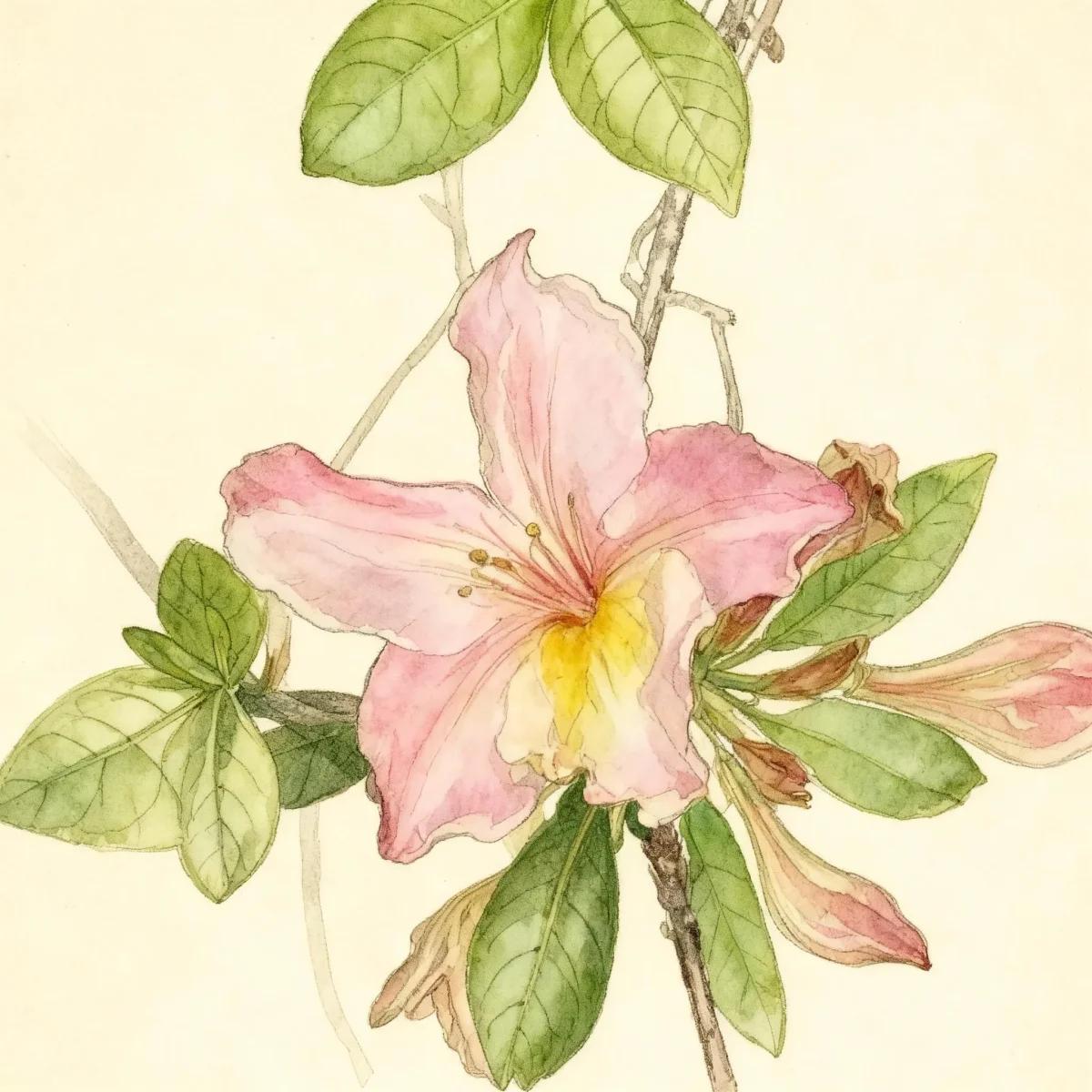
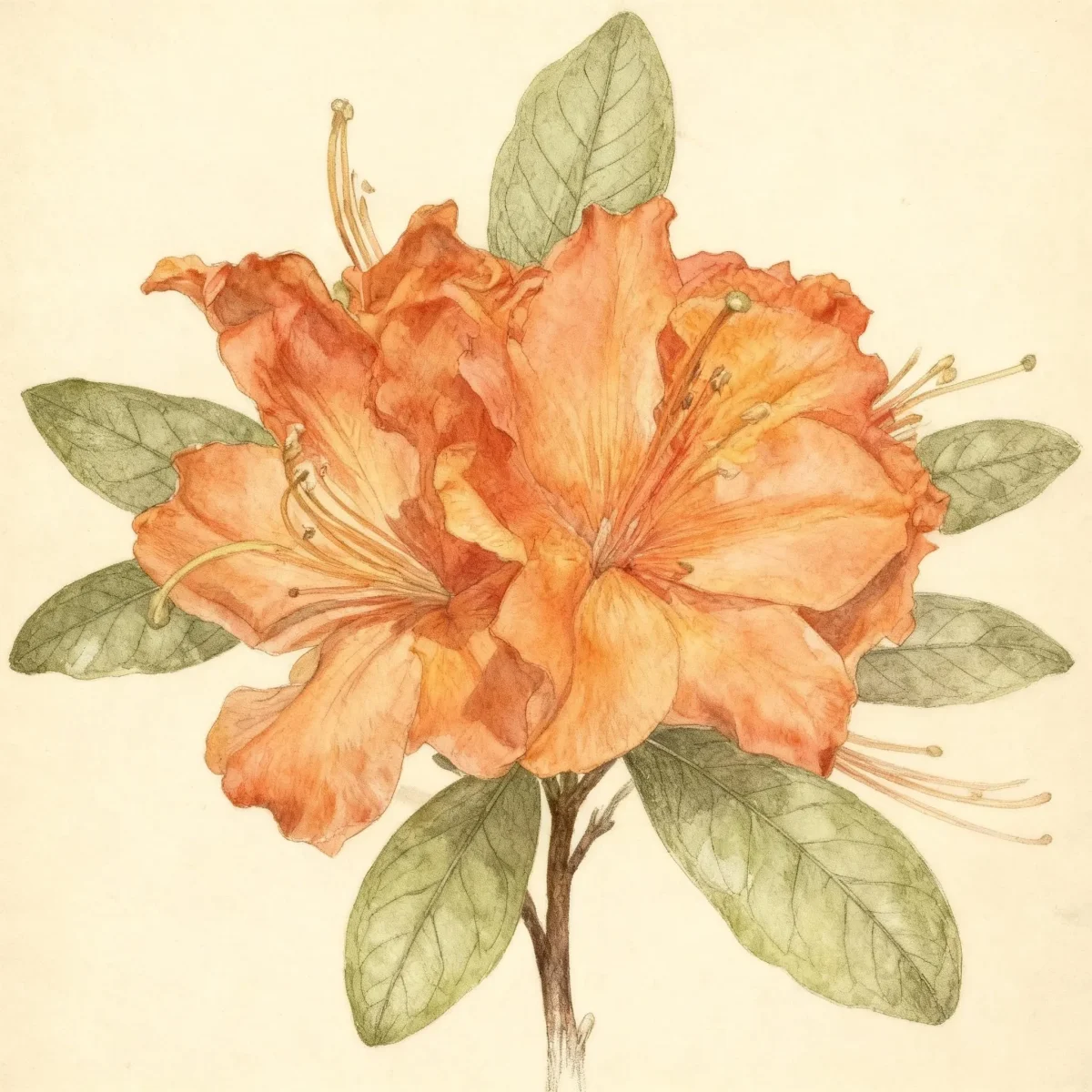
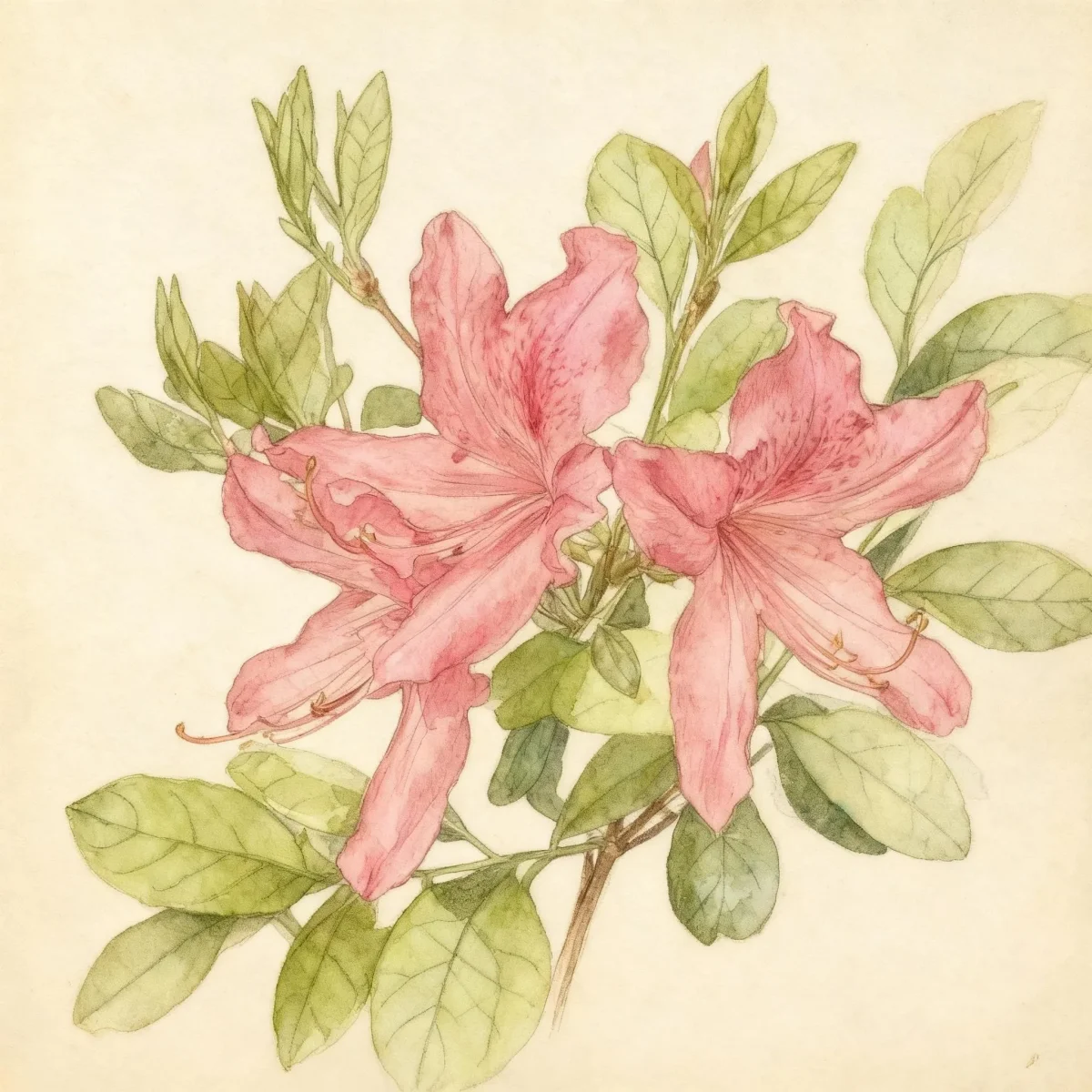
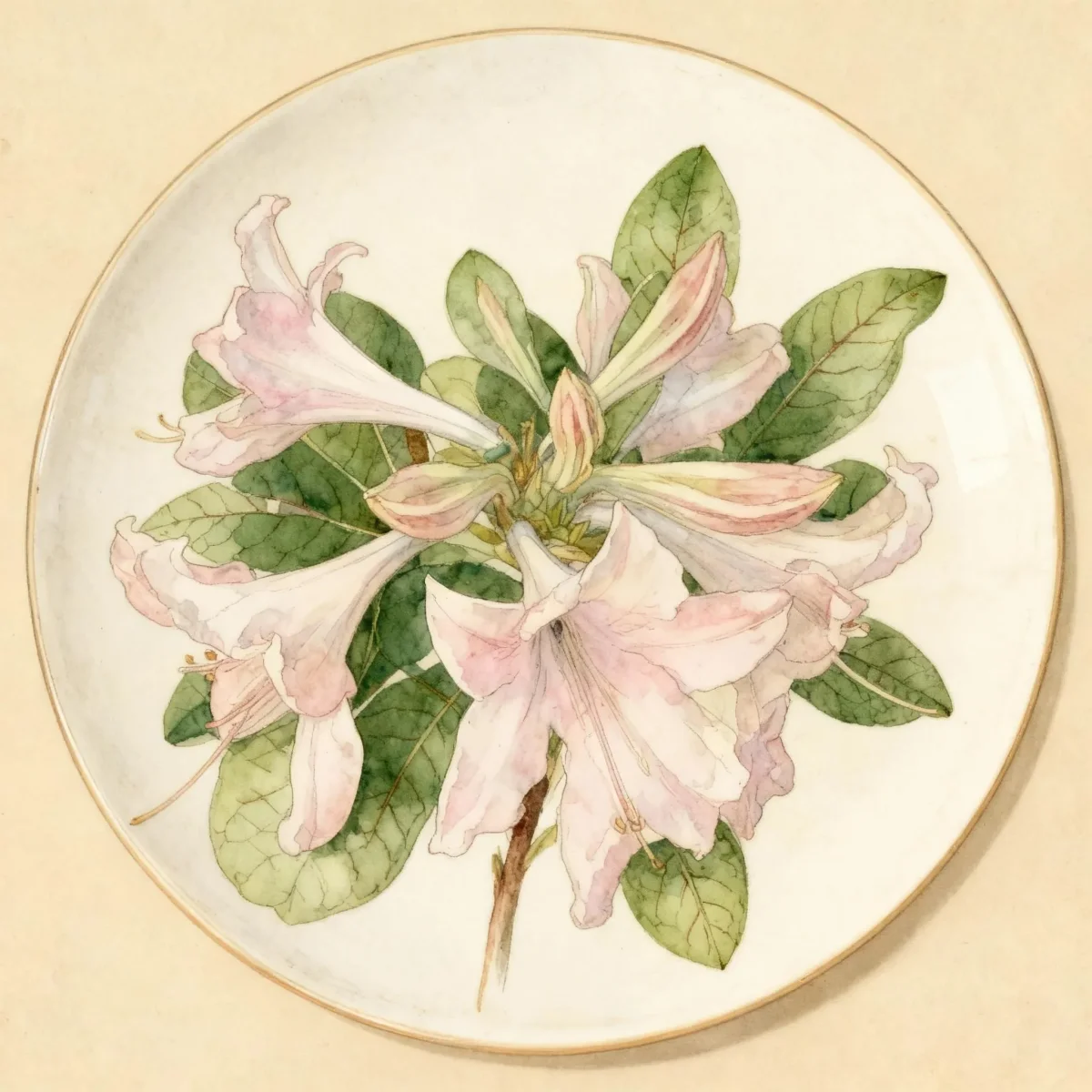
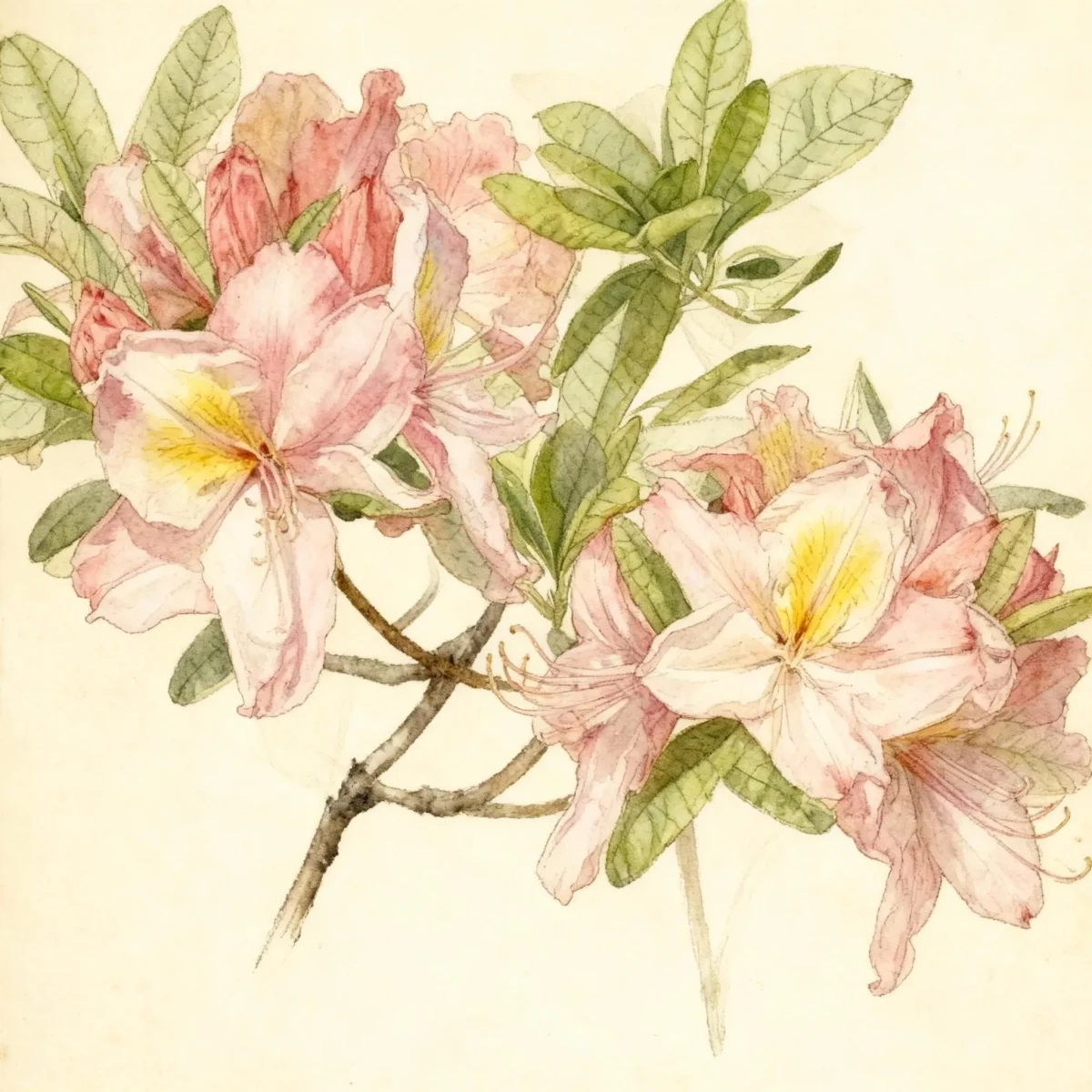
Rhododendron ‘Cecile’ is a highly valued cultivar among deciduous azalea selections, celebrated for its spectacular floral display in mid-spring. This hybrid produces abundant, trumpet-shaped flowers—a gorgeous salmon pink color highlighted by a distinct yellow flare on the upper lobe. As a deciduous shrub, it offers seasonal interest, dropping its thinner leaves in the autumn before bursting forth with color early the following spring.
Growing between 5 to 8 feet tall and wide, Rhododendron ‘Cecile’ maintains an open, upright habit, making it versatile for various landscape roles. Its cultural needs center around acidic, humus-rich soil and protection from intense afternoon sun, ensuring healthy growth in USDA Zones 5 through 8. Gardeners prize this cultivar for injecting dependable, vibrant color into woodland or shade gardens.
For optimal performance, treat Rhododendron ‘Cecile’ according to standard azalea best practices: ensuring excellent drainage and consistent moisture is key to supporting its shallow, fibrous root system. This award-winning selection provides a lavish performance with moderate maintenance when planted in its preferred dappled light location.
Fast Facts
- Plant Family: Ericaceae
- Plant Type: Deciduous shrub
- Hardiness Zones: USDA Zones 5-8
- Size at Maturity:
- Height: 5-8 ft
- Spread: 5-8 ft
- Bloom Time: April to May
- Bloom Description: Salmon pink with a yellow flare
- Sun Exposure: Part shade
- Water Needs: Medium
- Maintenance Level: Medium
How to Grow
Planting Rhododendron ‘Cecile’ should occur when the ground is workable, ideally in spring or early fall, ensuring the location provides ample protection from aggressive winds. The critical factor for success with this deciduous azalea is soil preparation; it demands acidic soil pH, generally between 5.0 and 5.5, that is rich in organic matter. Good drainage is non-negotiable, as root rot quickly develops if the plant sits in standing water; consider raised beds in heavy clay soils.
Watering needs are best described as medium; the soil must remain consistently moist but never waterlogged. Due to shallow root systems, mulch heavily with organic materials like wood chips or pine needles to retain moisture and regulate soil temperature, but take care never to cultivate close to the base. If soil acidity is low, acidify using iron sulfate or elemental sulfur as needed.
Minimal pruning is required for Rhododendron ‘Cecile’. The most important maintenance task is to clip off spent flower clusters immediately after blooming has finished, which encourages better blooming the following year. Protect this plant from the toxic juglones released by walnut family trees by avoiding planting near their drip lines.
Landscape Uses
The structure and vibrant spring display of Rhododendron ‘Cecile’ make it an excellent choice for structured plantings. Its mature size allows it to function effectively either as a specimen plant providing a focal point or massed together for impact. It is specifically recommended for use as a hedge due to its upright habit, creating a living screen with spectacular seasonal flower power.
In mixed border designs, place this deciduous azalea where it can benefit from morning sun, allowing it to flourish alongside woodland companions that share similar acidic soil and moisture preferences. It performs beautifully along woodland margins or in shaded garden areas where its flower show stands out against dark green woody shrubs or ferns.
Standout Features
Flower Qualities
- Showy
- Fragrant
Noteworthy Characteristics
Rhododendron ‘Cecile’ is a Knap Hill Exbury hybrid introduced in 1947, recognized for its lavish spring display. Being a deciduous azalea, it sheds its leaves in the fall, offering a different visual experience than its evergreen cousins. This cultivar grows up to 8 feet wide and tall, sporting trumpet-shaped flowers that garnered it a Rhododendron of the Year award in 2007.
Tolerances
- Rabbit
Potential Problems
Rhododendrons and azaleas are susceptible to numerous insect and disease issues, which often manifest if cultural conditions are not optimal. Common pests include scale, aphids, and lacebugs, while fungal diseases like root rot or powdery mildew thrive in wet, poorly aerated conditions. A frequent aesthetic issue is chlorosis, where leaves turn yellow, typically signaling an iron deficiency caused by soil pH being too high, preventing nutrient uptake.
Prevention relies heavily on establishing Rhododendron ‘Cecile’ in its preferred environment: acidic, well-drained, humusy soil in part shade. Avoid over-fertilizing, which can stress the plant and encourage pests. If you notice insect activity, target treatments immediately, but always prioritize correcting underlying soil or moisture stress first to ensure the plant remains robust against opportunistic problems.
Frequently Asked Questions
What hardiness zones is Deciduous azalea suitable for?
Rhododendron ‘Cecile’ is reliably hardy in USDA Zones 5 through 8, making it suitable for many temperate climates across North America.
How large does Rhododendron ‘Cecile’ grow?
This deciduous azalea typically matures to a size of 5 to 8 feet in height and spreads between 5 and 8 feet wide, requiring adequate space for its open, upright form.
What sun exposure does Rhododendron ‘Cecile’ need?
This plant performs best in part shade; gardeners should aim for sun dappled conditions or high open shade, avoiding intense, hot afternoon sun exposure.
When does Deciduous azalea bloom?
The showy bloom time for Rhododendron ‘Cecile’ is generally from April to May, presenting salmon pink flowers with a distinctive yellow flare.
Conclusion
Rhododendron ‘Cecile’ stands out as a dependable, showy highlight for the spring garden, offering structure and intense fragrance combined with beautiful salmon-pink blooms. This classic deciduous azalea requires careful attention to soil acidity and drainage for maximum success. Before planting, always confirm your local USDA hardiness zone and amend your soil to meet the ericaceous requirements of this wonderful shrub.
Companion Planting
When designing a landscape around Rhododendron ‘Cecile’, select companions that thrive in the same acidic, moist, part-shade environment. Plants like various species of ferns, especially shade-tolerant varieties, complement the texture of the azalea foliage beautifully throughout the summer months. Consider rhododendrons and evergreen azaleas that bloom slightly later to extend the period of color interest in the border.
Groundcovers that tolerate low light and acid soil, such as Hellebores or Tiarella (Foamflower), work well beneath the canopy of your deciduous azalea. Avoid using plants that require alkaline soil or excessive sun, as cultural conflicts will lead to stress and weakened performance for the Rhododendron ‘Cecile’.
Seasonal Care Calendar
Spring is crucial for deciduous azaleas; focus immediately after flowering (April to May) on deadheading spent blossoms to promote next year’s vigor. As summer progresses, monitor moisture levels closely, especially in drier spells, ensuring the root zone never dries out completely. Apply a fresh layer of organic mulch in early summer, avoiding direct contact with the crown of the plant.
Autumn care involves preparing for dormancy; although deciduous, winter winds can desiccate dormant buds if the plant is exposed. If you experience dry autumns, provide supplemental water before the ground freezes solid. Routine fertilization should be light and applied only in early spring before new growth begins, strictly using fertilizer formulated for acid-loving plants.