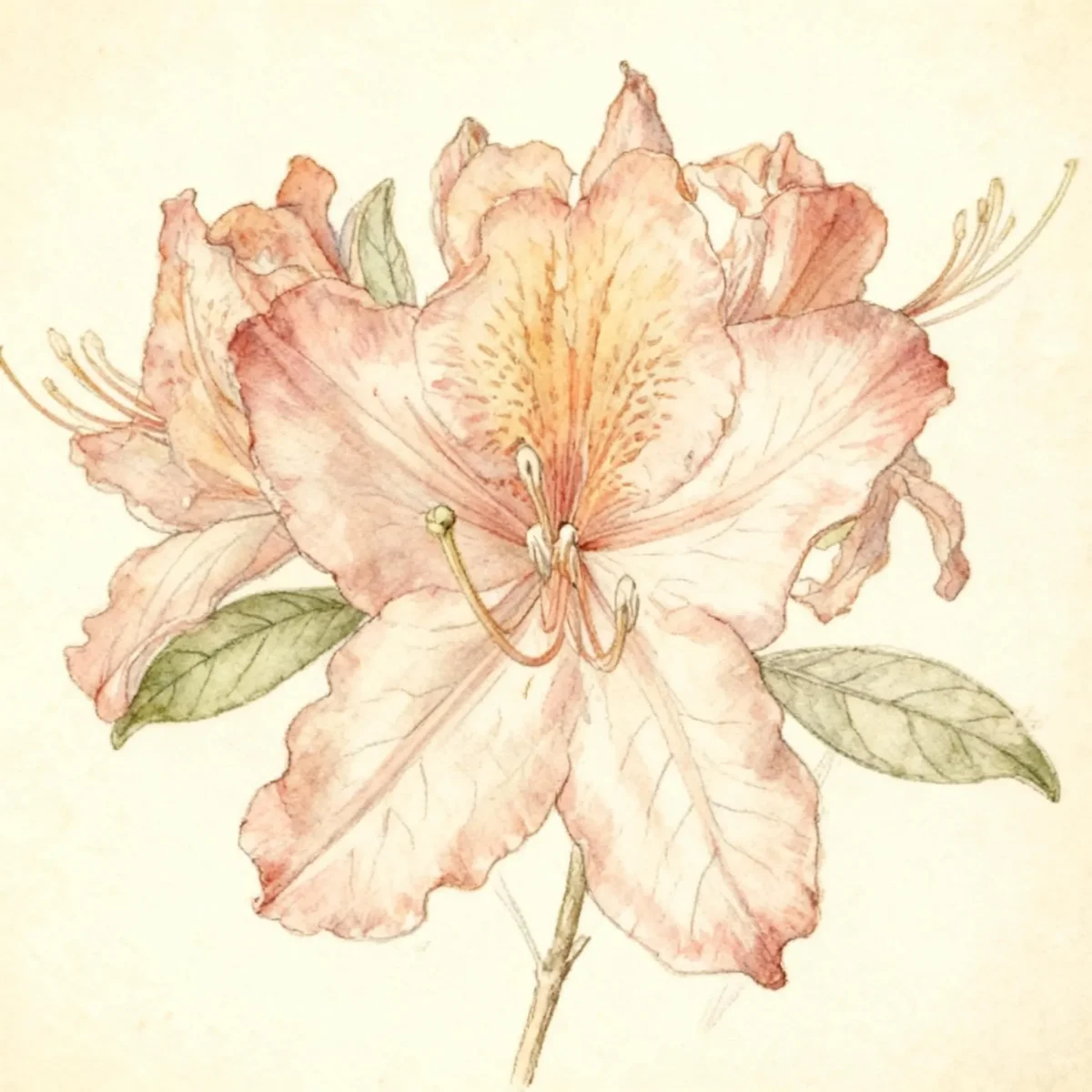
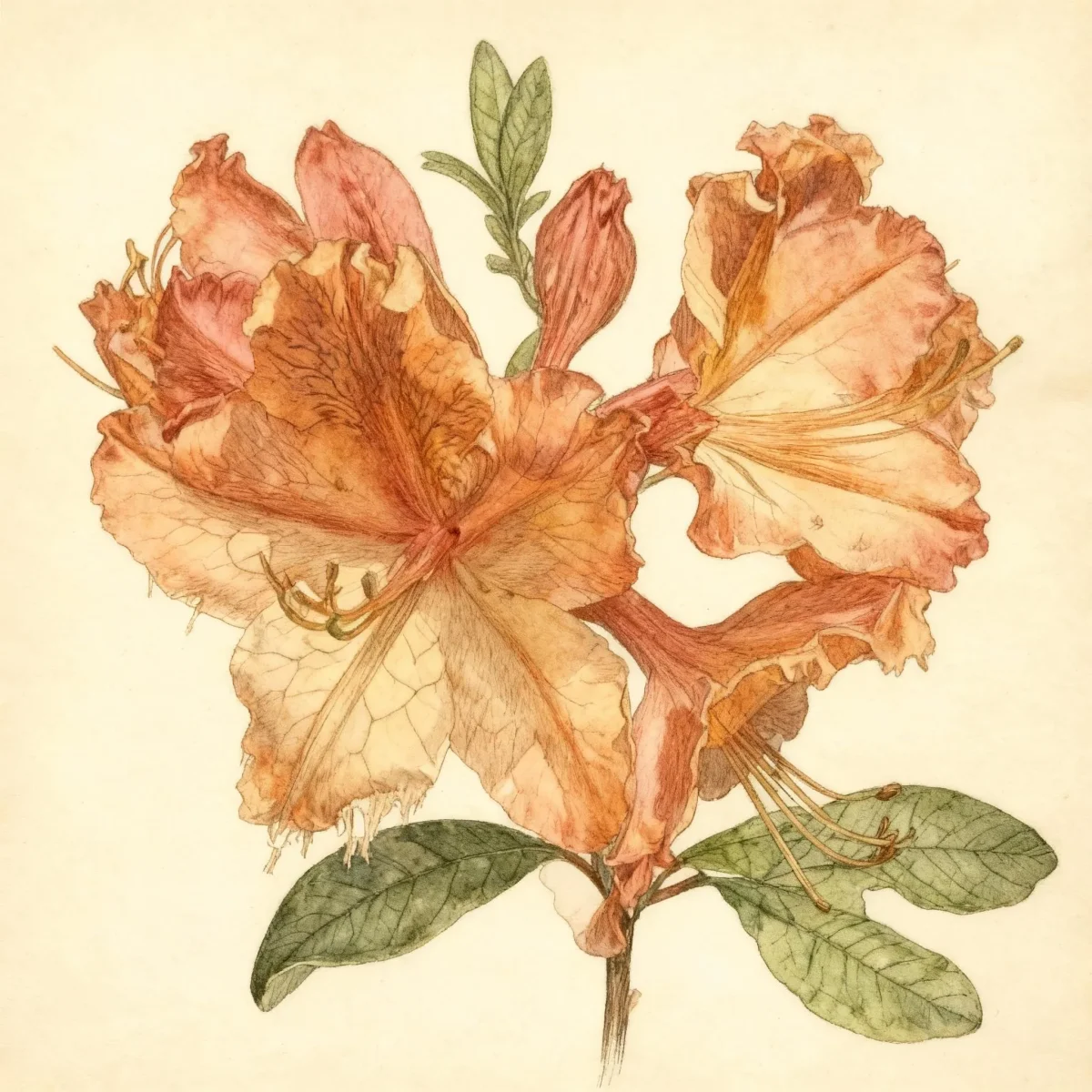
Azalea (Rhododendron 'Clarice')
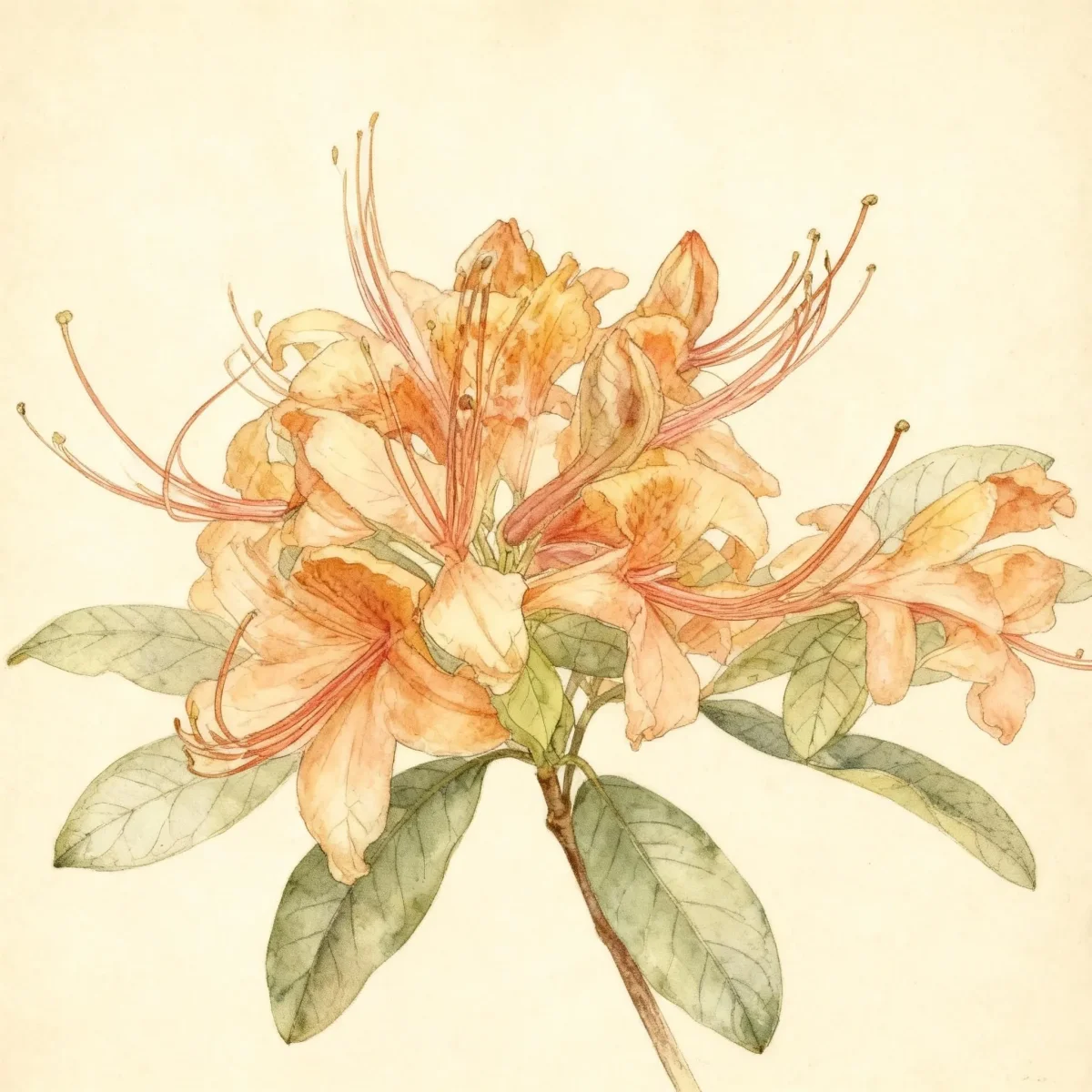
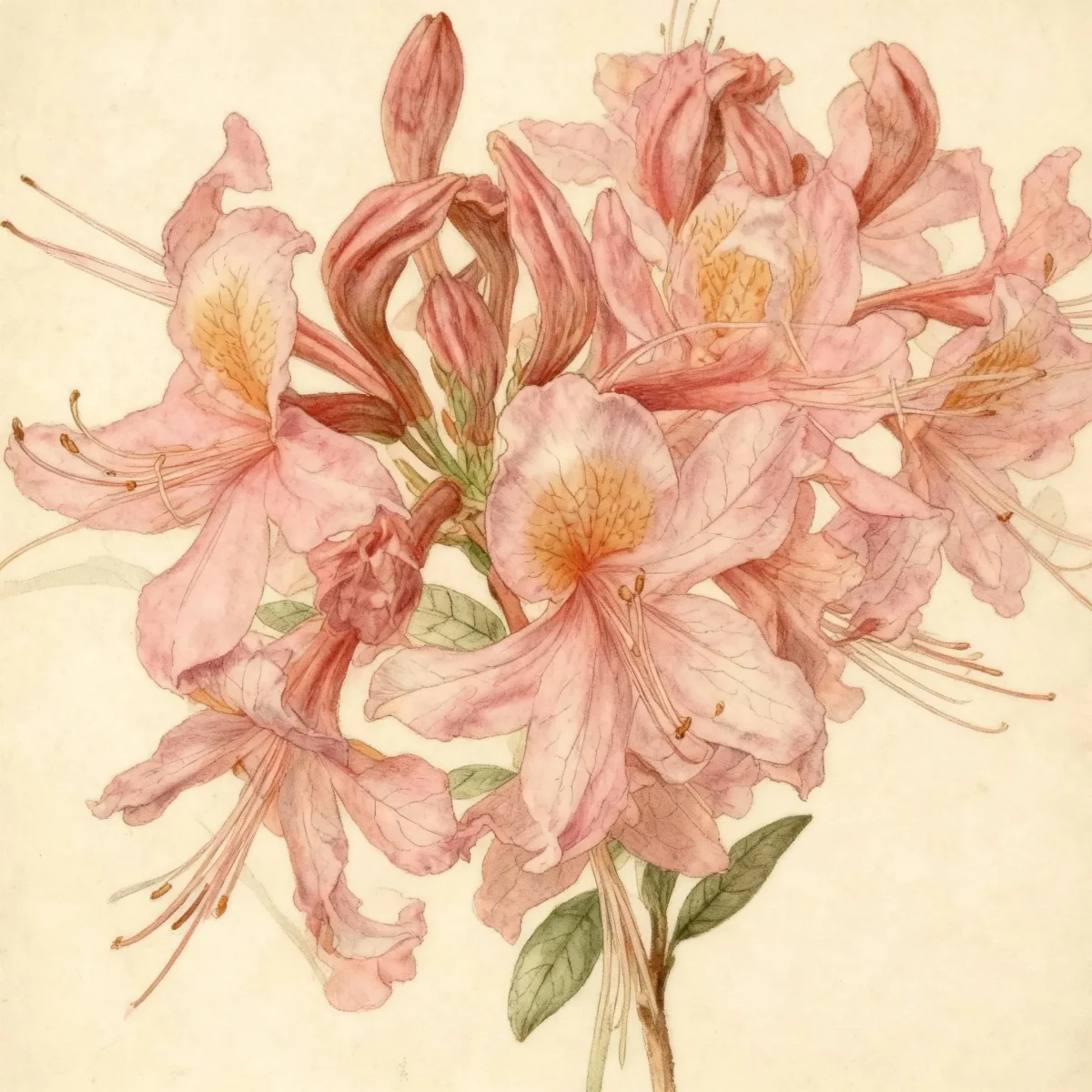
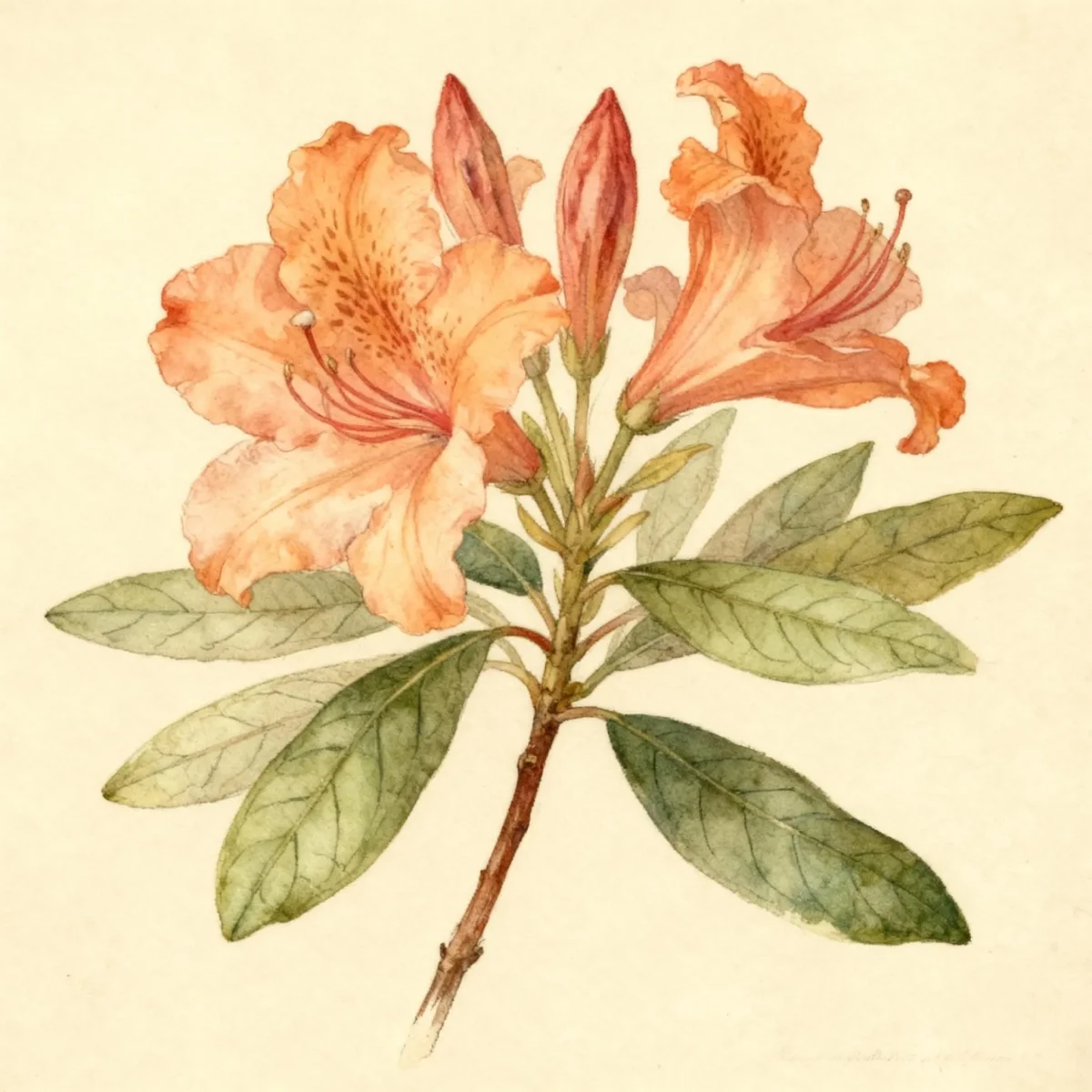
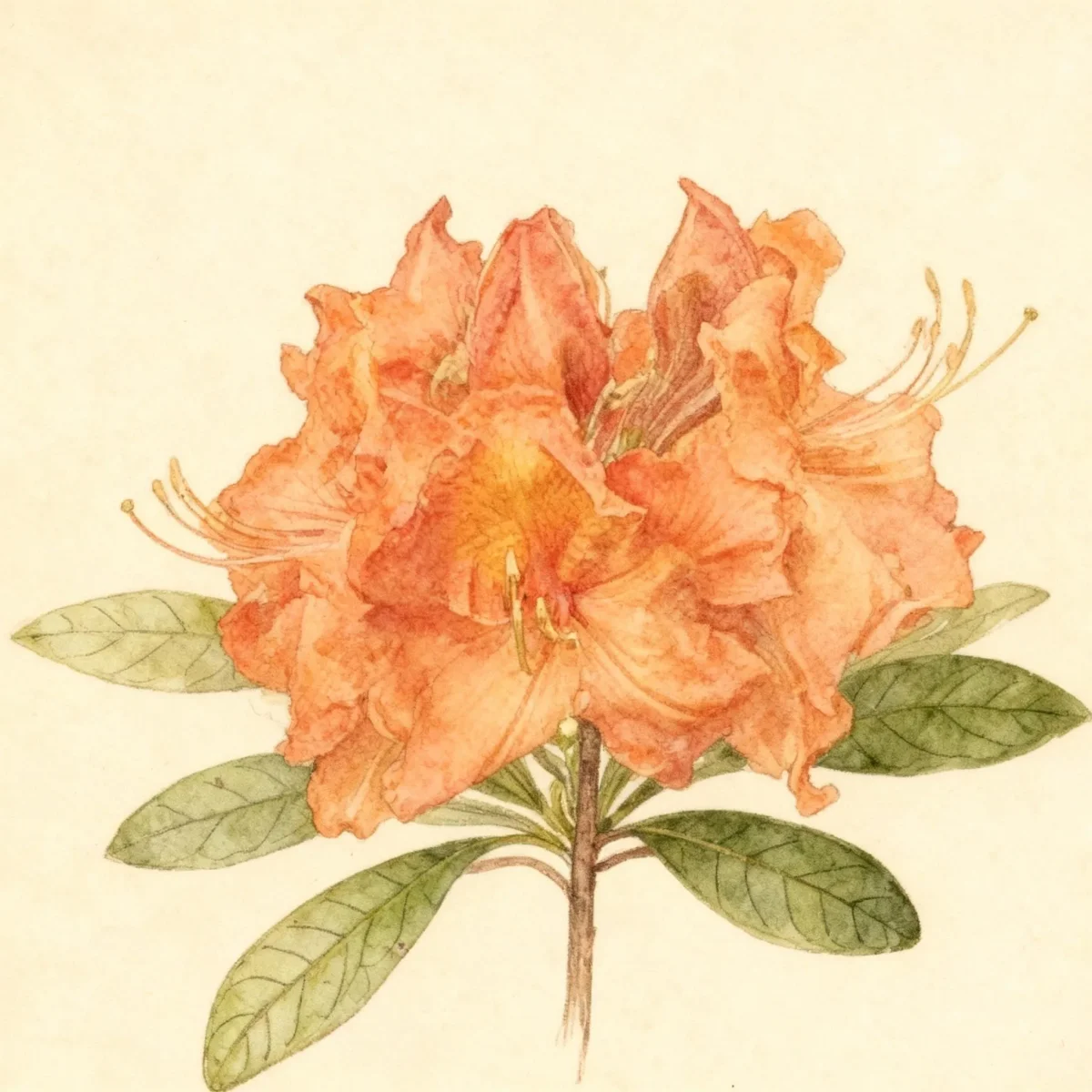
Rhododendron 'Clarice' is a showy, fragrant deciduous Azalea offering light yellowish pink blooms in spring. Ideal for acidic soils.
Scroll down to discover growing tips, care requirements, companion plants, and more
Complete Plant Information
Overview
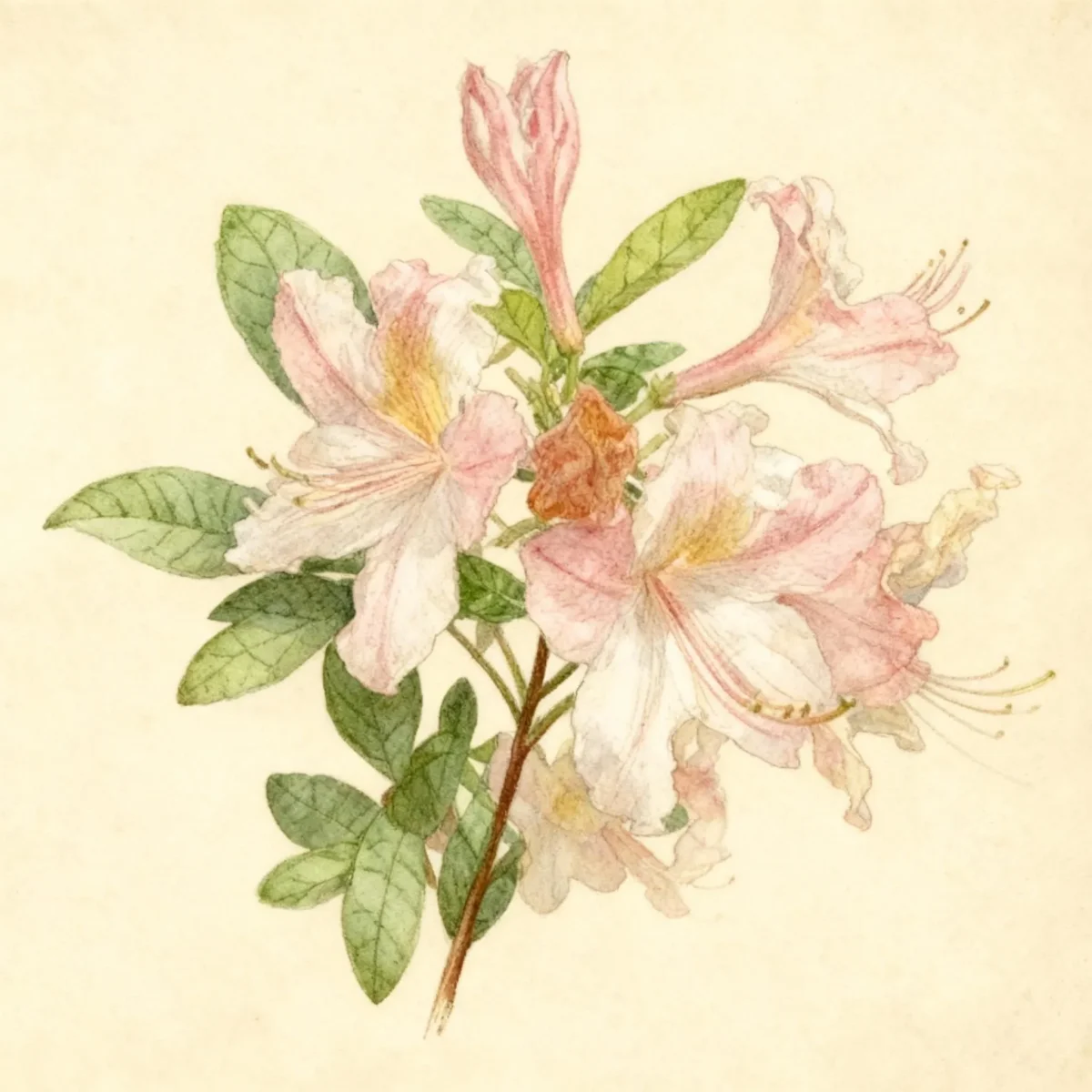
Rhododendron ‘Clarice’ is a highly valued deciduous Azalea, celebrated for its exceptional spring flowering display and light fragrance. As a hybrid Exbury azalea, this shrub provides a dense scattering of light yellowish pink blooms that signal the start of the warmer season in the garden. It reaches a medium height, making it versatile enough for borders or specimen planting.
This particular Azalea cultivar brings significant aesthetic appeal, though it requires attention to its specific soil and siting needs to thrive. Successful cultivation of Rhododendron ‘Clarice’ depends on maintaining consistently moist, acidic, and well-drained soil conditions. Gardeners appreciate its reliability when placed correctly, offering outstanding visual impact year after year.
The deciduous nature means that Rhododendron ‘Clarice’ will drop its leaves in the fall, contrasting with its evergreen relatives. This shrub is an excellent addition to woodland settings or shaded borders, providing vibrant color when many other plants are just emerging. Ensure proper drainage to protect the shallow roots of this beautiful Azalea.
Fast Facts
- Plant Family: Ericaceae
- Plant Type: Deciduous shrub
- Hardiness Zones: USDA Zones 5-8
- Size at Maturity:
- Height: 4-6 ft
- Spread: 3-5 ft
- Bloom Time: April to May
- Bloom Description: Light yellowish pink
- Sun Exposure: Part shade
- Water Needs: Medium
- Maintenance Level: Medium
How to Grow
Planting Rhododendron ‘Clarice’ is best done in spring or fall when soil temperatures are mild, ensuring the plant establishes before summer heat or winter cold. Select a location offering part shade, ideally receiving morning sun followed by afternoon shade, especially in warmer climates. The most critical cultural requirement is acidic soil between pH 5.0 and 5.5. Soil must be organically rich, humusy, and highly moisture-retentive yet possess excellent drainage; raised beds are recommended for heavy clay soils to prevent root rot.
Watering should remain consistent to meet its medium needs; the shallow, fibrous root systems must never dry out. Apply a thick layer of organic mulch, like wood chips or pine needles, around the base to help stabilize soil temperatures and retain moisture. Since these plants dislike root disturbance, avoid cultivating near them; instead, gently work amendments into the mulch layer.
Maintenance involves fertilizing to maintain soil acidity if necessary, using sulfur or iron sulfate to lower pH if the soil is too alkaline. Immediately after the light yellowish pink flowers fade in late spring, deadhead or clip off the spent flower clusters to encourage energy storage for next year’s bloom. Protect Rhododendron ‘Clarice’ from strong winds, and crucially, do not plant near walnut trees due to sensitivity to juglone toxins.
Landscape Uses
Rhododendron ‘Clarice’ is a superb choice for adding structure and seasonal drama to shaded areas of the landscape. Its medium size makes it highly functional as a specimen plant, drawing attention to a woodland margin or shaded corner. It also functions perfectly when used in mass plantings or as a component within mixed shrub borders for continuous texture.
When utilized as a hedge, this Azalea provides a dense, colorful screen during bloom time. Consider pairing Rhododendron ‘Clarice’ with other acid-loving plants such as ferns, hostas, or woodland flowering groundcovers that share similar requirements for dappled light and consistent moisture. Its structure also works well as an informal accent in foundation plantings where deep shade is avoided.
Standout Features
Flower Qualities
- Showy
- Fragrant
Noteworthy Characteristics
Rhododendron is a genus encompassing both rhododendrons and azaleas, originating primarily from the Northern Hemisphere. Deciduous azaleas like ‘Clarice’ are multi-stemmed shrubs that produce their lavish floral display early in spring before their thinner leaves emerge. Rhododendron ‘Clarice’ is specifically an Exbury azalea hybrid, growing 4 to 6 ft tall, noted for its lightly-scented blooms featuring light yellowish pink petals accented with an orange blotch.
Tolerances
- Rabbit
Potential Problems
Rhododendrons and Azaleas are susceptible to numerous insect and disease issues, including aphids, scale, borers, lacebugs, root rot, and powdery mildew. A common affliction is chlorosis, where leaves turn yellow, often indicating that the soil pH has risen too high, leading to iron deficiency. Maintaining the correct acidic soil environment is the best preventative measure against most health problems. Avoid planting near walnuts and ensure perfect drainage to mitigate the risk of devastating root rot.
Frequently Asked Questions
What hardiness zones is Azalea (Rhododendron ‘Clarice’) suitable for?
Rhododendron ‘Clarice’ is suitable for USDA Hardiness Zones 5 through 8.
How large does Azalea (Rhododendron ‘Clarice’) grow?
This deciduous shrub typically reaches a mature height of 4 to 6 feet and spreads between 3 and 5 feet wide.
What sun exposure does Azalea (Rhododendron ‘Clarice’) need?
Rhododendron ‘Clarice’ performs best in part shade; a location receiving morning sun with afternoon shade is ideal to prevent scorching its leaves.
When does Azalea (Rhododendron ‘Clarice’) bloom?
This Azalea blooms from April to May, producing showy flowers described as light yellowish pink.
Conclusion
The Rhododendron ‘Clarice’ offers gardeners a spectacular seasonal show defined by its fragrant, light yellowish pink flowers emerging early in spring. Its manageable size and suitability for hedges or borders make it a dynamic landscape feature, provided its specific need for acidic, well-drained soil is met. Before planting, always verify your local USDA hardiness zone compatibility and amend your soil structure accordingly to ensure this Azalea thrives.
Companion Planting
When designing a garden around Rhododendron ‘Clarice’, select plants that share the need for acidic soil and appreciate high shade or dappled light conditions. Consider incorporating shade-tolerant perennials like Hellebores (Lenten Rose) or Astilbe, whose feathery plumes offer textural contrast to the broad leaves of the Azalea. Groundcovers such as Japanese Forest Grass or various low-growing Phlox can effectively carpet the area beneath the shrub, helping to maintain cool, even moisture levels around the shallow roots.
Seasonal Care Calendar
Spring care focuses on cleanup and observation; gently snip off fading flower clusters immediately after the bloom period ends to redirect energy back into root and foliage development. Summer is critical for consistent moisture management; monitor watering schedules closely, especially during dry spells, ensuring the top layer of mulch stays damp but not soggy. During fall and winter, protect the location from harsh winds. If soil tests indicate pH creep, apply elemental sulfur now to begin lowering the pH gradually for the next season, preparing the environment for a magnificent spring display from your Rhododendron ‘Clarice’.