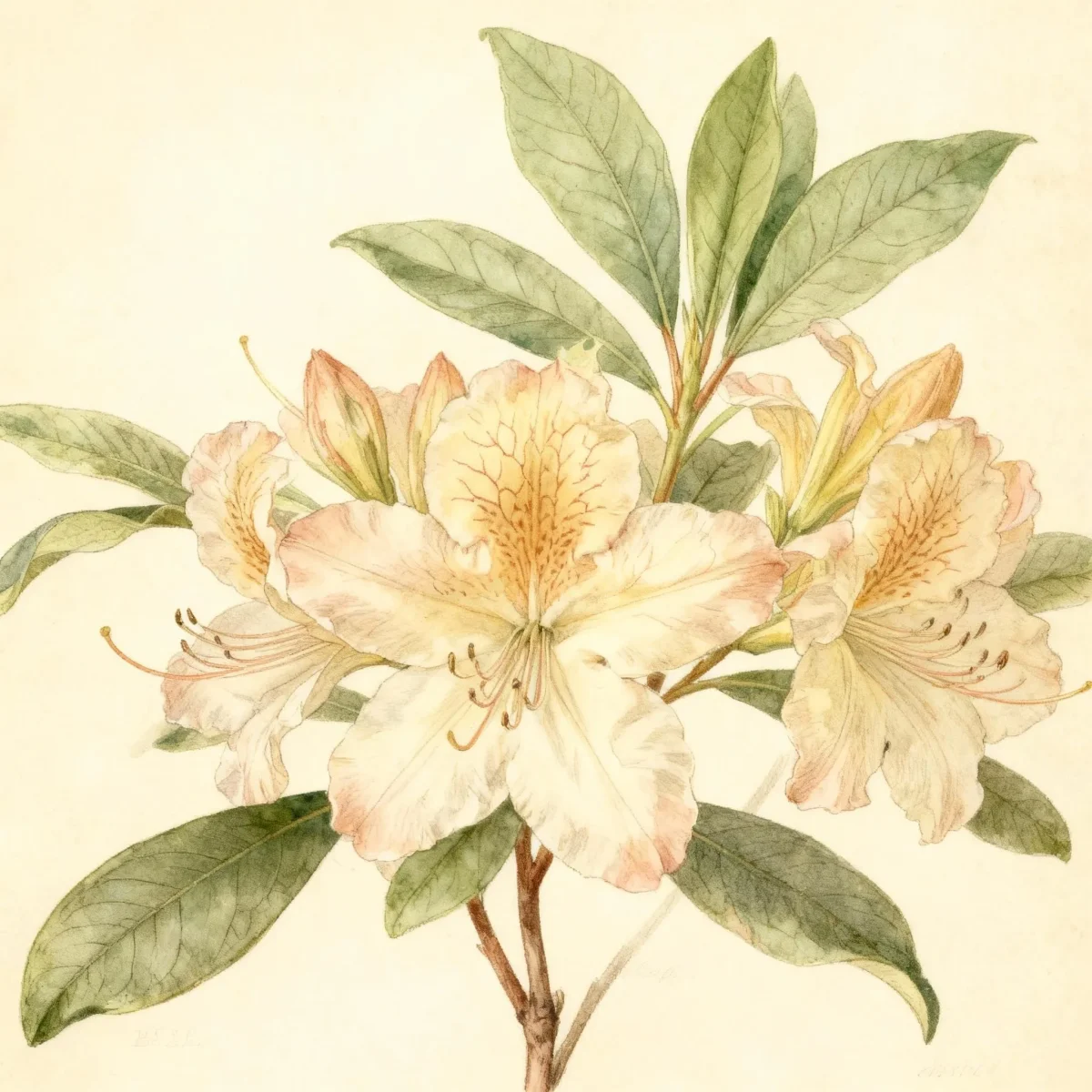
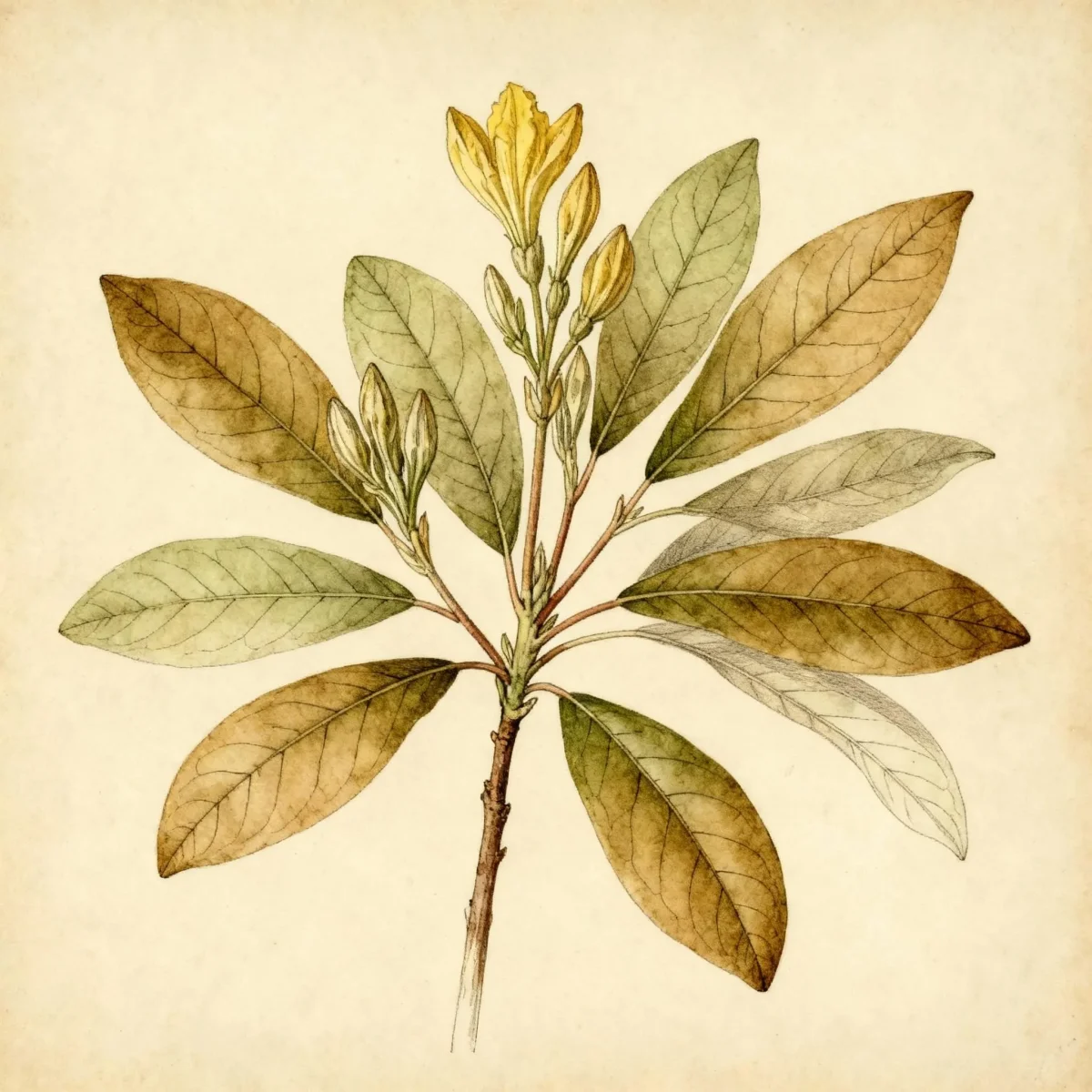
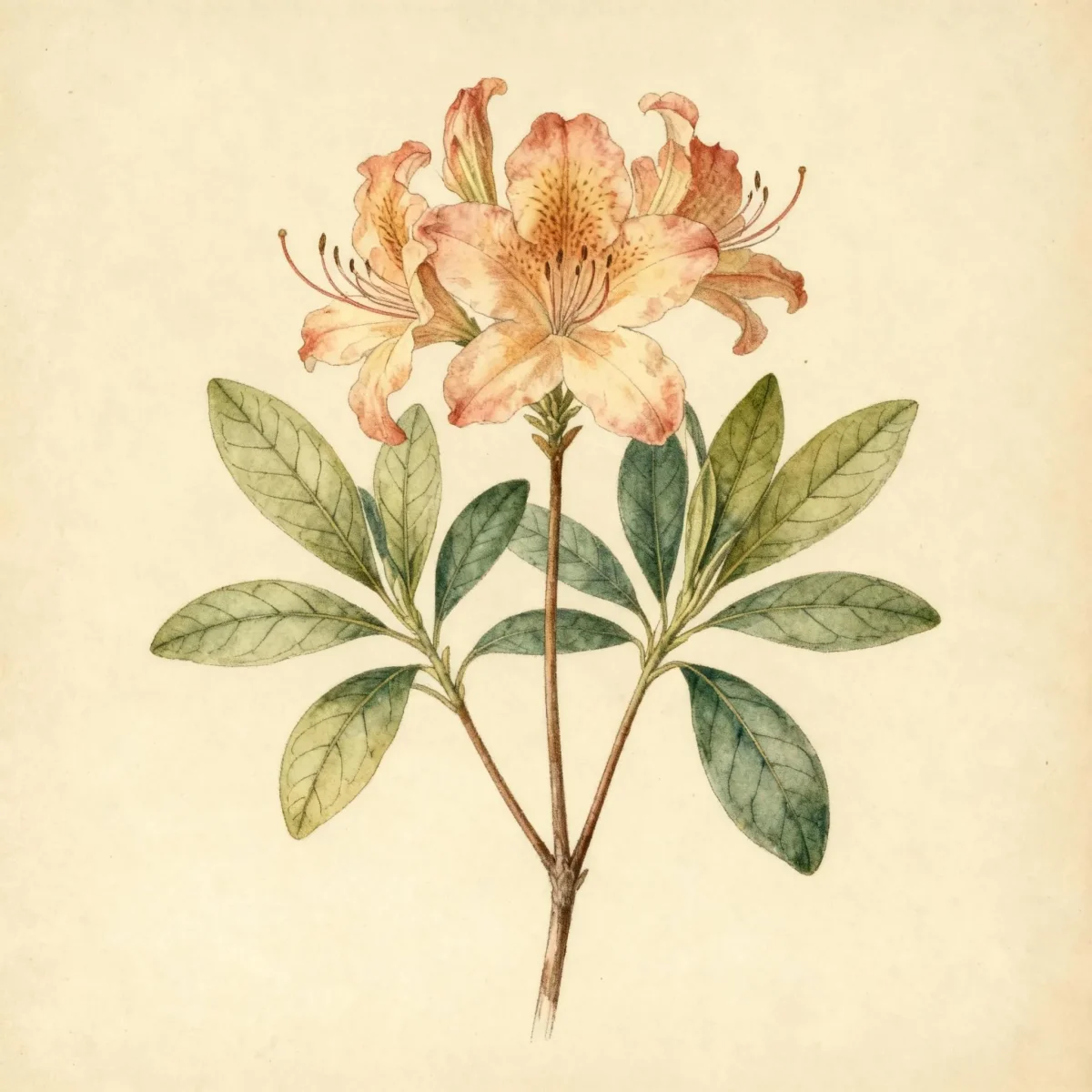
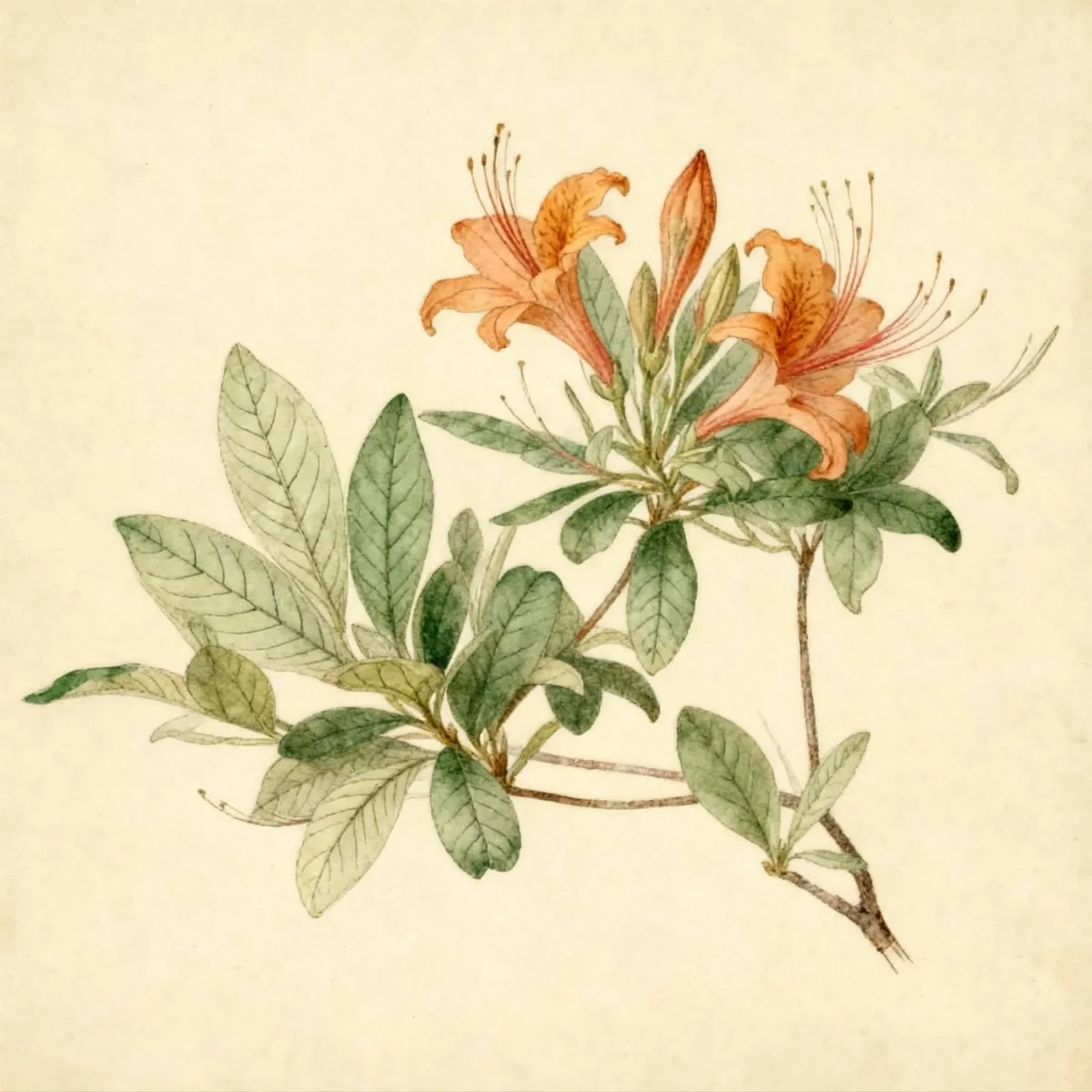
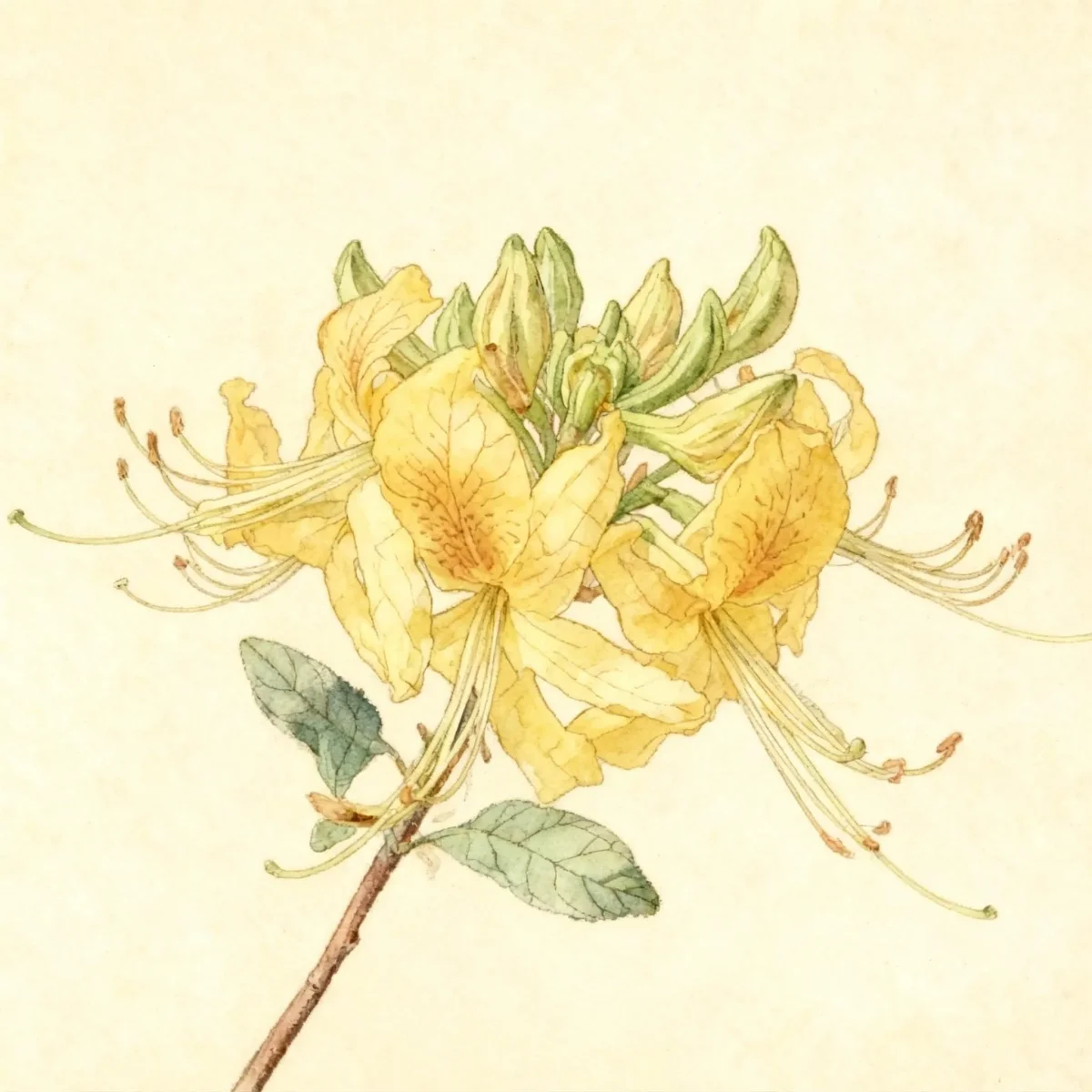
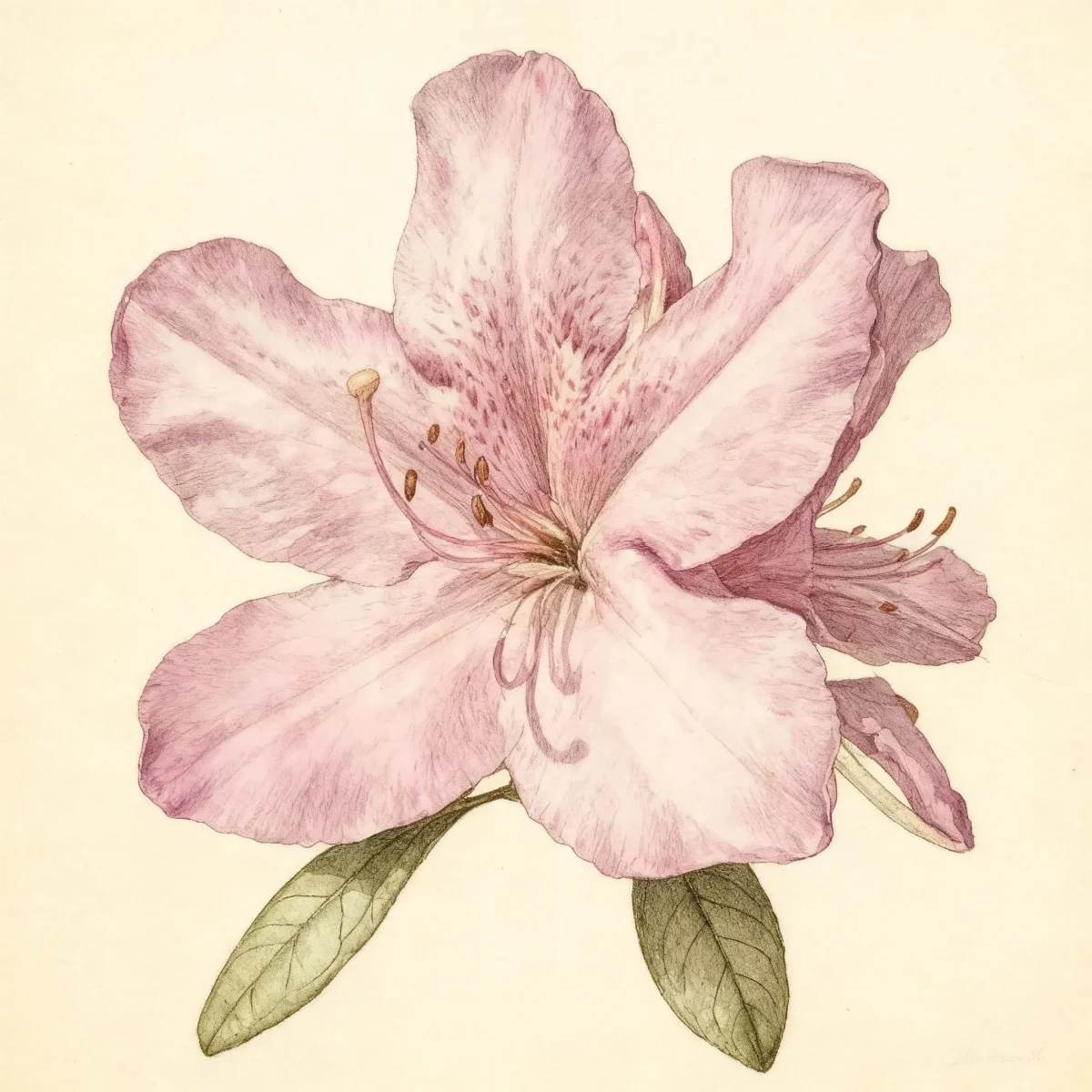
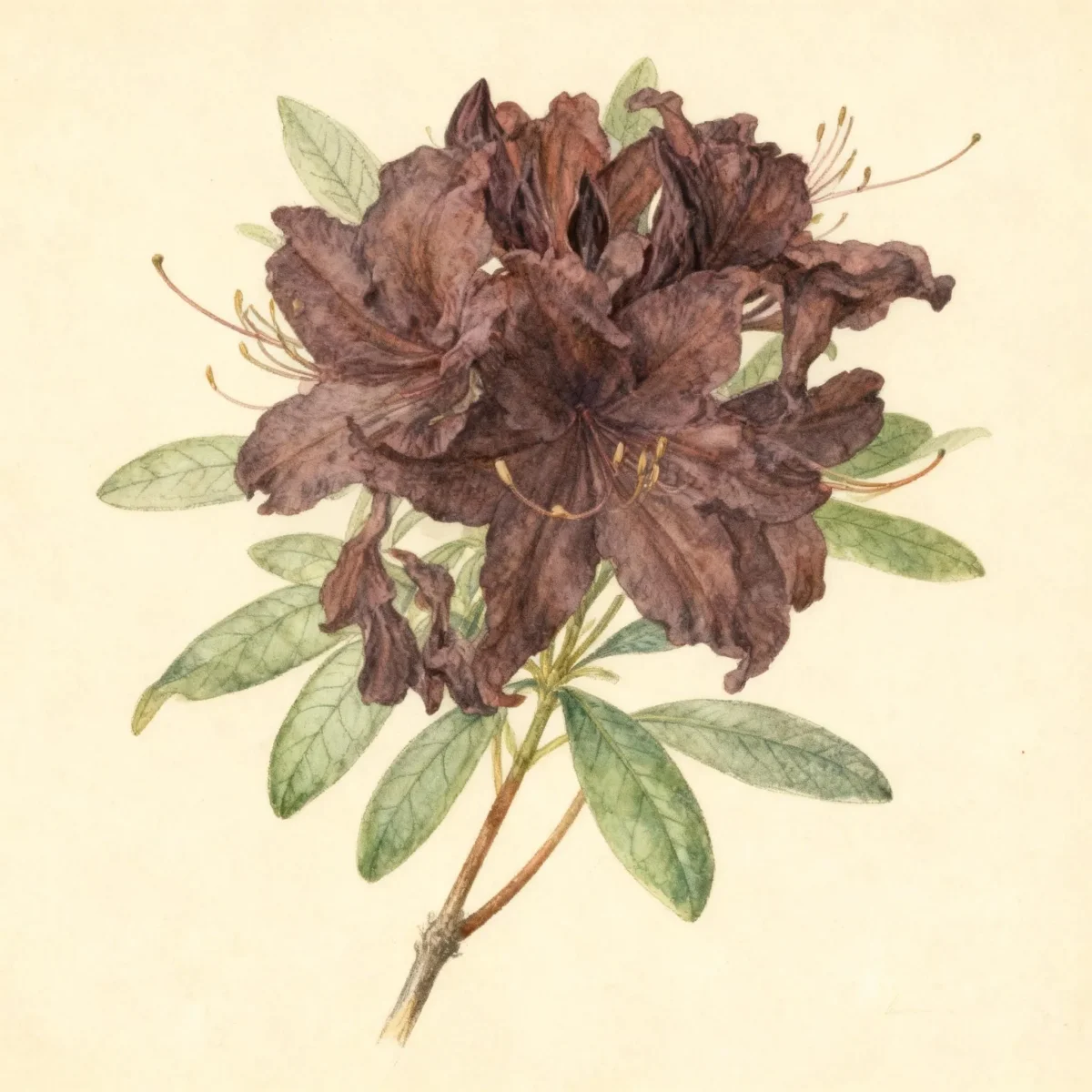
Azalea (Rhododendron 'Darkie')
Rhododendron 'Darkie' is a striking deciduous Azalea offering showy, fragrant, orange-red blooms in spring, ideal for part shade gardens in zones 7-9.
Scroll down to discover growing tips, care requirements, companion plants, and more
Complete Plant Information
Overview
Rhododendron ‘Darkie’ is a versatile deciduous Azalea prized by gardeners for its lavish spring display. This compact Ilam hybrid produces abundant, ruffled orange-red flowers, making it a highly visible addition to the temperate landscape. Azaleas, which are closely related to rhododendrons, provide beautiful early-season color and structure.
This shrub generally matures to a manageable size of 4 to 6 feet in both height and spread, fitting well into established borders or use as a formal hedge. As a deciduous variety, it offers seasonal interest by gracefully shedding its leaves in the fall, often revealing an attractive coppery-bronze hue before winter dormancy.
Cultivating Rhododendron ‘Darkie’ successfully involves meeting its specific requirements for acidic, well-drained soil, often necessitating careful site selection and pH management. Its fragrance and showy nature ensure it remains a favored choice for woodland gardens, mixed borders, and foundation plantings where dappled light prevails.
Fast Facts
- Plant Family: Ericaceae
- Plant Type: Deciduous shrub
- Hardiness Zones: USDA Zones 7-9
- Size at Maturity:
- Height: 4-6 ft
- Spread: 4-6 ft
- Bloom Time: April to May
- Bloom Description: Orange-red
- Sun Exposure: Part shade
- Water Needs: Medium
- Maintenance Level: Medium
How to Grow
The key to thriving Rhododendron ‘Darkie’ lies in soil preparation. Plant this Azalea in locations receiving part shade, favoring morning sun with afternoon shade, as hot afternoon exposure can scorch the leaves. It requires organically rich, humusy soil that is consistently medium in moisture but, critically, must be well-drained. Good drainage is essential, as these shrubs intensely dislike “wet feet,” which leads rapidly to root rot; consider raised beds in heavy clay soils.
Maintain the slightly acidic pH that Azaleas depend upon, ideally between 5.0 and 5.5. Adjustments can be made by incorporating sulfur or iron sulfate to lower pH levels. Because the roots are shallow and fibrous, avoid cultivating near the base of the plant. Applying a 2-3 inch mulch layer (bark, pine needles, or wood chips) helps retain moisture, stabilize soil temperature, and protect the sensitive root zone.
Watering should be consistent, ensuring the roots never dry out, especially during warm spells. After bloom time concludes in late spring, an important maintenance task is to gently clip off the spent flower clusters to encourage good energy allocation for next season’s buds. In its mature landscape role, Rhododendron ‘Darkie’ excels as a hedge, though it also works well massed or as a specimen.
Landscape Uses
Rhododendron ‘Darkie’ is highly versatile, excelling both as a standalone specimen and when integrated into larger design schemes. Its medium size makes it an excellent choice for creating defined shrub borders or softening the lines of foundation plantings. Many gardeners utilize this Azalea as a formal or informal hedge, providing consistent spring color along pathways or property lines.
For a classic woodland garden aesthetic, plant Rhododendron ‘Darkie’ beneath taller, light-filtering canopy trees to mimic its native environment requirements. Companion planting should focus on complementary acidic-loving species, such as ferns, holly, or companion Azaleas that share similar light and moisture needs. Grouping several Rhododendron ‘Darkie’ plants together enhances the visual impact of their massive bloom display.
Standout Features
Flower Qualities
- Showy
- Fragrant
Noteworthy Characteristics
Rhododendron is a genus of 500 to 900 species and includes both what we commonly call rhododendrons and azaleas, originating mostly from the Northern Hemisphere. ‘Darkie’, a compact Ilam hybrid, offers a major advantage by retaining its leaves through winter, complemented by beautiful coppery-bronze fall color. Flowering occurs early in spring before or just as the new foliage emerges, producing a lavish display of ruffled orange-red flowers with a light scent.
Tolerances
- Rabbit
Potential Problems
Rhododendrons and Azaleas are susceptible to various pest and disease complexes, though a healthy Rhododendron ‘Darkie’ grown in ideal conditions will face fewer issues. Common insect pests include lacebugs, scale, and aphids, while fungal diseases like leaf spot and root rot are primary concerns, often tied to poor air circulation or incorrect watering. Chlorosis, where leaves turn yellow, is a common signal that the soil pH is too high, leading to iron deficiency, which must be remedied by acidifying the soil. Vigilant monitoring and adherence to proper cultural practices—especially ensuring superior drainage—are the best preventative measures against these common challenges.
Frequently Asked Questions
What hardiness zones is Azalea (Rhododendron ‘Darkie’) suitable for?
Rhododendron ‘Darkie’ is hardy and thrives best in USDA Zones 7 through 9.
How large does Azalea (Rhododendron ‘Darkie’) grow?
This deciduous shrub typically reaches a mature height between 4 and 6 feet, with a similar spread of 4 to 6 feet.
What sun exposure does Azalea (Rhododendron ‘Darkie’) need?
Rhododendron ‘Darkie’ requires part shade; it performs best with morning sun and protection from intense afternoon light.
When does Azalea (Rhododendron ‘Darkie’) bloom?
This spectacular Azalea blooms reliably from April to May, featuring showy, orange-red flowers.
Conclusion
Rhododendron ‘Darkie’ is a valuable addition for any gardener looking for vibrant early-season color and appealing structure, highlighted by its fragrant, showy bloom. Successfully growing this Azalea depends heavily on providing its necessary acidic, well-drained soil conditions in a partially shaded location. Before planting, confirm your garden’s hardiness zone compatibility and plan your soil amendments to ensure this beautiful shrub flourishes for years to come.
Companion Planting
Successful companion planting around Rhododendron ‘Darkie’ focuses on maintaining soil acidity and providing layered interest beneath the partial shade canopy. Companion plants should share the need for consistently moist, acidic, and rich soil, mirroring the needs of the Azalea. Consider incorporating acid-loving evergreen companions like large-leaf Rhododendrons or Pieris japonica for year-round structure.
For textural contrast and ground cover beneath the 4-6 ft spread of the shrub, Japanese Forest Grass (Hakonechloa) or various Hosta cultivars known for thriving in dappled light are excellent choices. These combinations thrive in the conditions Rhododendron ‘Darkie’ demands, creating a lush, balanced woodland border that requires focused moisture management across all species.
Seasonal Care Calendar
Spring success for this Azalea involves promptly removing spent flower clusters immediately after the April to May bloom period ends; this redirects energy into setting next year’s buds rather than seed production. Continue monitoring soil moisture closely during spring expansion as shallow roots dehydrate quickly when the weather warms.
Summer care centers on managing moisture and temperature; deep, infrequent watering is usually preferred over light surface sprinkling, ensuring the mulch layer stays intact to prevent the fibrous roots from drying out in the heat. Avoid heavy cultivation near the drip line during this sensitive period.
In the fall, apply a fresh layer of organic mulch as needed, which will help insulate the roots against winter cold, especially important for maintaining the health of Rhododendron ‘Darkie’ in its marginal hardiness zones. Foliage that begins to transition to coppery-bronze signals the plant is preparing for dormancy.