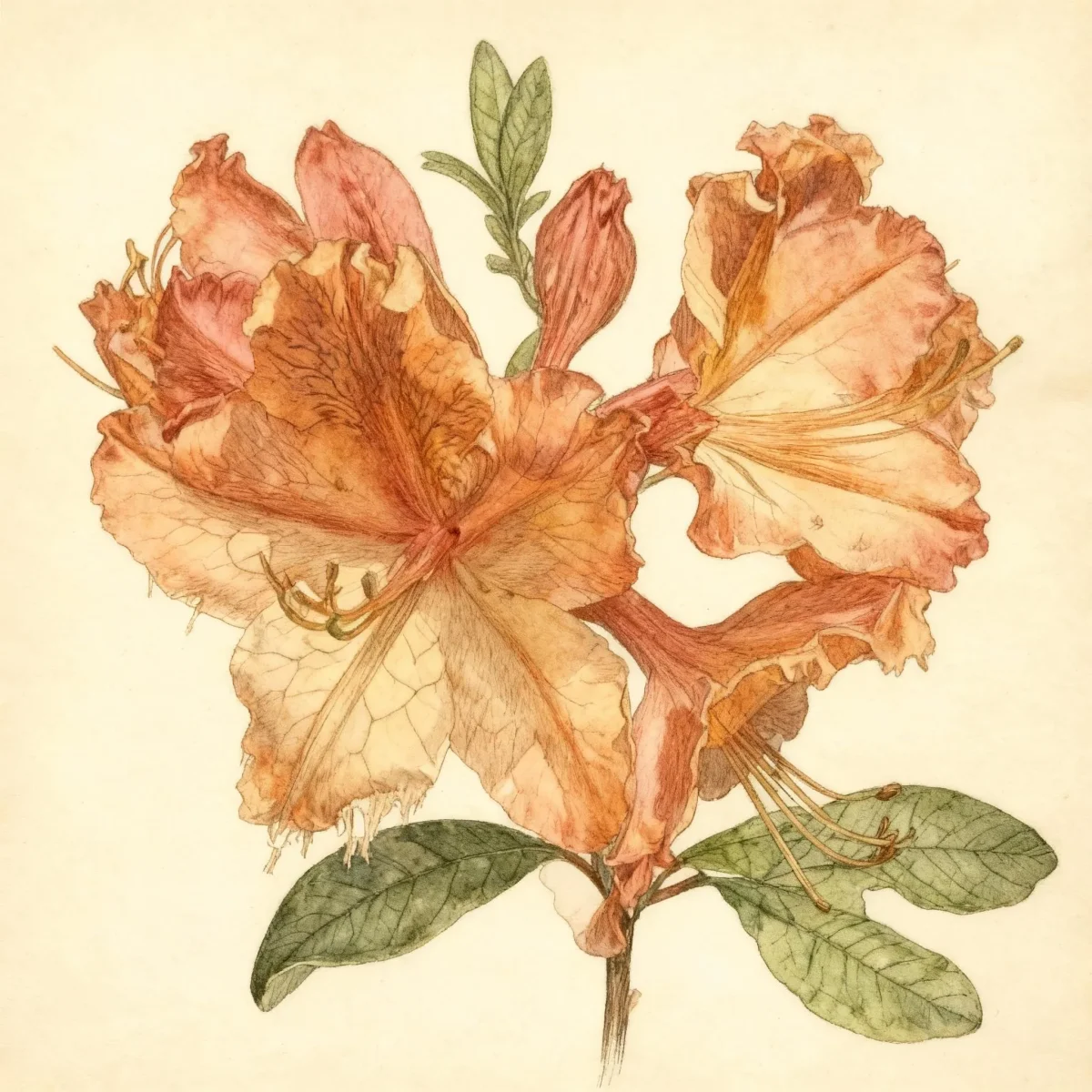
Azalea (Rhododendron 'Fanny')
Rhododendron 'Fanny' is a showy, fragrant deciduous Azalea offering purplish-pink blooms in Zones 5-8.
Scroll down to discover growing tips, care requirements, companion plants, and more
Complete Plant Information
Overview
Rhododendron ‘Fanny’ is a highly valued deciduous Azalea, celebrated for its lavish springtime display. As a Ghent Hybrid, this shrub delivers a significant burst of color, making it a focal point in any spring garden composition. Gardeners appreciate this Azalea for its medium size and appealing form, which functions well in mixed borders or as a standalone specimen planting.
This deciduous shrub reaches 4 to 6 feet in height and spread, offering a dense structure that fades gracefully in winter, differing from its evergreen cousins. The bloom time is typically April to May, featuring attractive purplish-pink flowers that are both showy and lightly fragrant. Successful cultivation hinges on providing the specific acidic, well-drained soil conditions that Rhododendron ‘Fanny’ demands.
Beyond its aesthetic appeal, Rhododendron ‘Fanny’ works effectively as an informal hedge or integrated into woodland settings where dappled light prevails. Proper placement ensures vibrant health, minimizing stress factors like intense afternoon sun exposure prevalent in warmer climates. Understanding the specific site needs is key to maximizing the performance of this classic Azalea variety.
Fast Facts
- Plant Family: Ericaceae
- Plant Type: Deciduous shrub
- Hardiness Zones: USDA Zones 5-8
- Size at Maturity:
- Height: 4-6 ft
- Spread: 4-6 ft
- Bloom Time: April to May
- Bloom Description: Purplish-pink
- Sun Exposure: Part shade
- Water Needs: Medium
- Maintenance Level: Medium
How to Grow
Rhododendron ‘Fanny’ requires meticulous attention to soil chemistry and moisture retention for best results. Plant during the cooler seasons, ensuring the location provides morning sun or high, consistent part shade, avoiding harsh afternoon heat which can scorch the leaves. The most critical factor is the soil: it must be acidic (pH 5.0 to 5.5), organically rich, humusy, and exceptionally well-drained. If you have heavy clay, consider raised beds to prevent root rot, as Azaleas hate “wet feet.”
These Azaleas possess shallow, fibrous root systems, meaning cultivation directly around the base must be avoided to prevent root damage. Immediately after planting, apply a thick layer of mulch, such as bark or pine needles, to stabilize soil temperatures and retain consistent moisture. Water needs are medium, but consistency is vital; the roots must never be allowed to dry out completely.
Maintenance for Rhododendron ‘Fanny’ includes timely deadheading; clip off spent flower clusters immediately after blooming finishes, if practicable. This encourages energy redirection toward next year’s flower buds rather than seed production. Regularly monitor the soil pH. If the leaves show yellowing (chlorosis), it typically signals high soil pH leading to iron deficiency; amend with sulfur or iron sulfate to lower the pH as needed.
Crucially, avoid planting Rhododendron ‘Fanny’ under walnut trees, as the toxic juglones produced by their roots are detrimental to most Azaleas. Protection from strong winds is also beneficial for the delicate foliage and flower display.
Landscape Uses
Rhododendron ‘Fanny’ excels when utilized where moist, acidic soil conditions are naturally present or can be easily created. Its height and moderate spread make it an outstanding choice for creating informal shrub borders where periodic screening or structure is needed. Because it is a deciduous Azalea, it integrates beautifully into woodland garden designs, thriving under the canopy of taller, filtered-light trees.
This variety is highly effective when grouped together for mass planting, creating a spectacular spring impact due to its prolific bloom set. Alternatively, use individual plants as specimens to anchor the corner of a foundation planting or as the backbone in a mixed border alongside spring ephemerals and acid-loving companions like blueberries or mountain laurels.
Its tendency to branch into a nice multistemmed habit lends itself well to use as a soft, flowering hedge where a solid barrier isn’t required, offering seasonal color rather than year-round screening. Ensure air circulation is adequate to reduce the risk of fungal issues, often promoted by overly dense plantings.
Standout Features
Flower Qualities
- Showy
- Fragrant
Noteworthy Characteristics
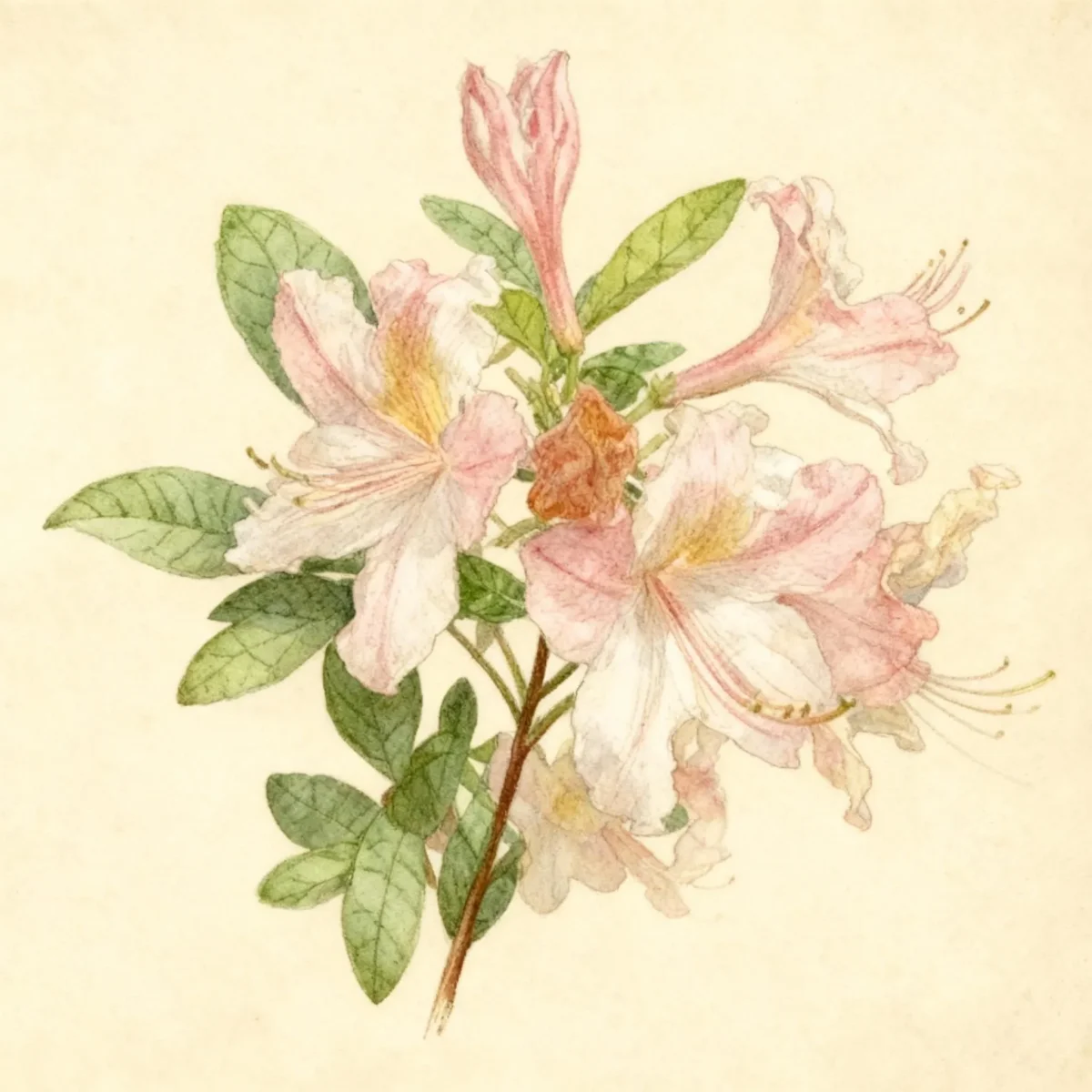
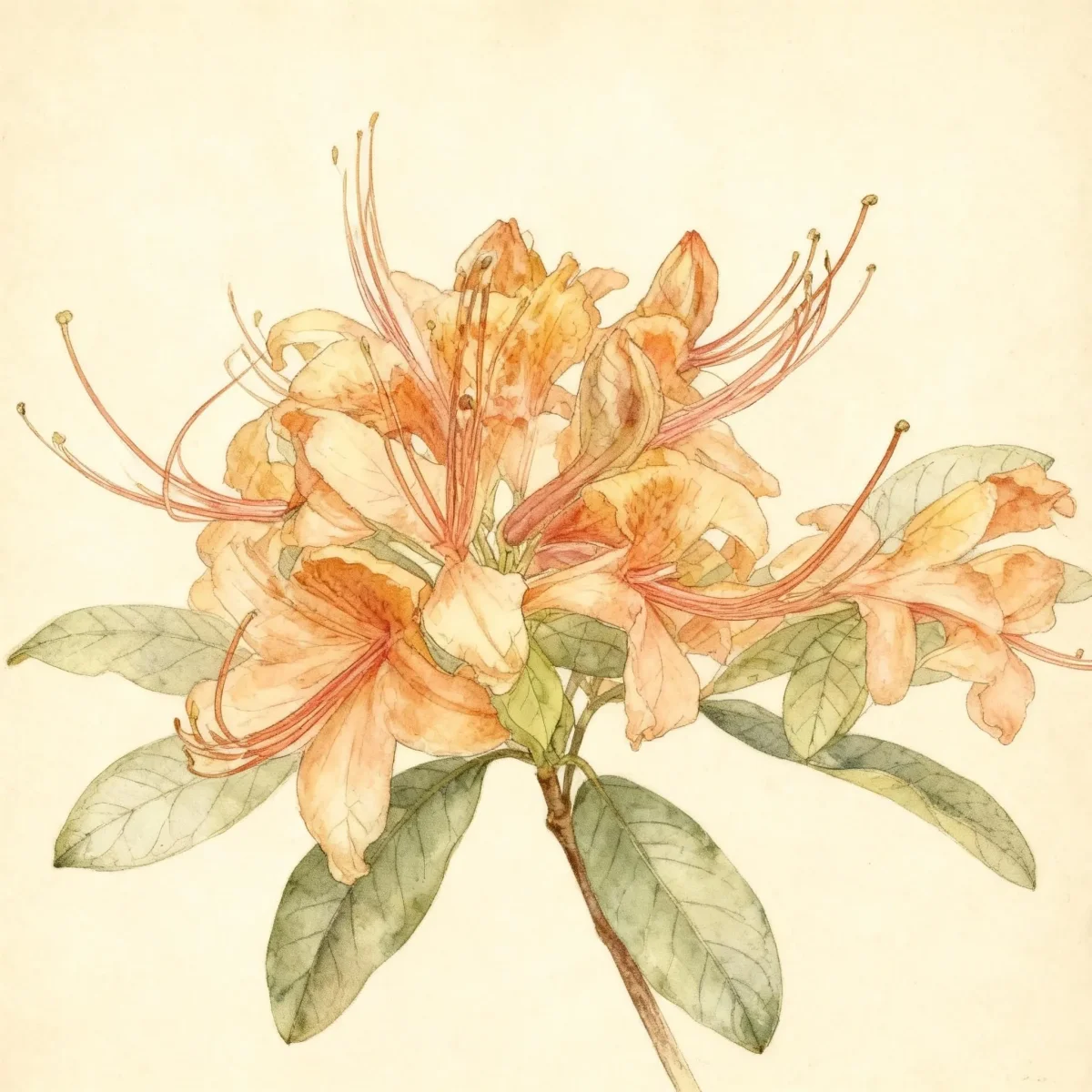
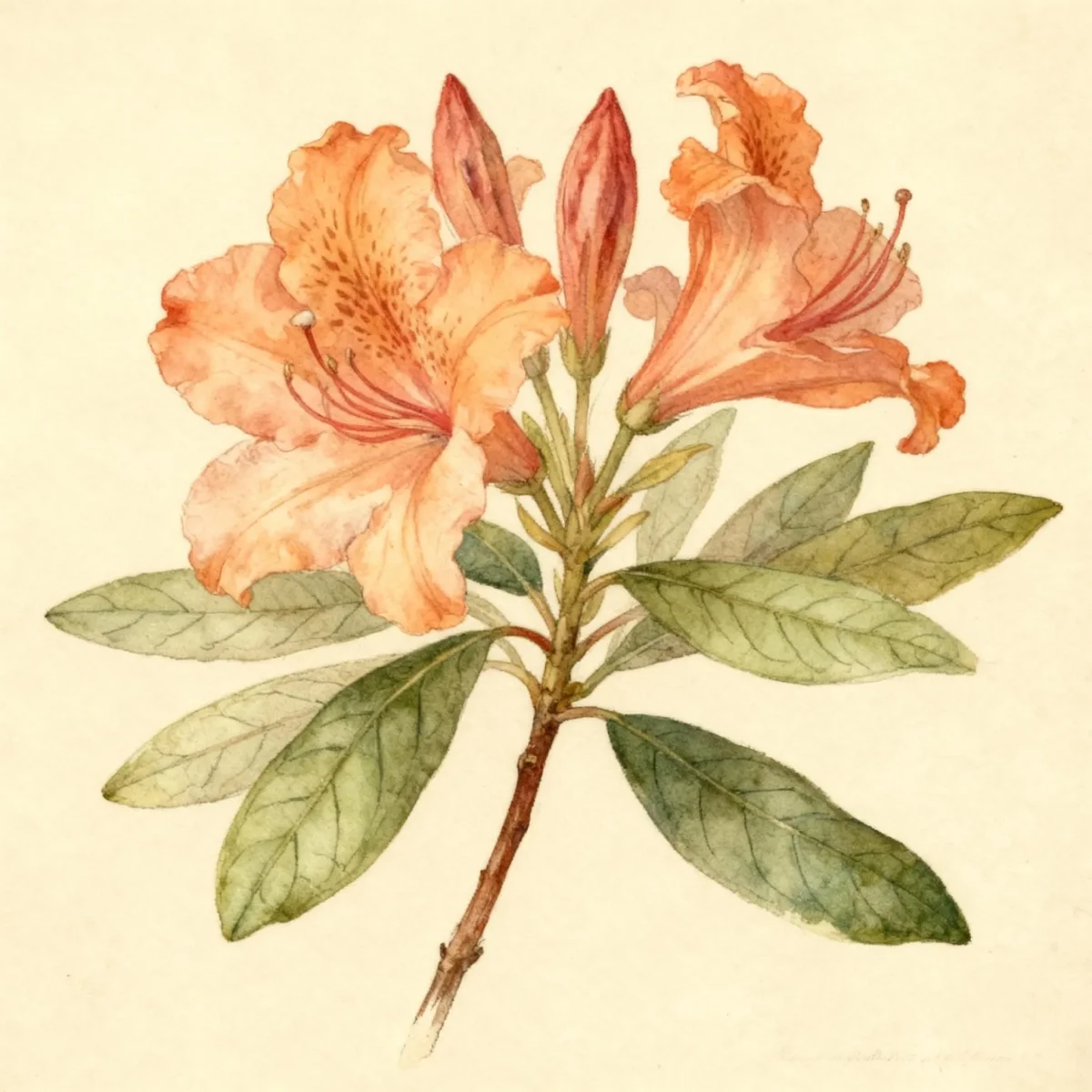
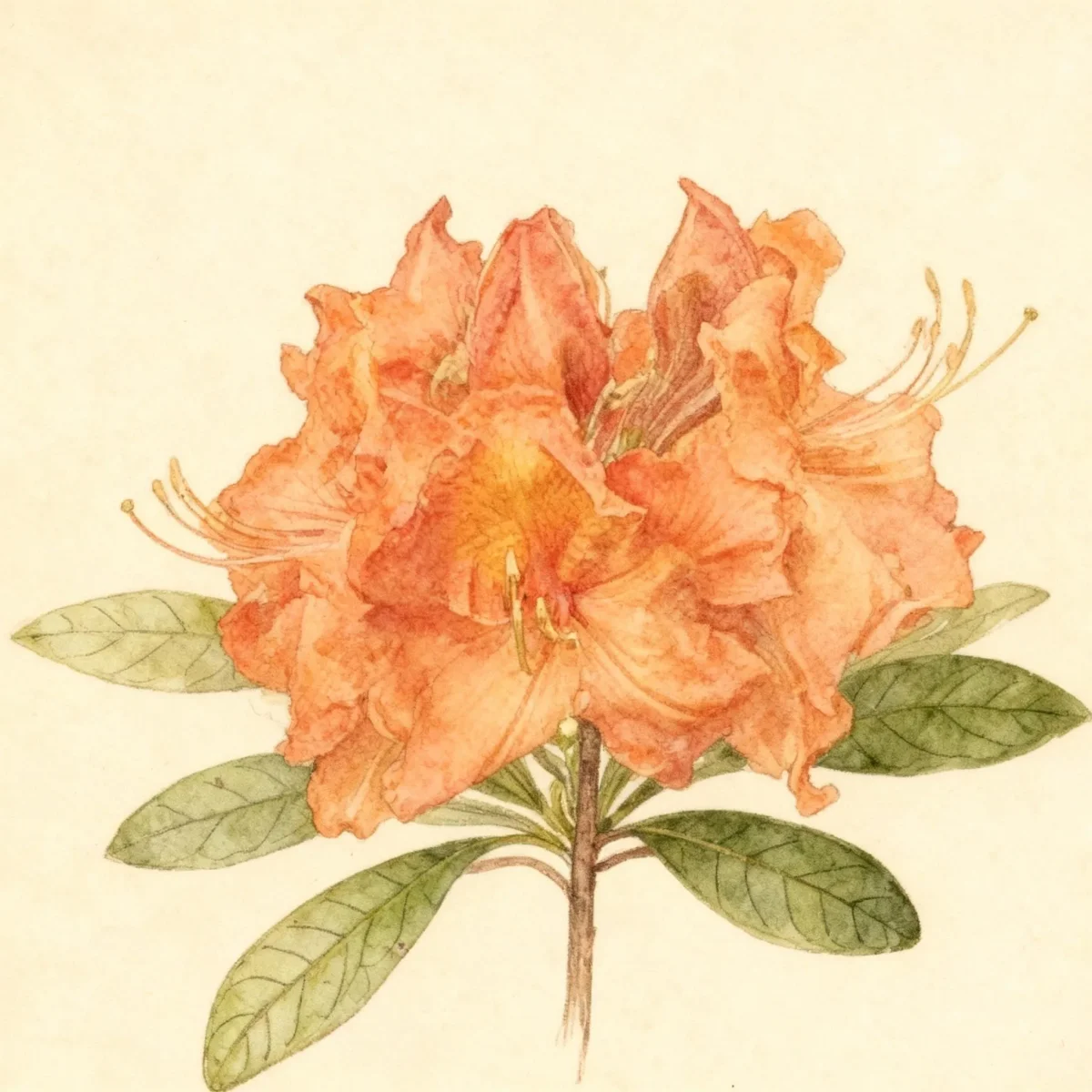
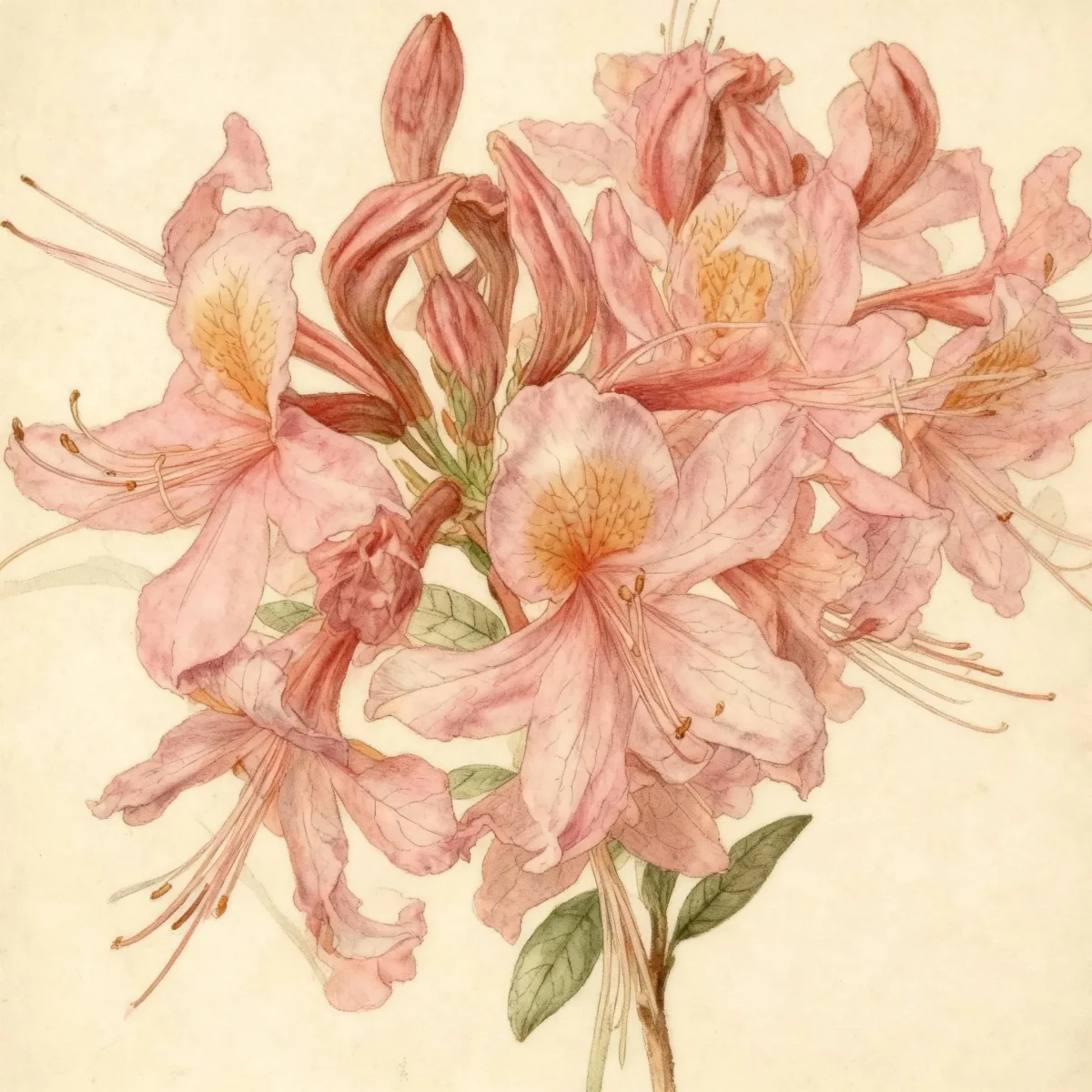
Rhododendron ‘Fanny’ is one of the many excellent hybrid cultivars within the vast Rhododendron genus, which encompasses both traditional rhododendrons and azaleas. This specific plant derives from Ghent Hybrid azaleas bred in Belgium in the early 1800s. It produces 2¼” tubular, funnel-shaped flowers that are purplish-pink, accented by an orange-yellow blotch on the dorsal lobe, culminating in recurved petals. This deciduous Azalea drops its leaves in the fall, focusing its glorious flowering performance early in the spring, often just as new foliage emerges.
Tolerances
- Rabbit
Potential Problems
Rhododendrons and Azaleas, including Rhododendron ‘Fanny’, are targets for a variety of pests and diseases if cultural conditions are not ideal. Common insect problems include scale, lacebugs, aphids, and borers, requiring vigilant scouting, especially on the undersides of the leaves. Diseases like root rot and crown rot are primary concerns, usually triggered by poor drainage or overly wet soil, emphasizing the need for well-aerated, acidic soil.
If you notice leaves turning yellow, investigate soil pH first; chlorosis is often a sign that the soil pH is too high, inhibiting the plant’s ability to absorb iron. Management should focus on prevention: ensuring correct soil pH, adequate air circulation, and avoiding planting near walnut trees will significantly limit the need for chemical intervention against pests and fungal issues. Maintaining consistent moisture without waterlogging is the daily key to keeping this Azalea healthy.
Frequently Asked Questions
What hardiness zones is Azalea (Rhododendron ‘Fanny’) suitable for?
Rhododendron ‘Fanny’ is best grown in USDA Hardiness Zones 5 through 8. Always confirm local zone compatibility before planting.
How large does Rhododendron ‘Fanny’ grow?
This Azalea typically matures to a medium size, reaching a height between 4 and 6 feet, with a similar spread of 4 to 6 feet wide.
What sun exposure does Azalea (Rhododendron ‘Fanny’) need?
This plant thrives best in part shade or sun-dappled locations. Morning sun followed by afternoon shade is an ideal compromise for optimal bloom performance.
When does Rhododendron ‘Fanny’ bloom?
The visual highlight occurs from April to May, featuring masses of purplish-pink flowers that offer some fragrance.
Conclusion
The Rhododendron ‘Fanny’ Azalea offers gardeners a wonderfully fragrant and showy display early in the season, setting it apart as a valuable deciduous selection for woodland or border plantings. By prioritizing acidic, humusy, and consistently moist soil, you ensure this spectacular Azalea reaches its full 4-to-6-foot potential. Check your soil pH today and plan your planting location to enjoy the purplish-pink splendor of Rhododendron ‘Fanny’ next spring.
Companion Planting Strategies
Selecting companions for Rhododendron ‘Fanny’ should focus on plants that share the need for acidic soil and part-shade conditions. Plants like Camellias, Pieris (Andromeda), and various evergreen Azaleas create excellent layered looks beneath taller trees. Near the base, consider acid-loving groundcovers such as Japanese Forest Grass (Hakonechloa macra) or hardy Ferns, which appreciate the filtered light and moist root zone provided by the Azalea’s shallow roots.
When using Rhododendron ‘Fanny’ as a hedge or border element, contrast its mid-spring bloom with plants that offer summer or fall interest to maintain garden structure. Hostas work exceptionally well for texture and foliage contrast in shaded areas adjacent to this Azalea. Remember always to maintain a clear, uncultivated zone immediately surrounding the base of the Azalea to protect its sensitive, fibrous root system.
Seasonal Care Calendar
Spring preparation is critical: after flowering on the Rhododendron ‘Fanny’ subsides, immediately deadhead faded blooms to encourage bud formation for the following year. Ensure mulch layers are refreshed mid-spring to conserve moisture as summer approaches. If chlorosis (yellowing) is noted, begin soil acidification treatments promptly using iron sulfate or elemental sulfur.
Summer months demand consistent moisture management. While water needs are medium, the shallow roots dry out quickly, especially in full sun or windy spots. Water deeply and slowly when the top inch of soil begins to feel slightly dry; never allow the roots to desiccate fully. Avoid overhead summer watering late in the day, which can promote foliage diseases.
As fall arrives, cease fertilization; fertilizers applied too late can encourage tender new growth that will be damaged by early frosts, weakening the Azalea. Winter protection for young or vulnerable Rhododendron ‘Fanny’ specimens involves ensuring they have adequate moisture going into dormancy, especially if fall was dry. Protection from harsh winter winds is often more beneficial than heavy mulching at this stage.