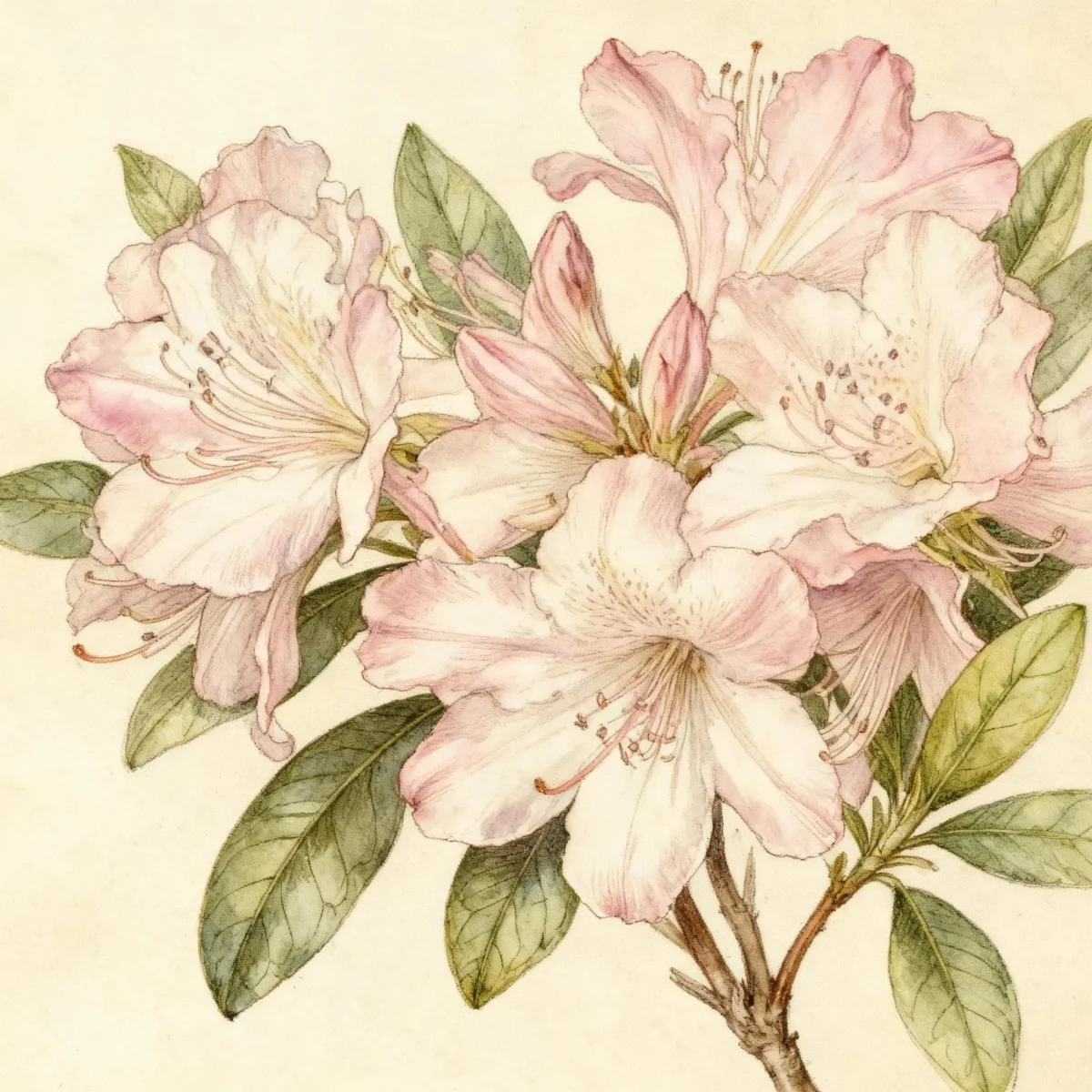
Evergreen azalea (Rhododendron 'Fred D. Cochran')
Rhododendron 'Fred D. Cochran' is a showy Evergreen azalea thriving in zones 5-8, known for magenta-red blooms in shade.
Scroll down to discover growing tips, care requirements, companion plants, and more
Complete Plant Information
Overview
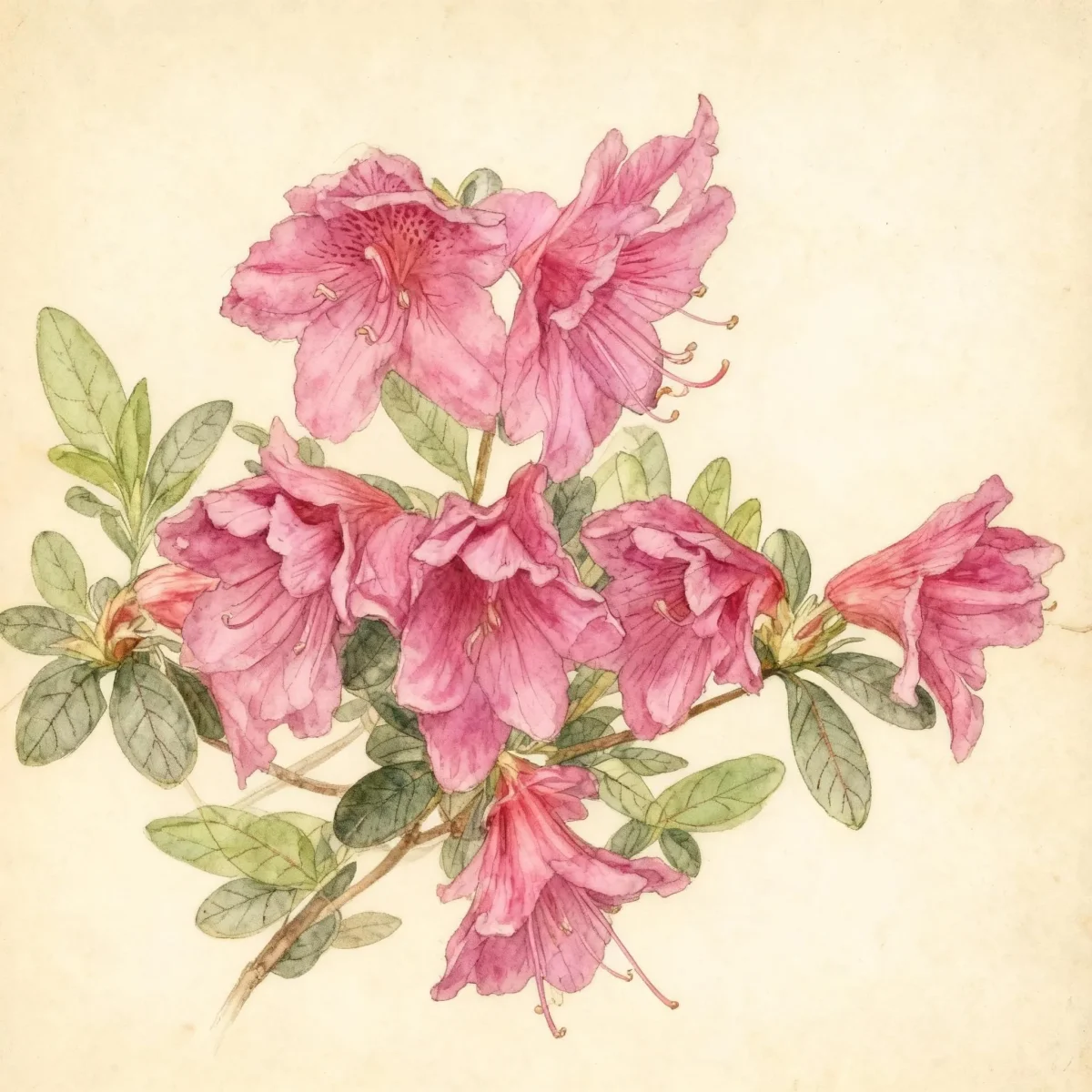
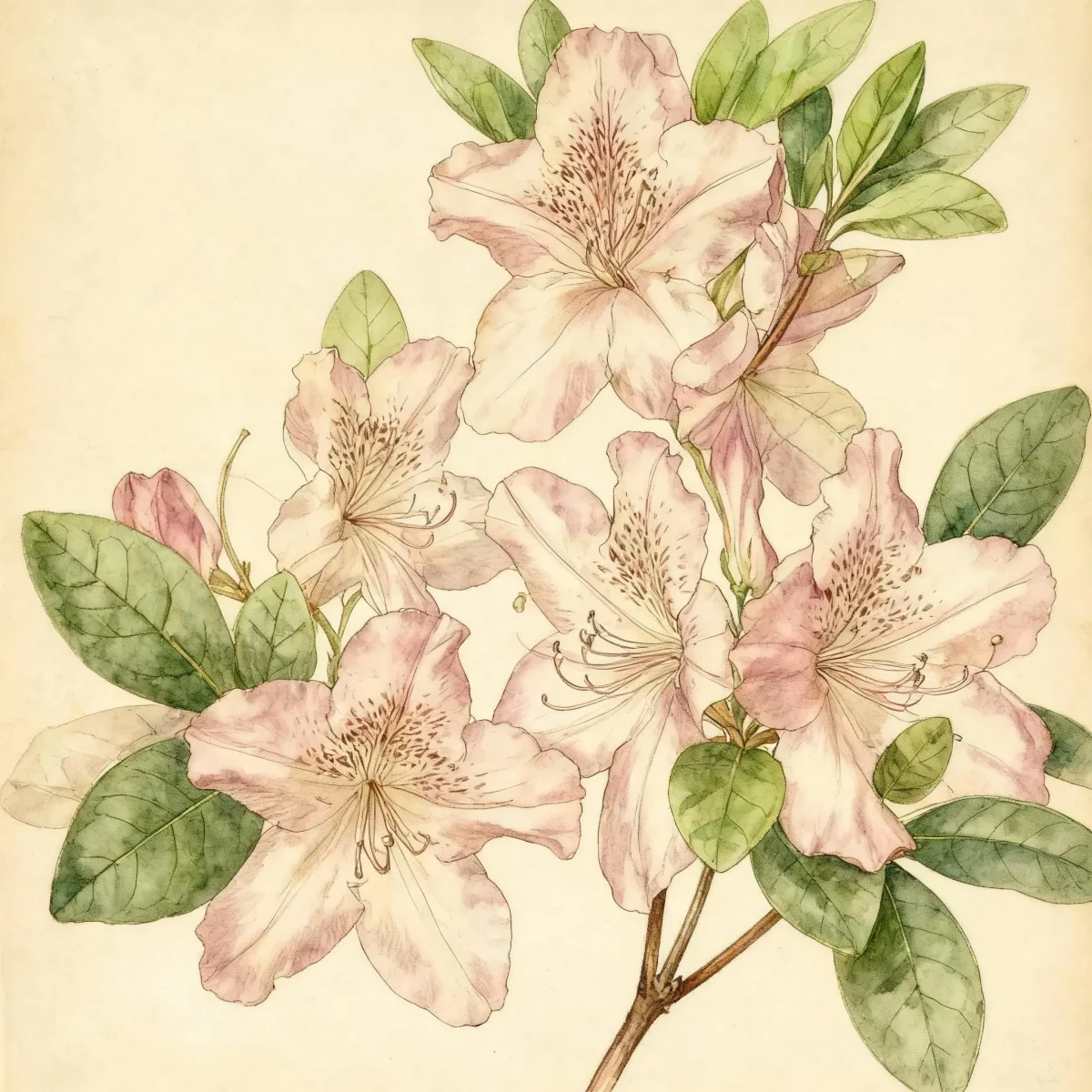
Rhododendron ‘Fred D. Cochran’ is a highly valued broadleaf evergreen azalea celebrated for its stunning spring floral display. This cultivar, introduced by NC State University, offers vibrant magenta-red flowers uniquely spotted with deeper magenta, making it a centerpiece in cooler climate gardens. As an Evergreen azalea, it provides consistent foliage structure throughout the dormant winter months, offering year-round visual interest.
This shrub typically matures to a manageable size of 3 to 5 feet in height and spread, fitting perfectly into mixed borders or foundation plantings. Rhododendron ‘Fred D. Cochran’ requires specific cultural conditions, notably acidic, well-drained soil and protection from harsh afternoon sun, to achieve its best performance. Gardeners appreciate this specific hybrid for its superior resistance to Phytophthora root rot compared to many other rhododendrons.
The reliability and rich coloring of Rhododendron ‘Fred D. Cochran’ ensure it remains a popular choice for adding structure and a significant spring show to woodland and shade gardens. Successful cultivation focuses heavily on managing soil pH and ensuring consistent, moderate moisture levels, rewarding diligent care with spectacular results.
Fast Facts
- Plant Family: Ericaceae
- Plant Type: Broadleaf evergreen
- Hardiness Zones: USDA Zones 5-8
- Size at Maturity:
- Height: 3-5 ft
- Spread: 3-5 ft
- Bloom Time: April to May
- Bloom Description: Magenta-red with deeper magenta spotting
- Sun Exposure: Part shade
- Water Needs: Medium
- Maintenance Level: Medium
How to Grow
Planting Rhododendron ‘Fred D. Cochran’ is best done in the cooler seasons, allowing roots time to establish before summer heat. These shrubs must be placed in locations receiving part shade, ideally morning sun followed by afternoon shade to prevent leaf scorch, especially in warmer regions. The soil is critical; it must be acidic (pH 5.0 to 5.5 is ideal), organically rich, humusy, and, most importantly, well-drained. Avoid planting near walnut family trees due to juglone sensitivity.
Maintaining consistent moisture is essential, as the shallow, fibrous root systems of this Evergreen azalea must never dry out. While requiring medium water, ensure soil is moisture-retentive but never waterlogged; poor drainage rapidly leads to root rot. Mulching deeply with pine needles or bark chips helps stabilize soil temperature and retain moisture.
Maintenance involves regular soil acidification if the pH rises above the ideal range for Rhododendron ‘Fred D. Cochran’. Pruning is minimal; clip off spent flower clusters immediately after blooming to encourage energy use for next year’s buds rather than seed production. Since the root system is shallow, avoid cultivating near the plant base entirely.
Landscape Uses
Rhododendron ‘Fred D. Cochran’ excels in various landscape roles due to its neat, mounding habit and striking bloom. It is highly recommended for use as a structured hedge, providing evergreen screening or defining garden borders throughout the year. Its 3 to 5-foot size also makes it an excellent specimen accent within a shaded corner.
These azaleas are foundational elements in woodland gardens or beneath high, dappled canopy trees where they mimic their native habitat. They blend beautifully in mixed borders alongside other acid-loving companions such as camellias, rhododendrons of other types, or ferns. For gardeners facing heavy clay, consider planting Rhododendron ‘Fred D. Cochran’ in raised beds to guarantee the necessary excellent soil drainage.
Standout Features
Flower Qualities
- Showy
Noteworthy Characteristics
Rhododendron ‘Fred D. Cochran’ is a Carla hybrid introduced around 1968, named for Dr. Fred Cochran. It exhibits superior resistance to Phytophthora root rot, a common issue with many azaleas. This cultivar features single, 2 1/2 inch wide flowers in a brilliant magenta-red hue, complemented by deeper magenta spotting. It develops into a low-growing shrub ideal for structured, formal, or informal garden settings.
Tolerances
- Rabbit
Potential Problems
Rhododendrons and azaleas are susceptible to various pests and diseases that can detract from the beauty of your Evergreen azalea. Common insect pests include aphids, scale, and lacebugs, while diseases like root rot, leaf spot, and powdery mildew pose threats. Root rot is often linked directly to poor soil drainage or overwatering, emphasizing the need for the well-drained conditions Rhododendron ‘Fred D. Cochran’ requires.
To manage these issues proactively, ensure the proper soil pH (5.0-5.5) to prevent chlorosis (yellowing leaves) caused by iron deficiency in alkaline soil. Inspect plants regularly for early signs of infestation or fungal activity. A healthy plant situated in its preferred part shade location with appropriate acidic soil will naturally exhibit limited problems.
Frequently Asked Questions
What hardiness zones is Evergreen azalea suitable for?
Rhododendron ‘Fred D. Cochran’ is well-suited for planting in USDA Hardiness Zones 5 through 8.
How large does Rhododendron ‘Fred D. Cochran’ grow?
This Evergreen azalea typically reaches a mature height between 3 and 5 feet, with a similar spread ranging from 3 to 5 feet.
What sun exposure does Evergreen azalea need?
Rhododendron ‘Fred D. Cochran’ thrives best in part shade, preferring dappled sunlight or high open shade, though it can tolerate some morning sun.
When does this Evergreen azalea bloom?
The highly anticipated flush of color occurs from April to May, producing beautiful magenta-red blooms spotted with deeper magenta.
Conclusion
The Rhododendron ‘Fred D. Cochran’ offers gardeners a reliable, visually stunning broadleaf evergreen complemented by enhanced root rot resistance. Its deep magenta spring flowers create an unforgettable display against its lasting green foliage. Before planting your Evergreen azalea, confirm your site offers the necessary part shade and consistently acidic, well-drained soil to ensure success season after season.
Companion Planting
Selecting appropriate neighbors is key to maintaining the health of Rhododendron ‘Fred D. Cochran’. Because these azaleas demand acidic soil and consistent moisture without saturation, companion plants should share these demanding cultural needs. Excellent companions include other acid-lovers like Camellia, Kalmia (Mountain Laurel), and various types of low-growing heather or heaths.
For textural contrast in shaded areas, consider planting underneath the shrub with shade-tolerant groundcovers such as Pachysandra (Japanese Spurge) or Vinca minor (Periwinkle). These groundcovers help keep the roots of the azalea cool and minimize soil moisture evaporation, which is vital for the shallow root system of the Rhododendron ‘Fred D. Cochran’.
Seasonal Care Calendar
Spring is the time for immediate feedback on winter performance; inspect foliage for winter burn and deadhead spent blooms promptly after flowering concludes in May. Summer is the crucial period for maintaining consistent moisture, checking mulch depth, and applying necessary soil amendments to maintain the acidic pH required by this Evergreen azalea.
Fall preparation involves ensuring the plant is well-watered before the ground freezes, helping the foliage endure the winter stress. Avoid heavy pruning in late summer or fall, as this can encourage tender new growth that has no time to harden before cold weather arrives. Gentle care of Rhododendron ‘Fred D. Cochran’ in the fall sets the stage for the next spring’s vibrant display.