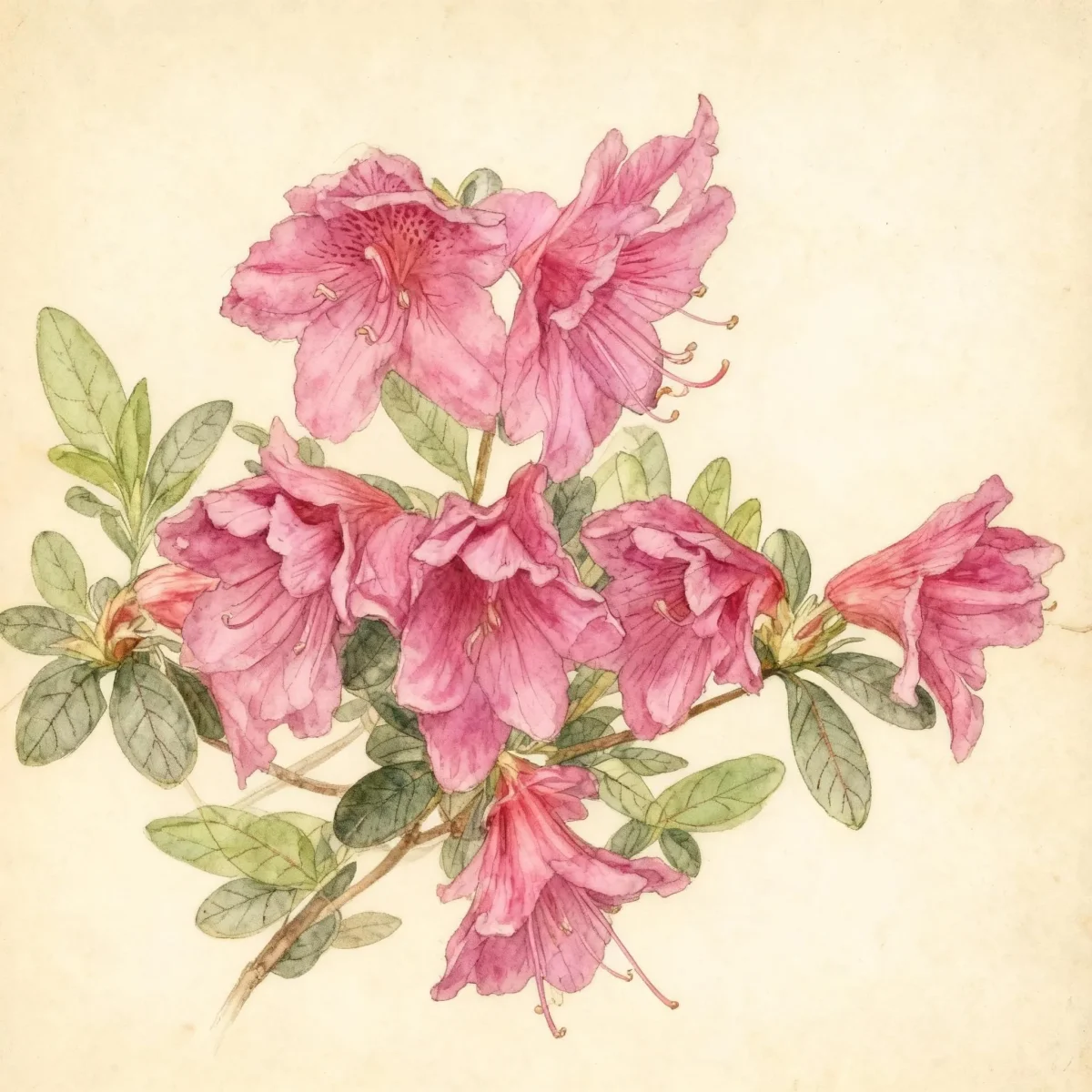
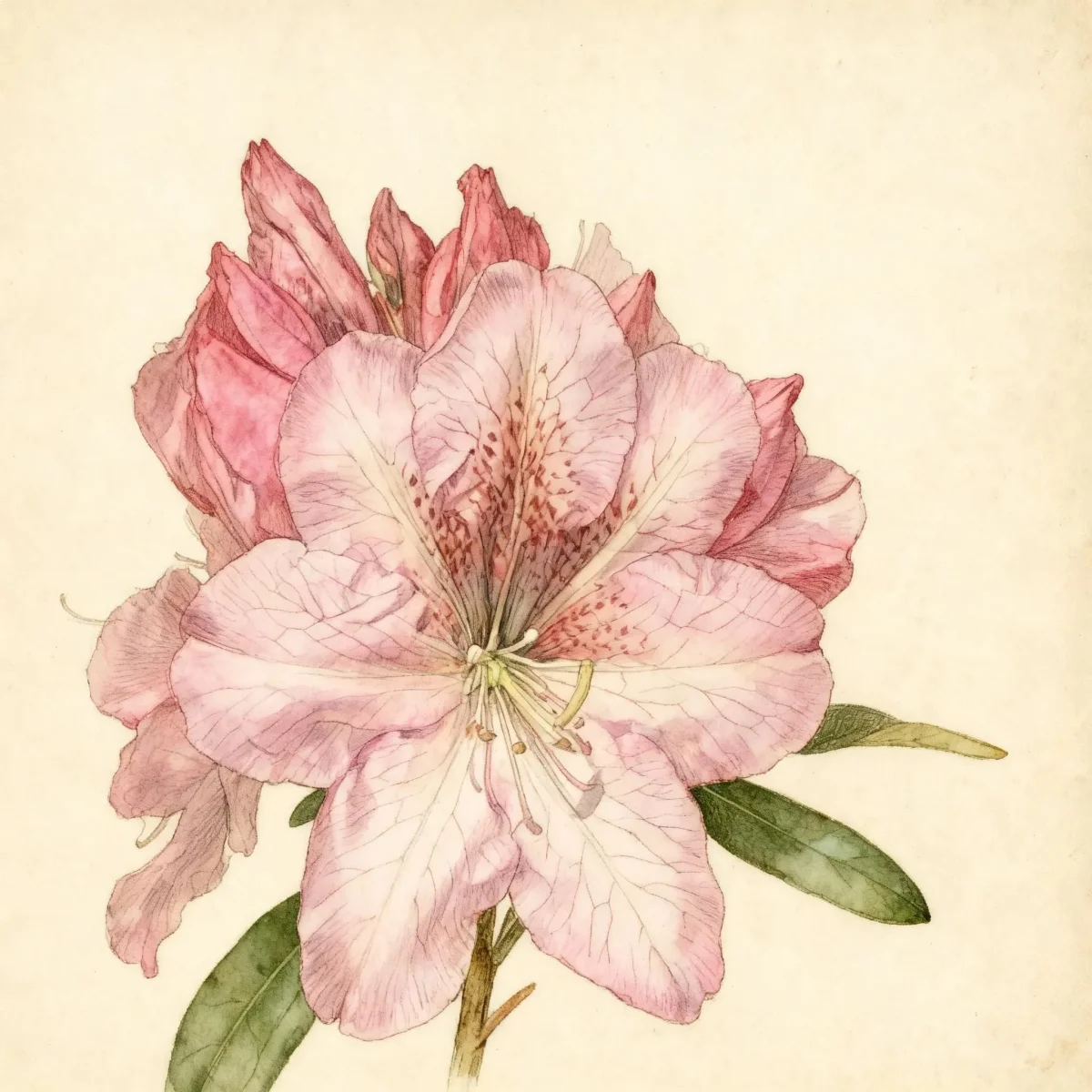
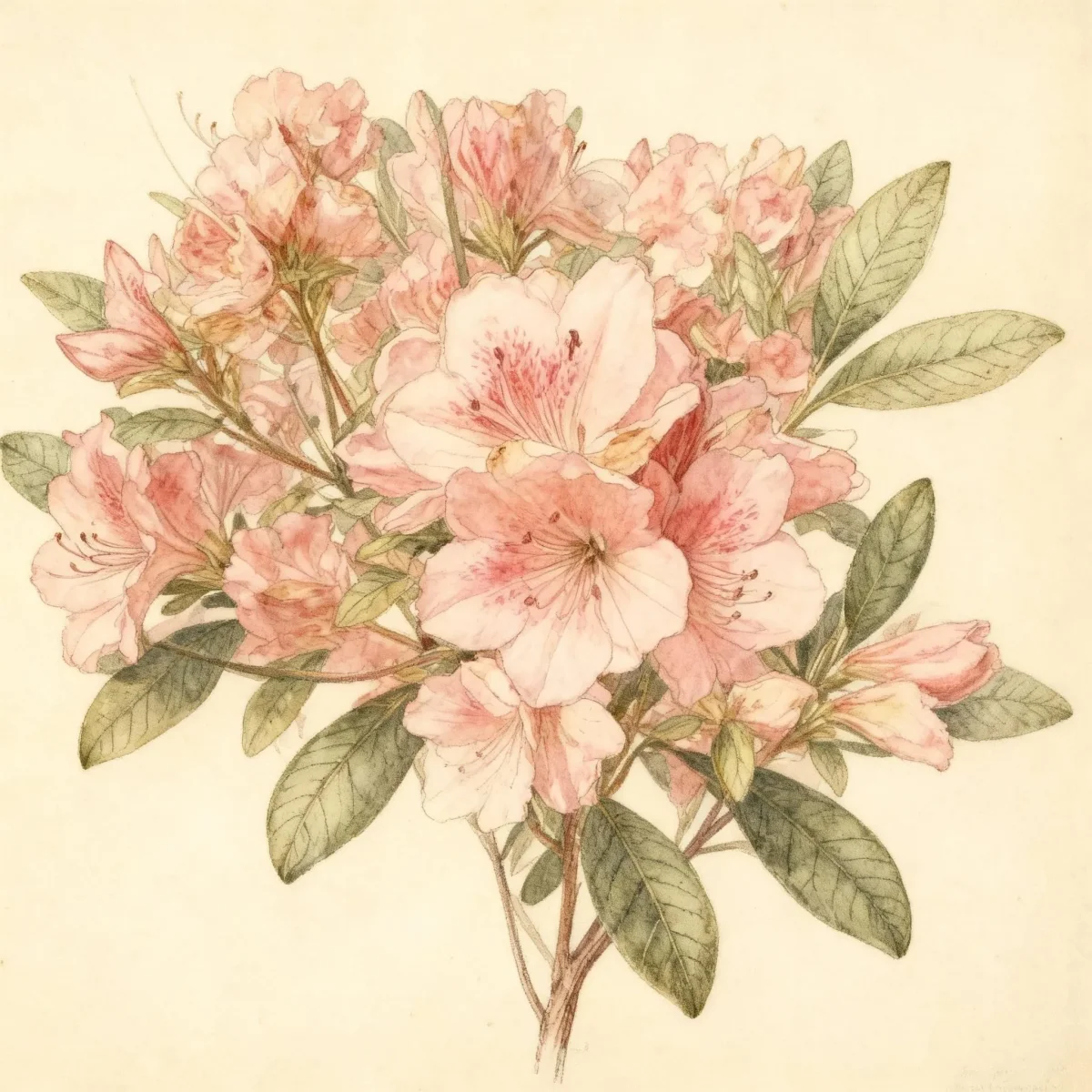
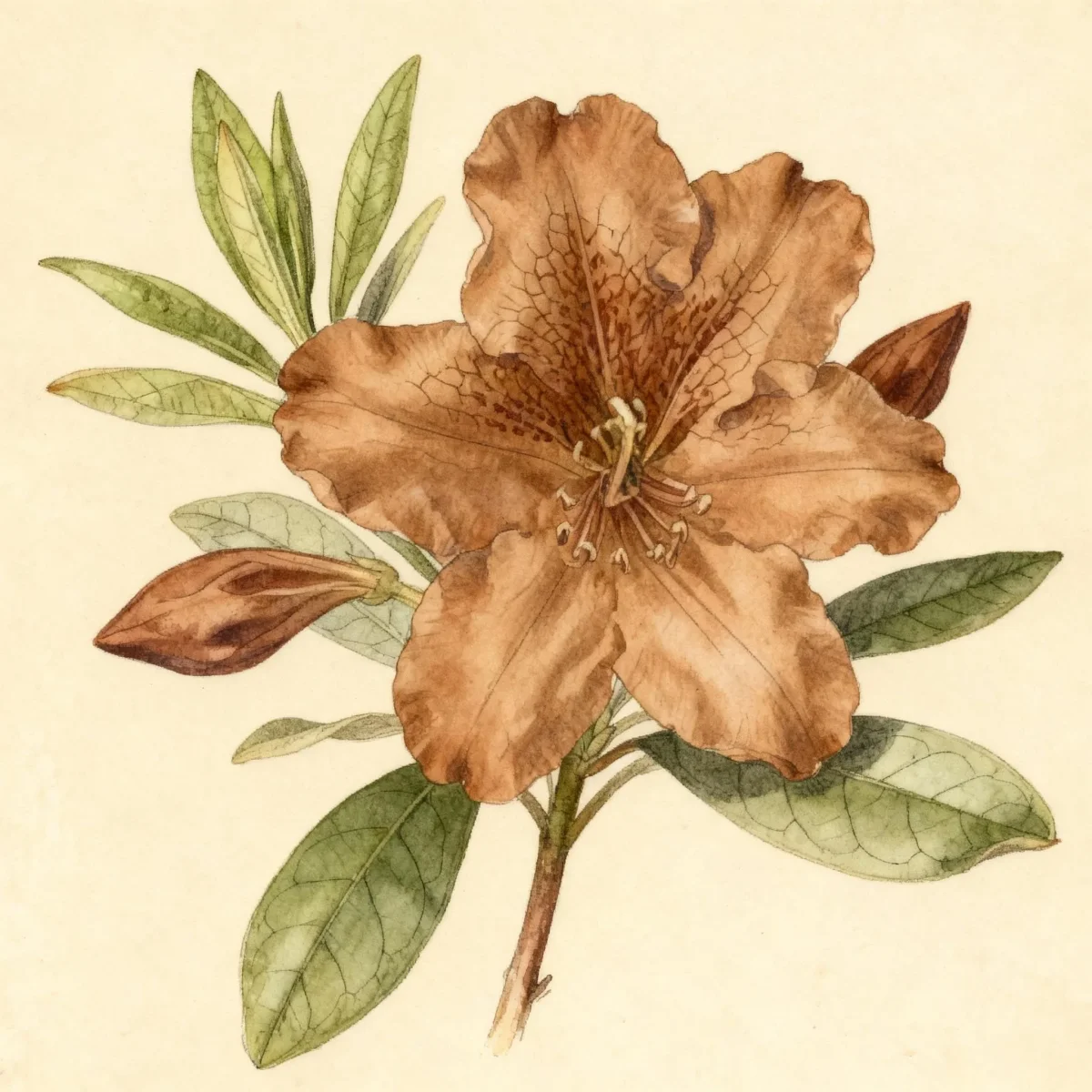
Small-leaved rhododendron (Rhododendron 'Ginny Gee')
Rhododendron 'Ginny Gee' is a charming Small-leaved rhododendron perfect for shade gardens, offering white to pale pink blooms from April to May.
Scroll down to discover growing tips, care requirements, companion plants, and more
Complete Plant Information
Overview
Rhododendron ‘Ginny Gee’ is a compact broadleaf evergreen treasured for its manageable stature and delightful spring floral display. As a Small-leaved rhododendron cultivar, it is ideal for smaller garden spaces where larger rhododendrons would overpower the landscape. Its performance confirms its value, offering high visual impact without demanding excessive space.
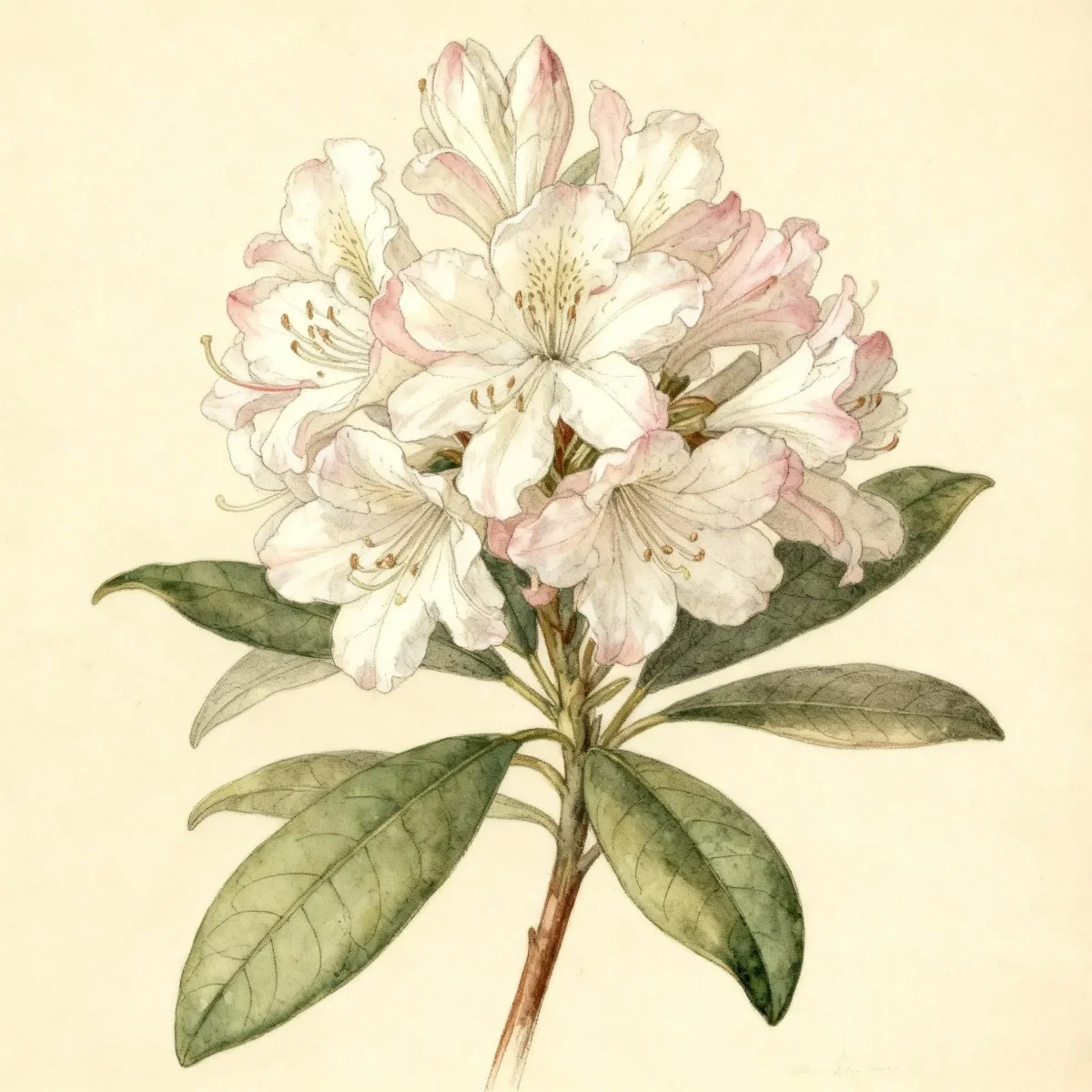
This cultivar is derived from hybridization between R. Keiskei and R. Racemosum, resulting in a densely branched shrub that typically reaches only 1 to 1.5 feet tall and spreads up to 2 feet wide. The white to pale pink, funnel-shaped flowers emerge reliably from April through May, providing early season color interest.
Gardeners value Rhododendron ‘Ginny Gee’ for its year-round structure and its tolerance for dappled sunlight conditions common beneath mature trees. Its relatively low maintenance requirements, provided soil acidity and drainage are correct, make it an excellent choice for foundation plantings, borders, or group settings where a consistent, refined aesthetic is desired.
Fast Facts
- Plant Family: Ericaceae
- Plant Type: Broadleaf evergreen
- Hardiness Zones: USDA Zones 6-8
- Size at Maturity:
- Height: 1-1.5 ft
- Spread: 1.5-2 ft
- Bloom Time: April to May
- Bloom Description: White to pale pink
- Sun Exposure: Part shade
- Water Needs: Medium
- Maintenance Level: Medium
How to Grow
Plant Rhododendron ‘Ginny Gee’ where it can receive morning sun followed by afternoon shade, or dappled light throughout the day. Optimal soil conditions must be acidic, typically targeting a pH between 5.0 and 5.5, rich in organic matter, humusy, and consistently moist but extremely well-drained. Avoid planting in heavy clay unless raised beds are used, as rhododendrons absolutely do not tolerate “wet feet,” which quickly leads to root rot.
Maintain consistent moisture, understanding that the shallow, fibrous root system must never dry out. Apply a thick layer of mulch, such as pine needles or wood chips, to retain moisture and regulate soil temperature, but avoid cultivating near the base of the plant. If pH levels are too high, amend the soil with sulfur or iron sulfate to encourage the necessary acidity for nutrient uptake.
Pruning is minimal; deadhead spent flower clusters immediately after blooming concludes to encourage better energy distribution for the following year. Protect the Small-leaved rhododendron from strong winds, and rigorously avoid planting near any trees in the walnut family due to sensitivity to juglone toxins.
Landscape Uses
Rhododendron ‘Ginny Gee’ excels as a low border element, providing excellent evergreen structure against taller plantings. Due to its compact size, it works perfectly in mixed borders or woodland gardens designed for shade. The uniform growth habit of Rhododendron ‘Ginny Gee’ makes it suitable for use as an informal hedge where a very short barrier is required.
Consider using this cultivar near shaded pathways or as foundation plantings where its winter foliage offers year-round interest against structures. Pair it with other acid-loving plants like ferns, hostas, or Japanese maples that similarly thrive in part shade environments. Its clean lines fit well into both traditional English garden designs and more contemporary shade landscapes.
Standout Features
Flower Qualities
- Showy
Noteworthy Characteristics
Rhododendron is a genus of 500 to 900 species and includes both of what we commonly call rhododendrons and azaleas. Grown for their showy spring flowers and attractive winter foliage in evergreen types, true rhododendrons are distinguished by having 10 stamens per flower. Rhododendron ‘Ginny Gee’ is a Berg hybrid known for its refined size (1 to 1.5 ft tall) and funnel-shaped flowers that start white with pink mottling before fading to light pink or white, making it a superior small-leaved evergreen option.
Tolerances
- Rabbit
Potential Problems
Gardeners must remain vigilant against various insect and disease issues common to Rhododendron. Common pests include lacebugs, aphids, and mites, while diseases manifest as blights, canker, or various forms of leaf/root rot, often exacerbated by poor drainage. A key maintenance concern is chlorosis—the yellowing of leaves—which usually points directly to a soil pH that is too high, causing an iron deficiency.
Prevention is centered on proper siting and soil management. Ensure the environment mimics ideal rhododendron conditions: acidic, humusy, and well-drained. Healthy plants in the correct cultural environment generally resist serious infestations or infections. If yellowing occurs, test the soil pH and amend promptly to maintain the ideal 5.0 to 5.5 range for optimal health of your Small-leaved rhododendron.
Frequently Asked Questions
What hardiness zones is Rhododendron ‘Ginny Gee’ suitable for?
Rhododendron ‘Ginny Gee’ is generally hardy in USDA Zones 6 through 8.
How large does a Small-leaved rhododendron like ‘Ginny Gee’ grow?
This cultivar typically matures to a height between 1 and 1.5 feet, with a spread ranging from 1.5 to 2 feet wide.
When does Rhododendron ‘Ginny Gee’ bloom?
You can expect blooms on this plant during the mid-spring, typically from April to May, featuring delicate white to pale pink flowers.
What sun exposure does Rhododendron ‘Ginny Gee’ need?
This plant performs best in part shade, preferring dappled sunlight or protection from intense afternoon sun to prevent leaf scorch.
Conclusion
Rhododendron ‘Ginny Gee’ offers low-growing, dense evergreen coverage coupled with a lovely pastel bloom, making it a fantastic asset for partial shade gardens. Successfully growing this Small-leaved rhododendron hinges on respecting its need for acidic, perfectly drained soil and consistent moisture. Check your local USDA zone compatibility before planning to incorporate this beautiful cultivar into your landscape this season.
Companion Planting
When selecting companions for Rhododendron ‘Ginny Gee’, prioritize plants that share similar cultural requirements, especially concerning acidity and shade tolerance. Shade-loving perennials such as Astilbe, Hellebores, and various Hakonechloa (Japanese Forest Grass) provide textural contrast without competing aggressively for nutrients near the shallow roots.
Consider using plants that offer different bloom times to extend visual interest throughout the season, as the primary flowers of the Small-leaved rhododendron fade by late spring. Evergreen groundcovers that tolerate dappled light, like Pachysandra or Vinca minor, can help suppress weeds and maintain consistent soil moisture around the base of the shrub.
Seasonal Care Calendar
Spring is the crucial time for acidifying the soil if needed and applying slow-release fertilizer formulated specifically for acid-loving plants just as new growth begins. Immediately after the April to May bloom finishes, ensure that you meticulously clip off all spent flower trusses to direct energy toward root and foliage development rather than seed production.
Summer care focuses entirely on consistent moisture management for Rhododendron ‘Ginny Gee’. Avoid letting the roots dry out, even during short dry spells, remembering that mulch application is essential for conservation. Summer watering should be deep and infrequent, delivered directly to the root zone rather than overhead spraying.
During autumn and early winter, apply a fresh layer of protective mulch. Evergreens like this cultivar benefit from winter moisture; if the ground freezes solid after a very dry fall, provide supplemental water on a mild winter day to prevent desiccation stress, especially in regions bordering Zone 6.