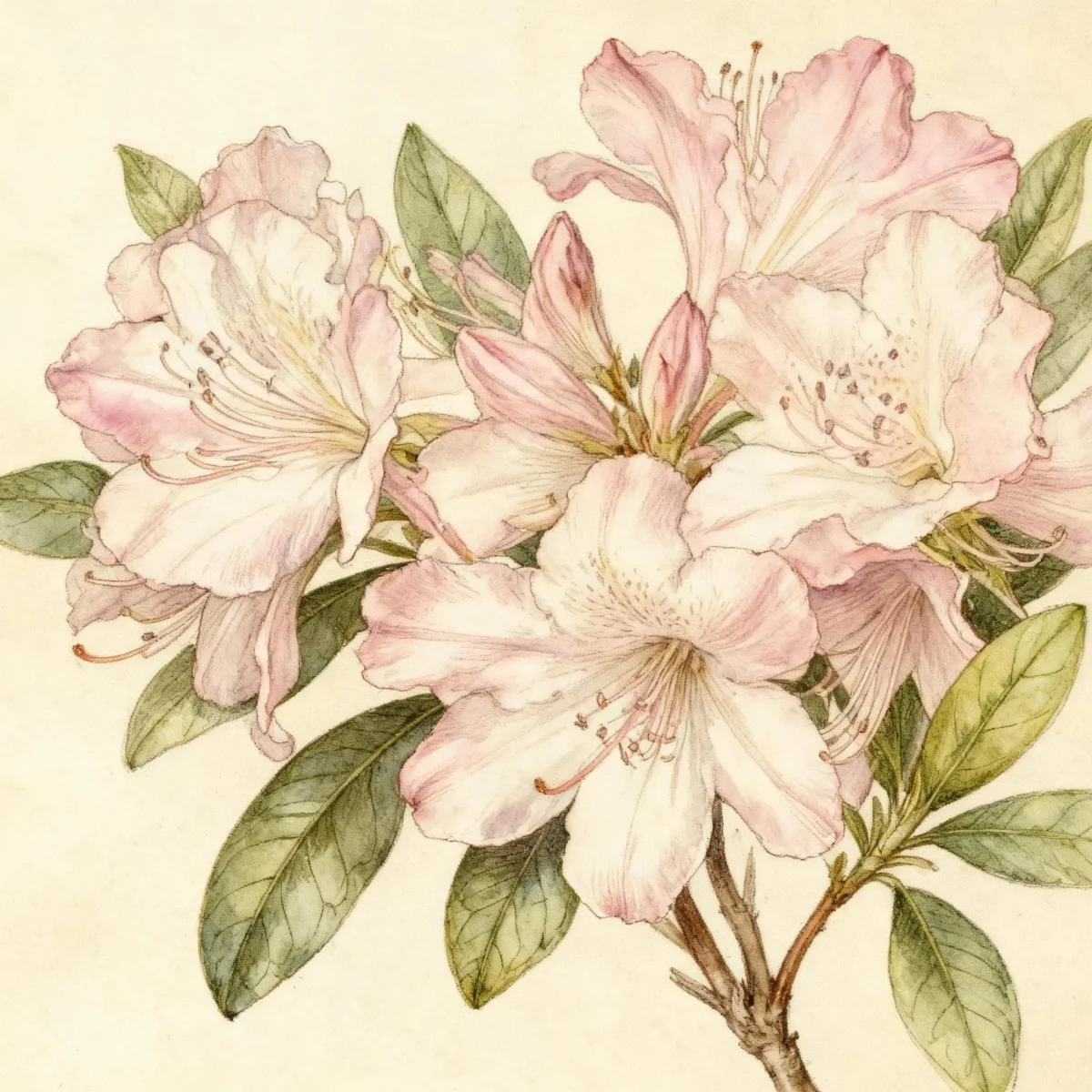
Evergreen azalea (Rhododendron 'Girard's Crimson')
Rhododendron 'Girard's Crimson' is a stunning evergreen azalea known for its prolific crimson red spring flowers, thriving in part shade.
Scroll down to discover growing tips, care requirements, companion plants, and more
Complete Plant Information
Overview
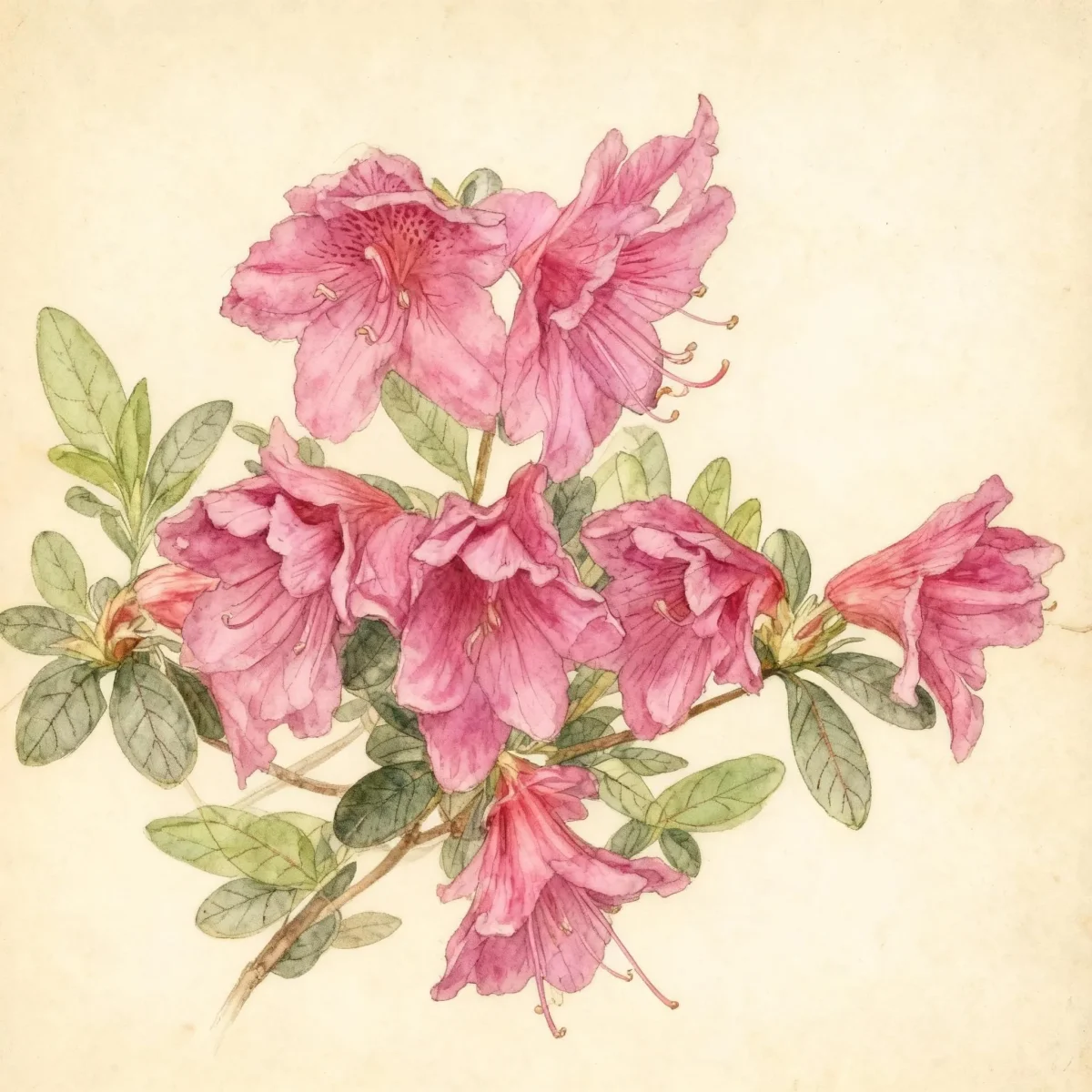
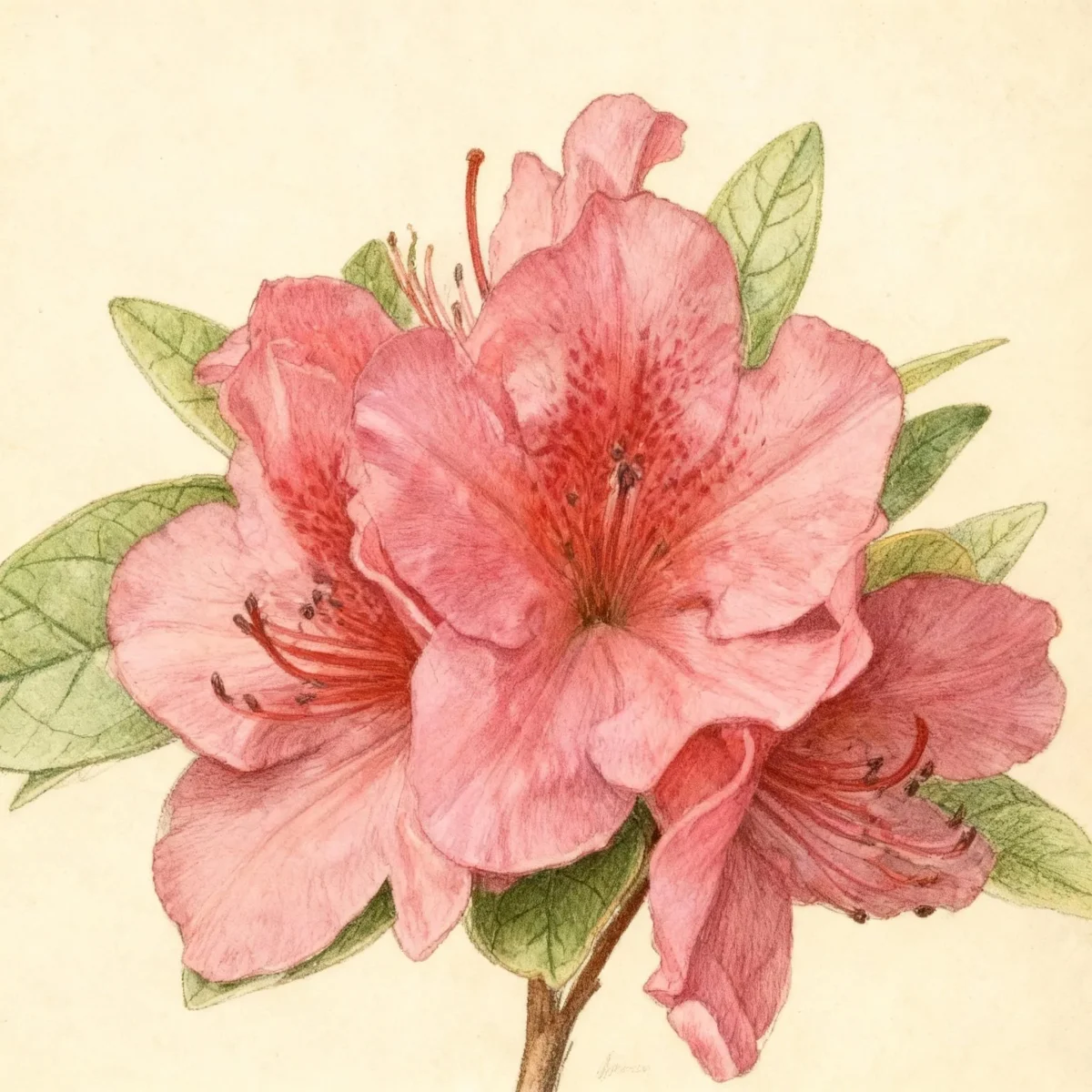
Rhododendron ‘Girard’s Crimson’ is a highly valued member of the evergreen azalea group, prized for its dense foliage and spectacular spring color display. This cultivar introduces masses of vibrant crimson red flowers, each highlighted with a distinctive red blotch, creating a powerful focal point in the garden from April into May. As a broadleaf evergreen, it offers consistent structure and visual interest even when dormant.
Maturing into a compact, rounded form typically measuring 2 to 4 feet high and 3 to 4 feet wide, this Girard hybrid is notably versatile in landscape design. Its manageable size and evergreen nature make it an excellent choice for formal hedging or softening foundation plantings. Gardeners seeking reliable, brilliant spring blooms appreciate the impact Rhododendron ‘Girard’s Crimson’ has against winter-weary landscapes.
The success of this Evergreen azalea hinges on mimicking its native preference for acidic, humus-rich, well-drained soil conditions, thriving best under the dappled light of larger trees. Careful siting and appropriate soil preparation are key factors that allow Rhododendron ‘Girard’s Crimson’ to flourish, ensuring decades of performance.
Fast Facts
- Plant Family: Ericaceae
- Plant Type: Broadleaf evergreen
- Hardiness Zones: USDA Zones 5-8
- Size at Maturity:
- Height: 2-4 ft
- Spread: 3-4 ft
- Bloom Time: April to May
- Bloom Description: Crimson red with red blotch
- Sun Exposure: Part shade
- Water Needs: Medium
- Maintenance Level: Medium
How to Grow
Planting Rhododendron ‘Girard’s Crimson’ should be timed for early spring or fall, ensuring the fibrous, shallow root system is established before extreme weather hits. The most critical soil requirement is acidity; aim for a pH between 5.0 and 5.5. Incorporate ample organic matter to achieve rich, humusy soil that remains consistently moist but never waterlogged. If drainage is poor, consider raised beds, especially in heavy clay areas, as rhododendrons absolutely dislike “wet feet” which leads to root rot.
Watering requires consistency; the medium water needs translate to keeping the soil evenly moist. Do not allow the roots of this Evergreen azalea to dry out, especially during establishment or hot weather. Fertilization should be geared toward maintaining acidity, often requiring sulfur or iron sulfate additions if the pH drifts too high. Cultivation near the base must be avoided due to the shallow roots.
Apply a generous layer of mulch, such as pine needles or wood chips, around the plant base, keeping it away from the stem itself. Mulch helps retain critical moisture and stabilizes soil temperatures. Pruning is minimal; the main maintenance task is quickly clipping off spent flower clusters (deadheading) immediately after bloom ends to encourage energy storage for the next season. Protect plants from strong winds.
Landscape Uses
Rhododendron ‘Girard’s Crimson’ is exceptionally adaptable, moving seamlessly from borders to specimen plantings. Its deep color makes it a standout for mass plantings where drifts of crimson create significant visual impact in shaded areas. These plants perform beautifully as low-to-medium-height hedges, providing year-round screening due to their evergreen nature.
Consider grouping this azalea in woodland gardens or mixed borders alongside plants with contrasting textures, such as hostas or ferns, which thrive in similar part-shade conditions. They are also highly effective planted near foundation lines where they can soften hard architectural edges while providing dependable, vibrant spring color. Avoid placing them near the drip line of walnuts, as the toxic juglone compounds they secrete are harmful to azaleas.
For design continuity, pair Rhododendron ‘Girard’s Crimson’ with other acid-loving shrubs like camellias or Japanese maples, ensuring all companions share the need for filtered light and consistent moisture.
Standout Features
Flower Qualities
- Showy
Noteworthy Characteristics
Rhododendron is a genus rich in species, encompassing both classic rhododendrons and azaleas, with most varieties remaining evergreen. ‘Girard’s Crimson’ is specifically an evergreen azalea hybrid recognized for its compact habit (2-4’ tall) and early to mid-spring bloom of funnel-shaped, crimson flowers. These glossy, dark green leaves provide year-round appeal, often taking on attractive red and copper tints during cooler winter months.
Tolerances
- Rabbit
Potential Problems
Rhododendrons and azaleas are susceptible to a variety of pests and diseases. Common insect threats include aphids, scale, borers, and lacebugs, while fungal issues like leaf spot, blight, and various root rots are prevalent, especially where soil drainage is inadequate. A common cultural problem is chlorosis—yellowing leaves—which almost always signals elevated soil pH causing iron deficiency.
Preventative care centers on cultural correctness: ensure soil is highly acidic and drainage is excellent. A healthy Evergreen azalea, properly sited in part shade and given consistent moisture without saturation, will naturally resist most issues. If pests appear, target them specifically—for example, scale insects may require horticultural oil applications.
Frequently Asked Questions
What hardiness zones is Rhododendron ‘Girard’s Crimson’ suitable for?
Rhododendron ‘Girard’s Crimson’ thrives best in USDA Hardiness Zones 5 through 8.
How large does Evergreen azalea grow?
This Evergreen azalea typically reaches a mature height between 2 and 4 feet, with a similar spread, usually settling into a dense, rounded shape.
What sun exposure does Rhododendron ‘Girard’s Crimson’ need?
This variety prefers part shade, benefiting significantly from dappled light or high open shade throughout the day.
When does Evergreen azalea bloom?
Rhododendron ‘Girard’s Crimson’ blooms reliably from April through May, bearing its notable crimson red flowers with a red blotch.
Conclusion
The Rhododendron ‘Girard’s Crimson’ stands out as a premier choice for gardeners needing reliable, vibrant color and solid evergreen structure in shaded environments. Its deep crimson flowers provide unmatched spring drama, making it an excellent selection for borders and hedges. Before planting, confirm your soil acidity supports this Evergreen azalea, and plan your site selection carefully to provide that essential morning sun and afternoon shelter.
Companion Planting
When selecting partners for Rhododendron ‘Girard’s Crimson’, prioritize plants that share the same need for acidic, moist, well-drained soil and filtered light. Excellent companions include flowering shrubs like Kalmia (Mountain Laurel) or Pieris japonica, which bloom around the same time or slightly later, extending the spring display. For underplanting, consider foliage texture; hostas (especially chartreuse or blue varieties) and various ferns offer a lush contrast to the azalea’s glossy leaves.
Deeper shade areas can accommodate groundcovers that suppress weeds without competing aggressively for surface nutrients. Think about low-growing shade perennials such as Astilbe or Tiarella (Foamflower), which enhance the woodland garden aesthetic beloved by this Evergreen azalea. Proper spacing is key, as both the azalea and its companions will fill out over time.
Seasonal Care Calendar
Spring involves the critical task of deadheading the finished bloom clusters of your Rhododendron ‘Girard’s Crimson’ immediately after flowering ceases; this ensures maximum energy is directed toward vegetative growth and next year’s buds, not seed production. In early summer, monitor water, ensuring consistent moisture during dry spells, as roots must never dry out.
Mid to late summer is the best time for any necessary light shaping or corrective pruning, always remembering to avoid cutting into old wood unnecessarily. Apply a slow-release fertilizer formulated for acid-loving plants early in the season, often coinciding with clean-up. As fall arrives, ensure a fresh layer of mulch is in place and protect the plant from strong winter winds if the site is exposed.