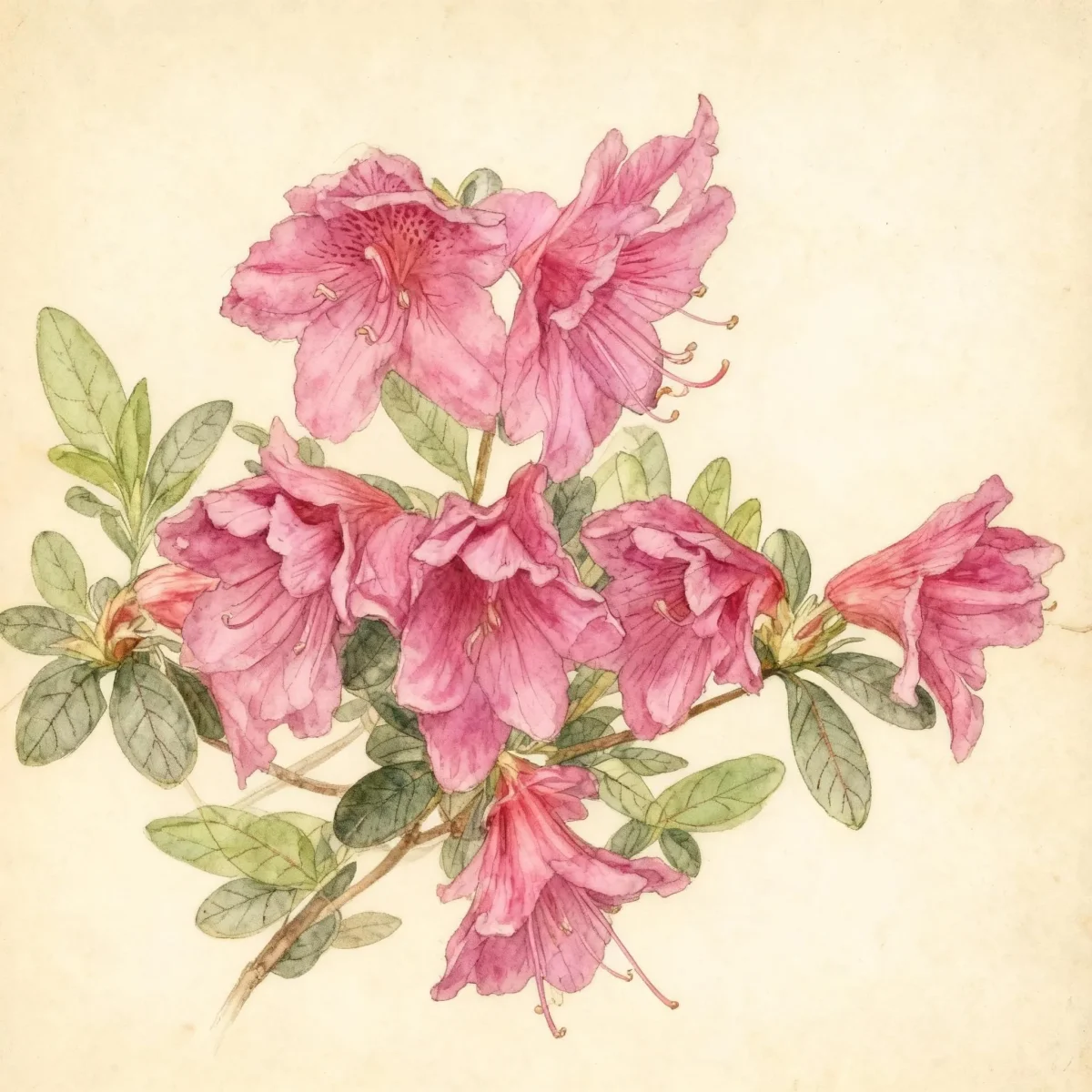
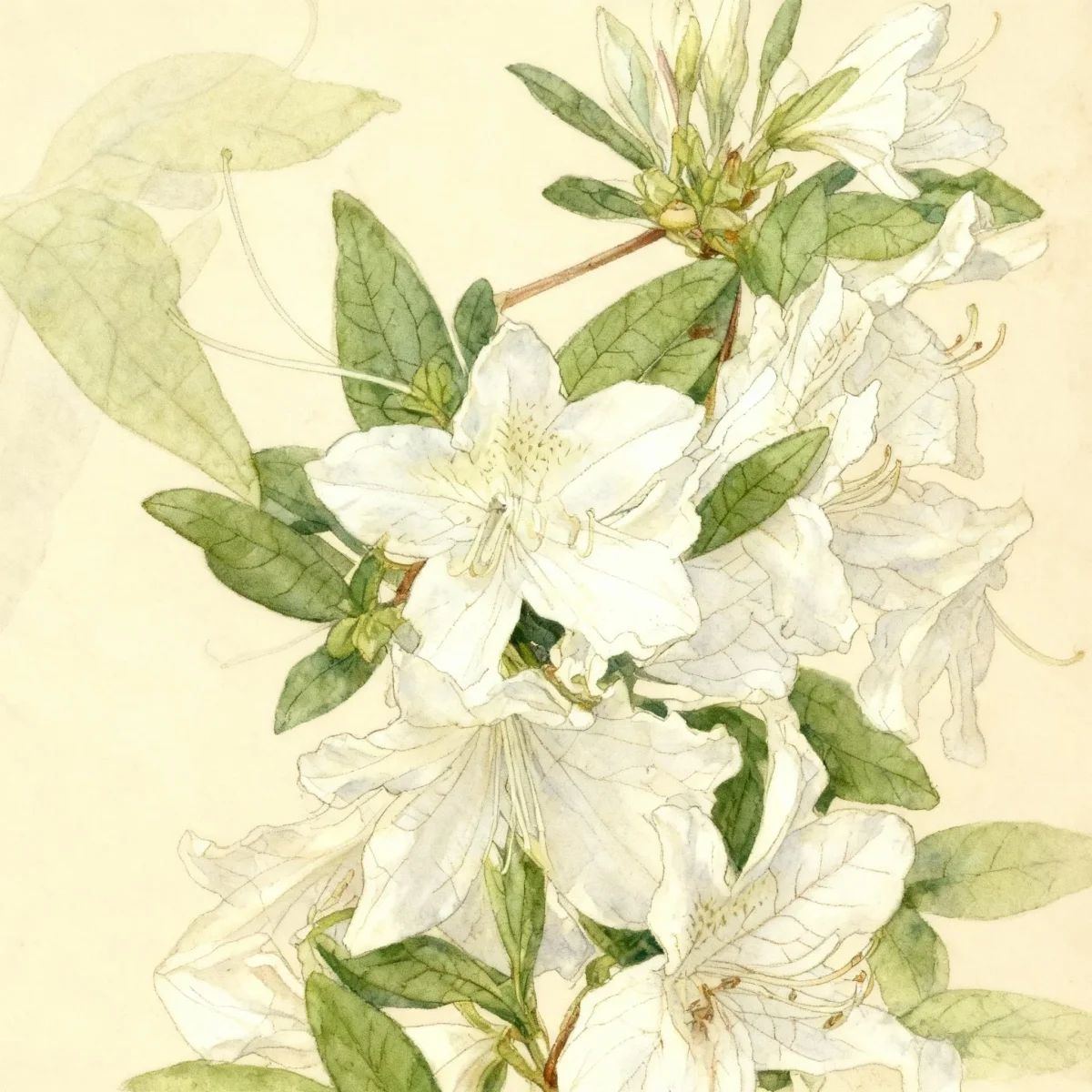
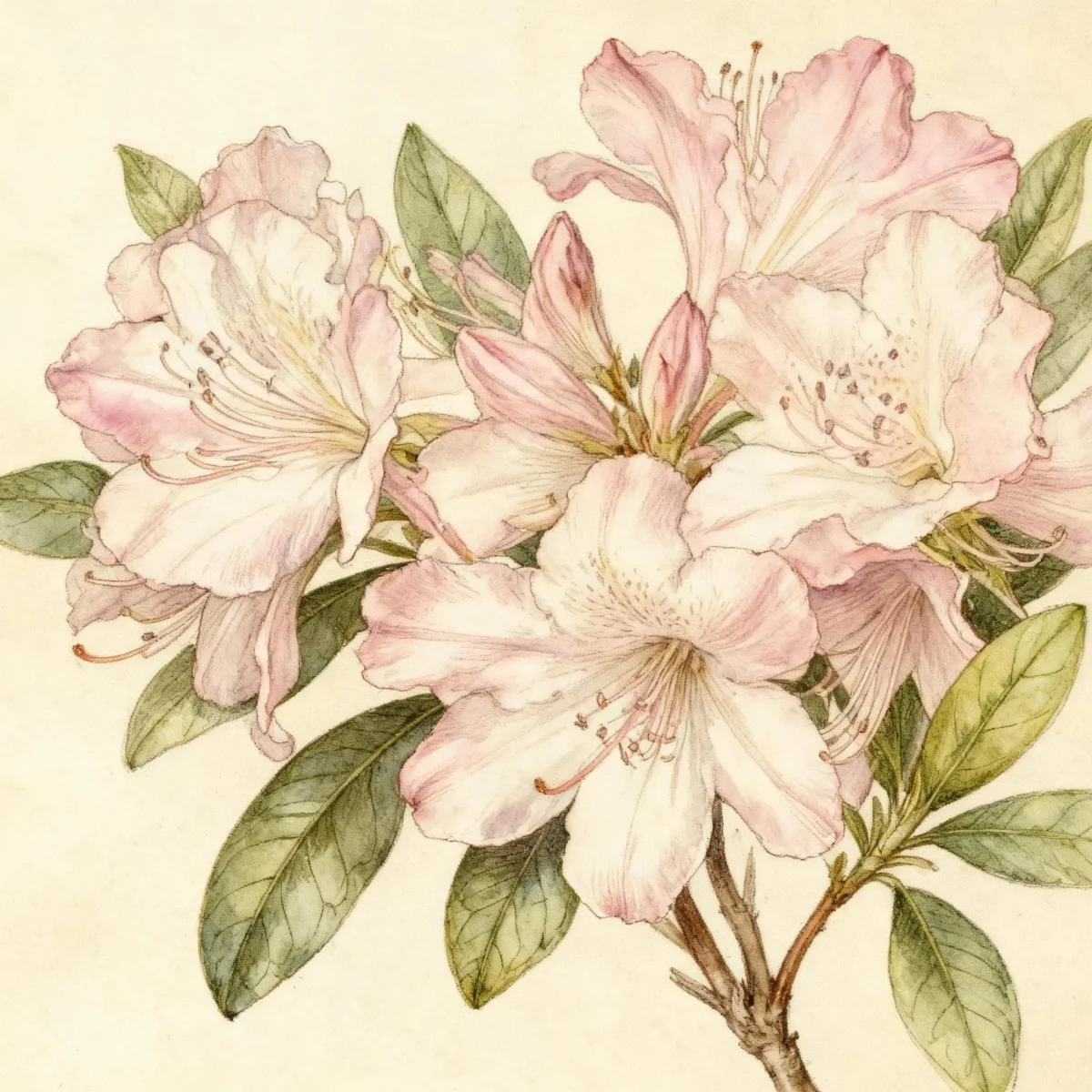
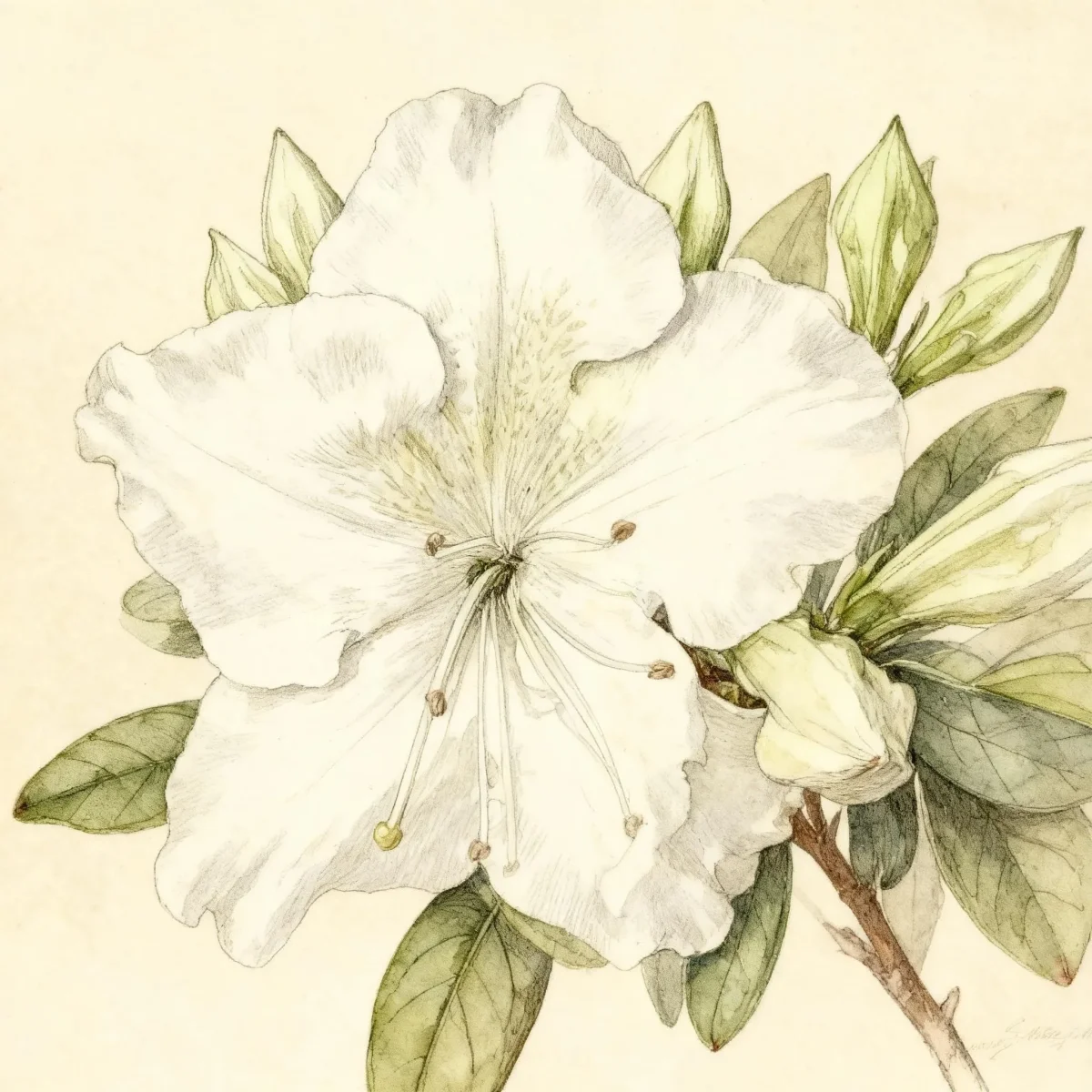
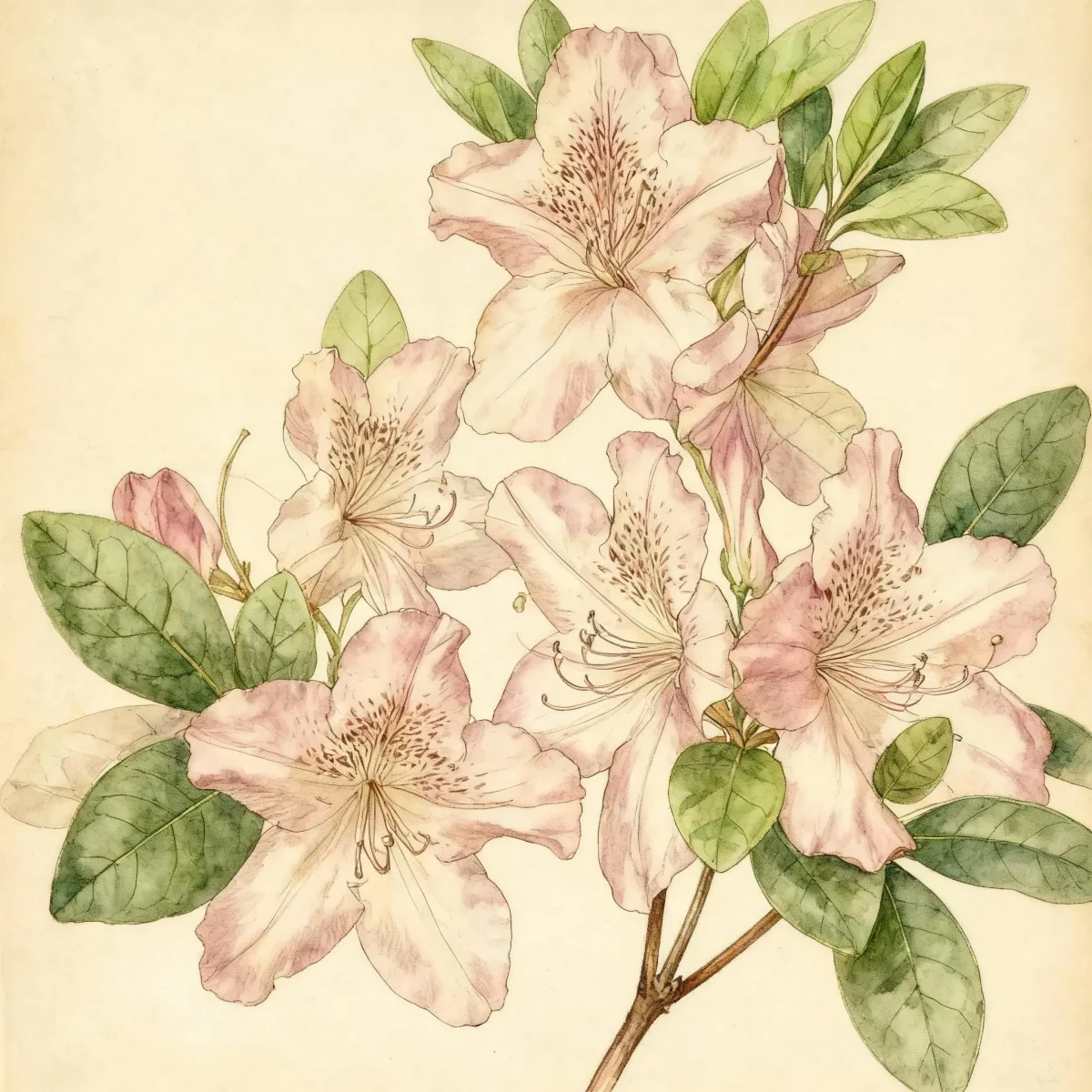
Evergreen azalea (Rhododendron 'Girard's Fuchsia')
Rhododendron 'Girard's Fuchsia' is a stunning Evergreen azalea known for its vibrant blooms in USDA Zones 4-7.
Scroll down to discover growing tips, care requirements, companion plants, and more
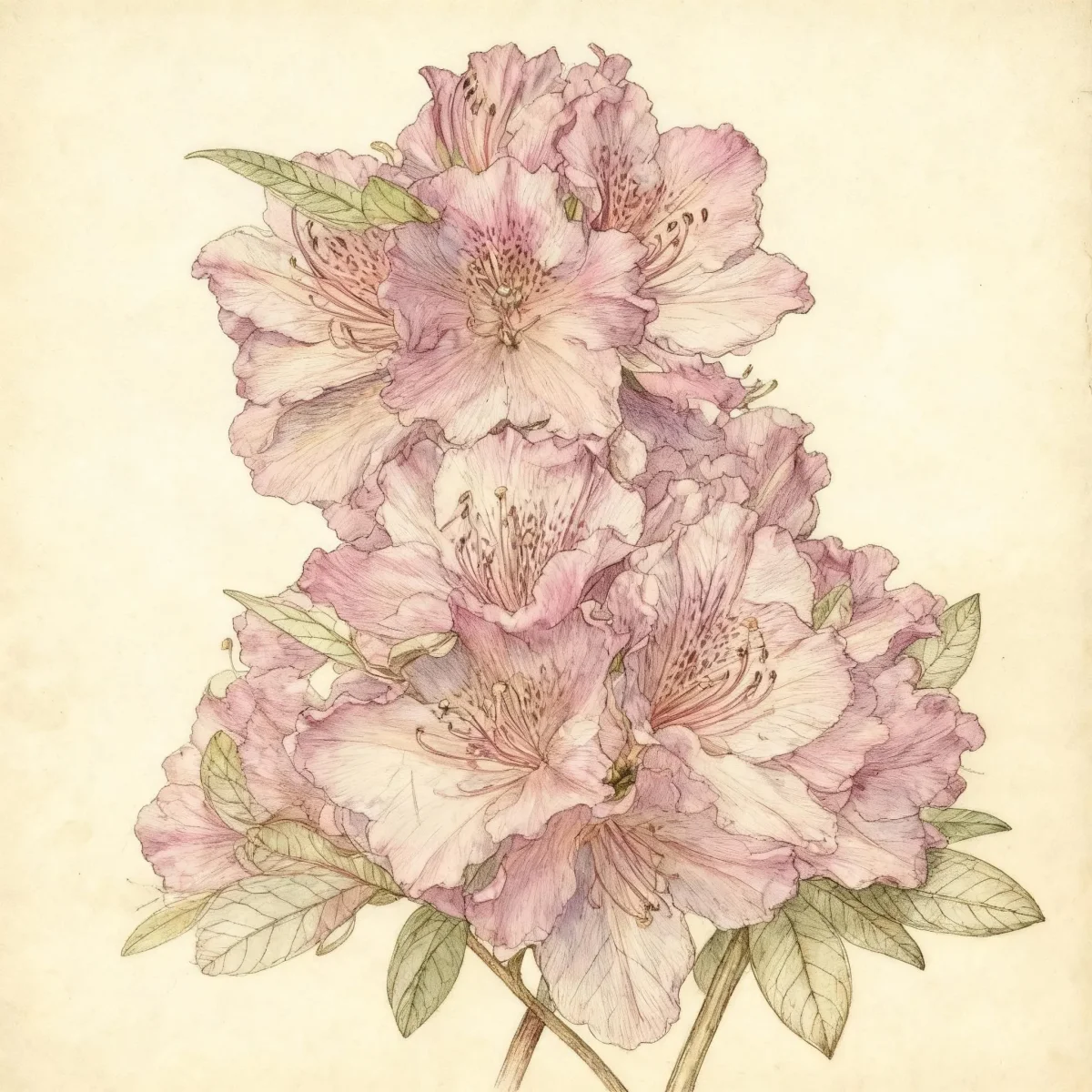
Complete Plant Information
Overview
Rhododendron ‘Girard’s Fuchsia’ is a highly valued broadleaf evergreen shrub, flourishing as an attractive Evergreen azalea that provides consistent color and dense foliage throughout the year. This cultivar is celebrated for its generous clusters of deep reddish-purple flowers that herald the arrival of spring in USDA Zones 4 through 7. Its reliable growth habit makes the Rhododendron ‘Girard’s Fuchsia’ an excellent choice for landscape structure.
As a spreading shrub reaching mature heights of 4 to 6 feet, this Evergreen azalea offers significant visual impact, whether utilized as a foundational planting or within mixed borders. Gardeners appreciate that, despite its medium maintenance needs, the benefits of its showy spring display far outweigh the required care, provided its specific acidic soil demands are met.
This robust cultivar ensures year-round visual interest, distinguishing it from deciduous counterparts. Proper siting, favoring dappled sunlight, will maximize flowering while protecting the foliage of Rhododendron ‘Girard’s Fuchsia’ from scorching, ensuring a healthy specimen.
Fast Facts
- Plant Family: Ericaceae
- Plant Type: Broadleaf evergreen
- Hardiness Zones: USDA Zones 4-7
- Size at Maturity:
- Height: 4-6 ft
- Spread: 4-6 ft
- Bloom Time: April
- Bloom Description: Red/purple
- Sun Exposure: Part shade
- Water Needs: Medium
- Maintenance Level: Medium
How to Grow
Plant your Rhododendron ‘Girard’s Fuchsia’ in the early spring or fall when temperatures are moderate. The primary success factor for this Evergreen azalea lies in the soil conditions: it absolutely requires an acidic pH, ideally between 5.0 and 5.5. Ensure the soil is organically rich, humusy, and highly moisture-retentive yet features perfect drainage, as Rhododendrons detest “wet feet” which promotes root rot.
Site plantings where they receive dappled shade or high open shade; morning sun with afternoon shade is usually tolerated well. Protect your Rhododendron ‘Girard’s Fuchsia’ from harsh, strong winds. If you have heavy clay soils, consider planting in raised beds to guarantee the essential drainage needed for this shallow-rooted shrub.
Maintain consistent moisture; the fine, fibrous roots must never be allowed to dry out, benefiting significantly from a yearly application of mulch, such as pine needles or wood chips, to retain coolness and stabilize soil temperatures. If soil acidity is lacking, apply sulfur or iron sulfate to achieve the desired pH range. After flowering concludes, promptly clip off spent blooms to encourage energy redirection toward foliage and future bud development.
Landscape Uses
The versatility of Rhododendron ‘Girard’s Fuchsia’ allows it to serve numerous roles in the landscape design. Its established size and dense, evergreen nature make it a superb choice for formal or informal hedges, providing functional screening and structure year-round. It also shines when used for mass plantings, creating beautiful, cohesive blocks of rich color when in bloom.
For woodland gardens or shady borders, this Evergreen azalea acts as an excellent structural mid-layer plant. Consider placing it near acid-loving companions like blueberries, camellias, or other rhododendron varieties. Planting Rhododendron ‘Girard’s Fuchsia’ on north or east-facing slopes often maximizes its performance in warmer climates where afternoon heat is intense.
Foundation plantings benefit from its consistent evergreen presence, softening hard architectural lines with its mounding form. When used in mixed borders, place it strategically so its vibrant springtime flowers contrast beautifully against ferns or hostas that emerge later in the season.
Standout Features
Flower Qualities
- Showy
Noteworthy Characteristics
Rhododendron is a genus of 500 to 900 species and includes both of what we commonly call rhododendrons and azaleas. Most are evergreen but some are deciduous. They originate mostly from the Northern Hemisphere with high concentrations in western China, the Himalayas and Myanmar (Burma). They are grown for their showy spring flowers and in the case of evergreen types for their attractive winter foliage. True rhododendrons have 10 stamens in a flower and azaleas have only 5. Much hybridization has resulted in a great number of hybrid cultivars. Of note to gardeners in cool temperate areas are the large and small leaved evergreen rhododendrons and the evergreen and deciduous azaleas. Evergreen azaleas develop as multi-stemmed plants from the ground and usually grow 3-5 feet tall. They retain their leaves throughout the year and are not as winter hardy as the deciduous azaleas. In cold winters flower buds may be frozen resulting in reduced or no flowering and foliage may winter burn (turn brown and be killed). Color range is mostly from white to pink, red, lavender and purple.Genus name comes from the Greek words rhodo meaning rose and dendron meaning tree. Transferred from the Greek name for Nerium oleander. ‘Girard’s Fuchsia’ is an evergreen, spreading shrub that may grow to 30” wide by 24” high in 4 years. Will reach 4 to 6 feet over time. Clusters of deep reddish-purple flowers in May.
Tolerances
- Rabbit
Potential Problems
Rhododendrons and azaleas are susceptible to many insect and disease problems. Insect pests that may appear include aphids, borers, lacebugs, caterpillars, leafhoppers, mealybugs, nematodes, scale, thrips, and whitefly, with mites also being a potential threat. Common diseases to watch for are blights, canker, crown rot, leaf gall, root rot, leaf spot, rust, and powdery mildew.
A frequent issue, chlorosis where leaves turn yellow, usually signals an iron deficiency triggered by overly high soil pH levels. To mitigate most pest and disease issues, ensure the Rhododendron ‘Girard’s Fuchsia’ environment is correct: provide proper drainage, maintain acidity, and avoid planting near sensitive species like walnuts to prevent juglone toxicity. Healthy plants in the proper environment have far fewer problems.
Frequently Asked Questions
What hardiness zones is Rhododendron ‘Girard’s Fuchsia’ suitable for?
This Evergreen azalea is generally suitable for USDA Hardiness Zones 4 through 7, offering good cold tolerance for northern regions while thriving in milder areas.
How large does Evergreen azalea grow?
At maturity, Rhododendron ‘Girard’s Fuchsia’ typically reaches a height between 4 and 6 feet, with a spread ranging from 4 to 6 feet, forming a somewhat uniform, spreading mound.
What sun exposure does Rhododendron ‘Girard’s Fuchsia’ need?
This plant thrives best in part shade, preferring locations that provide dappled sunlight or high open shade, such as morning sun followed by afternoon shade.
When does Rhododendron ‘Girard’s Fuchsia’ bloom?
The blooming period for this cultivar is generally in April, producing signature red/purple flowers when conditions are favorable.
Conclusion
The Rhododendron ‘Girard’s Fuchsia’ offers exceptional aesthetic value as a vibrant, deep-hued Evergreen azalea providing solid winter structure. Its spectacular spring floral display ensures it is a focal point in any partially shaded garden. Before planting, meticulously test and amend your soil to guarantee the acidic pH required for success with this beautiful Rhododendron ‘Girard’s Fuchsia’.
Companion Planting
Selecting appropriate companions is key to creating a balanced, low-stress environment for acid-loving plants like the Evergreen azalea. Companion plants should share similar requirements for acidic soil pH, consistent moisture, and partial shade conditions, which naturally leads gardeners toward woodland understory species. Grouping Rhododendron ‘Girard’s Fuchsia’ with ferns provides wonderful textural contrast, as the fine, divided leaves of the fern highlight the broader, glossy leaves of the azalea.
Consider planting low-growing groundcovers that also enjoy acidic conditions beneath the shrub’s canopy, such as trailing epimediums or mosses, provided they do not aggressively compete with the shallow root system of the azalea. Avoid planting shallow-rooted perennials too closely, ensuring there is adequate space for mulch to be applied, as weed suppression and moisture retention are vital for the health of Rhododendron ‘Girard’s Fuchsia’.
Seasonal Care Calendar
Spring preparation is critical: ensure the protective mulch layer is refreshed around your Rhododendron ‘Girard’s Fuchsia’ after the ground thaws, checking that it doesn’t touch the crown or stems. Immediately following the April bloom, deadhead spent flowers, which is the main pruning task for this shrub. Summer is a period of consistent monitoring for moisture; deep, infrequent watering is preferable, especially during dry spells, as the roots must never dry out completely.
Fall care should focus on protection rather than active cultivation. If you experience particularly harsh winters in Zones 4 or 5, consider providing a temporary windbreak to prevent winter burn on the evergreen foliage of your Evergreen azalea. Avoid applying fertilizer in the late summer or fall, as this encourages tender new growth that will be damaged by the first hard frost.