Evergreen azalea (Rhododendron 'Girard's Hot Shot')
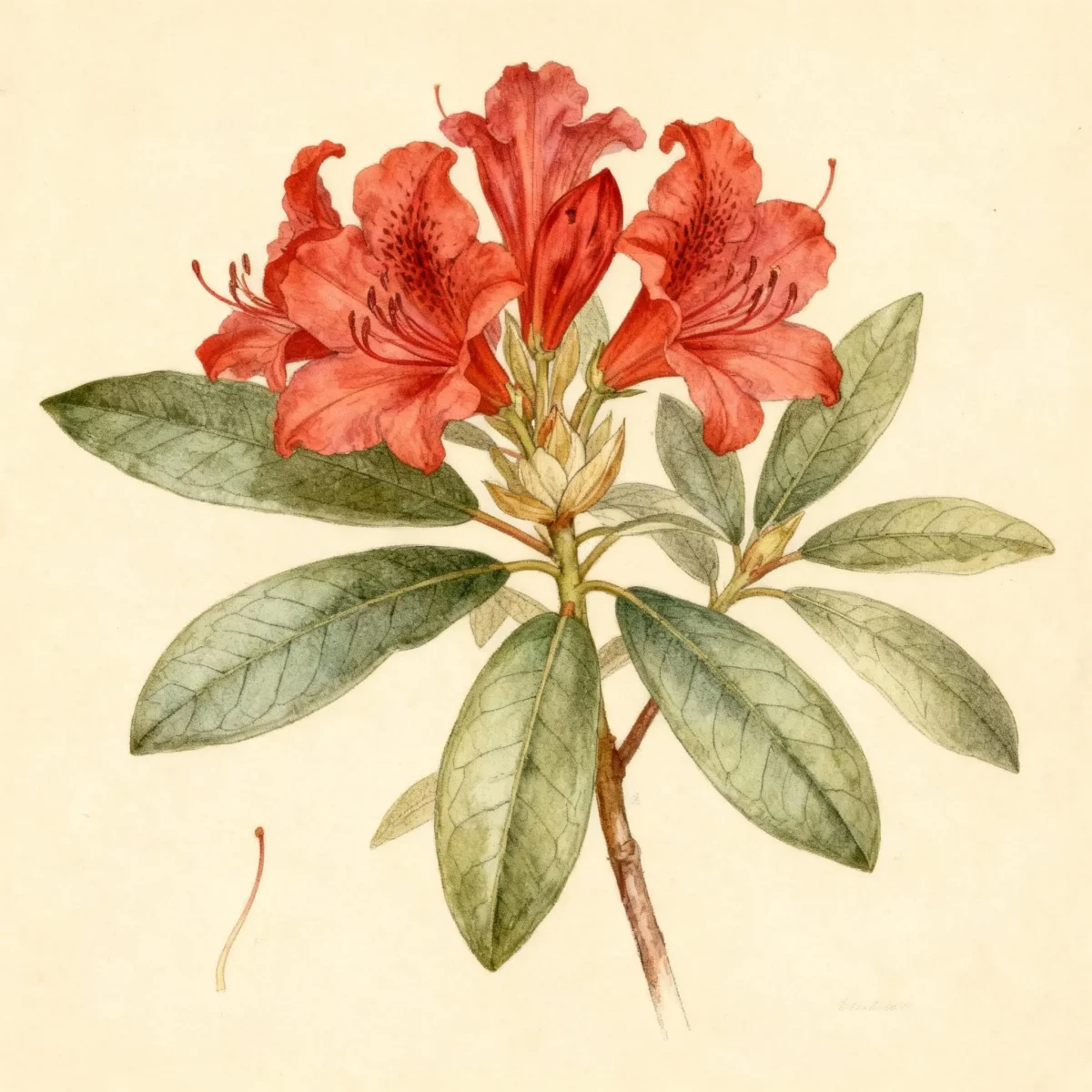
Rhododendron 'Girard's Hot Shot' is a showy Evergreen azalea featuring reddish-orange blooms in May. Ideal for partial shade.
Scroll down to discover growing tips, care requirements, companion plants, and more
Complete Plant Information
Overview
The Rhododendron ‘Girard’s Hot Shot’ is a highly valued compact evergreen azalea, prized for introducing vibrant color into shaded garden spaces during the late spring season. Its reliable growth habit and attractive foliage make it a foundational plant in many landscape designs. Gardeners seeking mid-season bursts of rich color will appreciate this cultivar.
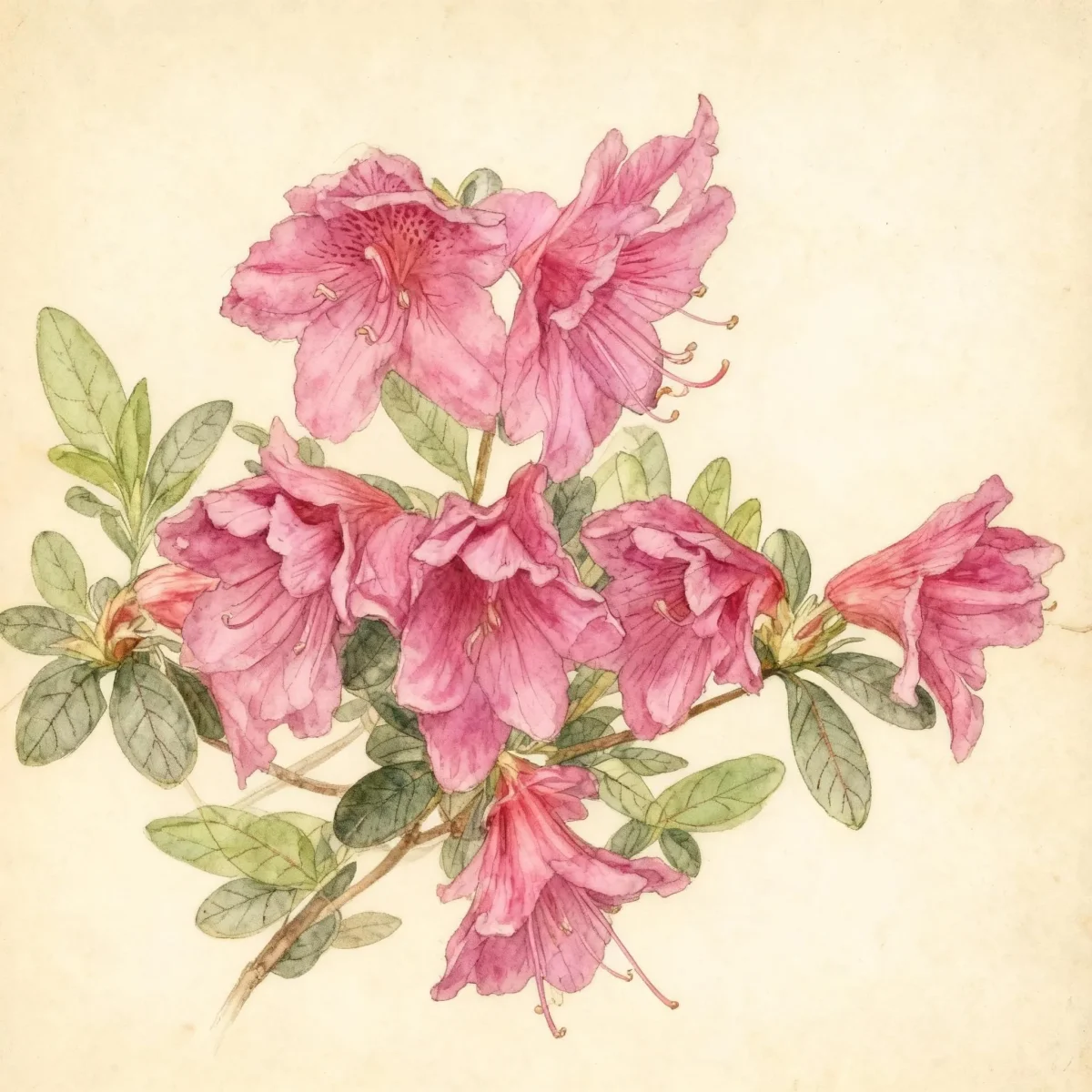
This particular hybrid offers striking blooms described as reddish-orange with distinctive dark red spotting, setting it apart from common pink or white varieties. As a multi-stemmed broadleaf evergreen, Rhododendron ‘Girard’s Hot Shot’ retains its structure and deep green leaves through the winter months, providing year-round interest.
Growing to a manageable 2 to 3 feet tall, this Evergreen azalea thrives when situated in protected areas mimicking its native woodland environment. Proper soil preparation, focusing on acidity and drainage, is key to successfully cultivating the beauty of Rhododendron ‘Girard’s Hot Shot’ in your garden.
Fast Facts
- Plant Family: Ericaceae
- Plant Type: Broadleaf evergreen
- Hardiness Zones: USDA Zones 5-8
- Size at Maturity:
- Height: 2-3 ft
- Spread: 3-4 ft
- Bloom Time: May
- Bloom Description: Reddish-orange with dark red spotting
- Sun Exposure: Part shade
- Water Needs: Medium
- Maintenance Level: Medium
How to Grow
Ideally, plant Rhododendron ‘Girard’s Hot Shot’ during the cooler seasons—fall or early spring—to allow roots to establish before summer heat. Select a location offering part shade, preferably morning sun followed by protection from intense afternoon rays, especially if you live in warmer regions where leaf scorch is a risk. The most critical soil requirement for this Evergreen azalea is acidity; aim for a pH between 5.0 and 5.5. Incorporate plenty of organic matter to ensure the soil is humusy, moisture-retentive, yet exceptionally well-drained.
Watering should be consistent, maintaining medium moisture levels; these shallow-rooted plants must never be allowed to dry out completely. Due to their fibrous roots, cultivate very carefully or avoid cultivation altogether near the base. Apply a generous layer of mulch, such as bark or pine needles, to help stabilize soil temperatures and retain moisture. If soil pH is too high, amend with sulfur or iron sulfate to encourage the necessary acidity for nutrient uptake.
Pruning for Rhododendron ‘Girard’s Hot Shot’ primarily involves deadheading. Clip off spent flower clusters immediately after blooming concludes in May. This minor maintenance directs the plant’s energy toward developing next year’s buds rather than setting seed, ensuring robust flowering for the following season. Avoid planting near walnuts due to juglone sensitivity, which can severely hinder growth.
Landscape Uses
The compact stature and dense, evergreen foliage of Rhododendron ‘Girard’s Hot Shot’ make it exceptionally versatile in landscape design. It shines when utilized massed together to create a striking, uniform hedge line, offering fantastic spring color along property boundaries or walkways. Because it naturally prefers dappled light, this cultivar excels in woodland gardens or beneath the high canopy of taller trees.
For mixed borders, use the bright reddish-orange blooms of this Evergreen azalea as a mid-layer element, pairing it with early-blooming spring bulbs or later-blooming perennials that tolerate shade. It performs admirably in foundation plantings where it provides structure near the home’s base, especially on north or east-facing slopes that receive gentle light. Ensure good air circulation around the plants to minimize disease pressure, which is vital for long-term health.
Standout Features
Flower Qualities
- Showy
Noteworthy Characteristics
Rhododendron is a genus of 500 to 900 species and includes both of what we commonly call rhododendrons and azaleas. True rhododendrons have 10 stamens in a flower and azaleas have only 5. ‘Girard’s Hot Shot’ is an evergreen azalea (Girard hybrid) that features dark reddish-orange flowers with dark red spotting, typically maturing into a rounded compact form. Small, glossy, medium green leaves are evergreen, turning a dark yellow-green color during the winter months.
Tolerances
- Rabbit
Potential Problems
Rhododendrons and azaleas, including the popular Evergreen azalea Rhododendron ‘Girard’s Hot Shot’, are targets for aesthetic pests like aphids, scale, and lacebugs, as well as fungal diseases such as leaf spot and root rot. Root rot is the most common culprit and is almost always caused by standing water or poor drainage; address this proactively by planting in raised mounds in heavy clay soils.
Chlorosis, where leaves turn yellow, is often a symptom of high soil pH causing iron deficiency, not a pest issue. To prevent this, rigorously maintain acidic soil conditions (pH 5.0 to 5.5) as specified in its cultural requirements. A healthy plant grown in its preferred, well-drained, acidic soil with adequate moisture will naturally resist most serious infestations and diseases.
Frequently Asked Questions
What hardiness zones is Evergreen azalea suitable for?
Rhododendron ‘Girard’s Hot Shot’ performs well in USDA Zones 5 through 8, offering reliable performance across a wide temperate range.
How large does Rhododendron ‘Girard’s Hot Shot’ grow?
This compact cultivar typically reaches a height between 2 and 3 feet and spreads between 3 and 4 feet wide at maturity.
What sun exposure does Evergreen azalea need?
This plant requires part shade; it prefers protection from intense afternoon sun, thriving best in morning sun or dappled light throughout the day.
When does Evergreen azalea bloom?
Rhododendron ‘Girard’s Hot Shot’ generally blooms in May, presenting its signature reddish-orange flowers with dark red spotting.
Conclusion
The vibrant, mid-season display offered by Rhododendron ‘Girard’s Hot Shot’ makes it an excellent choice for adding rich color to shaded foundation plantings or woodland margins. Understanding its strict requirement for acidic, well-drained soil is paramount for maintaining the health and signature look of this Evergreen azalea. Before planting, test your soil pH and prepare amendments to ensure your new Rhododendron ‘Girard’s Hot Shot’ thrives for years to come.
Companion Planting
To successfully integrate Rhododendron ‘Girard’s Hot Shot’ into a cohesive woodland or shade garden, select companions that share similar cultural needs regarding moisture and acidity. Ferns are excellent partners, providing contrasting texture beneath the structural evergreen foliage of your azalea. Hostas work well near the edges where light is slightly higher, though ensure the soil remains consistently moist for all species involved.
Consider pairing this Evergreen azalea with other acid-loving plants such as Camellias or Pieris japonica. These choices allow you to build layered interest across the season, ensuring that the area remains attractive even when the Rhododendron ‘Girard’s Hot Shot’ is not in bloom. Avoid planting aggressively spreading perennials that might compete too heavily with the azalea’s shallow root system.
Seasonal Care Calendar
During the active growing season, generally from late spring through early fall, focus on maintaining consistent moisture levels, especially during dry spells. Apply a layer of pine needle or wood chip mulch annually to conserve water and keep roots cool, taking care never to pile mulch against the main stem. If soil pH testing indicates the need, apply acidifying fertilizers or soil amendments in early spring before major growth starts.
Winter care for this Rhododendron ‘Girard’s Hot Shot’ involves protecting it from harsh, drying winds, which can cause foliage burn on evergreens. In extremely cold winters, if not adequately protected by snow cover, the flower buds may freeze, resulting in reduced flowering that May. After the bloom finishes, perform the necessary light pruning by deadheading the spent flower trusses to encourage strong next-year performance.