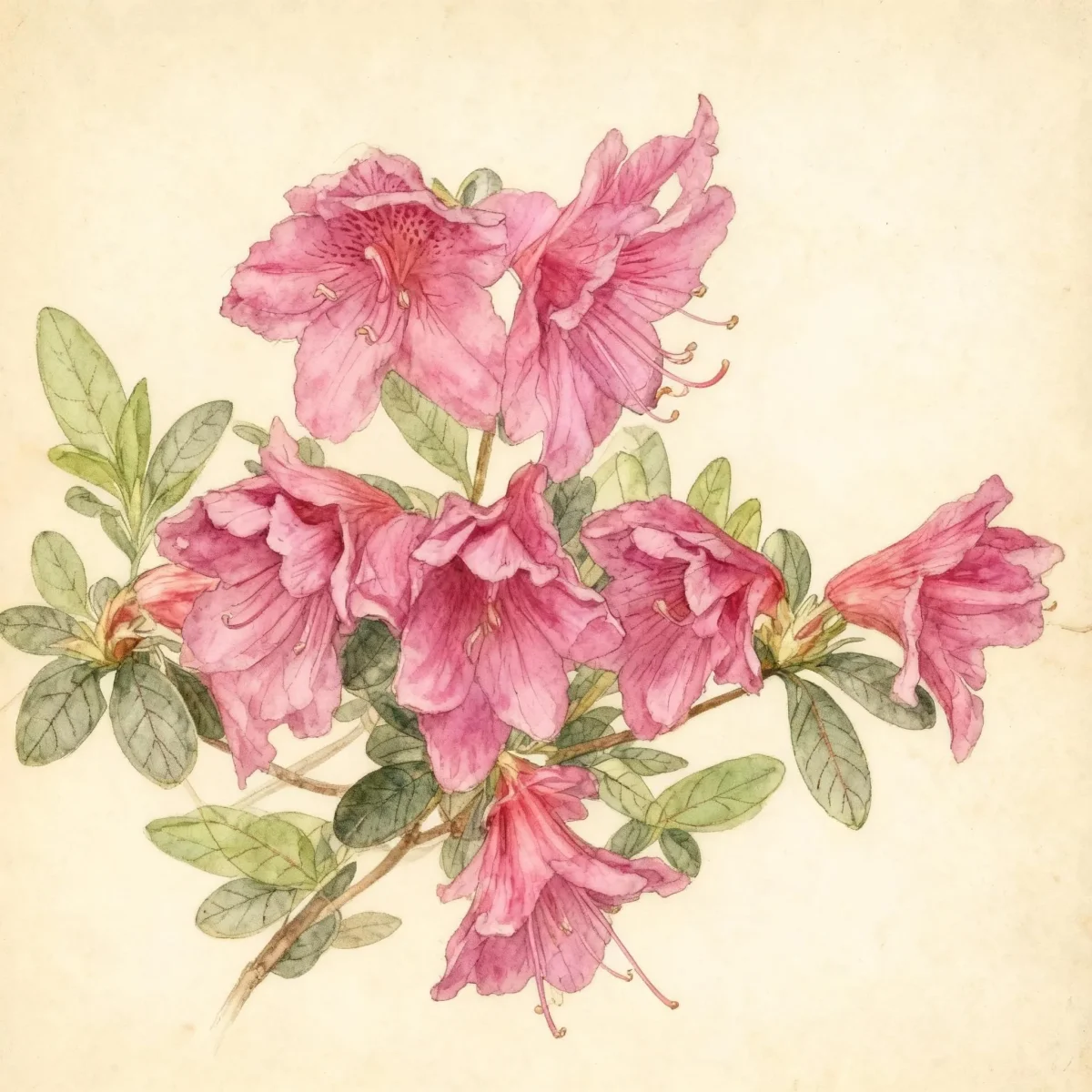
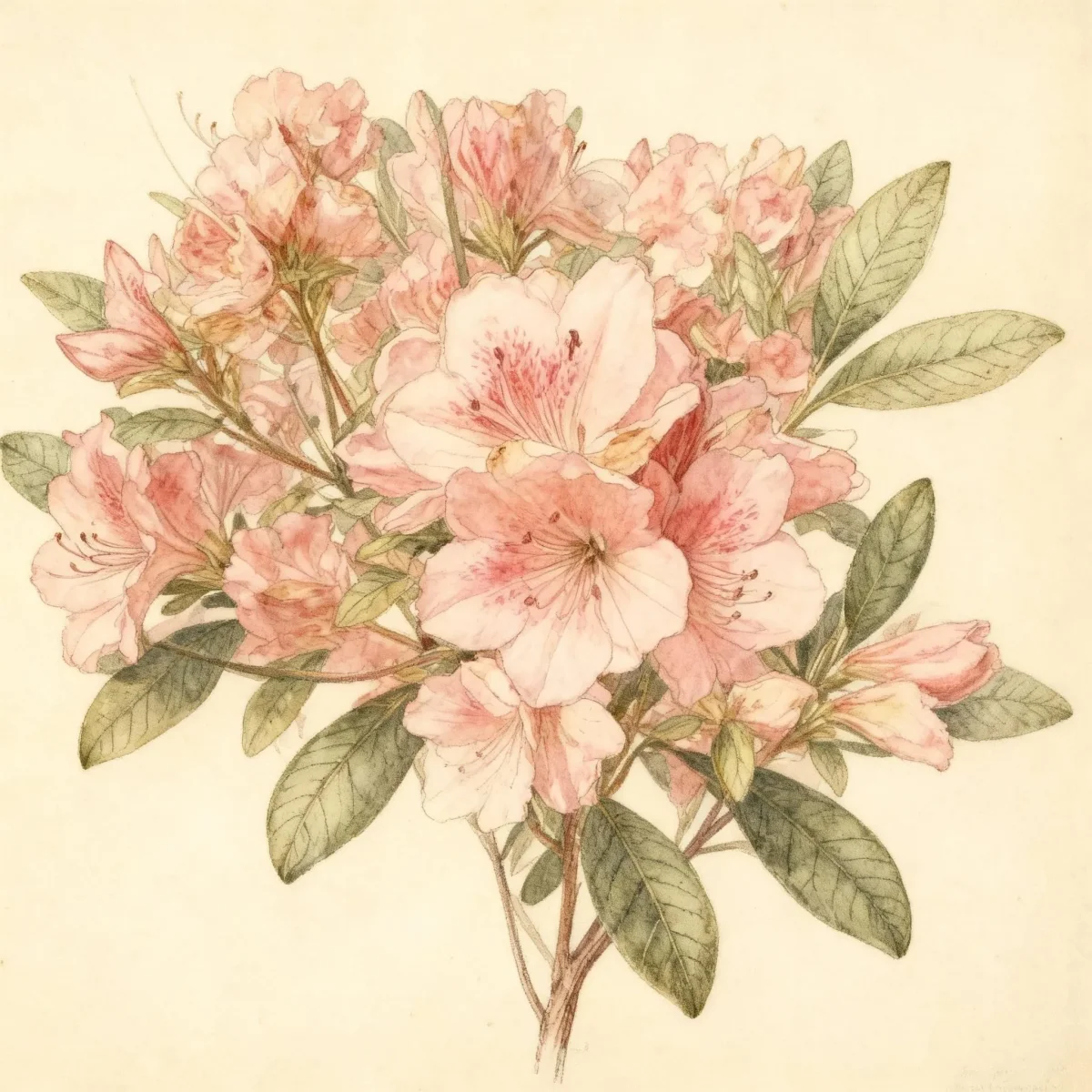
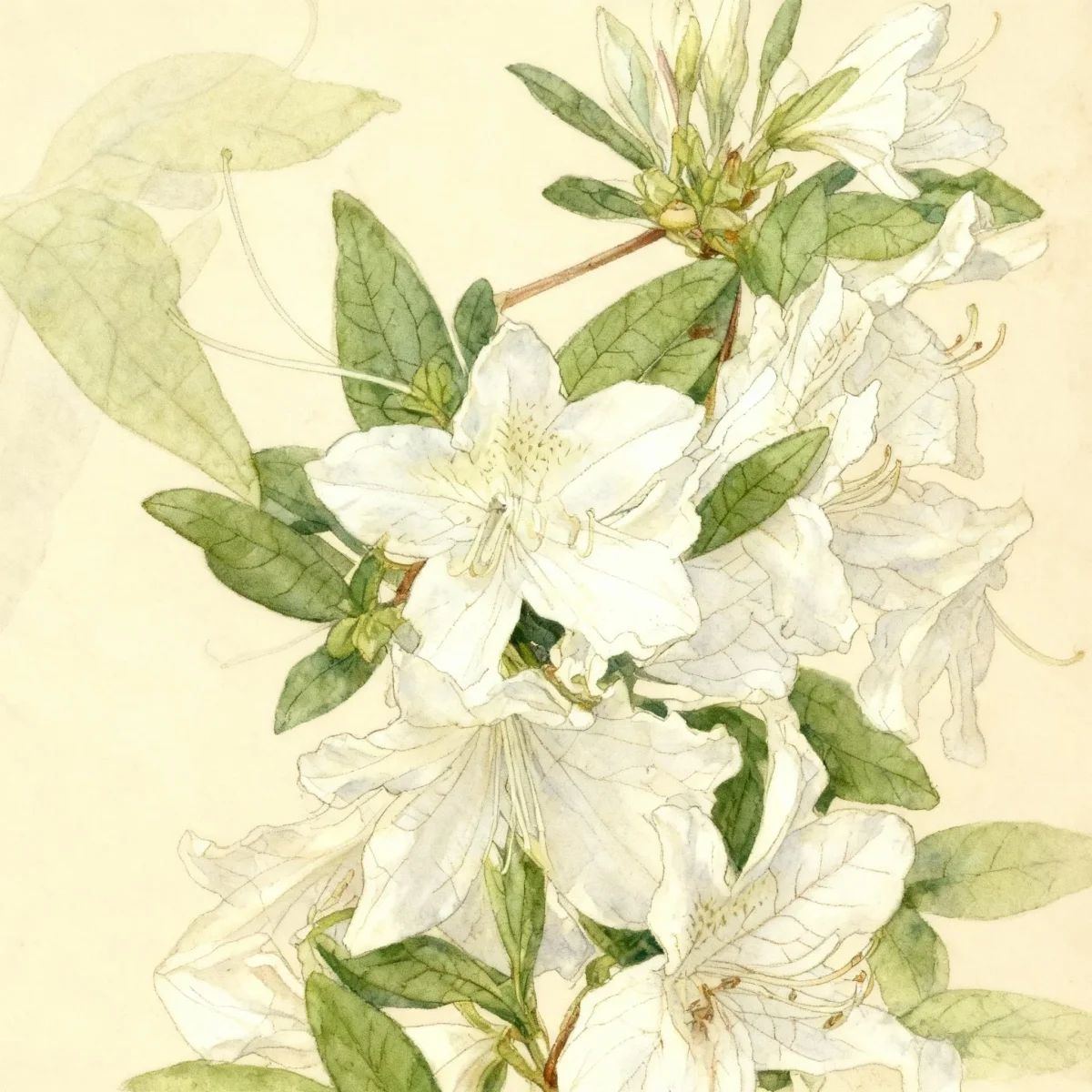
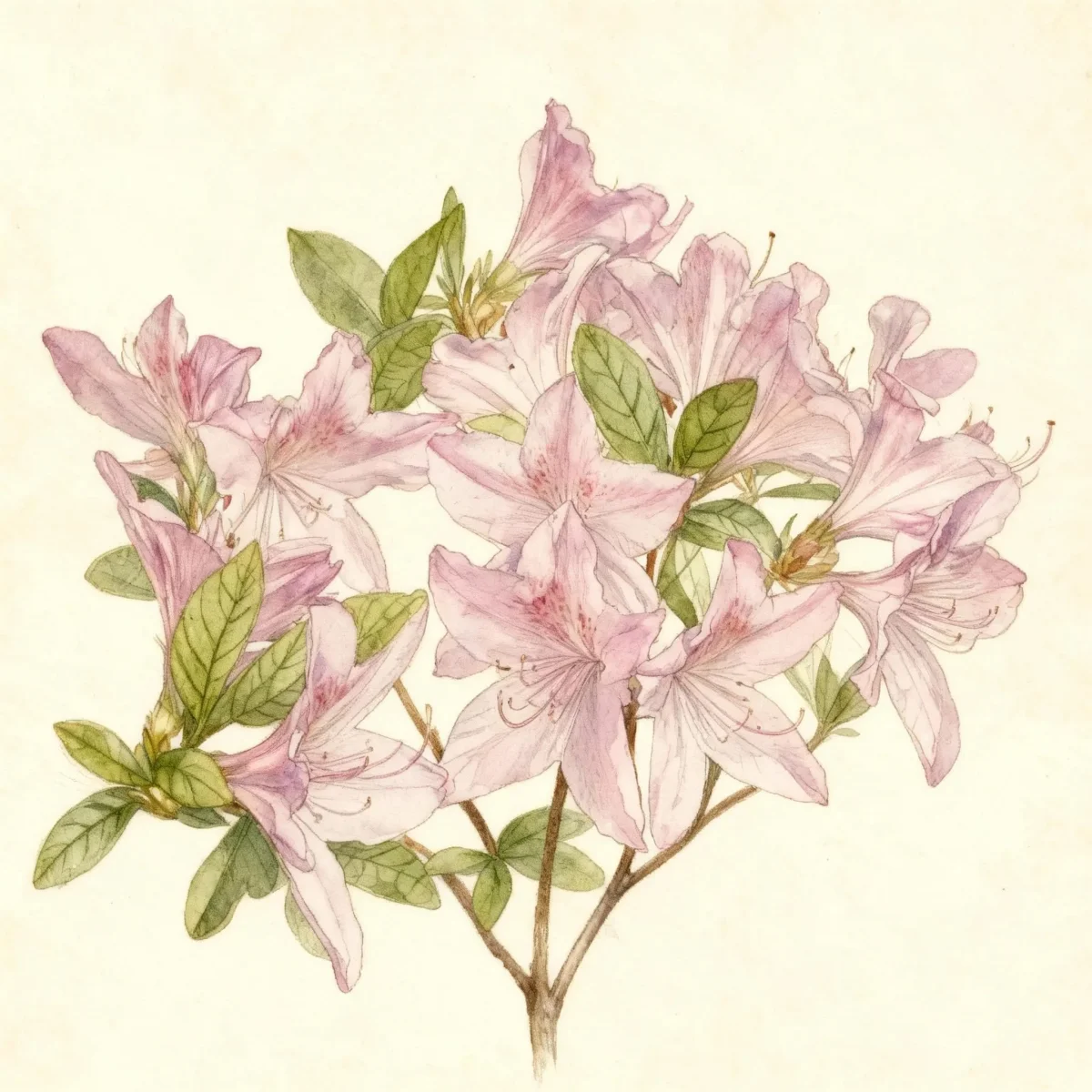
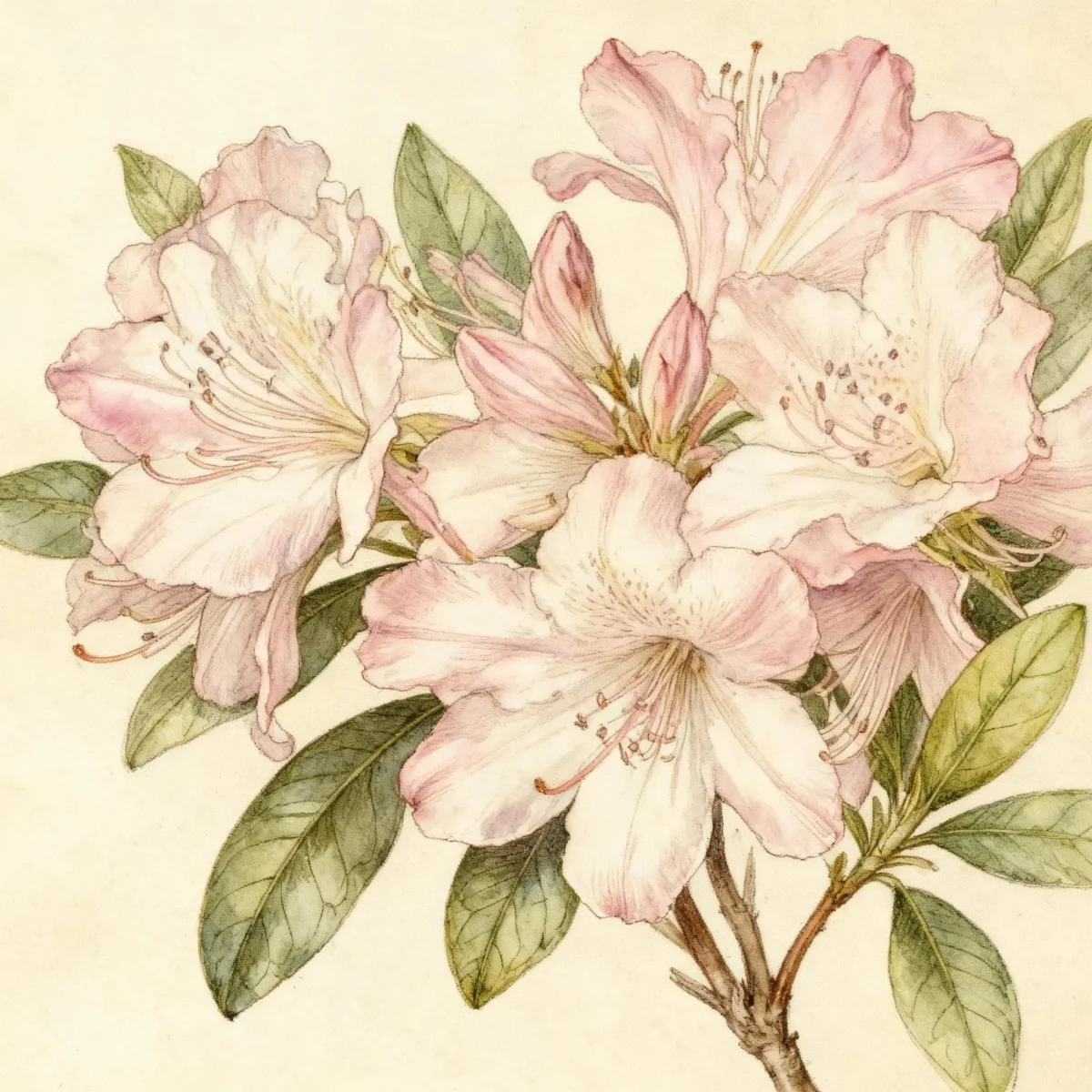
Evergreen azalea (Rhododendron 'Girard's Rose')
Rhododendron 'Girard's Rose' is a popular Evergreen azalea known for showy pink blooms in spring and evergreen foliage.
Scroll down to discover growing tips, care requirements, companion plants, and more
Complete Plant Information
Overview
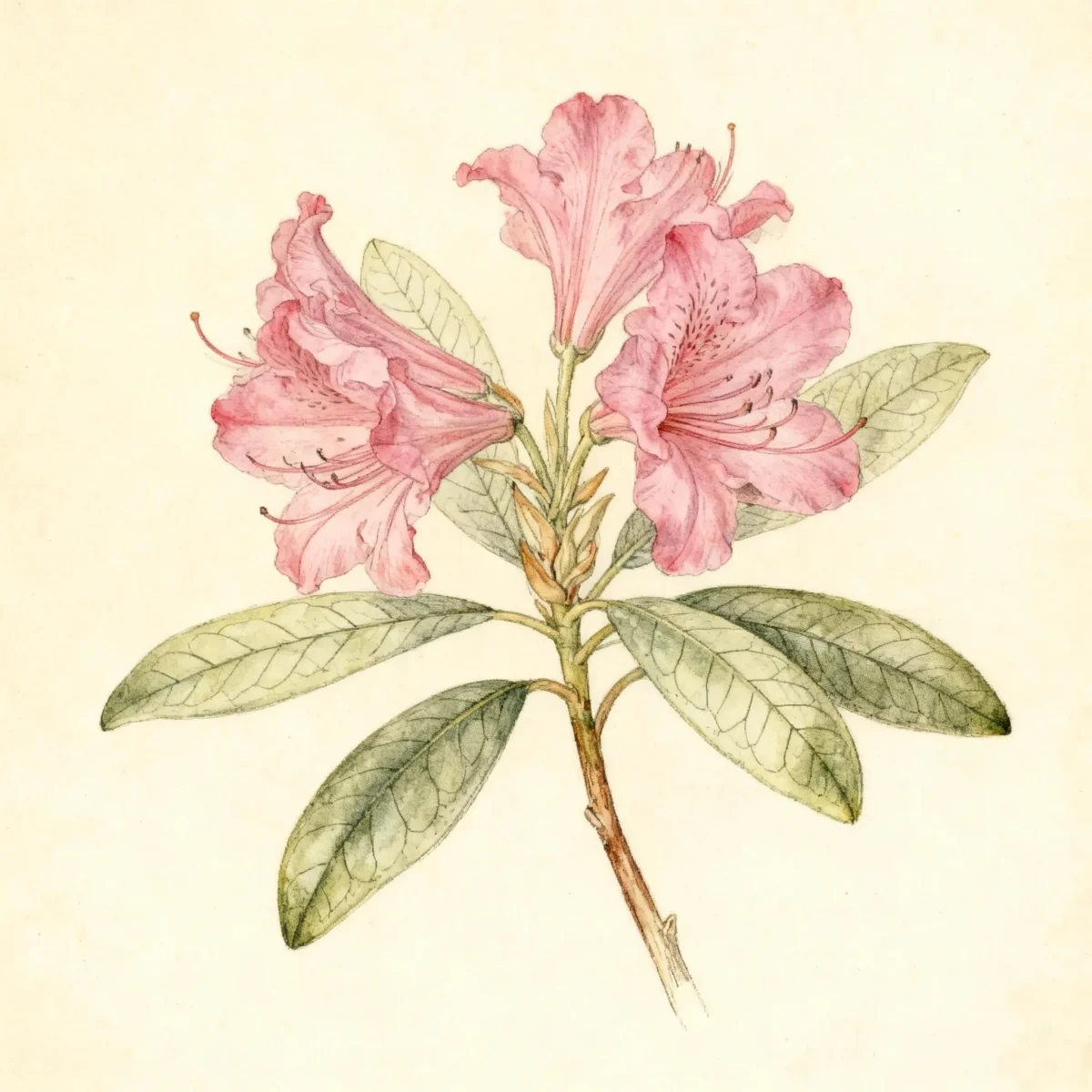
Rhododendron ‘Girard’s Rose’ is a cherished variety of Evergreen azalea, prized for its compact, low-growing habit and vibrant display of spring flowers. This broadleaf evergreen offers excellent year-round texture, holding onto its glossy, dark green leaves even through winter dormancy. As a Girard hybrid, it brings reliable, showy pink blossoms every April and May, marking a highlight in the spring garden.
This versatile shrub is valued both for its aesthetic appeal and its practical size, fitting well into smaller gardens or as formal hedging. Gardeners appreciate the deep rose-pink flowers of Rhododendron ‘Girard’s Rose’ for their density and color saturation. Successful cultivation relies on meticulous attention to soil acidity and drainage, as this classic Evergreen azalea requires specific conditions to thrive.
The compact nature of Rhododendron ‘Girard’s Rose’ ensures it remains manageable, typically reaching only 2 to 2.5 feet tall and wide. This makes it an excellent choice for foundation plantings, borders, or adding structure to woodland gardens where it naturally complements filtered light settings.
Fast Facts
- Plant Family: Ericaceae
- Plant Type: Broadleaf evergreen
- Hardiness Zones: USDA Zones 5-8
- Size at Maturity:
- Height: 2-2.5 ft
- Spread: 2-2.5 ft
- Bloom Time: April to May
- Bloom Description: Pink
- Sun Exposure: Part shade
- Water Needs: Medium
- Maintenance Level: Medium
How to Grow
When planting Rhododendron ‘Girard’s Rose’, prioritize soil preparation above all else. These plants thrive in acidic, organically rich, humusy soil that remains consistently moist but is exceptionally well-drained. Avoid locations where water pools; poor drainage leads directly to root rot. Consider raised beds if you have heavy clay soils.
Establish your Evergreen azalea in a location receiving dappled sunlight or high open shade; morning sun followed by afternoon shade is ideal. Protect plants from harsh, drying winds. Due to their shallow, fibrous root systems, Rhododendron ‘Girard’s Rose’ benefits immensely from a 2-3 inch layer of mulch, such as pine needles or wood chips, to retain soil moisture and stabilize root temperatures.
Watering must be consistent; never allow the roots of this shrub to dry out completely. Soil pH is critical for nutrient uptake, aiming for a range between 5.0 and 5.5. Adjust acidity by adding sulfur or iron sulfate if necessary. After flowering finishes in late spring, promptly deadhead (clip off spent flower clusters) to encourage strong rebloom the following season. Never cultivate deeply near the base, disturb the fine roots.
Landscape Uses
Rhododendron ‘Girard’s Rose’ excels in structured landscape roles due to its tidy, uniform growth habit. It functions superbly as a low, formal hedge where its evergreen structure provides winter interest. These azaleas are also perfect for mass plantings or grouping to create a continuous sweep of color along woodland margins or shady borders.
For mixed borders, pair this Evergreen azalea with other acid-loving plants like camellias, rhododendrons, or ferns that appreciate similar part-shade conditions. The dense foliage also provides effective contrast when planted near deciduous shrubs or plants with contrasting leaf textures. They are strong candidates for foundation plantings, offering year-round green structure near homes where light levels are often tempered.
Standout Features
Flower Qualities
- Showy
Noteworthy Characteristics
Rhododendron ‘Girard’s Rose’ is categorized within the azalea group—evergreen types retain leaves year-round and form multi-stemmed shrubs. Developed by Girard Nurseries, this specific cultivar forms an upright, low-growing shrub, rarely exceeding 2 feet in height after several years. Its glossy, dark green foliage often takes on an attractive reddish-orange tint during the winter months, adding seasonal appeal beyond its spectacular spring bloom.
Tolerances
- Rabbit
Potential Problems
Rhododendrons and azaleas are susceptible to numerous insect and disease issues if cultural needs are neglected, particularly drainage and pH. Common insect pests include lacebugs, aphids, and scale, while diseases like root rot and crown rot thrive in soggy soil. Chlorosis, which manifests as yellowing leaves, is a classic sign of iron deficiency, almost always caused by soil pH that has become too alkaline.
Prevention is key for maintaining healthy Rhododendron ‘Girard’s Rose’. Ensure correct, acidic soil pH and excellent drainage to prevent fungal diseases. Inspect foliage regularly for early signs of pests like lacebugs; treatments should target the underside of the leaves where they often hide. A healthy plant provided with its preferred acidic, moisture-retentive environment will naturally resist most major problems.
Frequently Asked Questions
What hardiness zones is Evergreen azalea (Rhododendron ‘Girard’s Rose’) suitable for?
Rhododendron ‘Girard’s Rose’ is suitable for USDA Hardiness Zones 5 through 8.
How large does Rhododendron ‘Girard’s Rose’ grow?
This shrub typically matures to a height and spread between 2 and 2.5 feet.
What sun exposure does Evergreen azalea need?
This variety performs best in part shade, favoring dappled light or protection from hot afternoon sun.
When does Rhododendron ‘Girard’s Rose’ bloom?
The showy pink flowers emerge reliably in the spring, typically blooming from April to May.
Conclusion
The Rhododendron ‘Girard’s Rose’ offers exceptional value as a compact, acid-loving, broadleaf evergreen, reliably delivering vibrant pink flowers in mid-spring. Its strong structure and manageable size make this Evergreen azalea ideal for formal borders and foundation plantings. Plan your planting now, ensuring rich, acidic, and well-drained soil conditions to guarantee years of successful, beautiful performance.
Companion Planting
Selecting suitable companions helps maintain the cool, acidic microclimate that Rhododendron ‘Girard’s Rose’ requires. Plants that share a love for consistently moist, well-drained, acidic soil are excellent partners. Consider planting nearby species like Camellia, Pieris (Andromeda), or various native ferns, which all naturally thrive under the filtered light conditions preferred by this Evergreen azalea.
When avoiding areas near walnut trees is crucial due to juglone sensitivity, focus on companion borders that offer textural variation while respecting moisture needs. Hostas, while deciduous, provide excellent low-level contrast against the dark evergreen foliage of the azalea during the summer months.
Seasonal Care Calendar
Spring is the most active season for care; ensure spent blooms of Rhododendron ‘Girard’s Rose’ are clipped immediately after flowering to direct energy toward developing next year’s buds. During summer, monitor moisture levels closely, applying supplemental water if rainfall is scarce, ensuring the soil never dries out near these shallow roots.
In autumn, verify that mulch is adequate to insulate the roots against winter freezes. While this Rhododendron offers good cold tolerance, flower buds in marginal zones can still suffer damage. If soil pH testing indicates alkalinity, apply acidifying agents like elemental sulfur in the fall to allow time for soil chemistry shifts before spring growth begins.