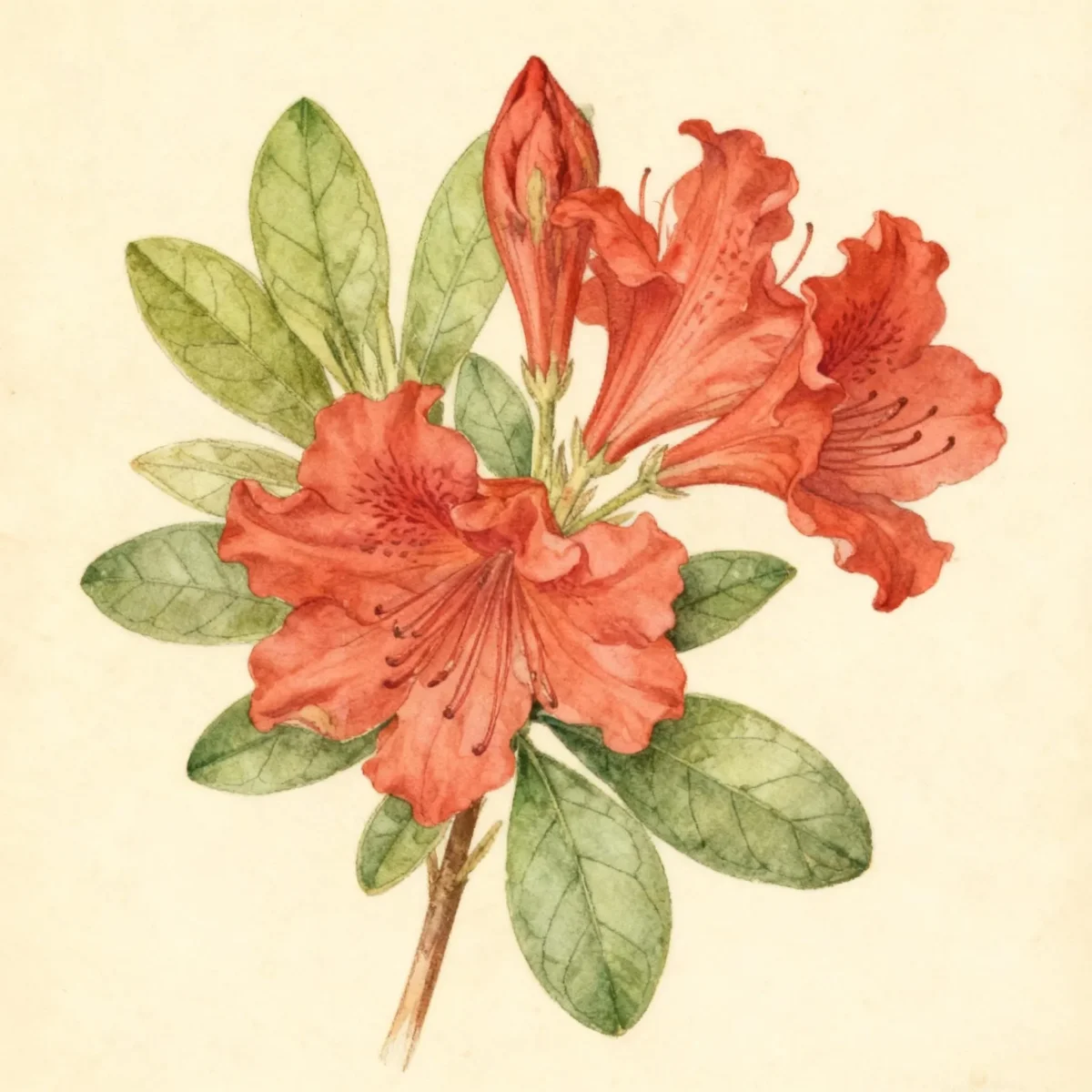
Evergreen azalea (Rhododendron 'Girard's Scarlet')
Vibrant Evergreen azalea, Rhododendron 'Girard's Scarlet', offers deep orange-red blooms in spring. Ideal for part shade in USDA Zones 6-8.
Scroll down to discover growing tips, care requirements, companion plants, and more
Complete Plant Information
Overview
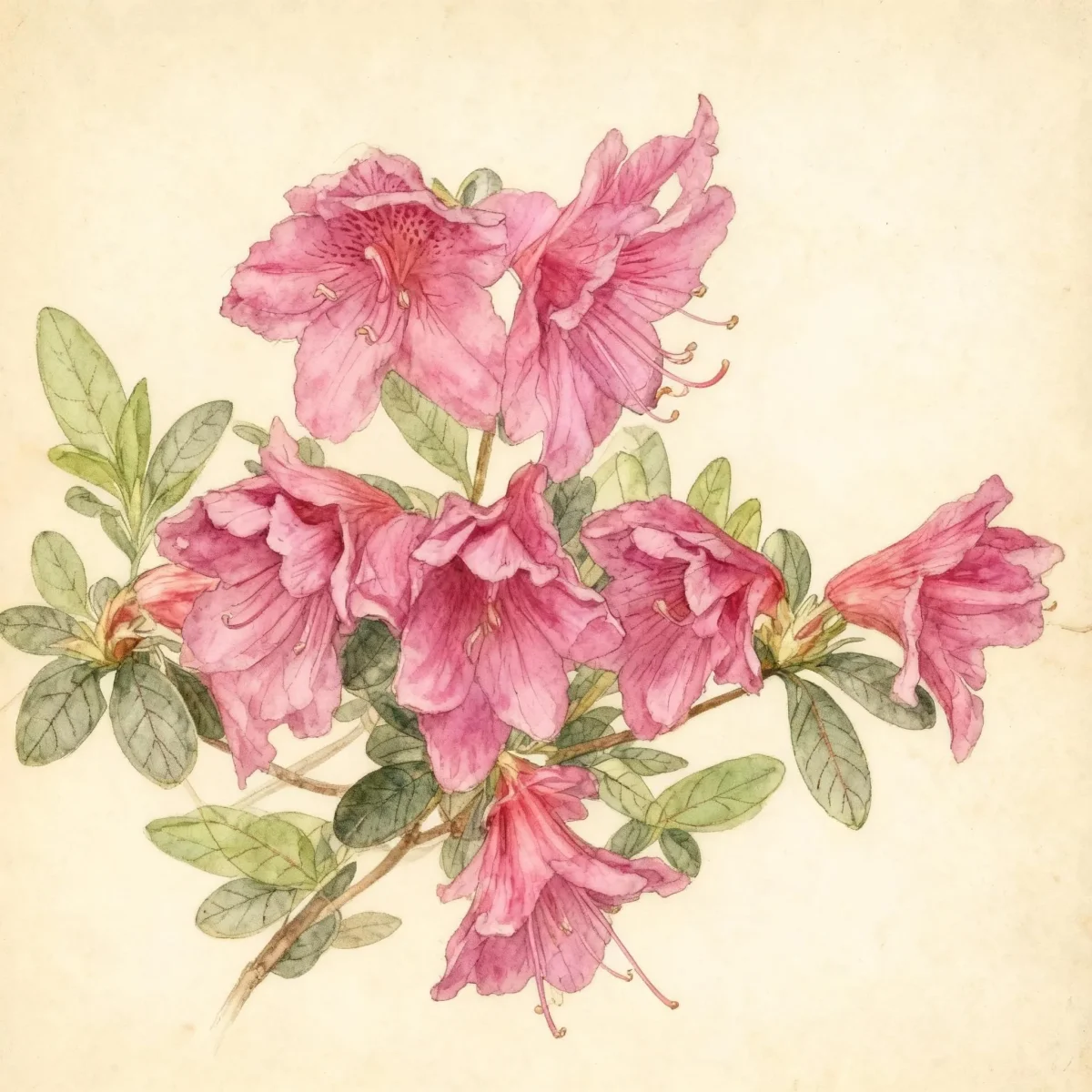
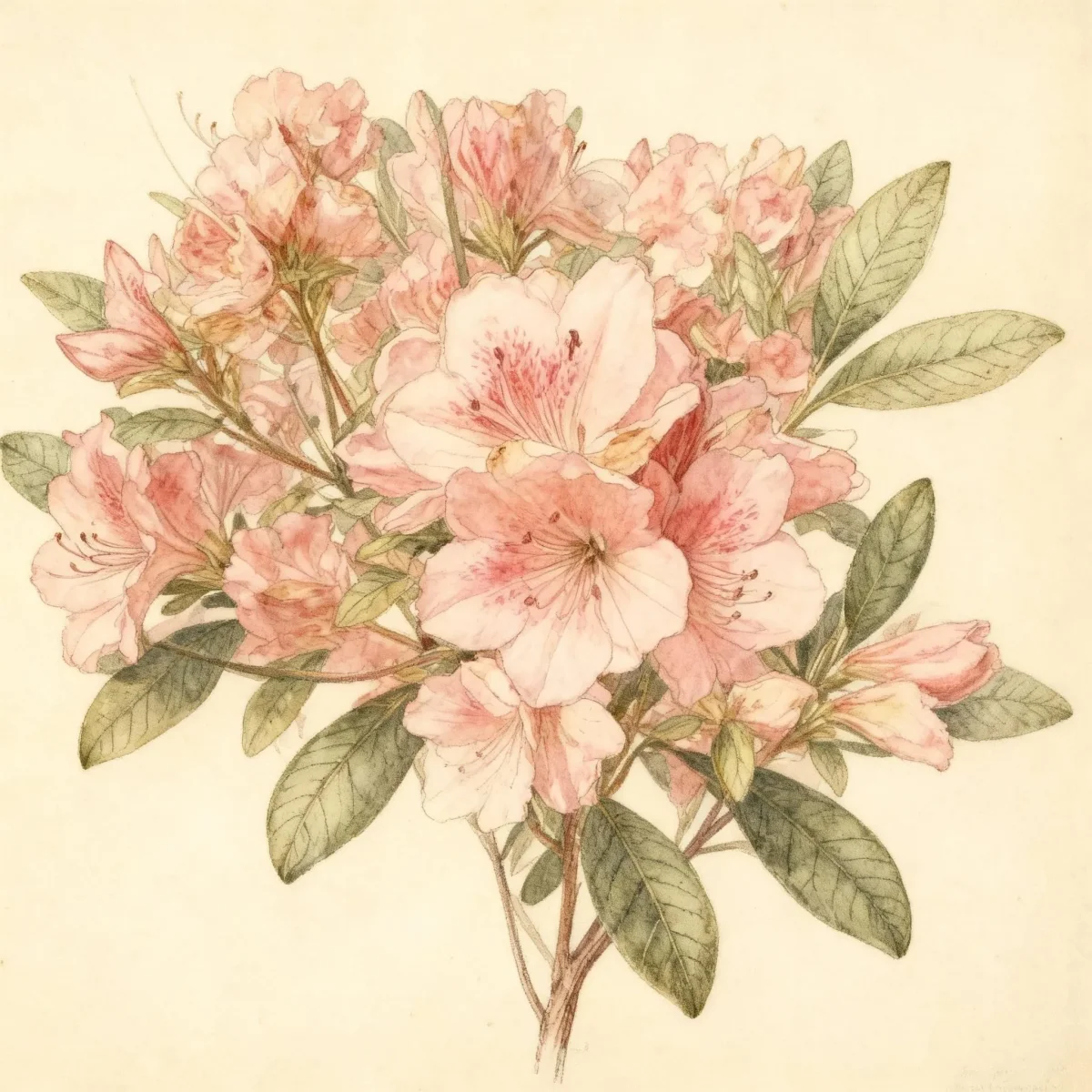
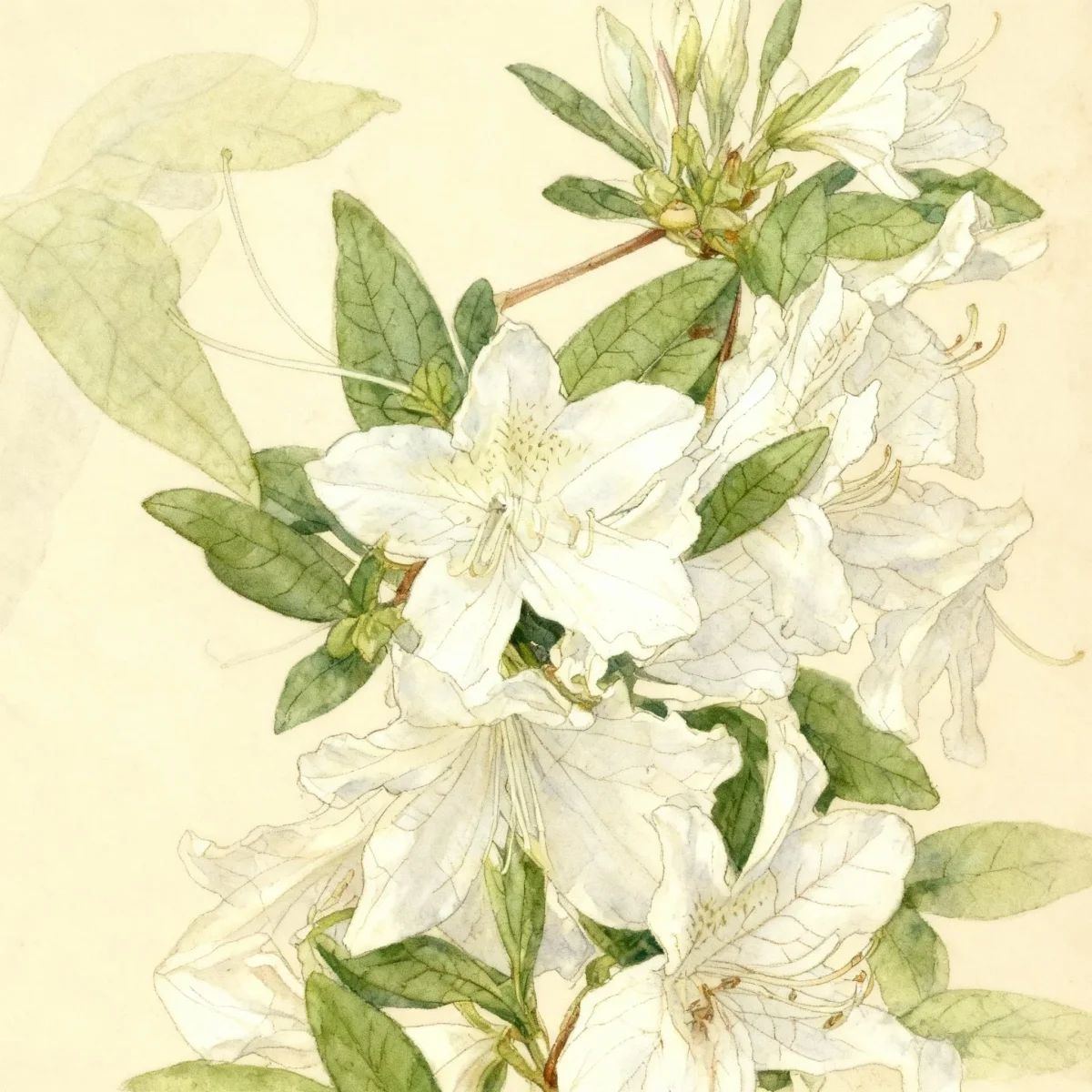
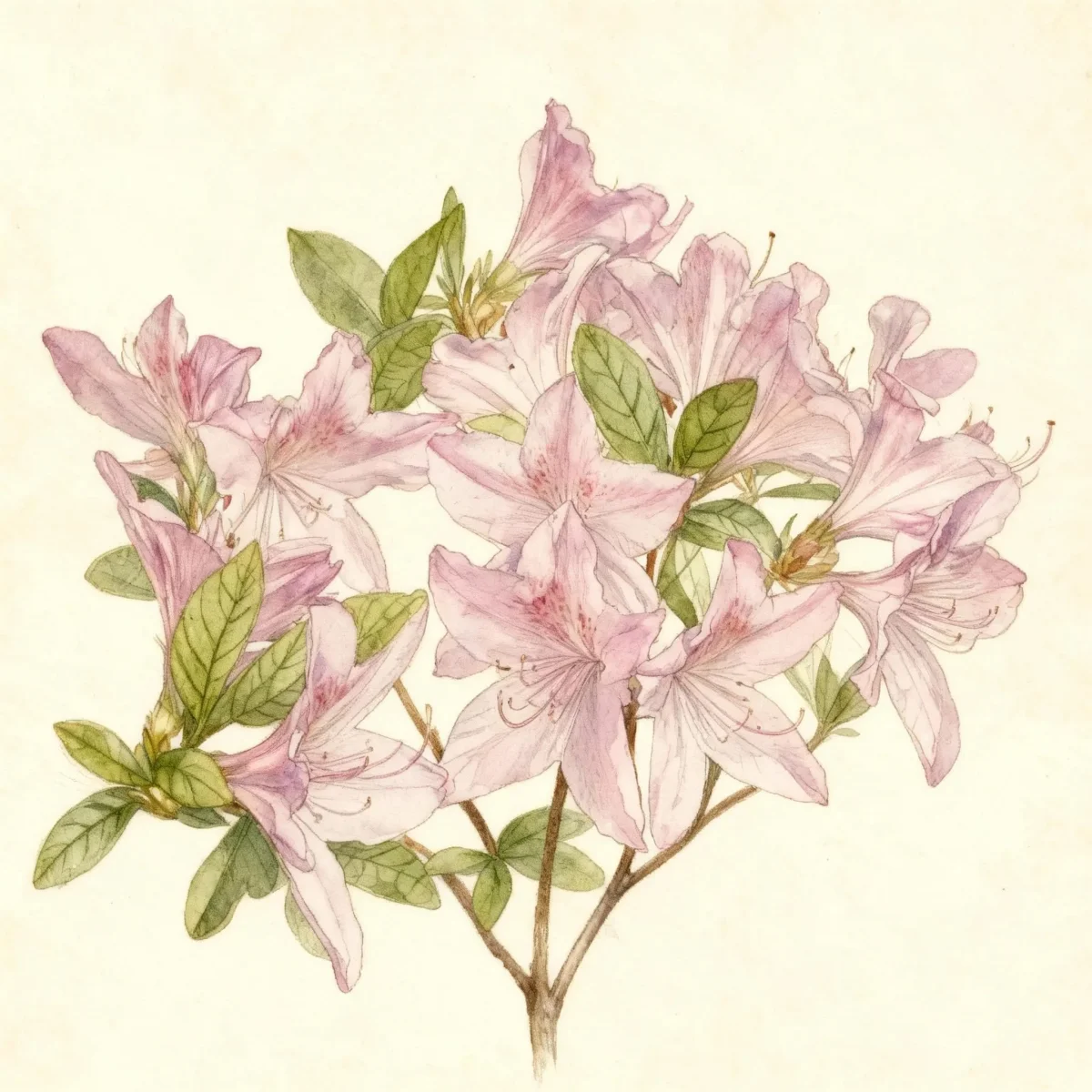
Rhododendron ‘Girard’s Scarlet’ is a highly desirable broadleaf evergreen azalea prized for its striking spring floral display. This cultivar provides excellent visual impact with masses of deep orange-red, trumpet-shaped flowers appearing reliably from April into May. As an evergreen azalea, it offers year-round structure and color to the garden, making it a valuable addition even when not in bloom.
This robust hybrid is well-suited for gardeners looking for a compact shrub, typically reaching 1.5 to 2 feet tall and spreading up to 3 feet wide. Rhododendron ‘Girard’s Scarlet’ thrives in dappled light conditions, guarding it against harsh afternoon scorch common in hotter regions. Achieving success with this plant relies heavily on providing the acidic, well-drained soil conditions that are essential for all members of the Ericaceae family.
The deep color and tidy habit of Rhododendron ‘Girard’s Scarlet’ make it functional in formal settings, such as foundation plantings or low hedges, while its evergreen nature integrates seamlessly into woodland garden designs, providing persistent year-round texture.
Fast Facts
- Plant Family: Ericaceae
- Plant Type: Broadleaf evergreen
- Hardiness Zones: USDA Zones 6-8
- Size at Maturity:
- Height: 1.5-2 ft
- Spread: 2.5-3 ft
- Bloom Time: April to May
- Bloom Description: Deep orange red
- Sun Exposure: Part shade
- Water Needs: Medium
- Maintenance Level: Medium
How to Grow
The key to successful cultivation of Rhododendron ‘Girard’s Scarlet’ lies in soil amendment and placement. Plant immediately after bloom if possible, ensuring the location receives dappled or high open shade, ideally with morning sun followed by afternoon shade protection. The soil must be highly acidic, preferably between pH 5.0 and 5.5, rich in organic matter, humusy, and critically, very well-drained. If you have heavy clay soils, plan to plant in raised beds to counteract poor drainage, as these azaleas do not tolerate ‘wet feet’ which rapidly leads to root rot.
Watering needs are medium, meaning the soil should be consistently moist but never waterlogged. The shallow, fibrous root system of Rhododendron ‘Girard’s Scarlet’ must never be allowed to dry out, making consistent moisture essential, especially during establishment and hot summers. Apply a thick layer of organic mulch, such as pine needles or wood chips, to help stabilize soil temperatures and retain necessary moisture near the roots.
Avoid cultivating near the base of the plant; instead, rely on the mulch layer for soil improvement. Protect plants from strong winds. If soil pH is too high, apply iron sulfate or sulfur to acidify the soil. After the deep orange red flowers fade in late spring, promptly deadhead the spent blooms to encourage better reblooming next season. Be mindful to avoid planting near walnuts or hickories due to sensitivity to juglone toxins.
Landscape Uses
Rhododendron ‘Girard’s Scarlet’ is highly adaptable for structured landscaping where consistent evergreen presence is desired. Its compact size (under 3 feet wide) makes it an excellent choice for formal shrub borders, providing consistent color blocking along walkways or property lines where it functions effectively as a low hedge. For a sophisticated woodland effect, mass plantings of this Evergreen azalea create a continuous carpet of dark green foliage punctuated by brilliant spring color.
Consider using this cultivar in mixed borders alongside other acid-loving plants that share similar light and moisture requirements, such as ferns, camellias, or Japanese maples. Planting Rhododendron ‘Girard’s Scarlet’ near foundation plantings on the east or north sides of buildings often provides ideal protection from the harshest afternoon light while adding year-round visual interest against hardscaping.
Standout Features
Flower Qualities
- Showy
Noteworthy Characteristics
Rhododendron is a genus of 500 to 900 species and includes both of what we commonly call rhododendrons and azaleas. This Girard hybrid of R. ‘Aladdin’ and R. ‘El Capitan’ is specifically noted for its deep orange red flowers that possess a slightly ruffled, trumpet shape. As an evergreen azalea, it forms a multi-stemmed plant that retains its leaves throughout the winter, offering structure when many other shrubs are dormant.
Tolerances
- Rabbit
Potential Problems
Rhododendrons and azaleas, including Rhododendron ‘Girard’s Scarlet’, are susceptible to various insect and disease issues, though healthy plants in the correct environment typically remain resilient. Common insect pests include scale, lacebugs, and aphids, while diseases like root rot and leaf spot can occur, especially with poor drainage. Chlorosis, yellowing leaves, is a frequent indicator that the soil pH is too high, causing an iron deficiency that requires immediate soil acidification correction.
Management starts with cultural control: ensure the environment supports the plant’s needs for acidic, well-drained soil and appropriate light. Regular inspection helps catch minor infestations early. Prune only to remove spent flowers or dead wood, as heavy shearing should be avoided, which aligns with its medium maintenance profile.
Frequently Asked Questions
What hardiness zones is Evergreen azalea suitable for?
Rhododendron ‘Girard’s Scarlet’ is reliably hardy in USDA Zones 6 through 8.
How large does Rhododendron ‘Girard’s Scarlet’ grow?
This variety typically matures to a height between 1.5 and 2 feet, with a spread ranging from 2.5 to 3 feet wide.
What sun exposure does Evergreen azalea need?
This plant prefers part shade, thriving best in sun-dappled locations or high open shade; direct hot afternoon sun should be avoided.
When does Rhododendron ‘Girard’s Scarlet’ bloom?
It blooms intensely during April to May, displaying prominent deep orange red flowers.
Conclusion
Rhododendron ‘Girard’s Scarlet’ adds dependable evergreen structure and spectacular spring color to any garden setting. Its compact size and brilliant blossoms make this Evergreen azalea a standout choice for borders and foundation plantings throughout USDA Zones 6-8. Ensure you prepare highly acidic, well-drained soil before planting to guarantee the longevity and health of your new shrub.
Companion Planting
Selecting companions for Rhododendron ‘Girard’s Scarlet’ should focus on plants that share its preference for dappled light and acidic soil conditions. Woodland gardens thrive when paired with acid-lovers like blue hydrangeas, camellias, and mountain laurels (Kalmia). These companions complement the dense texture of the Evergreen azalea foliage beautifully.
For lower-level green cover near the shallow roots, consider planting groundcovers that prefer moist, acidic environments, such as varieties of spreading junipers, Pachysandra, or creeping phlox. Avoid using alkaline amendments like lime near these plants, as their root systems are sensitive to pH shifts, which can lead to nutrient lockout.
Seasonal Care Calendar
Spring preparation focuses heavily on the bloom cycle; immediately after the deep orange red flowers fade in late spring, deadhead any spent clusters to promote abundant flowering next year. As summer progresses, consistent medium moisture is vital for the shallow roots; mulch application done during planting should be maintained to regulate soil temperature and moisture.
Winter care revolves around protection, despite being evergreen. In colder pockets of Zone 6, where buds might freeze, ensure the plant has adequate moisture heading into dormancy. If foliage shows signs of winter burn (browning), that often indicates sun scorch or excessive drying, so strategic planting shielded from winter winds is beneficial.