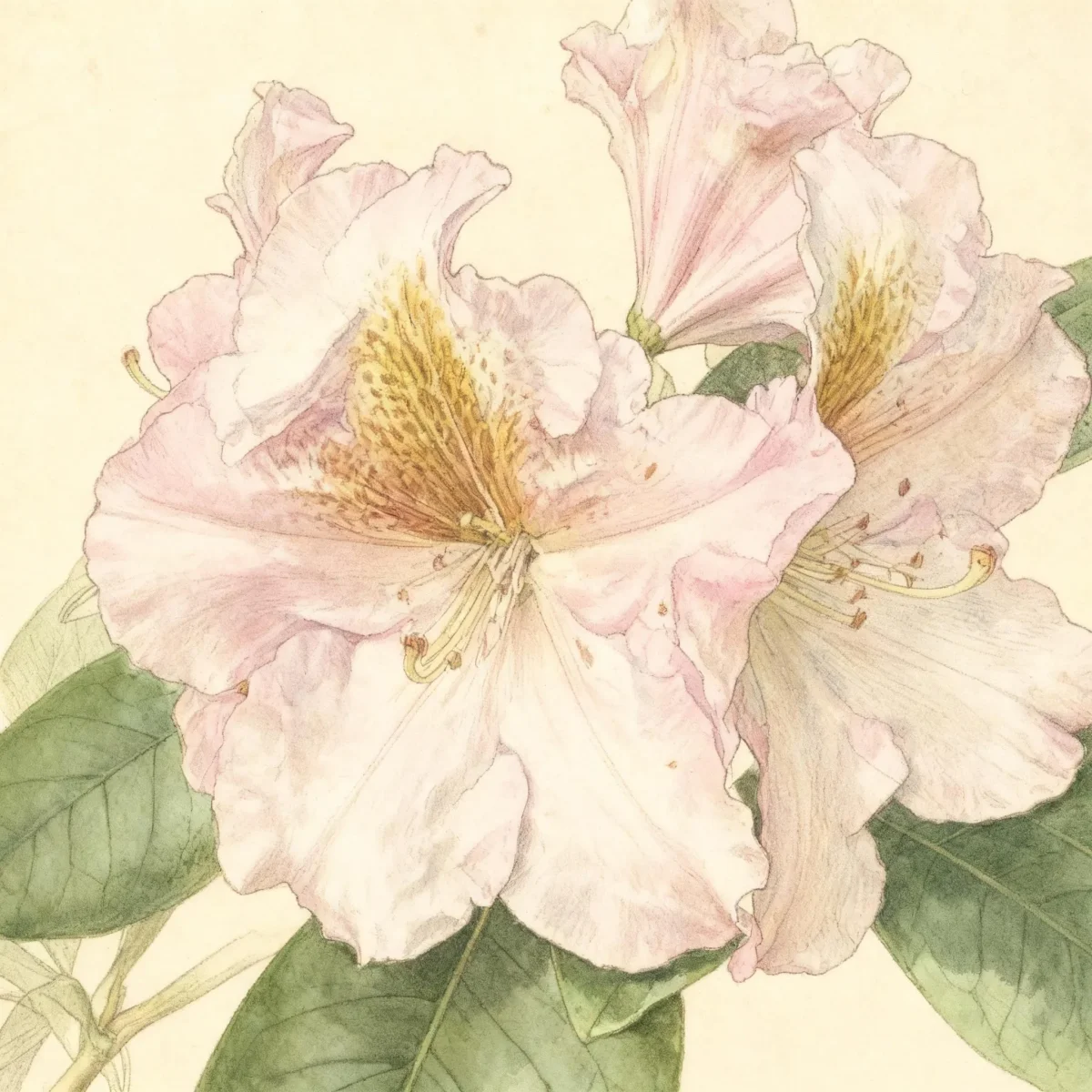
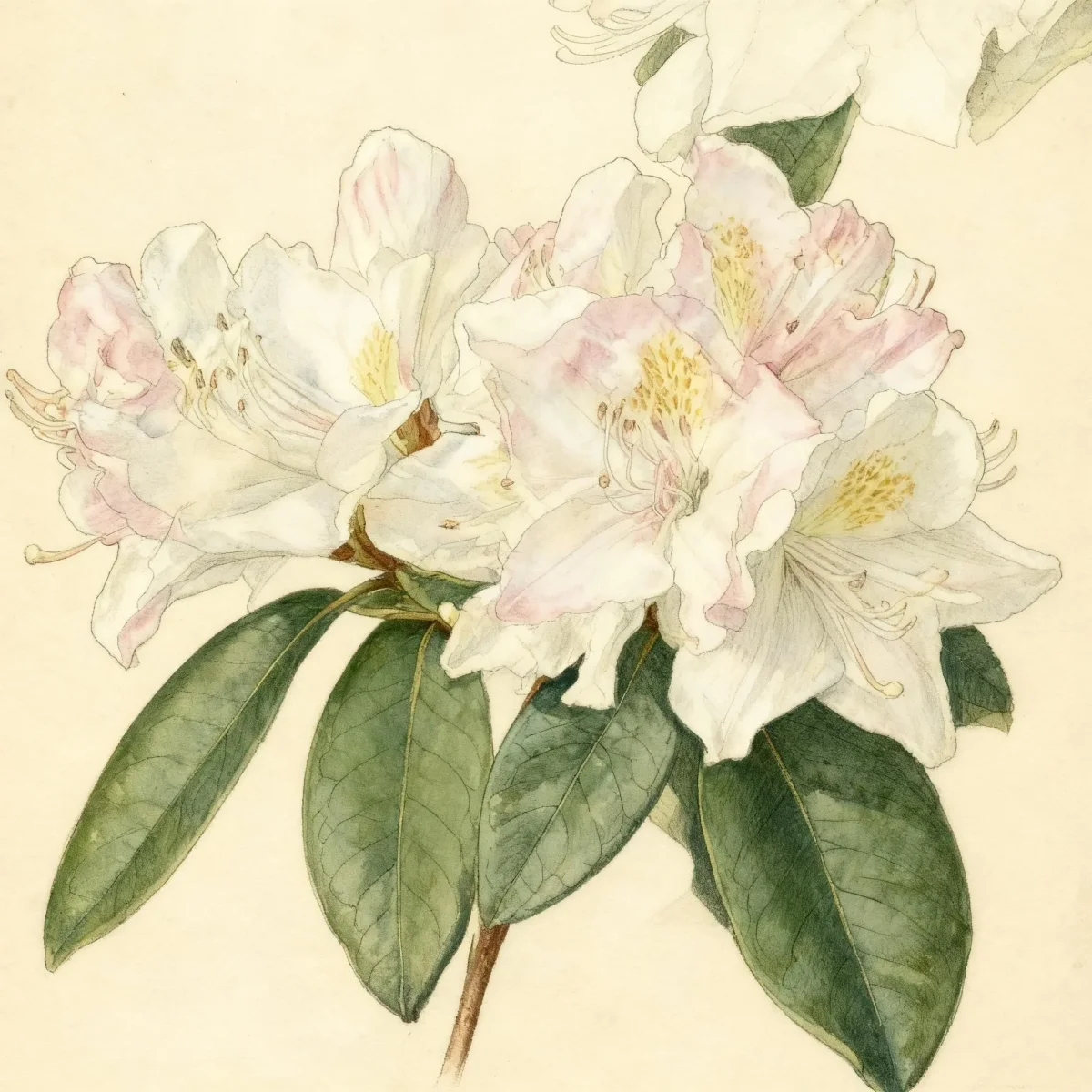
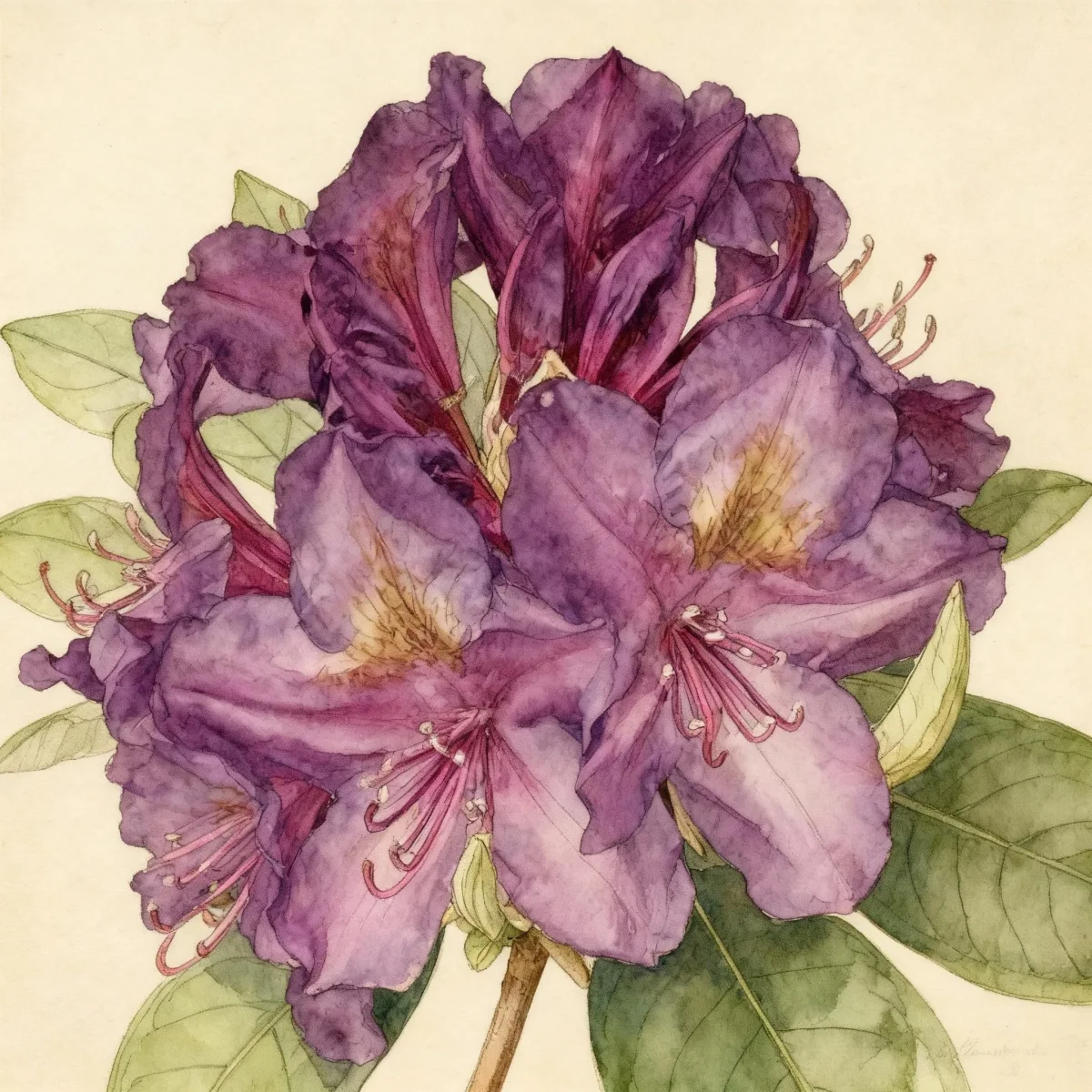
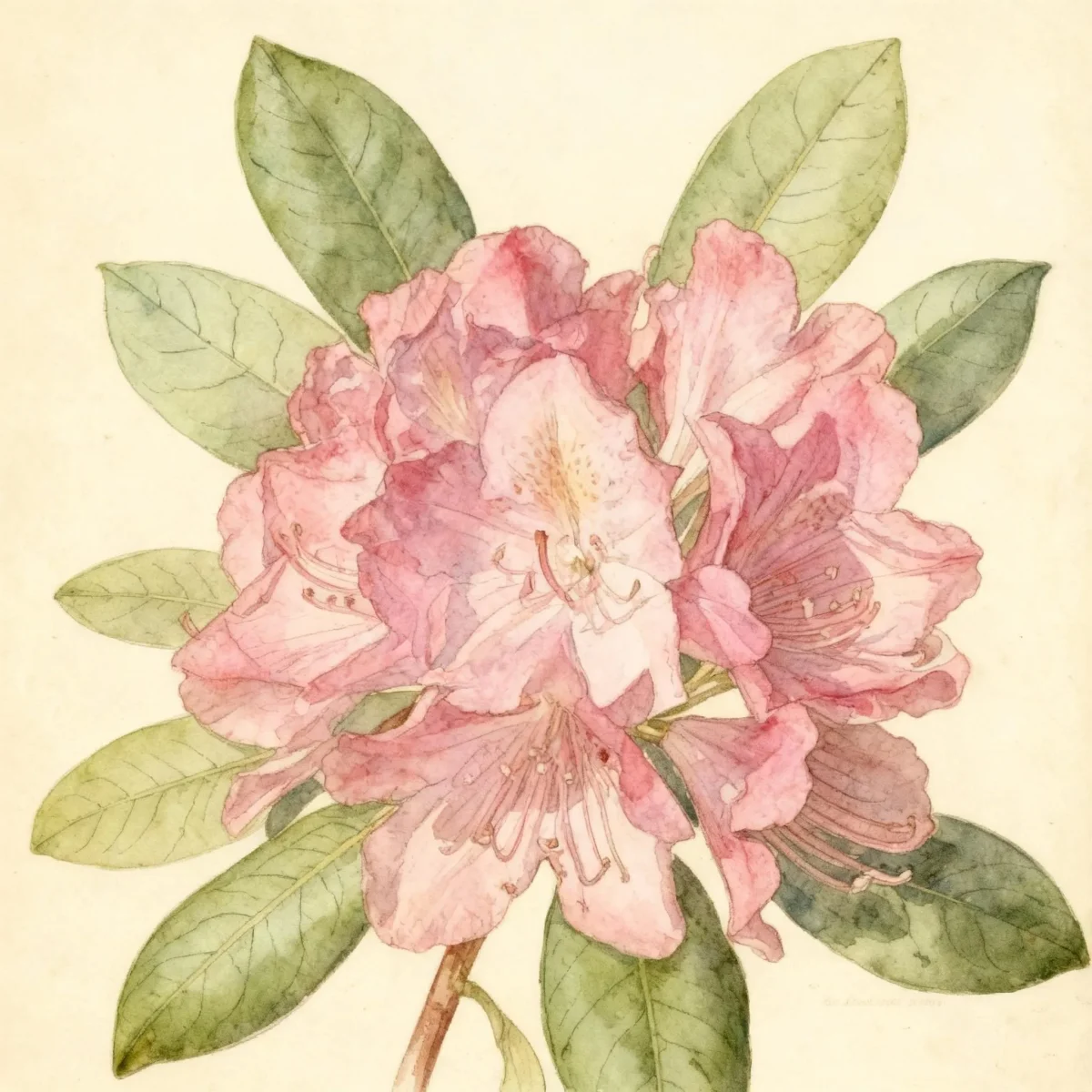
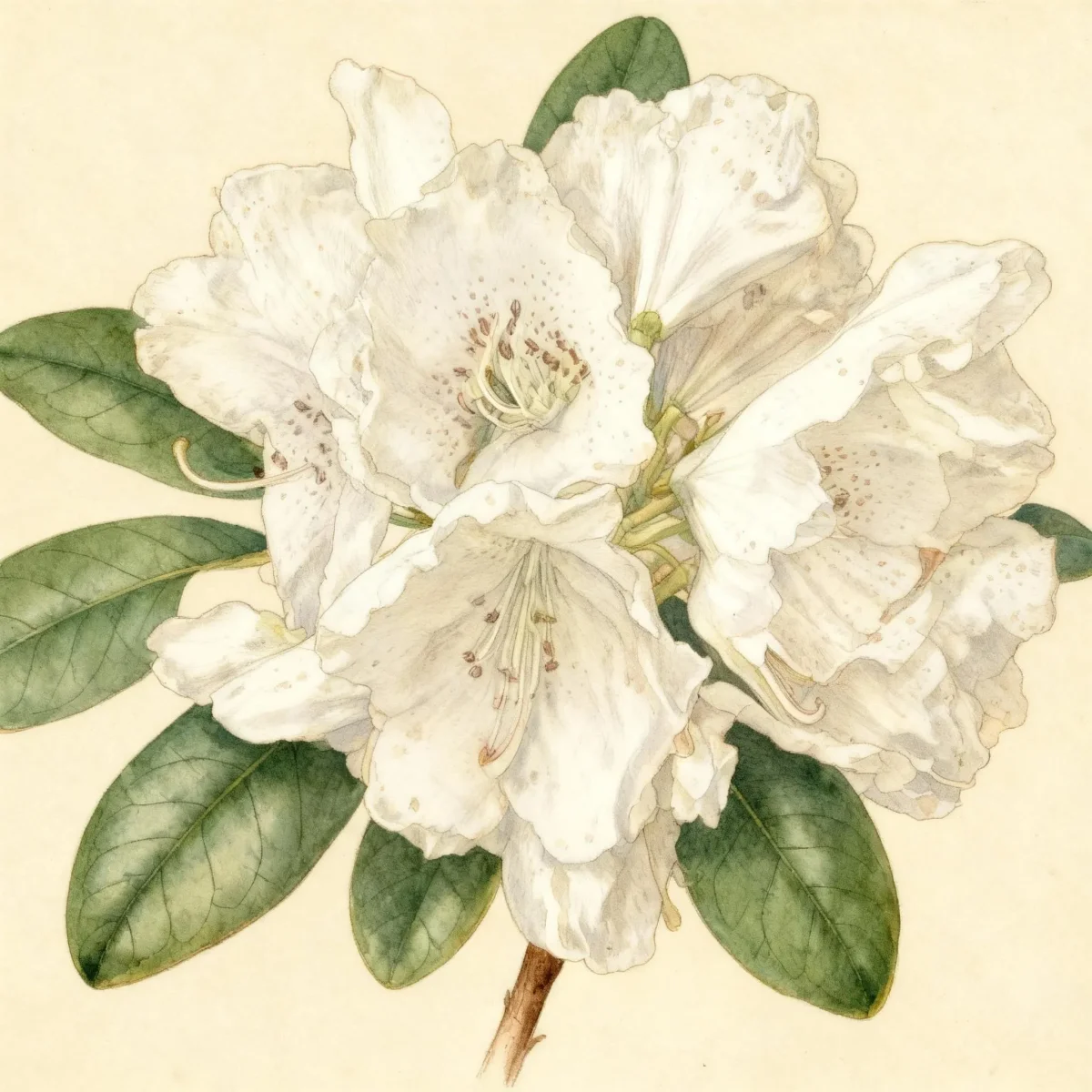
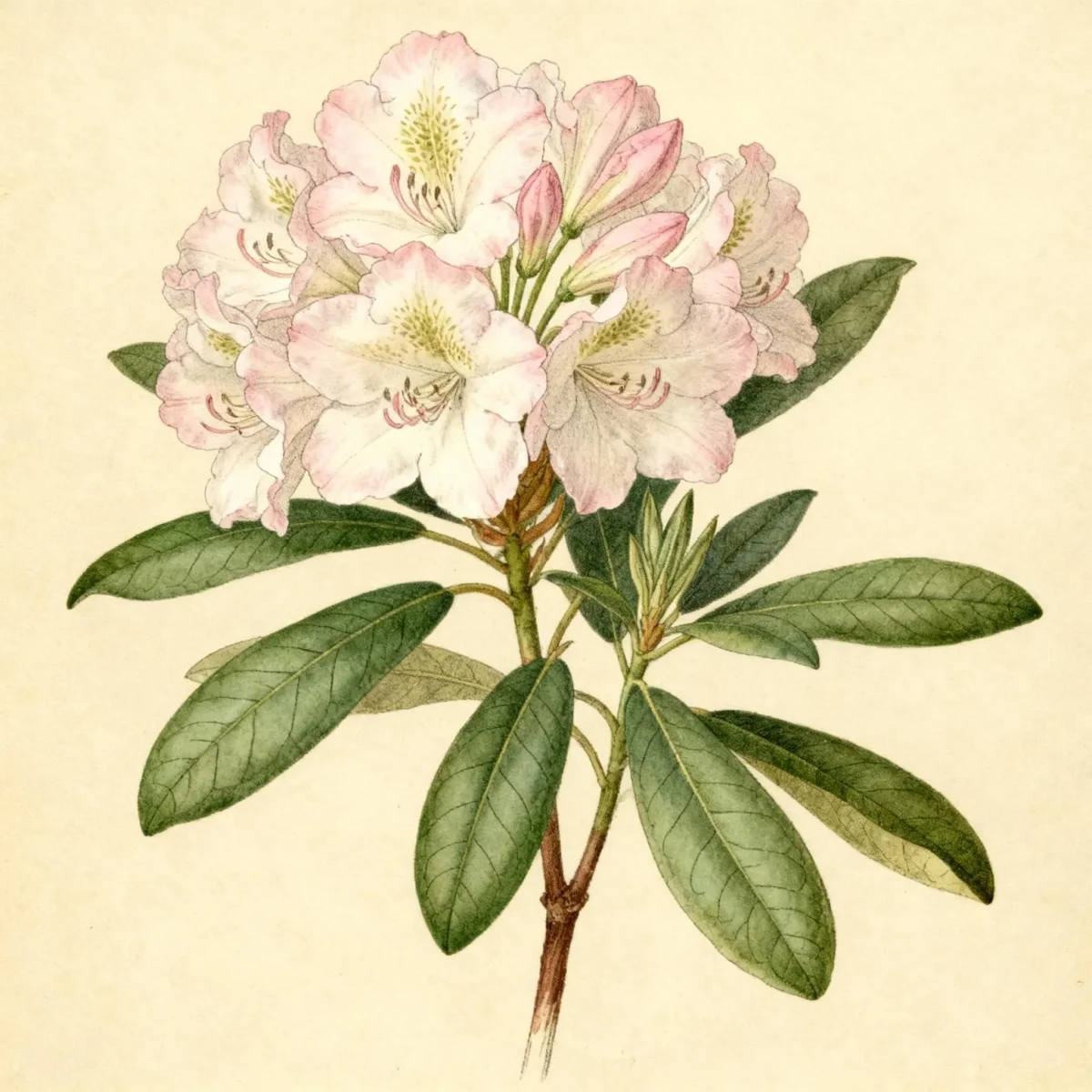
Rhododendron (Rhododendron 'Henry's Red')
Rhododendron 'Henry's Red' is a medium-sized evergreen offering showy red flowers in May. Hardy in zones 4-8, it thrives in part shade.
Scroll down to discover growing tips, care requirements, companion plants, and more
Complete Plant Information
Overview
Rhododendron ‘Henry’s Red’ is a highly versatile broadleaf evergreen, valued for its dense structure and stunning spring floral display. This particular cultivar produces deep red, funnel-shaped flowers, adding significant color to the temperate spring landscape. As a Mezitt hybrid, Rhododendron ‘Henry’s Red’ offers reliable performance, fitting well into borders or acting as a specimen planting.
This medium-sized Rhododendron is characterized by its evergreen foliage, providing year-round visual interest, especially when contrasted against winter snows. Successful cultivation relies heavily on specific soil preferences, demanding acidic, humusy, and well-drained conditions. Gardeners aiming for robust health in their Rhododendron must prioritize these environmental needs.
The introduction of Rhododendron ‘Henry’s Red’ into a garden setting provides both aesthetic appeal and functional structure. Reaching a moderate height and spread between 3 to 7 feet, it serves beautifully as a foundation planting or within woodland margins where dappled light prevails.
Fast Facts
- Plant Family: Ericaceae
- Plant Type: Broadleaf evergreen
- Hardiness Zones: USDA Zones 4-8
- Size at Maturity:
- Height: 3-5 ft
- Spread: 4-7 ft
- Bloom Time: May
- Bloom Description: Red
- Sun Exposure: Part shade
- Water Needs: Medium
- Maintenance Level: Medium
How to Grow
Plant Rhododendron ‘Henry’s Red’ in the early spring or fall for best establishment, ensuring the location offers protection from strong winds. The primary cultural requirement is soil quality: it must be acidic (pH 5.0 to 5.5), organically rich, and must drain extremely well. Avoid placing these plants near walnuts, as the toxic juglone compounds released by their roots can severely harm Rhododendrons.
Maintenance involves consistent moisture management; the shallow, fibrous roots must never be allowed to fully dry out, necessitating medium water application. Apply a thick layer of mulch, such as wood chips or pine needles, to help retain soil moisture and stabilize root temperatures, but avoid cultivating the soil near the plant base to protect the delicate roots. Fertilize lightly and only as needed to maintain soil acidity if pH tests confirm alkalinity.
Pruning is minimal but beneficial; immediately after the May bloom period concludes, it is practical to clip off spent flower clusters (deadheading). This directs the plant’s energy toward future flower bud production rather than seed set. For areas with heavy clay, consider planting Rhododendron ‘Henry’s Red’ in raised beds to guarantee the essential good soil drainage.
Landscape Uses
Rhododendron ‘Henry’s Red’ is highly adaptable in structured landscapes. Its evergreen nature makes it an excellent choice for year-round structure in shrub borders or mixed perennial plantings. Its manageable size, reaching 3 to 5 feet tall, makes it perfectly suited for use as a formal hedge or as an understated foundation planting near structures.
In woodland gardens or shade gardens, Rhododendrons naturally belong, thriving under the high, dappled shade provided by taller canopy trees. They pair well visually with deep greens, contrasting whites, or softer pastels found in woodland companions like Hellebores or ferns, allowing the vibrant red blooms of the Rhododendron ‘Henry’s Red’ to truly stand out in May. Utilizing this cultivar as a grouping or mass planting creates a dramatic sweep of seasonal color.
Standout Features
Flower Qualities
- Showy
Noteworthy Characteristics
Rhododendron is a genus of 500 to 900 species and includes both what we commonly call rhododendrons and azaleas. Grown for their showy spring flowers and attractive winter foliage, evergreen Rhododendrons produce stiff, linear leaves and large trusses of color at branch tips. Rhododendron ‘Henry’s Red’ is specifically a Mezitt hybrid known for its robust growth and deep red, funnel-shaped blooms.
Tolerances
- Rabbit
Potential Problems
Rhododendrons and azaleas are susceptible to numerous insect and disease challenges if stressed or improperly sited. Key issues include various pests such as scale, aphids, and lacebugs, alongside diseases like root rot and blight. Root rot is frequently triggered by poor drainage, which must be avoided at all costs for Rhododendron ‘Henry’s Red’.
Chlorosis, manifesting as yellowing leaves, often signals an underlying iron deficiency caused by soil pH levels trending too high. Regularly test your soil and acidify with iron sulfate or sulfur if necessary to keep the required pH range of 5.0 to 5.5. A healthy plant, situated in the correct acidic, well-drained environment, will naturally resist most common problems.
Frequently Asked Questions
What hardiness zones is Rhododendron ‘Henry’s Red’ suitable for?
This variety is suitable for USDA Hardiness Zones 4 through 8.
How large does Rhododendron ‘Henry’s Red’ grow?
It typically matures to a height between 3 to 5 feet and spreads 4 to 7 feet wide.
What sun exposure does Rhododendron ‘Henry’s Red’ need?
This Rhododendron performs best in part shade, ideally receiving morning sun with afternoon shade.
When does Rhododendron ‘Henry’s Red’ bloom?
Rhododendron ‘Henry’s Red’ blooms reliably during the month of May, displaying striking red flowers.
Conclusion
Rhododendron ‘Henry’s Red’ is an excellent choice for gardeners seeking a dependable broadleaf evergreen that provides structure and brilliant red flowers overhead in the spring season. By carefully managing its need for acidic, well-drained soil and consistently protecting its shallow roots, you ensure the longevity of this beautiful hybrid Rhododendron. Before planting, definitively check your current hardiness rating and amend your soil to meet the specific requirements of this classic shrub.
Companion Planting
Selecting suitable companions is key to creating a harmonious woodland garden setting for Rhododendron ‘Henry’s Red’. Choose plants that share similar cultural needs, particularly regarding acidic soil and preference for shade or filtered light. Excellent partners include Japanese Maples (Acer palmatum), which offer beautiful overhead structure without dense root competition, provided they are not sited too close.
Other ground-layer companions that perform well alongside your Rhododendron include various evergreen ferns, bleeding hearts (Dicentra), and shade-loving Hellebores. These selections complement the dense, dark green foliage of the Rhododendron while enjoying the filtered light beneath its canopy, resulting in a lush, layered woodland effect.
Containers and Raised Beds
Given the absolute requirement for excellent drainage, growing Rhododendron ‘Henry’s Red’ in containers or carefully constructed raised beds is often recommended, especially in areas with heavy clay soils common in the St. Louis region, as noted in its cultural requirements. This method allows the gardener complete control over creating the necessary acidic, humusy, high-drainage medium.
When planting in containers, ensure the pot is large enough to accommodate its mature spread of 4 to 7 feet eventually, or plan for eventual transplanting. Use a specialized potting mix formulated for acid-loving plants, and remember that containerized plants dry out faster than those in the ground, requiring vigilance regarding the medium moisture needs of the Rhododendron.