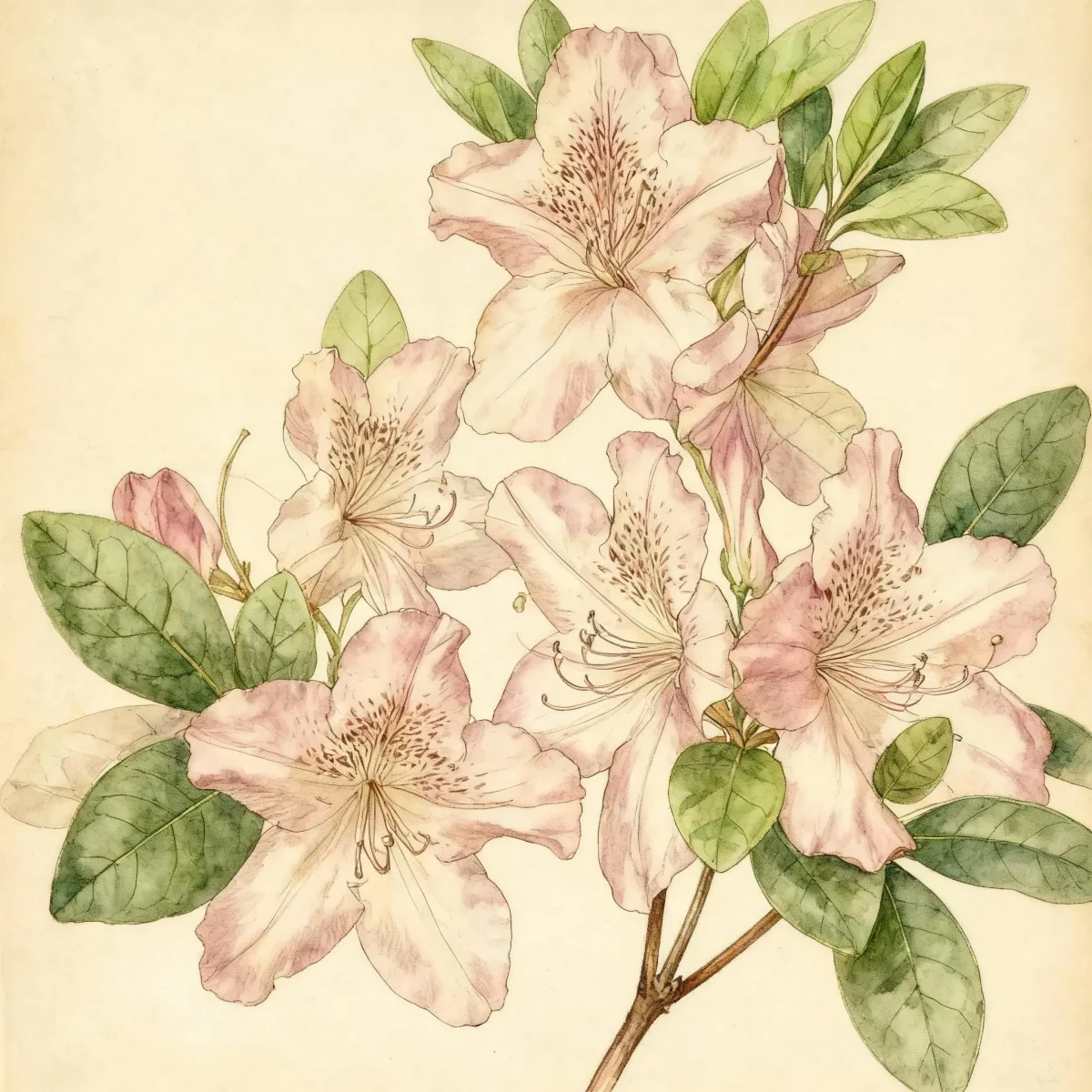
Evergreen azalea (Rhododendron 'Herbert')
Rhododendron 'Herbert' is a dense Evergreen azalea known for reddish-purple spring blooms and glossy evergreen foliage. Hardy zones 4-8.
Scroll down to discover growing tips, care requirements, companion plants, and more
Complete Plant Information
Overview
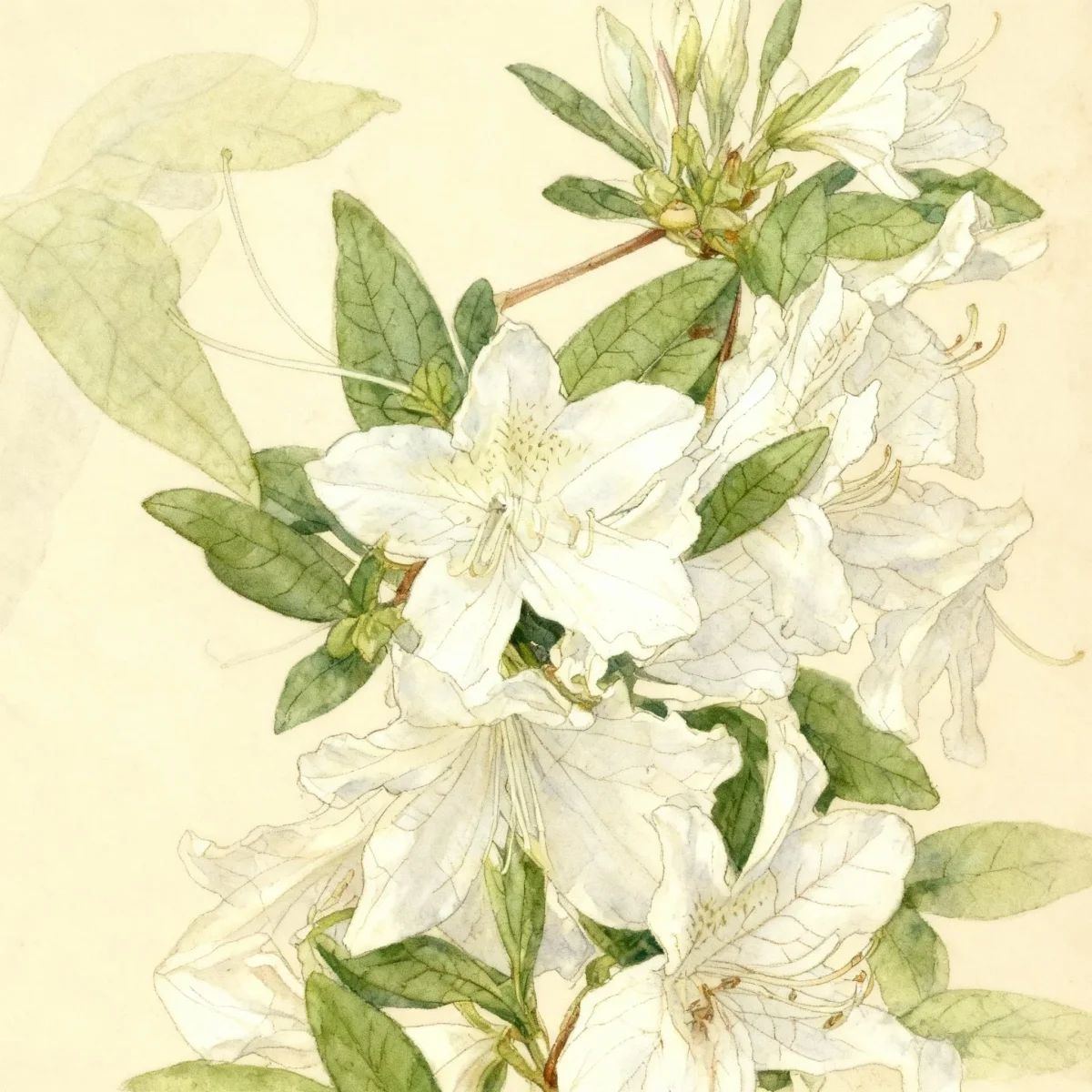
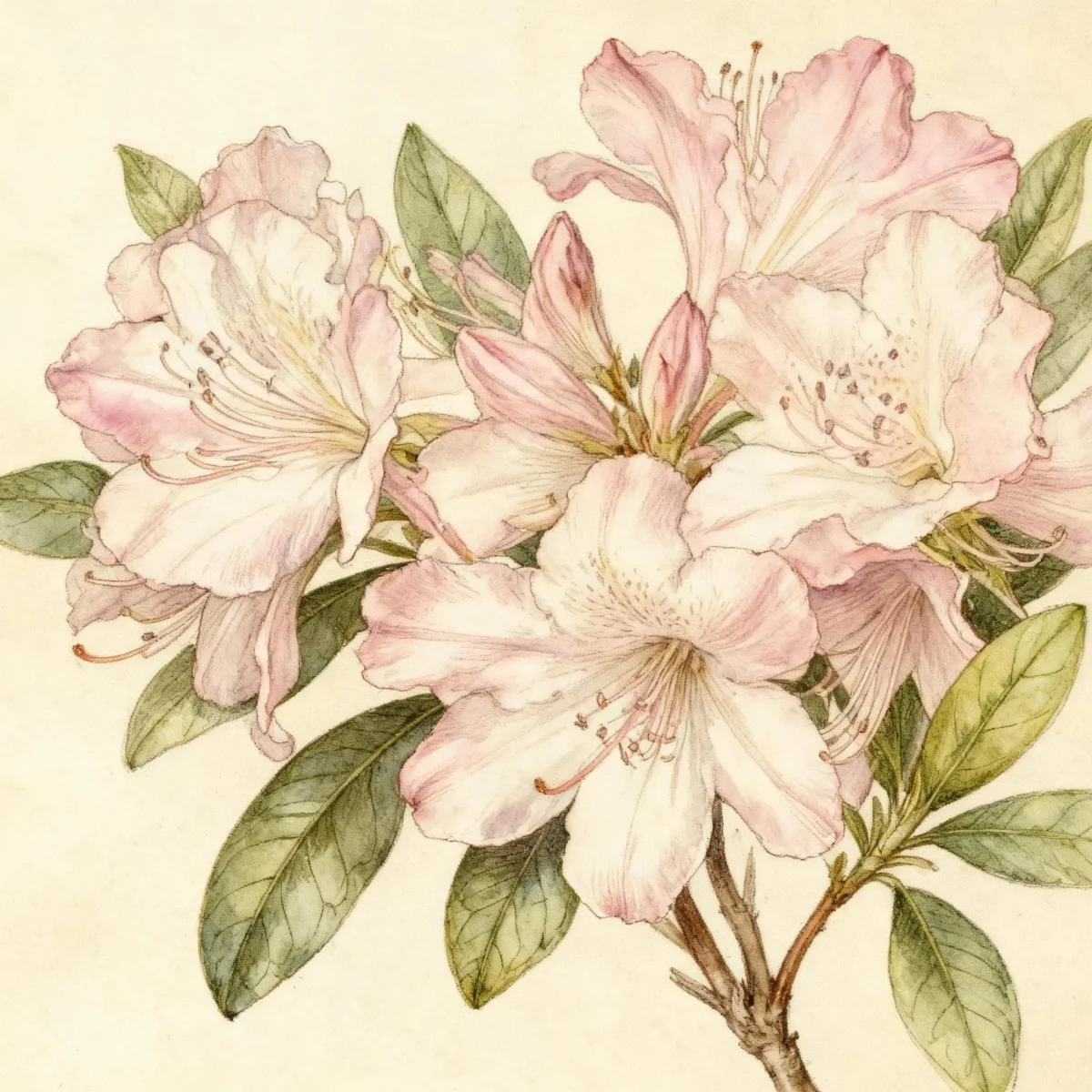
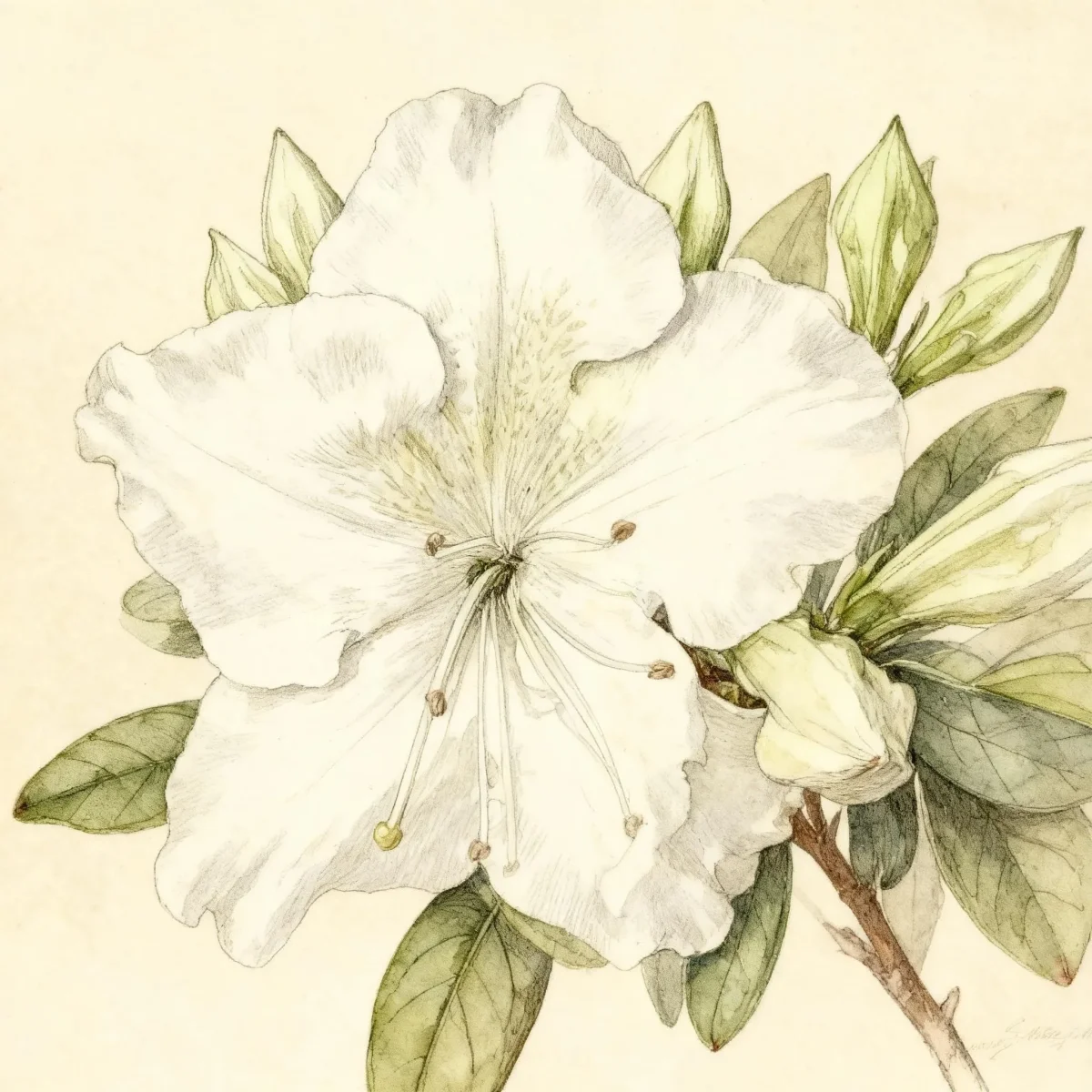
Rhododendron ‘Herbert’ is a highly regarded Gable hybrid, classified as a broadleaf evergreen azalea, prized for its reliability and structure in the garden. This cultivar offers dense, spreading growth, making it an excellent choice for gardeners seeking consistent year-round interest backed by vibrant spring color. As an Evergreen azalea, it retains its deep green, glossy foliage through the cold months.
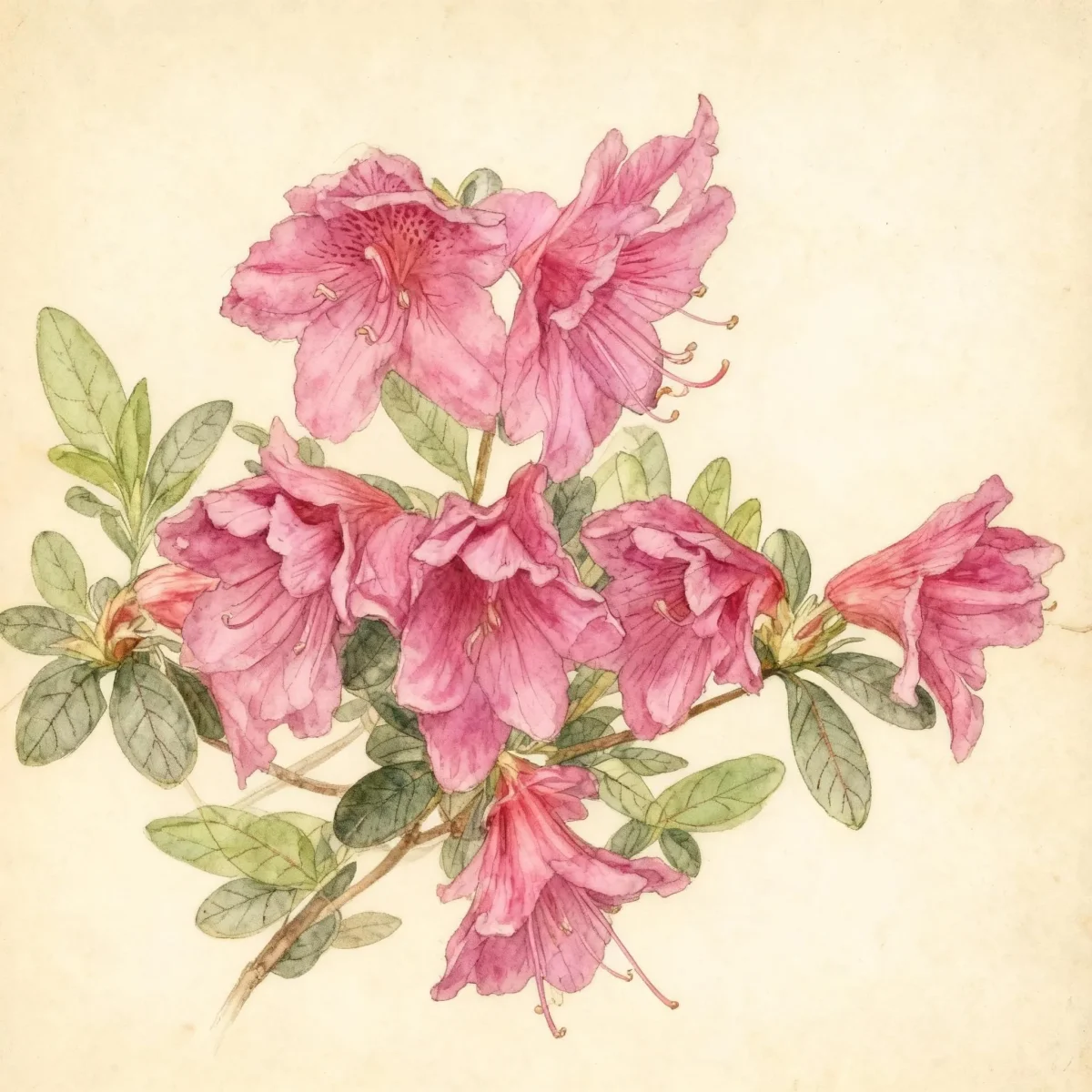
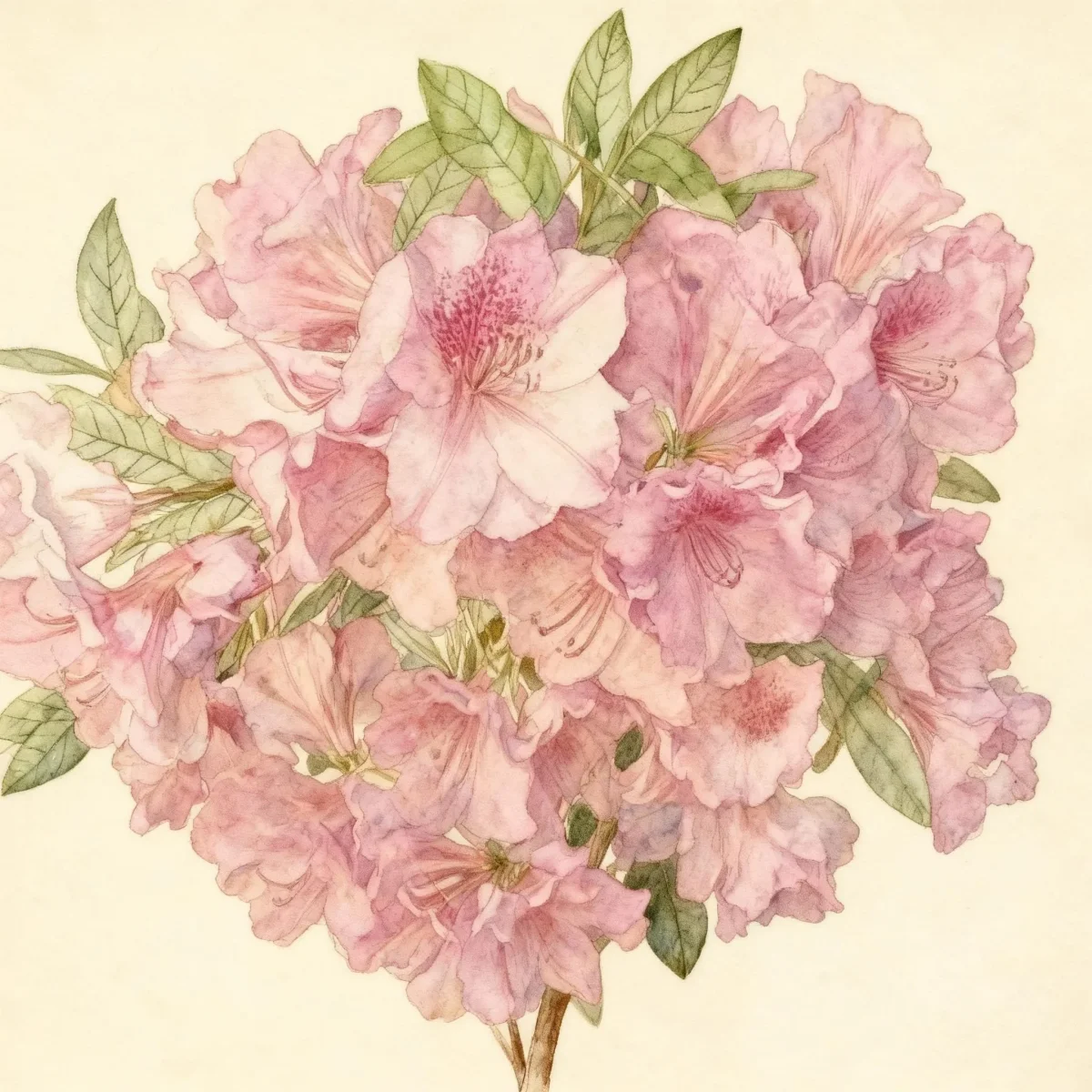
The most striking feature of Rhododendron ‘Herbert’ is its stunning springtime display in April, delivering clusters of medium-sized, reddish-purple flowers, each accented by a rich, dark purple blotch. Growing typically between 2 and 3 feet tall and wide, this plant maintains a tidy, manageable stature suitable for smaller spaces or formal borders. Gardeners should note that proper site selection focusing on protection from harsh afternoon sun is key to maintaining the best appearance of this beautiful Evergreen azalea.
Valued for its hardiness in USDA Zones 4 through 8, Rhododendron ‘Herbert’ provides foundational structure and reliable seasonal beauty. Successful cultivation hinges on providing the specific, acidic, well-drained soil conditions that all rhododendrons demand, ensuring this handsome shrub remains a dependable feature in woodland or foundation plantings for years to come.
Fast Facts
- Plant Family: Ericaceae
- Plant Type: Broadleaf evergreen
- Hardiness Zones: USDA Zones 4-8
- Size at Maturity:
- Height: 2-3 ft
- Spread: 2-3 ft
- Bloom Time: April
- Bloom Description: Reddish-purple
- Sun Exposure: Part shade
- Water Needs: Medium
- Maintenance Level: Medium
How to Grow
Planting Rhododendron ‘Herbert’ should ideally occur in spring or fall when temperatures are moderate, placing the shrub where it receives part shade—preferably dappled light or morning sun followed by afternoon shade. Successful establishment requires acidic soil, ideally with a pH between 5.0 and 5.5, that is organically rich, humusy, and moisture-retentive but crucially well-drained. Never site this Evergreen azalea near walnuts, as they produce juglones toxic to rhododendrons.
Consistent moisture is vital; the shallow, fibrous roots of Rhododendron ‘Herbert’ must never be allowed to dry out, though soggy soil will inevitably lead to root rot. If you have heavy clay, consider planting in raised beds. Apply a thick layer of organic mulch, such as wood chips or pine needles, to help retain soil moisture, stabilize temperature, and eliminate the need for cultivating near the sensitive root zone. Acidify the soil using iron sulfate or sulfur as needed to maintain the preferred pH range.
Maintenance is rated as medium. Promptly shear off spent flower clusters immediately after blooming concludes to encourage better flowering the following year. While Rhododendron ‘Herbert’ is rated for zones 4-8, protect plants in colder reaches from strong winds, as buds can freeze and foliage can suffer winter burn in extremely harsh conditions.
Landscape Uses
Rhododendron ‘Herbert’ excels in structured landscape settings due to its dense, uniform habit. It is highly effective when massed together or used as a specimen plant to anchor foundation plantings near a home. Its evergreen nature also makes it an excellent component for year-round shrub borders, where it provides excellent texture contrast against deciduous plantings.
This variety is particularly well-suited for woodland gardens or shaded margins where dappled light mimics its native habitat. Utilizing Rhododendron ‘Herbert’ as a low hedge provides formal structure without excessive height, offering boundary definition beneath windows or along pathways. For the best visual impact, pair the rich, reddish-purple blooms of the Evergreen azalea with spring-blooming bulbs or later-flowering perennials that thrive in partial shade conditions.
Standout Features
Flower Qualities
- Showy
Noteworthy Characteristics
Rhododendron is a genus of 500 to 900 species and includes both of what we commonly call rhododendrons and azaleas. ‘Herbert’ is a Gable hybrid developed by Joseph Gable, presenting as a dense, spreading shrub with glossy, dark green evergreen foliage. Clusters of medium-sized, reddish-purple flowers appear reliably in spring, making this Evergreen azalea a vibrant addition to the temperate garden palette.
Tolerances
- Rabbit
Potential Problems
Rhododendrons and azaleas face several common landscape challenges, requiring proactive care for Rhododendron ‘Herbert’. Insect pests like aphids, lacebugs, scale, and mites can affect foliage quality, while diseases such as root rot, blight, and leaf spot often signal environmental stress, particularly poor drainage. Chlorosis, where leaves turn yellow, frequently indicates the soil pH is too high, causing nutrient lockout, often iron deficiency.
Prevention is the best defense: ensure the plant is sited in its preferred acidic, well-drained soil and receives appropriate part shade exposure to avoid leaf scorch, especially in hot climates. A healthy Rhododendron ‘Herbert’ grown in the correct medium will naturally resist many issues. Monitor closely during stressful periods, like drought, and address specific pest or disease issues immediately according to best horticultural practices.
Frequently Asked Questions
What hardiness zones is Evergreen azalea (Rhododendron ‘Herbert’) suitable for?
Rhododendron ‘Herbert’ is suitable for USDA Hardiness Zones 4 through 8.
How large does Rhododendron ‘Herbert’ grow?
This variety typically achieves a mature height between 2 and 3 feet, with an equal spread of 2 to 3 feet, maintaining a dense, spreading habit.
When does Evergreen azalea bloom?
Rhododendron ‘Herbert’ produces its distinctive reddish-purple flowers during the month of April.
What sun exposure does Evergreen azalea need?
This plant performs best when situated in part shade, preferring dappled sunlight or protection from hot afternoon sun exposure.
Conclusion
The Gable hybrid Rhododendron ‘Herbert’ remains a garden favorite due to its manageable size, stunning spring color, and valuable evergreen structure throughout the winter. As a reliable Evergreen azalea, it demands specific acidic soil conditions but rewards the gardener with consistent performance in zones 4 to 8. Before planting, thoroughly test your soil pH and amend as necessary to ensure this beautiful shrub thrives in your landscape.
Companion Planting in Acidic Gardens
Successfully growing Rhododendron ‘Herbert’ alongside other species requires matching cultural needs, especially concerning soil acidity and shade tolerance. Companion plants that thrive in similar conditions—acidic, moist, well-drained soil, and part shade—will enhance the overall woodland garden aesthetic. Excellent choices include companion species like mountain laurel (Kalmia latifolia), Pieris (Pieris japonica), and native woodland ferns.
Focusing on differing bloom times can extend seasonal interest beyond the April peak of the Evergreen azalea. Consider planting late-summer bloomers such as Helleborus (Lenten Rose) or early-blooming rhododendrons cultivars that flower slightly earlier or later than Rhododendron ‘Herbert’. Ensure that any accompanying groundcovers do not require deep cultivation, respecting the shallow, fibrous root system of the azalea.
Seasonal Care Calendar
Mid-spring is the critical time for post-bloom maintenance; immediately clip spent flower clusters from Rhododendron ‘Herbert’ to redirect energy toward next year’s buds rather than seed production. This pruning effort is easy due to the plant’s relatively compact size. Throughout the summer, consistent monitoring of soil moisture is essential; medium water needs mean the mulch layer must be diligently maintained to prevent drying out, especially during heat waves.
In autumn, focus on root protection by ensuring the mulch layer is refreshed before the first hard freezes arrive. If you are in the colder end of Zone 4, provide temporary wind screening for your Evergreen azalea to minimize winter burn on the evergreen foliage. Winter care is mostly passive, requiring protection from desiccating winter winds and ensuring the soil remains covered and protected.