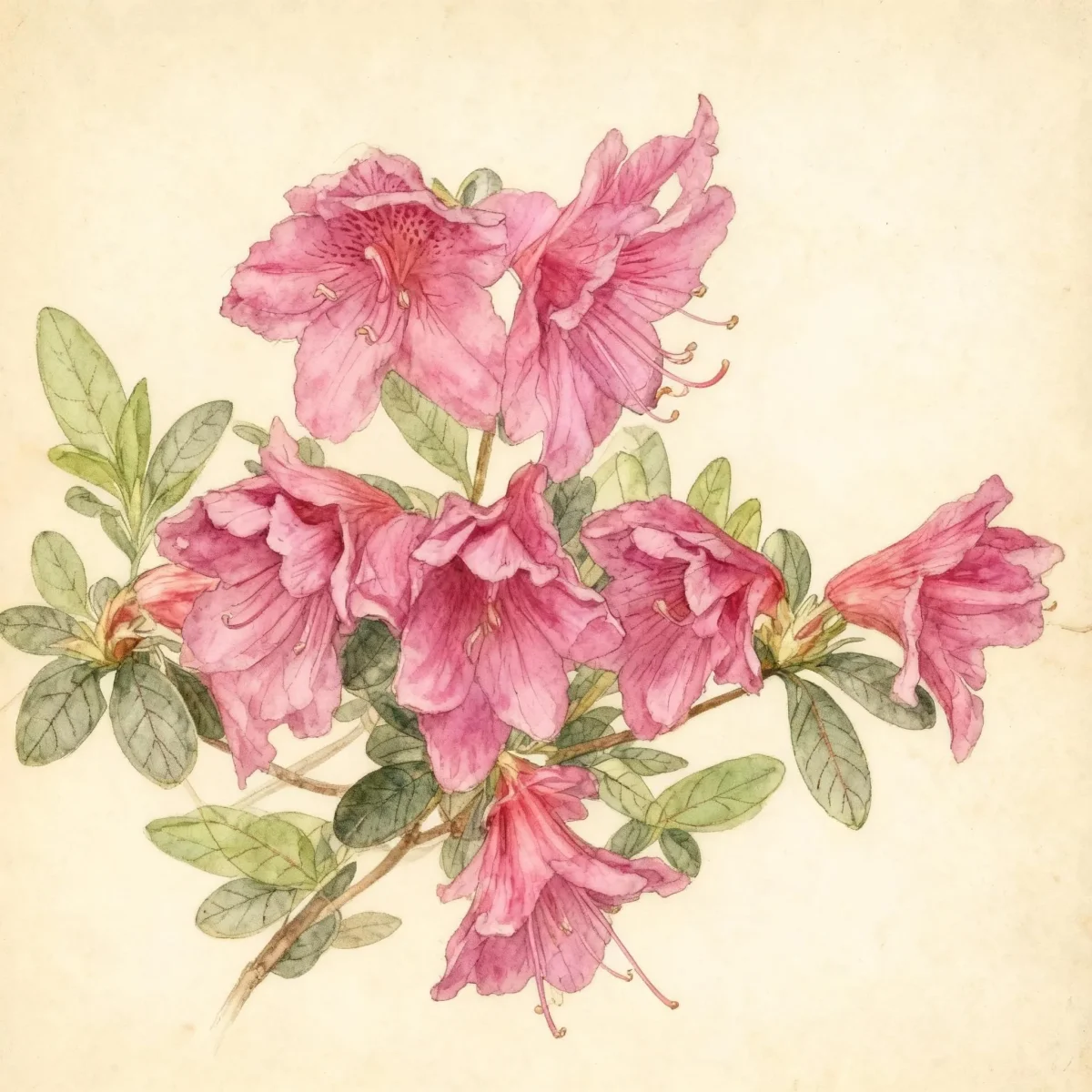
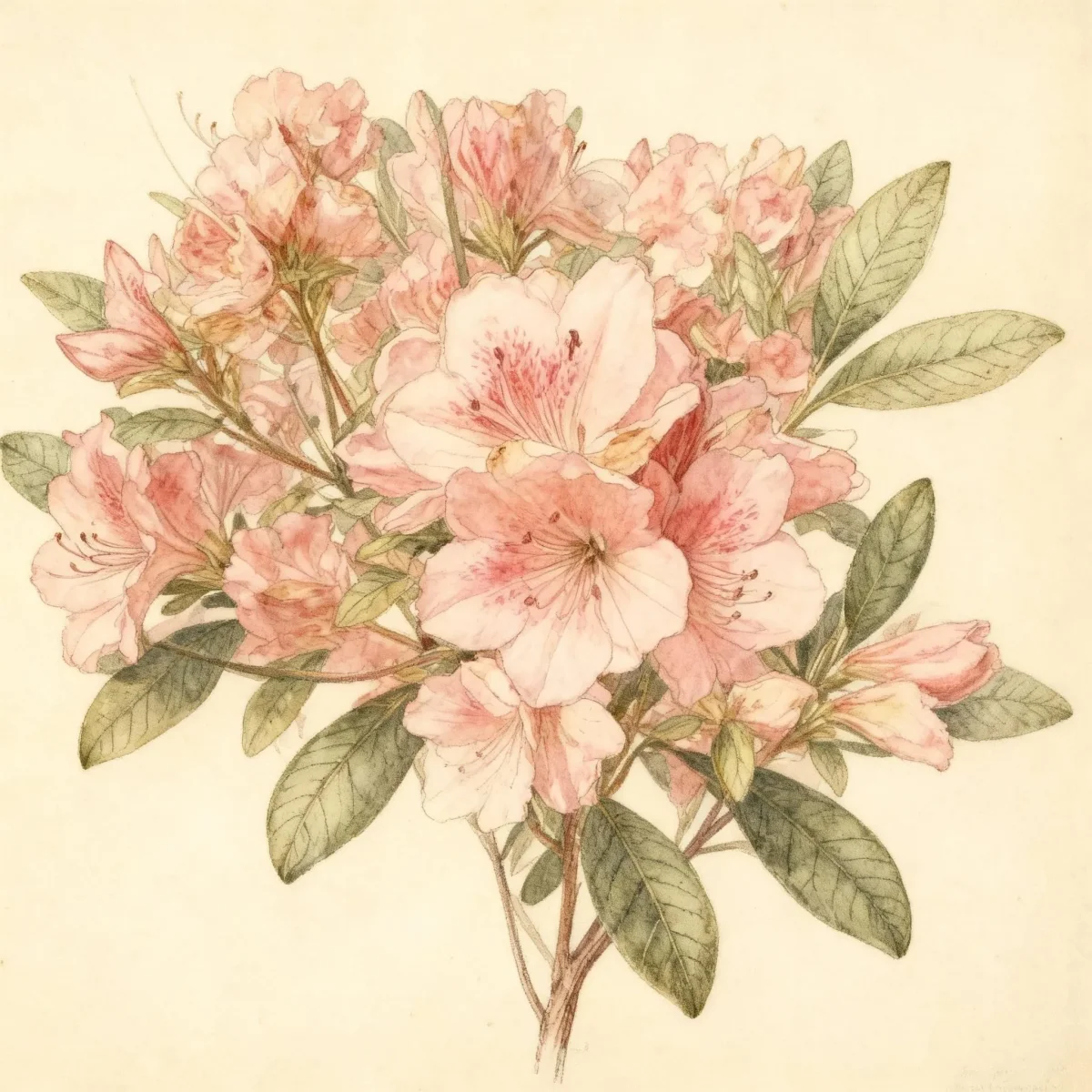
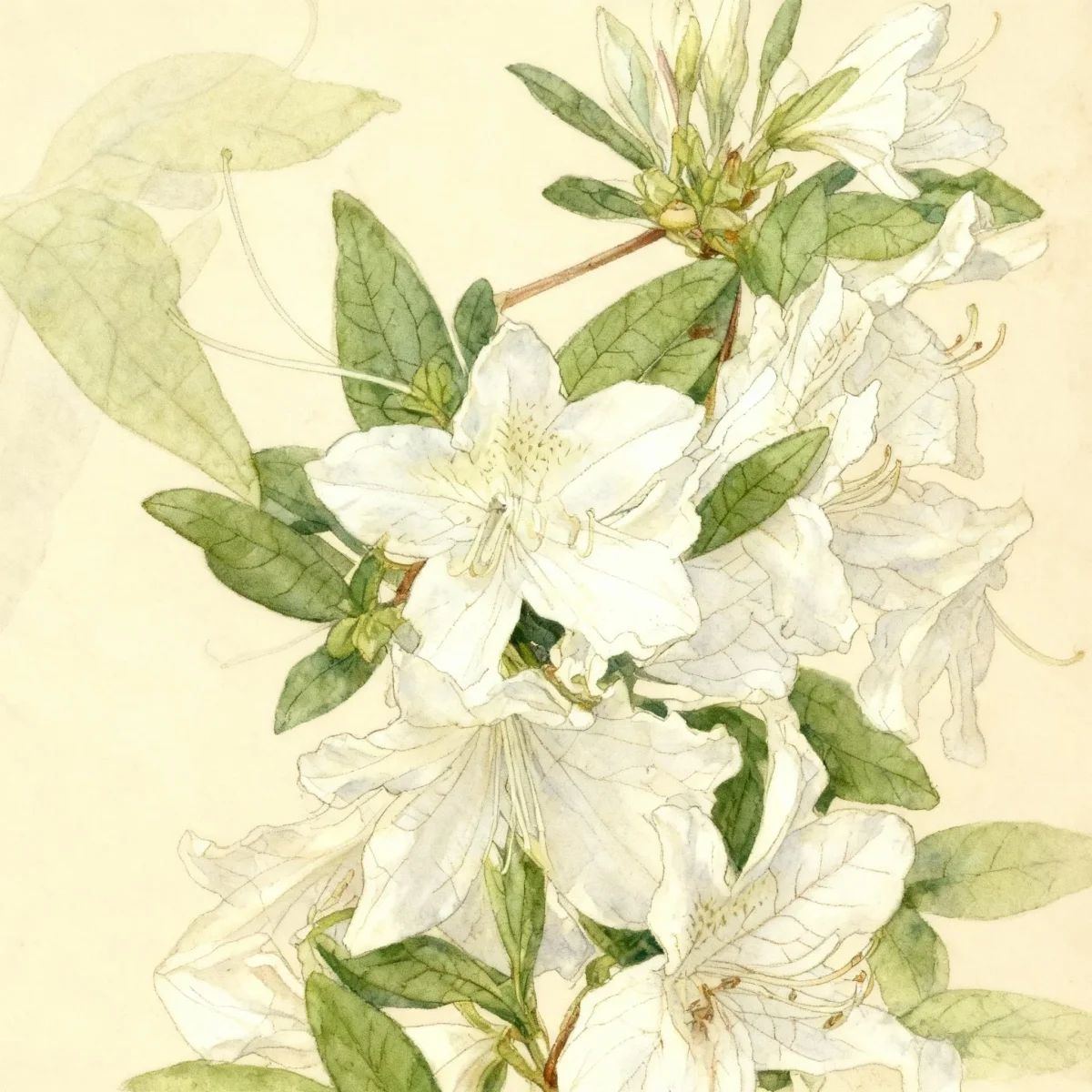
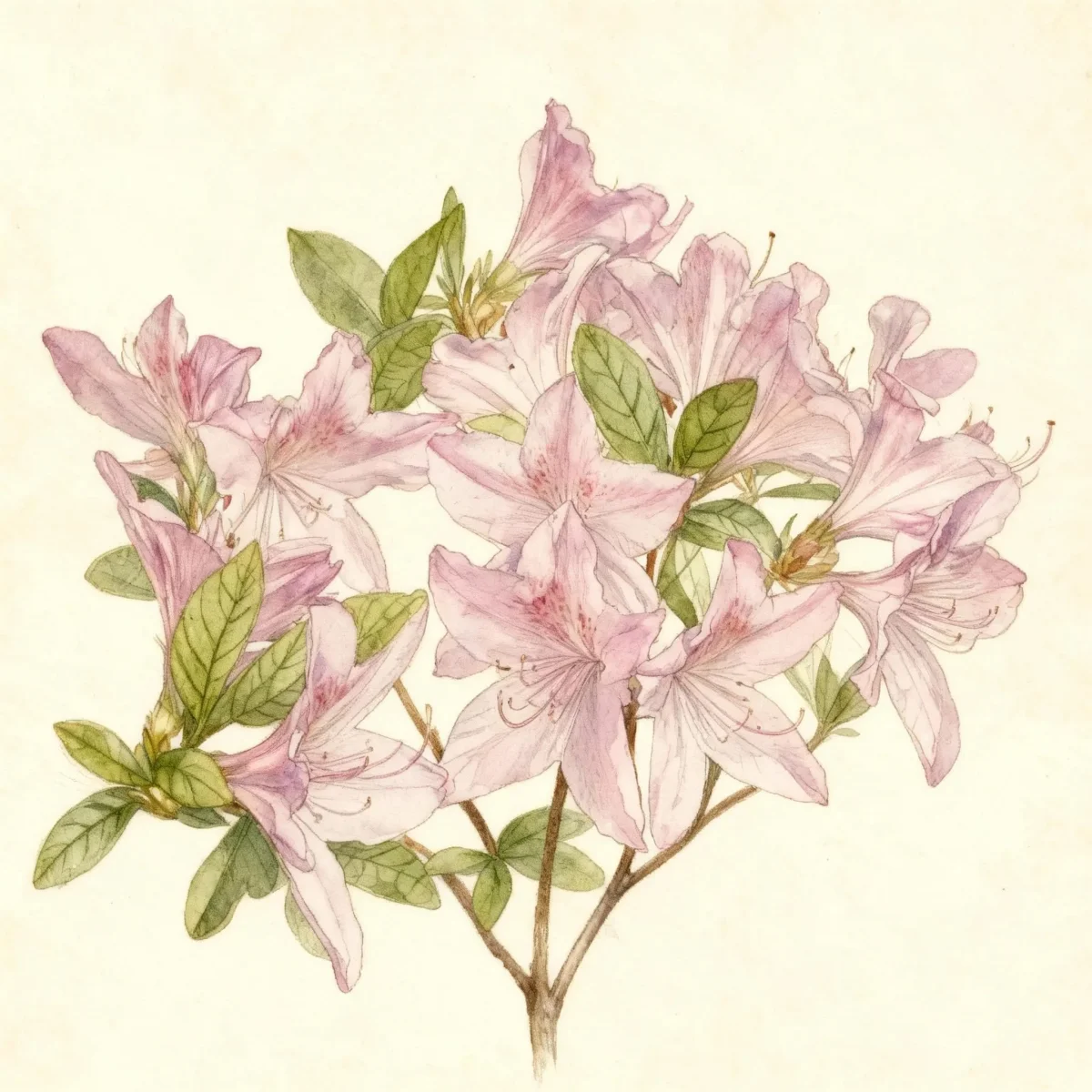
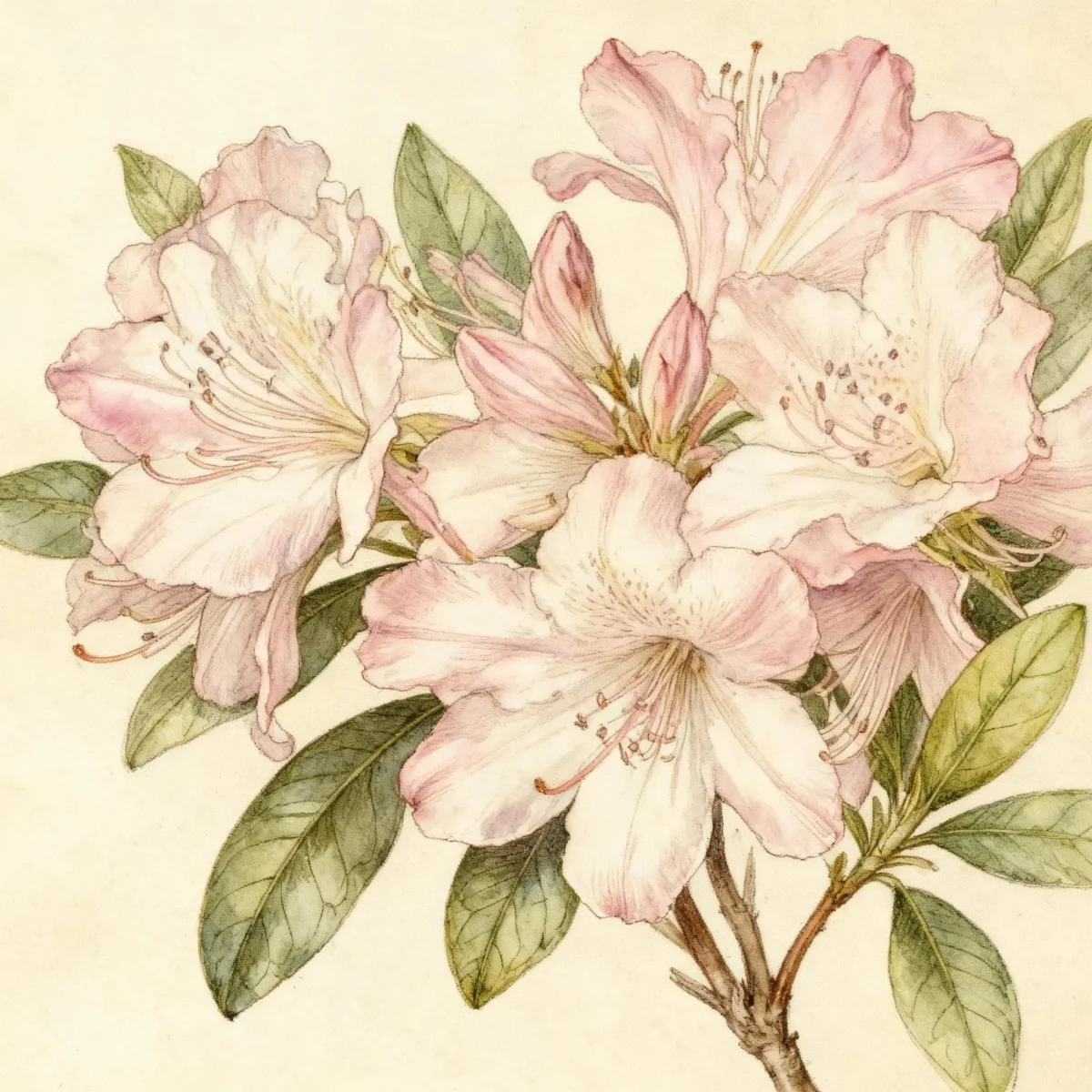
Evergreen azalea (Rhododendron 'Hershey's Red')
Rhododendron 'Hershey's Red' is a vivid red Evergreen azalea offering showy spring blooms, ideal for moist, acidic soils.
Scroll down to discover growing tips, care requirements, companion plants, and more
Complete Plant Information
Overview
Rhododendron ‘Hershey’s Red’ is a highly sought-after hybrid known for its dramatic display of bright red flowers each May. As a broadleaf evergreen azalea, it provides year-round structure and color interest in the landscape, making it an excellent choice for gardeners seeking reliable spring performance. This cultivar typically matures to 4 to 6 feet tall and wide, fitting well into various garden designs.
The value of this Evergreen azalea lies in its vivid coloration and manageable size, perfectly suited for use as a specimen, hedge, or mass planting. Successful cultivation centers on replicating its native woodland environment, prioritizing acidic, moist, yet exceptionally well-drained soil conditions. Gardeners investing in Rhododendron ‘Hershey’s Red’ will be rewarded with a classic, strong accent piece.
True to its genus, Rhododendron ‘Hershey’s Red’ offers more than just seasonal blooms; its dense foliage provides excellent winter texture, contrasting beautifully with snow or dry winter landscapes. Proper siting away from harsh afternoon sun and drying winds is crucial for maintaining the health and appearance of this dependable Evergreen azalea.
Fast Facts
- Plant Family: Ericaceae
- Plant Type: Broadleaf evergreen
- Hardiness Zones: USDA Zones 5-9
- Size at Maturity:
- Height: 4-6 ft
- Spread: 4-6 ft
- Bloom Time: May
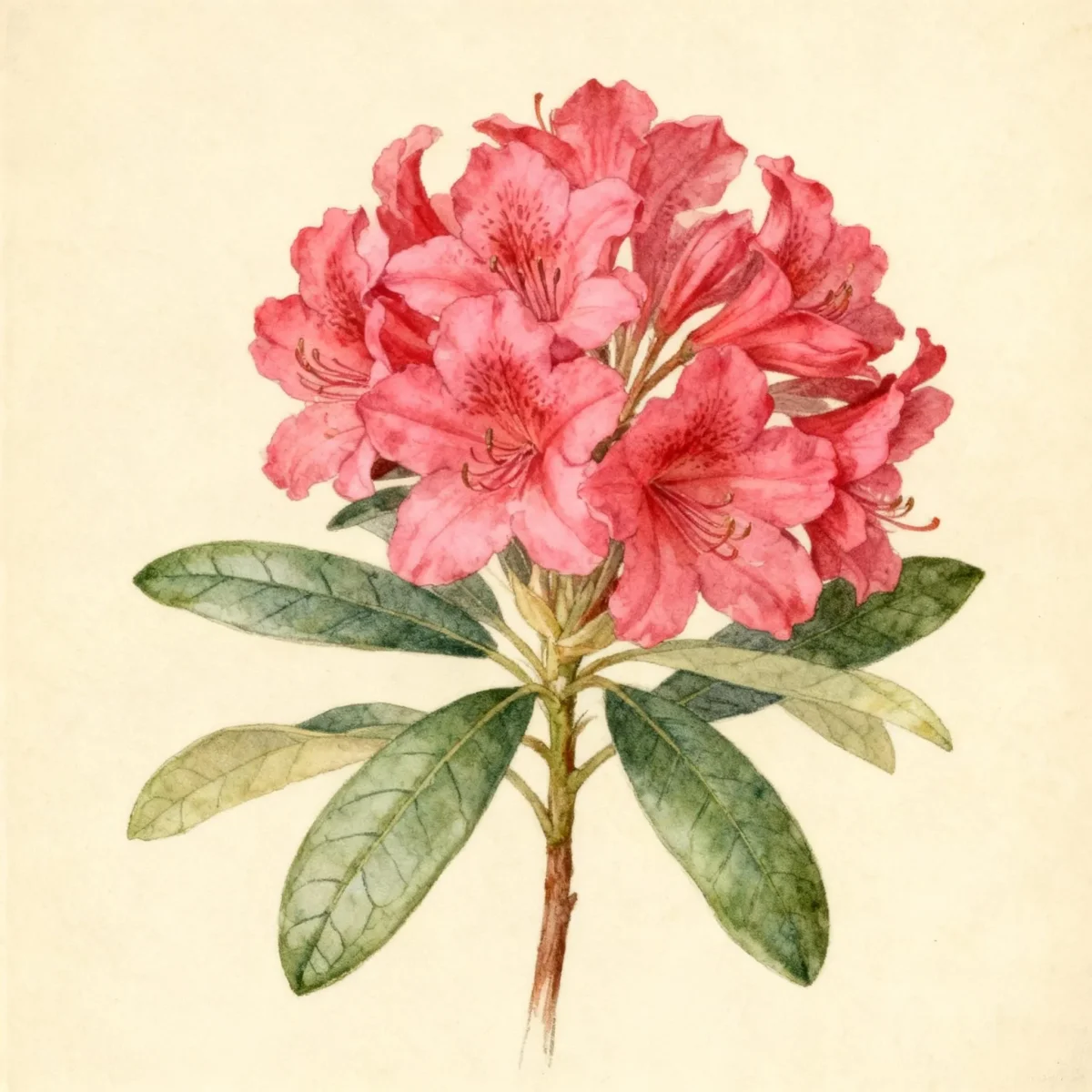
- Bloom Description: Bright red
- Sun Exposure: Part shade
- Water Needs: Medium
- Maintenance Level: Medium
How to Grow
Rhododendron ‘Hershey’s Red’ thrives when planted in early spring or fall, ensuring establishment before temperature extremes. The most critical element is the soil: it must be acidic, rich in organic matter, humusy, and consistently moist but never waterlogged. Plant in locations receiving part shade, ideally dappled sunlight or high open shade, with morning sun and afternoon shade being a perfect compromise. Avoid planting near walnut trees due to juglone sensitivity.
Maintain medium moisture by watering consistently, especially during dry spells, as shallow, fibrous roots should never dry out. Cultivation directly around the base should cease; instead, apply a 2-4 inch layer of mulch, such as wood chips or pine needles, to stabilize soil temperature and conserve hydration. Soil pH should ideally be maintained between 5.0 and 5.5; use sulfur or iron sulfate to lower pH if necessary, or limestone to raise it.
Maintenance for this Evergreen azalea is rated medium. Deadheading (clipping off spent flowers immediately after bloom) is recommended to promote better energy allocation for next year’s buds. Protect Rhododendron ‘Hershey’s Red’ from strong winds. In areas with heavy clay, consider planting in raised beds to ensure the essential good soil drainage required to prevent root rot.
Landscape Uses
As a versatile, neatly shaped shrub, Rhododendron ‘Hershey’s Red’ excels in structured plantings. Its mature size of 4 to 6 feet makes it a prime candidate for use as a low, continuous hedge providing year-round screening or definition along property lines. It is also highly effective when massed together to create an impactful block of color during its May bloom cycle.
Beyond hedges, this variety integrates seamlessly into mixed borders or woodland gardens where filtered light is abundant. Use Rhododendron ‘Hershey’s Red’ as a foundation planting near structures, ensuring they are sited on north or east-facing slopes for the best protection against scorching. Contrast its deep evergreen texture with surrounding deciduous shrubs or perennial plantings in shades of white or lavender for maximum visual appeal.
Standout Features
Flower Qualities
- Showy
Noteworthy Characteristics
Rhododendron is a genus of 500 to 900 species and includes both of what we commonly call rhododendrons and azaleas. Much hybridization has resulted in a great number of hybrid cultivars, and ‘Hershey’s Red’ is one such success, growing 4 to 6 ft. In height and spread. Its vivid red flowers are notable for being hose-in-hose, meaning the blossoms appear to have 10 to 12 overlapped petals, creating the look of one blossom nested inside another.
Tolerances
- Rabbit
Potential Problems
Rhododendrons and azaleas, including Rhododendron ‘Hershey’s Red’, can face challenges from various pests and diseases if cultural conditions are not optimal. Common insect issues involve aphids, scale, and lacebugs, while diseases like root rot and leaf spot can occur, particularly where drainage is poor. A key visual indicator of high soil pH (alkalinity) is chlorosis, where leaves turn yellow due to iron deficiency—a condition common if the soil is not sufficiently acidic.
Prevention relies heavily on proper siting and soil preparation. Ensure the plant receives adequate but not excessive water, and maintain the preferred acidic pH range of 5.0 to 5.5. A healthy Evergreen azalea receiving appropriate light and well-drained soil will naturally resist most issues. Inspection during the growing season allows for early treatment of pests before infestations become severe.
Frequently Asked Questions
What hardiness zones is Evergreen azalea suitable for?
The Evergreen azalea, Rhododendron ‘Hershey’s Red’, is best suited for USDA Hardiness Zones 5 through 9.
How large does Rhododendron ‘Hershey’s Red’ grow?
This hybrid typically reaches a mature height between 4 and 6 feet, with a similar spread of 4 to 6 feet.
What sun exposure does Evergreen azalea need?
Rhododendron ‘Hershey’s Red’ prefers part shade, thriving best in sun-dappled areas or high open shade, avoiding harsh afternoon sun.
When does Rhododendron ‘Hershey’s Red’ bloom?
This plant produces its beautiful, bright red flowers during the month of May.
Conclusion
The Rhododendron ‘Hershey’s Red’ delivers reliable, vivid red spring color coupled with enduring evergreen structure, making it a staple for sophisticated garden design. By ensuring rich, acidic, and well-drained soil, gardeners can foster a healthy specimen of this robust Evergreen azalea. Check your local USDA hardiness zone compatibility and plan to plant this spring or fall for immediate landscape impact.
Companion Planting for Acid Lovers
Because Rhododendron ‘Hershey’s Red’ demands acidic soil, companion planting relies on selecting other acid-loving acidophiles. Consider pairing it with plants that share its moisture and pH needs to simplify care across the border. Good partners include established plantings of Camellia, Pieris (Andromeda), or native ferns that appreciate dappled light filtering through taller canopy trees or your grouping of Evergreen azaleas.
Avoid planting near species requiring alkaline soils, as attempts to amend the soil for one group will invariably harm the other. Establishing a consistent mulch layer composed of pine needles or aged oak leaves across the entire bed helps maintain the necessary cool, moist, and acidic microclimate required for the shallow roots of Rhododendron ‘Hershey’s Red’.
Seasonal Care Calendar
Spring is crucial for this Evergreen azalea. Immediately after the May bloom finishes, perform necessary pruning or deadheading to encourage bushiness and maximize next year’s flower set. Focus watering efforts during any dry spring weather preceding the intense summer heat.
During the summer months, monitor soil moisture closely, as these shallow-rooted plants dislike drying out, regardless of the medium water rating. Use shading techniques or supplemental water if your area experiences prolonged, hot afternoons, which can cause leaf scorch on Rhododendron ‘Hershey’s Red’. Winter preparation is less intensive than for deciduous types, but ensuring adequate soil moisture before the ground freezes helps prevent dehydration from winter winds.